Tag: Krispy Kreme

  • Krispy Kreme Japan Rolls Out Free Doughnut Breakfast Offer Nationwide

    Krispy Kreme Japan Rolls Out Free Doughnut Breakfast Offer Nationwide

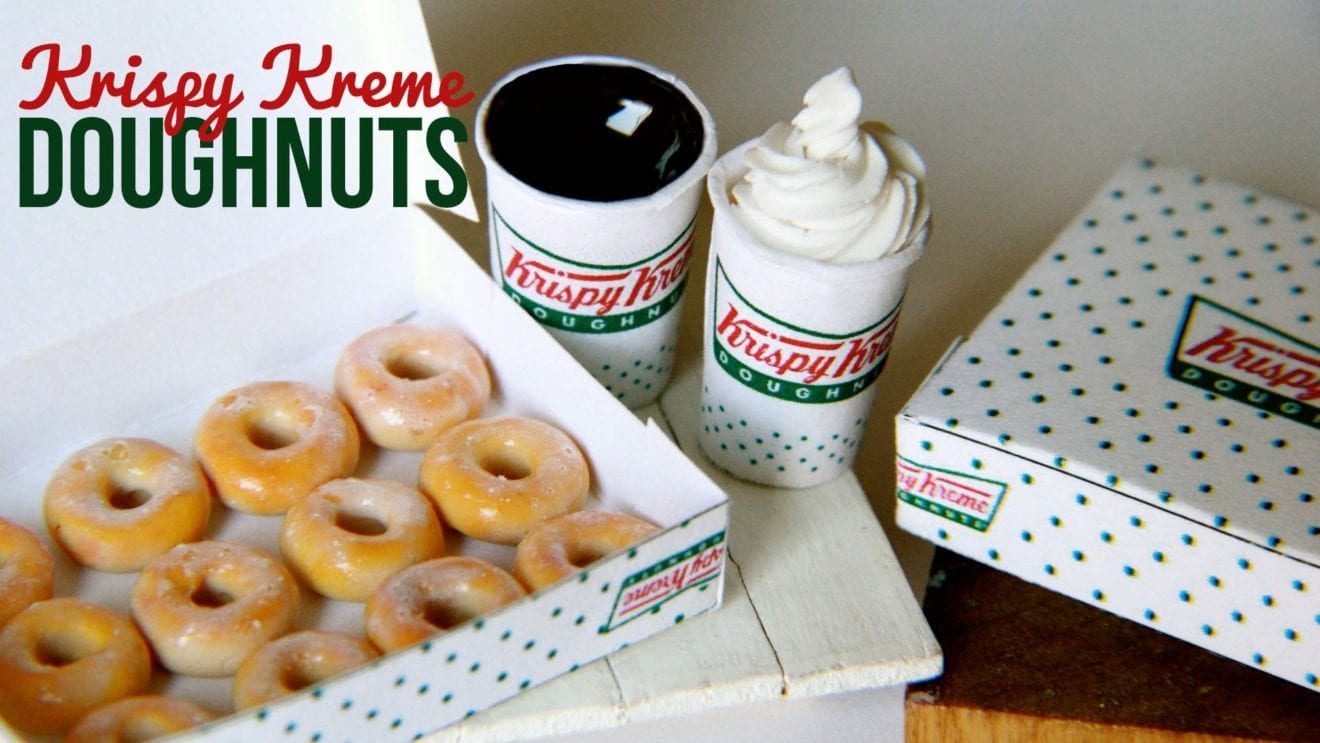
    Krispy Kreme Japan rolled out its Asa OriGre morning campaign nationwide, pairing an Original Glazed doughnut at no charge with beverage purchases until 11am.

    A takeaway hot coffee priced at ¥345 unlocks a pastry that normally retails alone for ¥216.

    How the morning pricing structure works

    The promotion applies across company locations that operate drink service and open before the 11am cutoff. For dine-in patrons, hot coffee costs ¥352 while the companion doughnut carries a standard standalone price of ¥220.

    Exclusions remain tight across the regional footprint. Outlets opening after 11am do not qualify, and Kobe Marui sits outside the campaign despite running Sunday morning trade from 10.30am.

    Targeting commuter transit corridors

    Urban railway nodes anchor the Kansai deployment. Seven outlets across Osaka prefecture participate, led by early-trading sites at Kita Shinsaibashi and JR Osaka Station opening at 8am.

    Two later mall locations join the roster: Diamor Osaka underground mall in Umeda from 10am and Kyobashi Keihan Mall from 10.30am. In Kobe, the brand relies on its Kobe Harborland Umie branch, which opens doors at 10am.

    The morning daypart contest in Japan

    Securing commuter traffic before noon pits international sweet-treat operators against entrenched convenience chains and traditional kissaten morning sets. Major chains and domestic operators have long defended low-cost morning beverage bundles.

    Giving away the core pastry compresses gross unit margins on the initial transaction. Krispy Kreme bets that absorbing the ¥216 product cost turns occasional afternoon browsers into habitual morning coffee buyers, building beverage volumes that carry higher baseline gross margins over time.

    Expanding from regional trial runs

    The national rollout follows localized market testing where the operator monitored morning footfall and ticket averages under the same discount mechanics. Early trial data supported extending the format across corporate and franchise counters that maintain full espresso bar equipment.

    Store managers now face the operational burden of balancing early-morning baking schedules against strict 11am cutoffs without generating midday waste. Attention turns to whether Krispy Kreme maintains the bundle beyond its limited-time window or adjusts minimum beverage price thresholds across regional menus.

  • Krispy Kreme Trims Third-Quarter Loss to $13.4 Million

    Krispy Kreme Trims Third-Quarter Loss to $13.4 Million

    Krispy Kreme narrowed its third-quarter loss to $13.4 million on Thursday as restructuring moves began lowering overheads.

    The deficit narrowed from $20.3 million in the second quarter and $19.4 million reported a year ago.

    Adjusted earnings hit $9.9 million when excluding expenses from selling Krispy Kreme Doughnut Japan Co. Ltd. And paring its stake in a western US joint venture with WKS Restaurant Group from 55% to 20%.

    Pruning Capital in Asia and Beyond

    Krispy Kreme confirmed plans to refranchise select company-owned operations in Japan, Australia, New Zealand, Mexico, Ireland and the UK. The strategy trades direct capital investment for steady franchise fees, reducing balance-sheet exposure in overseas territories where local supply chains and retail leasing costs compress margins.

    International division revenue fell 11.9 per cent to $123.5 million during the quarter. US sales dropped 25.6 per cent to $160.9 million, heavily influenced by the closure of roughly 1,400 underperforming American shops during the third quarter of 2025.

    By contrast, the company’s market development unit surged 135.3 per cent to $44.4 million. The division captures smaller fresh shops, direct delivery channels and mobile food trucks, formats that demand substantially less capital than traditional factory stores with dedicated production lines.

    The Shift to Capital-Light Operations

    For quick-service operators across Asia, running corporate-owned production hubs in high-cost metro markets like Tokyo has grown increasingly punitive. Rising import expenses for core ingredients, utility inflation and tight retail labour markets have made master franchisee models far more attractive to multinational head offices.

    Local partners absorb local operational risk. They handle storefront rent negotiations, regional distribution logistics and store-level staffing while the parent company collects recurring royalties and brand fees.

    Krispy Kreme outlined four restructuring pillars: establishing fresh US and international refranchising channels, prioritising franchise expansion over company capital spending, repairing operational margins and building stable US revenue streams.

    We made significant progress on our turnaround in the third quarter

    Said chief executive Josh Charlesworth.

    Network Footprint and Logistics Overhaul

    The restructuring follows an April overhaul in which Krispy Kreme outsourced the bulk of its US logistics operations to third parties, seeking predictable distribution budgets while concentrating factory hubs strictly on manufacturing.

    Total global access points reached 15,889 by September 30, up from 15,194 a year earlier. That network includes 6,462 locations in the United States, 4,497 international sites and 4,930 access points managed through market development formats.

    Franchise momentum remains central to that footprint growth. During fiscal 2026, the chain secured new franchise development agreements to enter Pakistan, Estonia, Mauritius and the Netherlands.

    Full-Year Guidance and Expansion Targets

    Krispy Kreme raised its fiscal 2026 full-year revenue guidance to between $1.35 billion and $1.4 billion, up from an earlier projected band of $1.25 billion to $1.35 billion.

    Management reiterated targets to add at least 100 new shops worldwide this year. Capital expenditures for the period remain capped at $45 million, keeping spending strictly tied to higher-margin hub-and-spoke rollouts rather than company-owned real estate.

  • Krispy Kreme Japan Launches Limited Fox Doughnuts Across Four Outlets

    Krispy Kreme Japan Launches Limited Fox Doughnuts Across Four Outlets

    Krispy Kreme launched a limited-edition fox doughnut across four store locations in Japan on May 25, testing ultra-concentrated product scarcity.

    The restricted release confines the themed pastry to a tiny fraction of the chain’s national store footprint. Limiting distribution creates immediate localized foot traffic while managing production runs for intricate, hand-finished menu items.

    Targeted Store Allocations

    Restricting specialty bakery products to specific stores allows chain operators to test niche product appeal without burdening nationwide supply chains. In Japan, quick-service dessert operators frequently use regional or store-exclusive runs to drive localized foot traffic and generate organic social engagement without standard advertising spend.

    For retail landlords and station-adjacent retail hubs, hyper-local limited releases direct customer volume directly to specific commercial corridors. The trade-off sits squarely in execution: tight allocations risk customer frustration if inventory sells out too early in the trading day, shifting footfall away from neighboring tenants.

    The Hyper-Local Fast Food Playbook

    Rival confectionery chains across East Asia rely on similar micro-drops to maintain menu novelty against intense convenience store competition. Japanese convenience chains routinely turn over bakery shelves weekly, forcing standalone doughnut operators to create distinct, photogenic items that justify a dedicated store visit.

    Krispy Kreme Japan previously restructured its operations by trimming oversized standalone units and pivoting toward high-efficiency transit kiosks and compact shopping center locations. Concentrating short-run specialty items into selected stores tests how well these distinct formats capture impulsive commuter spending.

    The four selected locations will carry the fox doughnut for a limited period, with store-level sales volumes determining whether the concept rolls into wider regional distribution.

  • Krispy Kreme Doughnuts Rolls $65M Deal with Unison Capital, Transferring Japanese Operations for Sweet Success

    Krispy Kreme Doughnuts Rolls $65M Deal with Unison Capital, Transferring Japanese Operations for Sweet Success

    Krispy Kreme, the renowned doughnut company, has struck a $65 million refranchising agreement with private equity firm Unison Capital. The agreement, which constitutes a significant milestone in Krispy Kreme’s revival strategy, is scheduled for finalization in the initial part of the coming year.

    Two Decades of Krispy Kreme in Japan

    Having established its presence in Japan for the past 20 years, Krispy Kreme boasts of 89 stores and nearly 300 delivery points across the country. The continued growth and presence of Krispy Kreme in Japan underscores the brand’s enduring appeal amongst Japanese consumers.

    Krispy Kreme CEO Josh Charlesworth expressed his satisfaction with the agreement, stating that it signals considerable advancement in a critical facet of the company’s turnaround strategy. He also expressed his confidence in Unison Capital, noting their proven track record and deep-seated experience in the retail beverage and restaurant sectors.

    Charlesworth believes that Unison Capital is the ideal long-term partner for operating and expanding Krispy Kreme’s footprints in Japan. He further noted that the deal’s completion would significantly aid the company’s refranchising efforts, fostering increased financial flexibility and facilitating debt reduction.

    Unison Capital: A Reliable Ally

    Established in Japan in 1998, Unison Capital has managed to raise an impressive $5 billion across six funds in Japan and three more in South Korea. The private equity firm’s successful track record in the region offers confidence for the future growth of Krispy Kreme.

    Tatsuya Hayashi, the co-founder and managing partner at Unison Capital, expressed optimism about the deal. He acknowledged the joy that Krispy Kreme’s fresh doughnuts have brought to communities in Japan over the past two decades. Hayashi also expressed his eagerness to carry forward and build upon this tradition.

    Questions & Answers

    What is the financial value of the refranchising agreement between Krispy Kreme and Unison Capital?
    The agreement is worth $65 million.

    When is the deal expected to be finalized?
    The agreement is anticipated to be completed in the first quarter of the upcoming year.

    How long has Krispy Kreme been present in Japan?
    Krispy Kreme has been operating in Japan for 20 years, with 89 locations and nearly 300 delivery points across the country.

  • Krispy Kreme caught posting embarrassing racial slur

    Krispy Kreme caught posting embarrassing racial slur

    Doughnut chain Krispy Kreme is facing a potential fallout after its advertisement campaign for the Australia and New Zealand market was caught containing an offensive racial slur.

    The campaign features four short videos showing that Krispy Kreme doughnuts can be used to celebrate sports events, birthday parties, movie nights, and special milestones.

    In one of the videos, the doughnuts replace the letter ‘o’ in the word ‘congrats’, turning it into ‘coongrats’ and then ‘cooongrats’.

    Creative agency Abel made the campaign in collaboration with Limehouse Production. Abel was appointed to be in charge of Krispy Kreme ANZ’s local creative in May.

    The advertisement has rolled out across social, digital, OOH and in-store media. The video with the word ‘congrats’ has been removed from YouTube, while the other three videos in the campaign are still available on the platform.

    Ad Standards told Mumbrella the body has not received any complaints about the campaign.

  • Krispy Kreme creates Lotus Biscoff biscuit-inspired doughnuts

    Krispy Kreme creates Lotus Biscoff biscuit-inspired doughnuts

    Airline travel might be a little unpredictable right now, but there’s one thing you can always count on: Krispy Kreme to serve up delicious doughnuts. Even if you’re not flying this month, you can still enjoy one of your favorite airplane treats at your local doughnut shop.

    We’re not talking about stale pretzels or a bag of peanuts, we’re talking about sweet and caramelly Biscoff cookies. Starting January 9, Krispy Kreme is adding three new Biscoff-flavored doughnuts.

    Krispy Kreme and Lotus Biscoff are partnering to create the first-of-its-kind cookie butter-flavored doughnut collection, which will be available for a limited time at participating Krispy Kremes nationwide. The collection includes a Biscoff Iced Dougnut, Biscoff Cookie Butter Cheesecake Doughnut, and Biscoff Cookie Butter Kreme Filled Doughnut.

    The Biscoff Iced Doughnut is an Original Glazed doughnut dunked in Biscoff Cookie Butter icing. The Biscoff Cookie Butter Cheesecake Doughnut is an Original Glazed doughnut dunked in Biscoff Cookie Butter icing and finished with a swirl of cream cheese buttercream and Biscoff crumble. The Biscoff Cookie Butter Kreme Filled Doughnut is a doughnut filled with Biscoff Cookie Butter Kreme, dunked in Biscoff Cookie Butter icing, and finished with dark chocolate icing and Biscoff crumble.

    To add to this first-class experience, any customer who purchases a Krispy Kreme Biscoff doughnut will receive a free package of Biscoff cookies just like you would on a flight, while supplies last.

    Most of the time these limited-run menus are only available at Krispy Kreme stores, but the Biscoff collection will also hit retailer shelves. If you don’t have a Krispy Kreme near you, you can find the six-pack Biscoff collection at Walmart, Kroger, Food Lion, Publix, Stater Brothers, Wakefern, and more stores. To see if the collection is available at your local grocery store, you can visit Krispy Kreme’s site.

  • Arnott’s teams with Krispy Kreme to create doughnut-inspired biscuits

    Arnott’s teams with Krispy Kreme to create doughnut-inspired biscuits

    Australian biscuit maker Arnott’s has teamed up with Krispy Kreme doughnuts to create a new range of doughnut-inspired Teevee snack biscuits called “dough-scuits”.

    The mini doughnut-shaped snacks come in five different flavors inspired by the doughnut brand – Original Glazed, Caramel Delight, Choc Iced, Strawberry Sprinkle, and Kookies & Kreme.

    The biscuit line is the second collaboration between these two snack food brands: last April, Krispy Kreme released a chocolate glazed doughnut topped with an Arnott’s Mint Slice biscuit.

    “Teevee snacks are a classic, well-loved Australian biscuit, and we’re thrilled to partner with Krispy Kreme to add a new twist to this iconic treat,” said Krishma Sood, brand manager at Arnott’s.

    “With a range inspired by some of Australia’s most popular doughnuts, this new generation of ‘dough-scuits’ is the collaboration Teevee snacks fans have been waiting for!”

    The new Teevee dough-scuits is available at major grocery stores starting this May at RRP $4.00 for a 165g pack.

  • Krispy Kreme opening pop-up store in Christchurch, NZ

    Krispy Kreme opening pop-up store in Christchurch, NZ

    International retailer Krispy Kreme will open a pop-up store at Westfield Riccarton in Christchurch.

    The pop-up store, which will be open for two weeks starting September 28, will signal the start of Krispy Kreme’s nationwide roll out through an ongoing partnership with selected BP Connect sites, starting with 12 Christchurch locations from October 5.

    Antonio Rivera, New Zealand Retail manager, said they can’t wait to give everyone a taste of the authentic Krispy Kreme experience.

    “It’s long been our desire to bring smiles to as many Kiwis as possible by giving them the chance to enjoy a fresh Krispy Kreme doughnut,” Rivera said.

    “Whether you’re a big fan of the Original Glazed or prefer yours with a few more sprinkles, the pop- up store will ensure that Christchurch doughnut fans will be the first in the South Island to buy Krispy Kreme locally.”

    Adrian McClellan, BP general manager of retail and assets, said they are excited to make Krispy Kreme doughnuts available at more sites across the country.

    “Krispy Kreme is incredibly popular with our customers in the upper North Island, so I’m delighted to say that we can now extend that to customers at selected BP Connect sites across Christchurch, Wellington and the rest of the North Island.”

    Krispy Kreme’s first store in the country opened in Auckland in February 2018. Since then Krispy Kreme has opened further retail outlets in Chancery Square, Auckland and Auckland Airport’s Domestic Terminal.

  • Krispy Kreme Myanmar makes debut next month

    Krispy Kreme Myanmar makes debut next month

    Krispy Kreme Myanmar will open its first store next month.

    The US doughnut brand has appointed a local franchisee partner which it says has plans to open 10 stores “in the near future”.

    Krispy Kreme Myanmar will be one of only a small number of early entrants into the country among global fast-food brands.

    “With a growing economy and a population eager to welcome global brands, the time is right for Krispy Kreme to bring sweet treats to Myanmar,” a company spokesperson said in a statement issued from its North Carolina headquarters.

    Krispy Kreme Doughnut Corporation was founded in 1937 and sells a range of doughnuts along with coffee through 12,000 supermarkets and convenience stores in the US and through 1400 of its own or franchised retail shops in 32 countries.

  • Pret A Manger sold to Krispy Kreme owner for £1.5bn

    Pret A Manger sold to Krispy Kreme owner for £1.5bn

    Pret A Manger’s global business, including Hong Kong and Singapore, has been sold to global investment firm JAB.

    Flush with cash from the sale of Jimmy Choo and a controlling interest in Bally, JAB is refocusing its core business investments on consumer goods and cafes. The company, majority owned by Germany’s secretive Reimann family – has controlling stakes in US coffee brand Keurig Green Mountain, European coffee supplier Jacobs Douwe Egberts, cafe chains Panera Bread, Peet’s Coffee & Tea, Caribou Coffee Company, US bagel chain Einstein Noah Restaurant Group, Krispy Kreme Doughnuts, and Espresso House, Scandinavia’s largest branded coffee shop chain. It also owns shares in makeup giant Coty and consumer goods company Reckitt Benckiser.

    UK-headquartered Pret A Manger, which has 530 stores globally, including 26 in Hong Kong, one in Singapore and two in Mainland China, serves 300,000 customers daily with global revenues of £879 million (US$1.166 billion).

    JAB will pay nearly $2 billion for the business (including taking over debt) to private equity investor Bridgepoint and an assortment of minority shareholders. According to BBC News, all 12,000 staff globally will receive a bonus of about US$1200. Bridgepoint bought the business in 2008, including a 33 per cent stake then held by fast-food operator McDonald’s Corporation, paying €500 million for the business, or US$584 million at today’s exchange rate.

    Pret A Manger CEO Clive Schlee described the sale announcement as “a day of celebration at Pret”.

    “This agreement recognises the hard work of all our amazing teams around the world. Bridgepoint has been a wonderful owner of the business for more than a decade. All of us at Pret believe JAB will be excellent long-term strategic owners.”

    He said JAB supported Pret’s growth plans, suggesting further expansion in Asia is on the cards as the company refines its offers in Singapore and China.

    “I am really looking forward to this next chapter of Pret’s story.”

    The deal follows a ninth successive year of like-for-like sales growth for Pret A Manger.

    “The brand continues to thrive around the world thanks to our simple recipe of freshly prepared food, served by genuinely engaged teams,” said Schlee.

    JAB partner and CEO Olivier Goudet said his company plans to continue Pret’s “extraordinary growth story”.

    “Management’s proven track record and commitment to customer service, investment in innovation and approach to freshly prepared food position Pret well as it capitalises on evolving consumer taste and lifestyle preferences. We look forward to working with Clive Schlee and his management team, while promoting the Pret brand and supporting Pret’s impressive culture for the next phase in the company’s growth with JAB.”

    Last year, Philippines fast-food operator Jollibee was linked to a bid for Pret A Manger at a value exceeding $1 billion and Bridgepoint was also reportedly considering an IPO for the business.

    It would appear from the published reactions of Pret A Manger management private ownership is a more comfortable fit with the business.

  • US investor buys into Mitra Adiperkasa

    US investor buys into Mitra Adiperkasa

    US private-equity company General Atlantic has made its first investment in Indonesia by buying into lifestyle retailer Mitra Adiperkasa (Map).

    It has subscribed for Rp1.08 trillion (US$80.5 million) in bonds issued by Map which are convertible into shares in its F&B subsidiary Map Boga Adiperkasa (MBA), which runs Cold Stone Creamery, Godiva, Krispy Kreme, Pizza Express and Starbucks in Indonesia. It has more than 300 stores across 24 cities, and has more than doubled its store count over the past five years.

    Map runs multi-channel retail concepts in Indonesia across a diversified portfolio of department stores, sportswear, specialty fashion, F&B, and lifestyle products. It has nearly 2000 retail stores.

    “We believe the rapid rise in Indonesia’s middle and young working classes, the increase in this population’s disposable income, and the continued rural-to-urban migration represents an opportunity for us to strengthen our international food brands and cement our leadership position in the F&B market,” says Map CEO V.P.

    Sharma. A portion of the investment money will be used to accelerate the F&B division’s network expansion.
    “Indonesia’s domestic consumption comprises more than half of gross domestic product, and consumption patterns are increasingly shifting toward modern and aspirational lifestyle brands,” says General Atlantic Southeast Asia head Wai hoong Fock. “These secular trends position MBA’s food & beverage portfolio well for further expansion.”

    Regional commitment

    The partnership, General Atlantic’s first investment in Indonesia, indicates its commitment to long-term market prospects in South-east Asia,” says Fock, who joined General Atlantic from CVC Capital Partners last year to lead its South-east Asia investing program. He is based in the firm’s Singapore office.
    General Atlantic has 18 investment professionals in Asia, based in offices in Beijing, Hong Kong, Mumbai and Singapore. The firm opened its Singapore office in 2011, investing three years later in Singapore-based online mobile entertainment/communication Garena platform. It has also supported the growth of retail and F&B companies including lifestyle brand Tory Burch, luxury fashion brand Zimmermann, restaurant group Barteca Holdings, urban juice-bar concept Joe & The Juice, community accommodation marketplace AirBNB and transportation network company Uber.

    Map has 1921 retail outlets in 68 cities throughout Indonesia. Its retail concepts include department stores (Debenhams, Galeries Lafayette, Seibu and Sogo), fashion and lifestyle (Crabtree & Evelyn, Kipling, Lacoste, Marks & Spencer, Massimo Dutti, Nautica, Sephora, Swarovski, Topman, Topshop and Zara), sports (Converse, Golf House, Oakley, Payless ShoeSource, Reebok, Rockport, Skechers, The Athlete’s Foot and The Sports Warehouse), F&B (Burger King, Cold Stone Creamery, Domino’s Pizza, Godiva, Krispy Kreme and Starbucks), kids (Kidz Station and Oshkosh B’Gosh) and bookstore Kinokuniya.

  • Panda Express heading for Japan

    Panda Express heading for Japan

    US Chinese fast-food chain Panda Express, a staple of mall food courts in California, is about to launch in Japan.

    It will be in the hands of I&P Runway Japan, a joint entity set up last year between Panda Express owner Panda Restaurant Group and Chikara no Moto, the restaurant management group behind the tonkotsu ramen chain Ippudo. Originally formed to help Ippudo gain a foothold in the US, the JV is now aiming to open the first Japanese Panda Express before the end of the year.

    Other American fast-food chains such as KFC, Krispy Kreme and McDonald’s have had success in Japan, tweaking their menus to suit local tastes.

  • Krispy Kreme snapped up by retail giant

    Krispy Kreme snapped up by retail giant

    Corporate retailer JAB Holdings has successfully concluded its purchase of Krispy Kreme Doughnuts, a deal first mooted in May.

    As a result, share-trading on the NYSE has ceased as the ‘sweet treat’ maker becomes part of a global retail portfolio of retailers as diverse as Coty and Jimmy Choo.

    Privately-owned JAB Holdings’ portfolio includes controlling stakes in Bally, Belstaff, Peet’s Coffee & Tea, Espresso House in Scandinavia, Jacobs Douwe Egberts (JDE), the largest pure-play FMCG coffee company in the world, and a minority stake in Reckitt Benckiser.

    Under the terms of the latest transaction, Krispy Kreme shareholders will receive US$21 per share in cash.

    Krispy Kreme, founded in 1937, today boasts more than 1100 shops in more than 26 countries around the world.

  • Krispy Kreme to open 10 shops in Myanmar

    Krispy Kreme to open 10 shops in Myanmar

    Krispy Kreme announced this week that it is set to open 10 shops in Myanmar over the next five years.

    Dan Beem, Krispy Kreme’s Senior Vice President and President – International, said with a growing economy and a population eager to welcome global brands, the time is right for the company to bring its sweet treats to Myanmar.

    The company has signed a development agreement with Singapore-based Doughnut Group Pte. Limited.

    “We’re confident the Krispy Kreme experience will be as meaningful in Myanmar as it is in Memphis or Manila, or anywhere else around the world where our signature sweet treats and coffee are served,” said Pote Narittakurn, owner of Doughnut Group Pte. Limited

    Krispy Kreme has more than 1,000 retail shops in 24 countries. Its  fundraising program has, for decades, helped non-profit organizations raise millions of dollars in needed funds.

  • MAP Expects Slower Gross sales, to Spin Off Attire Division

    MAP Expects Slower Gross sales, to Spin Off Attire Division

    Mitra Adiperkasa, or MAP, a life-style retailer that holds the licenses for Starbucks, Burger King and Zara in Indonesia, forecasts slower gross sales progress this yr, citing climbing prices and the nation’s financial slowdown.

    Fetty Kwartati, company secretary at MAP, stated that the corporate focused gross sales to develop between 13 % and 15 % this yr. That may be a steep stoop in comparison with final yr’s gross sales that grew 22 % to Rp 11.eight trillion ($895 million).

    “We’re conscious that the state of affairs can be difficult this yr so we’re setting this objective from the very starting,” Fetty stated on Monday. “Hopefully, issues will flip for the higher within the second half of the yr.”

    Revenue for retailers like MAP has declined resulting from Indonesia’s slowing financial system, which grew at its weakest tempo in 5 years at four.7 % within the first quarter, coupled with a weak foreign money that has pushed up the price of import.

    Internet revenue at MAP fell 78 % to Rp 10 billion between January and March from Rp 78 billion final yr, as larger prices reduce the corporate’s year-on-year revenue margin to zero.three % from 1.5 % final yr.

    Beneath such circumstances, the native retailer is setting a extra “prudent” enlargement plan, setting apart as much as Rp 500 billion in capital spending this yr — 17 % decrease than final yr’s Rp 600 billion — stated Virendra Prakash Sharma, vice chairman director at MAP.

    “So far as the enlargement plan goes this yr, we’re going to be very prudent. We’re going to be very selective on the subject of enlargement,” Sharma stated.

    A lot of the spending will go in the direction of the corporate’s plan to confide in 45 new Starbucks branches this yr, he added.

    The retail may also be spinning off its active-lifestyle enterprise division, Mitra Aktif Adiperkasa, this yr in hopes to “unlock the brand new division’s potential,” Sharma stated. The corporate goals to listing Mitra Aktif Adiperkasa on the Indonesia Inventory Change inside the subsequent 4 to 5 years, he stated.

    Beneath Mitra Aktif Adiperkasa, the retailer will consolidate the corporate’s lively attire division with its socks division Putra Agung Lestari and garment enterprise Mitra Garindo Perkasa, working as a lot as 878 retail branches underneath the corporate, the vice chairman director stated.

    The transfer follows Mitra Adiperkasa’s stake sale on two of its meals and drinks manufacturers — Domino’s Pizza and Burger King — final yr.

    The agency bought 51 % of its stake in Domino’s Pizza, in addition to 39.four % of Burger King, to Everstone Capital, a Singapore-based personal fairness agency, final yr.

    MAP will promote one other 11.6 % of Burger King to Everstone Capital later this yr, leaving the native retailer with a 49 % stake on the fast-food model, in accordance with Sharma.

    MAP holds the license to over 150 worldwide manufacturers  — together with Sogo, Zara and Krispy Kreme — with a complete of 1,879 retail outlets throughout 65 cities in Indonesia as of April.