Retail News CRM

Tag: L Brands

  • Bath & Body Works delivers big sales numbers for L Brands

    Bath & Body Works delivers big sales numbers for L Brands

    As usual, the latest results from L Brands show a tale of two companies: Bath & Body Works put in a blistering performance of 8 per cent comparable growth, while Victoria’s Secret posted a highly negative drop of 6 per cent in comparable terms.

    Combined, this pushed total comparable sales for the group down by 1 per cent for the second quarter.

    The results from Victoria’s Secret are particularly disappointing, especially as the company has been actively improving ranges and trying to inject more fashion into its product mix. However, this does not necessarily indicate the company is on the wrong track. Among existing customers of Victoria’s Secret, the changes have been well received, but some shoppers are still drifting away from the brand, which has yet to win back much of the trade that it has lost over the past few years.

    Such a win-back will only come with time and more of an effort to recast the brand image of the firm. Fortunately, management appears to have now started to understand this – hence its hesitancy on initiatives such as the annual Fashion Show. That said, the lack of clarity about whether not the show will go ahead underlines the fact that Victoria’s Secret still doesn’t have a clear view as to what it actually wants to stand for, let alone how it will go about executing such a change.

    Until such clarity emerges, the performance of Victoria’s Secret will continue to suffer. The brand is still not connecting and resonating with large swathes of its target market. Indeed, Victoria’s Secret continues to be tarred with the negative connotations that surround its overt sexuality and its focus on airbrushed glamour.

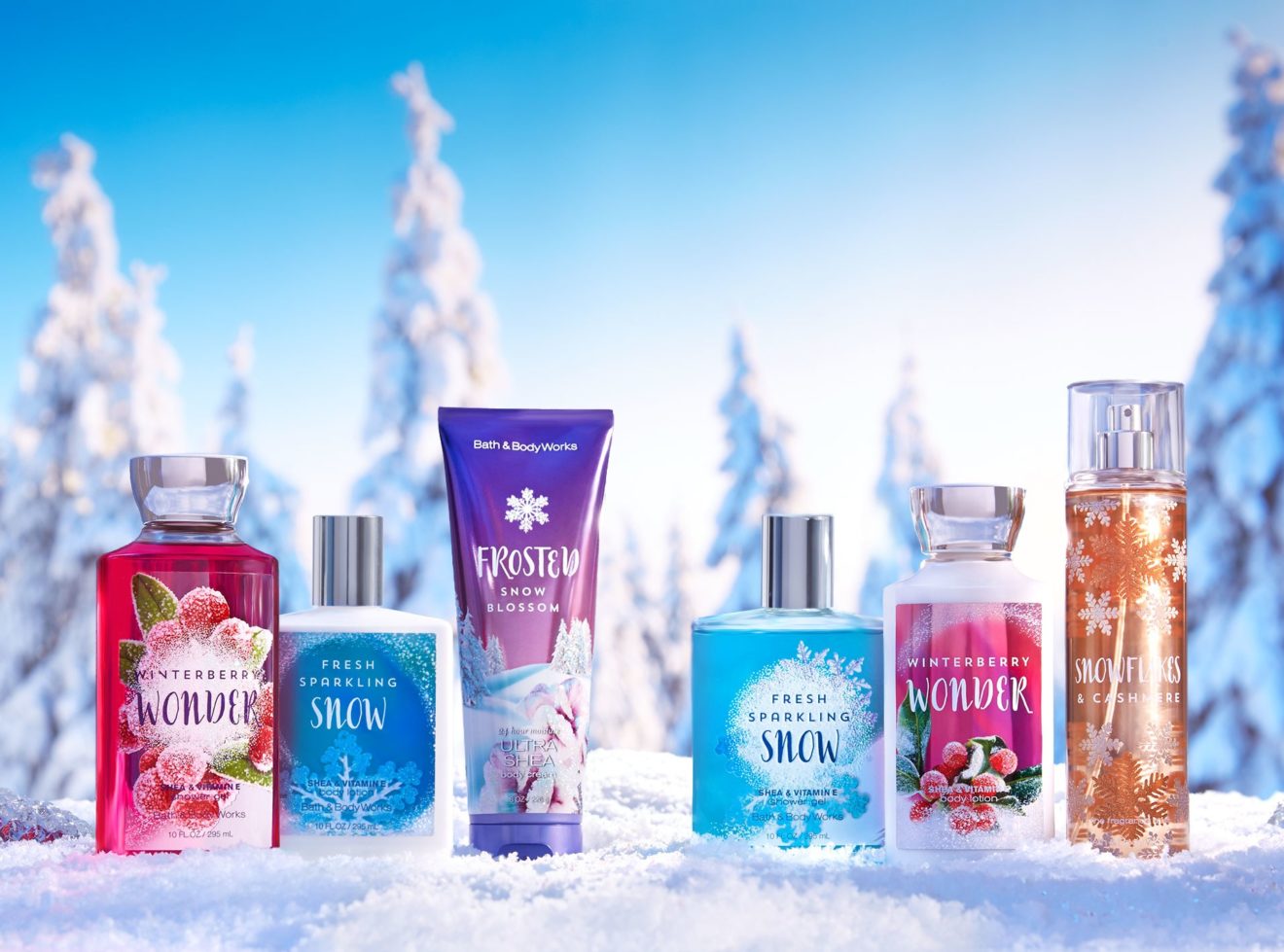
    Standing in marked contrast to Victoria’s Secret is Bath & Body Works. The company’s wholesome brand image and its focus on small indulgences is paying real dividends.

    One of the main strengths of the chain is its range development, where seasonal lines and takes on hot trends like aromatherapy are driving repeat visits from consumers as well as lifting basket sizes. The integration of the White Barn concept in some refurbished stores is also proving to be successful and there is clearly much more potential for Bath & Body Works to develop its home scents and candles business.

    From GlobalData’s customer data it is also clear that Bath & Body Works is popular due to the value for money it offers. Many items feel premium but are sold at reasonable price points, something that generates loyalty and bulk purchasing. On top of this, regular promotions also help to drive volumes through the business.

    Ultimately, success at Bath & Body Works stems from the fact that the team is much more attuned to the market and consumer trends than is the case at Victoria’s Secret. The cultures at the two divisions could not be more different: Victoria’s Secret should take a leaf out of its sister brand’s playbook as it looks to reinvent itself.
  • Victoria’s Secret parent to close stores as sales stagnate

    Victoria’s Secret parent to close stores as sales stagnate

    L Brands, the parent of Victoria’s Secret, saw its share price fall 8 per cent after releasing disappointing results and halving its dividend payout. The US-headquartered company is struggling to arrest declining revenue in its flagship lingerie network, where same-store sales fell 8 per cent in January, contributing to a 1 per cent drop in overall sales. Online sales, however, rose by 8 per cent.

    Overnight, subsequent to releasing its results, the company said it would close 53 stores in North America. Earlier this year it said it would reintroduce swimwear to its range after an absence of several years to increase foot traffic in stores.

    Net sales for the year to February 2 were US$13.237 billion compared to $12.632 billion for the 53 weeks ended February 3 last year. Adjusted to take account of the extra week, sales rose 3 per cent in the latest year.

    But after excluding significant one-off items, the company’s adjusted net income this year was $786.7 million compared to $919.5 million for the 53-week period last year.

    As a result of that decline, L Brands cut its quarterly dividend from 61 cents per share paid last year to just 30 cents.

    Analyst Randal Konik of Jefferies said L Brands’ banners “are not wanted anymore”.

    “Keep in mind that comps remain negative despite very high promos, which means true brand demand is even worse than reported as some consumers buy things when they are given away for free or marked down by more than 50-75 per cent,” he said.

  • L Brands sells La Senza lingerie business

    L Brands sells La Senza lingerie business

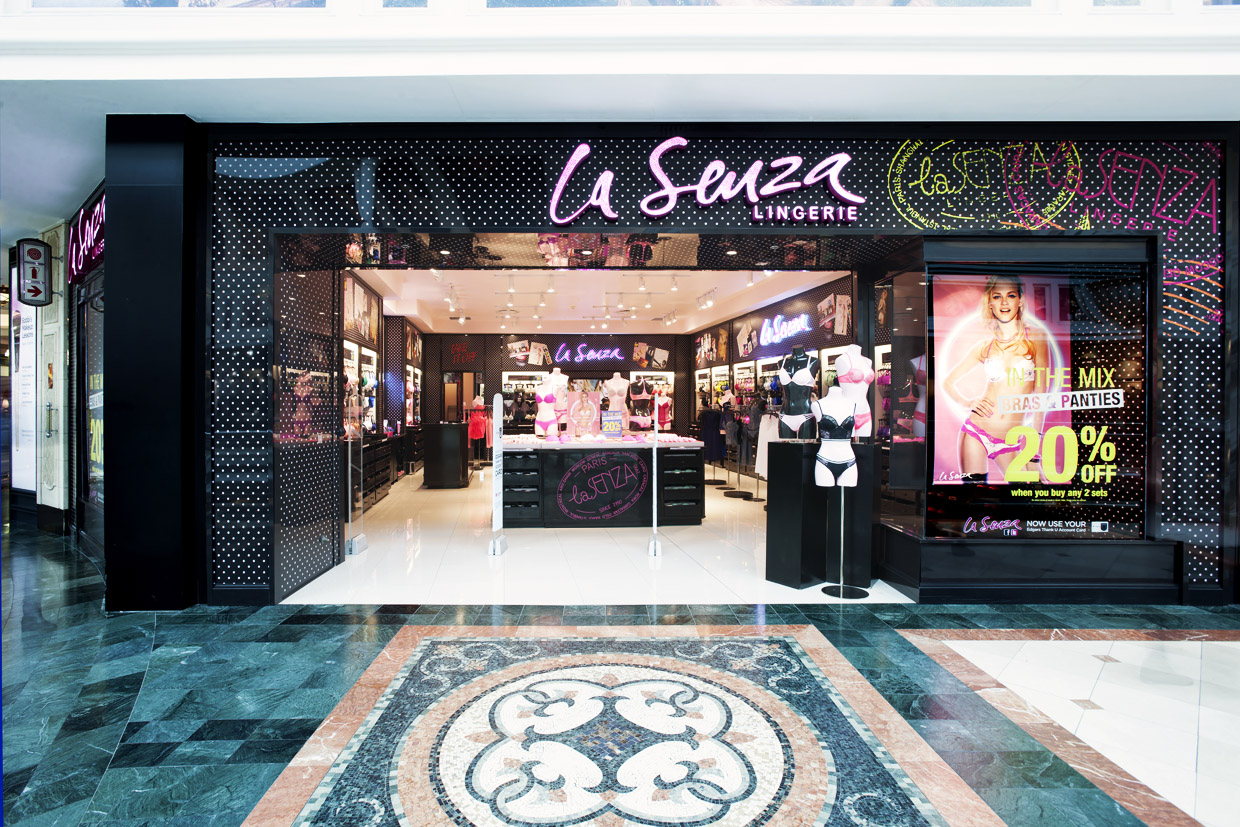
    US retailer L Brands has agreed to transfer full ownership and operations of its Canadian-headquartered La Senza lingerie brand to a Regent LP affiliate. Upon completion, the private equity investor will assume La Senza’s debts and all future considerations for the brand. The deal is part of L Brands’ efforts to focus on its core brands as its flagship label Victoria’s Secret faces challenging shifts in the market.

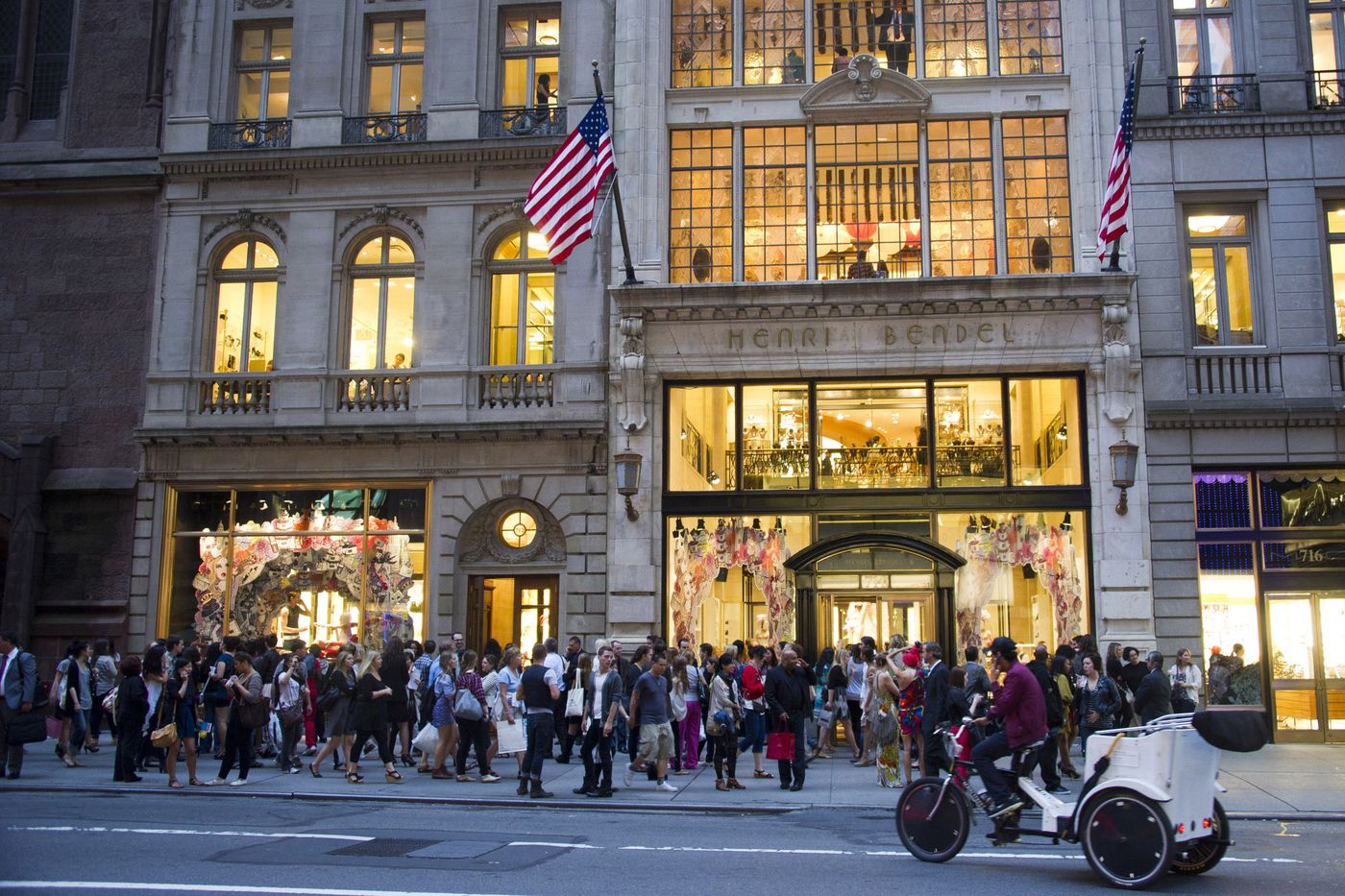
    L Brands this year closed down its heritage women’s apparel line Henri Bendel after 123 years of trading. The sale of both Henri Bendel and La Senza is expected to encourage investors concerned about Victoria’s Secret’s declining performance as direct-to-consumer startups and the emerging success of rival label Aerie threaten the brand’s market supremacy.

    L Brands expects this year’s sales for La Senza will hit around $250 million with operating losses of about $40 million.

    La Senza was founded in 2006 and at its peak in 2010 had some 800 stores worldwide, 320 of them in Canada. But by 2013 the business was in decline, under competitive pressures from rival brands including Victoria’s Secret. By January last year, the store network had contracted to just 329, including 122 in Canada and four in the US.

    In 2011 a separate company La Senza UK, which held the franchise to the brand in the UK and Ireland, was placed in administration and later acquired by Kuwait-based Alshaya, but despite a further change of ownership, that business was placed in administration again in 2014.

    Other stores using the brand around the world are operating under a franchise agreement.

  • L Brands loss revealed, Victoria’s Secret faces challenge

    L Brands loss revealed, Victoria’s Secret faces challenge

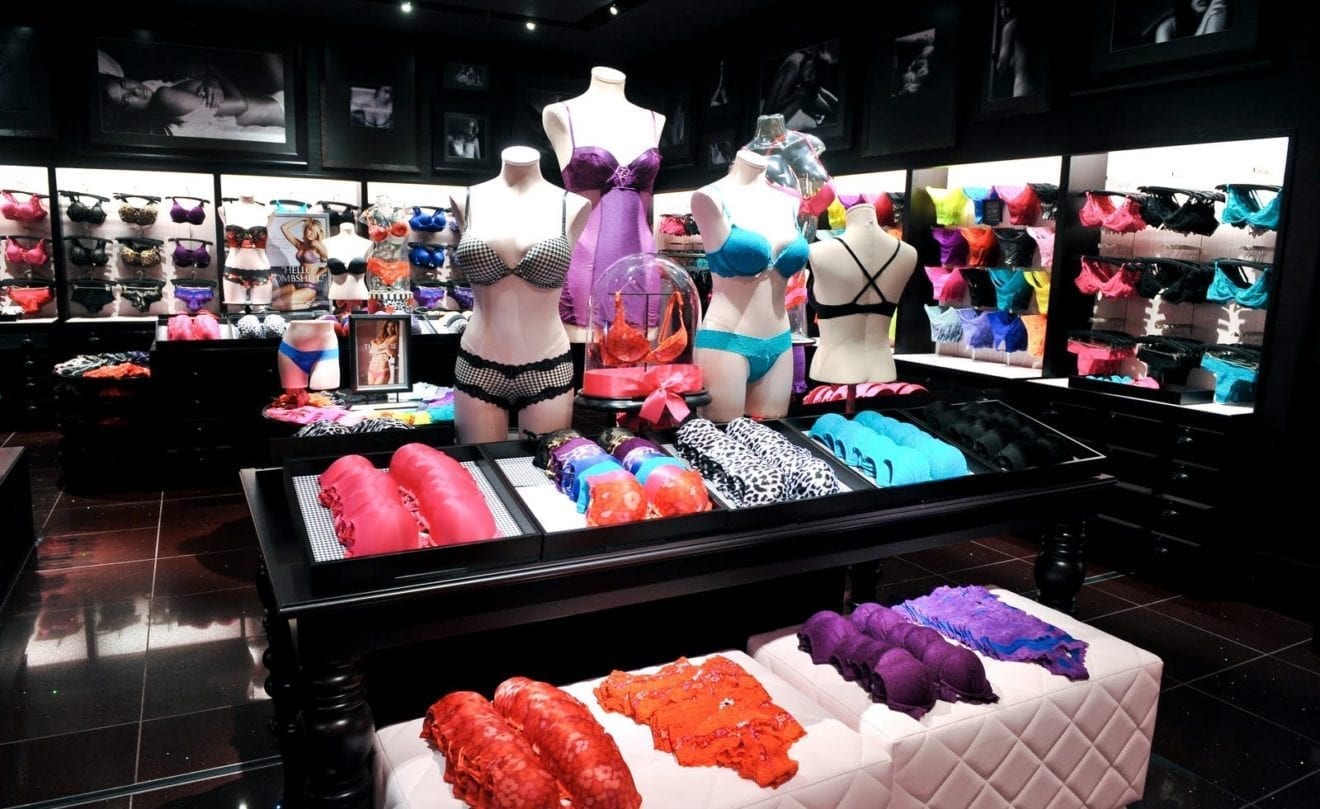
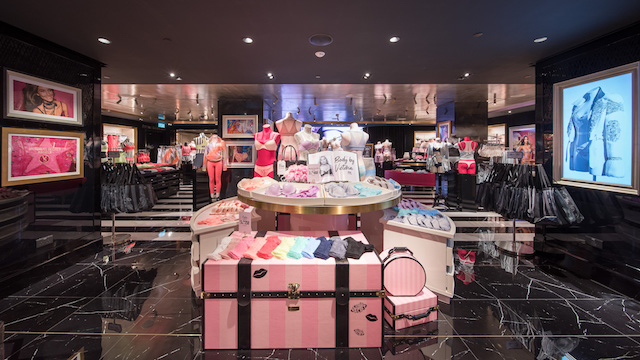
    Lingerie brand Victoria’s Secret needs to reinvent itself, says retail analyst Neil Saunders, commenting in the wake of a US$42.8 million loss by its parent L Brands. “The brand is simply not connecting and resonating with consumers in the way that it once did. Its overt sexuality, its focus on airbrushed glamour, and its dark-and-moody stores are completely out of step with the mood of most modern consumers,” said Saunders, MD of GlobalData Retail.

    “However, this is not a new phenomenon, Victoria’s Secret has been out of kilter for a long period of time – and has seemingly done very little to bring itself back into line.”

    Sales at Victoria’s Secret have fallen in seven out of the last eight quarters, mainly due to its weak diffusion brand Pink, launched in 2002 and aimed at college-aged women.

    “In Pink, fashion errors in loungewear have driven a recent deceleration in performance,” the company admitted in its earnings statement.

    L Brands’ third-quarter results showed an increase in same-store sales of 4 per cent across the group, to $2.77 billion, but Victoria’s Secret store sales fell by 2 per cent.

    The top line was boosted by L Brands’ Bath & Body Works brand. But one-off costs from the closure of Henri Bendel, impairments at Victoria’s Secret and ongoing losses in the La Senza business drove the net loss.

    Saunders described the Victoria’s Secret performance as disappointing, “not only with the sales numbers but by the inertia within the business”.

    He said much of the brand’s failure to change came down to embedded attitudes within management.

    “The recent insensitive comments about transsexuals from chief marketing officer, Ed Razek, in a Vogue interview characterise the problems. Not only are such remarks bad for the brand’s image, but it also earned a sharp public rebuke from the CEO of more incisive rival ThirdLove which has been stealing share from Victoria’s Secret for some time.

    “In theory, the departure of Jan Singer as CEO should help herald in changes someone coming in will have fresh ideas about reviving the fortunes of Victoria’s Secret.”

    L Brands has appointed John Mehas from lifestyle brand Tory Burch as the new CEO of Victoria’s Secret. He will take up the role early next year.

    Pink CEO Denise Landman retired after the release of the L Brands half-year results and she was replaced on October 1 by former Bath & Body Works president for merchandising and product development, Amy Hauk.

    “Our new leaders are coming in with a fresh perspective and looking at everything … our marketing, brand positioning, internal talent, real estate portfolio and cost structure,” said CEO Leslie Wexner.

    Saunders said Bath & Body Works was a stark contrast to the core brand.

    “The company’s wholesome brand image and its focus on small indulgences are paying real dividends – especially in a consumer economy where shoppers have more money to treat themselves. Its strong range development which means assortments are constantly changing encourages regular visits to online and stores. It also means that the company is good at jumping on trends like aromatherapy-based scents and the ongoing popularity of candles. Second, good marketing and promotions help to drive volumes through the business,” said Saunders.

    “Both of these things stem from the fact that the BBW team is much more attuned to the market and consumer trends than is the case at Victoria’s Secret. Indeed, the cultures at the two divisions could not be more different, and we believe that Victoria’s Secret should take a leaf out of its sister brand’s playbook as it looks to reinvent itself.”

  • Victoria’s Secret apologises for ‘insensitive’ transgender model comment

    Victoria’s Secret apologises for ‘insensitive’ transgender model comment

    Following the backlash on social media, the chief marketing officer of L Brands, parent company of Victoria’s Secret and Bath & Body Works, has posted an apology on Twitter for comments he made about transgender models. Ed Razek, L Brands’s CMO, released a statement on Twitter clarifying a comment he made in an interview with Vogue magazine, which read:

    “To be clear, we absolutely would cast a transgender model in our show. We’ve had transgender models come to castings… And like many others, they didn’t make it.”

    Razek and Monica Mitro, vice president of public relations for Victoria’s Secret, sat down in an interview with Vogue which touched on the topic on the casting team’s choices. Razek, who is part of the casting team, mentioned the company had considered putting plus-sized models and transgenders in the show but had not acted on it, since the company “did not market to the whole world.”

    L Brands has recently announced it is expecting a third quarter loss per share of about US$0.17.  The reported loss per share includes a total charge of about US$0.32 per share, which consists of an approximate pretax cash charge of US$20 million related to the closure of its Henri Bendel business, and an approximate pretax non-cash impairment charge of US$80 million related to certain Victoria’s Secret store assets.

    Excluding the charges mentioned, the company expects adjusted third quarter earnings per share to be approximately US$0.15, compared to its previous guidance of US$0.00 to US$0.05, principally driven by outperformance at Bath & Body Works.

    The company has recently reported an 8 per cent increase in sales of US$860.5 million for the four weeks ending November 3 and a 4 per cent increase in same-store sales for the period. It has seen a 6 per cent increase for the 13 weeks ending November 3 of US$2.78 billion compared to the previous corresponding period.

    L Brands, is scheduled to report third-quarter earnings on November 21.

  • US fashion label Henri Bendel to close after 123 years in business

    US fashion label Henri Bendel to close after 123 years in business

    L Brands is to close down its 123-year-old luxury womens fashion brand Henri Bendel.

    “We are committed to improving performance in the business and increasing shareholder value,” said L Brands CEO and chairman Leslie Wexner. “As part of that effort, we have decided to stop operating Henri Bendel to improve company profitability and focus on our larger brands that have greater growth potential. This decision is right for the future growth of our company, but not easy because of the impact to our L Brands family.”

    Henri Bendel has 23 stores operating in 11 US states, including a flagship on Fifth Avenue. It also has an e-commerce site.

    The company will implement a staged close-down, with new stock shipped for the peak holiday season and stores shuttered in January.

    L Brands predicts Henri Bendel sales to reach US$85 million this year, with an operating loss of $45 million. That figure excludes closedown expenses.

    L Brands is the parent company of Victoria’s Secret, Pink and Bath and Bodyworks.

  • L Brands slides as sales slumps for Pink lingerie

    L Brands slides as sales slumps for Pink lingerie

    L Brands, parent of Victoria’s Secret, Pink, La Senza and Bath & Body Works, has reported a drop in sales and earnings for the second quarter.

    Teen-focused diffusion-brand Pink, now a US$3 billion business which achieved $12 billion in sales last year, is suffering from decline in its core US market, where it seems exposed to rival brands like American Eagle’s Aerie and the Adore Me and ThirdLove.

    The company confirmed in an earnings call that Pink’s same-store sales declined by a vague mid-single digits during the quarter to August 4, adding to challenges the company has with its flagship Victoria’s Secret brand, where same-store sales declined 1 per cent. Bath & Body Works restored some respectability to the company’s figures, with sales up 10 per cent.

    Pink CEO Denise Landman announced her retirement after the results were released, and will be replaced on October 1 by Bath & Body Works president for merchandising and product development, Amy Hauk.

    L Brands executives deny that Pink is losing touch with its customers.

    “I do not think nor do I think anyone in this room believes that Pink has lost its ability to connect with customers and drive excitement in our core constituency,” said Landman during an earnings call.

    L Brands’ reported net sales of US$2.984 billion for the quarter to August, down from $2.755 billion in the same period last year. The group’s comparable sales increased by 3 per cent overall. Second-quarter operating income was $228.1 million compared to $300.9 million last year, and net income was $99 million compared to $138.9 million last year.

    After blaming Pink for reducing the company’s full-year earnings guidance, management watched as L Brands’ share price fell to its lowest point since 2011.

    Addressing her retirement, Landman said she felt “incredibly fortunate” to have been part of the brand since its inception and for her nearly 20 years with L Brands.

    “It’s been a privilege to lead and be surrounded by such incredible talent, thinking and creativity. It inspires me every day. I have great respect for Amy and know that I will be leaving the business in good hands.”

    Leslie H Wexner, chairman and CEO of L Brands, said: “Denise has always been a curious student of the business, focused on the customer and driven by her entrepreneurial spirit. Her contagious passion for the brand has built a true “Pink Nation” experience among college-age women and created one of the fastest growing specialty retailers of all time.

    “Amy too is a master merchant with deep knowledge and capabilities. She is well-equipped to lead the Pink team.

    She has a track record of accurately identifying what’s next in the market, is curious and action oriented. She leads with pace and energy. Since joining Bath & Body Works 10 years ago, she has built a solid, talented merchant team which is well prepared to continue the momentum in the business.”

    L Brands operates 3076 company-owned specialty stores in the US, Canada, the UK and greater China, and its brands are sold in more than 800 additional franchised locations worldwide.

  • L Brands hit by sagging Victoria’s Secret sales

    L Brands hit by sagging Victoria’s Secret sales

    L Brands, which owns the Victoria’s Secret, Pink and Bath & Body Works brands, has reported positive comparable and net sales for December.

    However, Victoria’s Secret sales failed to pick up during the holiday season.

    Net sales reached US$2.5 billion for the five weeks ended December 30, up 3 per cent compared to the same period the previous year, while comparable sales increased 1 per cent.

    Bath & body Works sales rose 4 per cent while Victoria’s Secret comparable sales declined 1 per cent. Minus the effect of online sales, Victoria’s Secret comparable-store sales fell 6 per cent.

    This follows Victoria’s Secret brand quitting the swim and apparel categories.

    For the 48 weeks to the end of December, the company reported net sales of $11.5 billion, down from $11.7 billion. Comparable sales dropped 4 per cent.

  • Lingerie Maker Victoria’s Secret Looks to Uncover Supply Chain Issues in Indonesia

    Lingerie Maker Victoria’s Secret Looks to Uncover Supply Chain Issues in Indonesia

    Lingerie giant Victoria’s Secret, famed for its racy bras and thongs, has pledged to trace the sources of its wood-based fabrics, joining the ranks of fashion companies addressing human rights and deforestation, its parent company said. In a new policy statement, parent company L Brands said it aimed to eliminate sources of wood pulp, used to make rayon, viscose and modal, that contribute to rainforest destruction or violate the rights of local people.
    L Brands is the latest in a growing number of US fashion companies to commit to investigate its supply chain for products from destructive regions and stop using those sources by the end of 2017, according to Rainforest Action Network (RAN). Ralph Lauren, whose designs are popular on Hollywood’s red carpets, adopted a similar policy earlier this month. “Our Forest Products Procurement Policy is written to reduce threats to ancient and endangered forests and to avoid products that contribute to deforestation or human rights abuses,” said L Brands’ policy statement published on its website.
    “We will report on our progress publicly.” Production of wood pulp can involve clearing forests to build eucalyptus plantations and taking land traditionally used by indigenous communities, campaigners say. The issue is particularly acute in Indonesia, a major producer of wood pulp. The Victoria’s Secret catalog features voluptuous models clad in tiny thongs, push-up bras and “cheekini” panties, and its top models who appear in its popular fashion shows are known as its Angels. It is one of several companies owned by L Brands. Its other well-known brands include Henri Bendel, Pink and Bath & Body Works. L Brands did not respond to a request for comment.
    RAN said the new policy was posted on the company website late on Wednesday. RAN, which helped develop the sourcing policies for L Brands and Ralph Lauren, has been waging an “Out of Fashion” campaign to publicize the impact of forest-based fabrics and call on major US brands to adopt stringent sourcing systems. “It’s encouraging to see brands beginning to take responsibility for their supply chains,” said Brihannala Morgan, senior forest campaigner with RAN. “
    L Brands’ commitments and actions, following right behind Ralph Lauren and among more than 60 other brands who have developed policies, can have a real positive impact for forests and the people that depend on them.” H&M, Zara, Levi Strauss & Co and British fashion designer Stella McCartney have adopted similar policies, RAN said. Last year Stella McCartney partnered with environmental non-profit Canopy to encourage clothing companies to stop sourcing fabric from ancient and endangered forests.
  • Victoria’s Secret China unit eyes $1bn sales

    Victoria’s Secret China unit eyes $1bn sales

    L Brands, the parent of Victoria’s Secret, now considers China its most important global market.

    Executives said this week they expect that in as few as five years China, Western Europe and the Middle East will each account for US$1 billion in annual sales. That would put the Victoria’s Secret China operation on a par with the North American business.

    China is “our most important market,” Martin Waters, president of L Brands International, said.

    “Maybe someday we’ll have the fashion show in Shanghai – maybe – because we’re a global brand,” added Leslie Wexner, L Brands’ founder, chairman and CEO. “We have demonstrated that we have the best brand-building ability in the world. People who can’t read English, when they see the Victoria’s Secret name, they smile.”

    As many as 350 million Chinese are expected to watch the upcoming Victoria’s Secret Fashion Show, a sure sign of the brand’s growing appeal there.

    Wexner and Waters were commenting at an investors presentation after the company warned its October same-store sales would fall by up to 2 per cent. The company’s stock price slipped 7.9 per cent as a result.

    But the executives were upbeat about the company’s prospects, comparing the poor quarter to a football match loss.

    “Like Urban Meyer, I’m not happy about getting beaten in any quarter or any game,” Wexner said. “Not having the best-in-world profit margin is, for us, a catastrophe in the same way losing one game in a season is a catastrophe for Urban Meyer.”

    During the last 12 months, L Brands has moved away from franchise model in China in favour of company-owned stores, which works well for it in the US.

    Wexner says his company has focused on a slow, careful expansion in China rather than rush in as some foreign brands had done, to their regret.

    “We’ve been a patient second or slow third… because we thought we would learn more,” Wexner said. “We always asked ourselves: Are you really building a sustainable international business?”

  • Victoria’s Secret China beauty shops bought back from franchise

    Victoria’s Secret China beauty shops bought back from franchise

    The Victoria’s Secret Beauty & Accessory (VSBA) retail outlets in question are all situated within malls or airports across China, and sell a selection of the brand’s beauty products and accessories.

    Until now, they have been owned and operated by a domestic franchise partner within the country, but the move by L Brands to take on the stores suggests the US-based parent company is keen to assert itself in China.

    Speaking as part of the company’s annual meeting, CEO Les Wexner described China as the brand’s “second home market”, with the company asserting it is now ready to take full control of its brand presence in the country.

    Taking on the ‘heavy lifting’

    According to the company, L Brands considers China to be a market which demands focus and attention from brands operating within it, due to the complexity of the market.

    As we look forward and we think about the scaling opportunity of the market and we combine that with the complexity [..] around regulatory affairs, how we build our stores, how we operate those stores, it seems to me that we’re going to be doing most of the heavy lifting anyway,” the company’s international president, Martin Waters, explained.

    It makes sense that we should be in it completely,” he confirmed.

    Along with taking on responsibility for the current VSBA portfolio in the country, L Brands announced that it will also now launch flagship stores in Shanghai and Beijing, develop its presence within the country’s malls, and foster a strong online sales model too.

     China beauty regulation

    Responding to the complexity of China’s beauty regulation is a savvy move on the part of L Brands, as for now, the country remains notoriously tricky to navigate for the industry.

    However, industry insiders observe that the government is making moves to simplify regulation for beauty, and move towards a model of ‘industry-led’ regulation instead.

    Speaking at the recent in-cosmetics Paris event, Dr Gerald Renner, director of technical regulatory affairs for Cosmetics Europe, explained that the ongoing shift will result in greater in-market control.

  • Slow growth for Victoria’s Secret parent

    Slow growth for Victoria’s Secret parent

    Victoria’s Secret parent L-Brands has kicked off its new fiscal year with a reasonable set of numbers.

    However there is a distinct softness to the total growth rate which is significantly down on the last quarter even against a fairly reasonable prior year comparative. Same store sales growth has also halved since the end of the last fiscal year.

    More worrying is net income, which fell by 39 per cent over the prior year. Although the bulk of this decline is related to the one-off gain from last year when the company sold its interest in a third-party apparel sourcing business, a decline in operating income also contributed to the fall. In essence, cost growth outstripped sales growth during the first quarter.

    The reason for the softness is mostly down to a weaker, though still positive, performance at Victoria’s Secret. Here comparable sales increased by just 2 per cent – an uncharacteristically slow pace, and one significantly down on the 5 per cent attained last quarter. Despite the net addition of a handful of new stores over the past year, total growth from shops was virtually flat, with a comparatively subdued rise of 1 per cent in same store sales. Performance at the direct part of the operation was only somewhat better with a  2 per cent uplift in sales.

    There are a few reasons for the downtick in growth at Victoria’s Secret. The first was an aggressively promotional market, against which despite its usually loyal customers Victoria’s Secret had to work hard to compete. The second was a somewhat less interesting product assortment which, while still reasonable, did not have hits like last year’s Bombshell bra. And the third was a weaker performance from non-core categories like swimwear, which the company has indicated it will cease selling by the year end. Combined, these things helped to erode growth.

    As genuine as these excuses are, there is also a question mark over whether the brand is reaching saturation point, especially within a market that has become more competitive with nimble players like American Eagle Outfitters’ Aerie. Victoria’s Secret still has headroom for growth, but there is no doubt that it is now having to work a lot harder to secure it. Key to achieving better numbers will be a very disciplined approach to categories outside of lingerie – an area where the company has struggled with both apparel and more recently swimwear. By getting rid of these failing areas, a focus on the more logically adjacent activewear category holds better potential.

    Performance at L-Brands’ other main division, Bath & Body Works, was robust with comparable sales up by 6 per cent. Bath & Body Works success is down to a consistently strong product offering, good gifting ideas which boosted performance over Easter, accessible price points, and friendly store environments with good service levels. All of these ‘ticked boxes’ helped the company to do well, in a competitive environment.