Tag: lahore

  • Pakistan Cotton Arrivals Rise 7.5 Percent to 4.08 Million Bales

    Pakistan Cotton Arrivals Rise 7.5 Percent to 4.08 Million Bales

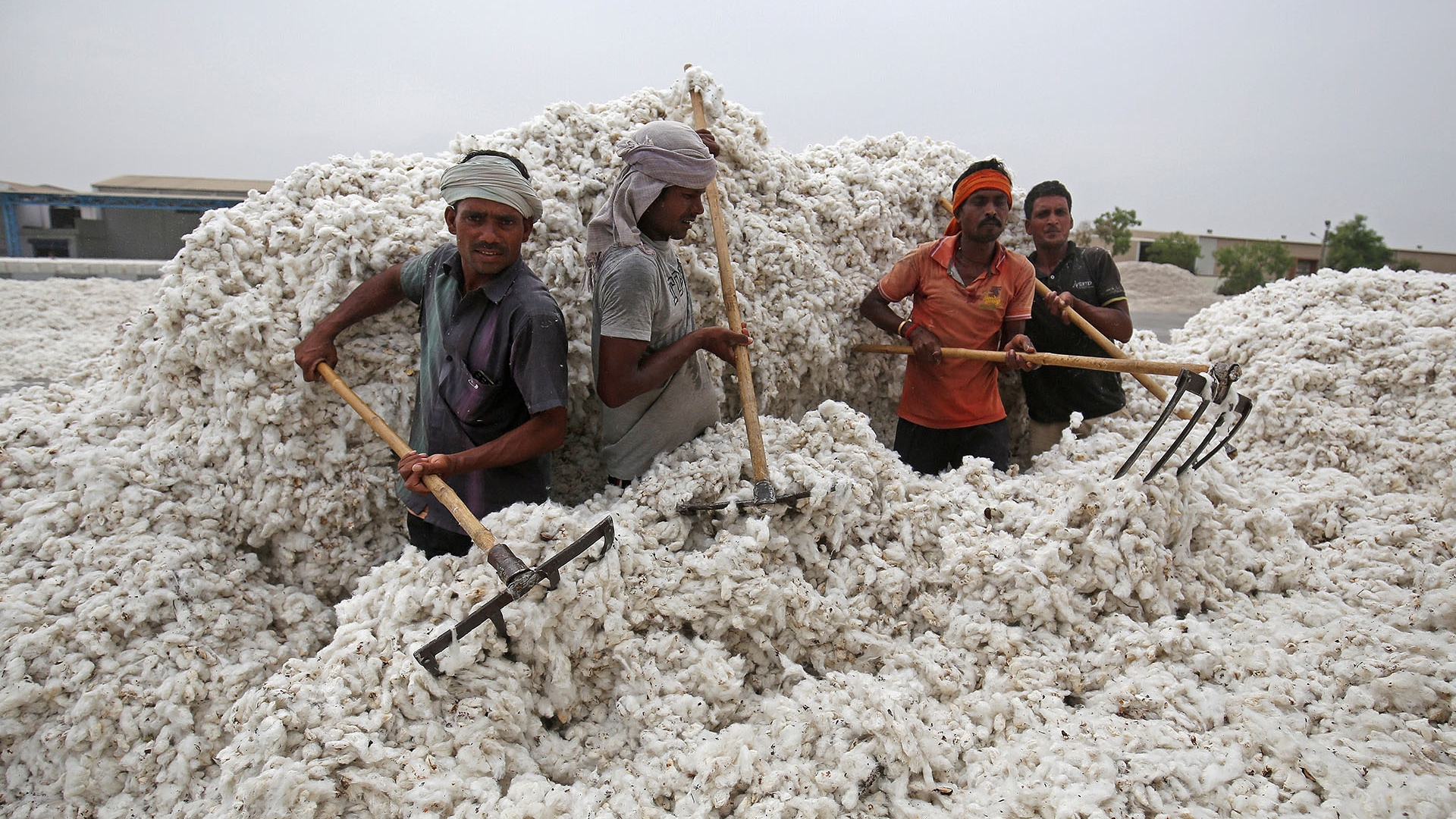
    Cotton arrivals at Pakistani ginning factories reached 4.08 million bales by October 15, rising 7.53 percent year-on-year despite widespread textile plant shutdowns.

    Data from the Pakistan Cotton Ginners Association shows total intake climbed to 4,081,265 bales, up 285,628 bales from the 3,795,637 recorded in the same period last season.

    Domestic mills bought 3.45 million bales and exporters booked 97,000 bales, leaving 531,530 bales unsold across active yards. Total arrivals during the preceding fortnight stood at 872,863 bales, processed by 471 operational ginning facilities nationwide.

    Regional Yields and Mill Disruption

    Sindh drove the bulk of volume with 2.44 million bales, up 7.35 percent from last year, led by Sanghar district at 1.14 million bales. Sukkur followed with 264,500 bales, Naushehro Feroze with 223,200 and Khairpur with 213,900.

    Punjab recorded arrivals of 1.64 million bales, representing a 7.79 percent increase. Bahawalnagar posted 418,750 bales, Bahawalpur delivered 294,606, Dera Ghazi Khan produced 236,514, Rahim Yar Khan reached 169,949 and Layyah logged 122,327.

    The higher volume arrives against severe industrial curtailment. Trade bodies report approximately 500 ginning factories and more than 150 spinning and weaving mills have shut operations, while roughly half of Pakistan’s power looms remain idle.

    Synthetic Influx Distorts Local Pricing

    Local processors blame soaring energy tariffs and leakages under the Export Facilitation Scheme for depressing domestic fiber demand. Under the programme, duty-free imported yarn and fabric intended for export finishing are instead diverted into the local market, bypassing the standard 18 percent sales tax paid by domestic suppliers.

    Import figures from the All Pakistan Textile Mills Association reveal man-made yarn shipments jumped to 12,773 tonnes in the first quarter of the 2026-27 fiscal year, up from 3,056 tonnes a year earlier. Man-made fabric imports surged from 660 tonnes to 8,628 tonnes over the identical timeframe.

    Cotton Ginners Forum Chairman Ihsanul Haq noted that traders brought an estimated 40 million to 50 million metres of fabric from China alone under the concessionary system without generating matching finished garment export growth.

    Crop Estimates and Farmer Margins

    Discrepancies in official output tracking complicate procurement planning for regional apparel makers. The Punjab Crop Reporting Service estimated provincial crop output at 2.983 million bales, creating a sharp divergence against the ginners association tally of 1.638 million bales received by mid-October.

    Central Cotton Research Institute transfer of technology head Sajid Mahmood warned that higher raw output will not stabilize the supply chain if farmgate returns fall below cultivation costs. Farmers facing compressed margins are expected to shift acreage toward competing crops next spring if lint prices fail to cover inputs.

    Karachi Cotton Brokers Forum leader Naseem Usman urged authorities to establish a direct floor price and an official buying mechanism to prevent distressed sales if open-market rates slide further.

    Harvest Run Out

    Picking operations enter their final 15 to 20 days across core farming belts in southern Punjab and upper Sindh. The Central Cotton Research Institute has instructed growers with plants bearing eight to 10 green bolls to apply a foliar spray of two kilograms of urea per 100 litres of water to accelerate boll opening before seasonal temperatures drop.

    Customs authorities have initiated targeted inspections against trading firms suspected of misusing import exemptions, while mills push Islamabad for formal quota caps on incoming synthetic yarn before second-quarter contracts settle.
  • Pakistan Railways to Outsource 13 Passenger Trains by December

    Pakistan Railways to Outsource 13 Passenger Trains by December

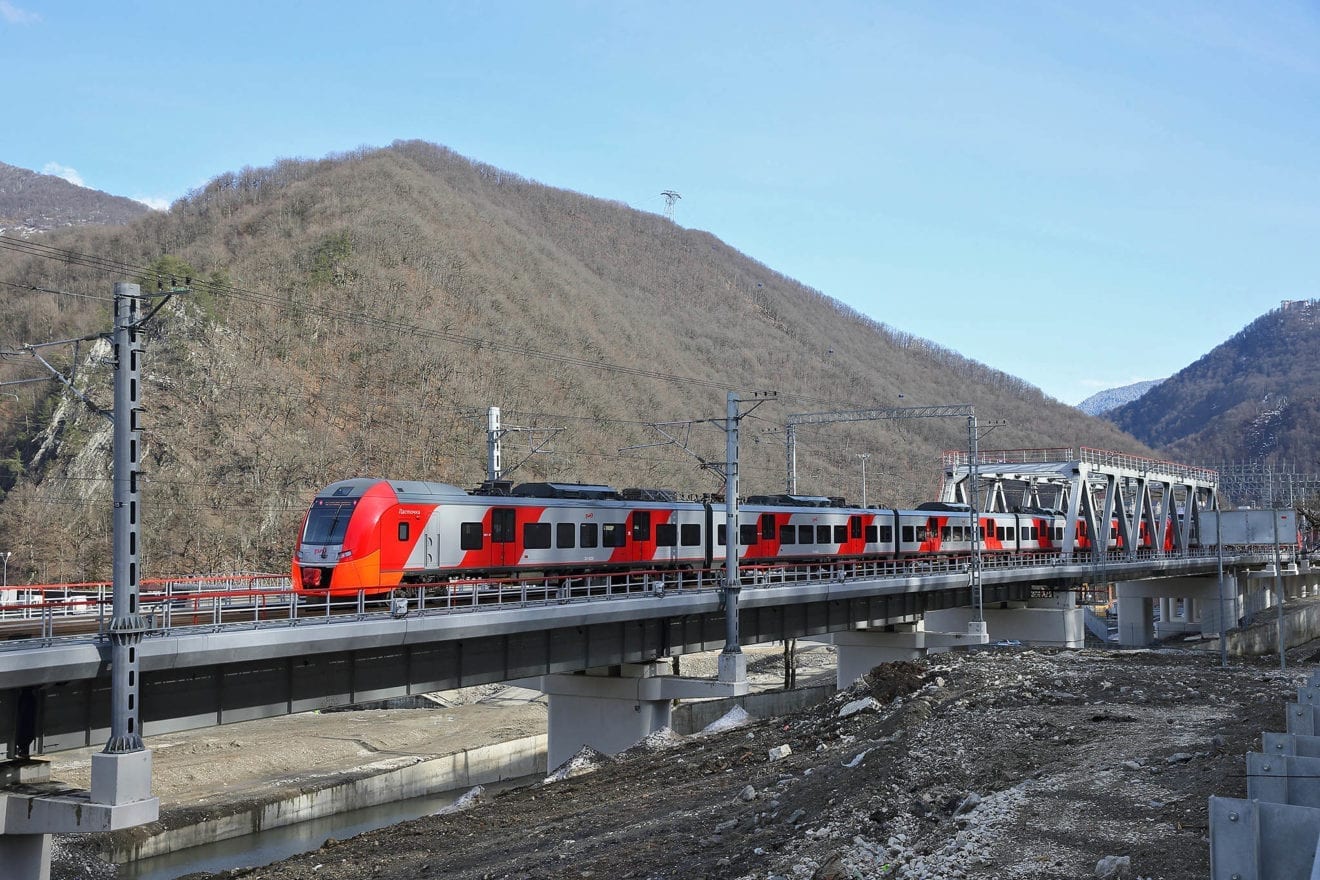
    Pakistan Railways will hand over commercial operations of 13 express passenger trains to private operators by December 31. The transfer expands an existing model that already sees private contractors running six passenger services across the national network.

    Minister for Railways Hanif Abbasi directed railway authorities in Lahore to complete the bidding, advertising and contract awards before the end of the year. The state-run network is restructuring passenger and luggage operations while shifting its commercial weight toward higher-yielding transport corridors.

    The Routes Bound for Private Tenders

    The 13 services scheduled for private management include several long-haul express lines and regional passenger links. The list covers Tezgam, Karachi Express, Bahauddin Zakariya Express, Allama Iqbal Express, Sukkur Express, Fareed Express, Mohenjodaro Express, Sandal, Faiz Ahmad Faiz, Babu Passenger, Bulleh Shah Passenger, Lasani Express and Sialkot Express.

    Private contractors take over ticketing, onboard services and passenger management on outsourced routes, while Pakistan Railways retains control of track infrastructure, locomotives and train drivers. Luggage vans will also pass to private operators under the same tendering programme.

    “At present, the commercial operation of six trains is being carried out by the private parties,”

    Commercial outsourcing allows the railway department to secure guaranteed concession revenue without carrying the operational overhead of retail ticketing, catering and onboard cleaning. For commercial transport operators, securing established long-distance passenger trunk routes provides predictable cash flow, though profitability depends heavily on locomotive reliability and punctual turnaround schedules.

    Freight Overtakes Passenger Earnings

    Freight revenue has surpassed passenger revenue across Pakistan Railways for the first time in the department’s history. The carrier expects total earnings from passenger and freight operations combined to reach Rs120 billion by the close of the current fiscal year on June 30.

    Industrial freight corridors have taken priority across Asian railway networks looking to reduce operating losses, from India’s dedicated freight corridors to Southeast Asian intermodal lines. In Pakistan, freight profitability gives the state carrier a financial buffer while passenger concessions transfer retail revenue risk to commercial partners. State authorities are also moving to protect revenue by blacklisting material vendors who miss supply deadlines, while installing modern closed-circuit television systems and private security guards at workshops and rail yards to halt parts theft.

    Infrastructure Repairs and Fleet Recovery

    Private train concessions will depend on track availability and rolling stock fitness. Pakistan Railways is accelerating the repair of idle coaches and wagons while replacing faulty brake cylinders, blocks and shoes across its fleet.

    Heavy monsoon flooding damaged critical transport links earlier this year, cutting rail traffic on key industrial routes. Rehabilitation of the flood-damaged Mian Kallar Bridge on the Lahore-Faisalabad track is scheduled for completion within 60 days to restore full regional traffic.

    Sukkur Track Works and Timetable Targets

    Ongoing track renewal in the Sukkur division is scheduled to finish by December 31. Completing the replacement work will cut travel time by approximately 90 minutes on key north-south services connecting Punjab with Sindh ports.

    Contract awards for the 13 passenger services will roll out through December, with the department targeting Rs120 billion in full-year operational revenue when the fiscal period closes on June 30.

  • TGI Fridays Signs Deal to Open 15 Restaurants in Pakistan

    TGI Fridays Signs Deal to Open 15 Restaurants in Pakistan

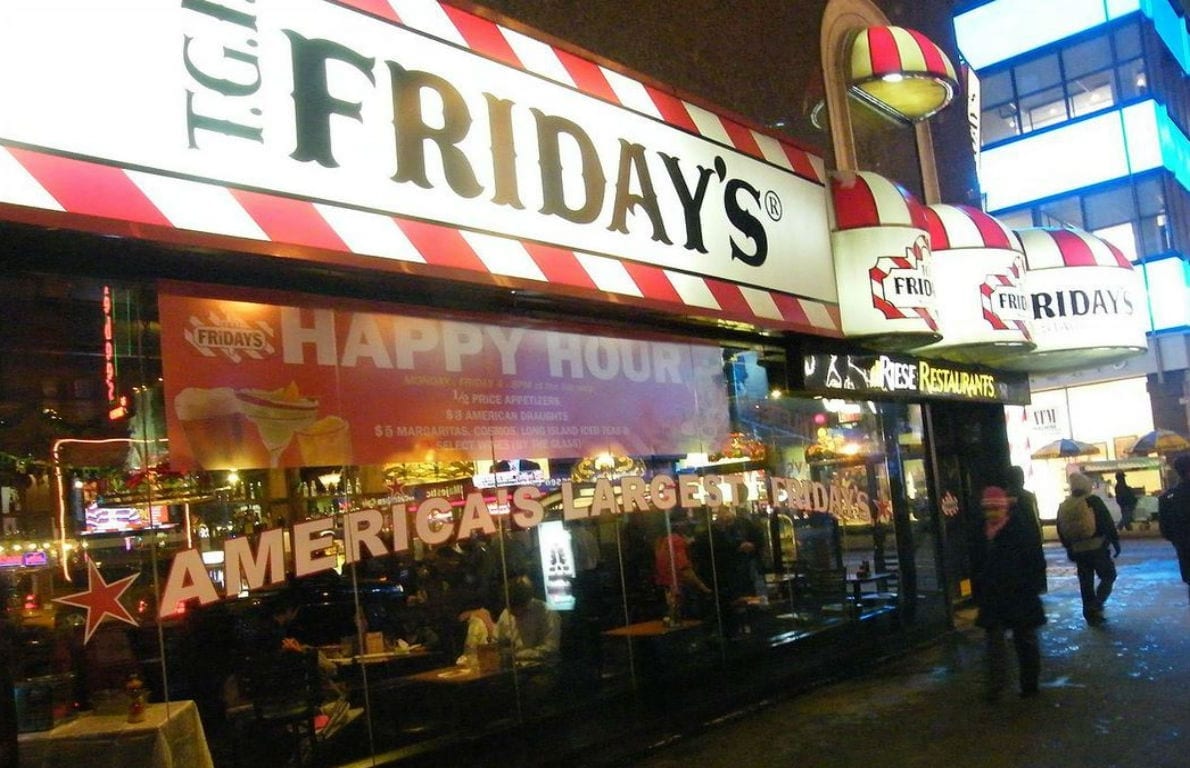
    TGI Fridays announced a development agreement with Meerab Hospitality on Sept. 23, 2026, to expand its presence in South Asia by scaling to 15 restaurants across Pakistan.

    The agreement targets a market of more than 240 million people with a median age of 21, aligning with the brand’s wider 1-2-3 Strategic Vision to reach over 1,000 restaurants and $2 billion in annual revenue by 2030.

    Flagship site set for Lahore

    Development begins in Lahore, where the first flagship restaurant is targeted to open within the next 12 months at the Hyatt Regency Hotel complex to establish the standard for future locations.

    Operating rights belong to Meerab Hospitality, the franchise and development arm of Meerab Properties. Led by founder and group chief executive Pervaiz Iqbal Shahid, the group holds two decades of property and operational assets across the UAE, Pakistan, and Central Asia.

    Shahid confirmed the group plans to rebuild the brand through a capitalized operating structure following earlier market exits.

    Franchise mechanics and local operating risks

    Pakistan offers international operators massive demographic scale, but execution risks are high. Western chains operating full-service formats face volatile currencies, rising utility overheads, and shifting import duties on specialized ingredients. To protect unit economics from currency shocks, operators must build domestic supply chains for poultry, produce, and dairy.

    Competition is fierce from domestic dining brands and fast-casual burger chains running lower average checks. TGI Fridays bets that dense commercial developments and hotel sites like the Hyatt Regency will generate the footfall needed to fill large dining rooms.

    Shift toward experiential dining formats

    Retail landlords and developers increasingly rely on international food-and-beverage banners to pull foot traffic into mixed-use sites. Landlords in Lahore, Karachi, and Islamabad are shifting gross leasable area away from apparel retail and toward dining and entertainment hubs aimed at consumers under 30.

    Offerings will center on non-alcoholic drinks, mocktail menus, and American bar-and-grill staples tailored to local dining habits. Support hubs in Dubai, London, and Dallas will handle franchisee assistance, quality audits, and menu localization across South Asia.

    Global pipeline targets 1,000 locations by 2030

    The expansion fits into the Dallas-based chain’s 1-2-3 Strategic Vision turnaround plan. That program aims to expand the global footprint past 1,000 restaurants and generate $2 billion in annual system revenue by 2030. Today, the chain runs roughly 400 restaurants across nearly 40 countries.

    September has already brought two market entries for the brand, starting with a franchise launch in the Balkans. Over the past year, regional agreements have added nearly 200 commitments across the Maldives, the Philippines, Japan, Kenya, Peru, Mexico, Spain, Greece, and Cyprus.

    Fit-out work at the Hyatt Regency complex in Lahore begins this year, with initial guest intake targeted before the final quarter of 2027.

  • Pakistan Cotton Arrivals Rise 19 Percent to 2.39 Million Bales

    Pakistan Cotton Arrivals Rise 19 Percent to 2.39 Million Bales

    Cotton arrivals at Pakistani ginning factories reached 2.389 million bales by September 15. That volume is up 19 percent from 2.004 million bales during the same period last year.

    The early surge lifts industry projections for full-year national output above six million bales. Last season yielded roughly 5.5 million bales.

    Provincial receipts showed uneven growth across primary growing regions. Punjab deliveries jumped 24.73 percent to 860,942 bales, while Sindh processed 1.528 million bales, a rise of 16.25 percent. Active facilities totaled 205 ginning factories in Punjab and 207 in Sindh.

    Regional Splits and Factory Volumes

    Sindh led early harvesting through intensive picking in key southern districts. Sanghar district alone delivered 888,607 bales to local ginners by mid-September. That single district outpaced the combined intake of all ginning units in Punjab.

    Steady field conditions across Matiari, Tando Allahyar, Hyderabad, Mirpurkhas, Nawabshah and Naushahro Feroze supported the southern haul. In Punjab, picking concentrated across Bahawalpur, Bahawalnagar, Dera Ghazi Khan, Multan, Vehari, Rahim Yar Khan, Muzaffargarh and Rajanpur.

    Mill Demand and Price Competition

    Domestic spinning and textile mills secured the bulk of intake, buying 2.035 million bales by the reporting deadline. Raw cotton exporters booked 93,000 bales. Ginners were left holding an unsold inventory of approximately 261,000 bales.

    Spot prices dropped sharply across trading hubs despite steady buying by domestic spinners. Over seven days, lint prices fell by about Rs1,000 per maund. Rates settled near Rs18,600 in Punjab and Rs18,400 in Sindh.

    Lower import parity prices for Brazilian raw cotton prompted several Pakistani mills to place overseas orders, dampening local price support. Cheaper imported fiber caps production costs for downstream yarn and fabric makers. Domestic growers, however, face tighter margins at the farm gate.

    This price squeeze creates supply chain risks for regional fashion retailers who rely on Pakistani mills for yarn and finished garments. Falling domestic lint prices could erode farm profits. That risk threatens to reverse acreage recovery in future planting cycles and drive higher import dependency across the South Asian textile corridor.

    Data Gaps and Acreage Shifts

    Cotton acreage in Punjab faces land competition from sugarcane, which has expanded into traditional cotton tracts. That shift explains part of the volume gap between the two provinces.

    Official production figures also show large reporting discrepancies between agencies. The Pakistan Cotton Ginners Association recorded 860,942 bales in Punjab through September 15. The Punjab Crop Reporting Service estimated 1.483 million bales by September 17. That represents a 72 percent gap between factory receipts and provincial field estimates.

    Pest Control and Final Crop Risks

    Early arrivals do not guarantee an unbroken harvest, field specialists warn. Agronomists have identified pink bollworm infestations in both provinces. Whitefly, jassid and thrips also apply localized pressure.

    Pest management over the coming weeks will determine whether crop yields hold.

    “The next few weeks will be critical,” Mahmood said, stressing continuous monitoring of bolls, timely pest-control measures and picking to protect both yield and lint quality.

    Growers and ginners are tracking pest counts and late-season rainfall across southern Punjab and Sindh. The next fortnightly arrival report will confirm whether picking maintains the six-million-bale trajectory.