Tag: land transport authority

  • Waymo Plans Commercial Autonomous Ride-Hailing Service in Singapore by 2028

    Waymo Plans Commercial Autonomous Ride-Hailing Service in Singapore by 2028

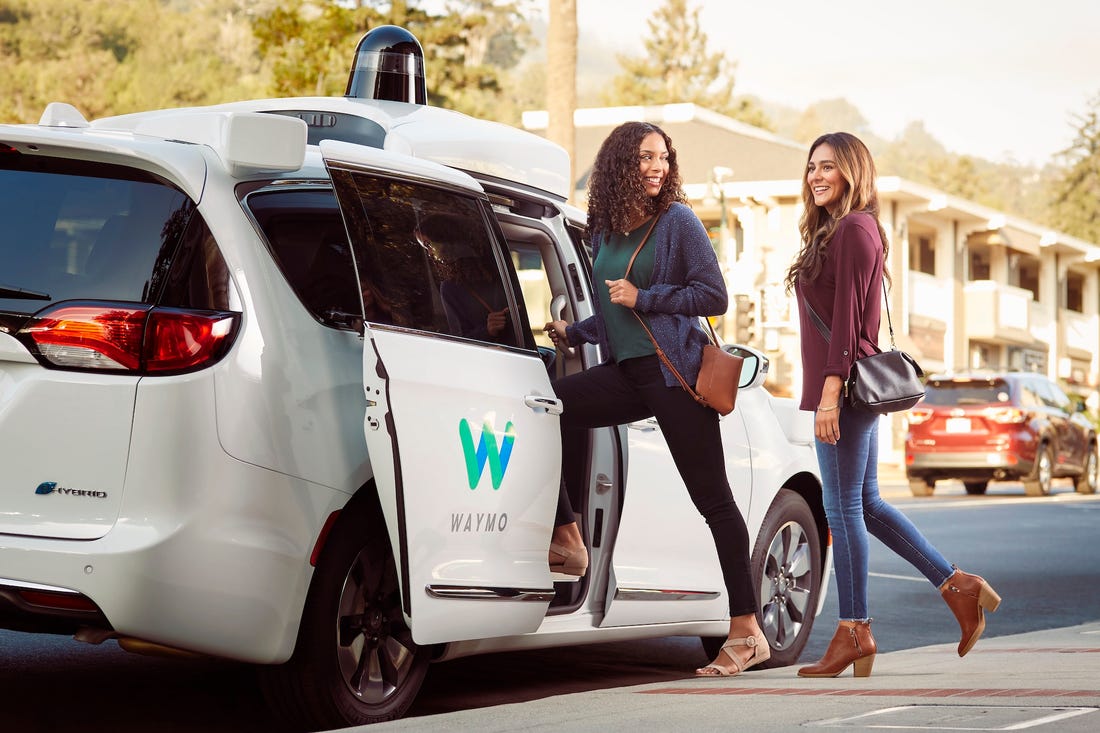
    Alphabet subsidiary Waymo will launch a fully autonomous ride-hailing service in Singapore by 2028, deploying an all-electric fleet in its first expansion into Southeast Asia.

    The commercial rollout gives the self-driving unit a regulated beachhead in Asia after building its initial commercial operations across select metropolitan markets in the United States.

    Fleet Deployment and Local Mapping

    Initial batches of all-electric Jaguar I-PACE vehicles will arrive in Singapore in the coming months. Waymo plans to run a structured readiness phase starting next year, using trained specialist drivers behind the wheel to operate the cars manually.

    Manual testing allows the Waymo Driver software stack to map Singapore’s complex road geometry, lane systems, and heavy monsoon downpours. Engineers need that baseline data before removing safety drivers from the vehicle cabin entirely.

    Regulatory Framework with Transport Authorities

    The company formed a direct partnership with Singapore’s Ministry of Transport and the Land Transport Authority to establish the operational framework. The arrangement mirrors Singapore’s broader regulatory approach to autonomous transport, which requires strict staged trials before granting commercial approvals.

    Waymo co-CEO Tekedra Mawakana met Singapore Transport Minister Jeffrey Siow in the San Francisco Bay Area earlier this year to outline the deployment roadmap. Public passengers will eventually book driverless rides directly through the standalone Waymo mobile application once full regulatory clearances clear.

    Implications for Southeast Asian Mobility

    Singapore represents the most structured proving ground for autonomous tech in the region, offering dense urban corridors, high taxi utilisation rates, and clear legal liability guidelines. The entry puts direct long-term pressure on regional ride-hailing incumbents like Grab, which operate traditional driver-dependent platforms across Southeast Asian capitals.

    Autonomous electric fleets shift operating economics from variable driver commissions to fixed capital expenditure and fleet charging overhead. For municipal transport networks, commercial self-driving cars offer supplementary capacity on fixed routes without adding labor bottlenecks.

    Testing Schedule and Next Milestones

    Singapore previously tested smaller autonomous shuttle pilots in restricted areas like Sentosa and one-north, but Waymo’s program marks the first large-scale commercial fleet deployment targeting general public streets.

    Vehicle arrivals in late 2026 will trigger the start of manual data-collection routes across designated public roads in 2027.

  • Singapore Quota Prices Cross S$105,000 Ahead of 2025 Diesel Registration Ban

    Singapore Quota Prices Cross S$105,000 Ahead of 2025 Diesel Registration Ban

    Singapore car buyers face quota premiums topping S$105,689 for large vehicles as the city prepares to halt new diesel car registrations in 2025. The policy mechanism keeps private passenger cars to 509,302 units across the island while public transport systems carry the bulk of daily commuter trips.

    Under the Vehicle Quota System managed by the Land Transport Authority, prospective owners must secure a 10-year Certificate of Entitlement before putting a car on the road. Auction prices in May 2024 stood above S$92,700 for Category A cars with engine output under 97 kilowatts and S$105,689 for larger Category B models. Commercial vehicle quotas cleared at S$72,001, while motorcycle permits reached S$9,311.

    Vehicle Quotas and Tax Structure

    Taxes push local retail prices far above global benchmarks. Buyers pay an Additional Registration Fee tiered between 100 per cent and 320 per cent of a vehicle’s open market value, driving total on-the-road costs to roughly five times the level seen in Western markets. The total motor vehicle population stood at 957,006 units in 2018, restrained by administrative caps in place since 1990.

    Fleet operators also face tight structural rules across ride-hailing and point-to-point services. Singapore counted 83,037 taxis and private hire vehicles as of March 2019, with flag-down taxi fares starting between S$3.20 and S$3.90 outside the Central Business District. Private hire vehicles operate exclusively through digital booking platforms.

    Transit Network and Fleet Targets

    Public transport carries the remainder of passenger volume across the territory. Four contracted operators, SBS Transit, SMRT Buses, Tower Transit Singapore and Go-Ahead Singapore, run more than 5,800 buses across 365 scheduled routes under a competitive tendering model that logged over 4.0 million daily trips in 2019.

    Across Southeast Asia, auto brands rely on high-volume passenger car growth in developing markets like Indonesia and Thailand, but Singapore functions purely as a high-margin proving ground for electrification and automated systems. Retailers and fleet managers now navigate a regulatory schedule that bars new diesel registrations starting in 2025, before a binding mandate requires all newly registered cars to run on cleaner energy models, including electric, hybrid or hydrogen fuel cells, by 2030.