Retail News CRM

Tag: laptop

  • Apple wants to make MacBook lids stronger and safer

    Apple wants to make MacBook lids stronger and safer

    Ever since Apple silicon elevated the MacBook lineup from just pretty laptops to actually very powerful ones they have become a fan favorite of the industry. Since then the MacBook has seen marginal performance upgrades each year but Apple is now considering improving another aspect of its laptops: the lids.

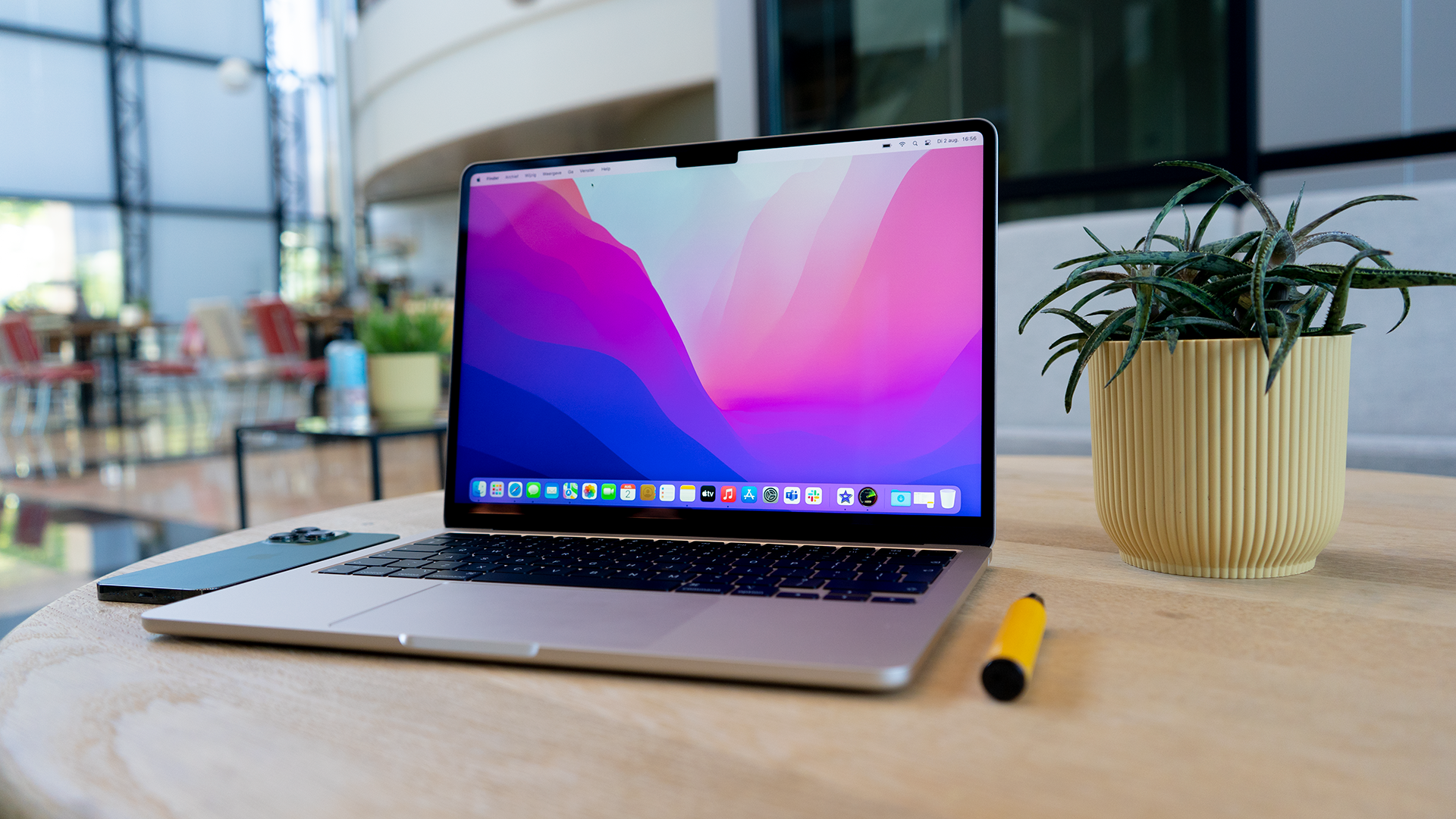
    The MacBook Air and MacBook Pro make use of magnets in their lids to detect when it is closed or open and to keep it closed securely when it’s the former. Apple has filed a patent that alleges that these magnets produce stray magnetic fields even when not in use. The company says that these magnetic fields have the potential to damage nearby items and cited credit cards as possible victims.

    Apple then goes on to describe a new magnetic system that it wants to develop for its MacBook lineup. The new proposed magnetic array will in essence be an electromagnetic system. Apple says that the magnets can be, in very simple terms, switched on or off depending on whether they are needed at the moment.

    The biggest benefit seems to be that the magnetic array won’t produce stray magnetic fields when the MacBook lid is open. Apple may also be able to incorporate much stronger magnets to more reliably keep the lid closed without fear of damaging nearby items when the lid is open.

    The current magnetic array found in MacBook models is not really that strong that it would fry your credit card. So at first I thought this was a very unnecessary upgrade that Apple is thinking about. But the possibility of stronger magnets to keep the lid closed would definitely give the MacBook an even more premium feel.

    Many people who switch from a Windows laptop to a MacBook often mention how much more premium the latter feels. And while more expensive Windows laptops obviously feel more premium too, Apple has a reputation for classy products that it tries very hard to keep. As such the new proposed magnetic array could, in my opinion, give that reputation another slight boost.

    This is just a patent for now but it’s definitely a lot more easily achievable than so many of the more fantastical patents we see every day.

  • MacBook Air 15 sold for $1,400 in Vietnam

    MacBook Air 15 sold for $1,400 in Vietnam

    MacBook Air 15 M2 2023 is sold for VND32.9 million (US$1,394) for internal memory of 256 GB on Apple Store Vietnam.

    Apple Store Vietnam and local electronics retailers have also announced selling prices of MacBook Studio Ultra and Mac Pro 2023 at VND109 million and VND194 million or more, respectively.

    The prices were announced right after Apple unveiled new devices at the 2023 Apple Worldwide Developers Conference in California on Tuesday morning (Vietnamese time).

    The most advanced Mac Pro 2023 is sold on Apple Store Online Vietnam for VND306.5 million

    Selling prices at local electronics chain Di Dong Viet are similar to those at Apple Store Online Vietnam; and those at FPT Shop are VND100,000 lower, and those at Hoang Ha Mobile VND1 million lower than those at Apple Store Online Vietnam.

    According to Tuan Minh, manager of Hoang Ha Mobile, the 15-inch MacBook Air M2 is attracting attention thanks to its large screen, and it is suitable to people who like compact devices, large screens for entertainment and basic tasks with at a reasonable price.

    Nguyen The Kha, mobile telecommunications division director at FPT Shop, said Apple’s new devices are expected to reach Vietnamese users in early July.

    Local retailers can deliver Apple devices within one hour, change faulty products within 30 days, and offer direct support on technical issues and warranty, the services have not been provided yet by Apple Store Online Vietnam, he said.

  • Laptop prices drop further

    Laptop prices drop further

    Electronics retailers have cut laptop prices by millions of dong (VND 1 million = $42.62) this year, but have been unable to spur sales as consumers remain wary of spending.

    The price of a MacBook Air M1 was cut by VND3 million since early January to VND17.9 million (US$758.5) in April. It is down by VND11 million since its launch in January 2021.

    The prices of newer Apple laptops like the MacBook Air M2 have also fallen quickly, coming down within seven months of launch from VND32.9 million to VND26.4 million now.

    The manager of an Apple distributor said prices had to be slashed to cut inventories and ensure cash flows.

    The inventory in the market is equivalent to 8-12 months of sales, according to the manager.

    Laptops sales were high in the first four months of 2022, with MacBook Air M1 accounting for more than 50% of revenues.

    But this year, consumers have tightened their purse strings, causing the market to plunge, the manager said.

    Laptops running on Windows have also seen prices decline.

    Electronics retail chain The Gioi Di Dong has cut the prices of Chuwi LarkBook X N5100 to VND5.7 million from VND12.8 million and MSI Gaming GE66 Raider 11UH i7 to VND38 million from VND78 million.

    Retailers said profits from laptops were down 40-50% year-on-year in the first four months.

    According to Nguyen Lac Huy, the manager of a CellphoneS store, retailers have had to slash laptop prices due to high interest rates, abundant supply, low cash flows, and weak demand.

    The leading PC distribution company manager said most people bought laptops and desktops in 2021-22 when they needed them to work or study online during Covid.

    Now, especially with the economic downturn, they are no longer buying new devices, he said.

    According to research firms Gartner and IDC, global computer shipments fell by 30% in the first quarter to usual levels as life returned to normal after the pandemic.

    According to Bao Viet Securities Company, the laptop segment’s profit in the first quarter of 2023 it decreased by 39.1% year-on-year.

    It forecast sales to drop further in the second quarter, rise sharply in the third and decrease slightly in the fourth.

  • Qualcomm’s Apple M1-rivalling silicon arriving in 2023

    Qualcomm’s Apple M1-rivalling silicon arriving in 2023

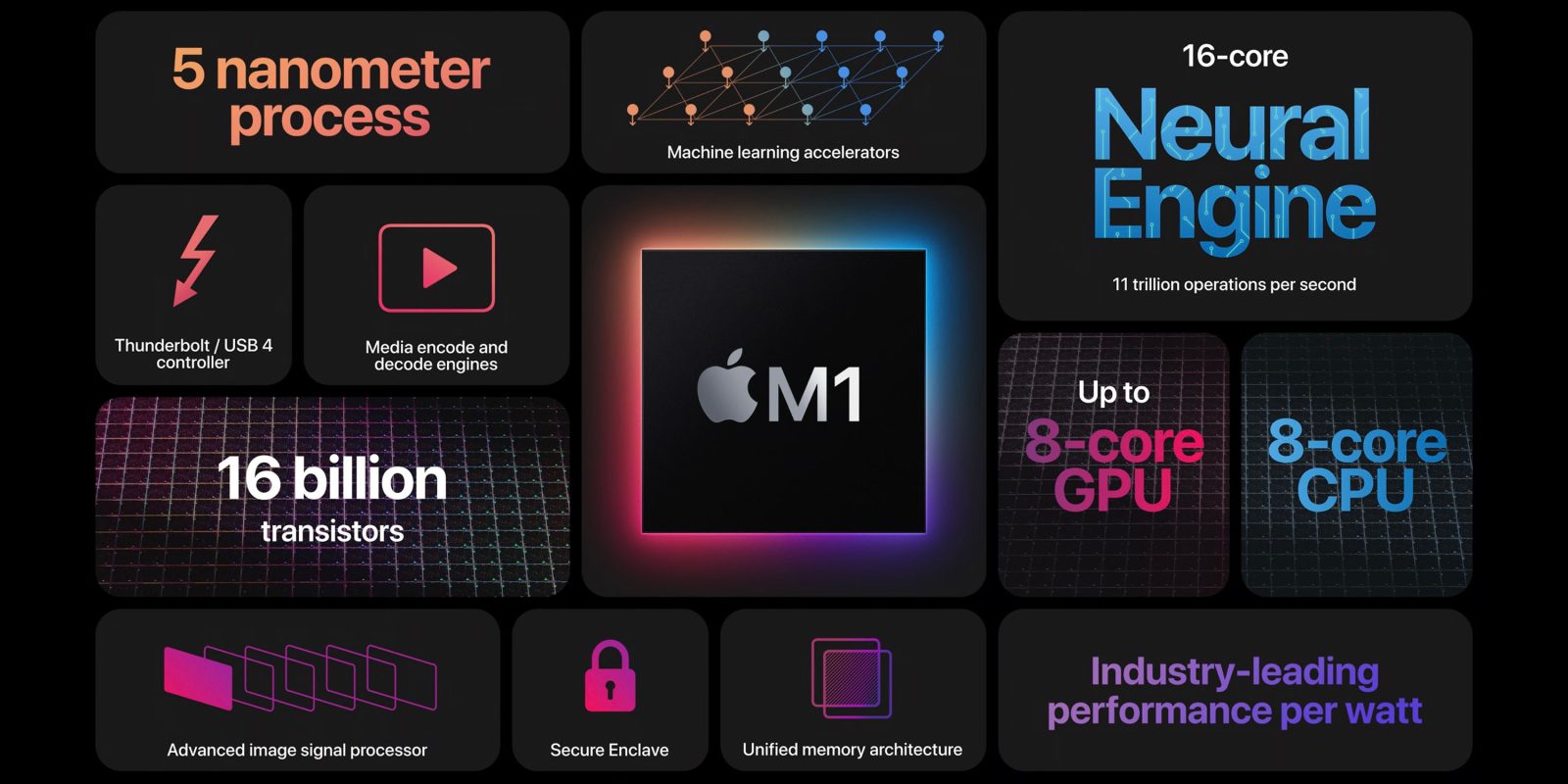
    Qualcomm revealed plans to bring to the market an Apple M1-beating chip by 2023 during its 2021 investor conference.

    The processor will be based on technology from Nuvia, a chip startup that was founded by ex-Apple engineers who had worked on Apple A and M series chips and was bought by Qualcomm earlier this year. We can hope to see Nuvia’s tech in smartphone chips too at some point in the future.

    For now, the focus is on the next generation of Arm-based processors which Qualcomm claims will set a new performance benchmark for Windows PCs. The chip will offer industry-leading sustained performance and battery life, or so Qualcomm hopes. It will feature Arm-based CPU cores, Adreno graphics, 5G modem, Hexagon DSPs, and Spectra imaging core.

    If you look at what Apple has done with the M-series, on the upper hand it even has the performance of an [Nvidia] RTX 3080 at discrete graphics.” – Qualcomm CEO Cristiano Amon.

    Qualcomm will also work on improving its Adreno GPUs to offer a desktop-like gaming experience on PCs. The chip giant is aiming to have samples out for customers in around nine months, with the official launch planned for 2023.

    Whether the chip will be able to live up to the claims or see the same fate as the Qualcomm Snapdragon 8cx and Microsoft Surface SQ2 PC chips that failed to make a mark remains to be seen.

    Apple meanwhile has already launched even more powerful versions of the M1 chip, the M1 Pro and M1 Max, and is now reportedly working on the third-generation of Mac chips that will likely offer significantly better CPU performance than the latest chips. The M series chip power a slate of new Apple products, including some of the best tablets that money can buy.

  • Lenovo Philippines opens second Legion concept store

    Lenovo Philippines opens second Legion concept store

    Tech brand Lenovo has opened its second Legion concept store in the Philippines at SM City Cebu.

    The company has launched the outlet near the mall’s cyberzone area to showcase its gaming devices and accessories. It will also serve as an event space for monthly gaming tournaments.

    Lenovo Philippines GM Michael Ngan says it wants to introduce the Legion brand to Filipinos living outside the national capital. He indicated that further branches are likely to open in the country.

    The Legion concept store is offering a range of promotions to mark its Cebu launch.

  • Cross-brand file sharing feature announced by three phone manufacturers

    Cross-brand file sharing feature announced by three phone manufacturers

    As many Apple iPhone users know, AirDrop is a feature that allows them to share photos, videos and documents with nearby Apple devices without requiring an internet connection. This is achieved using Bluetooth and Wi-Fi connectivity. A WeChat post published today by Xiaomi reveals that three Chinese phone manufacturers are teaming up to provide their customers with wireless peer-to-peer file sharing across the different brands.

    This new feature will apparently use Bluetooth to pair the devices, creating a peer-to-peer Wi-Fi network just like AirDrop does, and transfer files at speeds up to 20Mbps. Xiaomi says that other smartphone manufacturers are welcome to join the trio. By the end of this month, a beta version of the new file-sharing protocol is expected to be rolled out. According to Counterpoint Research, Vivo, Oppo, and Xiaomi made up 49% of the domestic phone market during the first quarter. Adding some additional manufacturers, especially Huawei, would allow the vast majority of handsets in the country to share files without the use of internet connectivity. There is no indication whether Huawei or other Chinese companies are or aren’t interested in joining the original trio.

    Google itself has had a feature since 2011’s Ice Cream Sandwich called Android Beam that uses NFC to share “photos, videos, contact information, links to webpages, navigation directions, YouTube URLs, and more” by tapping two devices together. But Android Beam is being phased out in Android Q, replaced by a Google Play Services feature called Fast Share. This will be similar to Apple’s AirDrop thanks to the use of Bluetooth. Android Q users will be able to share files, images, URLs and small parts of text messages even without an internet connection.

    The Files by Google app, available in the Google Play Store, uses Bluetooth to allow Android devices with the app installed to share files at speeds as fast as 480Mbps. Encryption is employed to protect the privacy of those using the app.

  • Microsoft reportedly builds Surface Pro prototypes

    Microsoft reportedly builds Surface Pro prototypes

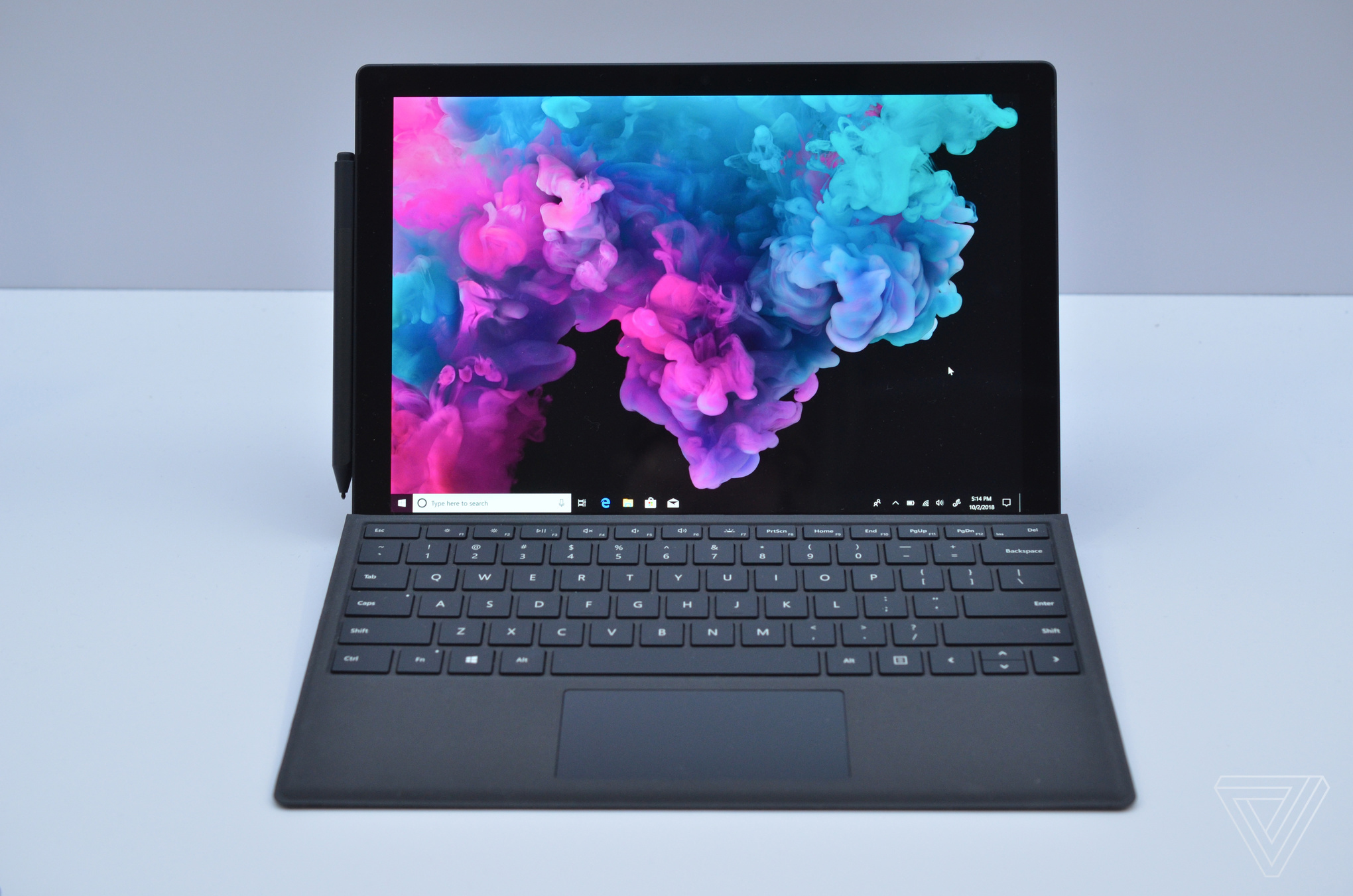
    Microsoft has apparently become more serious about offering at least some versions of its Surface Pro tablets powered by ARM-based processors. Right now, the Surface Pro 6 runs on an Intel Core i5 or Core i7 processor. According to Thurrott, Microsoft has built prototypes of the Surface Pro that run on Qualcomm’s Snapdragon chips. The report says that Microsoft has considered stuffing some of its low-end Surface Pro models with a Snapdragon processor.

    There also is speculation that the original plans for Microsoft’s iPad competitor, the Surface Go tablet, called for the device be powered by Qualcomm’s Snapdragon chips. Intel reportedly pressured Microsoft to have the lower priced tablets run on Intel’s Pentium Gold Processors instead. If Intel doesn’t put the squeeze on Microsoft so hard this year, the second generation Surface Go models could end up with Intel outside and Qualcomm inside.

    The Surface Pro line is supposed to get a major redesign with new models to be unveiled during the fourth quarter of this year. Thurrott’s Brad Sams says to expect thinner bezels, the long awaited USB-C port, new color options and some other changes. That would be the time to expect Microsoft to make the change to Snapdragon chips for the Surface Pro, starting with the lower-end variants of the tablet.

    In a related piece of news, testing has started on the Firefox for Windows 10 ARM browser.

  • How to quickly turn your smartphone into a desktop PC

    How to quickly turn your smartphone into a desktop PC

    Today’s smartphones are incredibly powerful. From replying to emails, to checking out your daily feed on social media, and uploading the occasional selfie to share to the world, smartphones can do a bunch of imaginable things. They fit snuggly in our pockets, but don’t let their small and compact sizes fool you because they can do many things that our everyday laptops and desktops offer us.

    Quite simply, we all have portable mobile computing devices in the palm of our hands – capable of helping us to stay productive and get work done! As much as they’re endowed with incredible power, productivity can still sometimes be limited due to their diminutive sizes. Some smartphones, however, can even transform into versatile desktop PCs of sorts with the aid of some additional accessories. In order to achieve that, we’re going to dive into how you can achieve this possibility with your own smartphone, assuming it’s still a few years old at the most.

    Transforming the smartphone into a desktop PC naturally requires the following main components below to imitate the experience, which we’ll go through in detail below.

    Getting your smartphone to connect to a display

    With the smartphone acting as the brains behind the scenes, the components listed above help to reach the fundamental desktop PC experience. The external display is needed to give users a more pleasing viewing experience working on a desk or something, as opposed to trying to get stuff done on the tiny screens on our smartphones. Whether it’s an over-sized television, your traditional PC monitor, or one of those newer portable external displays, the most convenient way to connect your smartphone to them is by using a Chromecast if you own an Android smartphone (or Apple TV for iOS devices).

    Yes, a Chromecast is by far the simplest and most convenient solution, not only for the fact it’s a wireless solution, but because it’s the most compatible solution among Android smartphones. You can essentially use the screen mirroring function of Android to cast your phone’s screen to the connected external display/TV. Conversely, the process is pretty similar with iOS devices using an Apple TV. You’re simply leveraging AirPlay to achieve this, which is done by simply toggling on the Screen Mirroring function within Control Center.

    Once you’ve gotten everything connected and working properly, your smartphone’s display is being projected to your connected display. The only issue here is that latency can be hindered, so watching videos can be accompanied with choppy connections because of this. That’s the only downside, but the vast majority of Android smartphones are compatible to project their displays using a Chromecast.

    Wired connections: Direct with no latency, but not as convenient

    The single reason why going the wired route is more difficult than wireless is because of all the different ports found in smartphones. Even though the Lighting port is the single standard among iOS devices, Android smartphones have slowly transitioned from microUSB to the newer USB Type-C format. Due to these varying ports, getting a smartphone connected to a display may be trickier.

    In the case of Android smartphones with USB Type-C connections, you may still need to buy an adapter if your external display doesn’t feature USB Type-C ports. Alternatively, if you have one of those handy USB Type-C adapter hubs that may have come with a newer laptop, you could use that to connect to an external display using an HDMI connection.

    Now, the issue lies in the fact that not all smartphones offer the mirror display function using a wired connection. Phones like the LG V40, Google Pixel 3, and OnePlus 6T don’t work at all using this method. And even if you have older Android smartphones with microUSB ports, using an MHL adapter as the connector, doesn’t always work because they may not even be MHL-compatible.

    As for those with iOS devices, you have to give Apple credit for following one standard that applies to all of its devices. Using a Lighting to HDMI adapter, you can just about easily connect your iOS device to your television in a cinch! It’s really a testament to Apple’s effort to standardized things with its products. As the saying goes, “it just works.” And in this particular case for iOS devices, it does exactly that.

    Custom desktop experiences on some phones

    For some newer phones like the Samsung Galaxy S10 series or Huawei Mate 20 series, they have their own custom desktop experiences when they’re connected to an external display. Better yet, they don’t require any sort of special cable or dock to access. You simply connect them to your external display, and bam, you’ll be instantly transported to their respective desktop-like experience.

    Unlike the mirrored experience that most devices offer, these desktop-like experiences do a great job to emulate the feel of interacting with a real desktop operating system – much like having multiple windows running simultaneously. Huawei’s interpretation, in particular, seems like they’ve simply masked the traditional Windows experience. Still, it’s unbelievable that some of these smartphones are capable of offering these experiences. When they said that you have the power of a computer in the palm of your hands, they’re not kidding because some of them really do!

    Some smartphones even feature their very own custom desktop experiences, such as the case for some Huawei and Samsung smartphones. Shown here is the Huawei Mate 20 Pro and its EMUI 9.0 Desktop Mode.

    Connecting a mouse & keyboard

    In order to achieve that true desktop experience, the last pieces to the puzzle are connecting a mouse and keyboard into the mix. We’d recommend relying on Bluetooth enabled ones, just because connecting them is done much like any other Bluetooth accessory. Once they’re paired and connected, they’re pretty much good to go! For Android smartphones, the process in getting them connected is no different from laptops and desktops. However, you can’t connect any sort of mouse to an iPhone – it’s just not possible, but Bluetooth keyboards aren’t a problem.

    Conversely, if you still prefer going down the wired route, you’ll need to purchase additional adapters in order to achieve that – including a USB hub to connect both the mouse and keyboard simultaneously. Again, the process is pretty simple with Android smartphones, but there’s no way to use a wired keyboard or mouse with an iPhone. Therefore, if you’re an iPhone user, your only option is to use a Bluetooth keyboard.

    Real on-the-go mobile computing

    As we’ve shown, you can quickly and easily transform your smartphone into a versatile desktop PC! Even though this solution won’t totally replace the desktop experience, it’s an option worth checking out when the situation presents itself. If you’re on-the-go and really need to get some serious work done, you can even get yourself acquainted with a mobile setup that you can get up and running in a jiffy. Take a Bluetooth keyboard and mouse, along with one of those portable external displays, and you can basically get your desktop setup situated just about anywhere!

    All we’re trying to say here is that today’s smartphones are more advanced than ever before. The beauty in all of this is the heightened level of productivity that can now be achieved by our smartphones. We’re limited in our engagement when using the smartphone by itself, but with the addition of these peripherals and accessories to help them transform into desktop-like experiences, we can do even more in the same amount of time.
  • First Lenovo Legion store in Philippines

    First Lenovo Legion store in Philippines

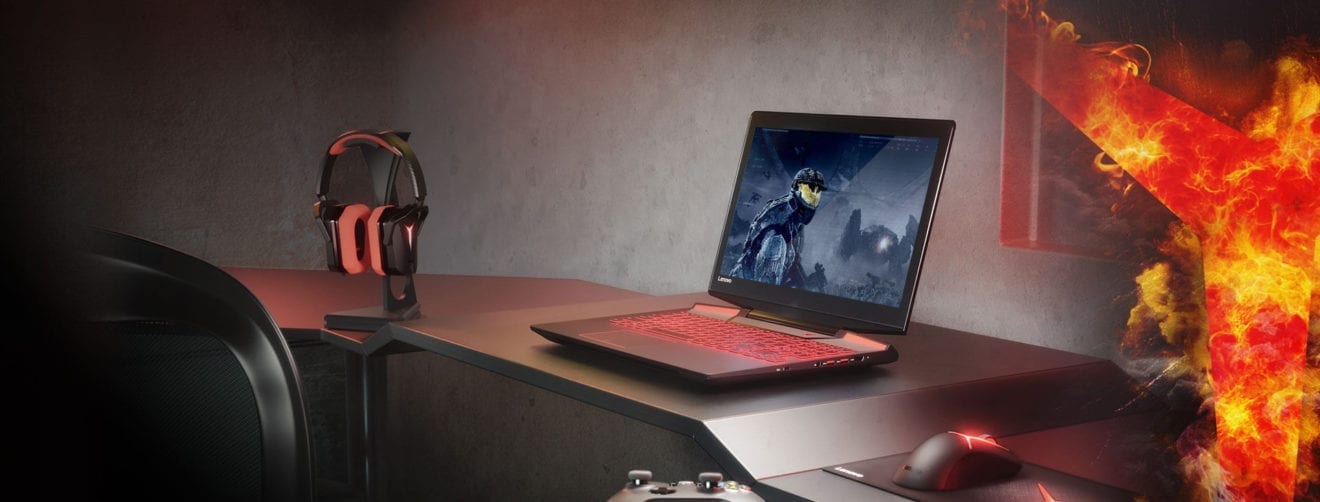
    The first Lenovo Legion concept store in the Philippines has opened as the tech company strengthens its gaming business.

    The Quezon City outlet, at less than 40sqm on the fourth floor of the Annex Building, showcases the brand’s Legion gaming machines in a setting that allows customers to personally examine and experience the products. Lenovo intends to host mini tournaments at the venue to “engage the local gaming community,” according to its statement on the opening.

    Lenovo Philippines GM Michael Ngan expressed the firm’s intentions to open as many such stores in the territory as possible, depending on available spaces, with a possible four outlets planned for this year. He added that the Philippines is seen as a strong growth space for the company’s Lenovo Legion gaming sub-brand. He hinted that the firm’s Legion of Champions e-sports tournament may be held in the Philippines.

    “We’ve had a lot of customers asking why don’t we host in the Philippines … so I’m lobbying that we can have the opportunity to host the fourth edition here in Manila,” he said.

  • Samsung offers laptop with millennial style

    Samsung offers laptop with millennial style

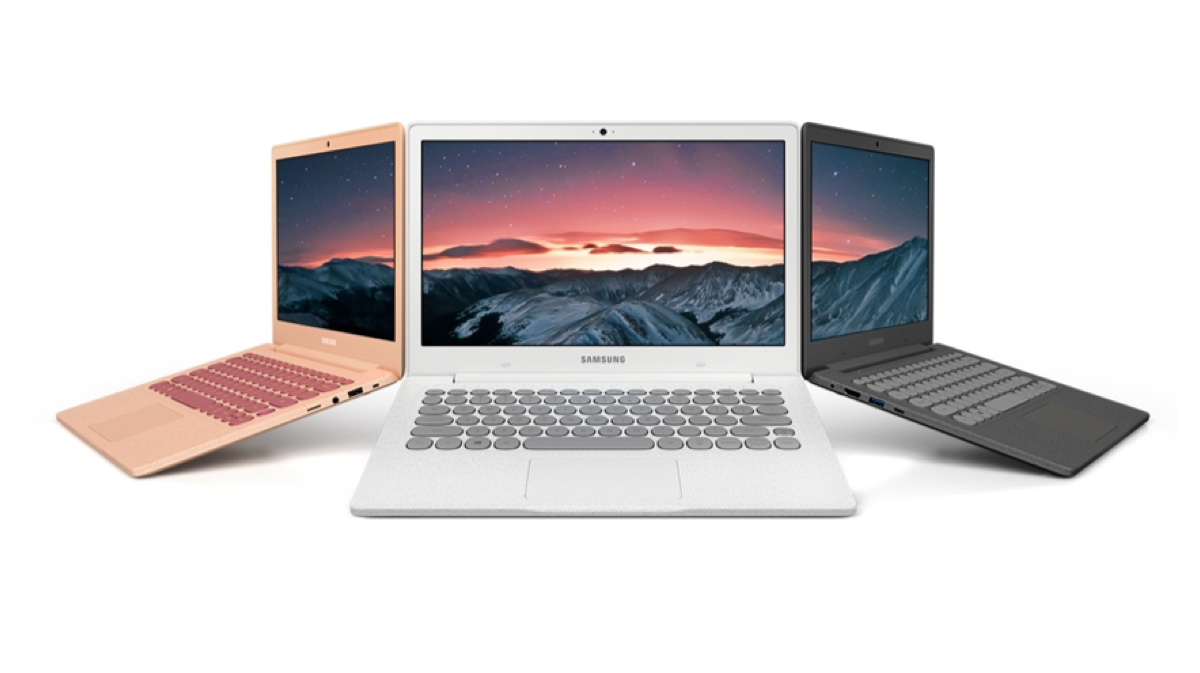
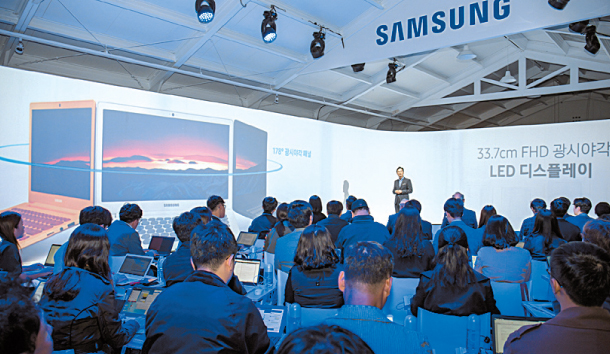
    Samsung Electronics introduced on Monday a laptop it believes will appeal to millennials.  The 13.3-inch computer, the Samsung Notebook Flash, has rounded key caps reminiscent of old typewriters. Its palm rest has a coarse fabric, not conventional metal, which feels comparatively warm, Samsung explained.  The new device is based on the Windows 10 operating system.

    “We worked with Samsung Design Europe to come up with a refined European model that millennials would want,” said Lee Min-chul, managing director of the company’s PC business unit at a launch event in northern Seoul on Monday.

    The laptop comes in three cover designs: linen white, twill charcoal and soft coral. It is powered by Intel’s latest gigabit WiFi chip, rated for download speeds of up to 1.7 gigabytes per second – a speed that Lee says is currently the fastest.

    The laptop supports universal flash storage, a flash storage that achieves five times the reading speeds of MicroSD technology.

    Fingerprint login capabilities and a secret folder, in which the user can save important files, contribute to a high level of security.

    But at 1.37 kilograms (three pounds), the new device is relatively heavy, weighing much more than typical one kilogram ultra-light laptops.

    For Samsung, a top global vendor of smartphones, semiconductors and TVs, laptops are a weak spot.

    The tech giant ranks behind the six largest players – HP, Lenovo, Dell, Apple, Asus and Acer. Those six have about 89 percent of the global market, according to TrendForce in a February report.

    Samsung, LG and others make up the remaining 11 percent.

    Samsung currently retails laptops only in Korea, the United States, China and Brazil. A full 45 percent of all laptops sold globally are sold in these markets.

    Samsung’s annual shipment of laptops totals about 3.2 million units, according to the company.

    The target for Flash laptop sales in the four target markets is one million units.

    Despite its minimal global presence, Samsung is committed to the laptop business, said Lee, citing the device’s “connectivity” with other devices.

    “PCs are central when it comes to IT devices they support – such as monitors, printers and even mobile phones,” Lee said.

    Laptops have been evolving in different ways in recent years, and Samsung wants to develop hybrid products, including laptops with foldable displays.

    “But it’s not only about hardware. It’s important to provide new usability,” he added.

    Coming in two storage sizes – 64 gigabytes and 128 gigabytes – the Flash laptop carries a price tag of 810,000 won ($717).

    But a model specifically designed for wireless operator KT can be purchased for 8,000 won per month on a 36-month subscription with KT’s internet service and the Olleh internet protocol TV.

  • Personal computer market continues to slump

    Personal computer market continues to slump

    Personal computer industry is in the midst of a 5 year slump. Worldwide shipments of personal computers continued to slump in the recently ended quarter but showed signs of stabilizing, according to figures released Wednesday by market trackers.

    Preliminary estimates released by Gartner indicated that 61.1 million PCs were shipped in the second quarter of this year in a 4.3 percent decline from the same period a year earlier.

    An IDC Worldwide Quarterly Personal Computer Device Tracker report put the figure at 60.5 million in a year-over-year decline of 3.3 percent.

    Higher prices due to tight supplies of some components, particularly solid state drives, were felt to be among factors that hampered sales.

    Gartner maintained that the PC industry is in the midst of a 5 year slump, and said the latest figures represented an 11th straight quarter of declining shipments.

    “Amid some unevenness in market trends across the regions, the global PC market has continued to trend toward stabilization,” IDC research manager Jay Chou said in a release.

    “Despite recent issues wrought by component shortages and its effect on system prices, we expect the momentum of commercial market replacements will contribute to eventual market growth.”

    Chou expected consumer demand for PCs to remain under pressure, but saw potential boosts from the growing popularity of powerful computers for game play and sleek new Windows machines.

    Factors hitting PC sales included growing demand for Google-backed Chromebook laptops that essentially act as gateways to services and computing power hosted in the internet cloud, according to Gartner.

    Worldwide Chromebook sales grew by 38 percent last year, while the overall PC market shrank six percent, Gartner reported.

    “The Chromebook is not a PC replacement as of now, but it could be potentially transformed as a PC replacement if a few conditions are met going forward,” said Gartner principal analyst Mikako Kitagawa.

    “For example, infrastructure of general connectivity needs to improve; mobile data connectivity needs to become more affordable; and it needs to have more offline capability.”

    Both market trackers ranked HP as the top computer seller, saying its sales have grown despite the shrinking market.

    HP was followed by Lenovo, Dell and Apple in that order.