Tag: laptops

  • A big change is coming next month to file sharing on Samsung laptops

    A big change is coming next month to file sharing on Samsung laptops

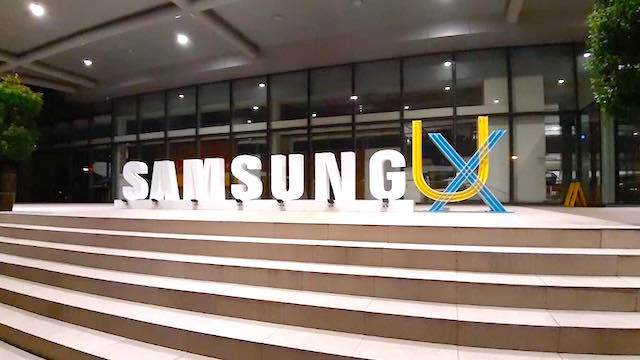
    If you’re using a Samsung laptop and rely on Google’s Quick Share for moving files around, get ready for a change. Samsung is taking the reins for the Quick Share experience on its own Windows machines starting May 28, 2025. This move consolidates the file transfer feature under Samsung’s control for its PC and laptop users.

    One app to rule them all

    This shift means the standalone Quick Share app provided by Google will be phased out on Samsung laptops (and PCs). According to the release notes for the latest Quick Share app update from Google (version 1.0.2180.0), come May 28th next year, attempting to use the Google version on a Samsung laptop will prompt you to install Samsung’s own Quick Share application instead.

    Google has already updated its app, paving the way for this transition. The application has been renamed from “Quick Share from Google” to simply “Quick Share”, and crucially, compatibility with Samsung’s version has been added.

    Streamlining the sharing process

    This move aims to streamline the file-sharing experience for users within the Samsung ecosystem. For a while now, there have been two “Quick Share” experiences floating around: Google’s Nearby Share (which was rebranded to Quick Share early last year) and Samsung’s own Quick Share feature, which predates Google’s widespread adoption of the name. This created some confusion, especially when sharing between Samsung phones, non-Samsung Android devices, and Windows PCs.

    Google and Samsung announced plans to merge these experiences back in early 2024, aiming for a unified file-sharing solution similar to Apple’s popular AirDrop feature that works seamlessly between iPhones, iPads, and Macs. Other alternatives like Microsoft’s Phone Link also offer ways to bridge phone and PC, but Quick Share focuses specifically on rapid, direct file transfers. This upcoming change on Samsung laptops is the next logical step in that consolidation effort, ensuring Samsung users have a consistent experience managed directly by Samsung across their Galaxy phones and Galaxy Book computers.

    Handing control over to Samsung for its own laptops makes a lot of sense. It should reduce confusion and hopefully lead to a more integrated and seamless file-sharing process for people invested in Samsung’s hardware. While swapping apps might involve a quick download and potentially getting used to a slightly different interface, having a single, manufacturer-managed Quick Share application on Samsung PCs is ultimately a positive step. It moves towards a less fragmented experience when you just want to send a photo or document from your phone to your laptop quickly, simplifying a common task.
  • Huawei will leapfrog Apple and HP to lead the PC market in five years

    Huawei will leapfrog Apple and HP to lead the PC market in five years

    Huawei will become the top personal computer maker in the world in three to five years, leapfrogging the likes of Apple, Lenovo and HP, a top executive at the firm told on Wednesday, just days after launching new notebook devices.

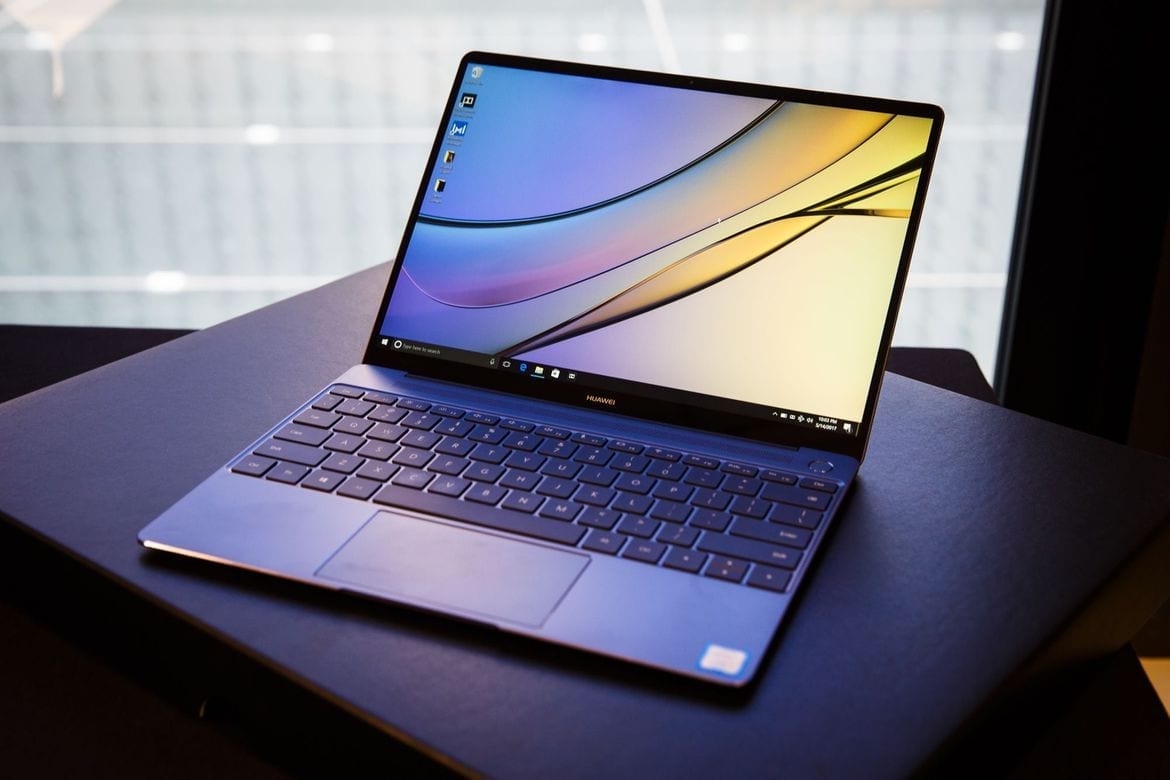
    In May, the Chinese firm took the wraps off of the MateBook X, MateBook D and MateBook E — the X is a laptop that competes directly with Apple’s MacBook line of products. For its part, the company says it is bullish on its plans in the PC space.

    “Whenever Huawei decides to enter an area, make a product, our target is always to be a global leader,” said Wan Biao, chief operating officer of Huawei’s consumer business group. “I think this comes from Huawei’s unswerving input in R&D, and our innovation capabilities. I think these has already been proven in our smartphone products.”

    When asked how long it will take to sit at the top spot in the market, Wan said the “process would take about three to five years.”

    The PC market has been declining for several years, but it recorded 0.6 percent growth in the first quarter of 2017, according to data from IDC. Given that low growth, it’s an incredibly tough market.

    HP, Lenovo, Dell, Apple, and Acer make up the top five players in the world by market share, IDC said. So if Huawei becomes number one, that would mean beating out those top players. Wan, however, said he’s confident.

    “Of course, we are confident because of Huawei’s powerful innovation capabilities. In fact, in the laptop space some technologies are the same with smartphone. In the meantime, with the development of AI, AR and VR [artificial intelligence, augmented reality and virtual reality] technologies, the chance to succeed will only grow bigger for a strong innovative company,” Wan told.

    Huawei’s consumer business is relatively young and began with smartphones. The Chinese giant is seeing success: reported revenues in its consumer business group were up 42 percent year-on-year in 2016 to 178 billion yuan ($26.19 billion). Smartphone shipments were up 29 percent to 139 million units, and Huawei is now the third-largest smartphone vendor in the world by market share.

    Wan’s projection of being the top PC maker in only a few years mirrors similar bullishness from the company about smartphones. In 2016, Richard Yu, the CEO of the consumer division at Huawei, told that the firm would be number one in smartphones by 2021.

    It may seem odd that Huawei is entering a stagnant market, but the tactic is to try and create an ecosystem of products for consumers. Not only does Huawei have smartphones, but it also sells smartwatches and Wi-Fi routers. Laptops are another edition to the portfolio.

    “I think for Huawei’s strategy, one of the most crucial points is the connectivity of all things. Every object in the world should be able to connect … Therefore Huawei is also developing our business over these notions,” Wan said.

  • Toshiba leaving Singapore end of May 2015 due to stiff competition

    Toshiba leaving Singapore end of May 2015 due to stiff competition

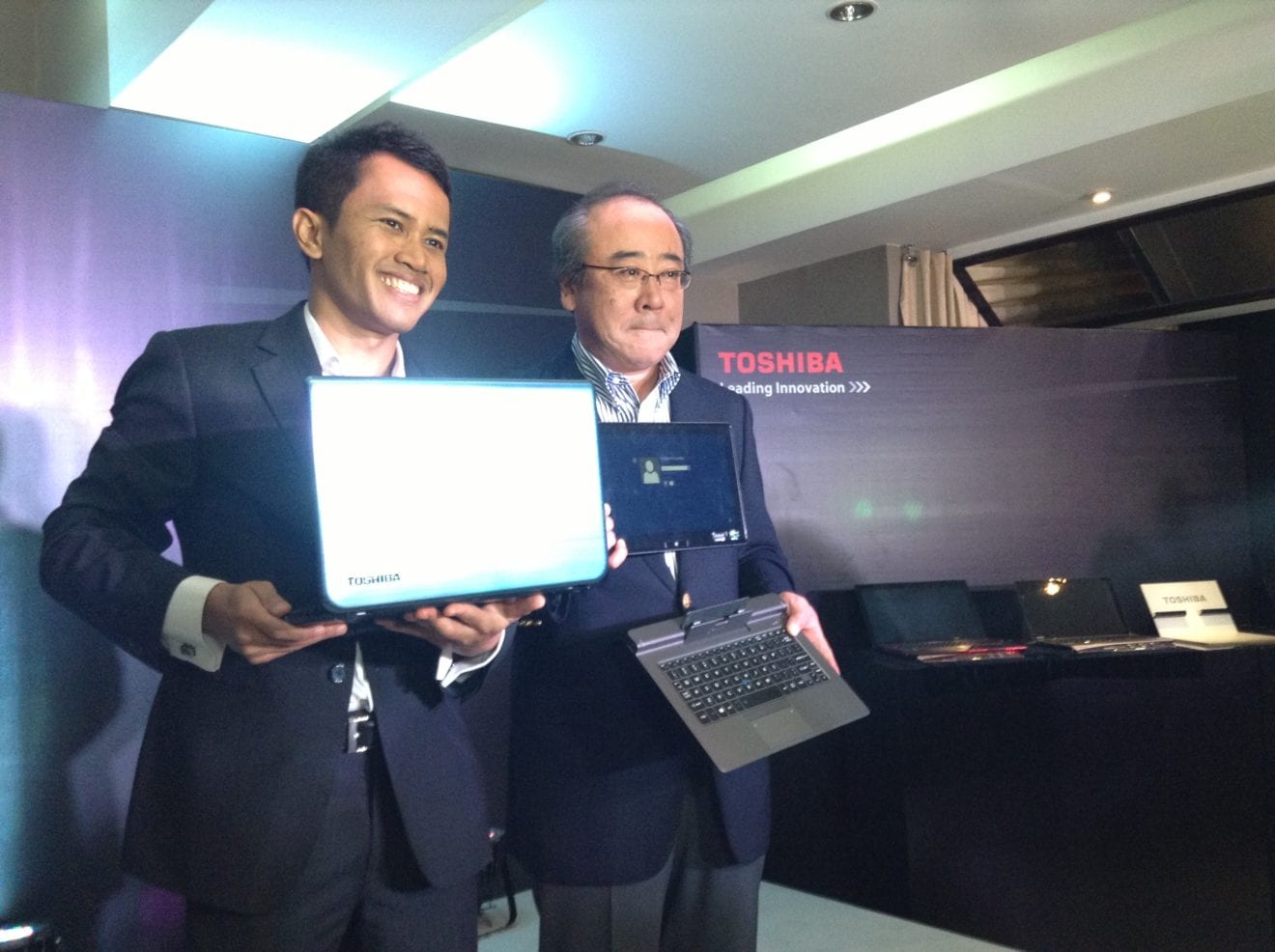
    Chinese evening newspaper Shin Min Daily News reported on Thursday that Toshiba Singapore had recently sent a notice to its retailers, announcing that some products will be withdrawn from the local market.

    Reporters from the Chinese daily checked with several retailers and they understand that the retailers received the notice via e-mails and letters a few weeks ago.

    Toshiba said that due to a highly competitive environment in Singapore, they had to make an “extremely difficult” decision to withdraw from the local television and appliance market.

    In a statement, Toshiba said after-sales customer service will continue until further notice.

    Small retailers have expressed concerns over Toshiba’s exit.

    A retail shopowner said about half of her electrical products are from Toshiba and several of her regular customers are fans of the Japanese brand.

    She also said small retailers are not doing well now and Toshiba’s withdrawal will add to the problem.

    One industry insider said that regardless of technical specifications, South Korean products are slightly better in comparison.

    Shin Min reported that a Toshiba spokesman was unable to provide further information about their withdrawal.