Tag: last mile delivery

  • Zepto Delivers 14,000 Gold and Silver Coins an Hour in Festive Shift

    Zepto Delivers 14,000 Gold and Silver Coins an Hour in Festive Shift

    Indian quick-commerce platform Zepto delivered more than 14,000 gold and silver coins per hour at peak demand during Dhanteras, signalling a rapid move away from traditional physical markets.

    Co-founder and chief executive Aadit Palicha revealed that purchases reached nearly 298 precious metal coins in a single minute, demonstrating how instant logistics networks are capturing high-ticket holiday retail alongside everyday staples.

    Competitor Swiggy Instamart witnessed a parallel surge in consumer spending throughout the festive week, logging a 23-fold increase in gold coin orders and a sevenfold increase in silver purchases ahead of Dhanteras.

    Surging Volumes Across Traditional festive Goods

    The rush extended far beyond precious metals into household items tied to Hindu festive rituals. Broom sales climbed 38.6 times compared to an ordinary day, while steel utensil orders rose 20 times and decorative light volumes multiplied by 18.2 times.

    Shoppers also turned to instant delivery for ritual accessories and apparel. Zepto moved roughly 6,000 units of rangoli colours and cotton wicks per hour during peak windows, while men’s kurta orders increased 5.4 times.

    Rival Platforms See High-Ticket Dhanteras Orders

    Rival operator Swiggy Instamart recorded a parallel spike in consumer spending during the festive week. Orders for gold coins surged 23 times in the seven days leading up to Dhanteras, while silver coin transactions expanded sevenfold.

    Basket values reflected immense consumer trust in delivery riders carrying high-ticket goods across Indian metros. One customer spent Rs 1.73 lakh on gold coins in a single checkout, while a shopper in Noida completed nine separate orders totalling nearly Rs 5 lakh.

    Instant Delivery Rewires Indian Festive Commerce

    For neighborhood jewellers and bazaar merchants, the Dhanteras numbers point to an immediate structural challenge. Indian families traditionally visited neighborhood jewellery stores to examine hallmarked coins and purchase brass or steel kitchenware in person, treating the outing as an essential holiday ritual.

    Dark store networks have broken that habit by delivering physical commodities to doorsteps in ten minutes flat. Quick commerce operators now hold high-value inventory in temperature-controlled suburban micro-warehouses, bypassing traditional showroom overheads while offering rapid doorstep fulfilment.

    Dark Store Economics Expand Beyond Groceries

    Grocery orders historically gave quick commerce operators low gross margins, forcing platforms to search for higher-margin merchandise to offset courier fuel and warehouse labour. Precious metals, fashion apparel, and kitchen appliances generate higher basket values that improve order economics instantly.

    The logistical risk shifts squarely to shrink control and rider security. Couriers transporting lakhs worth of bullion through crowded holiday traffic create distinct operational liabilities that ordinary milk and snack deliveries never presented.

    The Trajectory of Ultrafast Retail Diversification

    The pivot into seasonal bullion follows months of aggressive category expansion by quick commerce operators like Zepto and Swiggy Instamart. Platforms initially tested electronics, beauty, and small home appliances before attempting high-security precious metals.

    As platforms compile final order volumes from the broader Diwali shopping window, the key metric remains return rates and inventory turnover across non-grocery categories as dark store operators prepare their merchandise mix for the upcoming wedding season.
  • SingPost Trials Digital Stamps from 62 Cents for Domestic Mail

    SingPost Trials Digital Stamps from 62 Cents for Domestic Mail

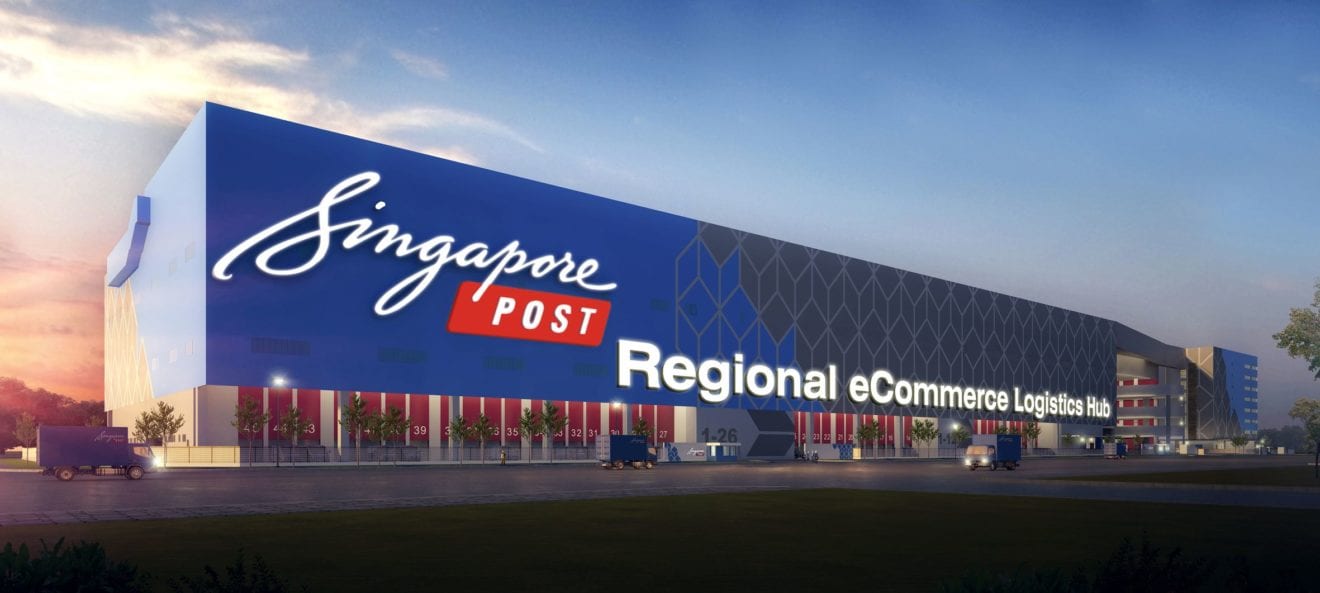
    Singapore Post launched a public trial for digital stamps on Oct 8, allowing consumers across Singapore to send domestic mail using unique codes purchased through its mobile app.

    Postage costs 62 cents for standard regular mail and 90 cents for standard large envelopes, sold in minimum purchases of five stamps valid for 24 months. Users no longer need physical stamps or labels.

    How the digital code system works

    Buyers purchase stamps in the app and write the generated alphanumeric code on the top-right corner of standard envelopes or postcards. They can drop the mail into any street posting box, post office counter, or residential letterbox return slot.

    For the trial running until April 6, 2027, SingPost is discounting five-stamp regular sets to $1 from $3.10. Five-stamp sets for large mail cost $1.50 during the promotional window. Accounts are limited to one discounted purchase each.

    Sorting automation and optical recognition

    Handling handwritten codes shifts operational pressure onto sorting centers. The trial tests optical character recognition scanners on live mail volumes. SingPost will calibrate sorting accuracy across different handwriting styles.

    Gan Heng, head of customer experience at SingPost, said:

    “Digital stamps remove that barrier entirely.”

    Digital postage applies strictly to domestic basic mail, including letters, postcards, and printed paper items. Alongside the scanning trial, SingPost added collectible digital graphics to the app. Users unlock commemorative designs, such as a 61st National Day theme and a Fullerton Building graphic, every 15 purchases.

    Network adjustments across residential hubs

    This trial links with the operator’s residential collection rollout completed in September. Dubbed SingPost@MyBlock, that project converted letterbox return slots across more than 20,000 residential buildings into collection points for outbound letters and small parcels.

    Postal operators across the Asia-Pacific region face declining letter volumes as corporate billing and consumer correspondence move online. SingPost cuts the overhead of running stamp vending machines and retail counter queues by digitising postage, while keeping its collection network active.

    Next steps in the rollout

    Neighborhood infrastructure expanded after first-quarter operating profit rose 55.2 per cent to $4.1 million on cost cuts in core delivery units. Connecting app payments to automated sorting machinery forms the next stage of the overhaul.

    A four-day public show at SingPost Centre in Paya Lebar runs through Oct 11 to demonstrate the scanning workflows. The trial will gather consumer feedback through the mobile application until the test period closes on April 6, 2027.

  • Target Lists 25,000 Items on Uber Eats for 60-Minute Delivery

    Target Lists 25,000 Items on Uber Eats for 60-Minute Delivery

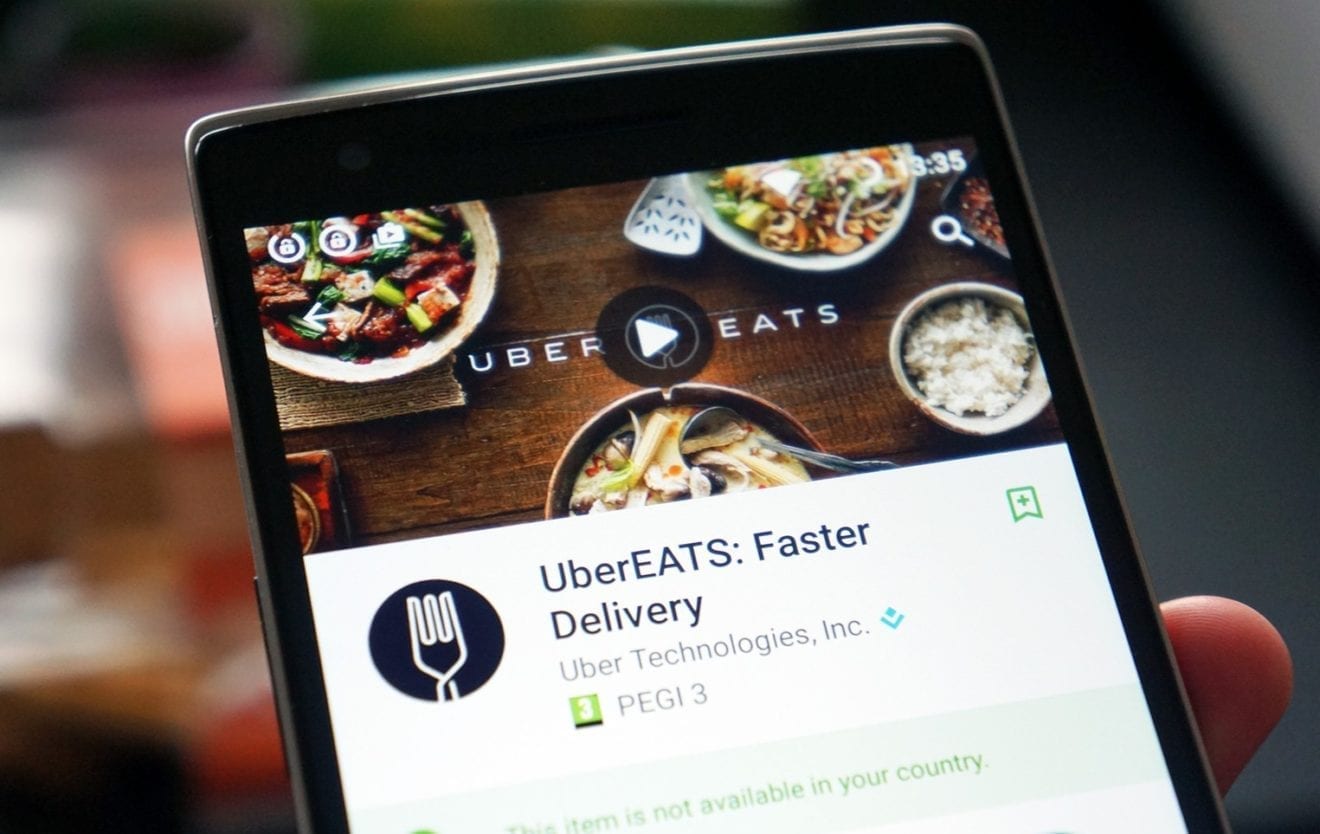
    Target has expanded its fast-delivery options by offering more than 25,000 products on Uber Eats ahead of the holiday shopping period.

    As the first fashion retailer in Australia to partner with Uber Eats, Target expects orders to arrive within 60 minutes. The service will initially launch at 20 Target store locations in high-demand areas before expanding nationally.

    Store Shelf Pricing and Rapid Fulfilment

    Shoppers can order apparel, beauty products, homewares, toys, baby gear, and everyday staples directly via the Uber Eats app. Prices match in-store shelf tags, with standard Uber Eats service and delivery fees applied at checkout.

    Local stores will act as urban fulfilment hubs to support the service. Bypassing central warehouses lets the retailer turn existing shelf inventory into immediate digital supply.

    Bernard Wilson, chief commercial officer for Kmart and Target, said shoppers increasingly want flexible fulfilment that fits shifting daily schedules without advance planning.

    Expanding Department Store Reach

    Traditional department store operators face heavy competition from pure-play e-commerce platforms offering same-day parcel drop-offs. Using on-demand couriers cuts transit times from days to minutes. It also saves retailers from investing in dedicated last-mile transport fleets.

    This arrangement puts products directly in front of millions of active app users. Still, platform commission costs and service fees push final basket prices higher for consumers.

    Hardware and Discount Precedents

    Bunnings set an earlier precedent this year after adding more than 30,000 hardware products to the Uber Eats catalogue. Target has also integrated its clothing line into Kmart digital channels to capture cross-brand online traffic.

    Lucas Groeneveld, managing director of Uber Eats for Australia and New Zealand, noted that fast delivery is moving well beyond food into general merchandise. “Bringing Target onto Uber Eats means more of those everyday needs can arrive at their door in under an hour, making on-demand delivery useful for even more moments in their day,” said Groeneveld.

    Next Steps for National Expansion

    Service is now live across the initial 20 retail locations in metropolitan centres. Target plans to expand the delivery service to additional regional and suburban stores across Australia over the coming quarters.

  • Chemist Warehouse Cuts Delivery to 56 Minutes Across 550 Australian Stores

    Chemist Warehouse Cuts Delivery to 56 Minutes Across 550 Australian Stores

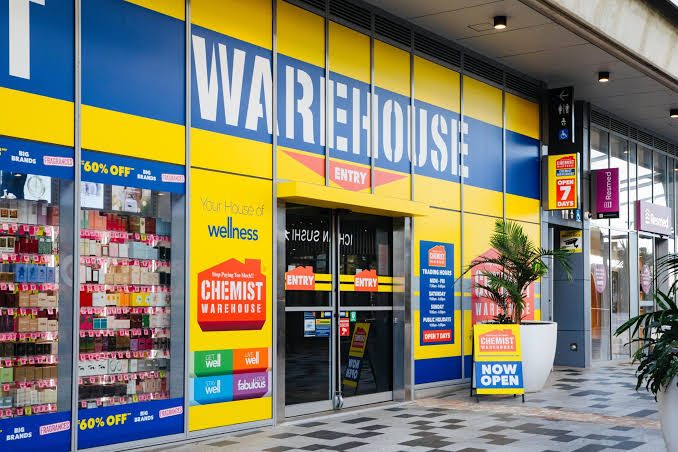
    Chemist Warehouse cut average delivery times for local online pharmacy orders to 56 minutes in July 2026. The chain routed dispatch through 550 physical stores across Australia.

    That turnaround covered roughly 32,000 over-the-counter orders handled under a two-hour service agreement with logistics platform Rendr, an Australia Post subsidiary.

    Operations shifted onto a single dispatch platform after the pharmacy chain previously juggled multiple delivery providers. Dispatch software selects a courier based on the customer’s chosen delivery speed and assigns it directly to store staff. The setup avoids adding dedicated warehouse workers to store payrolls.

    Routing Orders Through 550 Storefronts

    Dispatching directly from shopfronts turns high-street real estate into micro-distribution hubs. More than 15 per cent of Australian retail orders are now fulfilled and delivered within 15 kilometres of the buyer, according to Shippit data. That is an increase of five percentage points over two years.

    Chemist Warehouse uses order density maps from Rendr to identify coverage blind spots across its retail network. Those geographic heat maps feed directly into lease decisions for new retail space and extra fulfillment capacity.

    Physical stores provide an immediate counterweight to pure-play e-commerce rivals that spend heavily on regional depots. Pure-play operators typically run centralized warehouses located far outside metropolitan centers. That adds transit hours to every local parcel.

    Avoiding the Mini-Warehouse Trap

    Fulfillment creates friction if counter staff spend shifts sorting boxes rather than serving walk-in shoppers. Chemist Warehouse avoided dedicated picking shifts by standardizing handoffs into a single digital process.

    Workers hand parcels to assigned couriers through one digital interface instead of managing separate fleet portals. David Brennan, general manager of supply chain transformation at Chemist Warehouse, said the consolidated exit path simplified daily routines.

    “There’s now one exit path for fast delivery. It comes in and says, you’re giving it to this driver, that’s it.”

    The Proximity Race Against Pure Plays

    Speed pits physical shop networks against heavy logistics spending from pure e-commerce players. In North America, Amazon is developing Project Mercury to build more than 1,000 sub-same-day facilities by 2031. It aims to place inventory within 10 miles of 80 per cent of Prime subscribers to counter store-based competitors like Walmart.

    Across Asia-Pacific markets, traditional retailers hold the geographical edge because suburban strips already sit near dense residential corridors. The main risk lies in inventory accuracy. A ship-from-store model fails immediately when an online order claims stock an in-store shopper just put in a physical basket.

    Retailers that fix real-time inventory tracking turn routine floor stock into faster dispatch points than dedicated suburban logistics sheds. Those that fail face cancelled orders and higher labor expenses.

    Consumer Appetite for Paid Speed

    Rapid delivery is driving purchase conversion across Australia, where online retail spending reached 82.6 billion Australian dollars in 2025. Australia Post research shows 73 per cent of shoppers pick online channels over physical visits when delivery is reliable.

    Consumers will also pay for speed when items carry immediate utility. Australia Post found 43 per cent of Australian shoppers are prepared to pay extra for same-day or next-day delivery. That figure climbs to 59 per cent among Gen Z and Millennial buyers.

    Roughly 24 million Australians across major population centers can now access same-day fulfillment. Retailers will test whether that appetite holds up as courier costs rise heading into the peak holiday trading quarter of late 2026.