Tag: last mile

  • More Japanese Merchants Leave Rakuten Marketplace over Drone Logistics Alliance

    More Japanese Merchants Leave Rakuten Marketplace over Drone Logistics Alliance

    Japanese merchants are leaving Rakuten Group’s e-commerce marketplace following the company’s latest drone logistics alliance. Seller departures have increased as platform operators adjust delivery requirements across the domestic network.

    Merchant relations on the platform face renewed strain over fulfillment and distribution integration. Store operators running storefronts on Rakuten Ichiba must balance rising platform costs against competing fulfillment channels.

    Merchant Friction Over Delivery Strategy

    The marketplace has pushed deeper into automated logistics and aerial transport to solve driver shortages in regional Japan. That shift requires store owners to adapt packaging, inventory management and dispatch schedules to automated logistics hubs.

    Sellers unwilling or unable to meet those fulfillment rules are closing their accounts. For smaller Japanese brands, direct-to-consumer websites and rival channels now offer cheaper operational alternatives.

    Pressure Across Japanese E-Commerce

    Competition among Japan’s digital marketplaces has tightened sharply. Amazon Japan and LY Corporation’s Yahoo Shopping continue to court independent merchants with flexible shipping terms and lower platform fees. Rakuten has spent heavily to defend its merchant base, yet policy shifts around shipping rates and fulfillment standards historically triggered seller pushback across the country.

    Merchant retention numbers for the current quarter will show how many storefronts follow through on closing their marketplace accounts.

  • DHL Global Forwarding puts Japan’s FIA races into top gear

    DHL Global Forwarding puts Japan’s FIA races into top gear

     DHL Global Forwarding, the leading international provider of air, sea and road freight services, will provide end-to-end multimodal freight support for the back-to-back Fédération Internationale de l’Automobile (FIA) World Endurance Championship (WEC) and the WTCR — FIA World Touring Car Cup (WTCR) Race in Japan. As the official logistics partner of the global championship races for the seventh year, DHL Global Forwarding will deliver racing cars, spares and equipment via air, ocean and land freight to the WEC’s Fuji International Speedway and WTCR’s Suzuka Circuit.

    To support the races, DHL Global Forwarding will manage all transportation, customs clearance, and ground handling for 36 racecars, spares, and ancillary equipment — including everything from specialized tires to high-performance engine blocks. Prior to the WEC race at Mount Fuji, DHL will ship the cargos via a combination of ocean and air freight from the United Kingdom and Germany to the Port of Tokyo, before delivering the cars and other equipment to the race circuits via road. In the lead-up to the WTCR’s race, a second set of vehicles will arrive via ocean freight direct from their previous race in Wuhan, China.

    “It is our honor to be partnering with the FIA once again for both the World Endurance Championship as well as the WTCR Race of Japan,” said Charles Kaufmann, President/Representative Director — Japan K.K, and CEO, North Asia South Pacific, DHL Global Forwarding. “As with all of the motorsports events we support around the world, our goal remains the same: deliver the race’s critical ingredients with speed and agility, while also ensuring the utmost safety and regulatory compliance of these precious cargos. Given the relatively tight scheduling between each championship’s events, we’ve also optimized our delivery patterns to ensure the cars move swiftly from their prior engagements to Japan before continuing on their global tours.”

    DHL Global Forwarding’s rapid shipments and expertise in automotive handling will play a major role in ensuring the cars move from circuit to circuit according to the FIA’s precise schedule. Immediately after each race, DHL’s teams will load all goods, transport them from circuit to port, and clear customs within 72 hours, before conveying the cars to their next outings in Shanghai (WEC) and Macau (WTCR).

    The FIA WEC, also known as 6 Hours of Fuji, will be held from 12-14 October 2018 at the foothills of Mount Fuji. The three-day event will see the likes of world-renowned racers like Fernando Alonso, Bruno Senna, Jenson Button and Oliver Webb race to the finish line during an endurance competition that lasts six hours, stretching over a 4.5-kilometer loop with 16 spectacular twists and turns.

    Meanwhile, the WTCR Race of Japan will be held over the weekend of 26-28 October 2018, consisting of three races totaling 42 laps and 168 kilometers. At the Suzuka Circuit, home to the Formula 1 Japanese Grand Prix since 1987, drivers will be tested on their skills thanks to a unique figure-of-eight layout and variety of corners.

  • DHL eCommerce brings same-day metro deliveries to Vietnam

    DHL eCommerce brings same-day metro deliveries to Vietnam

    DHL eCommerce, a division of Deutsche Post DHL Group, today announced the introduction of DHL Parcel Metro Same Day in Ho Chi Minh City and Hanoi. The service allows Vietnamese online retailers to offer same-day delivery to consumers in both cities with real-time tracking and rescheduling of deliveries through DHL’s digital platform. The service uses an “elastic delivery” concept where DHL taps into a varied set of delivery service providers. This allows deliveries to be fast and flexible while allowing same-day service to remain affordable for retailers.

    DHL Parcel Metro Same Day service allows retailers to offer same day delivery to consumers with real-time tracking and rescheduling of deliveries through its fully customizable digital platform.

    “Vietnam remains an exciting market for us with immense potential — Ho Chi Minh City is forecast to be the second fastest-growing Asian economy by 2021, with predicted annual growth of 8% . With about 30% of the Vietnamese population expected to shop online by 2020[2] , demand for e-commerce parcel deliveries will only increase,” said Charles Brewer, CEO, DHL eCommerce.

    “Globally, the demand for same-day delivery is expected to grow 43% till 2025 and capture 22% market share of domestic B2C delivery by then[3] . While the number of e-commerce parcel deliveries continues to soar, urban consumers are at the same time expecting instant and same-day delivery amid growing pressures of congestion, overtaxed infrastructure and costs. DHL Parcel Metro Same Day’s urban-friendly and flexible same-day delivery service aims to relieve last-mile pressures while providing retailers with fast, flexible, visible and reliable deliveries necessary to build consumer trust,” Brewer added.

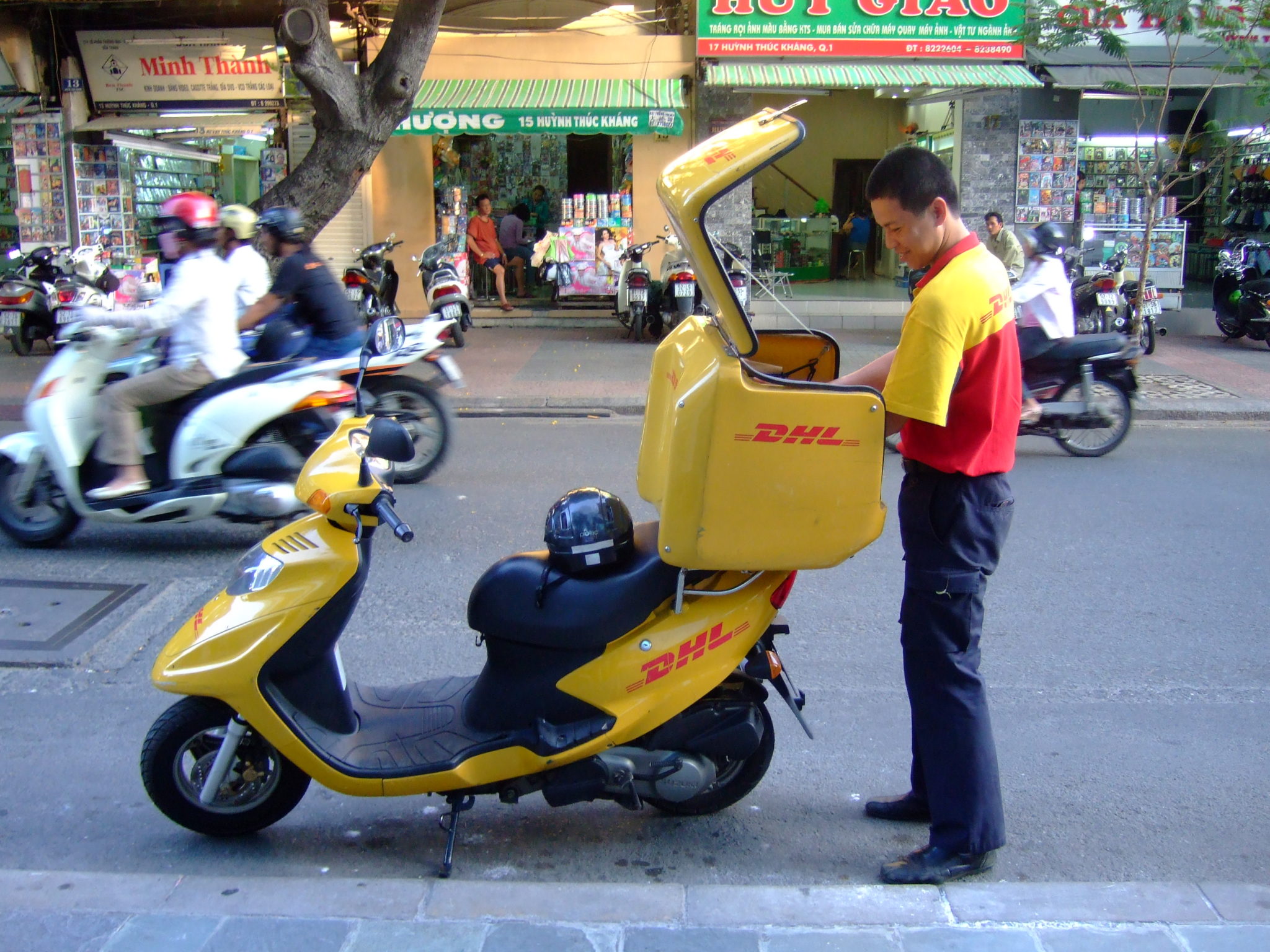
    DHL Parcel Metro Same Day adds to DHL eCommerce Vietnam’s existing nationwide domestic delivery service supported by its fleet of vans and bikes, and regular air and road connections between its hubs for next-day delivery in Ho Chi Minh City, Hanoi and other primary markets. Coupled with its growing network of over 200 DHL ServicePoints, DHL eCommerce provides sellers and consumers with convenient pick-up and drop-off locations across the country. DHL eCommerce will also offer its fulfillment services along with DHL Parcel Metro Same Day to provide retailers a localized e-commerce solution, allowing them to store their inventory closer to their consumers and to deliver parcels faster and more efficiently to their shoppers.

    “Vietnam’s e-commerce market is growing 32% CAGR from 2018-2022 according to Euromonitor, and consumers — particularly the millennial and urban population — are increasingly expecting instant and same-day deliveries for their online purchases. For a great customer experience, retailers need not only fast and reliable delivery services, but also a personalized and seamless digital experience that inspires customer confidence from the very first click. DHL Parcel Metro Same Day’s customizable designs and Application Programming Interface (APIs) make it even easier for Vietnamese e-tailers to provide their customers with a seamless delivery experience and win their trust,” said Thomas Harris, Managing Director, DHL eCommerce Vietnam.

    DHL Parcel Metro Same Day also allows retailers to offer a fully branded experience in their delivery, with real-time tracking and rescheduling of deliveries through DHL’s fully-customizable digital platform. The digital platform uses a dynamic dispatching and routing engine to improve cost and operational efficiency, and supports a range of delivery modes — including motorcycles, bicycles, and foot couriers, alongside more conventional vans and cars — for maximal speed and agility in complex and often congested urban environments. This includes DHL’s own network of couriers and crowd-sourced partners that meet DHL’s stringent quality and standards.

    DHL eCommerce is part of Deutsche Post DHL Group, established in 2014 as part of the Group’s growing focus in e-commerce logistics solutions. Along with its sister divisions DHL Express, DHL Supply Chain and DHL Global Forwarding as well as its subsidiary Blue Dart Express in India, the Group offers end-to-end solutions for e-commerce retailers. This includes cross-border shipping with a premium offering from DHL Express and affordable solutions from DHL eCommerce; fulfillment solutions through DHL eCommerce and DHL Supply Chain; and air/sea/road/rail freight solutions from DHL Global Forwarding.

  • Ninja Van ready to pounce on rivals in Singapore

    Ninja Van ready to pounce on rivals in Singapore

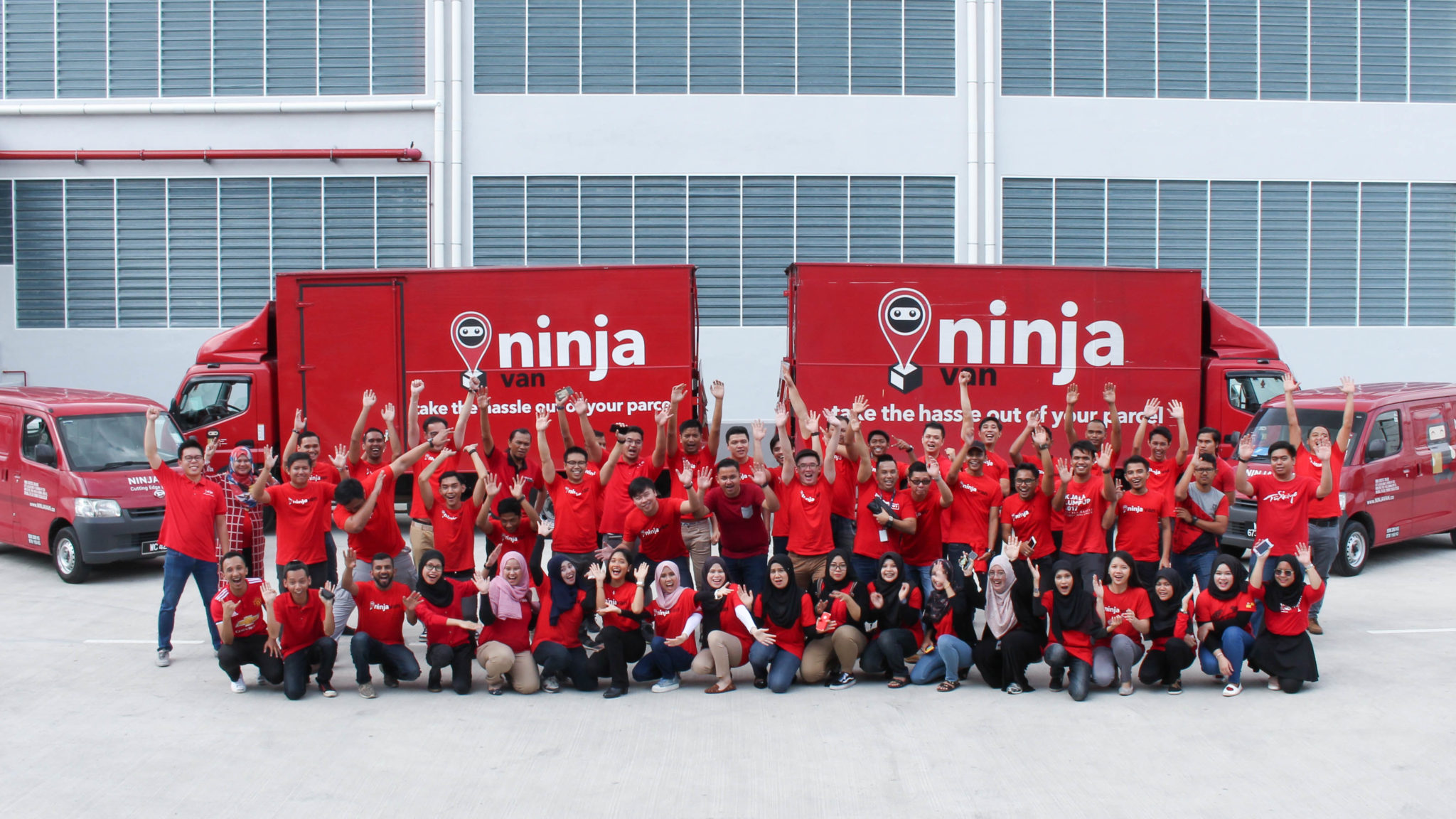
    Like the Japanese warrior it is named after, homegrown logistics tech startup Ninja Van is taking the fight to its rivals in its bid to become the top delivery e-commerce service here and in the region.

    For a start, Ninja Van plans to increase its parcel collection points to 500 by the end of the year — more than doubling its current number of 200 stations around the island. They are usually found near MRT stations and in shops, and the locations include Toa Payoh, Woodlands, Clementi, Punggol, and Orchard Road.

    To help enhance the customer’s delivery experience, it plans to give them a “live” option to redirect their parcels. Mr Lai Chang Wen, 31, Ninja Van’s co-founder and chief executive, said in an interview with TODAY that the service will be launched here before the end of the year, and will be gradually rolled out in other countries in South-east Asia.

    It will provide customers with information on when their parcels will arrive, and if they are unable to receive it in person, they can redirect it to a nearby Ninja Point, or request for it to be left at the door or neighbour’s house via the company’s website or mobile application.

    Mr Lai said this service is designed to cater to customers’ demands, making it “hassle-free”, and that it will help improve the collection experience.

    “We want to give customers more options, rather than just tracking,” he said.

    Currently, customers can also choose to self collect the parcels rather than have them delivered to their homes. Some collection points, such as those at shopping malls, are very “popular”, he added.

    The collection point service, known as Ninja Collect, includes automated parcel lockers called Ninja Box, as well as Ninja Points that allow for collection at retail shops.

    Ninja Van’s 500 points islandwide ensures that there is a pick-up point located within 500 metres from any residential home, said Mr Lai. TODAY understands that its rival, government-linked company Singapore Post (SingPost), has over 150 automated parcel lockers, called POPstations, in Singapore.

    While this push by Ninja Van could be seen as a threat to SingPost, Mr Lai insisted that both firms can “co-exist and challenge each other to keep improving”. He believes that Ninja Van’s e-commerce parcel delivery service is “on par” with SingPost’s.

    In the next three to five years, the firm will focus on strategies such as social commerce where customers shop on social media platforms such as Facebook, Instagram and Internet forums.

    He added: “We are looking at how we can allow mid-tier Korean cosmetic brands to sell (their products) in South-east Asia. For social commerce… the sellers need to find a way to ship the parcels. We provide that solution for them.”

    Ninja Van’s social commerce business is currently focused on Indonesia, Thailand and Vietnam. An expansion within the region would potentially increase their driver numbers by over 300 per cent, bringing the total count in the region to between 30,000 and 50,000 drivers.

    WE’RE A RHINOCEROS, NOT A UNICORN

    Founded here in 2014 by Mr Lai and his partners, Ninja Van has since expanded its business to the rest of South-east Asia, including Malaysia, Indonesia, Thailand, Vietnam, the Philippines, and Myanmar.

    The Singapore office employs 200 staff and 400 drivers, while its businesses overseas have a total of 2,000 full time staff and 10,000 drivers.

    Early this year, the tech company raised a record amount — believed to be over US$85 million (S$111.5 million) — in its series C funding round. It is believed to be the largest series C funding raised for the region.

    The development drew the attention of observers, who said that Ninja Van could be the next “unicorn”, which is a privately held startup company that is valued at US$1 billion or more.

    Ninja Van has raised more than US$115.5 million to date.

    Mr Lai said that the company’s expansion plans are “on track”. The startup currently covers about 80 per cent of South-east Asia, and with the funding, it can grow its network of depots, trucks, drivers and sorting spaces, he added.

    He also said that the firm is focused on South-east Asia for now. There are also no plans to diversify from its core logistics business, nor does it plan to pursue new projects such as ride hailing firm Grab’s e-wallet payment solution Grabpay, for instance.

    Dismissing talk that the company could be a “unicorn”, Mr Lai prefers for it to be seen as a rhinoceros instead.

    “A unicorn gives the connotation of being sexy, too prim and proper, and elusive,” he said.

    “A rhinoceros is more grounded. It’s rare but you can actually find it. It is a bit grungy, and dirty and real. That’s the business we are in.”

    LIVING THE DREAM?

    Looking to the future, Mr Lai said that Ninja Van needs to keep its digital and innovative culture alive and well in order to prevent it from being “disrupted” by competitors.

    Aside from its staff, technology is also a key part of its business. For example, in Vietnam, the company uses a “certain form of machine learning” and tech algorithms to identify addresses in the country and check if the location is accurate.

    While running a startup and being your own boss might sound like he is “living the dream”, Mr Lai, who did not have any experience in logistics when he co-founded Ninja Van, said that would-be entrepreneurs should not think that way.

    He said: “People join for the wrong reasons. They think it is very cool, but it is quite tiring. The real reason to start a company should be because you want learn, to challenge yourself, and to try to make a difference.”

    The busy entrepreneur works seven days a week, and he is always on his phone replying to messages and taking business calls. He only spends around 80 days a year in Singapore, with the rest of his time spent travelling around the region for his business.

    He added: “There is no line (between business and leisure). Whatever needs to be done, you do it.”
  • Park N Parcel secures 648,000$ in seed funding

    Park N Parcel secures 648,000$ in seed funding

    Singapore’s last-mile logistics startup Park N Parcel plans offshore expansion after raising US$648,000 in a seed funding round.

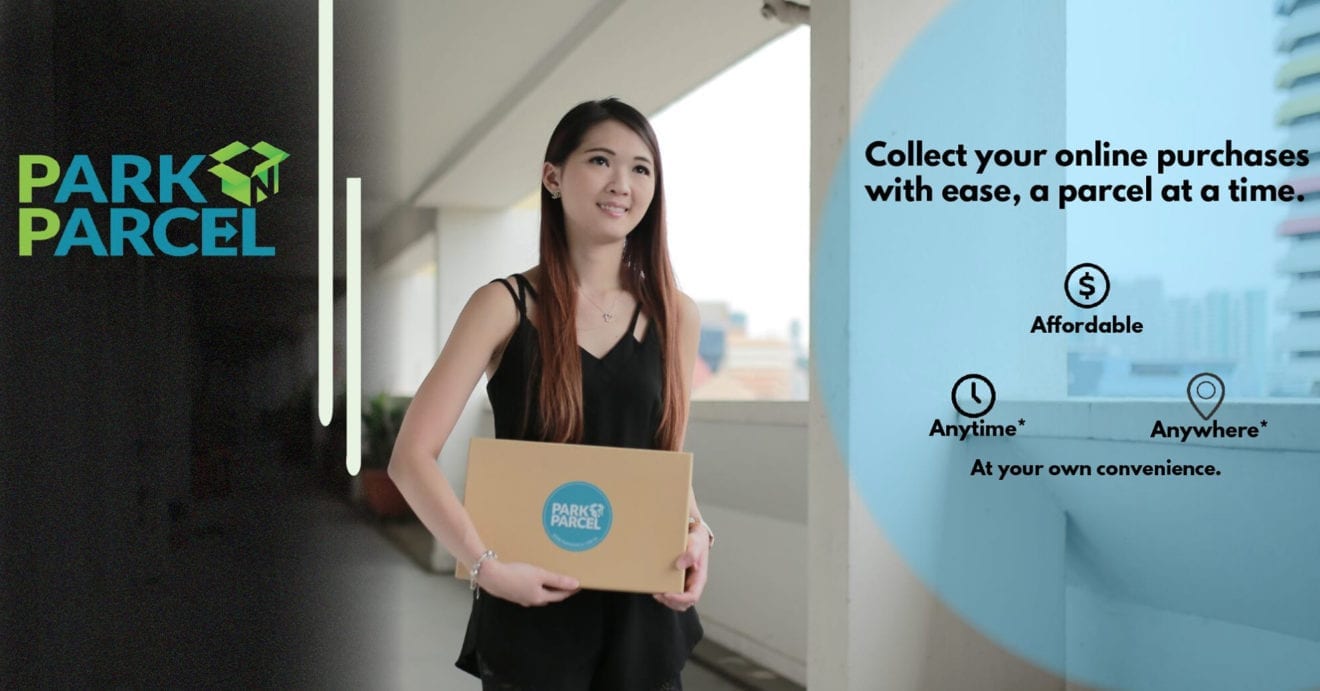
    Park N Parcel’s service provides “parking” for online purchases. Packages are delivered to a registered residential or commercial “parker” within a 1km radius of the buyer’s home for collection when convenient. After two years, the startup has more than 1500 parkers.

    The fresh funding will be used to strengthen the company’s core leadership team and for expansion into Thailand, Hong Kong and Japan by the fourth quarter of this year, says Park N Parcel co-founder Bryan See Toh.

    As well, the team plans to expand its client base through partnerships with e-commerce platforms and logistics companies.

    “Last-mile has always been a problem for big e-commerce players across Asia, and we believe Park N Parcel has resolved this issue,” says managing partner Christopher Quek of Tri5 Ventures, which led the funding round with a group of angel investors. “There is a huge opportunity in the $701 billion logistics market across Asia.”

    Park N Parcel, along with seven other startups, are heading to Thailand this month to attend the Bangkok Immersion Program organised by Enterprise Singapore under the Ministry of Trade and Industry.

  • Enhancing last mile delivery, consumer experience with SMS Services

    Enhancing last mile delivery, consumer experience with SMS Services

    E-commerce is a fast-moving game and major forces are changing the rules. Forward-thinking retailers are investing to maximize the potential of both physical and digital channels. Global players that once stood on the sidelines are now poised to compete in South East Asia. Just recently, Indonesian department store chain MatahariMal raised $500 million to develop their e-commerce venture. Alibaba too, has invested $249 million in SingPost to expand their delivery network in SEA.

    As the world’s fastest growing internet region with 260 million users, South East Asia is fast becoming a unique e-commerce market. Primed for tough competition, e-commerce companies are fast prioritizing customer service as a way to stand out from their competitors. Keeping customers at the heart of their business strategy, and delivering the best possible value to them is becoming more important than ever.

    Today, last-mile delivery has become a priority for both e-commerce companies and their customers. Ensuring speedy, but prompt delivery has been proven to give companies an edge in the competitive landscape, while showing customers that companies could go the extra mile for them.

    In fact, local and regional players have still emerged as early winners, largely due to their ability to provide a better-tailored experience for local consumers than what global competitors usually offer. For instance, Singapore-based Lazada built local logistics footprints in each market to increase delivery reliability, and added motorbike fleets to provide speedier options to traditional truck deliveries.

    That said, enhancing last-mile delivery for consumers in the region comes with its own set of challenges.

     Consumer trust, diversity, slow infrastructure serve as roadblocks

    Firstly, the lack of consumer trust is one of the challenges the Southeast Asian e-commerce market is facing. Consumers today are wary of making transactions online due to various security issues such as fraud. According to the e-conomy SEA report by Google and Temasek Holdings, 58 percent of citizens in South East Asia expressed concerns over financial information being shared online. With cyber attacks on the horizon, trust between customers and e-commerce companies have been shaken and today, assurances must be given to customers on a consistent basis to maintain strong relationships.

    The region also encompasses a wide range of ethnicities, languages, consumer preferences and regulations, coupled by a politically and economically complex landscape. With such diversity, consumers in different markets have conflicting preferences and expectations, which means more time and money must be invested carefully into business planning to ensure that this is addressed adequately.

    Despite the immensely positive steps taken towards ASEAN economic integration, there are still socio-political and economic issues that can put a dampener on overall business growth of regional delivery companies.

    Southeast Asia also lacks a solid regional payment and logistics infrastructure, which were the foundation for China’s astounding digital-retail growth. Even though larger businesses today are investing in the development of delivery infrastructure, they are still weak and getting your goods delivered affordably and efficiently may still be an issue. As a result, organisations often find it a challenge to make a scalable business model work, and to justify the high levels of initial investment.

    The use of SMS to represent reliability and optimization

    In order to manage deliveries in a reliable and robust manner while ensuring customer trust is being built, e-commerce companies are looking at the option of sending SMS notifications to customers, and are turning to SMS services to manage the surge in SMSs.

    SMS services have been selected over mobile apps as it is ideally equipped for both application-to-person (A2P) or machine-to-machine (M2M) applications. While not a popular choice of communication between people today, businesses still leverage SMS because it is always delivered even when customers do not have smartphones or data connection, representing reliability and consistency.

    This step is critical for business continuity as it helps to ensure continued trust with customers. To best manage their communication processes when it comes to delivery, e-commerce companies can consider working with a messaging solutions provider to create a reliable and efficient distribution process and enhance overall customer experience.

    By outsourcing their communication processes to messaging solutions, companies can efficiently manage the large volume of messages they send to customers and delivery partners, through unlimited scalability and transmission capacity.

    Through implementing SMS messaging services, delivery processes are more convenient and transparent for e-commerce companies, their business partners and customers. SMS services can not only be used during the registration process to authenticate customers’ account mobile numbers, but also more importantly, update recipients on specific parcel delivery information such as estimated time of arrival.

    By selecting a provider with high quality of service, reliability, security levels and transparency, e-commerce companies can experience increased customer and partner satisfaction as communication becomes more efficient with important messages being sent and delivered in seconds.

  • The ‘last mile’ in customer fulfilment

    The ‘last mile’ in customer fulfilment

    Grow your business across the region at Last Mile Fulfilment Asia (LMFAsia) 2015 Conference & Exhibition – the business platform which brings together retailers, eCommerce companies and the Last Mile Fulfilment Industry.

    With the burgeoning potential and growth opportunities in eCommerce, many retailers find themselves constrained by logistical and technological issues, specifically within the last mile fulfilment aspect of the supply value chain. The race to decrease order fulfilment time and reach is key to building a competitive advantage and greater take-up of eCommerce.

    Last Mile Fufilment Asia 2015 (LMFAsia) is a two-day conference and exhibition from March 19-20 and the only Asian business platform for all players in the fufilment industry. Logistics companies, postal agencies and parcel courier companies will gather and exchange best practices with eCommerce companies and retailers, as well as to discuss and find solutions to address the last mile challenges they face in common across the ASEAN region.

    Serving as a dynamic and dedicated platform, the event will provide an opportunity for industry players to target the niche sector of the logistics sector, which is not commonly discussed and could open new gateways to future possibilities in the last mile industry.

    The conference aims to foster discussion around key concerns of the last mile fulfilment eco-system by focusing on issues pertaining region and country specific challenges of eCommerce fulfilment, solutions and emerging opportunities.

    Key Highlights:

    • Take the pulse of the state of eCommerce fulfilment in regional countries and learn about the ground realities of operating there featuring speakers representing different segments of the fulfilment eco-system.
    • Hear from industry experts on different fulfilment models, trends, emerging innovations and methods for fulfilment optimisation.
    • Learn about the last mile fulfilment concerns, perspectives, and opportunities of major international retailers.

    The event has the support of Singapore Economic Development Board, AT Kearney, Internet Retailer Conference & Exhibition (IRCE) and various regional eCommerce associations.

    Pre-register at www.lmfasia.com/register before March 13 to secure your complimentary trade visitor pass and access to LMFAsia’s exclusive Industry Networking Night.

    The venue is Max Atria at Singapore Expo and runs from 9am to 6pm. Further information:lmfasia@singex.com