Retail News CRM

Tag: Latest

  • Zara Unveils Latest Flagship Store in Shanghai, Showcasing New Global Store Design

    Zara Unveils Latest Flagship Store in Shanghai, Showcasing New Global Store Design

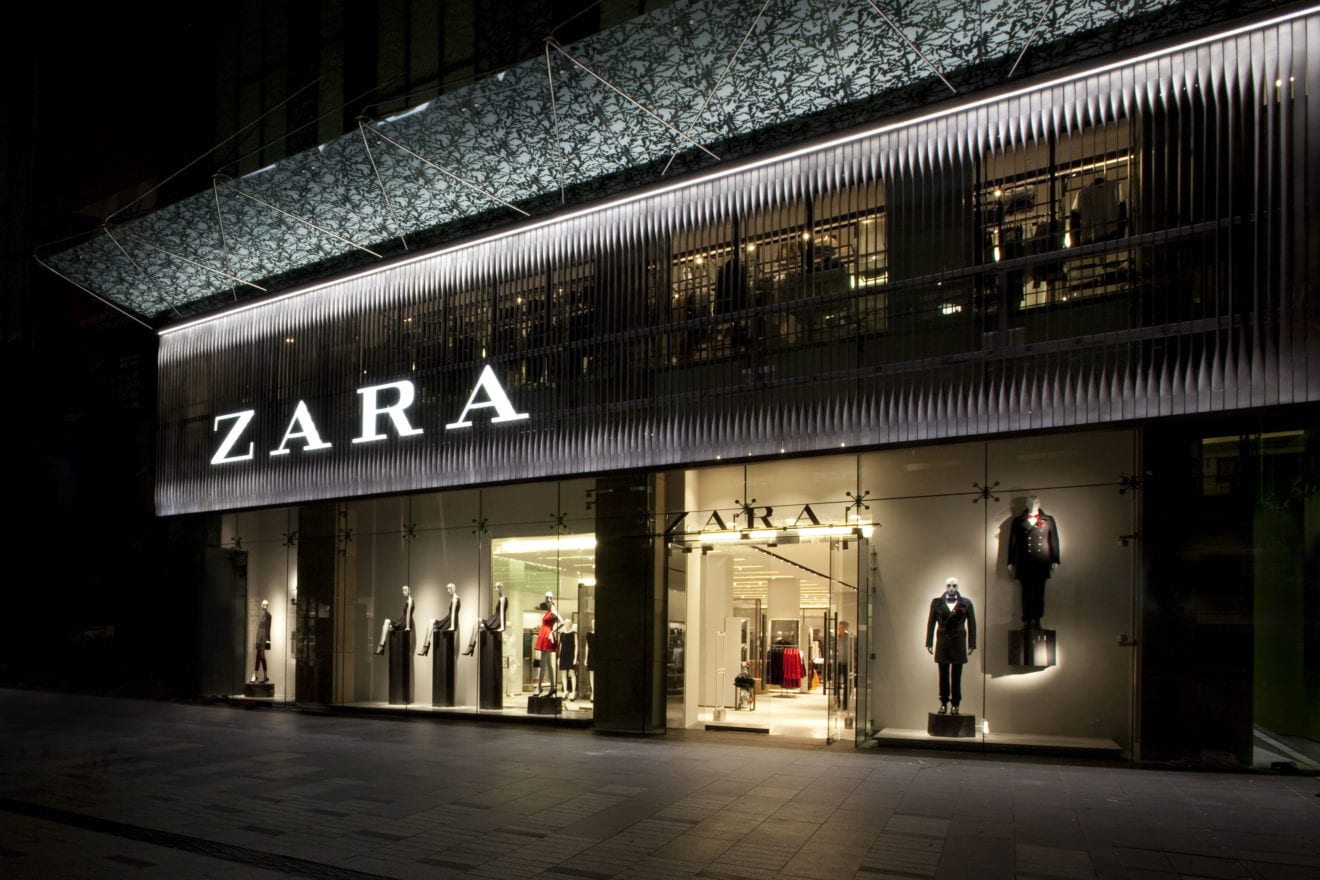
    Spanish fashion retailer Zara has expanded its presence in China by launching a state-of-the-art flagship store on Shanghai’s Huaihai Road. The new establishment reflects a strategic shift by its parent company, Inditex, towards larger retail spaces in prime locations, enhanced shopping experiences, and a consolidation of its store network through the closure of smaller outlets.

    The Huaihai Road store, which officially opened on June 6, sprawls over almost 2000 square meters across five floors. It features Zara’s full range of men’s and women’s apparel. Shoppers will also find designated sections for footwear, handbags, the Athleticz line, Zara Salon, and fragrances. This modern retail space was brought to life by the Zara Architecture Studio, in partnership with AIM.

    The Shanghai store’s unveiling is part of Zara’s ongoing flagship upgrade program across the Asia-Pacific region, a strategy that included considerable enhancements to its outlets on Nanjing Road in the previous year.

    Eugenio Bregolat, President of Inditex Greater China, highlighted the significance of the event, stating it marked a notable milestone as Zara celebrates two decades of operations in China. He reaffirmed the company’s commitment to uplifting the customer experience throughout the country by creating more inspiring and immersive retail spaces.

    Meanwhile, another Inditex brand, Massimo Dutti, is gearing up to open its flagship store at the Hong Kong Plaza near Huaihai Middle Road, further indicating the group’s ongoing investment in landmark locations within China.

    Questions & Answers

    **What is the new strategy of Zara’s parent company, Inditex, in China?**
    Inditex’s new strategy focuses on opening larger stores in key locations, enhancing the shopping experience, and consolidating its store network by closing smaller outlets.

    **What does the new Zara store on Shanghai’s Huaihai Road offer?**
    The new store, spread over almost 2000 square meters across five floors, offers Zara’s men’s and women’s collections, and includes designated areas for footwear, handbags, the Athleticz line, Zara Salon, and fragrances.

    **What does the opening of the new Zara store signify?**
    The opening of the new Zara store marks a milestone as the brand celebrates its 20th anniversary in China. It also symbolizes the continuation of Inditex’s investment in flagship locations within the country.

  • WhatsApp’s Major Redesign: Status Updates to Take Centre Stage in Latest Android Beta

    WhatsApp’s Major Redesign: Status Updates to Take Centre Stage in Latest Android Beta

    As social media evolves, two prominent trends have emerged: the prevalence of private chats and the popularity of temporary “stories,” which allow users to share snippets of their lives without leaving a permanent digital footprint. This shift towards more intimate and transient forms of communication is evident in the recent changes that WhatsApp is implementing.

    WhatsApp’s Interface Revamp

    WhatsApp, a widely-used messaging platform, is piloting an updated design that prioritizes status updates, or “stories.” The latest beta version of the Android app showcases a new approach to these status updates. The most recent updates from a user’s contacts now appear at the top of the Chats tab, presented alongside the profile pictures of those who have posted them.

    The stories that populate the top of the Chats tab reflect the user’s most frequent interactions. In other words, the status updates of those contacts the user frequently communicates with and who have shared a status update will be prominently displayed. However, the traditional Updates tab, typically found at the bottom of the screen, remains intact. This suggests that WhatsApp may not be planning to discard it entirely, although as this is an early beta version of the feature, the final outcome could potentially differ.

    The new design maintains one key feature from its predecessor: the ability to mute status updates. If a user has muted updates from a specific contact in the Updates tab, these updates will not appear in the new top bar. As of now, this redesign has been seen only in the Android beta version, and it is not yet clear whether it will be rolled out to iOS platforms.

    Transitioning towards a Social Media Platform

    While WhatsApp initially positioned itself as a simple chat service, it is rapidly expanding its offerings and pushing into the realm of social media with this new feature. Regardless of the fact that there are currently no banner ads within the app, WhatsApp’s parent company, Meta, could potentially generate revenue by users swiping through these stories, paralleling strategies employed by its other applications.

    Questions & Answers

    What significant change is WhatsApp experimenting with?
    WhatsApp is testing a new interface that prioritizes status updates, or “stories,” from users’ most frequently interacted contacts at the top of the Chats tab.

    Will the traditional Updates tab be removed with the new design?
    At this stage, the Updates tab appears to be preserved in the new design. However, as this is an early beta version of the feature, the final version could potentially differ.

    Could this change allow WhatsApp’s parent company, Meta, to generate revenue?
    While WhatsApp currently does not host banner ads, Meta could potentially monetize users’ interactions with their friends’ stories, in a manner similar to its other applications.

  • Unlock Personalized Deals and Tailored Ads with Google Wallet’s Latest Update: Here’s How

    Unlock Personalized Deals and Tailored Ads with Google Wallet’s Latest Update: Here’s How

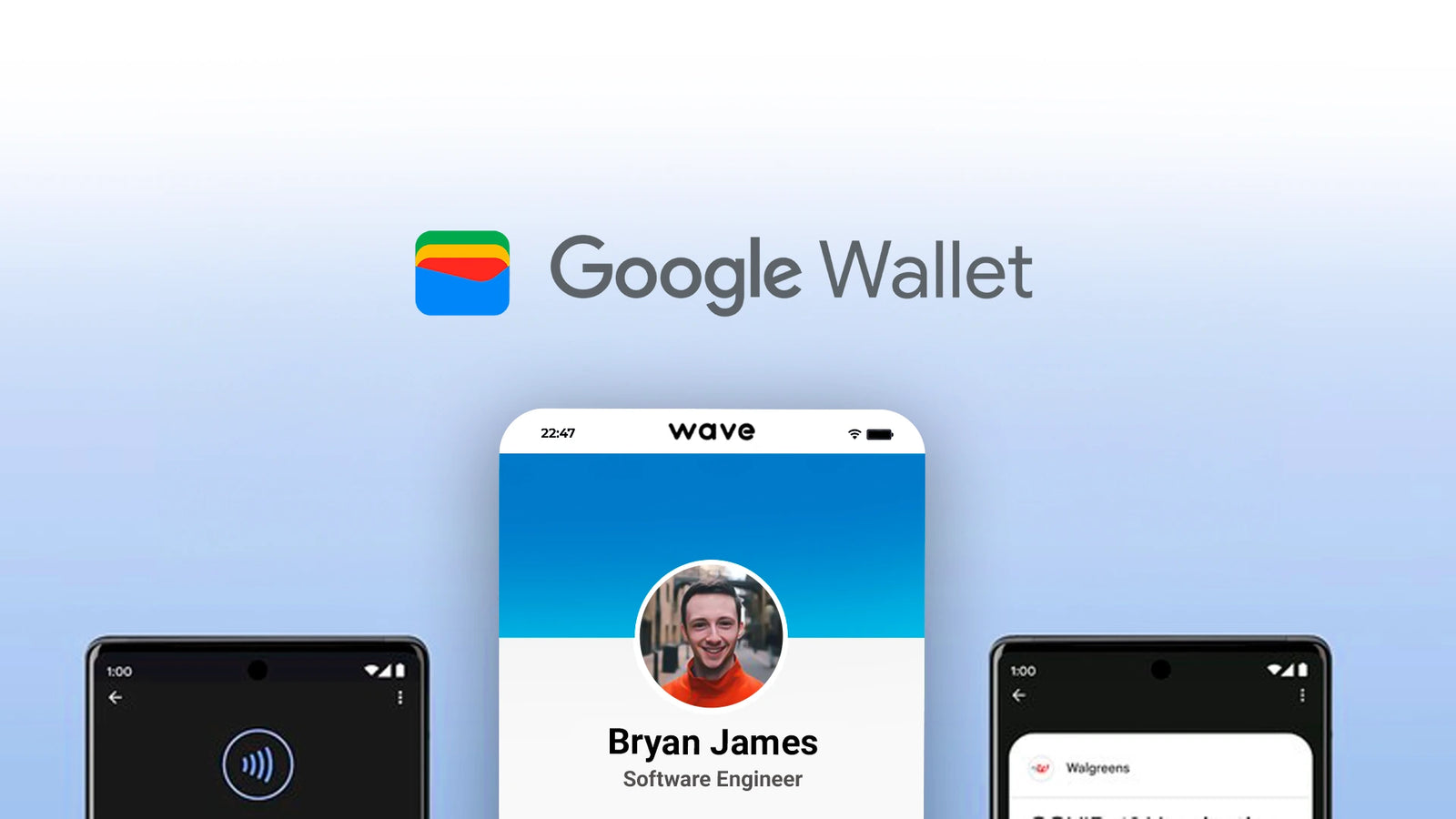
    Google has been improving its Google Wallet app, making it a convenient hub for Android users to digitally store items such as credit and debit cards, passports, tickets, and transit passes. Despite these features, Google Wallet may not be as frequently used as other Google apps, such as YouTube, Messages, Keep, Drive, Email, Chrome, and the Google app.

    Upcoming Changes to Google Wallet

    However, Google Wallet should not be disregarded. Reports suggest that Google has been undergoing modifications to enhance the app’s utility. Insights from a recent teardown of the Wallet app indicate that Google is developing the Google Transit Card. This feature will enable users to pay for public transportation using a specific card without the necessity to unlock their phone, an addition that will undoubtedly be beneficial and time-saving for daily commuters.

    Additionally, the Wallet app is set to offer unique deals based on the loyalty cards stored within the app, provided certain settings are enabled.

    Data Management and Privacy Settings

    A forthcoming update to the Google Wallet app will allow U.S. users to manage their data and privacy settings. These settings can be utilised to create personalised experiences across Google. With your Google Wallet payment information and activity enabled for personalising content and experiences across Google, you will be able to view recommendations or deals based on the loyalty cards in your wallet.

    Google can utilise your purchasing information and details about the loyalty cards in your wallet to provide special deals and personalised ads that may be of interest to you. If you are uncomfortable sharing information about your wallet’s loyalty cards and purchases with Google, these settings can be disabled.

    Enabling Personalisation Settings

    To enable this setting in the app, open the Google Wallet app and tap on the profile icon in the upper right corner. Navigate to Your data in Wallet > Manage data from Wallet and payments services, then toggle on or off the setting Use Wallet to personalise experiences across Google.

    If you’re using a desktop computer, go to wallet.google.com, select Settings from the left sidebar, then under “Data & Privacy,” toggle on or off Use Wallet to personalise experiences across Google.

    Wallet History for Personalised Ads

    The Wallet History feature uses information from Google Wallet and payment services to help Google serve you more customised and useful ads. This setting can be turned on within the app by navigating to Your data in Wallet > Manage data from Wallet and payments services > Use Wallet to personalise Google Ads. Users can toggle this setting on or off at My Ad Center.

    This setting can also be activated via desktop by going to wallet.google.com, selecting Settings on the left, then under “Data & Privacy,” toggling on or off Use Wallet to personalise Google Ads. Users will be directed to My Ad Center to complete the process.

    When both settings are enabled, Google will utilise the data from your purchases, loyalty cards, event tickets, and boarding passes to offer more personalised services. These can manifest as personalised ads, promotions, and recommendations.

    Rolling out the Update

    Google has stated that the update to Google Wallet will be gradually rolled out. Users who do not yet see these settings in the Google Wallet app should expect to receive them in due course. When the settings become available in your Google Wallet app, you will receive a notification from Google.

    Questions & Answers

    What updates are being made to the Google Wallet app?
    In addition to the existing features, Google is reportedly developing a Google Transit Card to simplify payments for public transportation, and is also enhancing data and privacy settings to offer personalised experiences based on stored loyalty cards.

    What is the Google Transit Card?
    The Google Transit Card is a new feature being developed for the Google Wallet app. It will allow users to pay for public transportation using a specific card, without having to unlock their phone.

    How can I personalise my experience on Google Wallet?
    With the upcoming update, users can manage their data and privacy settings, which will then be used to offer personalised deals and recommendations based on the loyalty cards stored in your wallet. You can also enable Wallet History to receive more customised ads.

  • Whatsapp Unveils Real-time Translation Feature, Ensuring Privacy And Expanding Global Communication

    Whatsapp Unveils Real-time Translation Feature, Ensuring Privacy And Expanding Global Communication

    WhatsApp, owned by Meta, is introducing a fresh translation feature for its Android and iOS applications. This new function will enable users to translate their messages in real-time.

    Real-Time Translation on WhatsApp

    Meta is planning a “gradual” introduction of a new translation feature for WhatsApp on both Android and iOS platforms. This feature will offer users the chance to translate their messages in direct chats, groups, and Channels. This can be done by holding the message for a longer duration and selecting the “Translate” option. Users will then have the freedom to select the languages for translation.

    According to Meta, each translation will be processed on the device itself, which means that WhatsApp will not have access to the content of the messages, thereby ensuring that all conversations are kept encrypted.

    Diverse Features for Different Platforms

    Android users will receive a more enhanced translation feature, even though the number of supported languages is less. Following the translation of a message, they will have the option to activate the automatic translation for the entire conversation and view the translated versions of all future messages.

    On the other hand, iPhone users will have the privilege of using the feature in a wider range of languages. In total, WhatsApp on iOS will support translation between 19 languages, as supported by Apple’s Translate app. However, Android users will only have access to translation services in six languages.

    This new feature from Meta follows closely on the heels of Apple’s own introduction of Live Translation on its Messages app in iOS 26. Similar to what Meta offers Android users on WhatsApp, this feature operates automatically while messages are being typed.

    The Upsurge of Automated Translation

    The introduction of this translation feature on WhatsApp could be seen as part of a larger trend of automated translation technology, which has been gaining popularity in recent years. Learning new languages can be a daunting task, making reliable translation tools a necessity for many. Given the global reach of WhatsApp, this feature could potentially have greater impact than Apple’s Live Translation tool.

    Questions & Answers

    What is the new feature being introduced by WhatsApp?
    WhatsApp is introducing a real-time translation feature for Android and iOS users.

    Will WhatsApp have access to the content of my messages?
    No, WhatsApp will not have access to the content of your messages as all translations are processed on the device itself.

    How does the feature work on Android and iOS?
    Android users will have the option to activate automatic translation for entire conversations once they translate a message. iPhone users, however, will have access to translation between a wider range of languages.

  • Australia Surpasses Who Sugar Guidelines: A Three-decade Journey To Healthier Diets

    Australia Surpasses Who Sugar Guidelines: A Three-decade Journey To Healthier Diets

    Australia has achieved the World Health Organization’s (WHO) sugar guidelines that suggest keeping sugar below 10% of daily energy intake. The Australian Bureau of Statistics (ABS) reveals that the country has reduced its consumption of sugar from food and beverages over the past three decades.

    In 1995, sugar constituted about 12.5% of our daily energy intake. This percentage fell to 10.9% in 2011-12 and further to 8.2% in 2023, even as our overall food and drink energy intake decreased by less than 5%.

    Reducing Sugary Drink Consumption

    Notably, Australians are consuming far fewer sugary drinks than in previous years. This includes beverages sweetened with sugar or artificial sweeteners, or both, such as soft drinks, cordials, fruit juices, and energy drinks.

    In 2011-12, approximately 42% of the population consumed at least one sugary drink daily. By 2023, this percentage had decreased to under 29%.

    In 1995, nearly three-quarters of children (72%) consumed a sugary drink every day. By 2023, this percentage had fallen to a mere 25%.

    Why Is Sugar Reduction Important?

    Consuming high amounts of sugar is detrimental to our health. Sugary foods and beverages are discretionary or occasional foods, offering little nutritional value while adding empty calories to our diet.

    Increased sugar intake can lead to obesity, type 2 diabetes, and tooth decay. Sweet beverages do not satiate us like regular meals do, making it easy to overlook the energy we are consuming.

    Average soft drinks contain about 40 grams (10 teaspoons) of sugar per serve, which is near the daily limit. Energy drinks may contain up to double that amount, while sports drinks may contain slightly less.

    Trends Over Three Decades

    Between 1995 and 2023, there was a 65.28% drop in children consuming sugary drinks. The percentage of adults consuming sugary drinks dropped from 40.2% in 2011-12 to 29.9% in 2023. However, adults still consume about 5% more sugary drinks than children.

    On average, Australians have less sugar in their diet than a decade ago. This shift isn’t just about soft drinks – we’re also reducing the sugar in our tea and coffee, eating fewer candies and desserts, and reaching less often for fruit juice.

    Children have seen the most significant changes. In the mid-1990s, children derived almost one-fifth of their daily energy from sugar. Today, that figure is closer to one-eighth, with our overall energy intake remaining quite similar.

    What’s Driving the Change?

    The new data suggests that efforts by individuals, families, communities, and some food manufacturers to reduce sugar intake over the past few years may be effective.

    A decline in sugary drink consumption may indicate growing awareness of the damaging effects of sugar, possibly due to social media campaigns, improved labelling on food and beverage products, increased public messaging, and industry changes, such as more brands offering lower-sugar alternatives.

    A Segment of the Larger Picture

    Despite a decrease in sugar consumption, obesity rates continue to rise among both children and adults.

    Research suggests that sugar is just one factor and that overall diet quality and broader eating patterns play a significant role in our health.

    Discretionary foods, including snacks, chips, convenience meals, chocolate, and other highly processed foods, still constitute around a third (31.3%) of the average Australian diet.

    This means many individuals are still regularly consuming sweet drinks and highly processed foods, which are sources of added sugars and excess energy, viewed as empty calories that pose their own health risks with little nutritional value.

    What’s Next?

    The new data shows progress in tackling the amount of sugar in our diets, but there’s still work to be done.

    To sustain these positive trends, we need to consider stronger government action to support all communities in addressing broader food system challenges, such as food insecurity and limited access to healthy food, which often results in people consuming more highly processed foods.

    Policies such as sugary drink taxes, restrictions on marketing junk food to children, and clear front-of-pack labels should be considered. Additionally, more incentives for industry to reformulate products to lower-sugar options where possible are needed.

    Education campaigns can help communities and schools where high-sugar habits are common to learn about healthier alternatives without stigma. Furthermore, collecting additional data to understand where dietary sugar comes from, beyond sugary drinks, is also necessary.

    Even though Australia may be shedding its historically high sugar consumption, ensuring a permanent change will require sustained effort.

    Questions & Answers

    What has been the trend in sugar intake in Australia over the past three decades?
    The Australian Bureau of Statistics reports a consistent decrease in sugar intake from food and drinks over the past thirty years in Australia.

    What are the health risks of high sugar intake?
    High sugar intake can increase the risk of obesity, type 2 diabetes, and tooth decay.

    What actions can be taken to sustain the positive trend in reducing sugar consumption?
    Actions that can help sustain the positive trend include stronger government action, implementing policies such as sugary drink taxes, clear labeling, promoting lower-sugar alternatives, educational campaigns, and further data collection.