Chinese exports to Latin America have reached nearly USD 300 billion, driven by sustained shipments of consumer products, industrial equipment, and electric vehicles across Pacific trade routes.
The export tally, compiled by market research provider Euromonitor International, now establishes the region among the fastest-expanding destinations for Chinese manufactured goods.
Shifting Trade Corridors
Exporters in mainland China have accelerated shipments to major Latin American hubs including Brazil, Mexico, Chile, and Colombia. Consumer electronics, automobiles, household appliances, and value-focused apparel make up a major share of the cargo filling outbound container lines.
Cross-border e-commerce platforms and mainland automotive brands have widened their local distribution networks to support this volume. Direct fulfillment models and localized warehousing now allow manufacturers in Guangdong, Zhejiang, and Jiangsu to sell straight to Latin American retail buyers with shorter lead times.
Pressure on Regional Ports
For operators and logistics providers across Asia, this export volume alters established route economics. Shipping carriers have diverted vessels and added direct service loops connecting southern Chinese ports directly with Pacific terminals in South America.
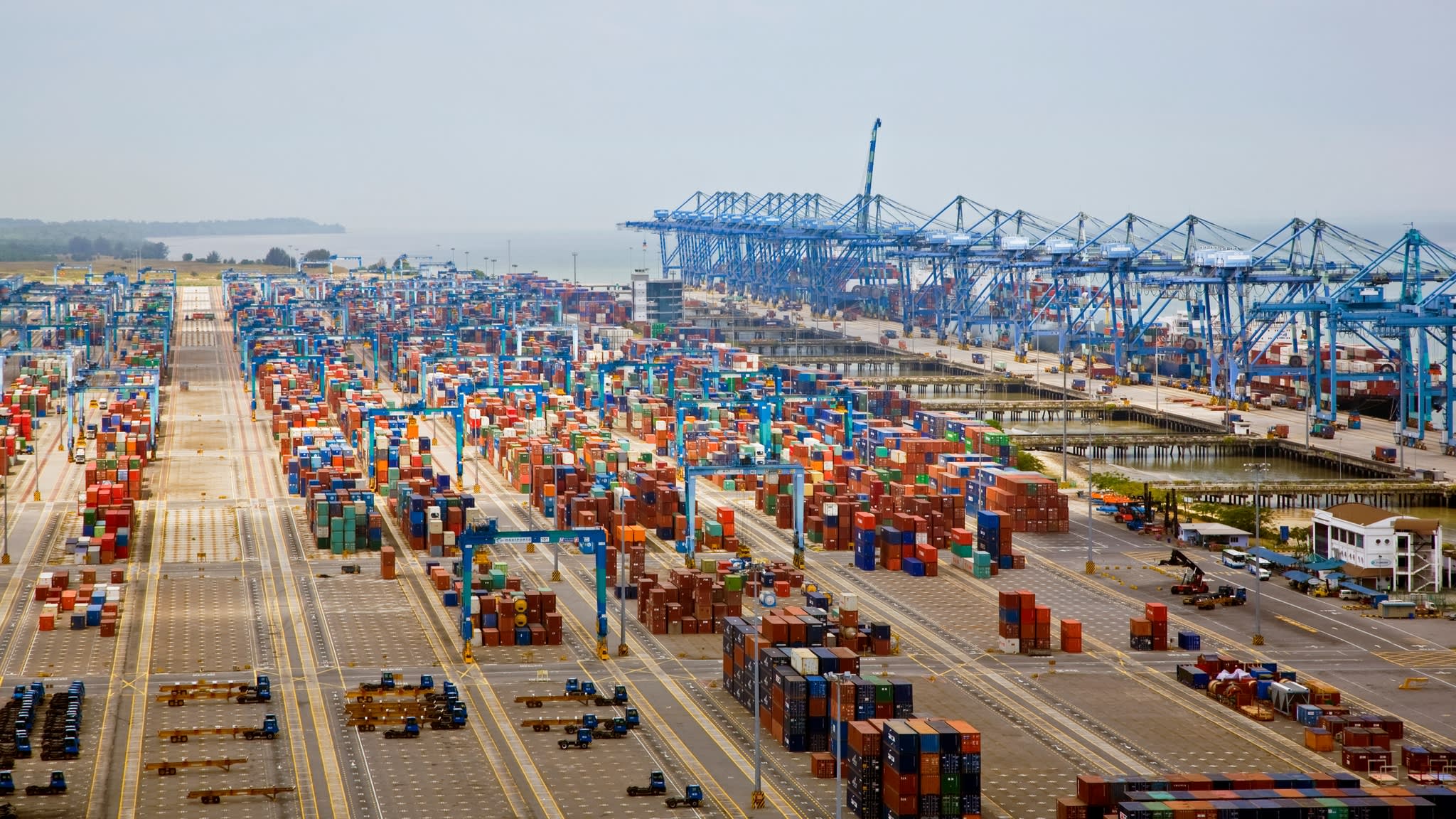
The swift expansion puts sustained pressure on destination port infrastructure. Congestion at regional terminals and rising local customs scrutiny present immediate operational bottlenecks for suppliers relying on predictable transit windows.
Tariff and Competition Risks
Commercial friction remains an active risk for Asian manufacturers targeting Latin America. Domestic industrial groups in key regional economies have lobbied local authorities to adjust import duties on steel, textiles, and electric vehicles to protect local production.
Previous trade cycles saw Chinese suppliers rely primarily on North American and European demand to absorb factory capacity. With trade restrictions tightening in traditional Western destinations, South American and Central American markets have absorbed a growing portion of China’s industrial output.
Trade agencies and supply chain operators now monitor whether destination governments will introduce broader protective tariffs before the next major shipping quarter begins.