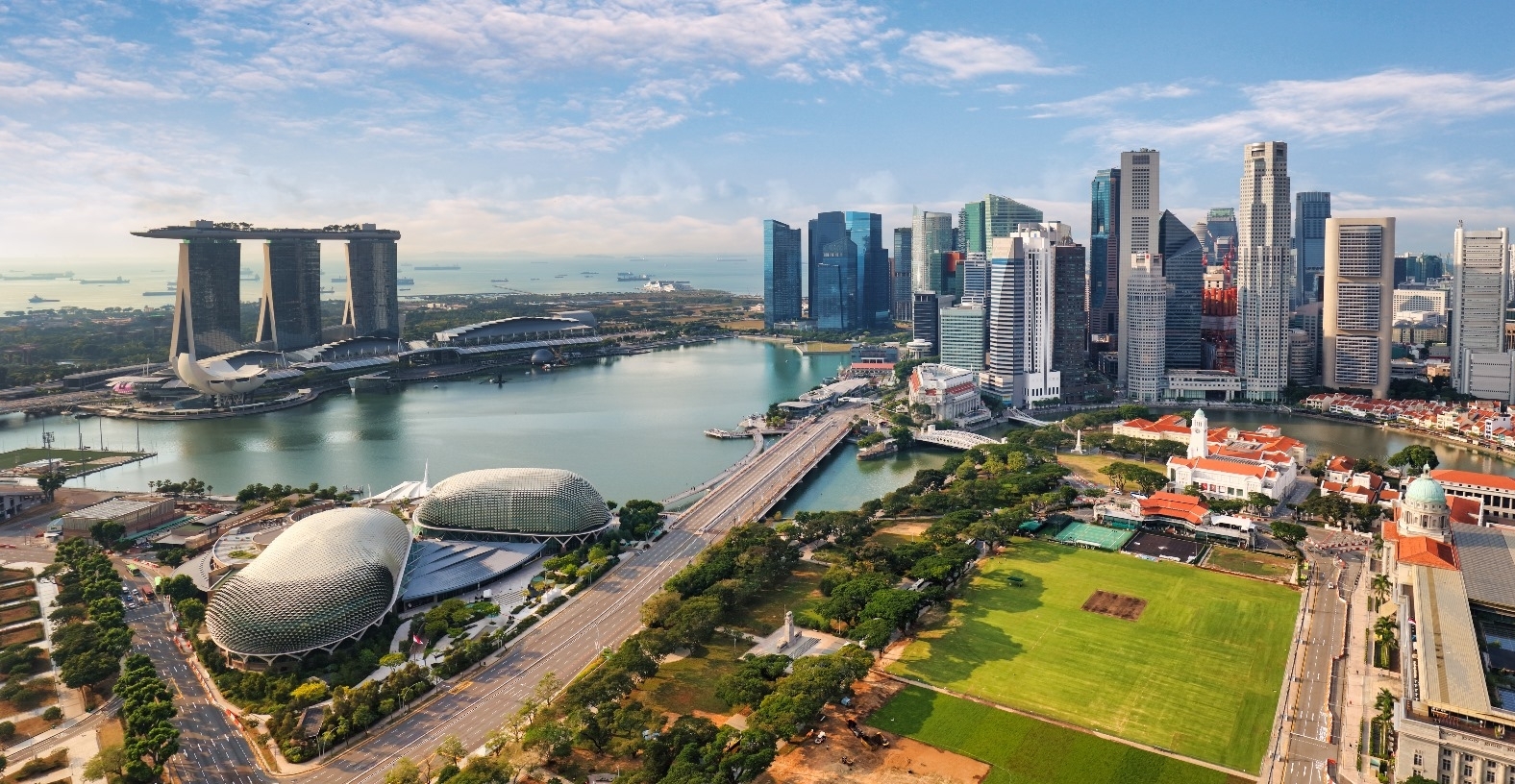
The launch of the master plan for the Johor-Singapore Special Economic Zone could coincide with the two countries’ bilateral Annual Leaders’ Retreat scheduled for December 4. Malaysian Prime Minister Anwar Ibrahim and Singaporean Prime Minister Lawrence Wong have committed to witness the unveiling directly, while officials evaluate whether to hold the ceremony in Ipoh, Perak.
The joint framework aims to bind Singaporean capital and logistics networks to southern Malaysia’s industrial land, labour pool, and consumer infrastructure. Malaysia’s Economy Minister Akmal Nasrullah Mohd Nasir discussed the arrangements following community events in Johor Bahru, noting that logistical plans for the retreat are currently under review.
Bilateral Ministerial Committee Convenes
Before the December summit, delegations from both countries will meet in Singapore on Monday. The session represents the first formal gathering under the new Johor-Singapore Cooperation Ministerial Committee structure.
Akmal Nasrullah leads the Malaysian delegation alongside Johor Menteri Besar Onn Hafiz Ghazi. Singapore’s delegation is headed by National Development Minister Chee Hong Tat. The discussions will review progress on operational guidelines, customs protocols, and regulatory coordination across the border corridor.
Implications for Cross-Border Commerce
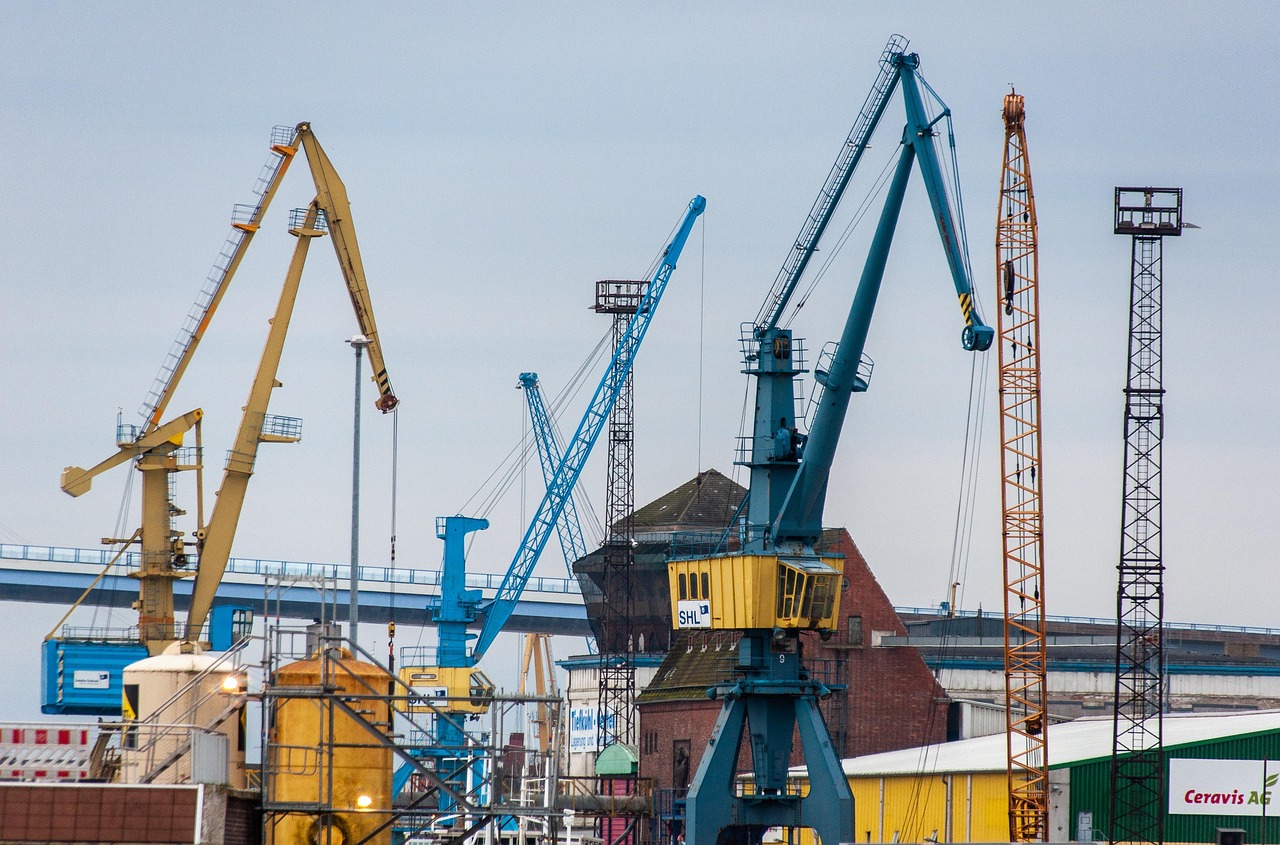
For retailers, logistics operators, and commercial developers, the formalisation of the economic zone reduces friction across the world’s busiest land border crossing. Speeding up the movement of goods and personnel alters warehousing strategy for consumer brands operating across Southeast Asia. Singapore-based distribution centres can decentralise fulfillment and inventory staging into Johor’s industrial parks without confronting previous administrative bottlenecks.
Commercial real estate operators face immediate operational shifts. Cross-border commercial traffic will alter retail catchments in southern Johor, drawing Singaporean household expenditure while encouraging multinational brands to treat both territories as an integrated consumer market. The principal operational risk sits with customs integration and administrative execution, where differences in regulatory clearance speeds often delay freight flows.
Regional Framework and Preceding Agreements
The upcoming launch follows a preliminary memorandum of understanding signed earlier to align customs, immigration, and investment incentives across the boundary. Banking institutions and trade bodies have already begun positioning capital, including formal partnerships struck by regional lenders with Singaporean manufacturing federations to fund mid-tier cross-border expansion.
Industrial clusters in locations such as Sedenak have also begun zoning parcels to accommodate data centres, advanced manufacturing, and regional supply chain hubs. These private sector agreements anticipate the concrete policy incentives expected in the December release.
Key Dates to Watch
Focus shifts immediately to the outcome of Monday’s bilateral ministerial talks in Singapore. Those discussions will determine the specific administrative provisions submitted to Anwar and Wong ahead of the December 4 summit in Perak.