Retail News CRM

Tag: Le Pain Quotidien

  • Belgian Bakery Le Pain Quotidien Returns To India, Plans 100 Outlets By 2035

    Belgian Bakery Le Pain Quotidien Returns To India, Plans 100 Outlets By 2035

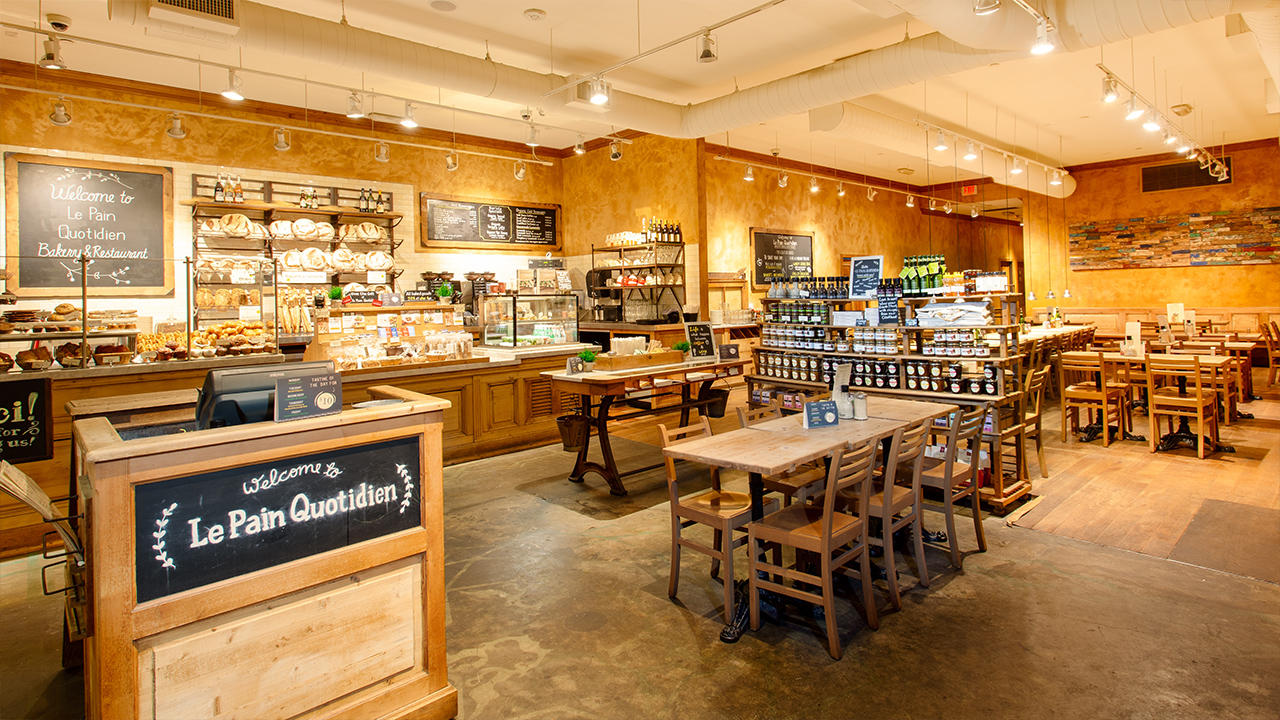
    Le Pain Quotidien, a renowned Belgian bakery-cafe chain, has made a comeback in the Indian market by establishing a fresh outlet in Palladium Mall, Mumbai. The brand’s return is facilitated through a master franchise agreement with Bake & Brew Private Limited.

    Le Pain Quotidien’s Location

    The latest store of Le Pain Quotidien is strategically positioned in the Gourmet Village zone of Palladium Mall. This zone is known for its assortment of local and international restaurants, some of which include Gold by Ice Cream Works, Burma Burma, and Kuuraku.

    Le Pain Quotidien, a name that translates to “the daily bread” in French, initially launched its venture in India in 2010. However, the brand withdrew from the Indian market during the pandemic in 2020.

    New Franchise Agreement

    In August last year, Le Pain Quotidien entered into a new franchise agreement with Bake & Brew. The arrangement has an ambitious target – to inaugurate upwards of 100 outlets across India by 2035.

    Le Pain Quotidien was first established in Brussels in 1990 by Alain Coumont. Today, the brand operates over 200 locations in 18 different countries.

    Future Expansion Plans

    Le Pain Quotidien has major expansion plans on the horizon. It aims to launch a second store in Mumbai by the close of this year, while other major cities are also in its crosshairs for expansion. The brand is particularly keen on tapping into travel and transit hubs.

    Questions & Answers

    What is Le Pain Quotidien’s expansion plan in India?
    Le Pain Quotidien plans to open more than 100 outlets across India by 2035 as a part of their franchise agreement with Bake & Brew. They also aim to open a second store in Mumbai by the end of this year.

    When did Le Pain Quotidien first launch in India and when did it exit?
    Le Pain Quotidien first launched in India in 2010 and withdrew from the market during the pandemic in 2020.

    What is Le Pain Quotidien’s focus area for its future expansion?
    Le Pain Quotidien intends to expand into major Indian cities, particularly focusing on travel and transit hubs.
  • Le Pain Quotidien Hong Kong on par with New York City

    Le Pain Quotidien Hong Kong on par with New York City

    Belgian-founded bakery Le Pain Quotidien’s Hong Kong outlet is trading as well as the chain’s best stores, surprising the founder.

    “We knew we would make it [in Hong Kong] but we did not expect sales to be so high, comparable to our best stores in New York,” the bakery’s founder Alain Coumont divulged in an interview with the ‘Hungry Lawyer’ Marc Rubinstein.

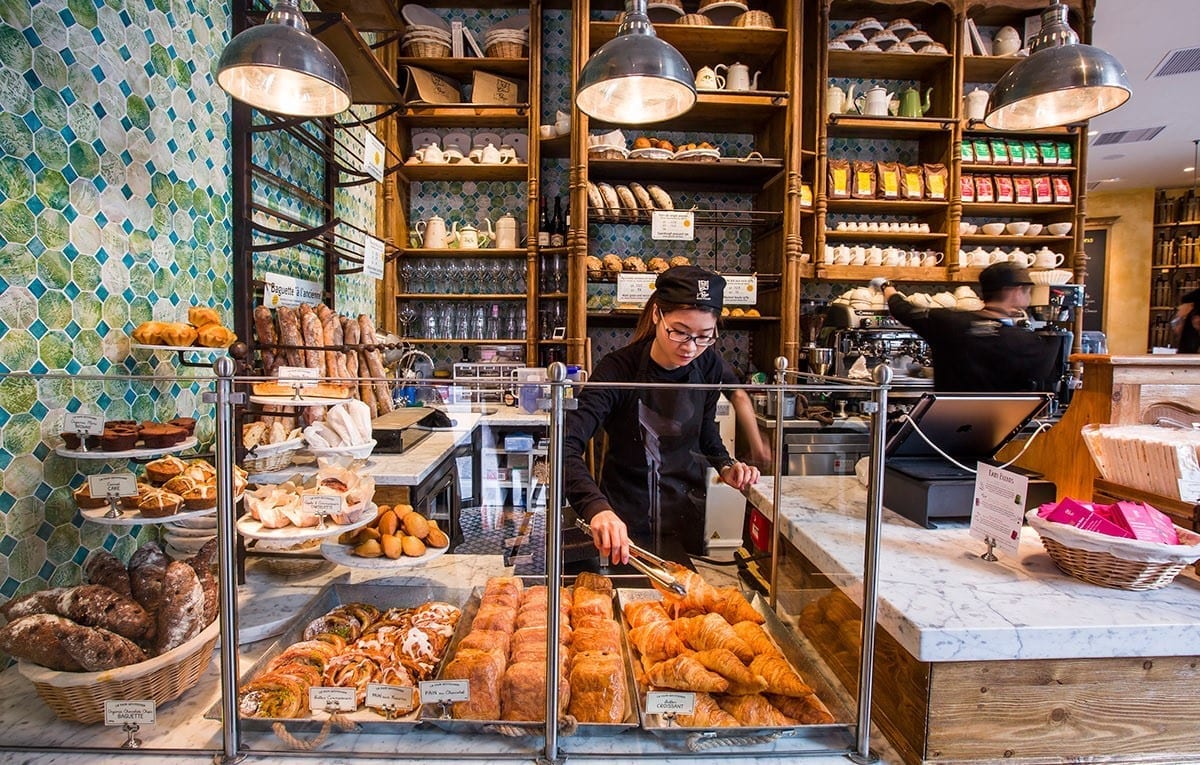
    Le Pain Quotidien Hong Kong  was brought to the city by Dining Concepts, and recently opened its second store at Pacific Place. The city is the 18th market for the brand which now numbers 235 stores globally.

    “There are plans for a third store in Central but I can’t say where because it’s still a secret,” Coumont said. “The idea is to have at least four or five shops in Hong Kong by the end of 2017. We are also thinking of expanding to other parts of the Asia Pacific region with Dining Concepts like Singapore or Malaysia, as well as China. We are expanding naturally as we make money, not because we must.”

    He said the core of the menu was the same in Hong Kong as elsewhere in the world.

    “We have some local dishes on the menu. Originally, we had congee on the breakfast menu. We update the menu seasonally so now we have a tofu scramble instead, but the basic structure of the menu is the same as in other markets.”

    Le Pain Quotidien, which means “daily bread”, was founded in 1990 when Coumont, working as a chef, was dissatisfied  with the bread served before meals.

    le-pain-quotidien-pacific-palace-hk

    “So I decided to start making it myself as a hobby. I didn’t have space for the equipment so I rented 36 sqm next to the stock exchange in Belgium, bought a big table at a flea market, started baking two kinds of bread, and added coffee and sandwiches to help pay the rent. With the big communal table leaving nowhere for customers to hide and our two kilo sourdough loafs, the shop looked like the dining room of a monastery. Then the magic happened.”

    He had no idea his ‘hobby’ would evolve into a global brand.

    “There was no business plan. It was a hobby. I started with US$10,000 that I didn’t have, but it was an overnight success.”

    Coumont said rent was key in Hong Kong, as in New York and London – “and you need a great location”.

    “High rent creates opportunity for expensive mistakes if you pick the wrong location. But, like London and New York, Hong Kong is also a diverse city which means our staff and our customers are diverse and include cosmopolitan travellers and business people. We could just as easily be in Dubai or New York except that Hong Kong is less hot than Dubai and warmer than New York.”

    In the interview, Coumont also talks about his experiences launching the brand in New York, his passion for Chinese food and his thoughts on Hong Kong as a city.