Tag: Leads

  • Hermès Witnesses Stellar Growth in Asia, Japan Leads Charge with 11% Sales Increase

    Hermès Witnesses Stellar Growth in Asia, Japan Leads Charge with 11% Sales Increase

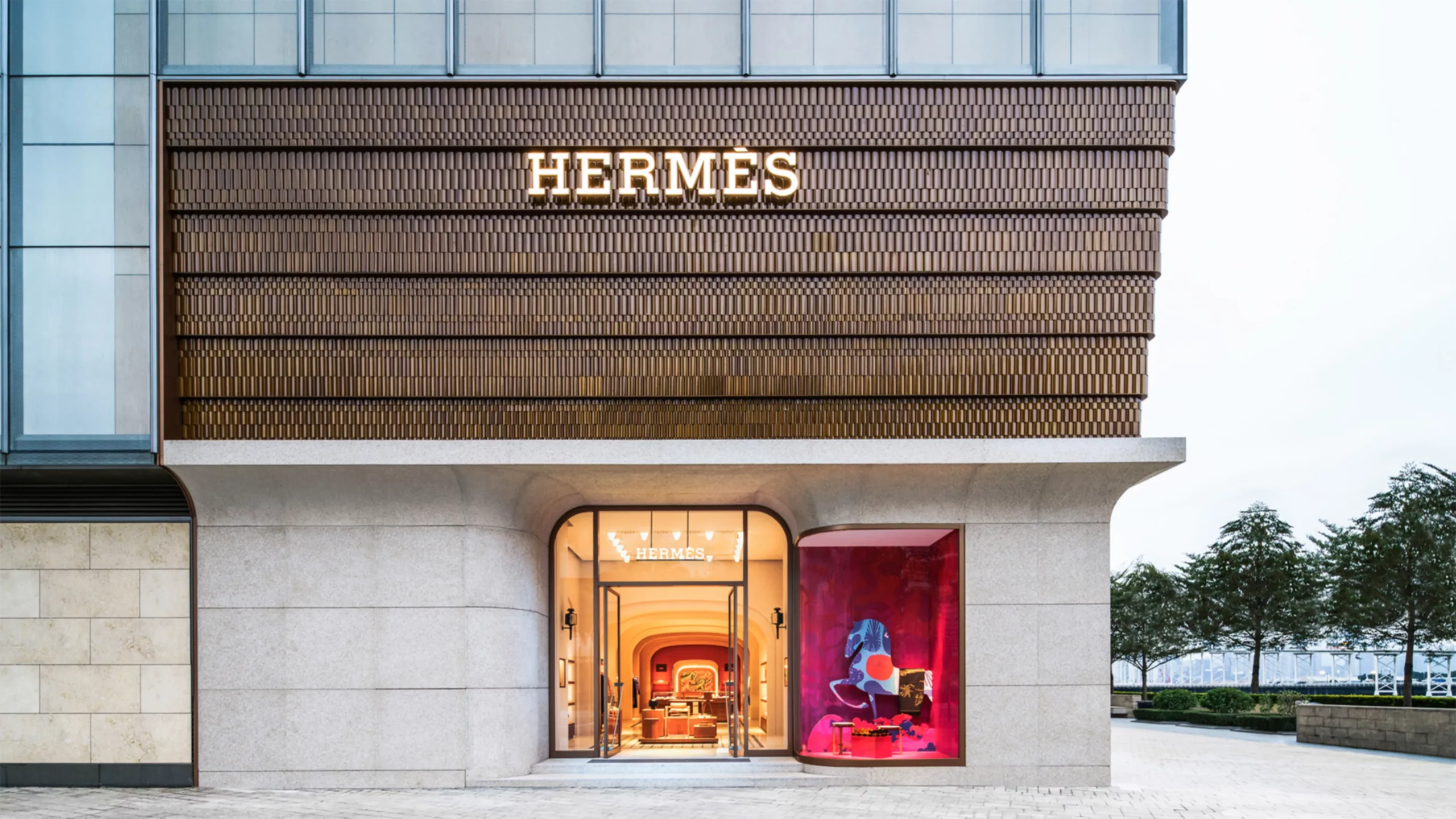
    Luxury goods retailer Hermès has reported a notable surge in sales for the first half of this fiscal year, with the Asian market, particularly Japan, demonstrating substantial performance.

    During the six-month period ending in June, the company garnered a revenue of €8.2 billion (US$9.39 billion), marking a growth of 6 per cent at constant exchange rates and 2 per cent at current exchange rates. The second quarter of the year witnessed a 7 per cent increase in sales at constant exchange rates, hitting €4.1 billion.

    Geographical Growth

    Although all regions exhibited growth, the Middle East was an exception, suffering the repercussions of ongoing turmoil. In Asia, Japan emerged as the region with the highest growth, witnessing an 11 per cent surge in sales in constant currency. This impressive performance was primarily backed by significant customer inflow and consistent customer loyalty. Following the expansion and renovation of Osaka’s Hilton Plaza East store in May, Hermès introduced its new store in Nagoya in June.

    Other Asian markets, including Greater China and South Korea, experienced a 2 per cent growth. In January, the company opened a store in Hanoi, subsequently launching the new Sanlitun store in Beijing and reopening the Hong Kong Elements and Taipei Sogo Fuxing stores in April.

    Sales in the Americas rose by 15 per cent, France saw a 2 per cent improvement, and Europe excluding France reported a 9 per cent growth. In contrast, the Middle East experienced a 4 per cent decline in sales. Despite the unstable geopolitical climate, Hermès noted that the market demonstrated resilience, with the second quarter showing signs of gradual recovery.

    Sales by Category

    In terms of product categories, both leather goods and textiles segments posted sales growth of 10 per cent. The ready-to-wear and accessories sector observed a modest 2 per cent increase, while perfume and beauty suffered a 4 per cent decline. Watch sales remained steady.

    From a financial perspective, the recurring operating income rose slightly to €3.4 billion, whereas the consolidated net profit remained steady at €2.2 billion.

    Looking ahead, Hermès confirmed its medium-term revenue growth outlook at constant exchange rates, despite the prevalent economic, geopolitical and monetary uncertainties.

    Questions & Answers

    What were Hermès’ first-half fiscal year sales results?
    For the first half of the fiscal year, Hermès reported strong sales growth, particularly in Asian markets, with revenue totalling €8.2 billion (US$9.39 billion).

    How did Hermès perform in different geographical markets?
    The company witnessed growth in all regions except the Middle East. The Americas reported a 15 per cent increase in sales, France a 2 per cent rise, and Europe excluding France a 9 per cent growth. Asian markets, particularly Japan, demonstrated significant performance.

    How did different product categories at Hermès perform?
    Leather goods and textiles witnessed a sales growth of 10 per cent, ready-to-wear and accessories experienced a slight 2 per cent increase, while perfume and beauty saw a 4 per cent decline. Watch sales remained stable.
  • DBS Leads Singapore Banks in $1B Synthetic Securitization Deal: Unveiling a New Era of Corporate Lending

    DBS Leads Singapore Banks in $1B Synthetic Securitization Deal: Unveiling a New Era of Corporate Lending

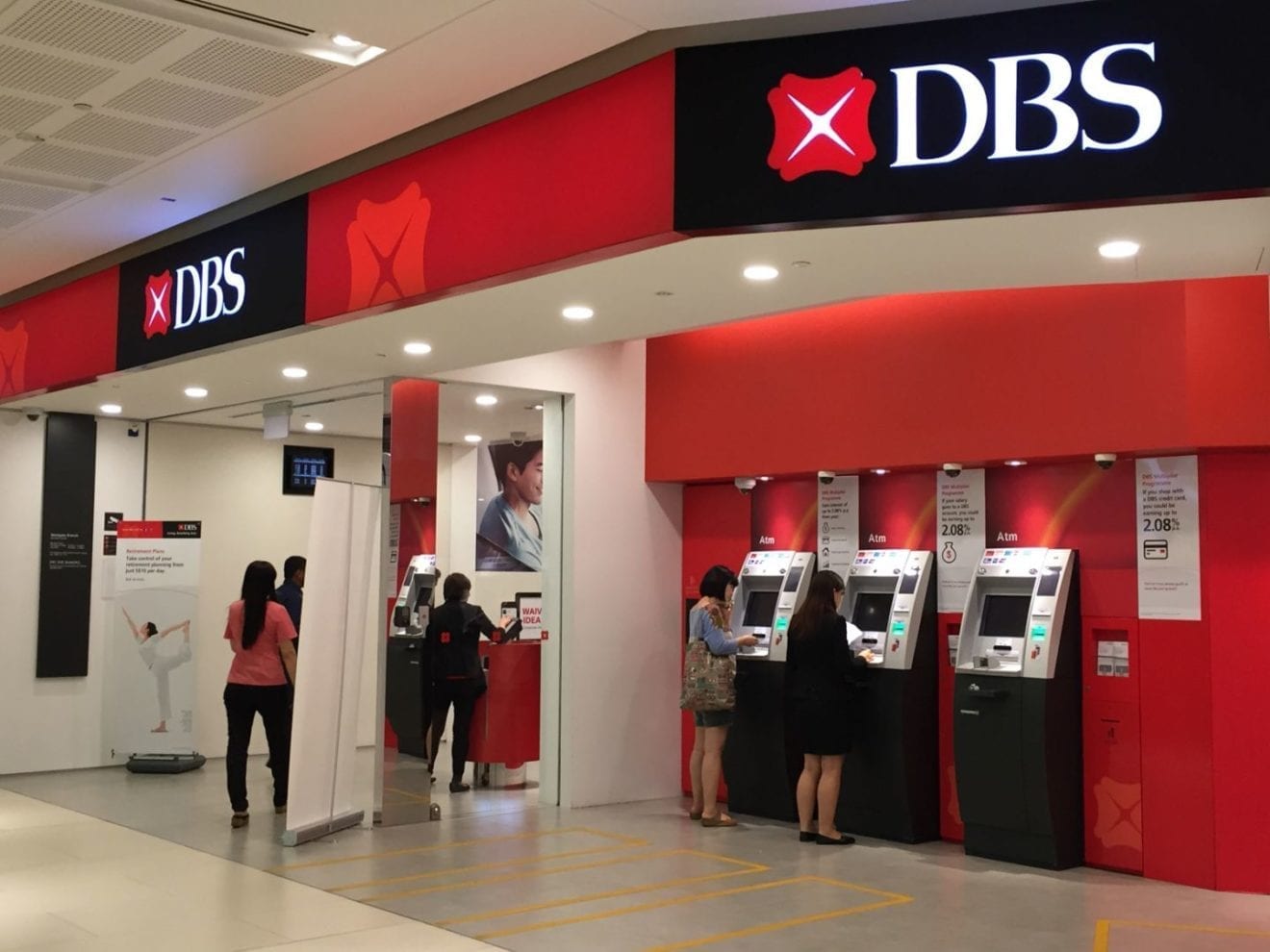
    DBS Group, the largest bank in Southeast Asia in terms of assets, recently completed a pioneering synthetic securitization transaction. This transaction, which is tied to a corporate loan portfolio worth $1 billion, marks the first of its kind to be carried out by a Singaporean bank.

    A New Approach to Risk Management

    The transaction, known in the financial sector as a significant risk transfer transaction, provides an opportunity for investors to shoulder a portion of the loan portfolio’s credit risk. This was confirmed in a statement released by DBS on Tuesday. DBS retains and services the loans, but this new approach reduces the amount of regulatory capital that the bank is required to hold against them.

    This innovative transaction is expected to assist DBS in managing its capital more efficiently. It is also intended to bolster client financing as the bank continues to grow its presence across Southeast Asia.

    According to DBS, the deal also sets a precedent for future transactions of a similar nature. The bank plans to selectively undertake more such transactions in the future.

    Maintaining a Robust Balance Sheet

    Philip Fernandez, the Group Corporate Treasurer at DBS, expressed that this new approach would facilitate the bank in maintaining a strong balance sheet while simultaneously pursuing growth opportunities. DBS also confirmed that its capital ratios are comfortably exceeding regulatory requirements.

    Questions & Answers

    What is a synthetic securitization transaction?
    A synthetic securitization transaction, also known as a significant risk transfer transaction, allows investors to assume part of the credit risk of a loan portfolio.

    How does this transaction benefit DBS?
    The transaction assists the bank in managing capital more efficiently, supports more client financing, and reduces the regulatory capital DBS must hold against the loans.

    What does this transaction mean for the future of DBS?
    The successful completion of this transaction paves the way for DBS to selectively perform more of these transactions in the future. It also indicates the bank’s commitment to maintaining a strong balance sheet while seeking out growth opportunities.

  • Jollibee Group’s Remarkable Global Surge: Coffee Leads the Way and Chinese Cuisine Gains Momentum

    Jollibee Group’s Remarkable Global Surge: Coffee Leads the Way and Chinese Cuisine Gains Momentum

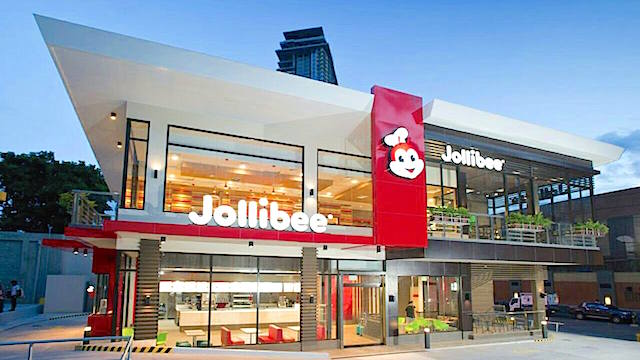
    The Jollibee Group has recorded impressive progress in its coffee, tea, and Chinese cuisine sectors, bolstered by an aggressive international expansion strategy, enhanced store operations, and unwavering commitment to the performance of its flagship brands.

    The Boom in Coffee and Tea

    The group’s coffee and tea division is at the forefront of this growth trajectory, with Compose Coffee and Highlands Coffee stepping up their store establishment rates and solidifying their market dominance.

    Compose Coffee, in South Korea, has grown beyond the 3000-store mark, setting up an additional 1000 outlets in less than a year and a half. The platform’s mobile application has garnered a cumulative user base of nearly 18 million, following a widely successful celebrity-led promotional campaign.

    Richard CW Shin, CEO of Jollibee Group International and Global Chief Financial and Risk Officer of Jollibee Group, lauded Compose Coffee’s exponential growth. He affirmed the brand’s ability to scale while retaining quality, value, and consumer affinity.

    Shin shared the group’s intent to extend the brand’s momentum to other global markets. He expressed optimism in Compose Coffee’s potential to generate long-term shareholder value, emphasizing the brand’s strategic role in driving Jollibee Group’s international growth.

    Highlands Coffee, based in Vietnam, has secured its position as the nation’s leading coffee brand by market share. With a burgeoning network of nearly 1000 outlets, Highlands Coffee serves in excess of 100 million customers each year.

    Chinese Cuisine on the Rise

    The group’s Chinese cuisine department also noted significant strides. Yonghe King, in particular, augmented its presence in China with the introduction of 35 new franchised stores recently. This move is part of a more efficient operational blueprint that supports the group’s drive for stable and sustainable market operations.

    Tim Ho Wan, post its acquisition, has shown promising indicators, with all its stores in Hong Kong reportedly regaining profitability within six months. The brand’s early performance in the US is also promising. The inauguration of Tim Ho Wan Irvine marked the brand’s debut as a company-operated store in the US under the Jollibee Group, with plans to reach 20 locations across North America by 2028.

    Questions & Answers

    What is behind the success of Compose Coffee in South Korea?
    Compose Coffee has successfully established over 3000 stores in South Korea, with an additional 1000 outlets set up in under 18 months. This growth is attributed to a strategic expansion plan and a celebrity-led promotional campaign that increased the user base of its app.

    How is Highlands Coffee performing in Vietnam?
    Highlands Coffee retains the top spot in Vietnam’s coffee market by share, with a network of nearly 1000 outlets and over 100 million customers served annually.

    What is the performance of the Chinese cuisine segment of the Jollibee Group?
    Significant progress has been recorded in the Chinese cuisine segment, with Yonghe King expanding its footprint in China through the addition of 35 new franchised stores. Tim Ho Wan has also seen positive traction post-acquisition, with all Hong Kong stores returning to profitability within six months.

  • Hong Kong Leads in Gender Equality: Women Occupy Nearly Half of Senior Financial Roles

    Hong Kong Leads in Gender Equality: Women Occupy Nearly Half of Senior Financial Roles

    Nearly half of the senior roles in Hong Kong’s banking sector are held by women, as highlighted in a recent study. This significant representation, amounting to 45 percent, is attributed to advancements in societal, organizational, and regulatory fronts.

    Women in Leadership

    The study, a collaborative effort of The Women’s Foundation, Women Chief Executives (WCE) Hong Kong and KPMG, suggests that this figure marks a considerable increase since 2018. The term ‘senior leadership’ encompasses roles such as CEO, managing directors, and all other positions up to three reporting levels below.

    The data also revealed that women hold 37 percent of board director positions. Comparatively, Hong Kong outperforms other international financial hubs in terms of the visible societal acceptance of women occupying high-ranking positions, attributing societal infrastructure as a significant facilitator for career advancement.

    A majority, or 70 percent, of female respondents expressed that they felt encouraged to take up leadership roles, with only 15 percent experiencing gender bias from their male colleagues. Furthermore, 76 percent cited the city’s safety as a critical factor contributing to their career progression.

    Regulatory and Organizational Developments

    The report also identifies regulatory and organizational progress as key contributors to the increased representation of women. The Hong Kong Exchanges and Clearing have introduced a reform to eliminate all single-gender boards by 2025 and necessitate annual gender reporting at both senior leadership and workforce levels.

    In terms of organizational developments, 76 percent of women view visible female leadership as the most influential workplace factor for career advancement. Moreover, 72 percent believe that female role models in leadership positions are becoming more prevalent.

    Support for Mid-Career Women

    While the data shows nearly equal representation at the top level, the report argues there is still work to be done for mid-career women. About 59 percent of this demographic feel encouraged to assume leadership roles, compared to 77 percent at the entry level and 68 percent at the senior level.

    Some proposed solutions include promoting flexibility for caregivers, frequently reassessing leave policies such as parental and carer’s leave, offering supplemental services like mental health support, and implementing structured re-entry programs for those returning from career breaks.

    In the words of Amy Lo, the Asia wealth chair at UBS, “One of Hong Kong’s strengths lies in the supportive environment it fosters – one that encourages entrepreneurship and pragmatism. Diversity here feels organic, not imposed, and women benefit from a broad culture of encouragement that empowers them to lead with confidence and authenticity.”

    Questions & Answers

    What percentage of senior leadership roles in Hong Kong’s financial sector are held by women?
    As per the recent report, 45 percent of senior leadership positions in Hong Kong’s financial sector are occupied by women.

    What measures have been proposed to further encourage mid-career women to assume leadership roles?
    Suggestions include promoting flexibility for caregivers, frequently reviewing leave policies such as parental and carer’s leave, providing supplemental services like mental health support, and implementing structured re-entry programs for those returning from career breaks.

    What role does societal infrastructure play in women’s career progression in Hong Kong’s financial sector?
    Societal infrastructure is recognized as a key facilitator for career advancement, with the majority of female respondents citing the city’s safety and the visible societal acceptance of women in leadership roles as significant contributors to their career progression.

  • Vietnam Leads In Projected Salary Growth In Southeast Asia, Says Global Study

    Vietnam Leads In Projected Salary Growth In Southeast Asia, Says Global Study

    Vietnam is projected to have the most significant salary increase among Southeast Asian countries in 2025, with an estimated growth rate of 7.7%, according to a recent study by a leading global professional services firm.

    Salary Increase and Turnover Study for Southeast Asia

    The study, which ran from July to September 2025, assessed salary alterations and staff turnover rates from over 700 businesses in Indonesia, Malaysia, the Philippines, Singapore, Thailand, and Vietnam. The research indicated that the anticipated salary hikes for Southeast Asia (SEA) are projected to be 5.3% for 2026.

    When examining salaries across various industries per country, the life sciences and medical devices sector is predicted to witness the highest increase in Singapore (4.6%), whereas technology is leading in Vietnam (7.1%) and Indonesia (5.9%). In Malaysia, the consulting, business, and community services sector takes the lead with an expected increase of 4.8%.

    Retaining Top Talent and Reducing Attrition

    Rahul Chawla, the partner and head of Talent Solutions for Southeast Asia at the professional services firm, highlighted the dual challenges organizations are currently grappling with. As companies across SEA ramp up their investments in technology and strategic ventures, they are increasingly concentrating on retaining their best and most skilled employees. According to Chawla, balancing escalating compensation costs with the necessity for agility is paramount. The most successful enterprises are utilizing real-time market data and total rewards strategies to stay competitive.

    The study found that employee attrition rates were in double digits across all countries in the region. The Philippines and Singapore are anticipated to have the highest turnover rates, at 20.0% and 19.3% respectively, followed by Malaysia at 18.2%.

    Attrition rates also differ across industries, with the consulting, business, and community services sector topping the list with a rate of 22.6%. This is followed by the retail sector at 21.6% and manufacturing at 17.5%. The research revealed that 42% of businesses report difficulties in hiring or keeping employees.

    Skills Gap Challenges

    The study also found that 63% of businesses are currently dealing with skills gap challenges, while 12% anticipate short-term gaps, and 16% foresee longer-term gaps. Roles in information technology, engineering, and sales remain the most difficult to fill, while new hire premiums range between 1.3 to 8.2%, which is lower than the previous year, indicating an increased focus on cost control.

    The most sought-after “hot jobs” include sales (24%), information technology (24%), artificial intelligence (AI)/machine learning (ML) (21%), cybersecurity (20%), and engineering (19%). This trend towards digital and risk-focused skills suggests that firms are emphasizing sustained compensation strategies to secure skills that are crucial for the future in an increasingly competitive market.

    Evon Lock, head of data solutions for Southeast Asia at the professional services firm, commented that despite the hiring and retention pressures, most organizations remain cautiously optimistic and plan to maintain or slightly increase their workforce.

    Questions & Answers

    What is the expected salary increase in Vietnam in 2025?
    The expected salary increase in Vietnam in 2025 is 7.7%.

    Which industry is projected to have the highest salary increase in Singapore?
    The life sciences and medical devices industry is expected to have the highest salary increase in Singapore.

    What are the most in-demand jobs according to the study?
    The most in-demand jobs are in sales, information technology, artificial intelligence/machine learning, cybersecurity, and engineering.

  • Kering Reports 16% Revenue Drop Amid Gucci’s Struggling Sales In First Half Of 2021

    Kering Reports 16% Revenue Drop Amid Gucci’s Struggling Sales In First Half Of 2021

    Kering, the renowned French luxury merchandise corporation, has disclosed a significant sales drop for the initial half of the year. The company’s performance continues to be impacted negatively owing to a consistent decline in sales from Gucci.

    Semi-Annual Performance Analysis

    During the six months ending on 30th June, the conglomerate experienced a 16% fall in revenue, descending to EUR 7.6 billion (equivalent to US$ 8.7 billion). This figure incorporates a 14% decrease in the first quarter and an 18% fall in the second.

    The primary contributor to this downward trend is Gucci, with a substantial 26% reduction in sales. Other luxury houses also saw drops in their performance, including Yves Saint Laurent with an 11% decrease, and other associated houses posting a 15% decline.

    However, it was not all gloomy for Kering. Bottega Veneta reported a 1% increase in sales, while the Kering Eyewear and Corporate segment, inclusive of Kering Beaute, witnessed a growth of 2%.

    Geographical Sales Trends

    Despite the overall downturn, Kering reported a minor upward trend in sales for Asia-Pacific and North America during the second quarter. In contrast, Western Europe and Japan saw an acceleration in their sales decline, largely attributed to a significant drop in tourism.

    Chairman and CEO Francois-Henri Pinault, while acknowledging the challenging market conditions, emphasized the company’s commitment to streamlining distribution and controlling costs. He pointed out the decisive steps taken to fortify the company’s financial structure.

    Financial Indicators

    In terms of net income attributed to the company, the figures stood at EUR 474 million, a significant decrease from the EUR 878 million reported in the same period the previous year.

    Despite the lower than expected numbers, Pinault expressed optimism for the company’s future. He believes that the strategic efforts undertaken by the company over the past two years have laid a robust foundation for the next phase of Kering’s growth and development.

    Questions & Answers

    What was Kering’s reported revenue for the first half of the year?
    Kering reported a revenue of EUR 7.6 billion (US$ 8.7 billion) for the first half of the year, representing a 16% decrease compared to the corresponding period last year.

    Which brands under Kering experienced a decline in sales?
    Gucci was the primary underperformer with a sales drop of 26%. Yves Saint Laurent and other associated brands also experienced declines in sales, with decreases of 11% and 15% respectively.

    What were the key contributing factors to the sales decline?
    The sales decline was primarily attributed to reduced tourism, impacting sales in Western Europe and Japan. Additionally, specific brands like Gucci significantly underperformed.

  • Popeyes Expands In The Philippines: New Franchising Program Launched Amid Record-breaking Performance

    Popeyes Expands In The Philippines: New Franchising Program Launched Amid Record-breaking Performance

    Popeyes, the renowned American fast food brand, has initiated its franchise program in the Philippines. This move comes in the wake of the country’s stellar performance, making it the leading global market for Popeyes in terms of transactions, as reported by the company’s parent organization, Restaurant Brands International (RBI).

    Franchising: The Logical Next Step

    Dustin Ngo, the Managing Director for Popeyes Philippines, expressed his views on the new franchising initiative. According to Ngo, franchising was the logical next phase in the company’s growth trajectory. He lauded it as a lucrative investment opportunity that aligns perfectly with Popeyes’ expansion plans over the next three years.

    Franchise investment for a 1000sqm drive-thru store varies between PHP$45 million and $50 million, equivalent to US$793,000 to $800,000. The investment package encompasses construction, equipment, training, and a 10-year franchise fee. The continued costs include an 8 per cent royalty and a 5 per cent advertisement fee, calculated based on sales.

    Comprehensive Support for Franchise Partners

    RBI, along with the local team, will offer comprehensive support to ensure a smooth and efficient setup and operation for the franchise partners. The objective is to make the operation of Popeyes franchises as hassle-free as possible.

    Dan Hayton, the Chief Operating Officer of Popeyes Philippines, further elucidated this point. He expressed the company’s desire for franchise partners to run their Popeyes franchise effortlessly, with the operation starting up as easily as turning a key.

    Questions & Answers

    What is the investment range for opening a Popeyes franchise in the Philippines?
    The investment for a 1000sqm drive-thru store ranges from PHP$45 million to $50 million (US$793,000 to $800,000), which includes costs for construction, equipment, training, and a 10-year franchise fee.

    What are the ongoing costs for a Popeyes franchise?
    The ongoing costs include an 8 per cent royalty and a 5 per cent advertisement fee, calculated based on sales.

    What kind of support does Popeyes provide to its franchise partners?
    Popeyes, in collaboration with RBI and the local team, provides comprehensive end-to-end support. The focus lies on ensuring a fast setup and operational efficiency for the franchise partners.