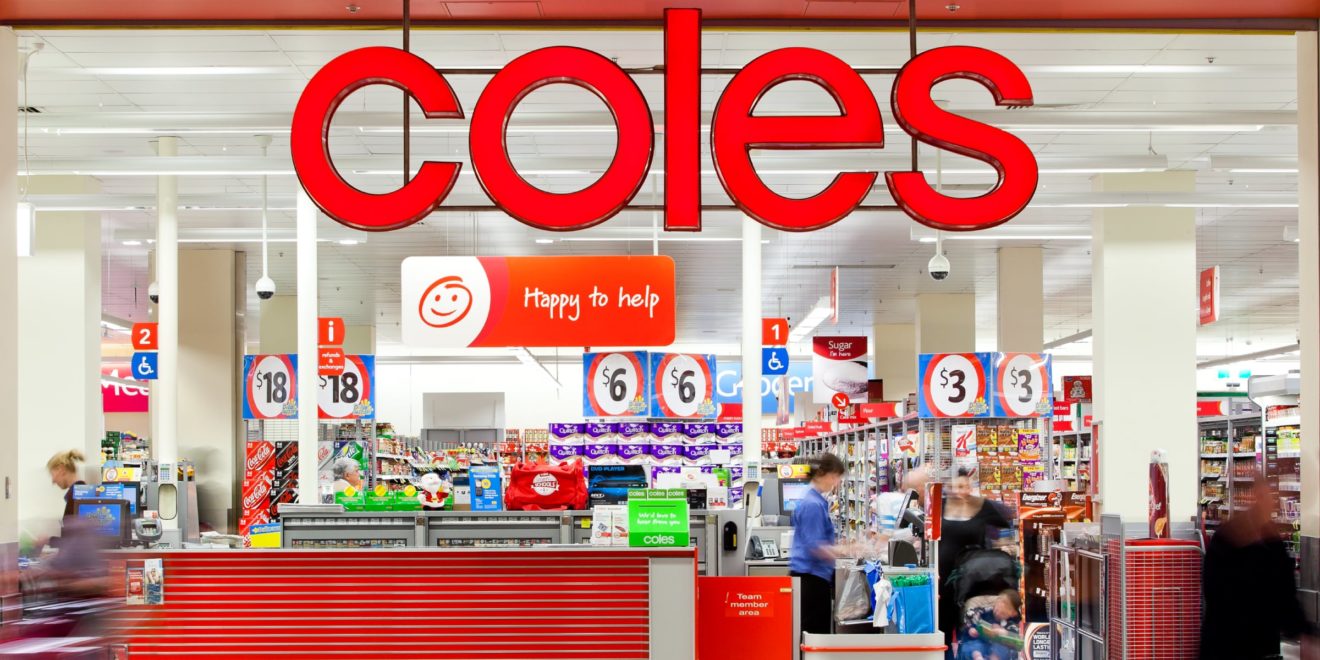
Coles Group booked first-quarter revenue of $11.2 billion, trailing primary rival Woolworths as shoppers cut spending across grocery aisles.
Total sales rose 2.2 per cent year-on-year for the opening quarter of fiscal 2027, falling short of the 4.7 per cent expansion delivered by Woolworths over the same stretch.
Supermarket Volumes Under Inflationary Squeeze
Supermarket operations at Coles lifted 2.7 per cent on a comparable basis, an outcome that lagged domestic price rises. Headline inflation hit 4.3 per cent in the twelve months through September, according to data from the ABS. With grocery price tags climbing faster than overall register revenue, underlying sales volumes shrank across the store network.
Customers managed stretched household budgets by splitting their weekly grocery shopping across multiple chains. Shoppers pursued weekly promotions, relied more heavily on loyalty incentives, and selected store-brand goods over premium labels. Leah Weckert, managing director and chief executive of Coles Group, pointed to structural shifts in weekly shopping habits across the country.
“While supermarket sales growth remained in line with the prior quarter, we know household budgets are under pressure, and customers are shopping more deliberately across retailers and channels,” Weckert said.
Digital Channels Outpace Physical Stores
E-commerce delivered the fastest sales momentum across the business, rising 22.9 per cent during the three-month period. Digital grocery orders proved popular among households seeking to monitor running totals and avoid impulse purchases at the shelf edge. The private label range Exclusive to Coles also added sales volume as shoppers turned away from costlier branded goods.
Elevated operating expenses offset that digital expansion. Coles informed market analysts that higher diesel and transport fuel costs pushed distribution overheads higher across its supply chain. Regional geopolitical tension added shipping volatility, limiting the earnings use the retailer could extract from top-line revenue gains.
The Margin Gap Widens Between Chains
Woolworths established a clear sales advantage by generating $19.4 billion during the corresponding quarter. Capturing 4.7 per cent revenue growth allowed the largest grocer to absorb fixed supply chain costs more effectively than Coles. Scale provides Woolworths with superior margin protection when negotiating trade discounts from food manufacturers and logistics contractors.
Coles faces tough commercial trade-offs leading into the peak December quarter. Matching Woolworths on promotional discounts risks sacrificing retail gross margin, while leaving prices unchanged risks surrendering foot traffic to rival stores. Price competition will compress supplier rebates across fresh produce and packaged groceries through the end of the year.
Earlier Performance and the Road to December
Supermarket sales growth tracked at the same modest level recorded during the prior quarter. Household wallets tightened through winter as high interest rates and elevated electricity tariffs reduced discretionary household expenditure across metropolitan areas.
Focus shifts to the Christmas trading stretch, which historically accounts for the largest share of annual grocery operating profits. Coles plans to adjust its promotional pricing program over the coming weeks to defend customer retention before the half-year fiscal 2027 audit.