Tag: leaks

  • Upset Tim Cook sends email to Apple employees about product leaks.

    Upset Tim Cook sends email to Apple employees about product leaks.

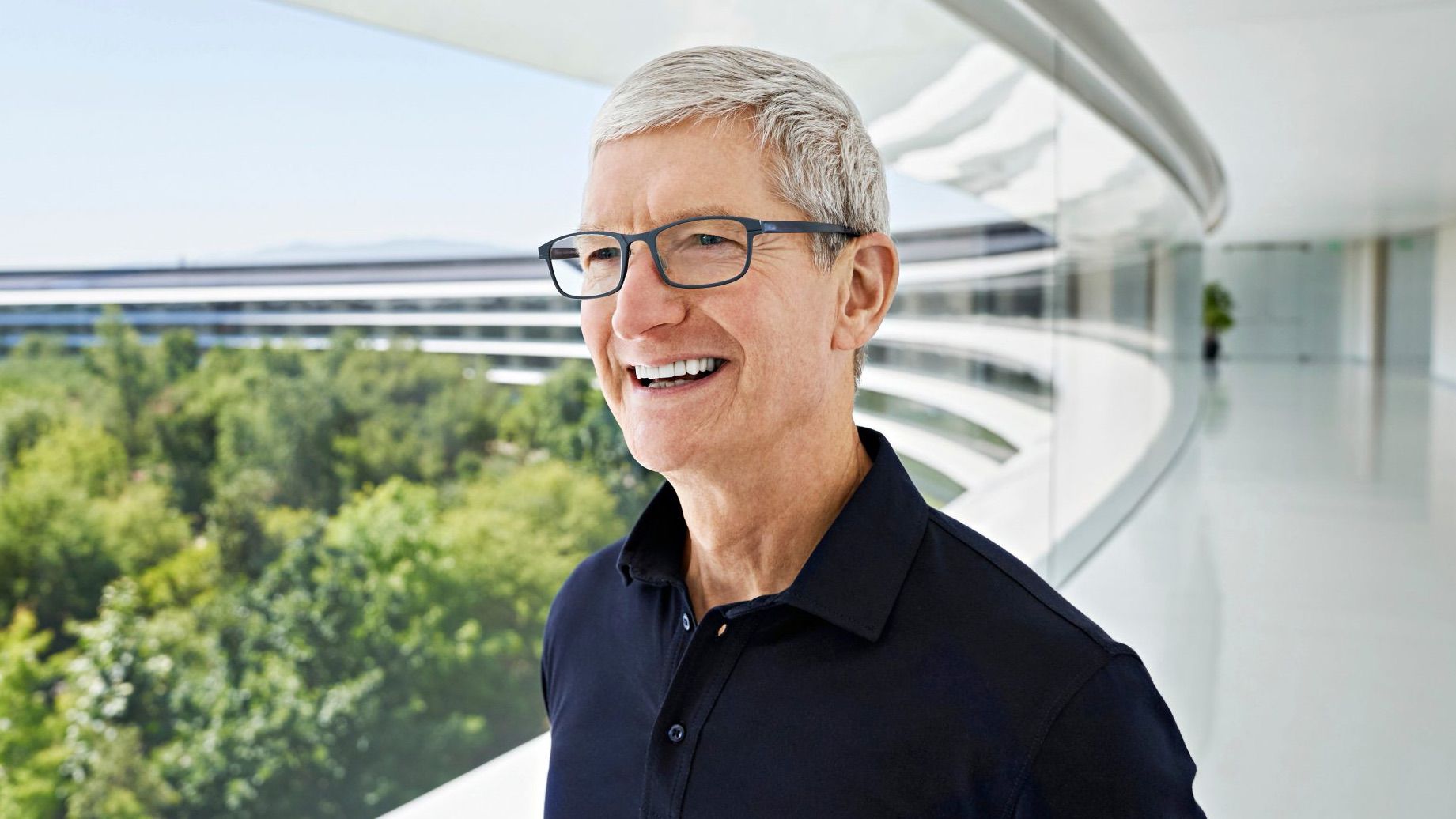
    Apple CEO Tim Cook once again made it clear that he is not happy with those who work at Apple and have a side hustle selling leaked information to those who pass these secrets on to Twitter tipsters and others. Cook wrote an email to employees last week and naturally, that missive leaked. Cook said in the email that Apple is doing “everything in our power to identify those who leaked” and he also stated that “people who leak confidential information do not belong” at Apple.

    Cook was upset to see details of a global employee meeting, held last Friday, September 17th, leak. During the internal meeting, the executive announced that Apple would demand frequent COVID testing for Apple employees who have yet to receive a vaccination, but that the company would not force workers to get the jab. He also was not happy that details of his response to the judge’s ruling in the Epic v. Apple bench trial were leaked.

    Cook wrote in his letter, “I want you to know that I share your frustration. These opportunities to connect as a team are really important. But they only work if we can trust that the content will stay within Apple. I want to reassure you that we are doing everything in our power to identify those who leaked. As you know, we do not tolerate disclosures of confidential information, whether it’s product IP or the details of a confidential meeting. We know that the leakers constitute a small number of people. We also know that people who leak confidential information do not belong here.”

    The executive added, “As we look forward, I want to thank you for all you’ve done to make our products a reality and all you will do to get them into customers’ hands. Yesterday we released iOS 15, iPadOS 15, and watchOS 8, and Friday marks the moment when we share some of our incredible new products with the world. There’s nothing better than that. We’ll continue to measure our contributions in the lives we change, the connections we foster, and the work we do to leave the world a better place.”

    Earlier this year, in an effort to stop leaks, Apple instructed its manufacturing partners Foxconn and Wistron, to conduct criminal background tests on all assembly line workers. Those found to have a criminal background would be banned from entering areas where unreleased Apple products are being developed and assembled. Additionally, all visitors to these factories must flash a government-issued ID, and guards must keep tabs on the movement of factory workers with possession of important components and products.

    There is a bit of inconsistency involved here. While Apple is promoting the privacy of its own employees by restricting the biometric information (like fingerprints) that Foxconn and Wistron can collect from Apple employees visiting these facilities, it still wants its manufacturing partners to collect this data from its own employees.

    The report that Apple held an internal meeting about leaks which itself leaked might have led you to experience deja vu. That’s because back in 2017 the company held an internal seminar called “Stopping Leakers – Keeping Confidential at Apple.” It was hosted by employees from Apple’s Global Security division. As you might have guessed, the seminar leaked.

    Arguably, the worse year for Apple iPhone leaks came in 2013 when images of the different colored rear shells for the more affordable iPhone 5c leaked. Many of these iPhone 5c leaks were traced to Australia’s Sonny Dickson, who at the time was a teenager.

    In 2017, Dickson told Reuters that he had 5 to 10 sources inside China who purchased prototype parts from assembly line workers paying $250-$500 a pop. The sources sent him videos of the parts and sometimes they sent him the parts themselves.
  • Apple is working hard to avoid iPhone 12 leaks next year

    Apple is working hard to avoid iPhone 12 leaks next year

    Some companies embrace leaks completely while others use them as a marketing tool. Apple, on the other hand, belongs to a separate group of entities which absolutely hates leaks and ultimately takes them very seriously. Now, according to a report by The Information, the Silicon Valley-based brand is ready to move its leak prevention measures to the next level.

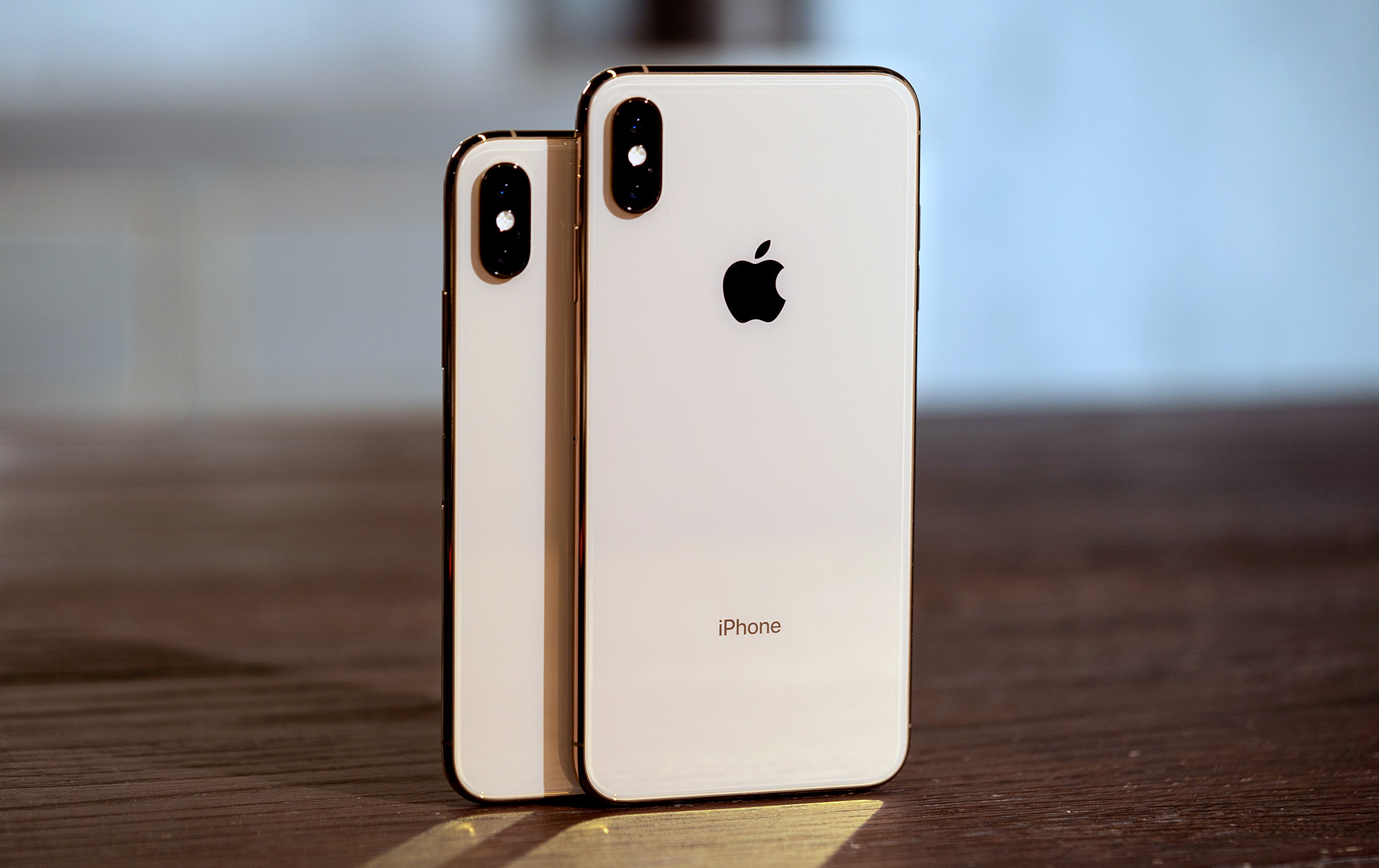
    Although Apple has always taken leaks very seriously, things took a drastic turn six years ago in the summer of 2013. Just months before the iPhone 5c’s official debut, thousands of shells for the smartphone were stolen out of a Chinese factory by an employee. The latter was helped by a security guard who helped him avoid security cameras while he drove a large truck out of the building.

    The incident apparently forced Apple to buy back a whopping 19,000 stolen iPhone 5c enclosures in a bid to avoid a stream of leaks. This wasn’t enough, however, as the components soon appeared online and revealed the smartphone’s design in the process.

    As a direct result of it all, Apple created the New Product Security Team soon after. Referred to more commonly as NPS, the team of people monitors security at Apple’s global suppliers and ultimately tries to put a stop to leaks, something it has done pretty successfully. In 2014, the company reported 387 stolen iPhone enclosures but this number quickly dropped to 57 the following year and then to just four in 2016. In one instance, NPS uncovered an attempt by factory employees to build a tunnel and smuggle out components.

    In recent years, more leaks have originated from inside Apple’s Cupertino headquarters than from international suppliers. This has allowed the company to reduce the size of its NPS team slightly and instead subcontract some of the work to others. Nevertheless, Apple is now facing an entirely different issue.

    As Apple and other companies have gradually gained more control over physical component leaks, electronic leaks have become noticeably more frequent. Schematics and CAD-based render often provide a glimpse at upcoming smartphones months ahead of their debut, but things undoubtedly reached a new peak for Apple this year.

    Just four months after the iPhone XS was released and a whopping eight months ahead of the next iPhone’s announcement, tipster Steve Hemmerstoffer got his hands on files which showcased both the iPhone 11 and a separate prototype. The flagship’s design is yet to be confirmed officially but the leak is undoubtedly one of Apple’s biggest and most premature yet.

    In light of this, Apple has now shifted resources to preventing digital leaks. It has a team inside its headquarters leading the efforts but has also set out a number of guidelines for suppliers which it refines whenever necessary. For example, physically separate computer networks must be operated by suppliers at all times. Additionally, CAD files are present within a secure, additional network which is present within the first. Apple also watermarks all files to discourage screenshots. Other measures include the ban of all public email services and third-party cloud services such as Google Enterprise and Dropbox.

    In the event that a leak was to occur, the supplier responsible for it must reimburse the company to the tune of $25 million and cover any costs related to the investigation. Because of this, certain suppliers have introduced upgraded security equipment including facial recognition cameras, new security cameras, and extra security guards. Interestingly enough, though, Foxconn’s current contract with Apple means it can’t be fined.