Retail News CRM

Tag: learning

  • Netflix Unleashes Free ‘Playground’ App: Fun and Learning with Favorite Characters at No Extra Cost!

    Netflix Unleashes Free ‘Playground’ App: Fun and Learning with Favorite Characters at No Extra Cost!

    While Christmas is several months away, Netflix has given its customers an early Easter gift in the form of a new, free app. The new Netflix Playground app, designed with kids in mind, is sure to be appreciated by many parents.

    The All-Inclusive App

    The Netflix Playground app is designed to be an all-inclusive platform. The concept is straightforward, offering games that feature favorite characters from various popular shows like Sesame Street, Dr. Seuss, Peppa Pig, StoryBots, and Bad Dinosaurs. Moreover, all the games are age-appropriate, ensuring a safe and relevant environment for the kids.

    The best thing is, Netflix Playground is free of charge. In a world where most things come with a high price tag, this is a welcome development. The app is included in every Netflix subscription, making it accessible for all subscribers.

    The primary goal of the app is to spark creativity, laughter, and fun amongst kids. Parents can feel safe handing over their mobile devices to their children when using this app as it has no ads, in-app purchases, or additional costs.

    The Available Games

    Netflix Playground is set to expand its game offerings in the future. However, presently, the app features a chosen team of well-loved characters.

    The initial lineup includes games inspired by Dr. Seuss titles, Sesame Street, Peppa Pig, StoryBots, and Bad Dinosaurs. These games offer a range of activities, including puzzles, music-based play, memory challenges, and light creative interaction. For instance, Dr. Seuss games engage kids in rhythmic and exploratory play, while Sesame Street emphasizes pattern and object recognition. Peppa Pig and StoryBots introduce more variety with activities like counting, decorating, and skill-building mini-games. Bad Dinosaurs combines puzzles with sticker-based creativity.

    With an intentionally simple and accessible design, the app focuses more on engagement than complexity. Netflix also hinted that this is just the beginning, with more titles and franchises expected to be added over time.

    Questions & Answers

    What is the Netflix Playground app?
    Netflix Playground is a free app for kids that features games with popular characters from shows like Sesame Street, Dr. Seuss, Peppa Pig, StoryBots, and Bad Dinosaurs.

    What type of games does the Netflix Playground app offer?
    The app offers a variety of games, including puzzles, music-based play, memory challenges, and light creative interaction. The games are inspired by popular characters and emphasize skills such as pattern and object recognition, counting, and creativity.

    Is the Netflix Playground app free?
    Yes, the Netflix Playground app is free and is included in all Netflix subscriptions. It contains no ads, in-app purchases, or additional costs.
  • Expand Your Language Spectrum: Google Translate Adds New Languages to Its Learning Tool

    Expand Your Language Spectrum: Google Translate Adds New Languages to Its Learning Tool

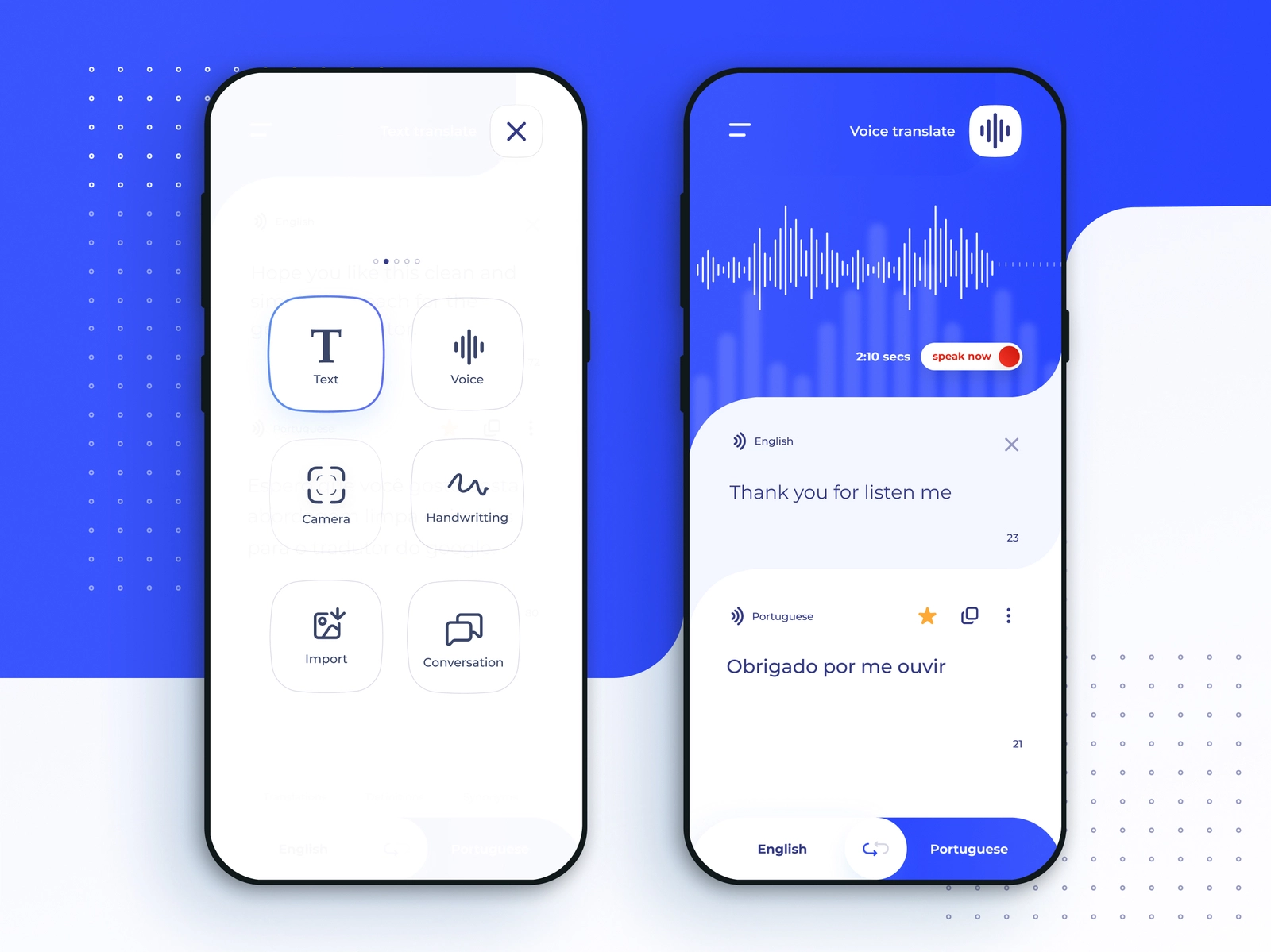
    Google Translate, the popular language translation application, has recently broadened its language tutoring capabilities. An update to the app has introduced several new languages that users can learn and practice, providing increased linguistic accessibility to users across the globe.

    Expanding Language Learning

    Since its introduction, Google Translate’s Practice Mode has offered learning capabilities for Spanish and French to English speakers. For non-English native speakers, the app has provided English language training for French, Spanish, or Portuguese speakers. The recent update extends the application’s language range by introducing Portuguese and German into the list of languages that English speakers can learn.

    English Language Learning Extension

    The update has also expanded the application’s ability to teach English to speakers of additional languages. As a result, speakers of the following languages can now benefit from Google Translate’s English language teaching capabilities:

    – Bengali
    – German
    – Hindi
    – Italian
    – Dutch
    – Romanian
    – Swedish
    – Chinese (Simplified)

    Enhancing Language Proficiency

    Google Translate’s tool provides an excellent platform for users to refine their language skills. Its recent update includes an option that allows users to practice English, even if their display language is set to English. This feature caters to users who are looking to improve their English language capabilities or simply wish to practice English in a risk-free environment.

    AI-Powered Features

    In recent months, Google has introduced a range of new features to the Translate app, many of which leverage artificial intelligence. These features include real-time conversation translations and large-font translations. The recent developments underscore Google’s understanding of the common scenarios where people use the Translate app – primarily in real-life situations.

    Aspirations for Further Language Options

    Despite the recent advancements and Google being a US company with a focus on English language learning, there is a desire for more diverse language training options, specifically between two non-English languages. This is due to Google’s global presence, with offices worldwide. Additionally, users are expressing interest in seeing the app move beyond repetitive speaking and listening practice by including grammar lessons.

    Questions & Answers

    What new languages can English speakers learn on Google Translate?
    English speakers can now learn Portuguese and German on Google Translate.

    What new languages can non-English speakers learn English in on Google Translate?
    Non-English speakers of Bengali, German, Hindi, Italian, Dutch, Romanian, Swedish, and Chinese (Simplified) can now learn English on Google Translate.

    What are some new features Google has added to the Translate app?
    Some new features include real-time conversation translations and large-font translations.

  • OpenAI Unveils Smarter, More Conversational GPT-5.1: Learning from Past Mistakes, Delivering Fresh Upgrade

    OpenAI Unveils Smarter, More Conversational GPT-5.1: Learning from Past Mistakes, Delivering Fresh Upgrade

    In August, OpenAI faced a wave of criticism after the launch of GPT-5 and the immediate discontinuation of its older models. Responding to the feedback, OpenAI has now unveiled what it refers to as an “upgrade” of GPT-5, aptly named GPT-5.1. This new model encapsulates the lessons learned from previous mistakes and introduces improvements in intelligence and communication styles.

    GPT-5.1: A Step Forward in AI Conversations

    OpenAI has introduced enhancements to the intelligence and communication style of ChatGPT with its new GPT-5.1 release. The update includes two new models, GPT-5.1 Instant and GPT-5.1 Thinking.

    GPT-5.1 Instant is described by the company as “warmer, more intelligent, and better at following your instructions” compared to the previous version. Meanwhile, the advanced reasoning model GPT-5.1 Thinking works faster on simple tasks and shows greater persistence with complex ones. It is also easier to comprehend.

    The GPT-5.1 Instant model provides answers that appear more natural, as shown in examples provided by OpenAI. The model has improved at following directions and can choose to contemplate before responding to more challenging questions. The GPT-5.1 Thinking model presents as more approachable, providing more empathetic and warm responses.

    For those interested, the earlier GPT-5 models will still be accessible via the legacy menu for three months.

    Expanded Personality Presets

    A significant aspect of the update includes expanded personality presets for the conversational tone of the models. Users now have eight different options to choose from which determine how ChatGPT responds. These include:

    1. Default
    2. Professional
    3. Friendly
    4. Candid
    5. Quirky
    6. Efficient
    7. Nerdy
    8. Cynical

    Furthermore, OpenAI is set to introduce an experimental method to finetune the style of ChatGPT. Some users will have the ability to adjust ChatGPT’s characteristics directly from the personalization settings. They can select how concise, warm, or scannable the AI’s responses are, and even decide how frequently it employs emojis.

    Rollout and Access

    The new models are being rolled out as of today, starting with paid users. Access will be extended to free and signed-out ChatGPT users at a later stage. In contrast to the sudden disappearance of GPT-4 in August, the older GPT-5 models will be available for three months via the ChatGPT legacy models dropdown menu.

    Addressing the Issue of Hallucinations

    While the option to customize ChatGPT is appreciated, the style of its responses has not been a major concern for many users. There is a wider call for OpenAI to concentrate more on minimizing hallucinations and enhancing the accuracy of ChatGPT and its models. Regardless, it appears that a sense of skepticism will persist, with users likely to continue double-checking the information provided by AI.

    Questions & Answers

    What is the new GPT-5.1 model by OpenAI?
    The GPT-5.1 model is an upgrade of the previous GPT-5 by OpenAI. It includes improvements in intelligence and communication styles and introduces new models named GPT-5.1 Instant and GPT-5.1 Thinking.

    What are the new features of the GPT-5.1 model?
    The GPT-5.1 model has a more “natural” communication style, follows instructions better, and can think before responding to challenging queries. There are eight personality presets for users to select, and they can also fine-tune the AI’s responses.

    How long will the previous GPT-5 models be available?
    The older GPT-5 models will be accessible to users for three months via the legacy menu.

  • 45% of Singapore workers fear admitting to AI use

    45% of Singapore workers fear admitting to AI use

    Nearly half of employees in Singapore feel uncomfortable admitting to their managers that they use artificial intelligence (AI) in their jobs, a survey has found.

    The top concerns among these workers include the fear of being perceived as incompetent, lazy, or cheating, The Independent Singapore reported, citing AI-powered work management tool Slack’s Workforce Index report, which in August surveyed more than 17,000 workers across 15 countries, 1,008 of which are from Singapore.

    The report noted that workers, lacking clear guidance, are uncertain about when it is appropriate to use AI at work, leading many to hide their usage.

    Hence, employers should establish clear guidelines on which AI tools are considered “approved and trusted” for use in their organizations, as well as the specific tasks these tools are intended for, Christina Janzer, senior vice president of research and analytics at Slack.

    Too much of the burden today has been put on workers to figure out AI. It is important that leaders not only train workers to use AI, but encourage employees to talk about it and experiment with AI out in the open,” she said.

    Despite their concerns, 88% of employees in Singapore are keen to develop their AI skills and feel a pressing need to become experts in the field. However, 63% of them have spent fewer than five hours total learning how to use AI.

    Workers in the city-state are also prioritizing AI-enabled workplaces, with 87% viewing a company’s ability to provide and implement AI tools as a key consideration when searching for jobs.

    As a result, employers there must invest in AI training to attract and retain top talent.

    Globally, 30% of workers worldwide have not received any AI training, including self-guided learning or experimentation, according to Slack.

    Among those who did receive guidance on AI usage, adoption has increased by 13% since January, compared to just 2% for those without such training.

  • 900,000 Apax Holdings shares force sold

    900,000 Apax Holdings shares force sold

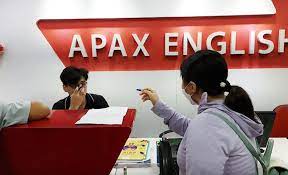
    Over 900,000 shares of Apax Holdings have been forced sold by stock brokerages after hitting the floor 16 sessions in a row.

    Apax Holdings chairman Nguyen Ngoc Thuy, also known as Shark Thuy, said that 113,000 of his IBC shares were forced sold by Bao Viet Securities last week, according to a filing to the Ho Chi Minh Stock Exchange.

    This reduced his ownership in the company from 8.05% to 7.91%.

    In the last two weeks Bao Viet Securities and Mirae Asset Securities also forced sold 788,700 IBC shares owned by Apax Holdings’ parent company Egroup.

    Egroup has seen its ownership in Apax Holdings reduced from 59.76% to 58.81% as a result.

    A brokerage typically requires shares to be sold if it issues a margin call and the investor is unable to come up with the money.

    Apax Holdings has seen its IBC shares plunging since November 11 as the company has been accused of delaying salary payments and of failing to uphold high quality.

    In the last five weeks share prices has fallen by 83%.

    Thuy said that a cash shortage caused by the impact of Covid-19 has put the company in crisis.

    He said he would lead the business to recovery but that he will need around three years to accomplish this.

  • Hermes Logistics Technologies teams up with the IT University of Copenhagen and dnata for machine learning trials

    Hermes Logistics Technologies teams up with the IT University of Copenhagen and dnata for machine learning trials

    Hermes Logistics Technologies (HLT) is working with researchers at the IT University of Copenhagen (ITU), Denmark, and dnata Australia to explore new machine learning models aimed at delivering predictive business analytics.

    The Artificial Intelligence (AI) algorithms will run data from dnata Australia’s new Hermes Digital Ecosystem, which has a full Datalake infrastructure that captures and stores all of dnata’s Hermes New Generation (NG) Business Intelligence events.

    The machine learning models will enable dnata to make predictive business process decisions providing key insights on efficiencies, costs, and new services.

    “Machine learning is part of HLT’s digital agenda and our datalakes are a fantastic source of events and data, which are always up to date and ready to inform and train AI models in the Hermes Cloud,” said Alex Labonne, Chief Technology Officer at HLT.

    “Successfully trained models will form new predictive functionalities for dnata and help them refine an already competitive cargo handling offering.”

    The ITU team, headed by Professor Philippe Bonnet and working with HLT, will create, test, and develop the predictive models over the coming months to explore the design of cloud-native enterprise machine learning solutions.

    “This is the future of enterprise machine learning envisaged by cloud providers, where any enterprise can incorporate data-driven predictions into their business processes,” said Prof. Bonnet.

    “Collaborating with HLT and dnata is a unique opportunity for us to explore the capabilities and limitations of cloud-based enterprise machine learning.”

    dnata recently went live with HLT’s H5 Cargo Management System (CMS) at six airports across Australia in Melbourne, Sydney, Adelaide, Darwin, Perth, and Brisbane.

    “dnata is looking forward to using predictive modelling to enhance our cargo planning and operational processes. This data science not only benefits our interaction with customer airlines, it enables us to anticipate the demand patterns in advance for more efficient operations,” said Terence Yong, Cargo Development Director, Asia Pacific, dnata.

    The dnata machine learning prototype is part of HLT’s digital agenda to deliver value added services using Big Data analytics.

  • DBS to Train Staff in AI and Machine Learning

    DBS to Train Staff in AI and Machine Learning

    The bank hopes to equip its employees with skills in these areas, under a partnership with cloud services provider Amazon Web Services (AWS).

    DBS Bank will accelerate the use of artificial intelligence (AI) and machine learning (ML) across its business by training its staff in these skills with the launch of the AWS DeepRacer League, the bank announced on Tuesday.

    As part of the program, DBS staff will learn the basics of AI and ML through hands-on online tutorials and will use their knowledge in programming an autonomous model race car to compete in a virtual racing environment. The bank hopes to train some 3,000 employees, including its senior leadership, by the end of the year. The league is the largest among Asian-headquartered enterprises and one of the first in the world to be organized at scale by a financial institution, the announcement said.

    Employees are also encouraged to develop their talent beyond the bank’s league and compete globally – the bank said six of its employees have already qualified for the AWS DeepRacer Championship Cup to be held in Las Vegas later this year.

    We have never believed in limiting digital expertise to a small team. Instead, we passionately believe in democratizing technology skillsets among all employees, so that they can run alongside the company as we advance on our digital transformation together, Paul Cobban, DBS chief data and transformation officer, said.

    DBS said it is preparing for the next stage of its digital transformation efforts and has been leveraging AI and ML in areas such as advanced credit risk management, and to provide accurate self-service digital options to its retail customers based on their digital footprint.

  • DHL: Machine learning to mitigate supplier risks

    DHL: Machine learning to mitigate supplier risks

    DHL introduced a new integral part of its Resilience360 supply chain risk management platform called DHL Supply Watch. The extension of DHL’s early warning system uses machine learning and natural language processing to detect disruptions in a company’s supply base before they cause financial losses or long lasting reputational damage.

    With Supply Watch, DHL Resilience360 is adding a broad range of new risk categories to the system’s existing portfolio to monitor supplier risks on a company level, including financial indicators, mergers & acquisition, environmental damages, supply shortages, quality issues and labor disputes, using publically available data found by monitoring of online and social media sources.

  • Telcos turn to machine learning as they drown in data

    Telcos turn to machine learning as they drown in data

    Machine learning in 2017 will become a mainstream tool for communications providers struggling to transform data overload into actionable analytics, according to Argyle Data.

    “The telecommunications industry is drowning in data,” said Padraig Stapleton, VP of engineering at Argyle Data. “Functions like support, billing, customer care and marketing, throwing off large amounts of data as a by-product of their activities, the exhaust fumes of data.”

    Stapleton said fraud and financial analysts alike are overwhelmed by the struggle to control and harness this fire-hose of information into actionable analytics. There is just too much IP traffic going across mobile networks for humans to review, detect and respond to fraud in the traditional ways such as discovering fraud and writing preventative rules.

    Machine learning does all the grunt work for analysts, sifting through data in real time and providing output instantly in understandable, accessible formats,” said Stapleton.

    Based on customer feedback, Argyle Data said the following rank among the top communications service provider (CSP) concerns for 2017 — subscription fraud and dealer fraud; fraud using mobile data services and IP applications; call bypass; mobile voice is going extinct; identifying, analyzing and monetizing IP-based traffic; and the explosion of IoT devices across communications networks.

    “These issues can only be addressed if CSPs have better insight into voice and data traffic passing through their networks,” added Stapleton. “New machine learning algorithms give them the ability to respond rapidly to new trends, anomalies or threats.”

  • Malang Opens Courses for Domestic Workers

    Malang Opens Courses for Domestic Workers

    Dozens of domestic workers attended a course at Sanggar Kegiatan Belajar in Malang City on Tuesday. The course for domestic workers was held by the Institute for Community Research and Development (LPKP) Malang chapter and the International Labour Organization (ILO).

    “Domestic workers are trained to work effectively according to the applicable standards,” said Irfan Afandi, ILO promote project coordinator for East Java.

    Similar courses are also opened in South Sulawesi’s Lampung and Jakarta. East Java, along with Makassar and Lampung, is renowned for its supply of domestic workers. Whereas Jakarta is the destination market of the domestic workers.

    Community-based courses for domestic workers have been trialled in Malang, East Java. Education will be held in certain communities, comprising participants hailed from several areas in Malang. The courses for domestic workers are aimed at improving their skills, particularly ability to use home appliances.

    The first phase of the courses will include household management and cooking. Domestic workers will be given theoritical and practical training. The courses will last six months, with two meetings in a week.

    Improved skills are expected to put domestic workers in better position to seek employment rights, such as to negotiate employment contract, standardized and timely payment of wages, defined office hours, and request for breaks and holidays. Irfan said that according to ministerial regulations, domestic workers include nannies, drivers, gardeners, as well as caregivers for elderly persons and people who have disabilities.

    “A domestic worker would not be able do all things by themselves,” he said. After attending the courses, domestic workers will be given a certificate which would enable them to seek better pay and recognition as professional workers. Moreover, improved skills of domestic workers are expected to protect them from violence, sexual abuse, child exploitation and human trafficking.

    Data from ILO shows that Indonesia has 2.6 million domestic workers. Most of whom are hired to work in private homes, live in their employer’s home and are not given employee leaves nor holidays.

    Course participant Yuliati said she is interested to attend the course for domestic workers to get more experience. According to her, she had been learning to do domestic work by herself. “I’m paid Rp30,000 a day, without employment contract,” she said.