Retail News CRM

Tag: leasing

  • Tokyo’s Grade A Office Leasing Set for Strong Performance in Second Half of 2023

    Tokyo’s Grade A Office Leasing Set for Strong Performance in Second Half of 2023

    The corporate world is buzzing, and Tokyo’s office leasing market is feeling the effects. According to the latest insights from JLL, a robust demand from companies is set to keep leasing volumes strong in the latter half of the year. The appetite for office space continues to grow, even as external risks loom, such as tariffs and global economic slowdowns. It seems that in the fast-paced landscape of corporate Japan, many businesses see their future as firmly grounded in tangible office spaces.

    Positive Predictions Amid Market Fluctuations

    Recently, Oxford Economics provided a forecast indicating a modest GDP growth of 0.8% by the end of 2025, alongside a consumer price index (CPI) prediction of 2.8%. While these figures paint a picture of stability, they come with caveats, primarily from potential tariffs affecting corporate activity and a possible downturn in overseas economies.

    Demand for Quality Office Spaces is Sky-High

    JLL’s report highlights that demand for existing office buildings remains resilient due to a substantial influx of headcounts and a trend toward high-quality relocations. In fact, net absorption in the Tokyo office market reached 30,816 square meters in Q2 2025, driven by significant activity in the information services, wholesale, retail trade, and professional services sectors. You could say the Tokyo office market is the land of opportunity—just without the neon lights.

    Rents Continue their Relentless Climb

    As companies vie for the best locations, rents have skyrocketed for six consecutive quarters. By the end of Q2 2025, average rents stood at JPY 36,237 per tsubo per month, marking a 2.0% quarterly increase and a striking 5.9% increase year-on-year. The Akasaka/Roppongi and Otemachi/Marunouchi areas, known for their premium real estate, have reported particularly tight vacancies and landlord-friendly market conditions.

    Vacancy Rates Plummet in Prime Locations

    Tokyo’s Grade A office vacancy rate averaged just 2.4% in Q2, reflecting a decline of 10 basis points quarter-on-quarter and 120 basis points year-on-year. The Otemachi/Marunouchi and Akasaka/Roppongi submarkets are seeing availability shrink to nearly non-existent levels, signaling that demand significantly outpaces supply.

    Capital Values Surge Despite Economic Uncertainty

    In line with rising rents, capital values in Q2 2025 rose 2.9% quarter-on-quarter and 9.5% year-on-year. This upswing can be attributed to the impenetrable ongoing demand and stable cap rates observed throughout the quarter. A standout transaction this quarter was Mitsubishi Estate’s acquisition of the Akasaka Park Building—a move that underscores the enduring allure of Tokyo’s real estate market.

    Questions & Answers

    What factors are contributing to the strong demand for office leasing in Tokyo?
    The strong demand can be attributed to increased headcount within corporations and a tendency towards relocating to higher-quality office spaces, driven by an appetite for premium environments.

    How have rental rates changed in Tokyo’s office market?
    Rentals have climbed for six consecutive quarters, with averages reaching JPY 36,237 per tsubo per month by Q2 2025, marking a 5.9% year-on-year increase.

    What are the implications of plummeting vacancy rates in key submarkets?
    The declining vacancy rates in districts like Otemachi/Marunouchi indicate a significant demand-supply imbalance, with nearly no space left available, making it a landlord’s market.

  • Singapore Sees 1.3% Rise in Industrial Leasing Volume for Q1: A Positive Trend Unfolds!

    Singapore Sees 1.3% Rise in Industrial Leasing Volume for Q1: A Positive Trend Unfolds!

    In a landscape marked by shifting economic climates, Singapore’s factory and warehouse segments maintained steady leasing activity in the first quarter of 2025. According to a recent report by Savills, the total number of tenancies soared to 2,902, reflecting a modest year-on-year increase of 1.3%. However, the data also reveals that businesses are treading carefully—adopting a “wait-and-see” approach as they reassess their real estate needs amid a more challenging business environment.

    Warehousing Holds Steady Amid Challenges

    “Companies are taking longer to make leasing decisions and are closely examining their space requirements,” the report indicated. Warehouse logistics emerged as the frontrunner in leasing performance, showcasing a 6.1% rise in tenancies compared to the previous year. In contrast, while demand for multiple-user factories remained robust with a 1.7% increase, the single-user factory segment experienced a significant decline, dropping 16.0% year-on-year.

    Shifts in Vacancy Rates Reveal Market Dynamics

    In a curious twist, the overall factory vacancy rate diminished despite the lackluster demand for factory space, thanks to a tightening supply chain. A notable reduction in the inventory of single-user factories led to a 0.6 percentage point drop in vacancies, leaving the rate at 11.4% in Q1. Meanwhile, multiple-user factory vacancies also dipped slightly to 8.7%, down from 9.0% in the previous quarter.

    On the flip side, warehouse space vacancies did see an uptick, rising by 1.0 percentage point to 9.5% in Q1. This increase stemmed from the completion of over 1.0 million square feet of new warehouse stock, including DB Schenker’s RedLion2 at 33 Greenwich Drive and a redeveloped logistics hub at 36 Tuas Road—a reminder that as one door closes, another one opens.

    Rental Trends Paint a Mixed Picture

    After a rental growth of 0.5% in the previous quarter, JTC’s rental index for all industrial properties continued its upward trajectory, persisting at the same rate in Q1 2025. Of particular note, JTC’s single-factory rental index experienced a more rapid increase of 0.8%, a contrast to its slower growth of 0.1% in the previous quarter. This elevation is attributed to the introduction of newly completed facilities featuring modern, high-tech specifications that demand premium rents.

    Despite the promising signs in single-user factory rentals, the overarching industrial rental growth remained subdued due to muted performance in both multiple-user factories and warehouses, which expanded by 0.3% and 0.6% respectively. In terms of market pricing, Savills noted a rebound in the monthly rents for prime multiple-user factories, which edged up to S$2.29 per square foot following a brief decline. However, with an anticipated influx of warehouse supply this year, landlords are adapting their strategies, leading to a 2.5% decrease in rents for prime warehouse and logistics properties, now at S$1.69 per square foot.

    Questions & Answers

    What is the overall trend in leasing activity for Singapore’s industrial properties?
    Leasing activity in Singapore’s industrial properties has shown modest growth, with a total of 2,902 tenancies recorded in Q1 2025, representing a 1.3% year-on-year increase, despite a cautious approach from businesses.

    Which segments saw the most demand in the first quarter?
    Warehouse logistics led the demand with a 6.1% increase in tenancies, while multiple-user factories also showed solid performance, growing by 1.7%. However, demand for single-user factories dropped sharply by 16.0% year-on-year.

    How have vacancy rates shifted in Q1 2025?
    The overall factory vacancy rate decreased to 11.4%, while multiple-user factory vacancies fell to 8.7%. Conversely, warehouse vacancies increased to 9.5%, partly due to the addition of over 1.0 million square feet of new warehouse stock.

  • Vietnam Airlines scores $1 bln discount on jet lease

    Vietnam Airlines scores $1 bln discount on jet lease

    Vietnam Airlines and Air Lease Corporation have agreed on a leasing discount exceeding $1 billion for 18 aircraft while the former face financial challenges amid the pandemic.

    U.S.-based ALC, one of the biggest aircraft leasers in the world with 450 jets, will reduce leasing charges by $420 million for the rest of the contract duration of existing jets while the remaining $600 million will be discounted on new leases.

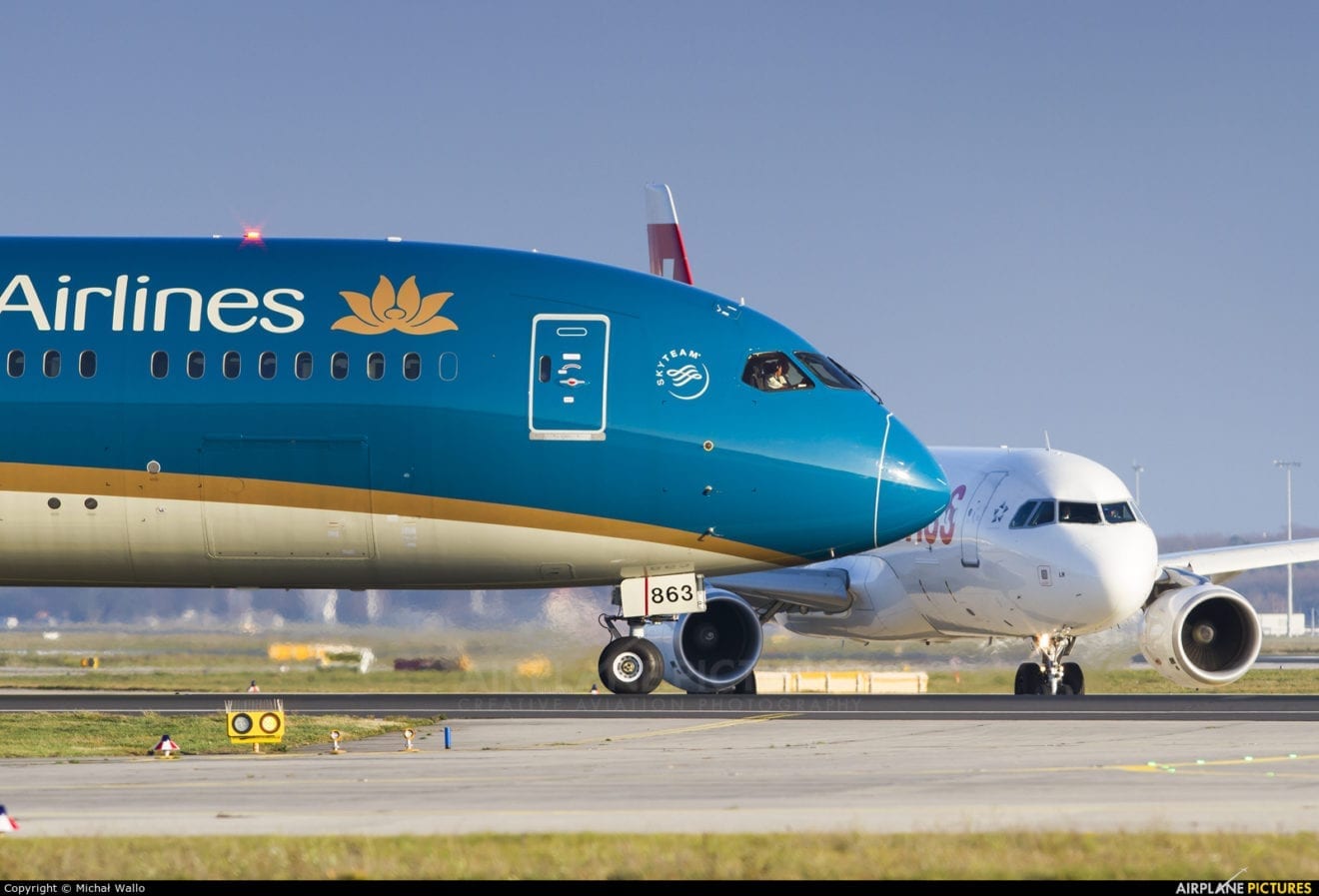
    Vietnam Airlines is leasing 16 jets from ALC, comprising 12 narrow-body A321 Neo and four wide-body Boeing B787-10.

    With the biggest fleet in Vietnam of over 100 jets, the national flag carrier is facing financial pressure in retaining its aircraft, with many routes suspended due to Covid-19.

    Restructuring its fleet and cutting costs are its main goals to overcome the Covid-19 crisis, the airline stated.

    CEO of the carrier Le Hong Ha said Tuesday the airline would have an oversupply of jets until 2025, and plans to sell 27 over the next two years.

  • AirAsia X Asks To Put Off Aircraft Lease Payments

    AirAsia X Asks To Put Off Aircraft Lease Payments

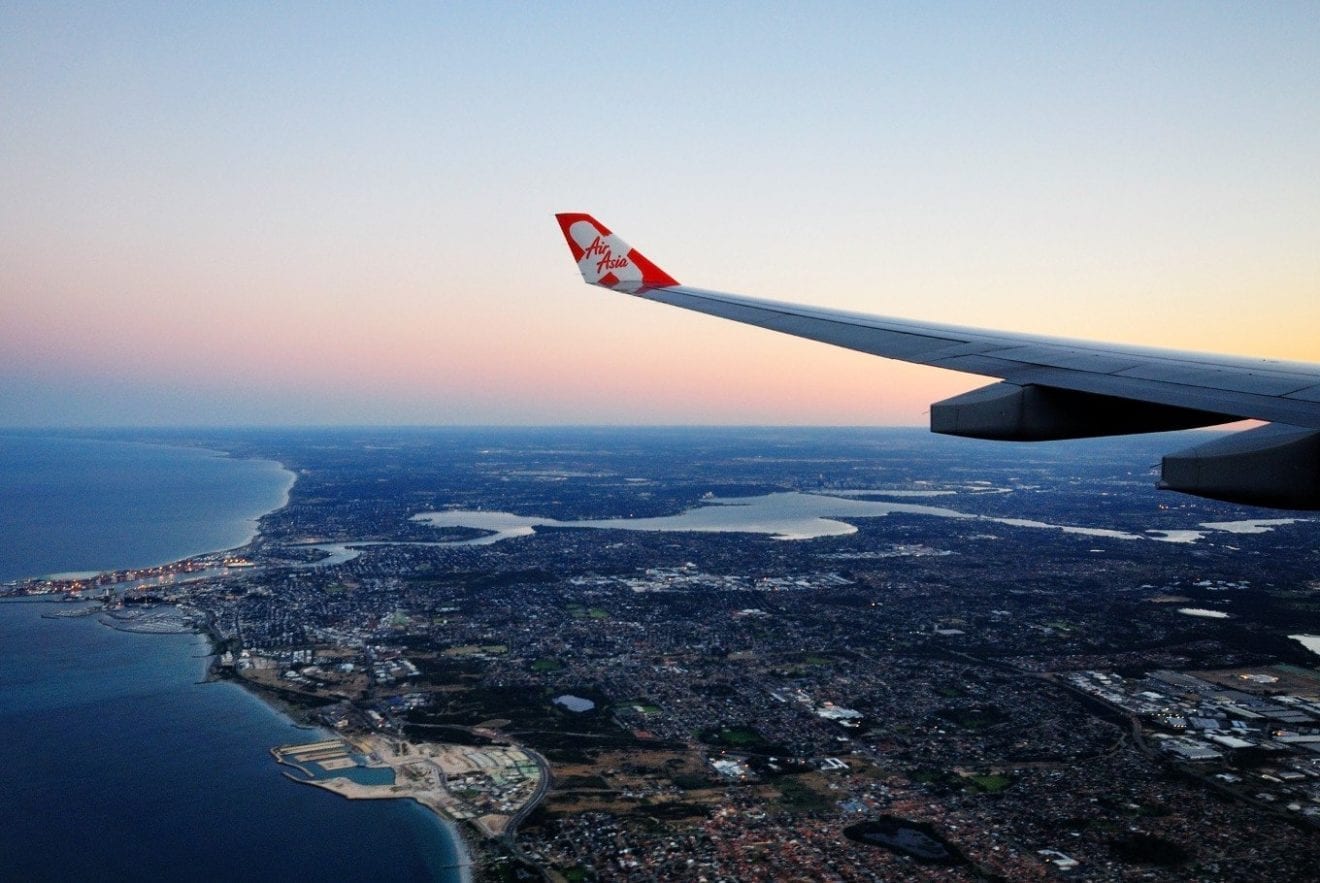
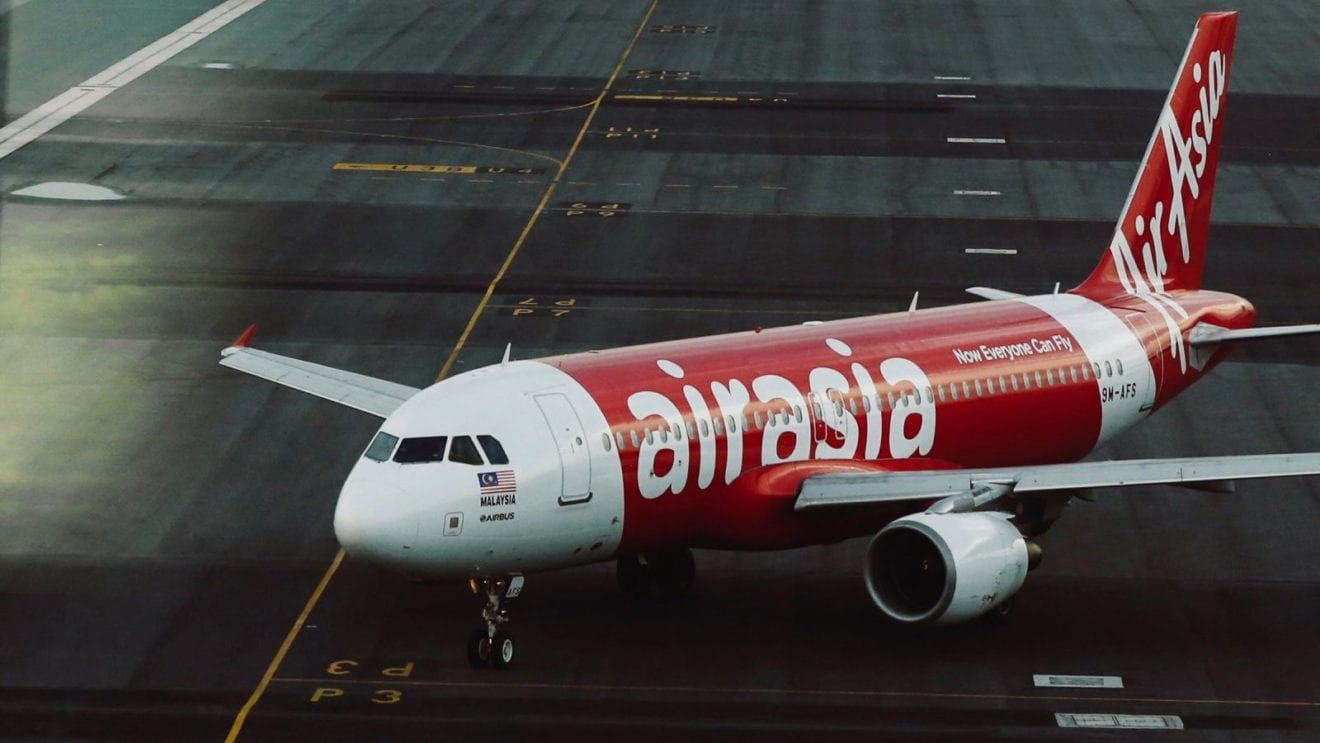
    AirAsia X leases 17 A330-300 aircraft from nine lessors. While the majority of lessors have one or two aircraft each flying under AirAsia X colors, BOC Aviation and ICBC Leasing have three aircraft each at AirAsia X.

    We have approached AirAsia X to confirm this. They declined to address our questions, citing a blackout period pending release of the latest financial information later in February.

    One unidentified lessor says they value their relationship with AirAsia X. However, the depth and breadth of that relationship does not extend to, say, letting the airline skip lease payments for three months.

    AirAsia X is the long-haul sibling airline to AirAsia. AirAsia X has been around for over 12 years and now flies to 22 destinations around the Asia Pacific rim with its 24 aircraft.

    Even before the coronavirus outbreak in January, AirAsia X was encountering financial turbulence. The airline lost nearly USD$39 million in the first half of 2019. This was a ten-fold increase on its loss for the first half of 2018.

    Ongoing financial problems at AirAsia X have caused the airline to ask for lease payment holidays before.

    The coronavirus outbreak and subsequent downtown in travel demand will deepen AirAsia X’s financial woes and is likely behind this latest request from the airline.

    AirAsia X is highly reliant on Chinese tourism, dedicating 30% of its available seat capacity to the country. China is usually Malaysia’s third-biggest source of tourists. Now flights on nine of AirAsia X’s twelve Chinese routes are either suspended or canceled.

    Besides China, most of Malaysia’s tourists come from within Asia. As a low-cost tourist airline, AirAsia is a proverbial canary in the coalmine when tourist travel patterns shift.

    There is considerable speculation that the coronavirus and its impact on airlines will send some over the financial edge. Some of this speculation has come from the CEOs of stronger airlines. One CEO said he expected “weaker” airlines in the Asian region to be consolidated or go out of business.

    Despite its mediocre financial performance, AirAsia X does have significant financial firepower behind it. The airline was floated on the Malaysian stock exchange in 2014. The largest shareholder is Tune Group (the investment company for AirAsia’s Tony Fernandes and Kamarudin Meranun). AirAsia itself and various AirAsia subsidiary businesses all have significant stakes.

    AirAsia X probably has the financial muscle to pull through the current downturn in travel demand. But it will not be easy. Having to go cap in hand to aircraft lessors to ask for a payment holiday is a sign of that.

    It makes me wonder how airlines under the Lion Air group are going to survive. Two of them in mind are Malindo (of Malaysia), and Thai Lion Air. They don’t publish their financial results, do they? Or do they?

    RH Hastings

    As per the recent Airbus bribery settlement (31Jan20) and in addition to their financial issues AirAsia executives may have been bribed by Airbus to buy planes. So, the UK Serious Fraud Office (SFO) and Malaysia’s government’s are investigating further. Reports suggest their payment was to AirAsia executives’ now defunct Caterham F1 car racing team. Do airline manufacturers or their representatives rank the financial and airline’s regional reputation during sales negotiations? In the west it is common to research via the likes of a Dun & Bradstreet report to ascertain reliability and condition of a seller or buyer.

  • Sluggish sales dampen India retail leasing activity

    Sluggish sales dampen India retail leasing activity

    Indian retail leasing activity in major cities slumped 35 percent last year as the country’s economy continued on a sluggish course.

    “It’s very obviously not business as usual in the Indian retail sector, and retailers have had to reduce costs – not least of all by realignment of retail spending,” said Anuj Kejriwal, MD and CEO at Anarock Retail.

    According to data from real-estate services provider Anarock, Indian retail leasing activity in the nation’s seven largest cities dropped from 5.5 million sqft in 2018 to 3.6 million sqft last year.

    The worst-affected sector was fashion where falling consumer spending has impacted the top line of several major retail groups, including V-Bazaar and 1-India Family Mart, both of which say they are scaling back expansion plans this year.

    “The apparel industry has been hit with a triple whammy – GST, credit squeeze on small and medium enterprises, and increased competition due to slowdown in global demand,” said Kejriwal.

    With spending on fashion declining, there has been “a significant reduction in demand” for new fashion-specific mall spaces among local brands and global brands, he says, are “staying put but not expanding”.

    Kejriwal said downward revisions of India’s GDP growth rate are bound to be reflected in the consumption-driven retail industry, with most categories affected.

    “Discretionary spending remains low and the ticket sizes of purchases have shrunk – with predictable impact on retail leasing activity. Slow sales and sluggish activity across sectors such as automobiles, fashion and telecom are translating into reduced leasing across retail spaces as players shift their operational strategy,” he said.

    Jewelry, electronics, books and music, hypermarkets and men’s formal clothing are other retail categories where leasing activity declined last year.

    The standout exceptions in retail are food and beverage, family entertainment centers, cinemas and beauty/wellness boutiques.

    “These verticals have seen a decent rise in space leasing and are doing fairly good business depending on factors such as location, accessibility, brands, etc,” said Kejriwal.

    “Though rising rentals in prime locations hinder the growth plans of many brands, Indians’ affinity to eating out and entertainment remains undiminished.”

    Kejriwal said many Indian retailers must now consider consolidation and realignment of their operational structure. “Long-vision players are taking steps to boost productivity through technological innovations, automation of production and analytics-driven decision making. The retail sector is also renewing its focus on consumer-centric strategies in order to strengthen customer loyalty.”

    India’s retail market is predicted to grow to US$1.3 trillion this year, significantly up on the $672 billion of 2017, prompting many retail players to believe that the current slowdown is a short-term phenomenon.

    “Optimistic about the future growth prospects of retail, they maintain that the size of the Indian population, consumption and demand will drive organized retail growth in the future,” said Kejriwal.

    “However, it will take more than optimism to pull the retail sector out of its current tailspin. What the retail industry needs is strong demand dynamics, sizeable funding and consistent policy support from the government to get past the slowdown.”

  • Honda Cars India Partners With Tranzlease For Smart Auto Loan Solutions

    Honda Cars India Partners With Tranzlease For Smart Auto Loan Solutions

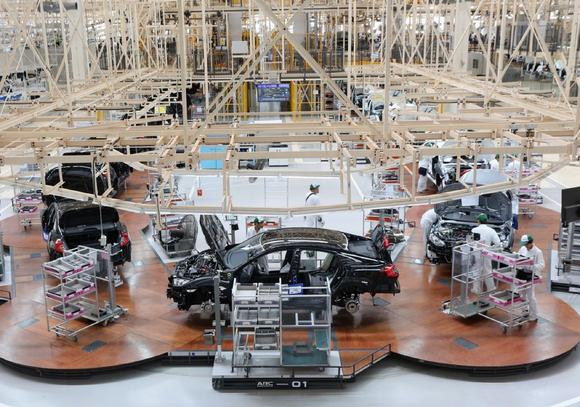
    In a bid to make its cars more attainable, Honda Cars India has tied up with TranzLease to offer ‘Smart EMI’ auto finance solutions to its customers. The company will be leasing its cars via TranzLease and offer customized EMI packages that not only include the cost of the vehicle but also registration, insurance and maintenance requirements of the car during the financing period. The company says that Smart EMIs are much lower than the standard EMIs that customers opt for via the standard banking network. Customers will have the option to lease the car or return it at the end of the tenure or retain the car by paying the balance amount to the company. In addition, Smart EMI guarantees a high resale value on the vehicle.

    Speaking about the innovative auto finance solution, Rajesh Goel, Senior Vice President and Director, Marketing & Sales, Honda Cars India Ltd said, “Honda is committed to providing innovative ownership solutions with evolving customer preferences. The first of its kind SMART EMI option now makes it easier and convenient for the consumer to enjoy the Honda range of cars in a unique financing option.”

    Anindya Chakraborty, MD & CEO, TranzLease said, “In today’s age where consumers want a car but uneasy about the associated hassles, risks, cost of ownership, Smart EMI comes as a solution that allows the love of car without the chaos – Smart EMI blends the best features of auto loan, auto lease and subscription model to create a true fit for the Indian car buyer.”

    Initially, the service will be offered to customers in Delhi-NCR and Mumbai and will be later made available in Bengaluru, Pune, Hyderabad and Chennai. The Smart EMI plan can be availed at any of the Honda dealerships in the cities, and based on the response it will be rolled out pan India at a later stage. Post-delivery of the car, Smart EMI will have a personalized car portal for customers to manage the entire car life-cycle during the leasing period.

    Smart EMI also provides protection from risk arising out of insurance tariff fluctuations, unforeseen maintenance costs and fluctuation in the resale value of cars. While the payment solution is innovative for cars, Bangalore-based start-up OTO Capital introduced something similar earlier this year that promise 30 percent lower EMIs when on a vehicle when compared to that from a bank. Much like TranzLease, OTO too offers the option for complete ownership or to return the vehicle at the end of the tenure.

  • Short-term leasing could be a long-term trend in Hanoi, HCMC

    Short-term leasing could be a long-term trend in Hanoi, HCMC

    Thanh’s apartments in Ho Chi Minh City have been behaving like hotels for more than a year now.

    Individuals and groups of tourists stay at his serviced apartments for a few days before they leave for another destination in the country, and the apartment is open almost immediately for new guests.

    Thanh, who did not want his surname revealed, has invested in three apartments in HCMC, and all of them can be booked by anyone on Airbnb, an online service that connects tourists with hosts offering accommodation in a room, or rooms, or an apartment or villa, typically for short stays.

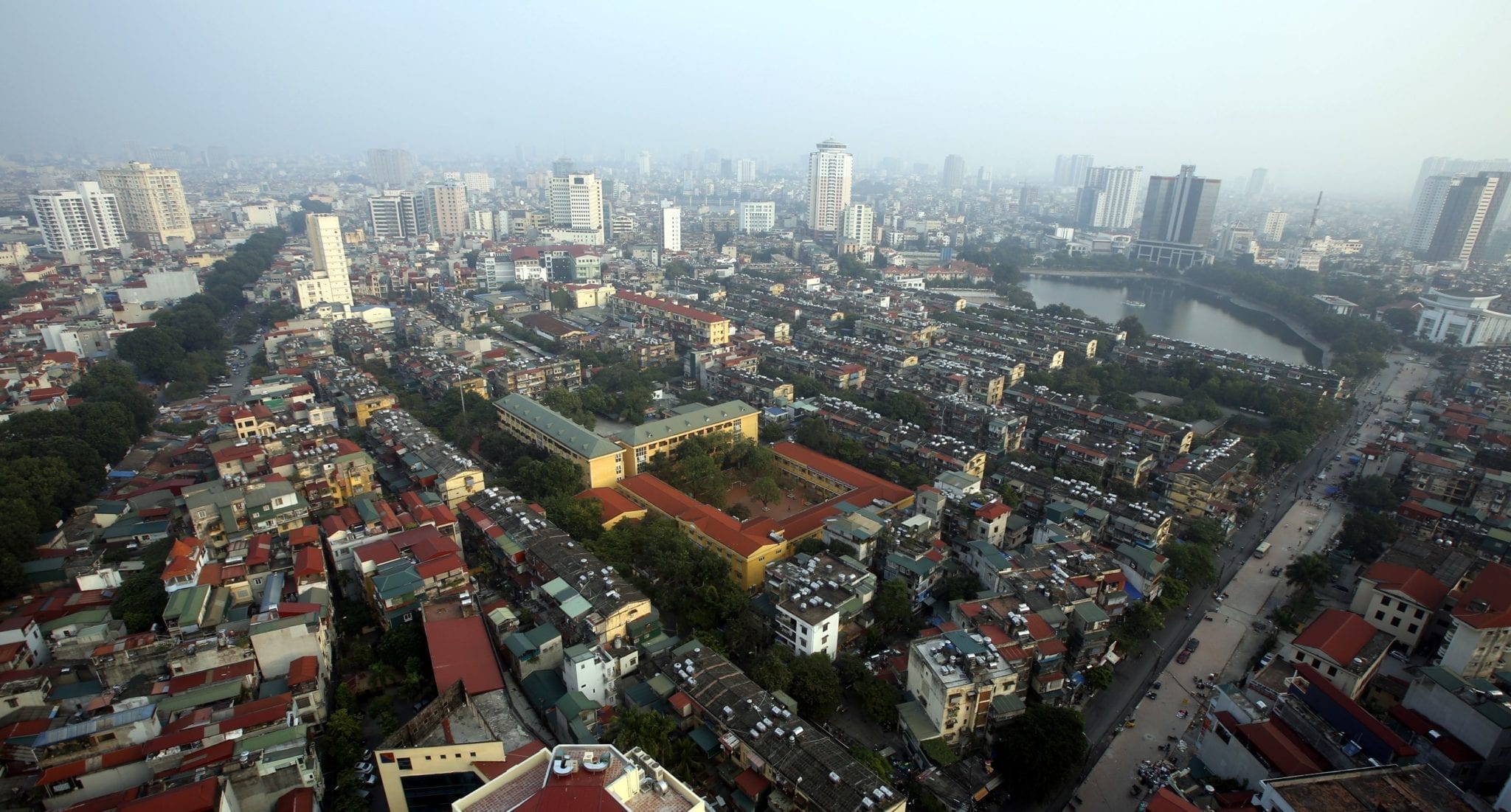
    The large supply of apartments in major cities like Hanoi and Ho Chi Minh City has spurred investors who have spotted an opportunity to earn higher incomes through short-term leases rather than long-term rental contracts.

    In addition, the driving force shifting consumer attention to Airbnb in Vietnam is a willingness to experience something new and affordable when it comes to rented accommodation, said accounting and consulting firm Grant Thornton.

    According to a Nielsen report, 76 percent of respondents in Vietnam like using shared products or services, compared to 66 percent of consumers globally.

    The total number of Airbnb listings in Vietnam has surged exponentially since the service was officially launched in Vietnam in 2015.

    There were only 6,500 listings in 2016, but last year, this rose almost 2.5 times to 16,000, according to accounting and consulting firm Grant Thornton.

    The apartment rental market has changed remarkably in the last 12-18 months, with more owners moving from traditional rental services to listing their apartments on Airbnb or similar online housing services, said Tran Anh Khoa, a renting agent in HCMC.

    This transition is happening as owners realize short-term rentals can earn 15-20 percent higher revenues than long-term leases, Khoa said.

    A 50-square-meter serviced apartment in HCMC’s District 2 can earn its owner $700-800 a month in a long-term contract, but this revenue can go up to $1,000 a month if it is leased short-term with an occupancy rate of 80 percent a month, he said.

    Apartment owners like this model, especially real estate speculators who want to earn money while waiting to sell their apartments, Khoa added.

    “This way, owners don’t get tangled in contractual obligations with tenants when they want to sell the apartment,” he noted.

    Growing trend

    Airbnb and similar services are favored by single or small groups of guests as they offer cheaper prices compared to a hotel room or a fully-serviced apartment, said Stephen Wyatt, country head of real estate firm Jones Lang LaSalle Vietnam.

    The supply of apartments in Vietnam has been growing in recent years, especially in HCMC, with an additional 129,000 apartments coming on line by 2020, according to real estate service provider Savills Vietnam.

    The “oversupply” will likely lower the profitability of long-term rental apartments, Wyatt said.

    So short-term leasing of these apartments is a positive trend as their sales show signs of slowing down, he added.

    Pham Thi Thanh Huyen entered the apartment-sharing business a year ago to earn extra income apart from her office job.

    The 24-year-old paid a total of VND400 million ($17,200) to do up the interiors of two apartments in Hanoi which she rents for VND6 million each a month.

    One of her apartments has had an occupancy rate of almost 100 percent every month, and the other, over 70 percent. Together, she earns a net profit of VND10 million a month by subletting them for short periods.

    She was confident: “If your apartment is in a good location, it won’t be long before guests start to pour in.”

    In 2017, Vietnam welcomed nearly 13 million international visitors. In the first half of 2018, the number was nearly 7.9 million, a 27 percent increase over the same period last year, according to VNAT.

    Tourism is expected to contribute 10 percent to Vietnam’s gross domestic product by 2020 when the country hopes to welcome up to 20 million foreign visitors and earn $35 billion in tourism revenues. Vietnam has set a target of receiving 15-17 million foreign arrivals this year.

  • South Korean group in advanced talks to buy into AirAsia leasing unit

    South Korean group in advanced talks to buy into AirAsia leasing unit

    A little-known South Korean group is in advanced talks to acquire a stake in AirAsia Bhd’s aircraft leasing unit, according to three people familiar with the matter.

    Two of the people said a deal would value AirAsia’s fully-owned unit, Asia Aviation Capital, at roughly $900 million.

    Privately-owned KOTAM, or Korea Transportation Asset Management, has been picked as the preferred bidder, the people said, with one adding that state lender Korea Development Bank (KDB) was tapped to provide funding, though it was not clear whether the bank had agreed to back the deal.

    Philippines AirAsia CEO Dexter Comendador (3rd from left), Clark International Airport Corporation (CIAC) President-CEO Alexander Cauguiran (4th from left), and Central Luzon Regional Tourism Director Ronaldo Tiotuico (2nd from right) are flanked by flight attendants during the send-off ceremony for the inaugural flight of AirAsia from the Clark International Airport (CRK) to Kalibo in Aklan, one of the routes to the world-famous Boracay. A total of 146 passengers took the inaugural flight going to Kalibo. The Kalibo flight arrives at 1:10 p.m. and departs from the Clark airport at 1:35 p.m. every Mondays, Tuesdays, and Wednesdays.

    Philippines AirAsia CEO Dexter Comendador (3rd from left), Clark International Airport Corporation (CIAC) President-CEO Alexander Cauguiran (4th from left), and Central Luzon Regional Tourism Director Ronaldo Tiotuico (2nd from right) are flanked by flight attendants during the send-off ceremony for the inaugural flight of AirAsia from the Clark International Airport (CRK) to Kalibo in Aklan, one of the routes to the world-famous Boracay. A total of 146 passengers took the inaugural flight going to Kalibo. The Kalibo flight arrives at 1:10 p.m. and departs from the Clark airport at 1:35 p.m. every Mondays, Tuesdays, and Wednesdays.

    KOTAM is part of Kukje Maritime Investment Corp., known as KMarin, which was founded in 2005 and has a fleet of 46 ships, according to its website.

    KOTAM, KDB and AirAsia did not have immediate comment.

    A successful deal would mark South Korea’s biggest move into the $256-billion global aircraft leasing sector, which has attracted others in Asia, including Industrial and Commercial Bank of China, BOC Aviation, China’s acquisitive HNA Group, and Japanese banks.

    KOTAM and AirAsia are negotiating final terms of the purchase of a majority stake in the leasing unit, one of the sources said. Asia’s biggest budget airline has sought buyers for its subsidiary since last year, and has said it aimed to close a sale early this year.

    A deal with KOTAM could still fall through, and two sources said that Air -Asia has not closed the door to a deal with a Chinese bidder.

    The sources declined to be identified as the negotiations are ongoing and confidential.

    South Korean insurers, asset managers and securities firms are attracted to aviation finance as aircraft leases offer fixed returns and are often seen as relatively safe transactions.

    Paid for in US dollars, aircraft are comparatively easy to release to various airline operators across the world.

    Reuters reported in December that AirAsia had received strong interest from North Asian firms, besides many Chinese companies.

    One of the sources said AirAsia was becoming concerned about Chinese buyers’ ability to close a deal due to China’s recent measures to tighten controls on money moving out of the country.

  • StarHub launches device leasing service for SMEs

    StarHub launches device leasing service for SMEs

    StarHub has launched a new service that provides SMEs with the devices, software and technical support necessary to meet their IT needs at a monthly flat fee.

    The “device subscription service” was designed to help SMEs seeking to make a successful start quickly, raise productivity with an IT upgrade, or scale up operations by adding employees.

    StarHub has partnered HP to provide desktop and notebook PCs, as well as print devices for the new Device Subscription Service.

    SMEs can choose from a variety of price plans to access the right combination of devices that best address their needs over 24 or 36 months. All new and existing StarHub Business Fibre Broadband or Business Mobile customers can enjoy a limited-time offer of S$15 ($10.60) monthly savings for every Device Subscription Service plan subscribed.

    After this discount, the Office User plan charges S$43.00 per month for the use of an HP desktop while the Mobile User plan, priced at S$48.00 per month provides access to an HP notebook. A printing plan can also be selected for S$22 or S$35.00 per month depending on device.

    SME customers can subscribe to Device Subscription Service on top of StarHub’s Smart Office Suite, to enjoy a bundle consisting of fiber broadband, mobile connectivity, office phone service, and related hardware, software and IT support.

    All HP devices from Device Subscription Service will come pre-installed with Windows 10 Pro, McAfee internet security software and the option to subscribe to business productivity tool, Office 365, allowing customers to start sending emails and enjoying protection from cyber malware right from the point they turn on the devices, alleviating the hassle of purchasing and installing the software separately themselves.

    Device Subscription Service provides a dedicated technical helpdesk as well as next business day, on-site technical support for devices. This will also save customers the hassle of sending faulty devices to a service center for repair, allowing them to fully focus on their core business.

    “Rising business costs and hiring difficulty remain top concerns among local SMEs. With Device Subscription Service, StarHub can help SMEs manage these challenges effectively by lowering upfront IT investment as well as taking away the complexity of maintaining an IT team,” StarHub vice president of enterprise solutions, services and delivery Sebastian Tan said.

    “As the IT spending is incurred as a monthly expense rather than an upfront capital investment, SMEs will be able to better allocate resources towards growing their core business.”

  • CAT to cut network leasing rates by 10%

    CAT to cut network leasing rates by 10%

    Thai state-owned operator CAT Telecom will cut its wholesale 850-MHz network leasing prices by 10% to help the companies using the network under an MVNO model improve profit margins.

    CAT plans to implement the price cuts by the end of the year, citing comments from president Col Sanpachai Huvanandana.

    Several MVNOs had asked CAT to lower its rates to help reduce operating costs and help MVNOs struggling to compete stay above water.

    But Sanpachai insisted that the rates are not too high, and that it is instead competitive pressures and low ARPUs that are leaving MVNOs finding it difficult to compete.

    CAT currently has five companies providing 3G services on the operator’s 850-MHz network – TrueMove subsidiary Real Move, Samart i-Mobile, Penguin operating unit the White Space, 168 Communication and Data CDMA.

    According to the report, Samart i-Mobile recently returned 300,000 mobile numbers to save rates on numbering fees after determining that the company can not profitably provide services due to a high network leasing cost. Thai mobile operators pay a fee of 1 baht ($0.029) per month per mobile number.

  • PTCL signs fiber leasing deal with Zong

    PTCL signs fiber leasing deal with Zong

    Pakistan’s largest operator PTCL has secured a fiber leasing agreement with China Mobile’s Pakistani mobile unit Zong.

    Under the agreement, PTCL will deploy 789 kilometers of fiber for Zong’s mobile network.

    The fiber leasing agreement will also allow Zong to utilize PTCL’s nationwide fiber footprint, which will help the operator further expand its 3G and 4G networks nationwide.

    PTCL and Zong signed a memorandum of understanding in December last year which declared PTCL as Zong’s preferred partner for infrastructure and technical expertise. PTCL has meanwhile been making efforts to position itself as the “carrier of carriers,” the report states.

    Zong is Pakistan’s third largest mobile operator by subscribers with a market share of around 19% as of late 2014. China Mobile first entered the Pakistani market in 2008 by acquiring an operating license from Millicom, and holds a 100% stake in Zong Pakistan.