Tag: leather goods

  • China Economic Slowdown Weighs on LVMH Luxury Fashion Business

    China Economic Slowdown Weighs on LVMH Luxury Fashion Business

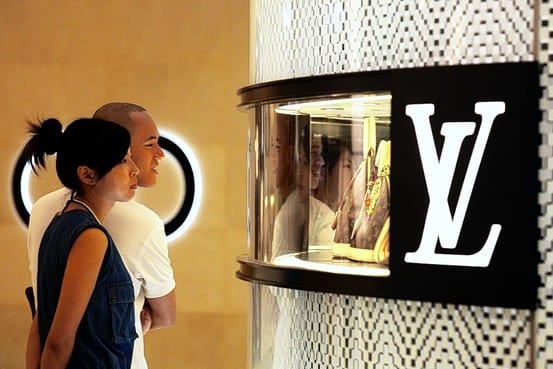
    A broader economic slowdown in China has started weighing on LVMH’s core luxury fashion operations across key Asian retail hubs. Weak consumer confidence in the mainland market is curbing discretionary purchases for top-tier apparel and leather goods.

    Shoppers across tier-one Chinese cities are pulling back on aspirational luxury purchases, hitting store footfall and transaction values. The pullback directly affects revenue momentum across flagship fashion houses within the French conglomerate’s portfolio.

    Slowing Momentum in Mainland Stores

    Department stores and high-end shopping complexes in Shanghai and Beijing report softer traffic among local buyers. Domestic consumers who previously drove double-digit retail gains are deferring non-essential purchases or turning toward alternative spending categories.

    Footfall declines have spread into secondary luxury corridors where premium labels expanded floor space over recent years. Landlords operating high-end properties now face slower turnover across fashion and accessories concessions.

    Regional Shifts in Luxury Spending

    Part of the slowdown reflects Chinese travelers shifting luxury purchases abroad rather than buying in domestic boutiques. Currency differences in markets like Japan continue to divert transaction volume away from mainland counters.

    This spending diversion complicates inventory management for regional operators who stocked high volumes across Chinese city flagships. Operators must balance localized retail expenses against shifting consumer travel flows across East Asia.

    Pressure Across Fashion and Leather Portfolios

    Fashion and leather goods represent the largest profit engine for luxury conglomerates operating in Asia. When demand softens in mainland China, the impact spreads rapidly across broader regional wholesale and retail networks.

    Rival European luxury houses face identical headwinds as middle-class consumers reassess discretionary budgets. Price increases implemented over previous quarters have also met increased resistance from domestic buyers seeking value retention.

    Next Steps for Asian Retail Networks

    Luxury groups are reviewing capital spending on new boutique openings across Greater China. Attention is turning toward clienteling programs and exclusive VIP experiences to retain high-net-worth shoppers while mass-affluent spending remains subdued.

    Retail property owners and brand managers will track consumer footfall data through upcoming holiday travel seasons to gauge whether promotional initiatives can stabilize store volumes across the region.
  • Furla Opens 75Sqm Boutique at the Venetian Macao

    Furla Opens 75Sqm Boutique at the Venetian Macao

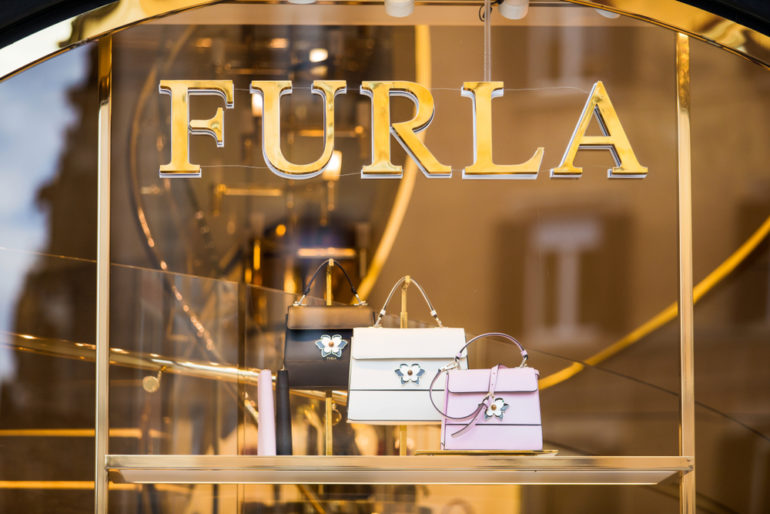
    Italian accessories brand Furla has opened a boutique at Shoppes at The Venetian Macao in September 2026, adding more than 75 square metres of retail space to its Asia-Pacific network.

    It carries the brand’s full range of handbags, small leather goods, eyewear, textiles and charms under an updated store format.

    Modular Layout and Interior Fit-Out

    Inside, the boutique features dedicated product zones and a magnetic display wall for seasonal arrivals. The setup lets staff reconfigure floor layouts without structural work.

    Italian materials anchor the interior, mixing natural oak and painted metal with lacquered surfaces, tiles and light gold accents. A palette of ivory, latte, white, grey, burgundy and aqua green runs across the display fixtures and perimeter shelving.

    Casino Footfall and Regional Push

    Casino mall retail relies heavily on mainland tourist traffic. Leases demand steady transaction velocity from transient shoppers rather than local repeat footfall. In this corridor, premium leather goods makers face direct competition from heritage luxury houses upstairs and accessible fashion labels fighting for discretionary travel spend.

    A compact 75-square-metre footprint keeps operating costs down while the brand tests product turnover along high-density casino walkways. Success at The Venetian will depend on converting foot traffic during peak holiday windows when mainland visitor volumes surge.

    Greater Bay Footprint

    Founded in Bologna in 1927, the company expanded its retail presence earlier in the year with a refreshed store format in Hong Kong. That rollout introduced lighter fixtures and revised zoning across urban locations.

    The Macao opening extends that format across the Pearl River Delta, where retail performance tracks incoming visitor arrivals alongside cross-border ferry and bridge volume.

  • Loewe Opens Largest Japan Flagship in Tokyo’s Ginza District

    Loewe Opens Largest Japan Flagship in Tokyo’s Ginza District

    Loewe has opened CASA LOEWE Ginza in Tokyo. It is the brand’s largest flagship in Japan and its second-largest retail footprint worldwide.

    Located at the intersection of Chuo-dori and Miyuki-dori in Tokyo’s luxury district, the street-level store lands as the Spanish fashion house marks its 180th anniversary. The opening anchors its retail presence in Japan’s resilient high-end consumer market.

    Suna Fujita Collaboration and Exclusive Ranges

    Inside, the flagship features an exclusive collaboration with Kyoto ceramic studio Suna Fujita. The studio produced designs specifically for the Tokyo location. Those artworks appear on the signature Hammock bag, a shearling coat, and a jacket detailed with cherry blossom motifs.

    Alongside the bespoke launch pieces, the store secured an advance pre-release of the wider Loewe and Suna Fujita collection. That lineup includes reworked versions of the Amazona and Basket bags. Dedicated floor displays show small leather goods, charms, and accessories.

    Luxury Brands Cement Prime Ginza Real Estate

    Securing corner plots along Chuo-dori remains a core strategy for European luxury labels competing for tourist spending and domestic shoppers in Japan. Following flagship rollouts in Shanghai and Seoul, Loewe’s expanded presence shows top-tier brands still view Tokyo street retail as essential for long-term brand equity in North Asia.

    Doors are now open to the public. Retail traffic around Ginza’s prime intersections will test full-year footfall targets across the brand’s expanded footprint in the months ahead.