Retail News CRM

Tag: leather

  • Jaguar Land Rover Trials World-First Digital Supply Chain For Leather

    Jaguar Land Rover Trials World-First Digital Supply Chain For Leather

    Jaguar Land Rover has trialed the use of secure blockchain technology to ensure full transparency within a sustainable leather supply chain. In a world-first, Jaguar Land Rover partnered with supply chain traceability provider Circular, leading UK leather manufacturer Bridge of Weir Leather Company and the University of Nottingham to trial the use of traceability technology in the leather supply chain. As well as tracking compliance, the digital process enabled Jaguar Land Rover to assess the carbon footprint of its leather supply network, working with UK-based Bridge of Weir Leather Company to trace its lowest carbon leather from farm to the finished article – all part of Jaguar Land Rover’s commitment to reducing the environmental and ethical impact of its products across their lifecycle.

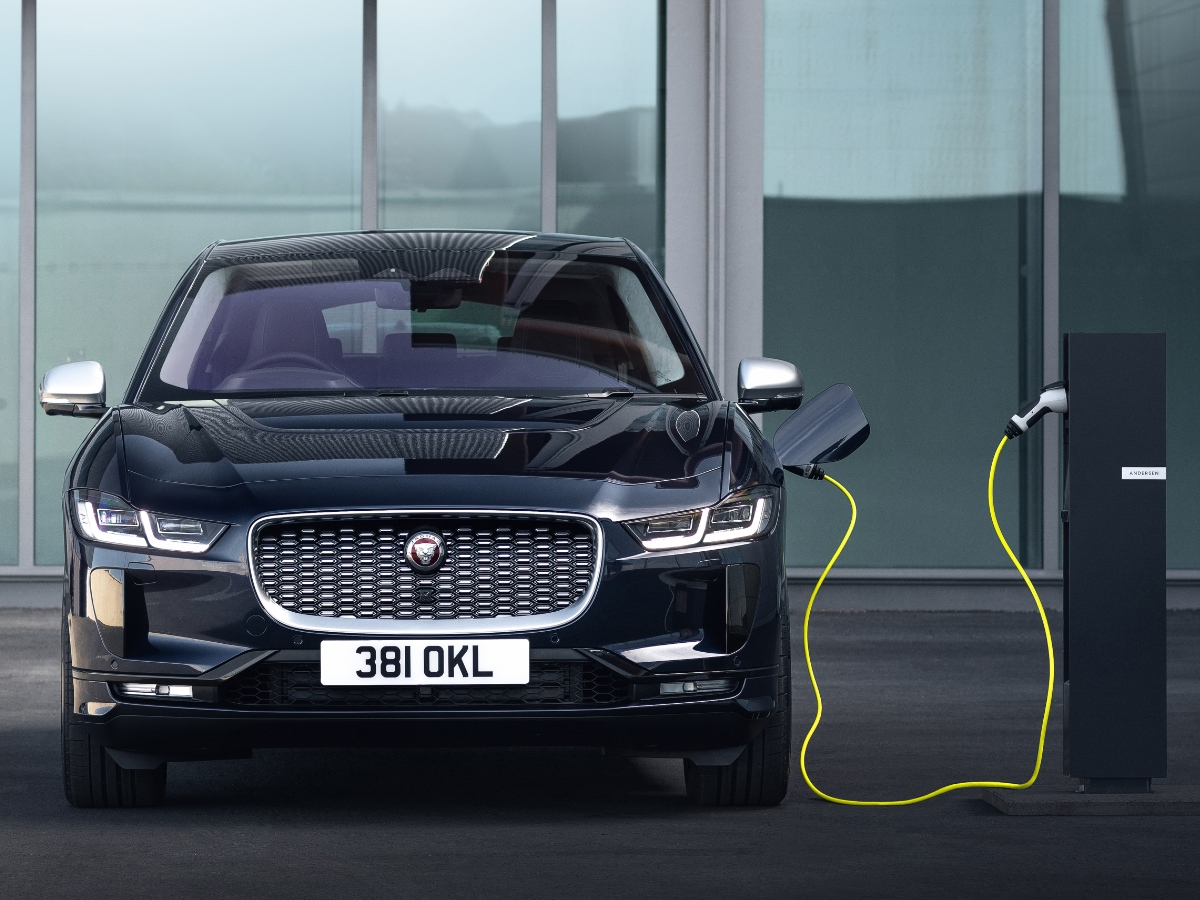
    Jaguar Land Rover is committed to offering customers more sustainable and responsible material choices for their vehicle interiors, such as the premium natural fibre Eucalyptus textile interior available on Range Rover Evoque, and Kvadrat – a refined high-quality wool blend textile that’s paired with a suede cloth made from 53 recycled plastic bottles per vehicle – available on Evoque, Range Rover Velar and Jaguar’s all-electric I-Pace

    As part of the Innovate UK-funded research, a ‘digital twin’ of the raw material was created, allowing its progress to be tracked through the leather supply chain simultaneously in the real world and digitally. A combination of GPS data, biometrics and QR codes was used to digitally verify the movement of leather at every step of the process using blockchain technology.

    Defining the verification process has created a repeatable blueprint for tracing a single piece of leather at every stage. It can be used across Jaguar Land Rover’s global supply chain and by other industries that rely on leather, such as fashion and footwear.

    The project is part of Jaguar Land Rover’s Reimagine strategy: a sustainability-rich combination of modern luxury, unique customer experiences, and positive societal impact.

    Reimagine aims to achieve net zero carbon emissions across its supply chain, products and operations by 2039. Jaguar Land Rover will work with industry experts to improve sustainability, reduce emissions and collaborate on next-generation technology, data and software development leadership.

    Dave Owen, Jaguar Land Rover Executive Director of Supply Chain, said: “We are currently restructuring our supply chain as part of Reimagine, with a focus on transparency and sustainability. The outcome from this world-first trial will allow us to further improve the sustainability of the leather supply chain around the globe, ensuring the complete traceability of raw materials from origin to vehicle.

    Through InMotion, its venture capital and mobility services arm, Jaguar Land Rover previously announced an investment in Circulor, allowing the company to source premium materials with greater transparency as to the provenance, welfare, and compliance of suppliers throughout its networks.

    The technology could be deployed to trace other commodities. Circulor is already using blockchain to improve the traceability of minerals used for electric vehicle batteries. Blockchain technology is impossible to modify or tamper with, giving customers greater confidence that the sustainable supply chain is authentic, and all materials have been sustainably sourced.
  • Harley-Davidson To Follow Used-Car Model To Woo Young Riders

    Harley-Davidson To Follow Used-Car Model To Woo Young Riders

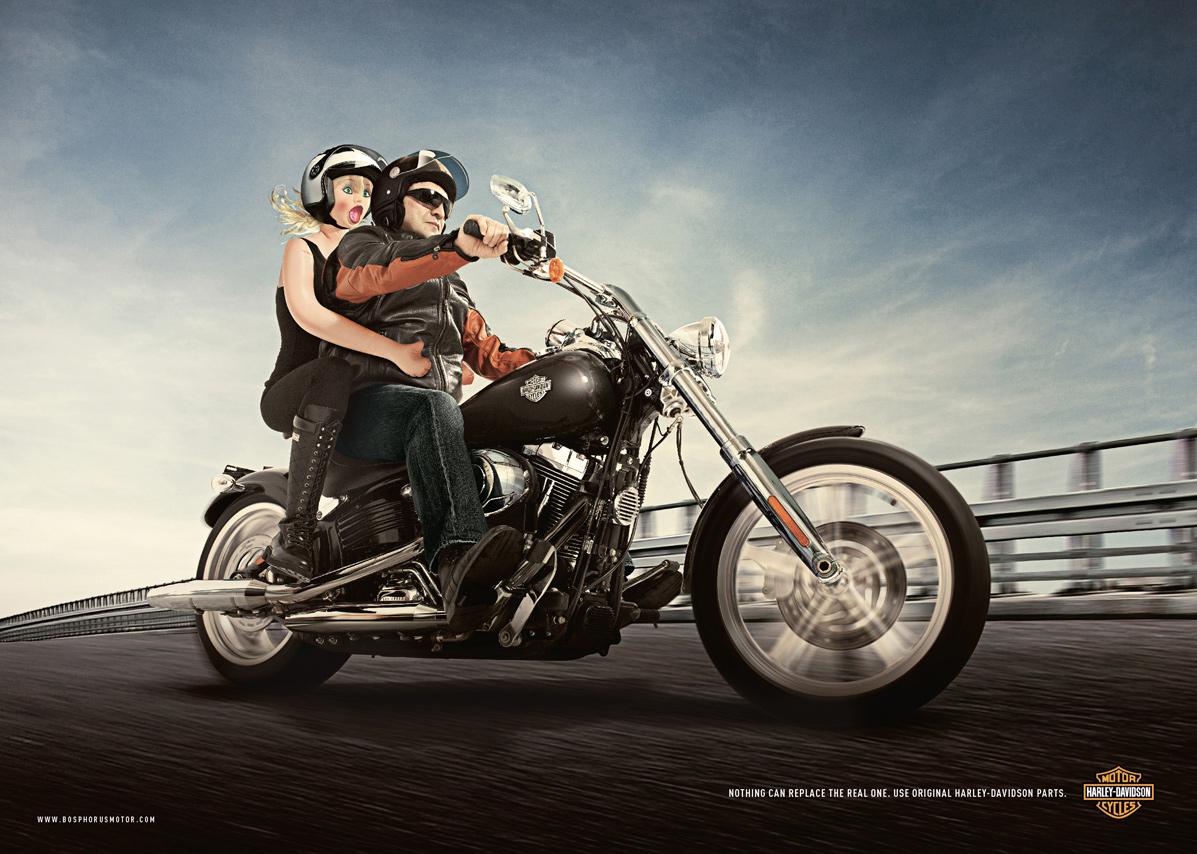
    Harley-Davidson is looking to increase focus on the used motorcycle market in the United States, in the brand’s latest efforts to increase customer base. And to do this, Harley-Davidson plans to roll out a certified pre-owned bike program, known as H-D Certified, to position well-tended bikes as a substitute for entry-level models.

    The strategy is similar to what carmakers have been following to position well-maintained used vehicles as a substitute for low-margin, “entry-level” new models. The used bikes program is part of a new five-year turnaround strategy outlined by new Harley-Davidson CEO Jochen Zeitz, part of the latest efforts to expand the brand’s appeal beyond middle-aged and affluent riders.

    The 118-year-old American brand has been steadily losing market share in the brand’s domestic US market amid declining retail sales for six years. Harley-Davidson’s latest five-year plan has been dubbed “The Hardwire” and under the new plan, Harley is following a “70-20-10” structure, with 70 percent of its efforts going to the core business, 20 percent into expansion into new segments that offer clear potential for more profit, and 10 percent for testing ideas for long-term growth, including plans for smaller displacement models in new markets, like in China, with the Qianjiang Group, and in India, with Hero MotoCorp.

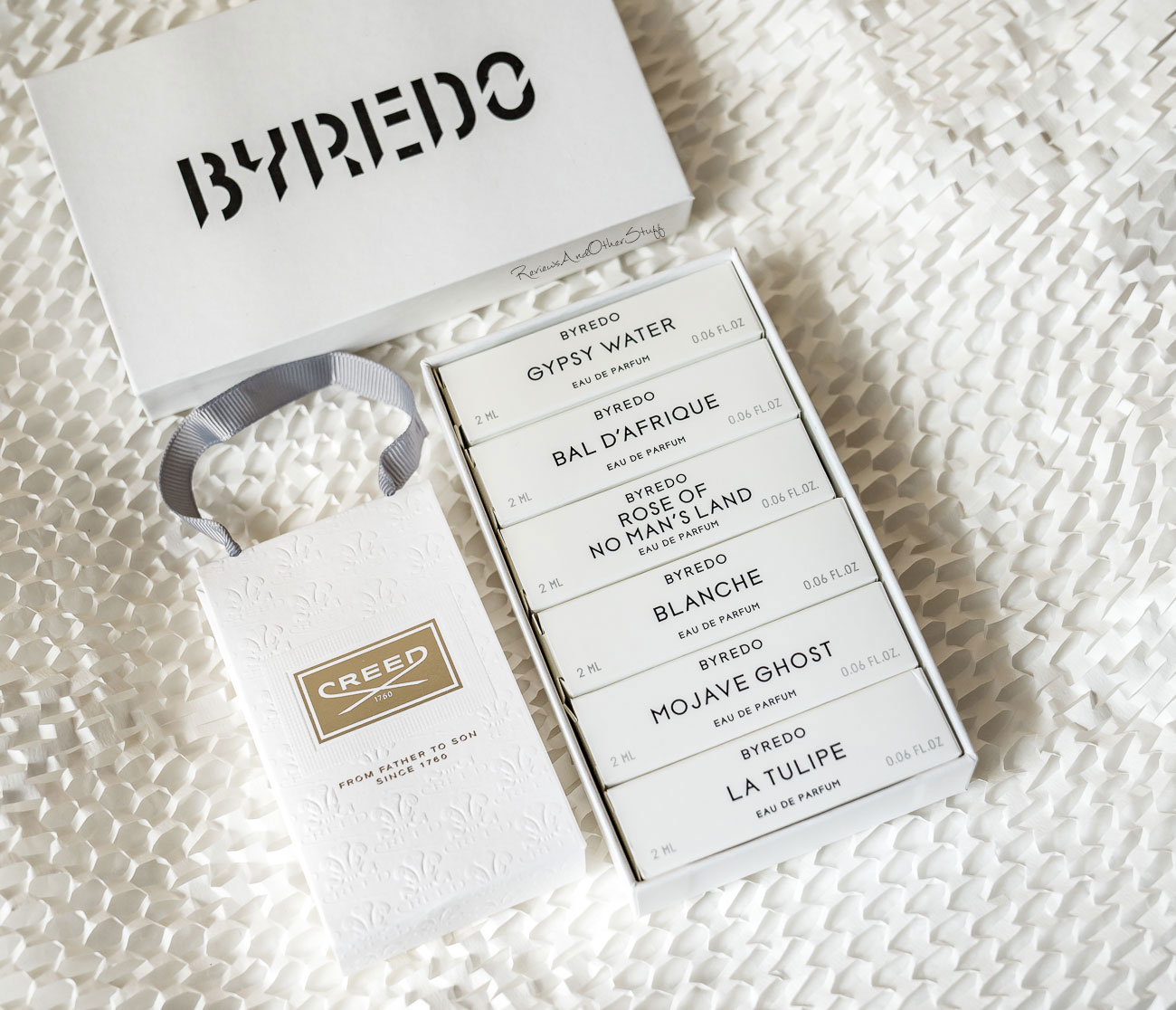
  • Byredo opening Singapore flagship store

    Byredo opening Singapore flagship store

    Swedish luxury brand Byredo has opened its first flagship store in Singapore.

    Located in Ngee Ann City shopping center, the store offers a wide range of fragrances, leather goods, and accessories.

    The store facade features a gray concrete wall with the brand logo highlighted by white lights. The interior design creates a modern and futuristic vibe by using elements such as metal shelves and metal-framed mirrors. The storehouses three displays in orange, standing out from the plain gray background and carpet.

    Besides launching its first boutique in Singapore, the brand is to launch its first beauty line with makeup artist Isamaya Ffrench next month. The line will include eyeshadow, eyeliner, mascara, lip balm, and lipstick.

    Founded in 2006 by Ben Gorham, Byredo is known for its fragrances, leather goods, and accessories.

  • MCM Philippines opens first store, at SM Mall of Asia

    MCM Philippines opens first store, at SM Mall of Asia

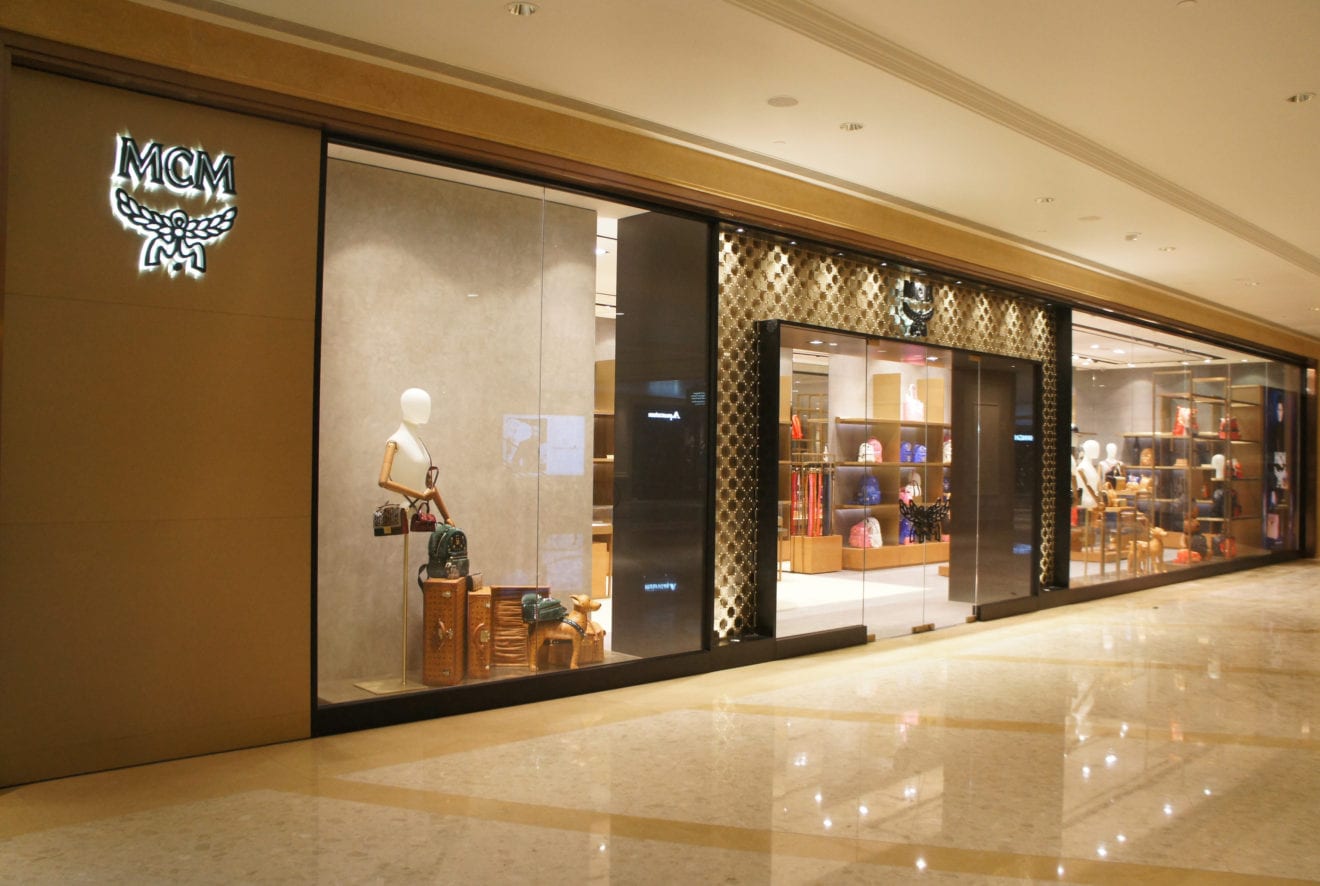
    The first MCM Philippines store has opened its doors, at the giant Mall of Asia complex in Metro Manila.

    The German luxury leather accessories brand MCM Worldwide store is located inside the Luxe Duty-Free precinct in the mall.

    The MCM Philippines boutique offers leather handbags, luggage and accessories and the store open featuring the Spring/Summer 2020 collection.

    Vicente Pelagio Angala , COO, Duty-Free Philippines Corp (DFPC) said the opening of MCM complements the DFPC’s aim to always be the first Philippine retail brand to bring new luxury labels to the market.

    MCM Worldwide is a leather luxury goods brand founded by Michael Cromer in 1976. The brand’s signature logo-printed material, called Cognac Visetos is being showcased on some of the products. It has a brass plate insignia that can be found on all the heritage collection bags and most of its products.

    In 2005, the company was acquired by Sungjoo Group, a South Korean retail business founded by Kim Sung-joo.

    Kim re-launched the brand in 2006 with a new store in Berlin and currently has 650 stores worldwide including in Hong Kong, New York, Toronto, Paris, London, Singapore, Tokyo, China and the Middle East.

  • Malaysia’s Leather Avenue to expand across Asia

    Malaysia’s Leather Avenue to expand across Asia

    Malaysian leather goods and bags retailer Leather Avenue is planning a complete store redesign across its more than 30 outlets in Malaysia before it starts expanding across Asia.

    The new retail concept is currently on show at the firm’s 3000sqft “La Galleria” flagship located in The Curve, which opened last September. The store design is intended to give customers an experience akin to looking at pieces of art in an interactive gallery, inviting the viewer to not only see the product, but to touch and smell the leather. The immersive experience is designed to allow customers to observe the quality of the products first-hand, offering a retail experience distinct from online shopping.

    “We want to ensure Malaysians have access to premium quality leather goods, bags, and accessories without having to splurge on high-street brands,” said Leather Avenue executive director Stanny Chan. “Malaysians are typically not as brand conscious as other Asian consumers and are practical when it comes to purchasing leather goods that complement their fashion tastes without compromising on quality. That is precisely what we want our customers to experience premium quality fashion accessories.”

    While only one “La Galleria” store is currently in operation, the brand is intending to open more in the next two to three years. The firm currently has plans to expand into prime locations and stores to showcase more products.

    While expansion within Malaysia remains the company’s current trajectory, Chan told Inside Retail Asia in an exclusive interview that he sees the potential to take its ideas abroad. The firm hopes to expand regionally over the next two to three years, including to Singapore and Indonesia, before moving into Thailand, Vietnam and the Philippines later on.

    Leather Avenue is concurrently expanding its owned brands – Charles Berkeley and Lushberry – overseas, where they are now available in China, Dubai, Italy, the UK, Japan, and several other countries.

    Chan says Leather Avenue is predominantly a retail company, and as a retailer, the challenge is to stay relevant.

    “This has been especially difficult in the age of e-commerce, where not only are you competing with other retail stores, but with online brands as well.

    “I believe you have to be agile, changing with the times and market rather than sticking to one business formula,” he said. “We previously focused solely on luggage and travel products, but we learned that our sales were not at the optimal level, so we expanded our line to include more lifestyle products. We are currently looking to reach out to a younger audience and attract them with products that are more funky and colorful, with modern and fashionable designs.”

    The main brands under Leather Avenue’s umbrella include Charles Berkeley, Esfolar, Cerruti 1881, Mendoza, The Bridge and Valentino Creations. The firm is also licensed to develop the Charles Berkeley and Esfolar brands in the territory.

    “This means that we have a free reign to design new products that cater to the local market,” said Chan. “With this type of license agreement, we have more control over the margins, product mix and brand positioning in the local market.”

    Leather Avenue is a family-owned company founded in 2010.

  • Hong Kong leather label Rabeanco opens its fifth store in Singapore

    Hong Kong leather label Rabeanco opens its fifth store in Singapore

    Hong Kong leather specialist brand Rabeanco has opened a new flagship store at Changi Jewel, its fifth store in Singapore.

    The new store features a selection of travel convertible bags which can be used as both backpack and shoulder bags. Rabeanco also offers a full range of leather footwear crafted in premium leather including mules, slingbacks, and heels.

    “We design our products for women who are constantly on the go and in need of highly functional yet chic designer leather products,” says Rabeanco’s spokesperson. “We are one of the first brands to introduce premium light-weight leather. This way, women can look stylish without feeling the weight on their shoulders.”

    The price of leather footwear products range from SG$180-330.

    Founded in 1992, Rabeanco operates more than 30 outlets across four markets including Singapore, Hong Kong, Macau and China.

  • Furla Hong Kong opens new boutique at Peak Galleria

    Furla Hong Kong opens new boutique at Peak Galleria

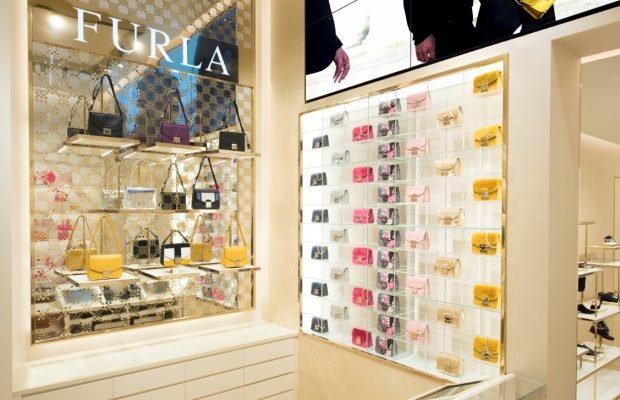
    Furla in Hong Kong has opened a new boutique at the Peak Galleria.

    The 67sqm store takes a prominent position on the first floor of one of Hong Kong’s top tourist destinations, sporting an updated look with Italian marble flooring, timber veneer wall finishes, and furniture in Champagne gold and matte finishes.

    The boutique carries an extensive range of handbags, small leather goods and other accessories from the brand’s women’s collection.

    “Peak Galleria is one of the most renowned tourist destinations in Hong Kong,” says Furla Group CEO Alberto Camerlengo, “and we are pleased to expand the brand’s footprint in this prime location with a modern and sophisticated store design that continues to offer our customers an essentially Italian shopping experience within a refined setting”.

    To celebrate the opening, Furla has launched an exclusive version of its Furla Mimi bag in vegetable-tanned leather in a limited edition of 20 pieces at the store.

  • Leather bag sales decline due to Activewear Offerings

    Leather bag sales decline due to Activewear Offerings

    For the second year in a row, leather bag sales have declined and nylon and other fabric options are now driving significant growth for the US women’s bag market, according to retail tracking service The NPD Group.

    According to the group’s analysis, the same casual athleisure wear trend that continues to drive growth in the active apparel and sport leisure footwear markets is starting to influence women’s fashion accessories.

    While leather still accounted for more than half of dollar sales in the women’s bag market as of the 12 months ending March this year, its decline accounted for 60 per cent of the category’s falling sales. Vinyl accounted for 20 per cent of market and 30 per cent of the declining sales.

    Much smaller in terms of overall sales, nylon, polyester, and cotton options accounted for just 11 per cent of all women’s bag dollar sales, but accounted for almost 90 per cent of the growth this past year.

    “Today, fashion is as much about comfort as it is about personal style, and that is carrying over into the way consumers are accessorising,” said The NPD Group fashion footwear and accessories industry analyst Beth Goldstein. “Women’s bags in new silhouettes and new materials are driving the industry forward.”

    Traditional leather silhouettes, such as shoulder bags, cross-body bags, totes, shoppers, and satchels, are all contributing to leather bag declines. These styles account for 90 per cent of total women’s leather bag sales by value, and drove as large a share of the losses during the year to March. The smaller, fast-growing categories of fanny/waist packs and fashion backpacks remain strong, as does leather in the designer space – but designer non-leather/non-vinyl alternatives grew at a faster rate and generated almost as many incremental dollars as did leather.

    Both established and emerging brands are promoting nylon and other alternative materials, such as “vegan leather”, neoprene and recycled options that may be lighter in weight and easier to clean than leather items. These options can appeal to a consumer looking for day-to-day practicality, as well as those looking for sustainable purchases.

    “New leather goods are facing competition from a multitude of angles – from the casualisation of today’s styles to the emphasis on sustainability, and a changing retail market that is helping to extend the life of pre-owned leather products,” said Goldstein.

    “At the same time, the recent focus on alternative materials and new styles signals opportunity for the fashion accessories market – the opportunity to capture the consumer’s attention again.”

  • Reebok to launch Aztrek pop-up in Singapore

    Reebok to launch Aztrek pop-up in Singapore

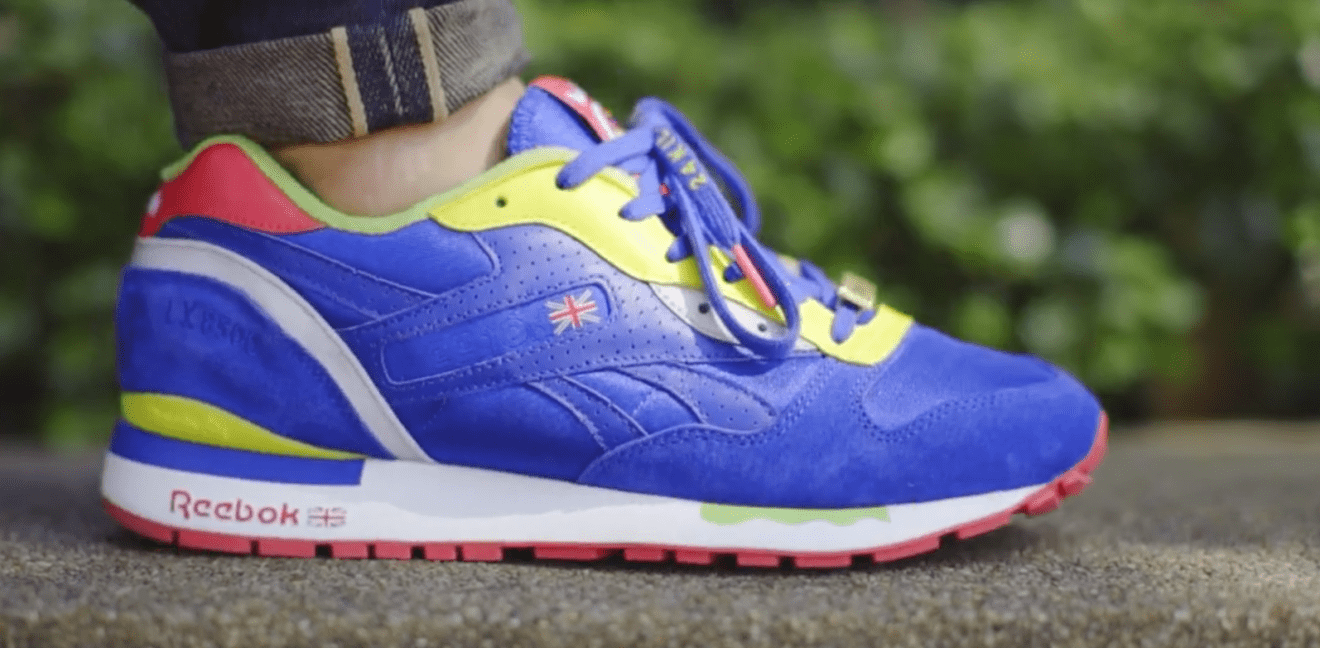
    Reebok will launch a Aztrek pop-up store at Suntec City next month.

    Set to open from May 1 to 7, the pop up brings the retro Aztrek line back with ‘90s-inspired colours and designs, along with cult-classic arcade games and Instagram-worthy corners.

    Visitors will get free token to play arcade games such as Tetris, Mario Kart, Mortal Kombat, Space Invaders, Pacman and Street Fighters, with every purchase.

    Other Reebok Classic favorites such as the Instapump Fury, Club C, Classic Nylon, Pyro and Classic Leather Alter The Icons will also be available at the pop up.

    There will be a photo contest for participants to share their pictures on their Instagram stories with the hashtags #Aztrek, #ReebokClassic and #ReebokSG and tag Reebok’s Instagram handle @Reebok_Sg.

    Originally launched as an all-terrain shoe in 1993, the Aztrek is designed for wearing on mountains.

    This year, the Aztrek returns with three silhouettes including a collaboration with supermodel, Gigi Hadid, called Aztrek Double x Gigi Hadid.

  • Leather brand Kompanero to expand in Europe

    Leather brand Kompanero to expand in Europe

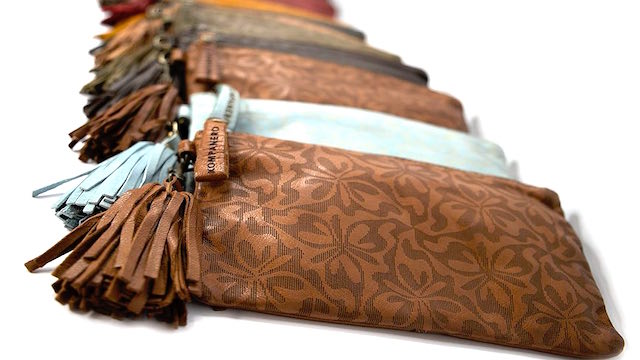
    India’s premium leather bag brand Kompanero plans to open 100 outlets by 2025. The company will open four stores, raising its network to 34, this year. “With four new stores in the pipeline, we are expanding our presence in existing cities with Express Avenue Mall in Chennai and Sarath City Mall in Hyderabad,” said Indranath Sengupta, Kompanero CEO. “In addition, the brand’s airport presence is being strengthened with our newly launched store at Guwahati Airport and Chandigarh Airport, and an upcoming one at Chennai Domestic Airport.”

    The brand is also entering Europe this year with its exclusive stores; however, the exact location of the first store has yet to be revealed.

    The company’s turnover has grown by 60 per cent within the last year.

    Kompanero products are available in Australia, the UK, Japan, and Korea via distribution networks as well as e-commerce portals including Amazon, Myntra and Jabong.

  • Chanel to stop using exotic skin in its collection

    Chanel to stop using exotic skin in its collection

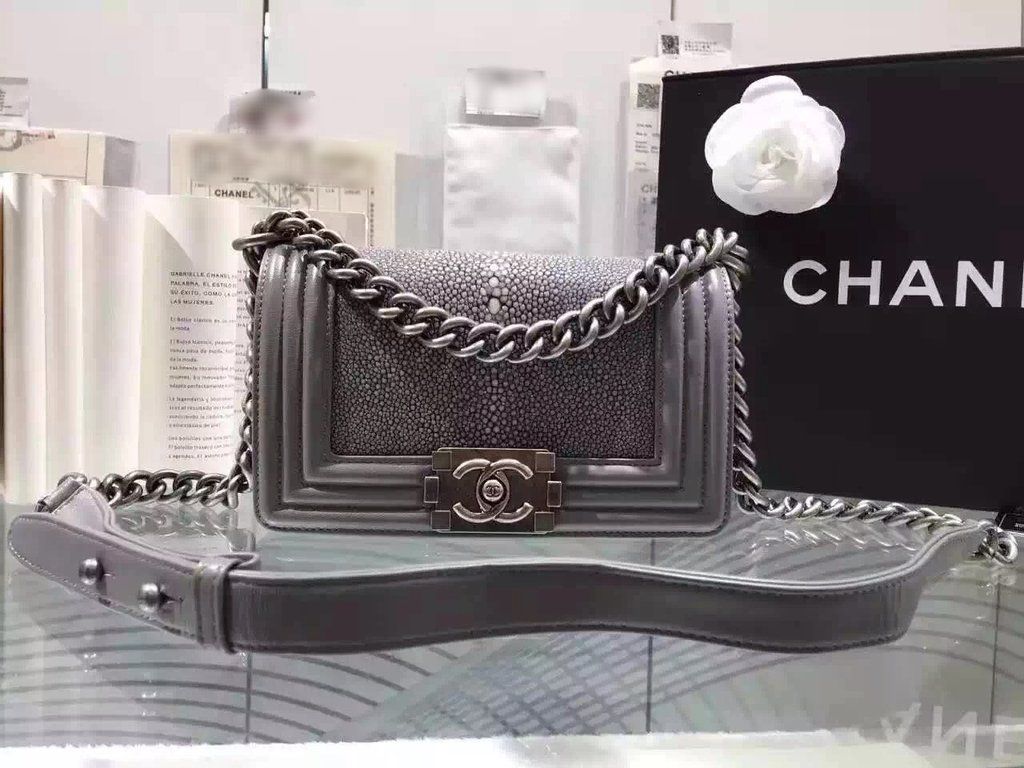
    Ahead of its pre-fall 2019 Métiers d’Art show in New York’s Metropolitan Museum of Art, Chanel has said it will “no longer use exotic skins in [its] future creations”. The exotic skins in question include crocodile, lizard, snake, stingray and fur, of which Chanel uses very little.

    The decision is down to the fact it is becoming increasingly difficult to source skins that meet the house’s quality and ethical standards. “There is a problem of supply and that was not Chanel’s business anyway,” Bruno Pavlovsky, president of Chanel fashion and president of Chanel SAS, commented. “We did it because it’s in the air, but it’s not an air people imposed to us. It’s a free choice.”

    The brand’s attention will shift to the research and development of materials and leathers generated by “agri-food” industries.

    “The future of high-end products will come from the know-how of what our atelier is able to do,” Pavlovsky continued. It will, however, take time for existing goods containing exotic skins to leave Chanel’s distribution network entirely.

    Chanel is the first luxury brand to join labels, including Asos, Nike, H&M, Puma, Arcadia Group and L Brands, which have already banned exotic skins from their product offering.

    The likes of Armani, Coach, Versace, Michael Kors, Gucci, Burberry and John Galliano have pledged to halt the use of fur, however, they have not made the leap to include skins in their entirety.

  • Luxury footwear label A.Testoni bought by Hong Kongese group Sitoy

    Luxury footwear label A.Testoni bought by Hong Kongese group Sitoy

    Hong Kong leather goods manufacturer Sitoy Group has acquired Italian luxury brand A.Testoni. Sitoy’s investment allows A.Testoni to maintain its brand identity and maximise on its artisanal heritage in a long-term strategy to drive the brand’s ongoing development.

    Sitoy’s chairman Michael Yeung Wah Keung said: “We are very pleased to welcome A.Testoni as a part of the Sitoy Group and work together to realise the full potential of the brand. As we celebrate our 50th anniversary this year, the acquisition marks an important milestone in the transformation of our retail and brand management business into a global dimension.”

    CEO of A.Testoni Bruno Fantechi said the acquisition comes after many years of fruitful partnership in Mainland China, where Sitoy has been a key partner in developing the brand’s distribution.

    “It recognises the inherent value in the brand’s unique levels of quality, craftsmanship and innovation which will drive significant future growth and development.”

  • Burberry agrees to buy Italian leather business

    Burberry agrees to buy Italian leather business

    Burberry says it has entered into an agreement to acquire a luxury leather-goods business from longstanding Italian partner CF&P.

    CF&P employees, including the craftsmen who have worked with the British luxury fashion house for more than a decade, will transfer to the company once the transaction is complete, expected late this year.

    “This acquisition is a major milestone for us and a statement of our ambition in this strategically important category,” says CEO Marco Gobbetti. “It will create a centre of excellence for Burberry’s leather goods, covering all activities from prototyping, product innovation, engineering and the co-ordination of production.”

  • Paragon flagship for Tod’s Singapore

    Paragon flagship for Tod’s Singapore

    While known for its classic Gommino driving shoes, Tod’s introduces more accessories at its new flagship, featuring a limited-edition Wave backpack.

    Covering 190sqm, the boutique has high-gloss ceilings, freestanding handbag rails, marbled flooring and features a concept exhibition space.

    Centre stage this season is the Surf collection, a range of shoes and accessories inspired by the sun, sea, sand and laidback style of Malibu, California. Exclusive to the store, the Wave backpack is available in metallic gold or silver, with contrasting multicoloured or rich-gold studs.

  • Da Milano eyes an increased revenue with adding 150 new stores

    Da Milano eyes an increased revenue with adding 150 new stores

    High-end leather products retailer Da Milano is eyeing Rs 300 crore turnover and plans to open 150 new outlets across the country for its three brands in three years.

    “We are looking at a turnover of Rs 300 crore by fiscal 2020-21. We will grow our business through our network of retail stores and focus on customer loyalty and satisfaction,” Da Milano Managing Director Sahil Malik told.

    Da Milano expects to close the current fiscal year with a turnover of Rs 200 crore.

    The company currently operates 70 stores in India and six abroad. It is also looking at expanding its overseas operations and plans to open stores in Singapore and London by next fiscal.

    Da Milano recently opened its new store in Dubai.

    “We expect overseas operations to contribute to our turnover in a big way. We are an affordable luxury leather brand and the price points at which offer our products makes the brand attractive,” Malik said.

    Da Milano sells three brands — Da Milano, Rosso Brunello and Wooba.

    “We plan to open 150 stores across our three brands in three years time,” he added.