Tag: lei jun

  • Xiaomi Enters China Range-Extended SUV Market with Sky Nomad from 209,900 Yuan

    Xiaomi Enters China Range-Extended SUV Market with Sky Nomad from 209,900 Yuan

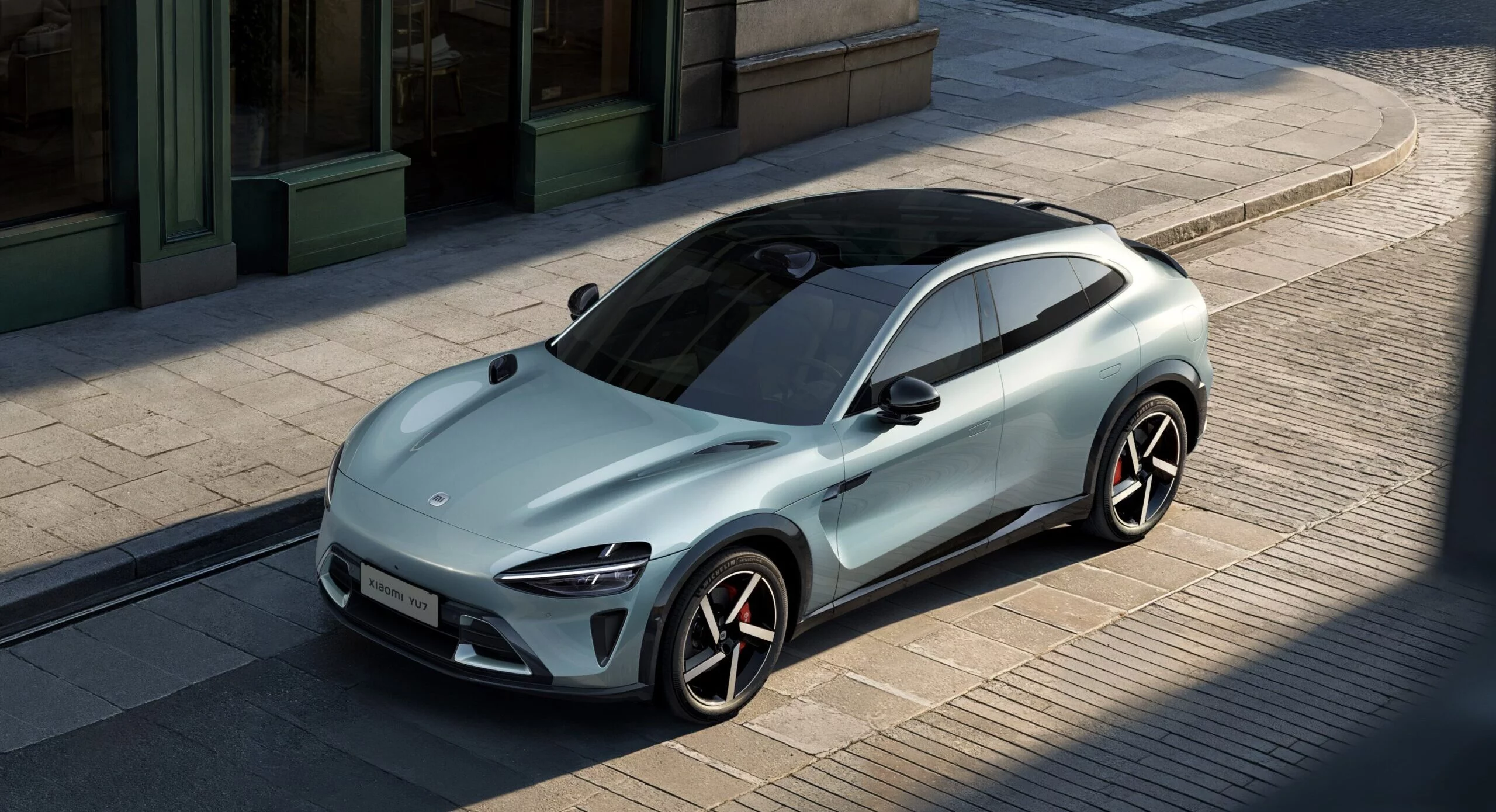
    Xiaomi launched its Sky Nomad sport utility vehicle series in China with a starting price of 209,900 yuan. It is the company’s first commercial entry into extended-range electric vehicles. The lineup adds hybrid powertrains to a catalogue previously limited to pure battery models.

    Four new sport utility variants give the Beijing-based company a way to eliminate highway range anxiety while keeping entry prices below 210,000 yuan. Deliveries will feed directly into Xiaomi’s target of shipping 550,000 vehicles during 2026.

    Four variants and camping hardware

    Pricing starts with the five-seater N70 Pro at 209,900 yuan, followed by the all-wheel-drive N70 Max at 239,900 yuan. Larger family buyers get the seven-seater N90 Max at 269,900 yuan. An outdoor-focused Explorer version tops the range at 299,900 yuan with a factory-fitted pop-up roof and folding beds.

    Every model pairs an electric drivetrain with a 1.5-litre turbocharged petrol engine. The engine acts purely as an onboard generator. The entry N70 Pro runs a 52 kilowatt-hour lithium iron phosphate battery and a 210 kilowatt front motor. That provides 351 kilometres of pure electric driving and 1,351 kilometres of total range under China Light-Duty Test Cycle standards.

    Higher grades adopt a 76 kilowatt-hour ternary pack and dual motors producing 310 kilowatts. That setup gives the N70 Max up to 505 kilometres of electric range and 1,461 kilometres overall. The larger 5.29-metre N90 Max delivers 464 kilometres on battery power and 1,705 kilometres combined.

    Dragonscale battery and fire replacement pledge

    Power packs across the lineup use Xiaomi’s Dragonscale architecture, developed jointly with Chinese battery manufacturers CALB and Sunwoda. The systems link to cloud-based monitoring and high-voltage cutoff switches. They charge the battery from 20 to 80 per cent in 18 minutes.

    Non-commercial first owners receive lifetime coverage against spontaneous battery combustion. Xiaomi attached the warranty commitment directly to the hardware. It offers a full vehicle replacement if a fire occurs due to a manufacturing defect.

    Compute hardware matches the pricing. All variants install Nvidia Drive Thor processors delivering 700 trillion operations per second, supported by roof-mounted LiDAR sensors. Qualcomm Snapdragon 8 Gen 3 chips run Xiaomi’s HyperOS cockpit software.

    Challenging domestic hybrid heavyweights

    Entering the range-extended market pits Xiaomi straight against Li Auto, Seres Group’s Aito brand, and BYD in China’s family vehicle segment. Pure electric SUVs still face consumer hesitation in northern provinces and lower-tier cities where charging networks thin out during holiday travel.

    Adding combustion generators solves regional infrastructure bottlenecks without redesigning the digital cabin experience. The primary operational risk shifts to supply chain margins. Carrying both high-voltage batteries and internal combustion engines compresses unit profitability unless factory volumes scale rapidly.

    Scaling beyond pure battery platforms

    The launch builds on Xiaomi’s initial automotive rollout, which started with the SU7 electric sedan and continued with the YU7 electric SUV. Those two models carried the brand past 800,000 cumulative deliveries since production began.

    Xiaomi delivered 216,322 vehicles during the first seven months of 2026, up 14.8 per cent from the same period a year earlier. Maintaining that pace requires the Sky Nomad series to capture family trade-ins throughout the fourth quarter, where the company must deliver roughly 333,000 additional units across all model lines to meet its 550,000 full-year target.
  • Xiaomi Launches 18 Fold Smartphone at 10,999 Yuan with Custom Silicon

    Xiaomi Launches 18 Fold Smartphone at 10,999 Yuan with Custom Silicon

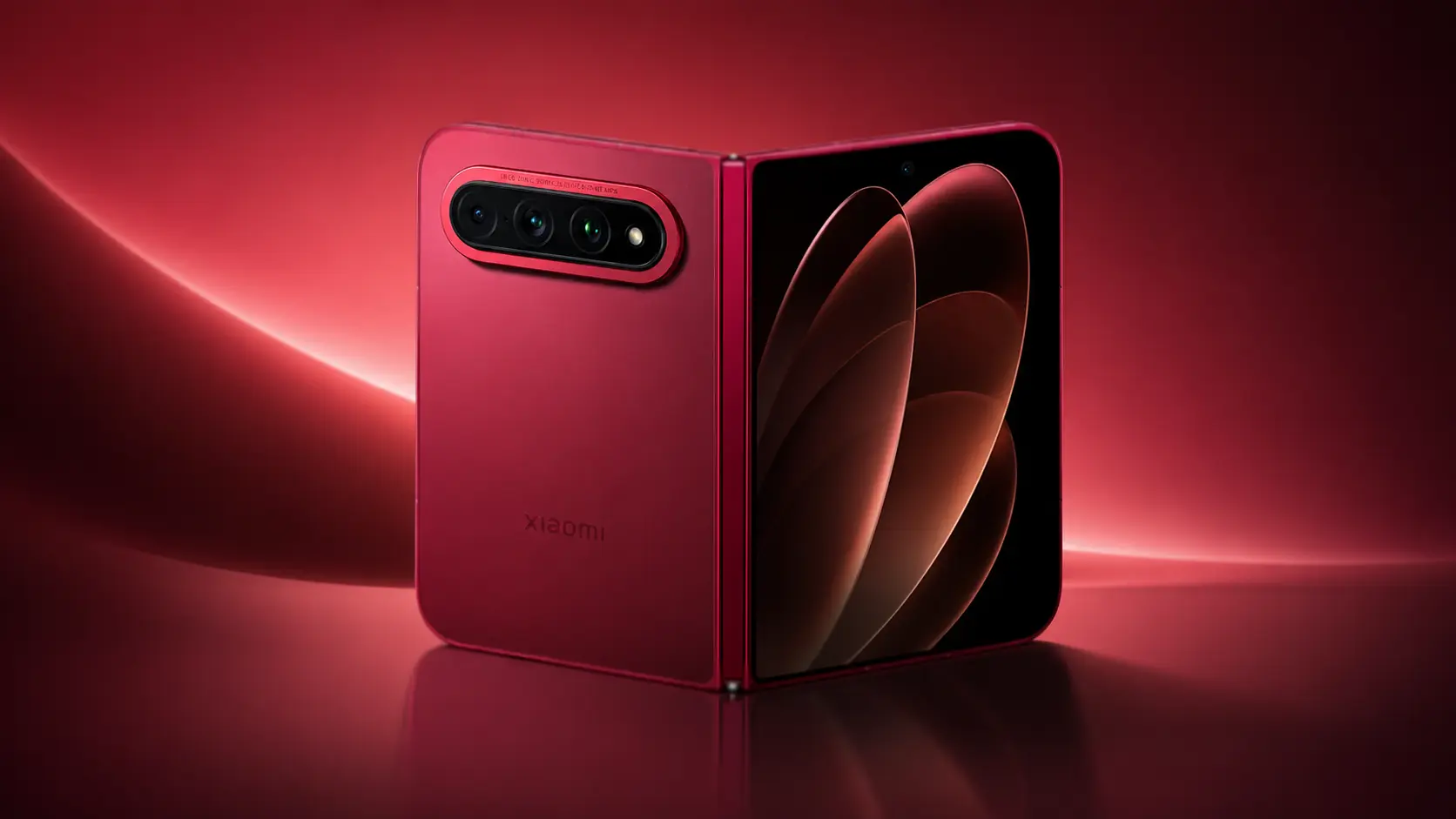
    Xiaomi launched its flagship 18 Fold smartphone in Beijing on Monday, pricing the device from 10,999 yuan (US$1,639) to compete directly with high-end foldables from Huawei and Apple.

    The phone carries Xiaomi’s proprietary Xring O3 processor and LPDDR6 memory from ChangXin Memory Technologies, with sales opening on Thursday at 10am across mainland retail channels.

    Founder and chief executive Lei Jun detailed the hardware specifications at the Beijing presentation. The device includes a 7.58-inch inner display, a reinforced hinge mechanism, an aluminium chassis, and strengthened cover glass. The 24-billion-transistor Xring O3 artificial intelligence processor raises central processor performance by 60 per cent over the prior Xring O1 generation while cutting energy consumption on select workloads by 25 per cent. Lei said Xiaomi has earmarked 50 billion yuan specifically for custom chip development, part of a wider 200 billion yuan research and development budget planned over the next five years.

    Silicon Independence and Electric Vehicle Pricing

    Alongside the phone, Xiaomi rolled out its Pad 9 Pro Max tablet starting at 4,799 yuan, also powered by the Xring O3, and priced its extended-range Skynomad sport utility vehicles. The five-seat N70 Pro SUV starts at 209,900 yuan, while the seven-seat N90 Max begins at 269,900 yuan. Both undercut Tesla’s Model Y L, which retails from 339,000 yuan in China. The extended-range powertrain uses an auxiliary petrol engine to charge the battery pack, delivering a driving range exceeding 1,000 kilometres on a single cycle.

    For consumer tech retailers and premium device vendors across Asia, Xiaomi’s dual offensive in mobile silicon and electric mobility tightens pricing pressure across two categories simultaneously. By pairing domestic memory from CXMT with proprietary processors, the company shields its bill of materials against international component shortages that are squeezing entry-level hardware margins. The aggressive SUV pricing also demonstrates that Xiaomi is treating hardware margins as secondary to ecosystem lock-in, forcing traditional carmakers and handset specialists to defend their retail territory on compressed margins.

    Premium Tier Resists Smartphone Downturn

    The product blitz lands during an intense competitive window in China. Huawei unveiled its Mate XT 2 trifold handset on Monday starting at 19,999 yuan, using its Kirin 9050 Pro processor. Richard Yu Chengdong, chairman of Huawei’s Consumer Business Group, confirmed that Huawei has sold more than 1 million trifold devices worldwide. Meanwhile, Apple is scheduled to present its product line-up on Wednesday in California, where analysts anticipate the launch of a foldable model priced above US$2,000.

    This surge in premium launches contrasts sharply with the broader consumer hardware environment. Counterpoint expects global smartphone shipments to contract 12.4 per cent this year, hit by surging memory costs and lengthening replacement cycles among budget consumers. Premium foldables remain an exception. Counterpoint projects cumulative worldwide foldable shipments will cross 100 million units by year-end, with annual category shipments set to expand 37 per cent in 2027.

    Xiaomi built up to this release after spending 105.5 billion yuan on research and development over the past five years and first previewing the Skynomad vehicle architecture in late July. The group had previously rolled out the first-generation Xring O1 chip last year to test its custom silicon pipeline in select devices.

    Market attention now shifts to Thursday morning retail sell-through figures for the 18 Fold, followed by initial delivery volumes for the Skynomad SUV series ahead of fourth-quarter earnings.