Tag: Lending

  • KoinWorks Indonesia Announces Investment From Quona Capital

    KoinWorks Indonesia Announces Investment From Quona Capital

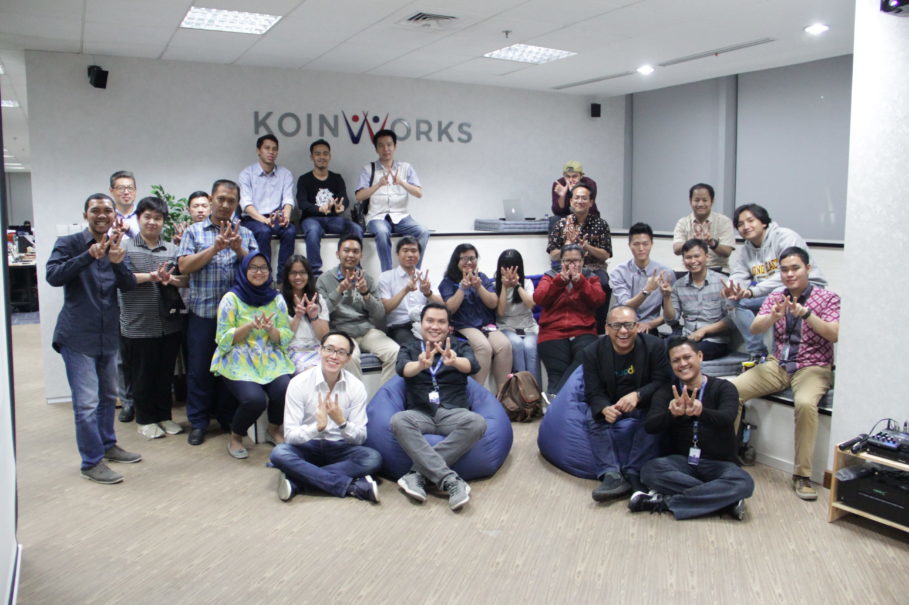
    Indonesian peer-to-peer lending platform KoinWorks said in a statement on Monday that it has received an investment from US-based venture capital firm Quona Capital. “We’re very happy we could collaborate with Quona as one of our investors,” said Benedicto Haryono, chief executive and co-founder of KoinWorks. “With the inclusion of Quona among our line of investors, it will further help develop KoinWorks in becoming a responsible peer-to-peer lending firm and continue to innovate and provide a positive impact for society,” Benedicto added.

    Quona Capital focuses on investment in financial technology companies it deems to have potential in facilitating access to financial products. The Washington-based company provides financial access in various regions, including Latin America, Africa, Britain and Asia.

    KoinWorks said in the statement that the collaboration between itself and Quona Capital is based on a mutual understanding that technology has a strong role in improving quality and access to financial access for those beyond the reach of traditional banks.

    The Jakarta-based fintech company, which has 100,000 investors on its platform, is one of the first fintech companies in the country to have obtained a license from the Financial Services Authority (OJK).

    KoinWorks bridges the gap between investors and investees through its online platform and provides unbanked individuals with access to financial services.

    The company focuses on business and educational loans. It won Bisnis Indonesia’s Most Innovative Fintech of the Year award in 2017.


  • ‘Inevitable’ growth of Vietnam’s consumer lending market attracts newcomers

    ‘Inevitable’ growth of Vietnam’s consumer lending market attracts newcomers

    Early this month, EVN Finance, a subsidiary of national power utility, Vietnam Electricity, launched a consumer lending program called Easy Credit in Ho Chi Minh City. Customers with a monthly minimum income of VND4.5 million ($194) in five southern localities – Ho Chi Minh City, Dong Nai, Binh Duong, Long An and Vung Tau – are eligible to borrow cash from the program.

    Eligible customers can take loans of VND10-90 million ($432-3,882) with payback periods of 6-60 months.

    EVN Finance is one of many finance institutions looking to cash in on the growth in consumer lending, which had a value of over $5 billion at the end of last year, according to the National Financial Supervisory Commission (NFSC).

    SHB Finance and VietCredit Finance Company have also introduced similar credit schemes.

    Some banks and foreign investors have announced plans to set up consumer finance divisions to increase their market shares in the sector.

    Orient Commercial Bank (OCB) is planning to set up a subsidiary with a capital of around VND500 billion ($21.7 million) or acquire an existing finance company in the market.

    In June, SeABank acquired the subsidiary of Vietnam Posts and Telecommunications Group (VNPT), Posts and Telecommunications Finance Company, for VND710 billion ($30.87 million).

    In addition to the Vietnamese banks, foreign investors are also eyeing this market. Early this year, Korea’s Shinhan Financial Group bought Prudential’s consumer finance unit for $151 million.

    Industry insiders say more companies are coming in because of increasing demand in Vietnam for consumer lending services. NFSC statistics show consumer lending surged 50.2 percent and 65 percent in 2016 and 2017, respectively.

    The commission attributed the surge to a high demand for housing, arising from a young population and increasing urbanization.

    Kalidas Ghose, CEO of financial firm FE Credit, said that while consumer lending has developed rapidly in recent years, the market has vast room to grow.

    He said the potential for exploiting the market is still large since consumer lending is an inevitable trend across the globe.

    The share of consumer lending in Vietnam’s total outstanding loans is only about 11.4 percent, while the figure in developed countries is between 40-50 percent, Ghose added.

  • Online lending booms in Vietnam, but lack of regulations

    Online lending booms in Vietnam, but lack of regulations

    It is easy these days to find a site for online lending and borrow quickly with simple procedures. Companies have entered the peer to peer (P2P) online lending realm that directly connects borrowers, whether individuals or companies, with lenders, and get up to 2,000 customers a day, Can Van Luc, chief economist of the state-owned creditor BIDV, said.

    This lending format does not require the involvement of an intermediary. It is flourishing because there are always people who have need for loans or want to lend money, and the rapid growth of technology precludes the need to go through intermediary financial institutions, he said.

    “This model has several strong points, including low cost and quick disbursement time, but the worry is it is easy for investors to make use of it for other purposes. There are many lenders who come to the P2P platform not to find borrowers but to invest in other fields and the relationship between the suppliers of the platform, borrowers and lenders is unclear due to the lack of a legal framework.”

    And because of this, lenders have been using gangs to recover their loans and put up their interest rates much higher than the legal cap set by the State Bank of Vietnam.

    Luc said there is a risk for both borrowers and lenders.

    He said authorities need to create a legal framework for this model soon to meet the strong demand in the market for credit.

    Economist Nguyen Tri Hieu argued authorities should create legal regulations related to contracts, interest rate, fees, and other aspects to avoid problems.

    Nguyen Thi Hong, Deputy Governor of the central bank, told a government meeting early this month that online lending has more or less turned into loan sharking.

    It is a no-go area for the central bank but it would monitor and make recommendations to the government to regulate the market, she said.

  • Funding Societies launches mobile lending app

    Funding Societies launches mobile lending app

    Funding Societies has launched FS Bolt – a mobile application designed to provide flexible working capital loans for Singapore SMEs.

    Complementing the government’s financing programs for SMEs, FS Bolt offers loans with quantum up to S$20,000 ($14,000) for companies incorporated in Singapore.

    Available on both iOS and Android devices, the application process takes two minutes to complete, claims the company.

    An automated credit assessment process enables decision time of two hours and disbursement within 24 hours – making FS Bolt a quick source of working capital loans in Singapore.

    FS Bolt also provides loan tenor flexibility – It charges no fees for early repayment, atypical of financial products in the market. With this feature, borrowers only pay interest while using the funds and are encouraged to repay their loan as soon as their finances permit.

    Addressing the underbanked SME concerns

    SMEs face many hurdles when seeking financing as they often lack credit history, collateral, and sophisticated financial documents required by most loan products. FS Bolt alleviates such issues by offering a credit product specifically targeted to answer SME needs. FS Bolt also incorporates automation and highly intelligent systems to include non-traditional datasets into the firm’s credit assessment processes.

    “Funding Societies’ vision is to help small businesses. Over the last year and a half, borrowers have indicated that they often need funds to tide over short periods of finance-related issues,” said Funding Societies co-founder Kelvin Teo. “The FS Bolt app was created to address these concerns. SME owners get peace of mind from the quick credit decision and they can opt to repay early without charges if they don’t need it anymore.”

    Funding Societies currently also provides bigger, longer-term SME loans and invoice financing services with quantum up to S$1 million. As the firm’s most recent innovation, FS Bolt expands the firm’s offerings and shows Funding Societies’ continued commitment to serve the Singapore SME sector by improving credit availability.

    At the Singapore Budget 2016, the government introduced “SME Working Capital Loans” to support SMEs with financing. The “SME Working Capital Loans” is a loan scheme provided under SPRING, an agency under the Singapore Ministry of Trade and Industry.

  • LANDBANK introduces mobile lending for medicines

    LANDBANK introduces mobile lending for medicines

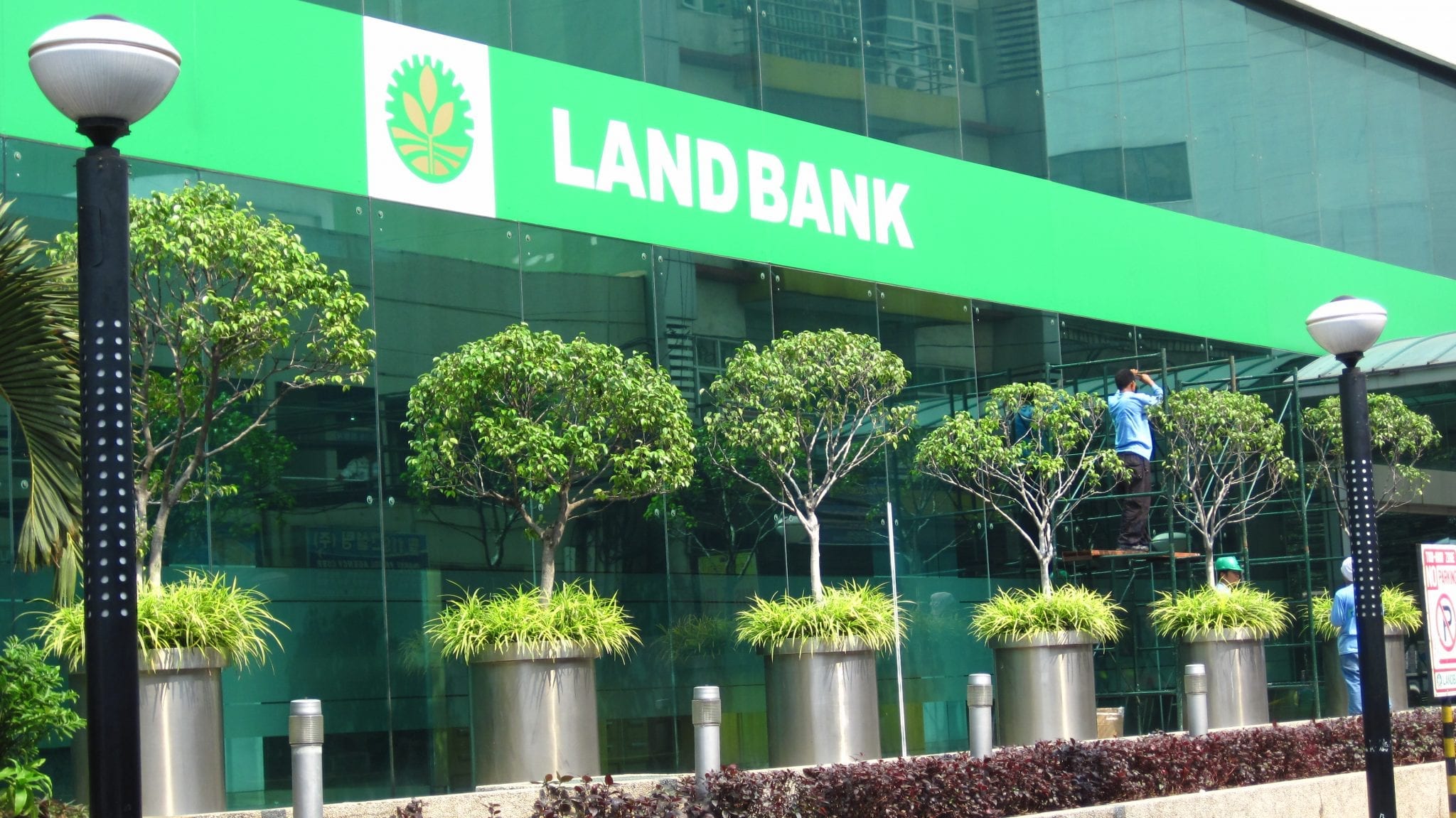
    The Land Bank of the Philippines (LANDBANK) has introduced a new mobile lending program for the purchase of essential drugs.

    LANDBANK, a  government financial institution, has teamed up with branded generic drugs company RiteMed to expand the use of its electronic salary loans program.

    The LANDBANK Mobile Loan Saver (LMLS) launched in September 2014 and has since gained a large following among government employees, farmers and fishers, small and medium enterprises, overseas Filipinos and private sector employees.

    Under LMLS, customers can easily apply for a loan using their mobile phone and get quick credit decision from LANDBANK regarding their application. As of August 2016, total loans released under LMLS amounted to over 12 billion pesos.

    The RiteMed partnership will allow loan borrowers to allocate a portion of their approved net loan proceeds for the purchase of medicines. RiteMed will also make available a range of maintenance medicines at discounted prices.

    Medicines ordered via LMLS will be delivered for free in sealed packs to the concerned government agency or company office where the borrower is employed, within a week from the time of loan approval and release.

    “We understand the financial burden of high medicine costs on many Filipinos, which is why through this initiative, we hope to provide LMLS borrowers with access to affordable and quality medicines. This is yet another showcase of the endless possibilities in terms of financial technology and digital lending, especially as we hope to reach out and provide financial and other services to more Filipinos across the country,” said LANDBANK Officer-in-Charge and Executive Vice President Cecilia C. Borromeo.

    Started as an initiative in response to the Philippine government’s call for private companies to reduce the prices of essential drugs, RiteMed started manufacturing and marketing 20 off-patent, low-cost essential drugs that were 20% to 70% cheaper than their equivalent counterparts in 2002.

    Today, its product has grown to include almost 200 medicines for diabetes, hypertension, high cholesterol, infection, pain, kidney, gastro-intestinal, asthma and allergy, cough and colds and vitamins.

    Vincent Patrick Guerrero, general manager of RiteMed, said in a media statement that the company is optimistic that with the technology behind LMLS and the nationwide network of LANDBANK, they would be able to fulfill the objective of RiteMed to provide access to quality healthcare for all Filipinos.

  • HSBC plans to inject $1 billion into Indonesia business

    HSBC plans to inject $1 billion into Indonesia business

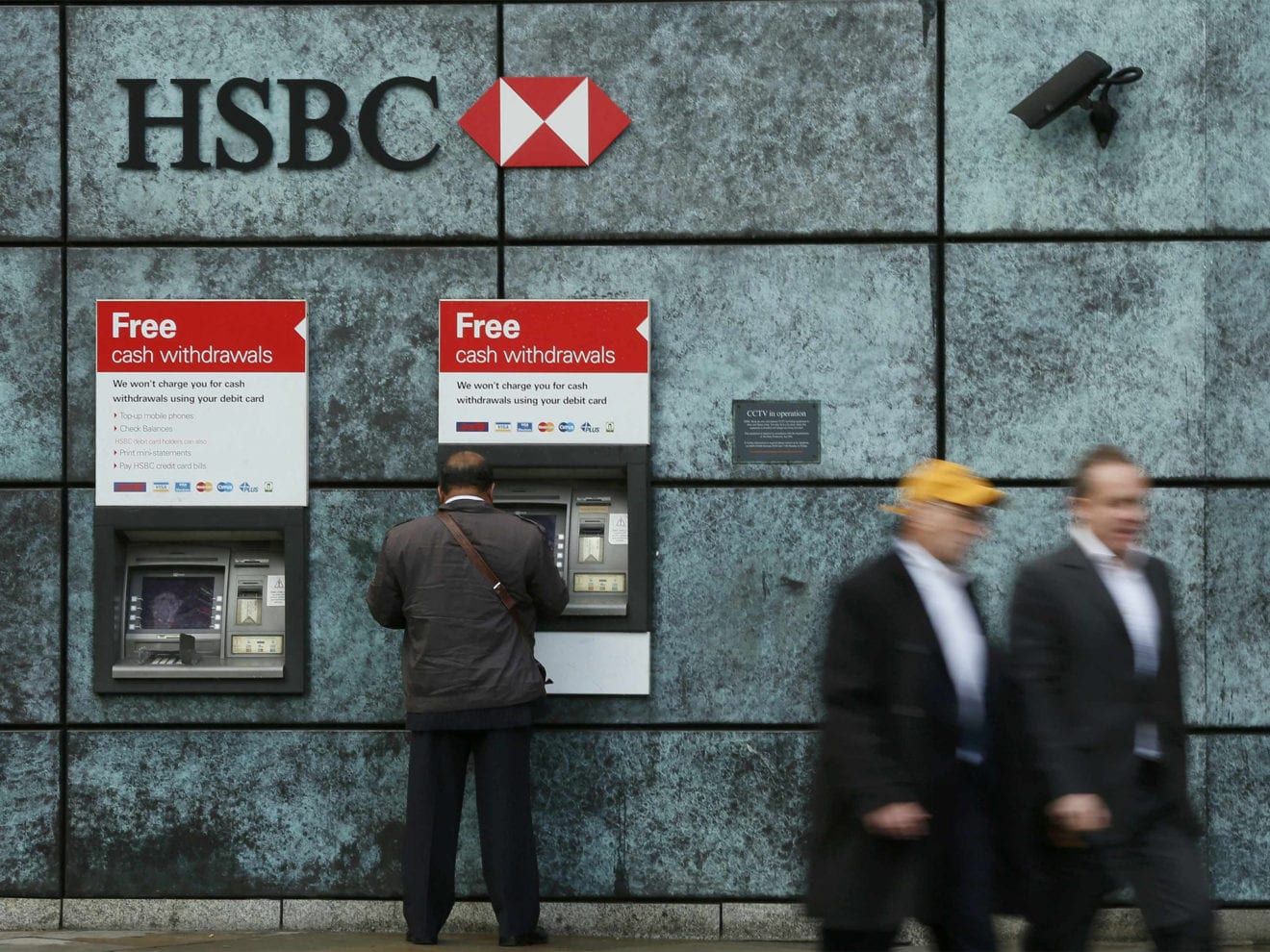
    HSBC plans to inject $1 billion of additional capital into its combined Indonesian business with PT Bank Ekonomi Raharja, an official at the Indonesian financial regulator, Ariastiadi, said on Thursday.

    HSBC separately said it would integrate its Indonesian business with Bank Ekonomi, but a bank spokeswoman in Indonesia declined to comment on the planned capital injection.

    The move would help to resolve a long-running issue for HSBC in Indonesia, where the government has encouraged banks in the country to operate via a single locally incorporated entity.

    Since the 2008/09 global financial crisis, local regulators have encouraged banks in their jurisdictions to incorporate themselves locally in order to make them easier to police and to ring-fence them from external shocks.

    Before the integration, HSBC operated its own branch on top of having a controlling stake in Bank Ekonomi.

    HSBC last year offered to buy out the minority shareholders of Bank Ekonomi and delist the Indonesian lender from the Jakarta stock exchange.

    Under the integration process, all the assets and liabilities of HSBC Indonesia will be transferred to the combined entity, which will be called PT Bank HSBC Indonesia, said HSBC’s Indonesian legal consultant, Kemal Siregar.

    HSBC shares were down 1 percent in London by 0940 GMT, while the benchmark FTSE 100 index () remained flat.