Tag: lens

  • WhatsApp’s upcoming AI feature could be your new Google Lens

    WhatsApp’s upcoming AI feature could be your new Google Lens

    While Meta, the parent company of Facebook, Instagram, and WhatsApp, has been rolling back some of its policies lately, the push for AI seems to be going full steam ahead. The company is focused on making it even easier to access Meta AI, its AI-powered assistant, on Android phones.

    With the release of the latest WhatsApp beta for Android 2.25.1.27 update on the Google Play Store, it’s been discovered that WhatsApp is working on adding a widget for easy access to Meta AI

    It looks like, with an upcoming update, one of the most widely used messaging apps will let you access Meta AI right from your Home Screen. This new widget will be totally optional and will appear alongside other widgets WhatsApp offers.

    Just keep in mind that this feature will only be available to accounts that already have access to AI-powered chats. Since Meta AI is still limited to certain regions and users, not everyone will get this widget right off the bat. For example, it’s unavailable in the EU due to local laws and regulations.
    For those who do have access, though, the widget will make it super easy to start a conversation with Meta AI without needing to open WhatsApp or dig through its menus. It’ll be right there on your Home Screen, ready to go.
    With the widget, you’ll be able to ask questions, get help, or chat with Meta AI however you like. It’ll also include a quick shortcut to snap a photo and send it directly to Meta AI. Once that’s done, you’ll be able to ask the AI to edit the image, explain what’s in it, or answer any questions you might have about the photo.

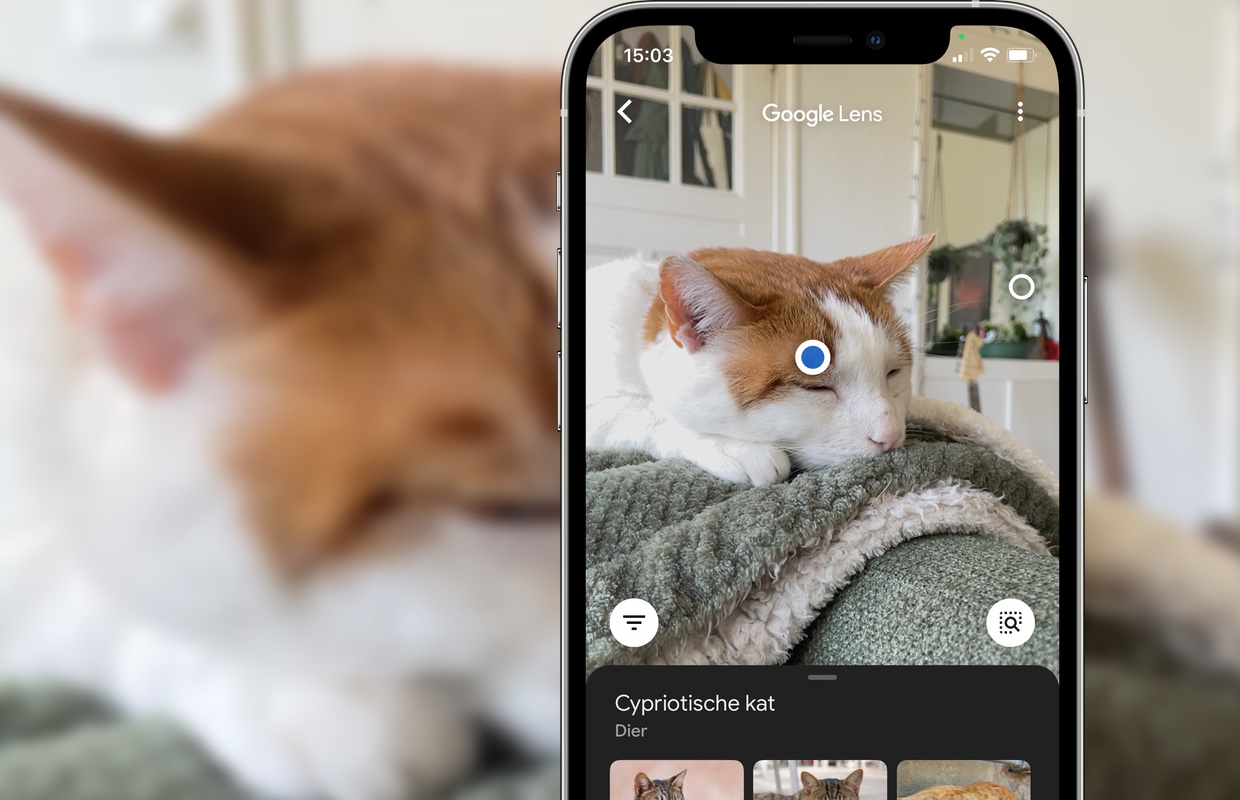
    I think it’s kind of like how Google Lens works, offering more details about what’s in the image. However, WhatsApp’s feature is still in the works and will be rolled out in a future update.

    In other WhatsApp updates, the app could soon introduce a simpler, more streamlined way to create groups and communities. On top of that, it’s also working on a new “Chat with us” feature, which will make getting human support faster through its web app.
  • Google Lens will soon let you search an image directly with Google Image Search

    Google Lens will soon let you search an image directly with Google Image Search

    If you haven’t used Google Lens before, this app lets you scan an item with your phone’s camera and, by using AI image analysis, search for information on the object on the Internet. And now, as the people from 9to5Google spotted, Google is releasing a new feature to its Lens app.

    It appears that the tech giant is rolling out a new button to the Android version of the Lens app that enables you to search a scanned object or an image directly with Google Image Search.

    If you have the new feature, after analyzing an image with Google Lens, you should see a new circular button — with a globe and a magnifier on it — in the bottom-right corner, just below the picture. When you tap it, the app will open Google Image Search and show you results from the search engine regarding the analyzed picture.

    This may be in response to the fact that many users still seem to prefer Google Images instead of trying to work with Lens. The new feature will allow you to try out the Lens result and then swap to the ol’ reliable image search if all else fails.

    Now, keep in mind that Google is still rolling out the new feature, so you may need to wait a while before using it. The new Google Image Search button in Lens will probably come to iPhones as well, but we can’t currently tell with certainty.

  • Samsung rumored to team up with top camera supplier

    Samsung rumored to team up with top camera supplier

    Having a world-famous camera company supply a phone manufacturer with parts for the photography system on the firm’s handsets is not new. Huawei uses lenses supplied by Leica, and in the latest partnership, OnePlus uses camera parts from Hasselblad. The public might not know that name, but among professionals it is well known and the company has a great reputation.

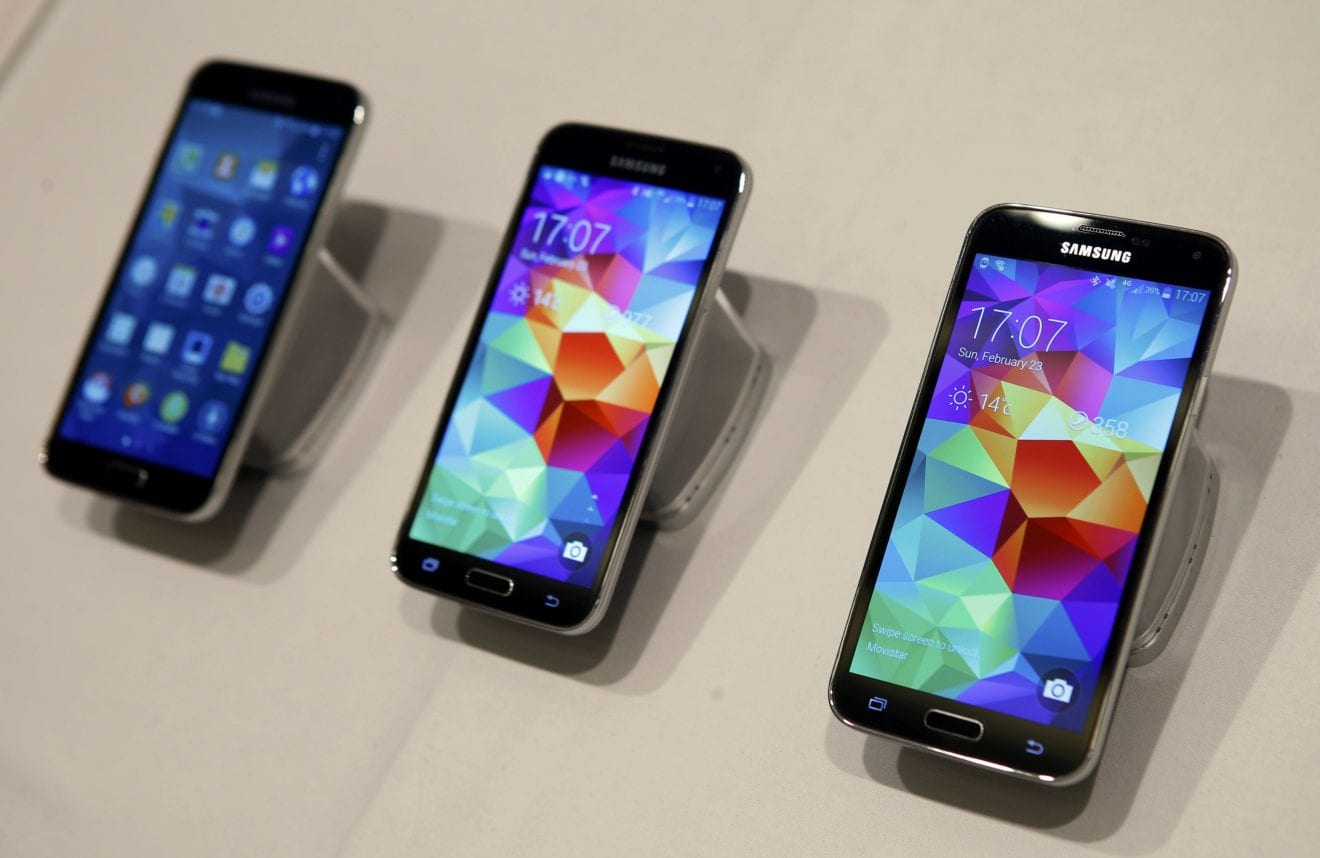
    Tipster Ice Universe posted an interesting rumor on Weibo the other day that was seconded on Twitter by another (albeit lesser-known) tipster using the handle @heyitsyogesh. Both say that Samsung is in talks with Olympus about supplying Samsung with cameras for future smartphone models. The cameras provided under the rumored partnership will be high quality with Samsung continuing to use its own image signal processors (ISP).

    A tweet sent by @heyitdyogesh mentions that an Olympus camera might end up on a special edition model of the Galaxy Fold. Turning to regular production models, we could see Olympus take over Samsung’s camera module for the first time with next year’s Galaxy S22 flagship series. If tradition holds, we could see that line launch sometime during the first quarter of 2022.

    Samsung is believed to be working on the successor to its current top-of-the-line Exynos chipset which it has codenamed Olympus. Reportedly, the chip will deliver improved performance compared to the Exynos 2100. Do you believe that the use of the Olympus codename is a clue Sammy is giving us or is it just a coincidence?

    Despite the rumors, we would be amiss if we didn’t point out that Olympus sold its camera and imaging business to Japan Industrial Partners last year. That would seem to put the kibosh on the rumors, and so far no partnership has been announced anyway. If it turns out just to be a failed rumor, it isn’t clear anyway whether the use of a high-profile camera brand actually helps to generate smartphone sales.

  • Google adds new productivity tools to Lens

    Google adds new productivity tools to Lens

    Whether you’re back working at the office or still working at home, your smartphone can be the productivity tool you need to help you get your job done. Speaking of productivity, Google has announced some new features for Google Lens. The latter uses image recognition to pass along information about objects seen through a phone’s camera. More precisely, the visual analysis is done using AI.

    One new feature will copy handwritten text from a piece of paper and paste it on another device that is signed in to the same Google account as your phone and has the latest version of the Chrome browser installed. All you need to do is point your camera at the handwritten document and using Lens, you highlight the text you want to paste. Tap on “Copy to computer” and paste it on the Chrome browser. This should save you the time it takes to transcribe written notes to your computer.

    Google says that searches related to learning a new language have doubled over the last few months; some people have decided to use the extra time at home to take on this task. Google Lens can help by translating German, Spanish, and more than 100 other languages according to Google. And all you have to do is point your camera at the text to see it translated. And if you’re having a problem with the pronunciation of a particular word, you can now tap the new “Listen” button and hear it spoken as it should be.

    Google Lens can also help you understand a word or a phrase that you see in a newspaper that you don’t understand. With in-line Google Search you can quickly learn new concepts-like gravitational waves-that you don’t understand.

    All of these new features have started rolling out for both iOS and Android devices except for the “Listen” button which will be available for iOS devices later this year. Lens is available on the Google Lens app on Android devices and the Google app on iOS.

  • Burberry launches Google Lens pop-up experience store

    Burberry launches Google Lens pop-up experience store

    Burberry has launched a digital flash pop-up experience powered by Google Lens at Ely’s Yard, Brick Lane in London.

    Three large Burberry porcelain fawns are displayed inside glass display cases in an industrial-like setting. By scanning one of the glass boxes with the Google Lens app, users are able to see an aerial live feed of themselves on their phone, captured by a camera suspended 35 metres above them. To share the moment, participants can take a screenshot of themselves with the fawns to post on social media.

    The experience allows people to capture “unique moments of togetherness” with friends and strangers, exploring humans’ relationship with technology by presenting users with multiple perspectives on an image of themselves, said a Burberry spokesperson.

    Forming part of Burberry’s festive campaign ‘What is Love’, the pop-up experience was open from December 11 to 15.

  • Shapeshifting smartphone cameras may be the next big thing

    Shapeshifting smartphone cameras may be the next big thing

    Over the past couple of years, we’ve been talking about how hardware innovation in smartphone cameras has taken a back seat in favor of new software developments. Despite small camera sensor sizes, limited by the slim profiles of modern phones and ever-increasing battery capacities, smartphone cameras have been able to deliver miraculously good results, almost exclusively thanks to improvements in how raw image and video dta is processed by software.

    However, during this time of amazing software developments, companies like Huawei kept pushing camera hardware innovations forward, albeit at a slower pace, by introducing larger sensors and impressive optical zoom solutions. In comparison, the likes of Samsung and Apple, who are considered leaders in their own market segments, have seemingly fallen behind in terms of bringing new camera innovations to the table. Recently, an infographic started doing rounds online, comparing camera sensors in Samsung and Huawei phones over the past couple of years. As you can see, while the sensors in Samsung phones have remained the same size since the release of the Galaxy S7 in 2016, Huawei has been upping its camera game the whole time.

    And though Samsung may seem like it’s got quite comfortable in its leading position in the premium Android market, hence less willing to introduce drastic new hardware innovations, next year’s Samsung flagship models may actually usher in a radical new camera technology that could make smartphone cameras even more versatile, with quicker focus, and even smaller optical parts.

    Samsung has been working with a company called Varioptic, since around 2005, on a liquid lens camera solution for smartphones. Actually, Varioptic is the company that created this type of lens way back in 2002, but Samsung was evidently interested in implementing it in a smartphone 14 years ago.

    Digging through news and press-releases from 2005, I stumbled across many reports that Samsung wanted to use a liquid lens to create a phone camera with optical zoom capabilities. At that time, motorized solutions were too big and too expensive for what Samsung wanted to achieve in mobile device, so Varioptic’s liquid lens—which had no moving parts, and was small and very durable—seemed like the perfect vessel to carry out the company’s vision.

    Something went wrong, however—or it must have—because, according to an official press-release from that time, Samsung phones with liquid lens cameras were supposed to be “commercially available by the last quarter of [2005].”

    But the technology wasn’t just written off. On the contrary. In 2017, Varioptic became a part of Corning, the maker of your phone’s Gorilla Glass, through an acquisition that included Varioptic and Invenios technologies for packaging and stabilizing liquid lenses. Coincidentally, Samsung has a strategic partnership with Corning.

    Recent “leaks” about the Galaxy S11 mentioned that Samsung’s next S-series flagship will bring something that’s “never been seen before” in relation to the camera. Now, this may very well be in part your usual leaker mumbo-jumbo get-on-the-hype-train-thing, but considering Samsung’s past relations with Varioptics and its current partnership with Corning, there may be something in the pipeline relating to liquid lenses on smartphones.

    Liquid lens showcase by Corning and Varioptic from 2018. This footage was slowed down thousands of times. Liquid lenses are capable of changing their shape on the order of milliseconds

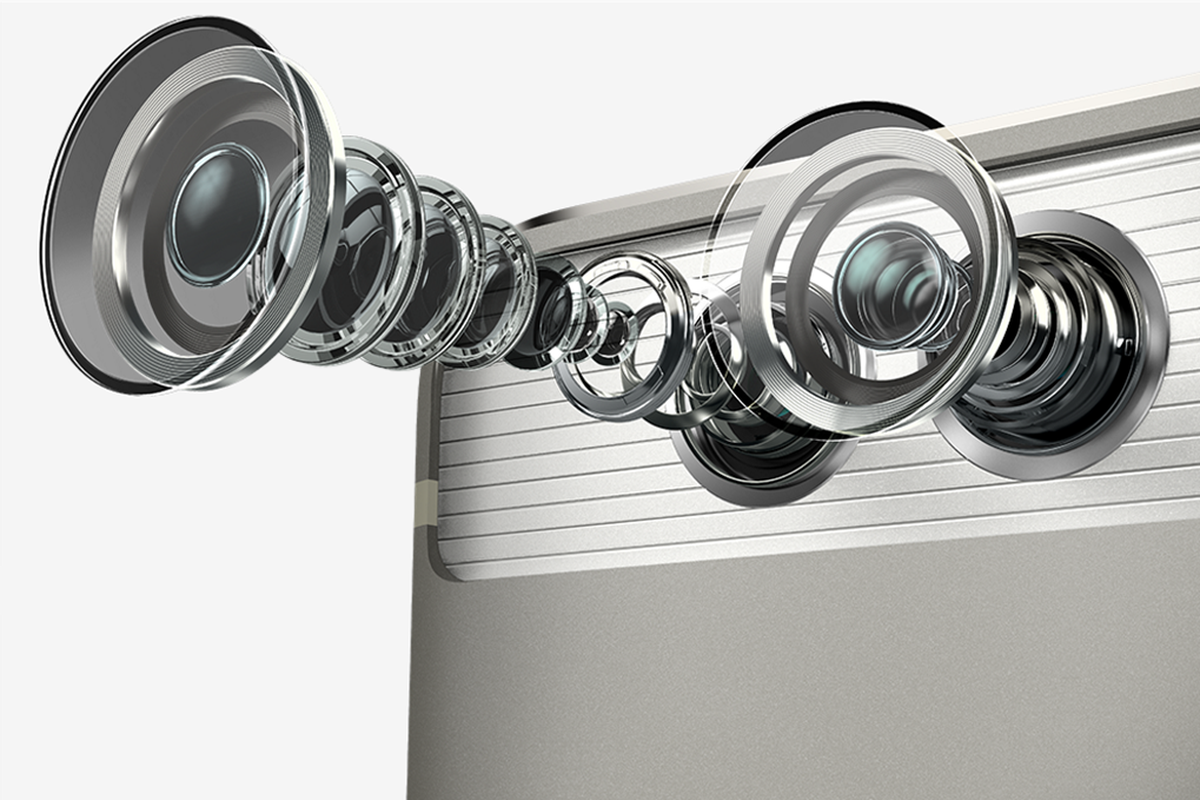
    Traditional camera lenses are made from glass, while liquid lenses are, well… liquid. To be precise, they are composed of an optical liquid that is capable of changing its shape at a very rapid pace. The focal length of a glass lens is dependent on the material it’s made of, and the radius of its curvature. The same holds true for liquid lenses, though they are capable of altering the radius of their curvature, thus changing their focal length at a whim. This shape-shifting is controlled electronically and can occur extremely fast. As in, milliseconds fast.

    Imaging lenses are usually comprised of multiple optical elements because a single optical lens can rarely provide sufficient resolving power. For this same reason, using a liquid lens by itself is not likely to be done on a smartphone. However, by introducing a liquid lens to multi-element lens design, the speed and flexibility of the camera can be greatly improved. Having the ability to focus both up close and to optical infinity in milliseconds makes integrating liquid lenses an ideal choice for applications that require focusing at multiple distances where the objects are different sizes or are at different distances away from the lens.

    And herein lies the “problem” that may have deterred Samsung from using liquid lenses back in 2005. On their own, liquid lenses may be very compact and extremely quick, but they have nowhere near the imaging performance of traditional, multi-element lenses. Combining the two can, potentially, lead to some interesting developments, but 14 years ago, this wasn’t enough of an incentive. In 2020, however, the time may be ripe for the marriage between liquid and glass in smartphone cameras.

  • Telephoto zoom cameras are Fantastic

    Telephoto zoom cameras are Fantastic

    But here’s the thing: all of these additional cameras are not necessarily better cameras. A monochrome secondary camera is more sensitive to light, but it shoots in black and white only. A wide-angle second cam has a wider field of view, but noticeably distorts images. And those tiny cameras for collecting depth information, well, we’re not even sure if they do anything.

    Telephoto lens cameras – the kind that Apple popularized with the iPhone 7 Plus – can be useful in many cases, but they aren’t perfect either. Here’s why.

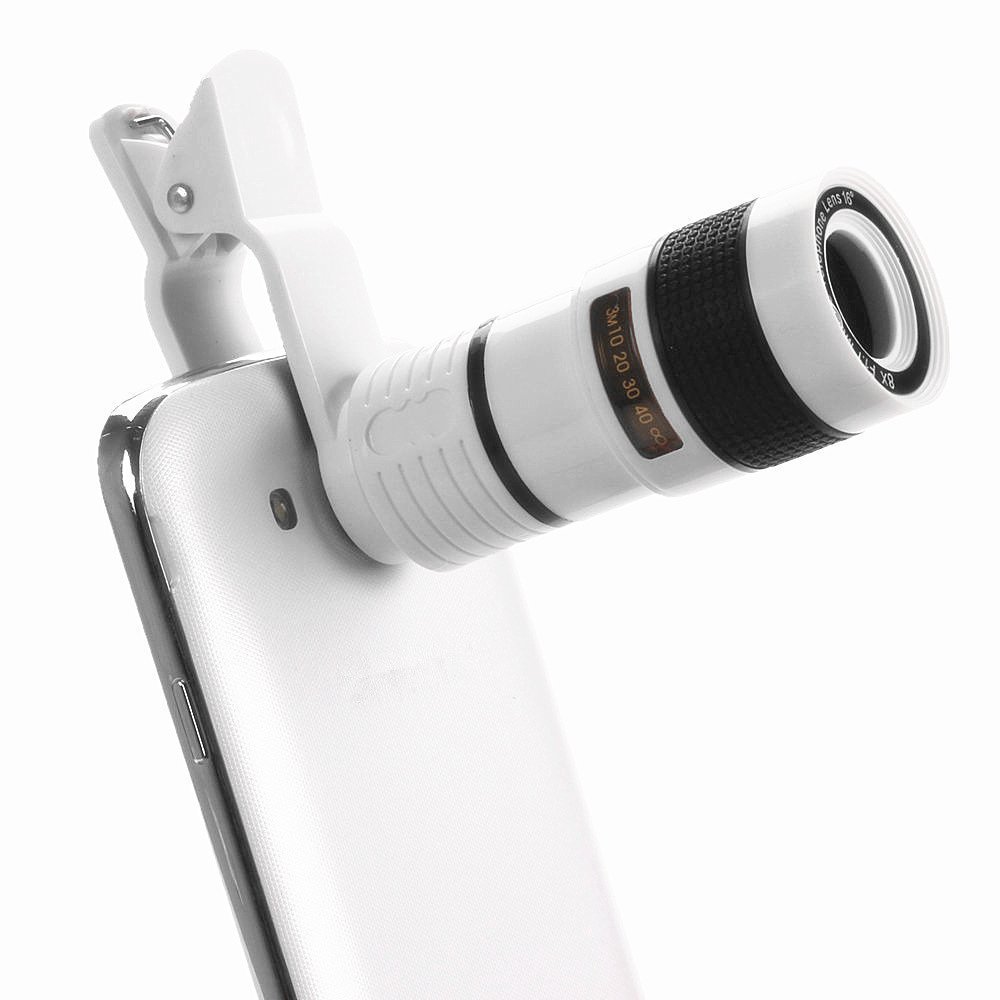
    Telephoto cameras on smartphones are great at two things. One is that they let you zoom in on your subject without as much degradation in quality as digital zoom would otherwise introduce. We’ve seen phones with 2x zoom, 3x zoom, and even 5x telephoto zoom in the recently announced Huawei P30 Pro. Secondly, telephoto cameras have a narrower field of view, which makes them ideal for portraits – their optical properties introduce less lens distortion and allow for a narrower, thus less distracting background.

    In photography, lenses tend to fall under two general categories: zoom lenses and prime lenses. Zoom lenses have an actual lens element that physically moves to magnify your subject. This is called optical zoom. In contrast, prime lenses are fixed and can’t zoom optically. Practically all cameras in modern smartphones, including telephoto ones, use prime lenses since they’re smaller and easier to make. Yes, you do get actual zoom with your phone’s telephoto camera relatively to its main one, but only at a fixed point.

    What this means is that if your phone has a 2x zoom telephoto cam, photos shot at anything between 1x and 1.9x will be zoomed digitally, as if your phone didn’t have a telephoto camera at all. Only photos at 2x and beyond will take advantage of the phone’s telephoto lens. That’s better than nothing, of course, but it’s easy for an inexperienced user to wrongly assume that their phone’s telephoto hardware is of benefit every single time they zoom in. That’s not the case, sadly.

    In most cases, a bigger camera sensor is a better camera sensor. Its greater surface area lets it absorb more light, and having more light translates into better photos with more detail and less noise. But telephoto cameras on phones tend to use smaller image sensors – ones that pick up less light and are more susceptible to digital noise. They have to in order to achieve the level of magnification their telephoto lens is designed for without the camera module sticking out too much.

    Because of this, telephoto cameras rarely work in low-light situations. When the phone’s camera software detects that the light in the frame is insufficient, it will not use its telephoto cam for zooming. Instead, it will only do digital zoom with its main camera, and you might not even notice until you later take a closer look at your suspiciously fuzzy-looking photos.

    I remember how when I got to test the iPhone 7 Plus for the first time, I tried taking some artsy photos of rain droplets on a flower’s petals. I did 2x zoom, assuming that the telephoto lens would let me get a much more detailed shot. I was wrong.

    While a typical smartphone camera can focus on an object as close as 3 inches away from it, the telephoto cameras on all phones I’ve tested through the years have needed to be at least 1-2 feet away from anything to focus on it. If you’re too close and zoom in, your phone will simply do digital zoom with its main camera instead of using its telephoto lens. Again, your phone will give you no indication that you’re not zooming with the telephoto lens for the shot.

    The purpose of this brief article is to expose the fundamental flaws in phones’ telephoto cameras (and there’s more of them) – as I’m sure that knowing what they can and can’t do will make you a better photographer. Convincing anyone that there’s no point in having a telephoto lens was never my intention. On the contrary, I’m strongly in favor of phones having additional cameras – telephoto, wide-angle, whatever – as it’s one of the few realistic ways of improving a phone’s photographic potential without ruining its design and appearance.

    Still, I wish that the limitations of these lenses were made clearer to the user – in both the flashy ads we’re bombarded by and in the camera apps of our phones. But perhaps that could be just me. Anyway, let me know in the comments below if you learned something new.

  • AirAsia comes under CBI lens

    AirAsia comes under CBI lens

    A month after Enforcement Directorate registered a case of foreign exchange violations against AirAsia India, the Central Bureau of Investigation on Thursday claimed that it is also examining the matter in which there are allegations of fraudulent transactions of Rs 22 crore involving non-existent entities in India and Singapore.

    Sources in the CBI said that they have not registered a preliminary enquiry or regular case (FIR) in the matter but they are looking into the matter to see if it calls for registering a criminal case. “We are scrutinising the AirAsia documents right now,” said the CBI officer. When contacted, an AirAsia India spokesperson said, “AirAsia India has not heard from the CBI. Should we receive a call from CBI, AirAsia India will furnish all information that they seek. As you are aware, the airline has already put it in the public domain that it is pursuing the ongoing investigation. AirAsia India subsequently filed a private complaint with the Bangalore police in this regard.”

    The issue was flagged by ousted chairman of Tata Sons Cyrus Mistry soon after he was replaced on October 24. He wrote in his let ter to Tata Sons board and trustees of Tata Trusts that, “Board members and trustees are also aware that in the case of AirAsia, ethical concerns have been raised with respect to certain transactions as well as the overall prevailing culture in the organization. A recent forensics investigation revealed fraudulent transactions of Rs 22 crore involving non-existent parties in India and Singapore.”

    Presently, ED is probing the matter under FEMA (foreign exchange management act) and has already sought documents from the company. It is looking into a specific transaction of over Rs 12 crore, out of Rs 22 crore, made to a Singaporean firm.

     Mistry had alleged that “executive trustee Mr Venkataraman, who is on the board of Air Asia and also a shareholder in the company , considered these transactions as non-material and did not encourage further study”. It was only at the insistence of the independent directors, one of whom immediately submitted his resignation, that the board decided to belatedly file a FIR, Mistry had said in his letter.
    He claimed it was Tata who had completed negotiations with AirAsia, but early in his tenure as the chairman of Tata Sons he (Mistry) was asked to table a proposal for the JV with AirAsia at a Tata Sons board meeting. In 2013, Tata Sons had joined hands with Malaysian carrier AirAsia and Arun Bhatia’s Telestra Tradeplace to start low cost carrier AirAsia India. The carrier had to wait for nine months before taking off.