Tag: Leverages

  • Costco Leverages JD.com for Bold China Expansion, Boosts Online Presence Beyond Warehouses

    Costco Leverages JD.com for Bold China Expansion, Boosts Online Presence Beyond Warehouses

    Costco, the multi-national corporation recognized for its warehouse club model, has embarked on an exciting new venture in China. Costco has launched an online flagship store on JD, one of China’s largest online retailers, thereby marking a significant point in its expansion in the Chinese market. This strategic move aims to augment Costco’s digital presence beyond the parameters of its existing network of physical warehouses.

    A Growing Online Presence

    The collaboration with JD makes it possible for consumers across China to access approximately 700 products. The diverse range of offerings includes grocery items, household essentials, health supplements, beauty products, and Costco’s private-label range, Kirkland Signature. Notably, the online store allows Costco to penetrate cities where it currently does not have a physical presence.

    The launching of the flagship store on JD represents a crucial milestone for Costco in China. It signifies a significant shift in strategy that emphasizes the importance of online retail in the current market scenario. Costco China says, “By leveraging JD’s well-established online platform and extensive logistics network, we are able to overcome regional limitations and extend our reach into broader markets. This allows us to effectively deliver Costco’s signature merchandise and service value to consumers across the country.”

    Impressive Initial Response and Expansion Plans

    The online store first underwent a trial phase in late May. It was met with an overwhelmingly positive response, attracting over 30 million visits and almost 200,000 followers in just the first month. This underscores strong consumer interest and sets the stage for an optimistic official launch.

    Costco’s strategic move is part of its cautious yet continuous expansion in Mainland China. Since the opening of its first warehouse in Shanghai in 2019, Costco has added a few more stores in major cities. However, the emphasis has increasingly been on using digital channels to further expand its market reach.

    Questions & Answers

    What does Costco’s partnership with JD aim to achieve?
    Through the partnership with JD, Costco aims to overcome regional limitations and expand its reach into broader markets in China. It also allows Costco to deliver its signature merchandise and service value to consumers nationwide.

    What range of products will be available in Costco’s online flagship store on JD?
    The online store will offer around 700 products, including grocery items, household essentials, health supplements, beauty products, and Costco’s private-label range, Kirkland Signature.

    How has the initial response been to the trial phase of Costco’s online store on JD?
    The initial response has been overwhelmingly positive, with the store attracting over 30 million visits and nearly 200,000 followers in the first month.
  • Techcombank Leverages Digital Finance to Tap into Vietnams $100 Billion Infrastructure Nexus

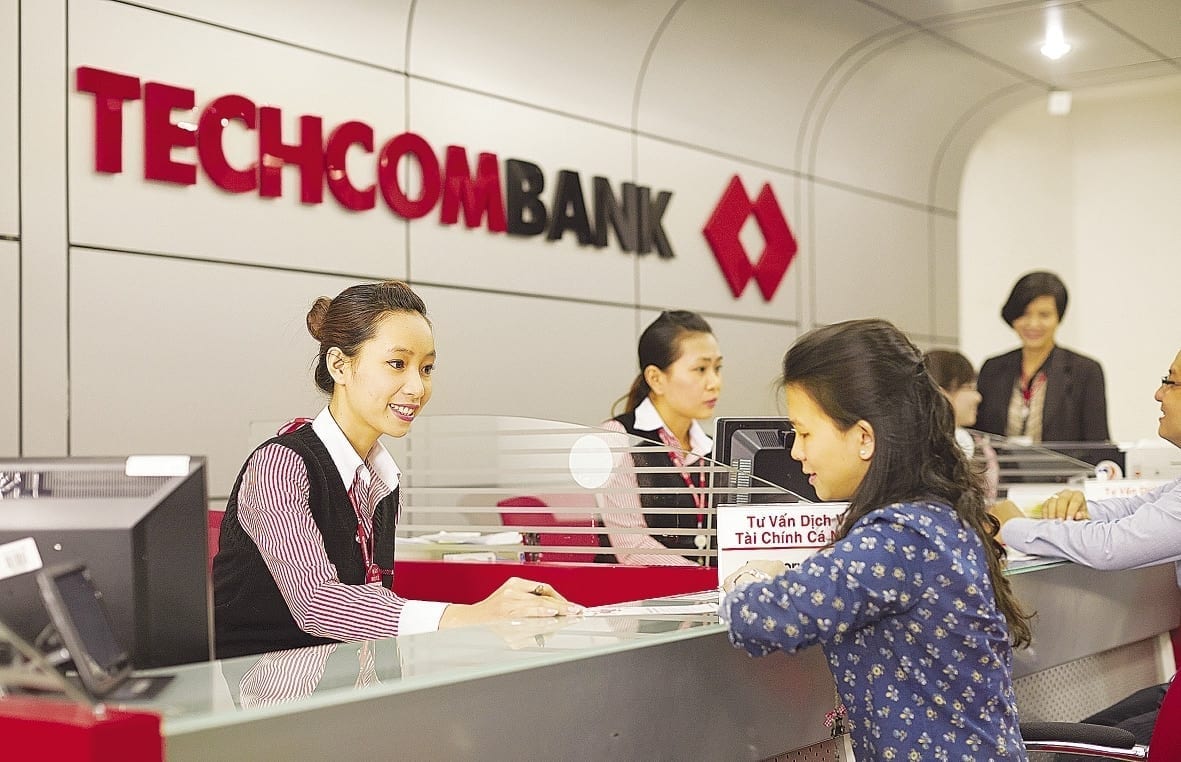
    Techcombank Leverages Digital Finance to Tap into Vietnams $100 Billion Infrastructure Nexus

    Techcombank, Vietnam Technological and Commercial Joint Stock Bank, is strategizing to bridge global capital with Vietnam’s escalating investment needs. The bank is placing digital financial infrastructure at the forefront, seeing it as a pivotal factor for the country’s next economic growth stage.

    Techcombank is expressing its aspiration to be instrumental in channeling both local and global capital towards Vietnam’s economic progression. In furtherance of its goals, it co-hosted the Vietnam Financial Forum 2026 (VFF 2026) from July 9th to 10th in Danang. The forum attracted over 350 attendees, including policymakers and executives from domestic and international financial institutions and companies.

    Modernizing Vietnam’s Capital Markets

    The forum centered on the modernization of Vietnam’s capital markets, bolstering the country’s financial infrastructure, and enhancing corporate access to capital. The country’s government aims to achieve double-digit economic growth from 2026 through to 2030.

    Digital and green finance took center stage at the forum. Delegates deliberated on how new technologies and the digital transformation of the financial infrastructure could ease capital flow and bolster Vietnamese companies.

    Techcombank CEO, Jens Lottner, in his keynote speech, pointed out that the bank’s role goes beyond conventional financing. He stated, “We are constructing the digital infrastructure that allows capital, data, and financial services to flow smoothly through the economy.” The CEO also revealed Techcombank’s goal to be Vietnam’s most reliable financial platform and to help efficiently channel domestic and international capital into sectors generating sustainable economic value.

    $100 Billion Investment Goal

    The funding of Vietnam’s rapidly expanding infrastructure needs was a key focus of the forum. Techcombank executives and representatives of their partner ecosystem discussed potential areas for the next $100 billion investment. The conversations included infrastructure, energy, and industrial development, as well as tactics to draw capital from global institutional investors.

    Techcombank emphasized mechanisms for luring foreign investment and steering international capital towards strategic Vietnamese projects. Lottner mentioned that Techcombank is ready to share its experience in developing digital ecosystems and utilizing data and technology to connect citizens, companies, investors, and public services.

    Techcombank aims to contribute its financial resources, tech expertise, and global network to the development of a more modern and transparent financial ecosystem through its participation in the Vietnam Financial Forum. The bank currently services around 18 million retail and corporate clients and operates one of Vietnam’s top digital banking platforms.

    Questions & Answers

    What is Techcombank’s primary aim in Vietnam’s economic development?
    Techcombank aims to facilitate the efficient allocation of both domestic and international capital into sectors generating sustainable economic value, leveraging digital financial infrastructure.

    What were the key areas of focus at the Vietnam Financial Forum 2026?
    The forum focused on modernizing Vietnam’s capital markets, strengthening the country’s financial infrastructure, and improving corporate access to capital. Other areas of focus included digital finance, green finance, and the role of technology in facilitating capital flow.

    What is Techcombank’s strategy for meeting Vietnam’s growing infrastructure needs?
    Techcombank intends to attract and steer international capital towards strategic projects in Vietnam. It also aims to share its experience in developing digital ecosystems and using data and technology to connect various sectors, including citizens, companies, investors, and public services.

  • OCBC Leverages Rising Gold Demand, Launches Physical Gold Trading in Singapore

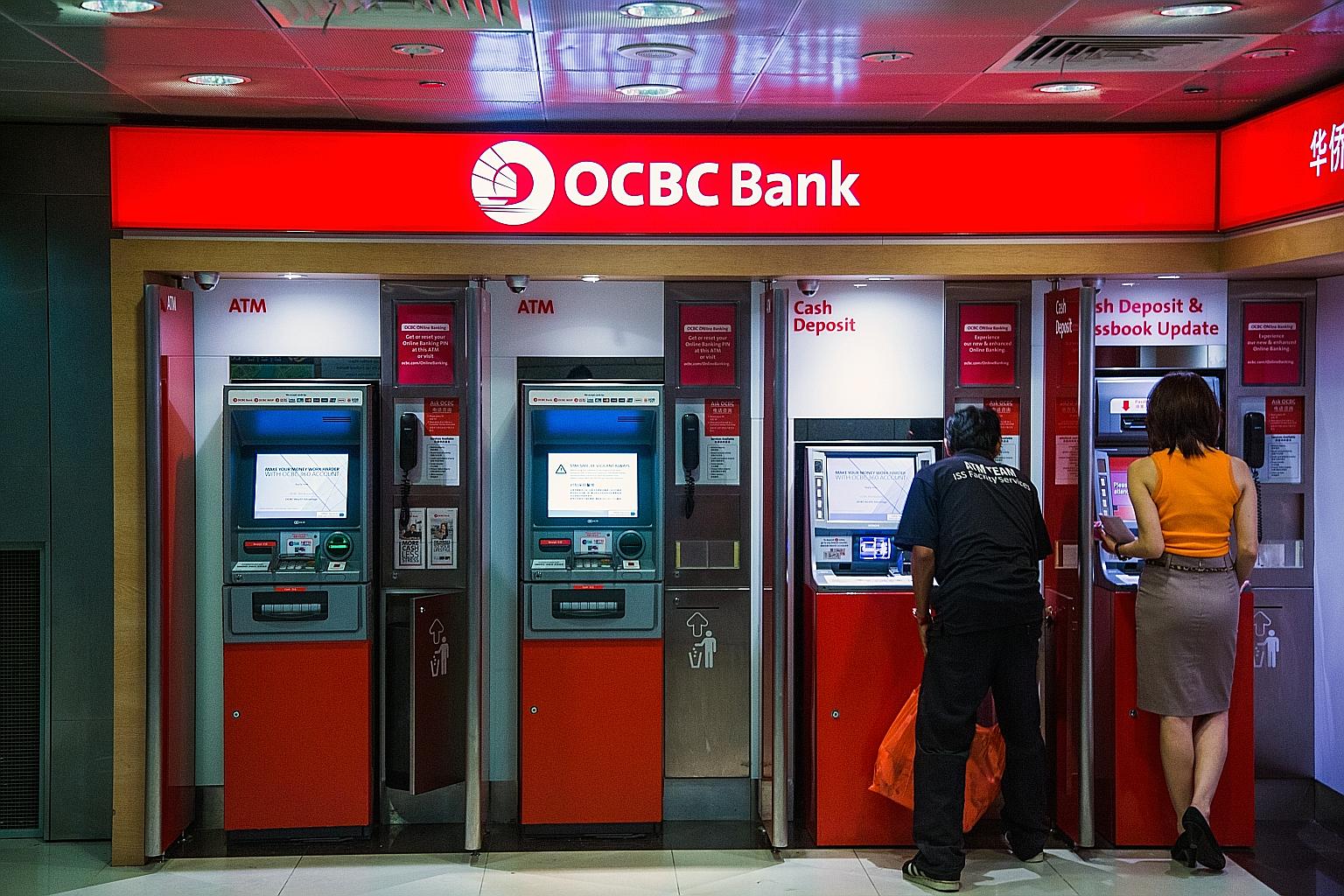
    OCBC Leverages Rising Gold Demand, Launches Physical Gold Trading in Singapore

    The Oversea-Chinese Banking Corporation (OCBC) in Singapore is broadening its precious metals sector by introducing physical gold trading and storage services for institutional investors and private banking clients. OCBC perceives an increasing demand for safe-haven assets as geopolitical and economic uncertainty heightens.

    Initiating from June 10, OCBC’s institutional clients and affluent clients of its private banking division, the Bank of Singapore, will be granted the opportunity to purchase, trade, and store physical gold via OCBC, with the entire trading and custodial process based in Singapore.

    Enhancing the Gold Franchise

    This decision signifies a considerable amplification of the bank’s gold franchise beyond its current paper gold offerings. The move comes as investors’ hunger for physical bullion continues to grow. According to OCBC’s reference to data from the World Gold Council, the global demand for gold bars in the first quarter of 2026 experienced a 50% surge compared to the previous year. The Bank of Singapore disclosed that client holdings of physical gold have witnessed an increase of more than 40% since the conclusion of 2025.

    OCBC has stated that the new service will initially provide two forms of bullion: large bars weighing roughly 400 troy ounces (12.4 kilograms) and one-kilogram bars, both allocated to clients and individually identifiable through serial numbers.

    The bank has indicated that client demand has progressively gravitated towards local custody arrangements. Previously, Bank of Singapore clients conducted transactions in physical gold via a U.S.-based entity. With the new arrangement, clients can carry out transactions and store bullion entirely within Singapore.

    Expansion of Wealth Management Strategy

    This introduction mirrors wider efforts by Singapore’s financial industry to fortify its stance as a regional precious-metals hub. OCBC expressed intentions to explore the extension of physical gold products and related hedging solutions to additional client segments over time.

    The move also forms part of OCBC’s more extensive wealth management strategy. Over the past few years, the group has continuously expanded its gold-related offerings across its banking, asset management, and insurance industries.

    Kenneth Lai, Head of Global Markets at OCBC, expressed that the bank perceives physical gold as a natural extension of its existing precious-metal capabilities and is planning to widen access to the offering over time.

    Questions & Answers

    What new services is OCBC introducing?
    OCBC is introducing physical gold trading and storage services for institutional investors and private banking clients.

    What does this expansion mean for OCBC’s existing services?
    This expansion signifies a considerable amplification of OCBC’s gold franchise beyond its current paper gold offerings.

    What is the impact of this move on Singapore’s financial industry?
    This introduction mirrors wider efforts by Singapore’s financial industry to fortify its stance as a regional precious-metals hub.

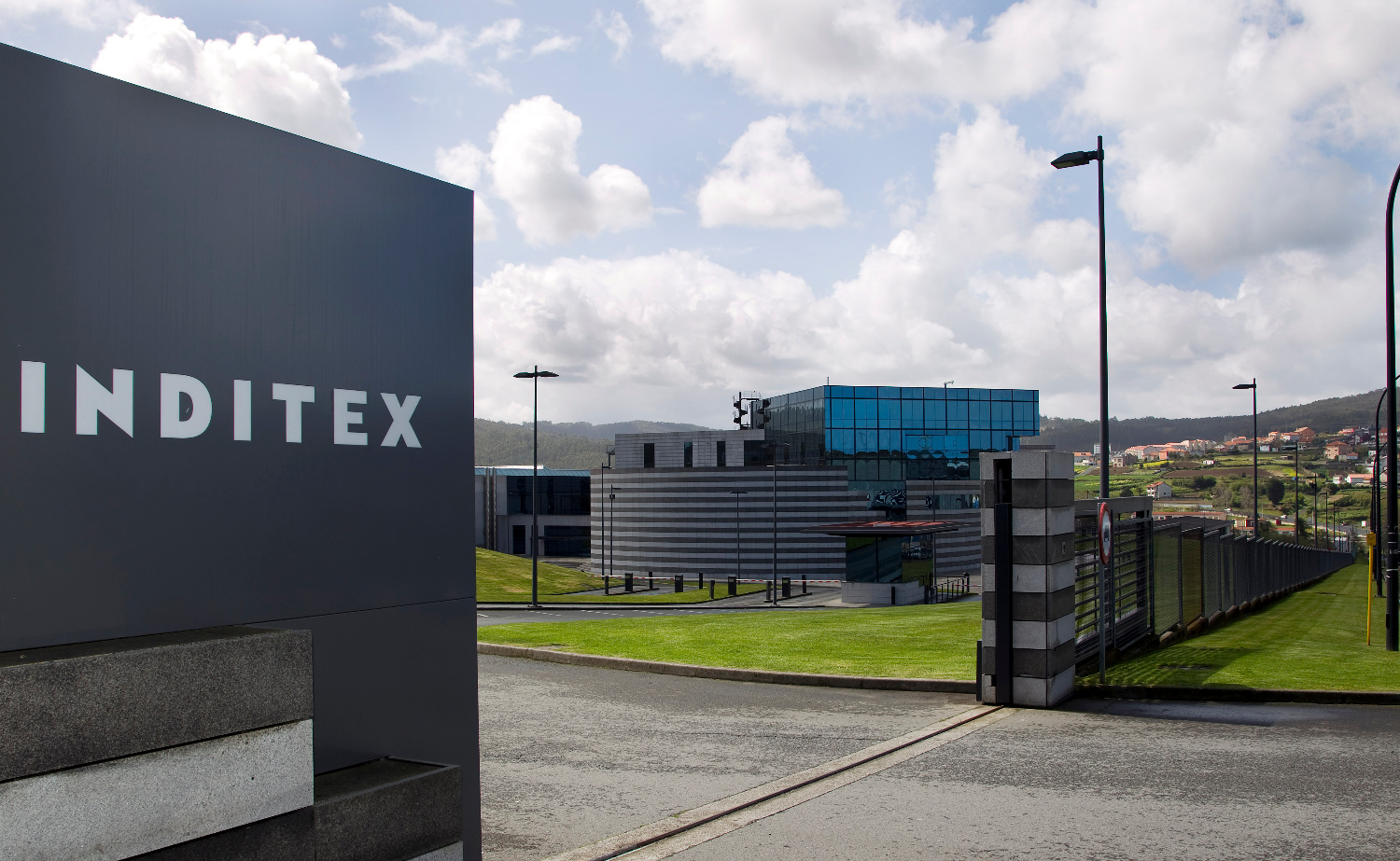
  • Inditex, Parent Company of Zara, Leverages In-Store Strategy to Drive Continuous Growth

    Inditex, Parent Company of Zara, Leverages In-Store Strategy to Drive Continuous Growth

    Inditex, the multinational retailer that owns fashion brands like Zara, Bershka, and Stradivarius, has reported continued growth in its sales, a result attributed to its store-centric strategy.

    As the largest fashion retailer globally and headquartered in Spain, Inditex initiated its fiscal year with an impressive $10.1 billion in first-quarter sales. This resulted in a net profit of $1.6 billion. These figures represent a growth rate of 5.75 percent and 5.36 percent, respectively.

    By the end of the quarter, Inditex owned a total of 5456 stores worldwide. This included 1495 Zara stores, a decrease from the 5562 stores it held at the same time the previous year.

    Investment and Innovation Drive Growth

    Inditex has attributed its growth to continuous investments in its store network, developments in online sales channels, and improvements in logistics platforms, all with a keen focus on innovation and technology.

    The company’s Asia-based store network prominently features its Zara, Massimo Dutti, and Zara Home brands. Online, the company has a significant presence in the region with brands such as Pull and Bear, Bershka, Stradivarius, and Oysho.

    Inditex operates across 215 markets and, despite its relatively low share in a highly fragmented sector, the group sees robust growth opportunities. “The optimisation of stores is ongoing, and we expect this to drive further gains in store productivity,” they remarked.

    The group aims to grow its retail floorspace by approximately 5 percent by 2026. It has earmarked capital expenditure of $2.7 billion over the next three quarters to achieve this.

    Questions & Answers

    What is the reason behind Inditex’s continued growth in sales?
    The company says that its growth is due to ongoing investment in its store network, advancements in its online sales channels, and improvements to its logistics platforms, with a focus on innovation and technology.

    How many stores does Inditex own worldwide, and what is the breakdown of these stores?
    Inditex owns a total of 5456 stores worldwide. Of these, 1495 are Zara stores.

    What are Inditex’s future growth plans?
    Inditex plans to increase its retail floorspace by about 5 percent by 2026. It has allocated capital expenditure of $2.7 billion over the next three quarters to achieve this goal.

  • Boku Leverages Singapore as Gateway to Revolutionize Global Payments Market

    Boku Leverages Singapore as Gateway to Revolutionize Global Payments Market

    Boku, a leading mobile payments company, has selected Singapore as the site for its latest Innovation Hub. This decision aligns with the company’s strategic plan to secure a portion of the rapidly expanding global payments market, which is projected to reach nearly $290 trillion by 2030.

    Introducing the Innovation Hub

    Boku’s new Innovation Hub is dedicated to developing advanced capabilities aimed at guiding businesses through the complexities of global monetary transactions. The company, founded in 2008 and currently headquartered in London, maintains a global presence with offices throughout North America, Asia-Pacific, Europe, and Latin America.

    Given the anticipated growth in global payments, Boku is focusing its efforts on addressing the key difficulties in foreign exchange, payouts, and the interoperability of digital wallets. These areas have become essential for businesses looking to scale internationally.

    The Rise of Local Payment Methods

    The transition from traditional card-based payment methods to local payment methods (LPMs) is progressing at a pace much faster than industry experts predicted. According to research conducted by Boku in partnership with Juniper Research, LPMs surpassed traditional card payments in popularity in 2025 and are predicted to comprise 59 percent of all global ecommerce transactions by 2028.

    Leadership of the Innovation Hub

    Yi Hahn Chin, former Citibank executive with over two decades of experience in transaction banking and cross-border payment innovation, will lead the Hub. Chin’s appointment underscores Boku’s commitment to marrying global expertise with regional proximity. He noted the persistent challenges of cross-border payments for digital merchants operating in multiple markets. According to Chin, basing the team in Singapore will enable closer collaboration with merchants and partners, resulting in capabilities that directly address the evolving needs of the market and improve commercial outcomes.

    Singapore as a Strategic Location

    Singapore was chosen as the location for Boku’s new Hub due to its abundant fintech talent, clear regulatory framework, and its pivotal role in the Asia-Pacific’s burgeoning mobile-first payment landscape. The Hub will leverage Singapore’s position to collaborate with fintech companies and merchants in designing and testing solutions aimed at minimizing cross-border complexities and broadening acceptance.

    Moving Beyond Traditional Payments

    Stuart Neal, CEO of Boku, emphasized the need for merchants to have access to a payment infrastructure that simplifies processes while extending reach. He indicated that the Innovation Hub will enable Boku to create and trial solutions in actual markets with real partners, and that basing the team in Singapore will be key to enhancing relationships with Asia-Pacific merchants and driving growth.

    Global Reach of Boku’s Network

    Boku presently offers over 200 local payment methods, reaching more than 7 billion consumer accounts across over 60 countries. The company processes transactions for over 100 million active users monthly, with digital wallets and account-to-account payments forming the backbone of the company’s growth. With the introduction of the new Singapore Hub, Boku is signaling its intention to climb higher up the value chain by not just linking payment methods, but also by facilitating smooth, data-driven cross-border trade.

    Questions & Answers

    What is the purpose of Boku’s Innovation Hub in Singapore?
    The Hub is intended to develop new capabilities to help businesses navigate the complexities of global monetary transactions, with a focus on addressing key difficulties in foreign exchange, payouts, and the interoperability of digital wallets.

    Who will be leading Boku’s new Innovation Hub?
    Yi Hahn Chin, a former Citibank executive with over 20 years of experience in transaction banking and cross-border payment innovation, will be leading the Hub.

    Why was Singapore chosen as the location for Boku’s Innovation Hub?
    Singapore was chosen due to its rich fintech talent pool, clear regulatory framework, and because of its central role in the Asia-Pacific’s burgeoning mobile-first payment landscape.

  • H3Tech Leverages Vietnam’s Tech Prowess to Transform Global Healthcare Landscape

    H3Tech Leverages Vietnam’s Tech Prowess to Transform Global Healthcare Landscape

    H3Tech, a pioneer in healthcare technology, seeks to revolutionize the U.S. healthcare sector by employing a sophisticated tech approach and a business model rooted in Vietnam. The company differentiates itself from other offshore providers by being a strategic development collaborator for healthcare tech businesses both within the U.S. and worldwide.

    According to Mikael Ohman and Michael Gilbert, the co-CEOs and co-founders, the healthcare sector represents close to 20% of the U.S. economy. However, it is plagued by high costs and mediocre outcomes. Observing the potential of technology to not only cut costs but also enhance quality, they brought H3Tech into existence. Their vision was to utilize high-tech solutions to make a significant impact on the lives of individuals involved in healthcare.

    Both Mikael and Mike possess extensive experience working with international software engineering firms across the globe. They note that Vietnam boasts some of the highest quality software engineers and technology leaders globally. Thus, when it came to launching H3Tech, Vietnam was their preferred choice. Mike recognized and acknowledged the efforts the Vietnamese government has put into education and additional support for the technology sector.

    Questions & Answers

    What is the goal of H3Tech?
    H3Tech aims to revolutionize the U.S. healthcare sector by leveraging advanced technology and a business model rooted in Vietnam.

    How does H3Tech differentiate itself from other offshore vendors?
    Unlike typical offshore vendors, H3Tech positions itself as a strategic development collaborator for healthcare tech businesses, both within the U.S. and worldwide.

    Why was Vietnam chosen as the primary location for H3Tech’s operations?
    Vietnam was chosen due to its high-quality software engineers and technology leaders. The Vietnamese government’s investment in education and additional support for the technology sector was also a significant factor in the decision.