Tag: LG electronics

  • LG opens first premium brand shop in Kuwait

    LG opens first premium brand shop in Kuwait

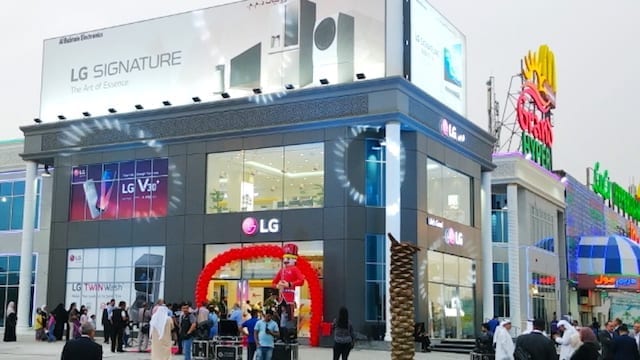
    LG Electronics has opened a premium home appliance store in Kuwait to retail its upmarket  Signature range of products.

    The two-storey store, located in Rozana Mall, features 433sqm of display space showcasing high-resolution televisions, and household appliances such as washing machines and refrigerators.

    LG Electronics has a growing commitment to the Middle Eastern market where a large number of middle class and wealthy consumers crave expensive gadgets, appliances and motor vehicles. It already has stores in the UAE, Saudi Arabia, Jordan, Lebanon, Egypt and Iran. More stores are planned in the region.

  • LG Electronics opens Middle East stores

    LG Electronics opens Middle East stores

    South Korea’s LG Electronics is making a strong push into the Middle East, opening premium brand shops in the area.

    The company is deliberately positioning its brand at the higher end of the market to differentiate it from lower cost brands.

    LG says it has opened a premium brand shop in Jordan on Mecca Street, the premium home electronics business district. The shop is the third premium brand outlet to open in the region this year after Tehran in Iran and Beirut in Lebanon.

    The Jordan store is the largest of the brand’s shops in the area. The exterior of the store is made of glass, allowing potential customers to look inside. A video pillar that shows a moving image on an LED screen is set on the outside of the building.

    The latest premium products from LG electronics, such as a 65-inch ultra all-red TV, 105-inch curved surface ultra HD TV, double magic space refrigerator, and premium smartphones are exhibited. Consumers can actually use the devices and learn about their features in the convenience room.

    LG Electronics is planning to expand its premium brand shops to other major countries in Africa and the Middle East.

    “We will strengthen our leadership in the premium market through the premium brand shops that maximise convenience in living,” a company spokesman said.

  • Cellphone makers switch to budget handsets after law change

    Cellphone makers switch to budget handsets after law change

    South Korea’s mobile phone makers are breaking away from their premium-oriented smartphone lineups to churn out cheaper phones as consumers are more price-conscious due to tougher subsidy rules, industry watchers said Wednesday.

    Samsung Electronics Co. recently rolled out its latest mid-end phone, the Galaxy A8, at an about 20 percent discounted price compared with the flagship Galaxy S6, and the budget phone Galaxy J5 for less than 300,000 won (US$259).

    It also started selling the Galaxy Folder, with a price tag similar to the J5 model, which is designed to woo older generations, who need fewer features.

    Samsung’s move came after the Galaxy Grand Max, a low-end model that was released in January, became a smash hit in Korea, with 700,000 units sold so far, watchers said.

    LG Electronics Inc., Samsung’s smaller rival, has also been bolstering its budget phone lineup, unveiling five new models this year, including the LG Volt, the G style and the LG Bello II.

    Industry watchers said such a shift in their lineup strategy is attributable to the enactment of a new law in October last year, which caps the phone subsidies that mobile carriers can provide to retail stores at 330,000 won.

    Although the law was revised to restrict excessive incentives that had led to cutthroat competition, it has prompted consumers to look for cheaper phones because of the reduced subsidies.

    As part of a bid to diversify portfolios, SK Telecom Co., the top mobile carrier in the country, is apparently mulling launching a cellphone rental service in a joint project with its information technology service unit.

    If the rental business kicks off in Korea in fall as widely forecast, it will bring a significant change in the market landscape as it will be an unprecedented move and affect other rivals, market watchers said.

    Skeptics, however, played down its growth potential because the device has more personal elements like banking details and photos compared with other common rental products.