Tag: li & fung

  • Li & Fung to have new COO

    Li & Fung to have new COO

    Weizhong Zhu (“Wilson”) has joined Li & Fung as Chief Operating Officer (COO) and will lead operations across all Li & Fung’s 40+ production countries. As Li & Fung pushes ahead on its digital supply chain strategy to build the Supply Chain of the Future, Wilson will focus on strengthening the Company’s production platforms globally, ensuring consistent KPIs and driving operational excellence to improve customer service.

    A 31-year industry veteran, Wilson brings deep expertise in international trade relations and supply chain for retail and consumer products.

    His vast industry experience includes Chief Sourcing and Production Officer at Gymboree, EVP for Private Brand and Global Sourcing at Michaels Stores Inc, VP of Private Brand and Global Sourcing at Office Depot, and VP for Global Sourcing at Hudson’s Bay Company.

    Most recently, Wilson co-founded Cooper Aerobics Wellness Center in China, the first fitness and wellness center of its kind in China, and prior to that, he served as Chairman and CEO of inQbrands, where he led the transition of the US subsidiary of China-based Focus Technology into a full-service brand and product agency.

    “With the ongoing US-China trade war, Wilson’s leadership comes at a critical time as our customers rely on our scale and expertise to deliver alternative sourcing strategies and mitigate any potential risk in their supply chains” said Spencer Fung, CEO of Li & Fung.

    Wilson Zhu received his Master of Arts degree in Language and International Trade from Eastern Michigan University in 1987.

    Passionate about sharing knowledge and ideas, Zhu was a columnist for China’s New Fortune business magazine from 2013 to 2016 and regularly contributes to other media outlets on globalization, retail, management, branding and China-US trade relations.

  • Global Brands to Sell US Licensing Businesses to Differential Brands

    Global Brands to Sell US Licensing Businesses to Differential Brands

    The move, announced at the release of its annual results yesterday, will allow it to cut debt, pay a modest special dividend to shareholders and free capital to grow “a more focused business”, the company said. It will also result in about half of its 7000 staff leaving the company.

    Global Brands Group is currently carrying about $1.1 billion of debt, much of it related to its 2014 spin-off from Li & Fung and subsequent listing.

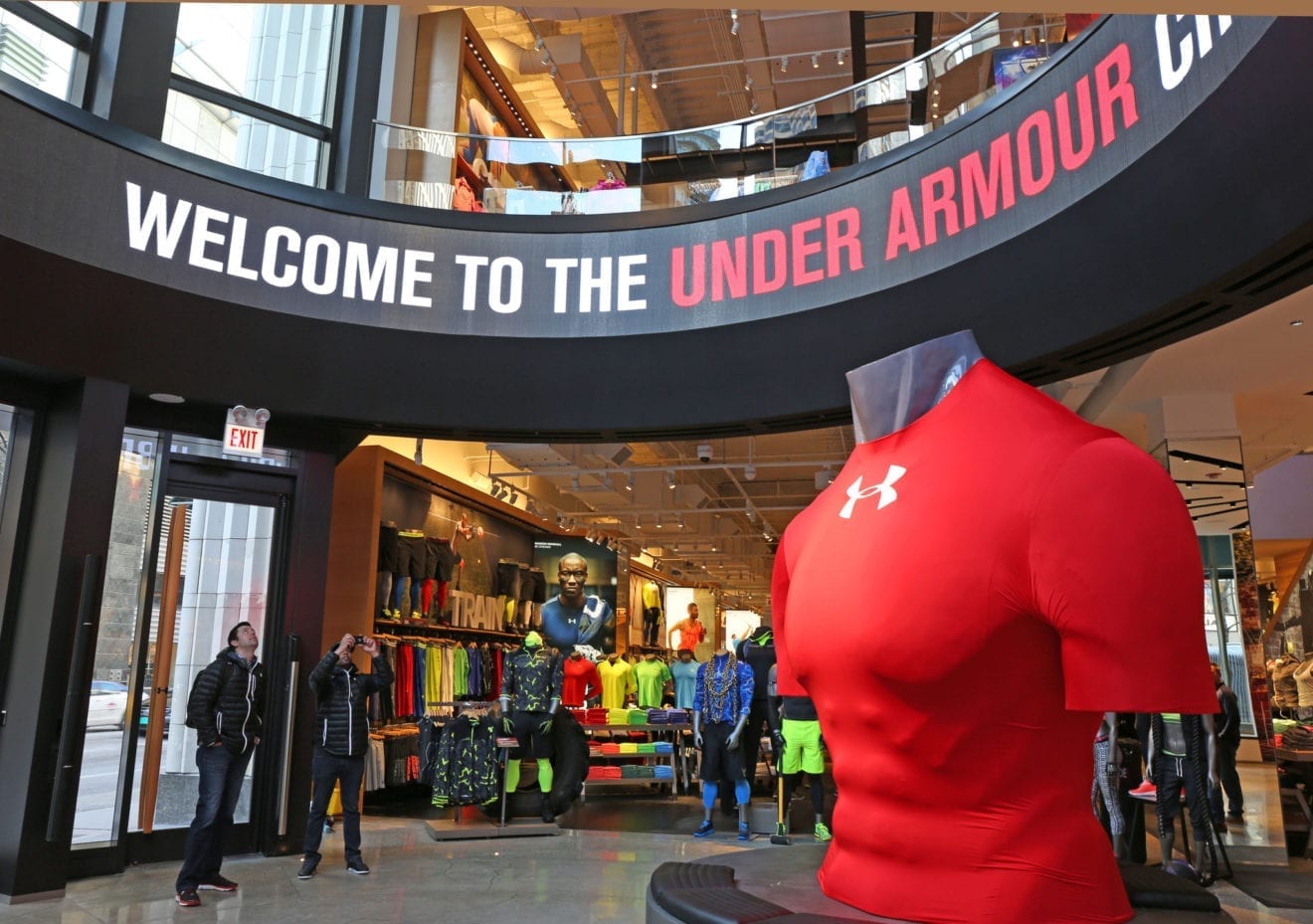
    The assets to be transferred include licences for Disney, Star Wars, Calvin Klein, Under Armour, Tommy Hilfiger, Bebe, Joe’s, Buffalo David Bitton, Frye, Michael Kors, Cole Haan, Kenneth Cole and the BCBG Max Azria label which it bought last year for $27.4 million after the company filed for bankruptcy.

    CEO Bruce Rockowitz said the sale was the outcome of a strategic review of the business.

    “We concluded that divesting the portion of our business that has a high present-day value, was the way to move forward. With this transaction, the group will be able to improve our balance sheet significantly and simplify our organisation, while focusing on the less established lines of business where we see high growth potential going forward.”

    Subject to shareholder approval, the deal will see Global Brands Group become “simpler, flatter and more nimble”.

    The company said that on the branded product side, the group’s European and Asian businesses will remain as before, while its US business will now focus on footwear and its remaining fashion business. Brand Management will continue to be managed on a global basis.

    “Looking ahead, we will continue to attract new licenses to our portfolio with a tighter and deeper focus on our businesses,” said Rockowitz. “At the same time, we will continue to improve the efficiency of our existing businesses, delivering synergies across our platforms. In addition, we have embarked on a significant cost reduction program across the organisation and we are committed to improving our cash flow via a combination of tighter working capital management, and even stronger cost discipline.”

    Revenue up but write-downs cost

    For the year to March 31, Global Brands Group increased its revenue by 3.4 per cent to $4.023 billion.

    However sales were impacted by Coach taking its footwear business in-house after their licence expired in June last year, and the cessation of the Quiksilver kids fashion licence when the company declared bankruptcy.

    Total margin increased from 28.5 per cent to 31.2 per cent, however operating costs increased by 37.3 per cent to $1.254 billion, driven largely by transition costs for new licenses in men’s and women’s fashion and additional operation expenses for running the new brands.

    The group also made one-off, non-cash adjustments in relation to impairments from the write-off of a receivable arising from a loan made by the company, and various intangible assets, which totalled $94 million.

    “In addition, taking into account this strategic divestment, the external market condition and business performance, the group performed an impairment test and recognised a non-cash goodwill impairment of $1.05 billion during the financial year,” the company said. That resulted in a net loss of $887 million for the year, however earnings before interest, taxes, depreciation and amortisation was steady at $379 million.

  • Li & Fung introduces Instant Printed T-shirts

    Li & Fung introduces Instant Printed T-shirts

    T-shirts will be the primary focus of a new partnership between retail supply-chain company Li & Fung and US sewing technology company software.

    The aim is to create a fully digital manufacturing supply chain for apparel and textile products.
    Softwear’s digital t-shirt Sewbot Workline is fully autonomous and with a single worker produces one complete t-shirt every 22 seconds – twice as fast as manual sewing.

    “This partnership with Softwear Automation is another building block in our end-to-end digital supply chain,” says Li & Fung group CEO Spencer Fung. “Through this collaboration we want to partner with an initial set of manufacturers to create our first fully digital apparel supply chain and use those learnings to scale the technology and create customised systems for our supplier network around the world.”

    “We have a shared vision with Li & Fung that the analog will become digital,” says Softwear Automation chairman/CEO Palaniswamy Rajan. “Consumers’ demand to get things faster than ever before is only increasing. With Li & Fung, our revolutionary Sewbots will enable the speed needed for on-demand, made-to-measure manufacturing at scale.”

  • Li & Fung profit jumps to $170 million

    Li & Fung profit jumps to $170 million

    Global supply-chain manager Li & Fung saw its half-year core operating profit jump by 11.9 per cent to US$170 million.

    Profit attributable to shareholders increased by 51.3 per cent to $101 million, while total margin percentage increased by 0.1 point on a like-for-like basis to 11.5 per cent.

    Excluding the impact of the strategic divestment of the group’s Asia consumer and healthcare distribution business, turnover decreased by 2.1 per cent to $7.3 billion. On a reported basis, the fall was 9 per cent.

    “Subdued retail sentiment resulting from economic and geopolitical uncertainties continued to weigh on our brand and retail customers,” the group says.

    Its first half was the first execution period of its three-year plan (2017-2019). “At the core of this plan is our goal to build the supply chain of the future.”

    Accounting for 73 per cent of total turnover, its supply-chain business offers end-to-end services from product design and development to raw material and factory sourcing, as well as manufacturing control.

    Diversified clients

    Li & Fung says its diversified customer base includes brands, specialty stores, department stores, big-box retailers, e-commerce players, hypermarkets, off-price retailers and clubs. “We also converted our vendor base of more than 15,000 to a new customer base for services that
    can improve their efficiencies and compliance levels.”

    Previously its principal-to-principal business under its trading network, products has became an independent business segment under the group’s new structure. It mainly comprises sweaters, furniture and beauty verticals as well as onshore wholesale businesses, each with its own management team.

    “Our sweater vertical also announced a joint venture with South Ocean Knitters Holdings [Hong Kong], combining the resources of both entities to become one of the largest and most innovative knitwear suppliers globally,” says the group.

    Turnover for the segment fell by 8.1 per cent, however, to $1.5 billion, “largely because of anaemic consumer sentiment and an unstable economic environment”.

    Core operating profit tumbled by 28.6 per cent to $33 million while the core operating profit margin eased by 0.7 points to 2.2 per cent. Total margin decreased by 7 per cent to $318 million.

    The US remained the largest contributor to the business, accounting for 65 per cent of total turnover. Asia accounted for 10 per cent.

    Four verticals

    The group’s logistics business focusses on four core verticals: footwear and apparel, fast-moving
    consumer goods, F&B and healthcare.

    In April the group opened a 1 million sqft distribution hub in Singapore, the largest bonded warehouse in Asia. It has 212 distribution centres around the world and 21.5 million sqft of warehouse space. India, Japan, Korea and Vietnam have joined the network to take the group’s reach to 17 markets.

    “Our global network of more than 15,000 vendors, spanning more than 40 economies, allows for flexibility when moving orders from one production country,” says Li & Fung. During the first half, its top three sourcing countries continued to be China, Vietnam and Bangladesh.

    “While China accounted for more than 50 per cent of our sourcing unit volume, we have sizable sourcing operations in Vietnam, Bangladesh, Indonesia, India, Cambodia and other countries.”

    Meanwhile, the group’s strong balance sheet, including $1 billion raised last year via the strategic divestment of its Asia consumer healthcare and distribution business, has provided it with maximum flexibility to fund future growth, the group says. This includes $150 million for digitalisation over the next three years.

  • Li & Fung to create ‘supply chain of the future’

    Li & Fung to create ‘supply chain of the future’

    Li & Fung has unveiled a three-year plan to create what it describes as “the supply chain of the future”.

    Group CEO Spencer Fung said its plan for 2017 to 2019 would realign the business to focus on the changing environment.

    “As we enter the next three years, our entire organisation is aligned around the need to transform the business in a fast-changing environment. We have a comprehensive plan in place to create the supply chain of the future,” he said.

    “We see the next three years as one of the most exciting periods we have embarked on. We continue to be challenged by increasing uncertainties from geopolitical and macroeconomic events, weak consumer demand, and evolving sourcing and consumption preferences. However, the state of the world and the increasing complexity of the supply chain have created tremendous opportunities.

    “Entering into our new Three-Year Plan, our vision is to build the supply chain of the future, to help our customers navigate the new digital economy and stay competitive. With our vast experience in supply chain management, we are confident that we can help our customers excel in this tumultuous time.”

    The three-year plan will focus on speed, innovation and digitisation.

    Fung says one of the primary drivers behind the new strategy is the increasing demand from retail clients for faster turnaround due to shorter order cycles, greater flexibility in inventory replenishment and a demand for smaller volumes so clients can react more quickly to changing consumer preferences.

    “Speed is one of the most important decisions driving our customers’ global supply chains. Internally, we aspire to be responsive and fast like start-up companies, by maintaining a simplified structure and employing methods such as rapid prototyping to make quick decisions,” said Fung.

    “Enhanced innovation allows us to deliver higher speed, and to improve our productivity and

    efficiency by doing things creatively. By innovating business models, we will be able to adapt to the fast-changing environment. We will also increase our efforts in creating new products that help our customers differentiate themselves. We will continue to build upon this with our select product verticals, which allows us to capture new opportunities and enhance margins.

    “Speed and innovation cannot be fully realised without the digitalisation of the entire supply

    chain. We aim to digitalise all the key aspects of the supply chain, from product development,

    material costing and sampling to manufacturing.

    “A digital supply chain is essential to service a highly digitalised marketplace. It will allow us to create an effective ecosystem that benefits various stakeholders in the supply chain. In fact, our convening power in bringing together diverse players across the supply chain and analysing their data is a key differentiator.

    With synchronised data, we can make better decisions on price, quality, working capital, inventory and other efficiencies. By providing end-to-end visibility for our customers and suppliers, Li & Fung will be at the forefront of providing a digital platform,” said Fung. “Together with data analytics, it allows us to create value along the entire supply chain.”

    As it embarks on the new strategy, Li & Fung will first reorganise its business into two main divisions: one focused on services which includes supply chain and logistics solutions, the other  on products, which features the firm’s retail and wholesale business. The two divisions will have their own management teams.

    “The digital supply chain, coupled with a better speed-to-market business model, will transform the supply-and-demand dynamics with our customers,” said Fung.

    Li & Fung employs 22,000 people in more than 250 locations in over 40 different markets.

  • Asia drags down Li & Fung turnover

    Asia drags down Li & Fung turnover

    Li & Fung turnover and core operating profit have been hit by a tough retail environment last year, particularly in Asia.

    However, its resilient performance and cost control saw it improve total margin percentage, while logistics continued double-digit growth

    Li & Fung turnover in Asia dropped by 36.1 per cent year on year to US$1.3 billion. Excluding the impact of the strategic divestment of the Asia consumer and healthcare distribution business last year, turnover in Asia fell by 13.3 per cent to $700 million, impacted by the muted economic environment.

    Turnover in rest of world fell by 20.2 per cent to $1.1 billion, primarily because of soft consumer demand. Overall, turnover was down by 11 per cent to $16.8 billion, and excluding the Asia divestment the fall was 8.3 per cent.

    Like-for-like operating profit fell 17.7 per cent to $408 million, but Li & Fung says it is making “sustained efforts” to improve operating efficiency and productivity through technology and streamlining of the cost base.

    Total margin fell by 10.4 per cent to $1.9 billion, primarily because of the decline in total turnover. Excluding the Asia divestment, the decrease was 6 per cent.

  • Silver consumers driving convenience push

    Silver consumers driving convenience push

    Look for more, but smaller, neighborhood stores, an increase in local delivery trucks and changing store layouts as retailers accommodate aging populations, says The Silver Series IV: Retail Reconfiguration for Seniors.

    The report is the latest in a series of analyses from Fung Global Retail & Technology on the impact of the growing 65-and-over population  – silver consumers – on global economies, industries and retail.

    With smaller households and appetites, seniors shop more frequently, but make smaller purchases, favoring the convenience store sector, the report says. The trend is already being seen in Europe, where large-format retailers such as Tesco and Carrefour are opening smaller stores. While this has yet to take place in the US, ignoring this population segment is unwise, as silvers are growing in number and driving a disproportionate amount of consumer spending.

    “The era of the silver generation has arrived,” writes Deborah Weinswig, MD of Fung Global Retail & Technology.

    The global population silver consumers – aged 65 and older – will account for over one-third of population growth through 2035, according to the United Nations, and will comprise more than 20 per cent of the population overall in Japan, South Korea, Western Europe, North America and China. These households tend to be wealthier, and in the US, senior households spend well above the national average on household supplies and books, though less on apparel and footwear, which could be due to limited choice.

    Long thought to be the province of the young and tech savvy, eCommerce also is a growth market for seniors, who will enjoy or require the convenience of home delivery.

    Not all stores and product manufacturers are accommodating silvers’ changing needs. Seniors can find large-format stores and regional malls overwhelming, and product packaging may need to be redesigned in order to make it easier for seniors to read and open, Weinswig notes.

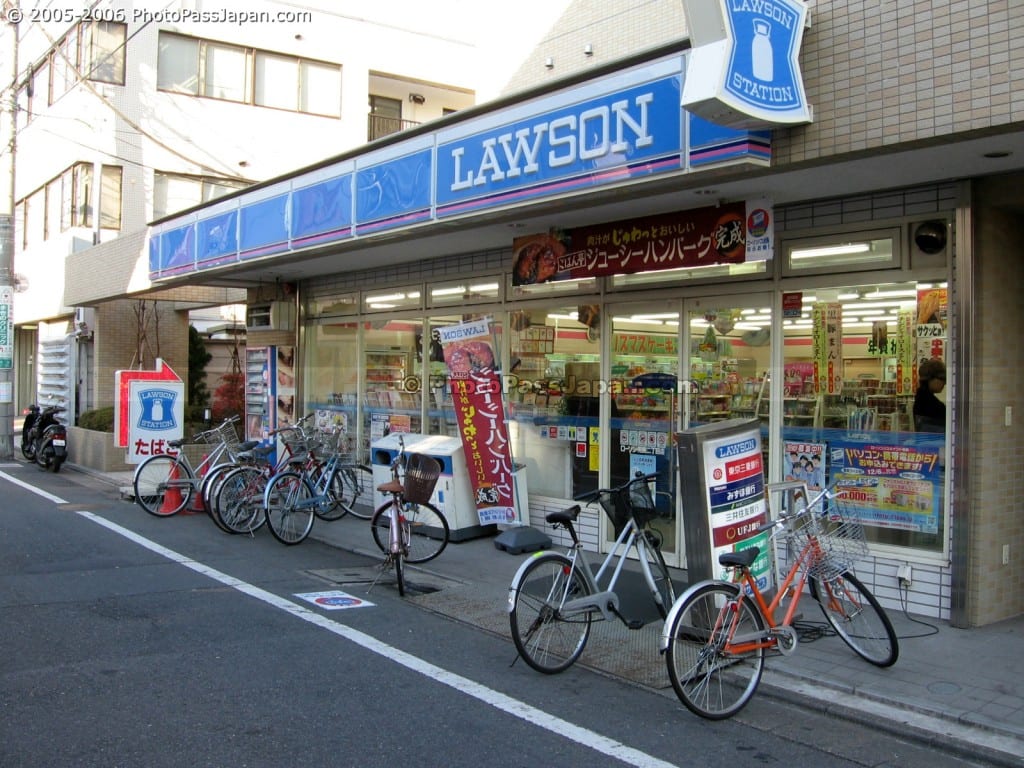
    But some retailers around the globe are adapting. Japan’s Lawson convenience store chain has renovated units in areas with a high concentration of silvers, widening aisles, lowering shelves and stocking more products that appeal to older shoppers. The 7-Eleven chain in Japan offers a meal delivery service to seniors, while the Aeon Mall offers medical facilities, leisure activities, a concierge and other services for its senior shoppers. Supermarket chains in Germany and Austria have widened aisles, provided customised shopping carts and added nonskid flooring, while in the US, drugstores CVS and Walgreens are adapting store layouts to minimise high- and low-shelving, and have carpeted floors in some stores and even added magnifying lenses to shelves so shoppers can read labels with small print more easily.

    “It is no coincidence that Japan, which is well ahead of most countries in terms of the aging of its population, has a major convenience store sector,” Weinswig writes. “We are now seeing other markets follow Japan in a convenience boom: in France and the UK, for instance, major retailers are pushing into the format as the segment outpaces the wider grocery market.”

    The full report can be found here.

  • LF Beauty to exploit Asian beauty boom

    LF Beauty to exploit Asian beauty boom

    Li & Fung Group subsidiary LF Beauty is seeking to cash in on soaring demand for beauty products in Mainland China and wider Asia.

    China’s skincare and cosmetics market is projected by the Hong Kong Trade Development Council to grow by an average annual rate of  of 12.8 per cent from this year through 2019 – considerably faster than the expected global rate of 6 per cent.

    “Asian beauty is now setting the pace for the world. China, South Korea, Japan as well as the entire Southeast Asian market, are very important for us. [That] represents about 4.5 billion in population,” said Gerard Raymond, president of LF Beauty, in an article published by China Daily.

    A large population base dominated by younger demographic distinguishes the Asian market from more mature western markets, he said.

    “The younger generation consumer knowledge and wealth is growing very fast. And they are very willing to try new and innovative things.”

    LF Beauty is partners with suppliers and retailers of product solutions including fragrances, skincare, color cosmetics, and in a one-stop-shop offer provides retailers with logistics support, merchandising systems and point-of-sale solutions.

    Raymond said in the China Daily report that “there never have been more opportunities for brands to stand out and keep pace with their consumers” than in the Asia region

    “It’s never been more challenging. In this competitive environment, we work to help many of the world’s best-loved brands to innovate, thrive and become market leaders,” he said.

    “We have seen that Chinese women now are very interested in beauty products from South Korea,” he said. “In this respect, we have already established a joint venture in South Korea, which allows us to transfer their knowledge to Chinese market directly and serve the demands of local consumers.”

  • Li & Fung proves nimble

    Li & Fung proves nimble

    Hong Kong-listed global supply chain management company Li & Fung has proved nimble weathering one of the most challenging retail environments for many years.

    Yet despite an overall increase in trading volume, its revenue for the year ended December 31 fell 2.4 per cent to US$18.8 billion for the year.

    Mainly servicing US and EU brands, department stores, hypermarkets, specialty stores, catalogue-led companies and eCommerce sites, the family-led company reorganised during the year with the aim of delivering innovation and product differentiation while focusing on client solutions.

    Growth was strong in its e-logistics division, thanks to the eCommerce boom, and with an unprecedented drop in ocean freight rates, its logistics network grew in both turnover and unit volume.

    Adding to the difficulties of the year were political uncertainties in Europe and Asia. Meanwhile, increased competition from fast-fashion, off-price and eCommerce players continue to challenge retail customers, resulting in margin pressure across the board.

    Turnover eased by 2 per cent year-on-year to $18.8 billion, largely because of soft macroeconomic conditions and the challenging retail environment.

    Turnover in Asia decreased by 2.5 per cent to $2 billion, with distribution being hit by the slowdown in China, geopolitical issues in Southeast Asia and Asian currencies depreciating against the US dollar.

    However, Li & Fung’s logistics network continued to grow in Asia, largely thanks to support by new contracts and expansion, particularly into Southeast Asia.

    Across its trading network, the company served a diversified group of customers including brands, department stores, specialty stores, clubs, hypermarkets and pure-play eCommerce ventures. The network covers more than 40 economies, and the top three sourcing countries continue to be China (more than half of products), Vietnam and Bangladesh.

    The company’s entrance into Indonesia, Japan and Korea also began to generate positive contribution, and it launched a regional distribution centre in Singapore.

    “Globally, our industry is going through an unprecedented structural change, led by the changing conditions at retail,” says group CEO Spencer Fung, the great-grandson of the company’s founder.

    “Retail is becoming more competitive as more eCommerce players enter the marketplace, and global competition overall is being augmented by cloud computing, mobile connectivity and cross-border logistics.”

    He says consumer preferences and buying patterns are also changing, led by millennials and the newer Generation Z.

    “The way these consumers discover, socialise and finally make a purchase decision has had immense consequences to brand loyalty, to sustainability and to the sharing economy… the speed of change is only increasing as we look ahead.”

    Li & Fung is partnering with companies that offer technology and innovation to create products “with more excitement”, and has simplified its structure and business to improve speed and flexibility.

    “With fewer acquisitions in 2015 compared to previous years, we have been very focussed on growing organically and increasing our market share with our existing customer base,” says Fung.

    “All indications point toward a challenging 2016, but I am confident we will weather these changes as we build for the future.”

  • HK’s Li & Fung 2015 profit down, but beats forecast

    HK’s Li & Fung 2015 profit down, but beats forecast

    Global exporter Li & Fung Ltd’s full-year profit fell 4.6 percent but beat analysts’ estimates, as growth in its logistics and vendor support services business helped overcome headwinds from global retail disruption and macro environment.

    The Hong Kong-based company, which grew to prominence by making clothing and toys in Asia for Western retailers, said on Thursday its net profit for the year ended Dec. 31 fell to $421 million from $441 million a year earlier.

    That compared with an average forecast of $413.2 million by 10 analysts polled by Reuters. Li & Fung, which supplies to companies like Kohl’s Corp and Wal-Mart Stores Inc, said core operating
    profit fell 15.2 percent to $512 million.

    Revenue fell to $18.8 billion from $19.3 billion a year ago, which was the biggest company by revenue for 2014 in Asia pacific in “Textiles & Apparel” industry.

    Textile companies in China are expected to post a 12-month forward revenue growth of 23 percent, the highest expected increase in the Asia-Pacific region in the “Textile & Apparel”
    sector, according to Thomson Reuters StarMine SmartEstimates, which emphasizes on recent forecasts by top-rated analysts.

    Li & Fung has refocused on its core asset-light supply-chain business following the sale of its loss-making brand-licensing and distribution business in 2014, helping it boost free cash flow and better control operating costs.

    The company, with a market value of about $5.3 billion, posted a 34 percent rise in January-June profit last year at $149 million.

    Analysts were concerned about inventory build-up at retailer level as inventories grew faster than sales growth in recent quarters. They worried that Li & Fung’s turnover would be affected as U.S. retailers focus on resolving high inventory levels.

  • Li & Fung cautions on weak outlook for global retail

    Li & Fung cautions on weak outlook for global retail

    Hong Kong-listed Li & Fung, which supplies products from China for international groups including Walmart, has warned that the global retail market will remain weak this year as deflation continues to weigh on Chinese factories.

    The world’s largest sourcing company by revenue is a barometer for the state of global trade and the Chinese manufacturing industry and has had its profits and turnover squeezed in recent years amid tough market conditions.

    “The global economy looks challenging,” Spencer Fung, chief executive of the family-led company, said on Thursday as the group reported another drop in profits and revenue last year. “For 2016, the consumer sector is likely to remain weak and factory deflation will continue.”

    Revenue fell 2.4 per cent to $18.8bn in the year to December 31, while net profit attributable to shareholders shrank 4.6 per cent to $421m, marginally ahead of analysts’ expectations.

    Mr Fung, who is the great-grandson of the company’s founder, said 2015 had been another difficult year for the business. Li & Fung’s traditional role as a middleman between factories and retailers has been disrupted by the growth of ecommerce and fast-changing consumer tastes.

    “Our major markets in the US, Europe and Asia all experienced strong headwinds,” he said, noting that the price of shipping a container from China had fallen as much as 75 per cent in some cases because of lower demand.

    Shares in Li & Fung have fallen 36 per cent in the past year as investors remain concerned about its ability to overcome the structural changes in the retail and manufacturing industries at a time when the global economy is struggling.

    Mr Fung said the company managed to increase the volume of products it shipped last year, but that falling factory-gate prices in China meant revenues fell in value terms.

    He said that this deflation, which is of concern to the Chinese government, was likely to continue this year because of sluggish consumer demand in the US and Europe, and low commodity prices.

    Facing a difficult environment in its core sourcing business, Li & Fung has been expanding into areas such as ecommerce logistics.

    Revenue at its logistics arm rose 6.7 per cent last year, as it capitalised on the rapid growth of ecommerce in China, where cheap smartphones and convenient online payments systems have helped retailers expand their internet business.

    With sourcing still accounting for 95 per cent of the company’s turnover, the logistics business was unlikely to provide much respite for Li & Fung in the next few years.

    But Mr Fung said the company’s efforts to move into logistics would pay dividends in the longer term, given Li & Fung’s broad global footprint in manufacturing nations such as China, Vietnam and Bangladesh, as well as key end markets such as the US and Europe.

    “The changes happening [in] retail are impacting everyone along the value chain,” he said. “Our customers are looking to us to help them navigate these changes with innovative products and increased speed to market.”

  • Wangfujing, Bailian to launch 300 retailer China chain

    Wangfujing, Bailian to launch 300 retailer China chain

    Wangfujing Division Retailer, Bailian Group and Li & Fung plan to launch a 300-strong chain of retail shops in China in a three-way three way partnership.

    The businesses say they plan to “rework China’s retail business” by way of enhancing provide chain effectivity.

    Li & Fung Buying and selling (China) Holdings, a wholly-owned subsidiary of Hong Kong listed Li & Fung stated the JV can be based mostly within the Shanghai free commerce zone.

    Li & Fung could have a minority 20 per cent curiosity within the new enterprise, with the bulk evenly balanced between the opposite events.

    The core enterprise of the JV shall be creating and managing personal labels and licensed manufacturers. Within the first three-year plan, the JV will concentrate on menswear, womenswear, childrenswear and residential merchandise, creating as much as three personal labels and as much as six licensed manufacturers. It “might contain” the opening of as much as 300 shops or store-in-stores and realising as much as 1 billion yuan in gross sales.

    Li & Fung will use its international sourcing experience to design, supply and produce personal labels and licensed manufacturers tailor-made to the retail companions’ necessities.

    The corporate says the partnership displays the growing competitors in a fast-evolving retail market and the rising significance of eCommerce that are driving Chinese language multi-brand retailers to look to develop personal and proprietary manufacturers with which to distinguish themselves from rivals, improve margins and enhance buyer loyalty.

    “In the long term, the JV goals to be on the forefront of a brand new breed of brand name improvement and administration corporations giving robust own-brand capabilities to conventional retailers that may contribute to the transformation and sustainable improvement of China’s retail business,” Li & Fung stated in a press release.

    “Via this strategic partnership, Li & Fung is ready to prolong the worldwide provide chain into a considerable retail community that serves a big rising center class in China,” stated William Fung, group chairman.

    “The three way partnership goals to introduce globally sourced merchandise that provide Chinese language shoppers a greater variety of overseas items,” he added.

    Shanghai Bailian Group owns greater than 6 million sqm of economic area, with 5000 gross sales retailers in additional than 20 provinces and cities all through China, masking quite a lot of retail codecs together with malls, supermarkets, comfort shops, purchasing malls, low cost shops and franchise shops. Its basic merchandise division operates 47 department shops in China, together with Shanghai First Division Retailer, Wing On Division Retailer, No. 1 Yaohan Division Retailer, Oriental Division Retailer, Bailian Buying Mall and Bailian Retailers.

    Beijing Wangfujing Division Retailer operates 45 chain shops in numerous retail codecs in 30 cities, together with department shops, purchasing malls, retailers and eCommerce.

  • Li & Fung sets up China retail JV

    Li & Fung sets up China retail JV

    Global exporter Li & Fung Ltd has formed a joint venture with two Chinese department store operators, with the aim of setting up as many as 300 stores and developing its own private labels, the Hong Kong firm said on Tuesday.

    The firm will own 20 percent of the joint venture, while Beijing Wangfujing Department Store Group Co and Shanghai Bailian will each hold a 40 percent stake.

    The joint venture, which will be called BaiFuLi Co, may help Li & Fung to make up for some of the business it recently lost from US retail giant Wal-Mart Stores Inc.

    Li & Fung reported an 11.8 percent fall in 2014 net profit in March.

    BaiFuLi will have a registered capital of 48 million yuan ($7.7 million).

    Li & Fung said developing proprietary brands would help the joint venture differentiate from rivals “amid increasing competition in a fast-evolving retail landscape.”

    The venture aims to develop between one and three private labels and up to six licensed brands over a three-year period, said the company.

    This could see the venture opening up to 300 stores and pulling in up to 1 billion yuan ($161 million) in sales.

  • Walmart reduces Li & Fung reliance

    Walmart reduces Li & Fung reliance

    Walmart, the world’s largest retailer, says it can take in-house a few of the inventory sourcing it has beforehand contracted out to Li & Fung subsidiary Direct Sourcing Group.

    It expects by dealing with its personal sourcing, it should scale back prices in its provide chain.

    Wal-Mart stated in a press release: “We have now made a enterprise choice to switch sure sourcing features for Wal-Mart in-house, and as such will work collaboratively with DSG to make sure a clean transition over the subsequent a number of months.”

    DSG retains the enterprise of sourcing merchandise for Walmart’s Sam’s Membership operation, which has 648 shops within the US.

    The US firm has partnered with Li & Fung for nearly 5 years. On the time the contract was introduced in 2010 the 2 corporations estimated the sourced merchandise can be value round US$2 billion a yr. They stated they might type a three way partnership, Direct Sourcing Group.

    However two years later Walmart backed out of that plan, deciding to not take up its shares however to retain Li & Fung as a sourcing provider.

    The Hong Kong firm has declined to touch upon the information, first damaged within the Wall Road Journalnewspaper and subsequently reported by Reuters.

    Reuters quoted a analysis word by UBS analyst Spencer Leung, saying Walmart’s transfer was unlikely to have vital monetary influence on Li & Fung, however “will almost certainly set off different main retailers to evaluation their sourcing preparations (with Li & Fung)”.

    Trend model Kate Spade earlier this month stated it had taken sourcing of equipment in-house, however would proceed to make use of Li & Fung for sourcing clothes provides and different providers.


  • Trinity weathers stagnant China market

    Trinity weathers stagnant China market

    Li & Fung subsidiary Trinity, which retails high-end menswear Greater China and Europe, has weathered a stagnant home market in 2014.

    The company posted revenue of HK$2.6 billion (US$335.2 million) and the gross profit was HK$1.9 billion ($244.95 million). The gross profit margin was 74.1 per cent representing a 1.4 percentage point decline due to liquidation of excess inventory, a management priority in the second half.

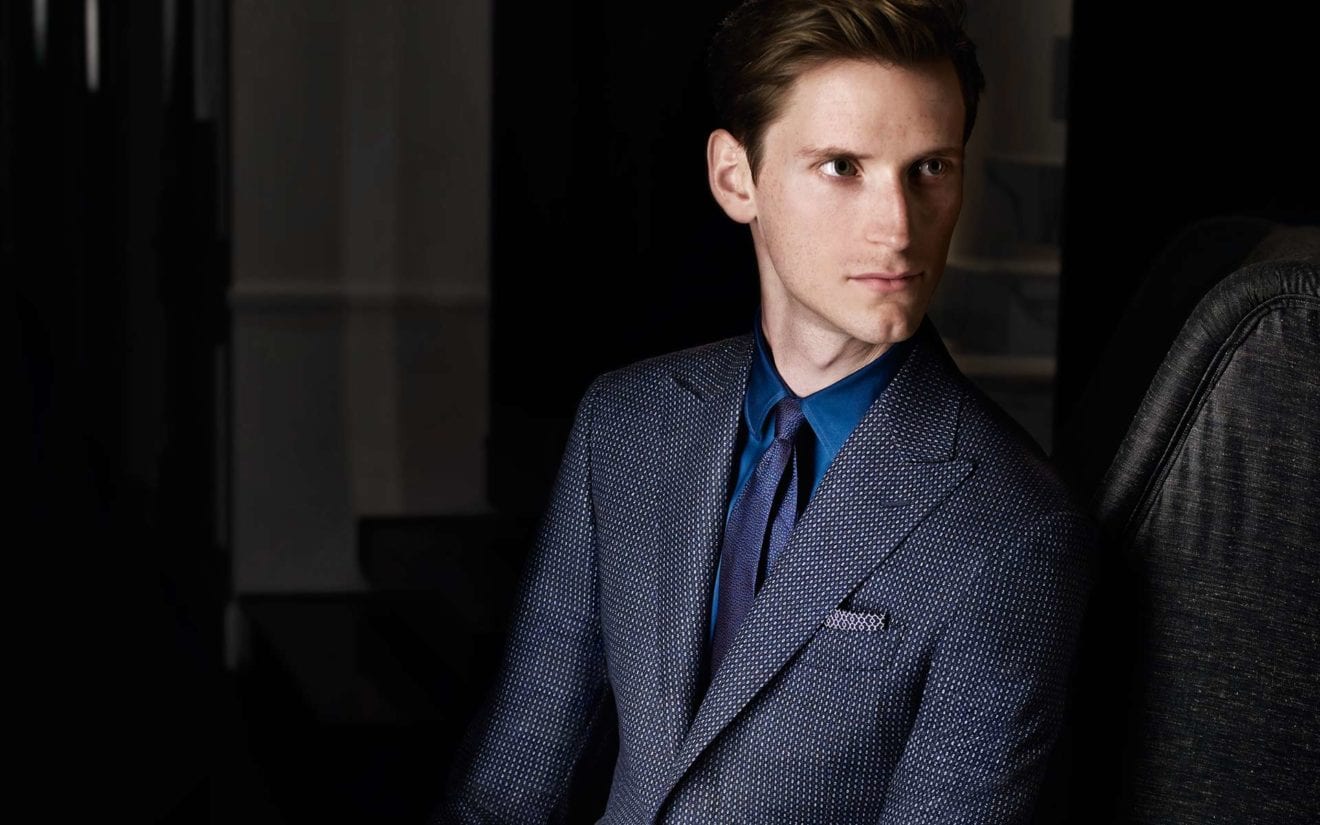
    Trinity’s brands include D’Urban, Gieves & Hawkes, Cerruti 1881, Intermezzo and Kent&Curwen CEO Richard Cohen said Trinity achieved the performance milestones it set out last August and is on track with its medium-term strategy.

    He said the company was putting in place “the right retail strategy and structure” to deliver consistent, sustainable returns into the future.

    “We have significantly strengthened our teams up and down the organisation and continue to improve inventory management. In the past six months we have developed centralised shared services across all departments and improved our supply chain to make it more cost-effective and flexible.”

    Cohen said that Trinity remained bullish about the Chinese market and opportunities to serve the Chinese consumer, whether at home or travelling abroad.

    “We target globally and think locally,” he said.

    “We are optimistic for the near and medium-term, and remain confident about the longer term potential for our business.

    “We are looking forward to 2015 when the first Trinity collections developed by the new management team appear in stores.”