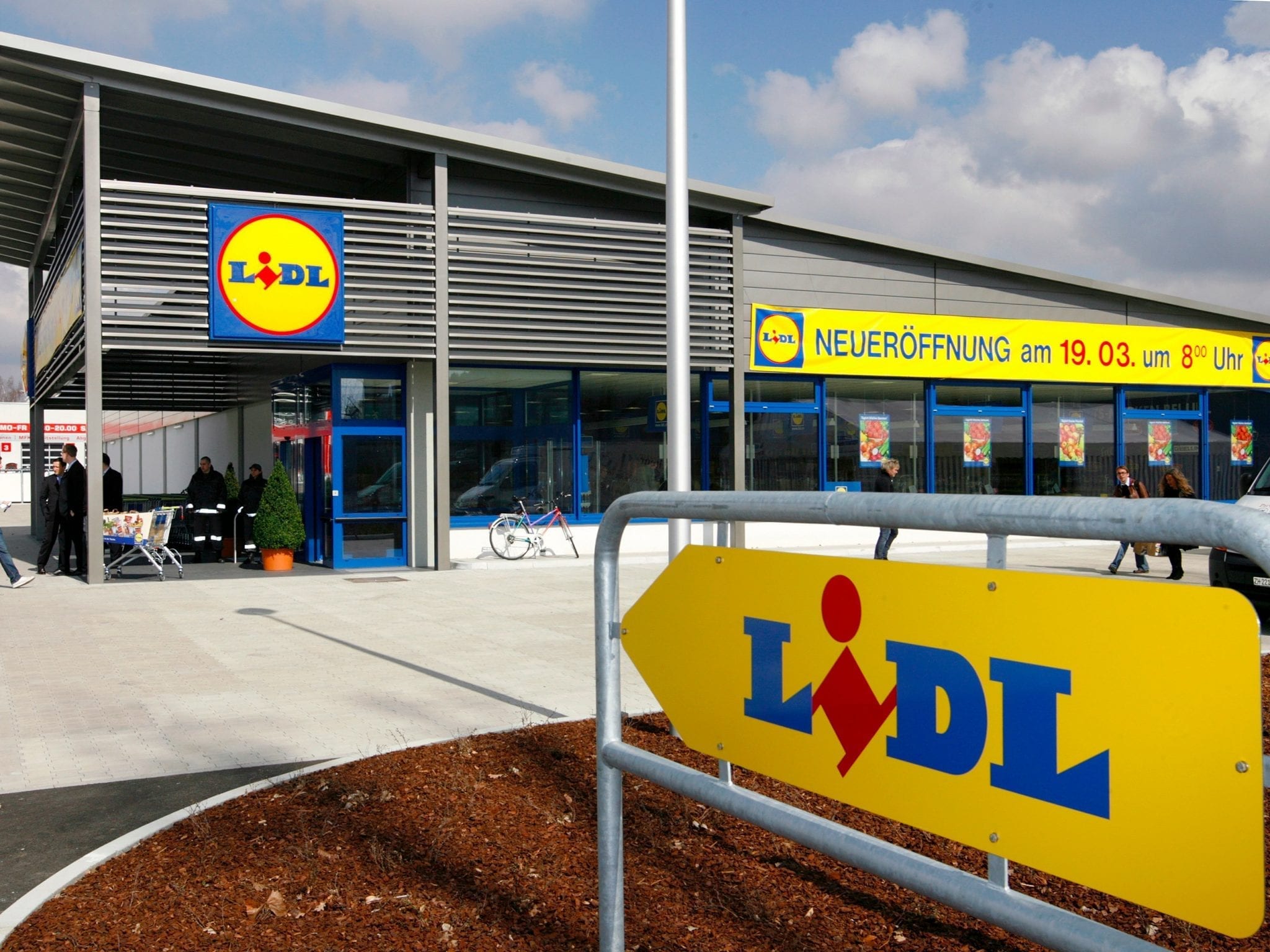
In a strategic move to bolster its supply chains amidst global uncertainties, Lidl, one of Europe’s largest supermarket chains, is setting its sights on sourcing more products from Vietnam and Malaysia. This shift marks a significant step in the company’s ongoing efforts to diversify its supply chain and mitigate risks associated with reliance on traditional markets.
Part of Germany’s influential Schwarz Group, Lidl’s expansion strategy includes an impressive milestone: the establishment of its Tailwind Shipping Lines in 2022. This venture was launched in the wake of the COVID-19 pandemic, designed to streamline logistics and enhance control over its supply chain operations, specifically from regions such as China, Bangladesh, and Sri Lanka to its European stores. In a surprising twist, Tailwind has quickly risen to become Germany’s second-largest shipping company, boasting a fleet of nine container ships.
As Lidl navigates these turbulent waters of the global marketplace, its focus on Vietnam and Malaysia not only reflects a pragmatic response to supply chain vulnerabilities but also highlights the increasing importance of Southeast Asia in global retail sourcing. The company’s proactive strategy serves as a case study for others in the industry, showcasing how adaptability is crucial for thriving in an ever-evolving economic landscape.
Questions & Answers
What motivated Lidl to increase sourcing from Vietnam and Malaysia?
Lidl aims to diversify its supply chains amid global uncertainties, minimizing reliance on traditional markets, especially after disruptions caused by the COVID-19 pandemic.
What is Tailwind Shipping Lines, and why is it significant for Lidl?
Tailwind Shipping Lines, launched by Lidl’s parent company Schwarz Group, allows for tighter control over logistics and has quickly become Germany’s second-largest shipping firm, enhancing the efficiency of getting goods to Lidl stores.
How does Lidl’s strategy reflect broader trends in global retail?
Lidl’s move underscores the growing importance of Southeast Asia for retail sourcing, highlighting the need for companies to adapt quickly to supply chain challenges in a rapidly changing economic environment.