Tag: lifestyle retail

  • Tsutaya to Open First Thailand Store in Bangkok in October

    Tsutaya to Open First Thailand Store in Bangkok in October

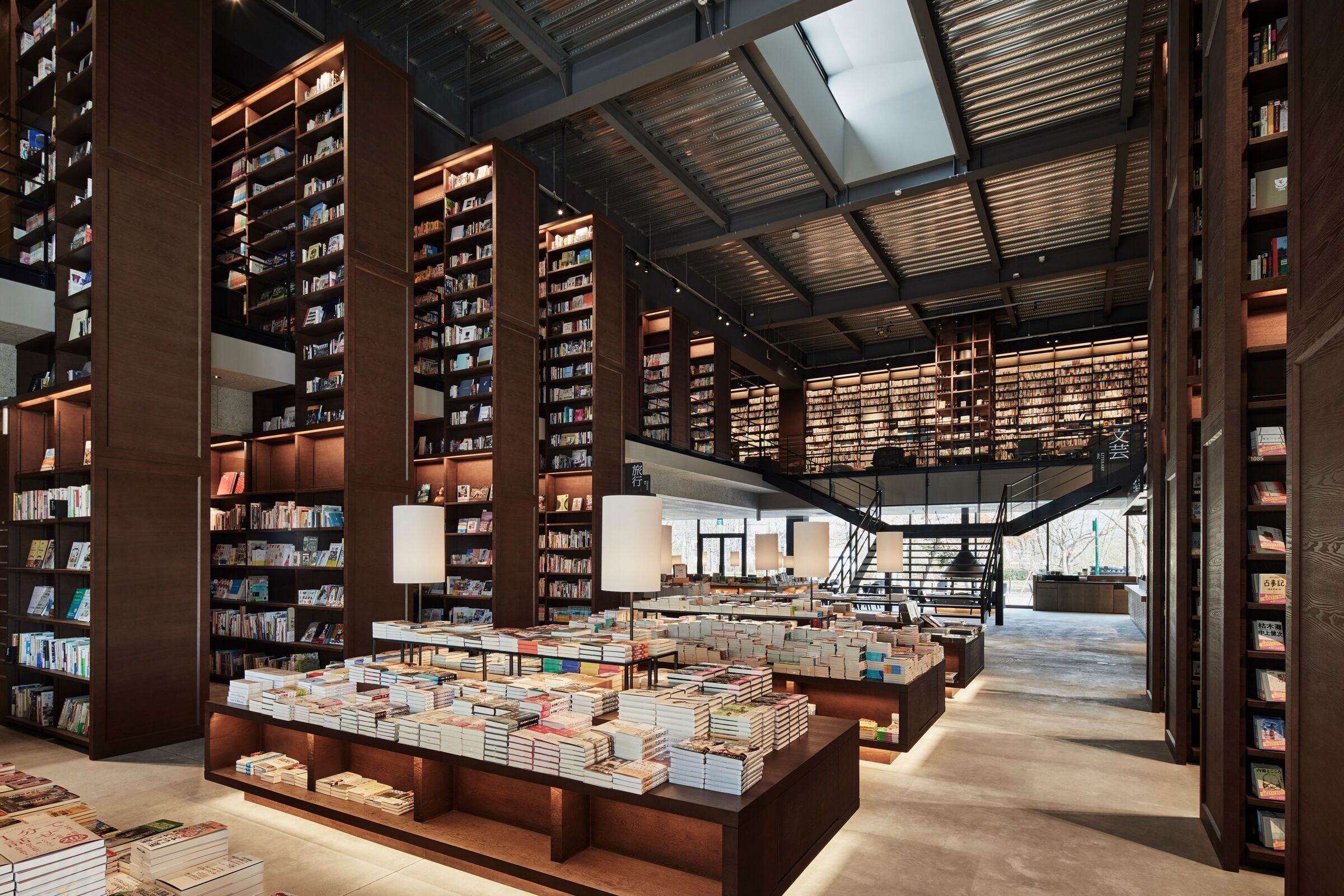
    Culture Convenience Club, operator of Japanese bookstore chain Tsutaya, will open its first store in Bangkok in October.

    The Tokyo-based company is expanding across Southeast Asia as interest in Japanese content such as anime and manga continues to rise.

    The Lifestyle Retail Formula

    The operator is building its Asian strategy around a mix of bookshelves, restaurants, and community spaces.

    Selling physical books alone carries thin margins in high-rent metropolitan malls. Integrating dining, curated lifestyle products, and fandom merchandise gives the operator higher basket values and longer dwell times per visitor.

    Competitive Terrain in Bangkok

    Bangkok already hosts established Japanese retail operators, including Kinokuniya and specialized character-goods shops. Tsutaya enters the market by pitching a broader lifestyle proposition rather than running as a pure bookseller.

    For mall landlords, experiential book concepts act as steady foot-traffic anchors. The operational challenge lies in maintaining novelty once the initial opening buzz fades, particularly among younger shoppers who consume digital media rather than physical publications.

    Regional Expansion Drive

    Culture Convenience Club has steadily widened its overseas footprint, adding locations in Taiwan, China, and Malaysia. The Thai launch extends that Asian network into one of the region’s most active consumer retail hubs.

    The Bangkok branch opens its doors in October, with the operator monitoring initial store traffic before committing to further sites across the country.
  • 3Coins Debuts in Taiwan with 370-Square-Metre Store in Taipei

    3Coins Debuts in Taiwan with 370-Square-Metre Store in Taipei

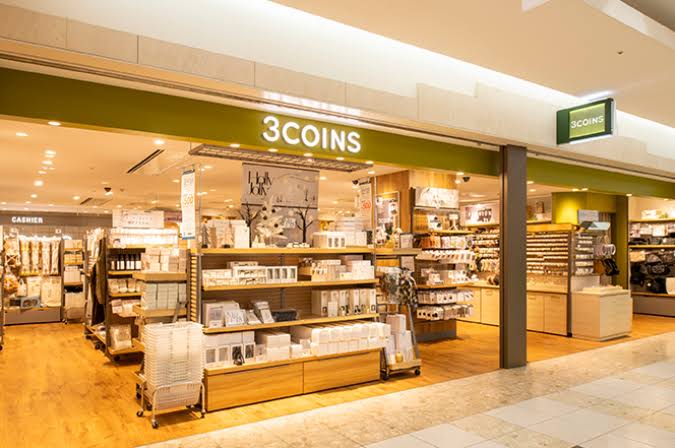
    Japanese variety store chain 3Coins has debuted in Taiwan with a 370-square-metre store in Taipei, following brand sales of 80.94 billion yen ($523 million) in the year ended February.

    Located inside Eslite Spectrum Wuchang in the Ximending retail district, the outlet stocks standard lifestyle lines alongside products tailored for local shoppers.

    The Franchise Model Behind the Launch

    Parent company PAL Group uses Hong Kong-based Yaichi Group as its master franchisee to take 3Coins outside Japan. For the Taiwan rollout, Yaichi partnered with FullSynergy New Retail, an e-commerce unit under telecom carrier Taiwan Mobile Group.

    Their joint model pairs physical department store space with a dedicated online store. FullSynergy handles local operations, digital marketing, and loyalty integration across Taiwan Mobile’s customer base to encourage repeat visits.

    Tapping Taipei’s Crowded Japanese Retail Market

    Taiwan offers a proven market for Japanese discount retailers, but competition in central Taipei is fierce. Established chains like Daiso, Don Don Donki, and Nitori already occupy prime sites across major transit corridors and shopping malls.

    Setting up in Ximending puts 3Coins in front of young shoppers and tourists. Connecting with Taiwan Mobile gives the brand immediate omnichannel reach that traditional brick-and-mortar imports often spend years building.

    PAL Group Builds on Hong Kong Momentum

    The Taipei opening follows 3Coins’ first overseas push into Hong Kong last year, where Yaichi also runs the store network. Founded in 1994, 3Coins sells homeware, kitchen goods, and small electronics priced around 300 yen in Japan.

    Variety retail remains PAL Group’s main engine. Division sales rose 14 per cent in the financial year ended February, easily outpacing the group’s legacy apparel business.

    Next, Yaichi and FullSynergy must scale the concept beyond the Ximending flagship into secondary shopping hubs across New Taipei, Taichung, and Kaohsiung.

  • Oh!Some Scales Back in Vietnam 16 Months After Opening Flagship

    Oh!Some Scales Back in Vietnam 16 Months After Opening Flagship

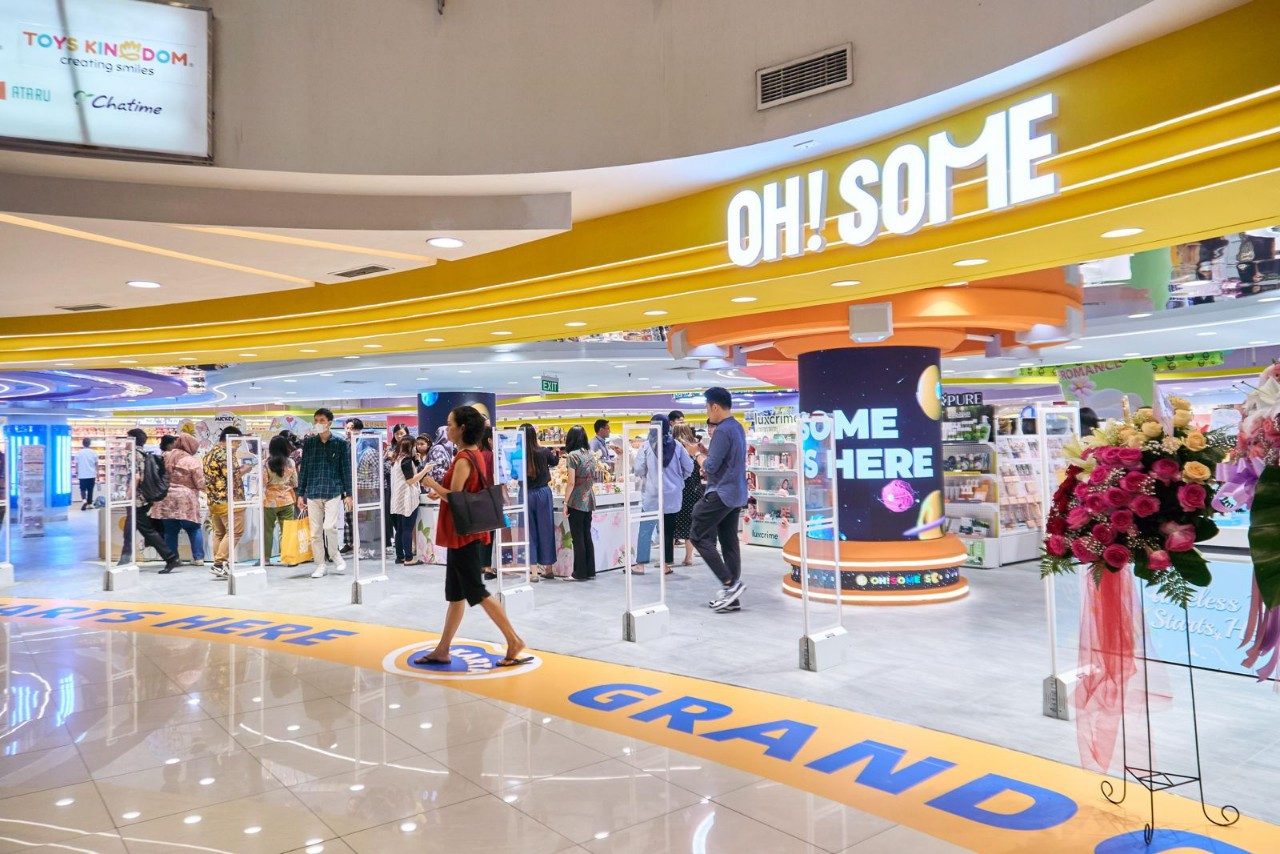
    Chinese lifestyle chain Oh!Some is closing stores across Vietnam. The closures come 16 months after it opened a 2,000-square-metre flagship in central Ho Chi Minh City.

    The retailer entered Vietnam in April 2025 and expanded quickly. Mounting losses soon forced a reassessment. High mall rents, logistics expenses and rising wages squeezed margins across its Vietnamese outlets, according to people familiar with the operations.

    Retreat across regional hubs

    Vietnam is not the only market where the chain has pulled back. Oh!Some has already shut all stores in Singapore, where parent firm Blue Origin Group is based. Its only branch in Hong Kong also closed recently.

    Oh!Some sells beauty products, homeware, accessories, toys and daily essentials. The group had targeted Southeast Asia for rapid expansion. It drafted launch roadmaps for Thailand and Cambodia, and named Indonesia as its main regional engine.

    High overheads pinch lifestyle chains

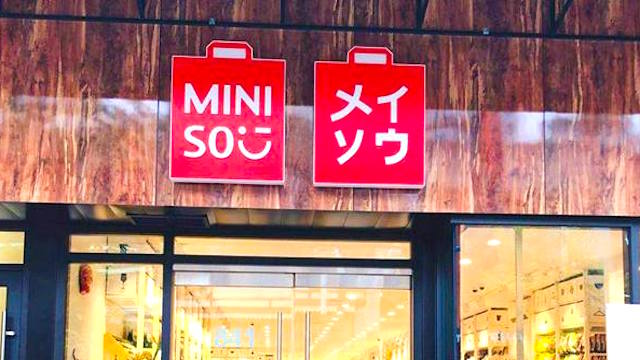
    Budget lifestyle chains across Southeast Asia face stiff competition from rivals like Miniso and local value merchants. Massive central footprints make the problem worse. Oh!Some took a multi-level site at Vincom Center Dong Khoi, leaving the low-margin business exposed when basket sizes failed to cover prime leasing costs.

    Blue Origin Group has not stated whether it will exit Vietnam entirely or keep a smaller store footprint in secondary shopping centres.

  • Moshi Moshi Lifts First-Half Profit 21.5% as Thai Network Expands

    Moshi Moshi Lifts First-Half Profit 21.5% as Thai Network Expands

    Thai lifestyle retailer Moshi Moshi increased its first-half net profit by 21.5 per cent to 352.83 million baht, driven by new store openings and stronger gross margins.

    Operating revenue rose 17.3 per cent year on year to 1,654 million baht across the six months, keeping pace with management’s annual growth target of 15 to 20 per cent.

    During the second quarter, operating revenue climbed 17.2 per cent to 956.1 million baht, while net profit gained 20 per cent to 161.86 million baht. Gross margin widened 140 basis points to 56.4 per cent. Same-store sales grew 4.0 per cent in the quarter, building on a 15.2 per cent jump in the prior-year period.

    The company operated 218 stores at the end of June, an increase of 37 outlets over 12 months. Most of Thailand’s 76 provinces and Greater Bangkok now host at least one location. Management plans 35 net new store openings for the full 2026 financial year, having completed roughly half that target by mid-year.

    Inventory Velocity and Mall Pipeline

    Product turnover drives customer traffic across the chain’s 13 merchandise categories, which span stationery, beauty, plush toys, apparel and home accessories. Moshi Moshi manages an inventory catalogue of more than 25,000 stock-keeping units and releases approximately 1,000 new items every month at accessible price points.

    Physical malls remain the core sales channel. Key landlords Central Pattana, Central Retail’s Robinson lifestyle malls, Berli Jucker’s Big C, and CP Axtra’s Lotus’s offer about 500 commercial sites nationwide. The company is also opening stand-alone outlets near some of Thailand’s 150 universities, including a campus branch at Chulalongkorn University in Bangkok.

    Wholesale revenue, which represents 11 per cent of total turnover, expanded at a slower rate during the half. Disruption from bridge construction near Bangkok’s Platinum Fashion Mall cut pedestrian traffic and limited tour bus access to the company’s wholesale unit. Digital channels accounted for just 3 per cent of total sales across Shopee, Lazada and TikTok.

    Regional Competition and Overseas Targets

    Domestic mall coverage will eventually hit saturation as Moshi Moshi fills out second-tier provincial cities and campus locations. Maintaining double-digit annual sales growth beyond Thailand requires entering neighbouring Southeast Asian markets with matching demographics.

    Competitors are already securing positions across the region. Singapore-based lifestyle brand Oh!some operates stores in Cambodia across three Aeon malls in Phnom Penh, runs outlets in Hanoi and Ho Chi Minh City, and trades from three stores inside Bangkok. For Moshi Moshi, replicating its format in Vietnam, Indonesia and Cambodia represents the logical next leg of expansion once Thai site availability narrows.

    The company continues store renovations and floor-space expansions across its domestic mall network while tracking toward its target of 35 net new store additions by December 2026.

  • Miniso and 99 Ranch Market Lead US Retail Growth by Prioritising Lifestyle and Community

    Miniso and 99 Ranch Market Lead US Retail Growth by Prioritising Lifestyle and Community

    Asian-rooted retailers Miniso and 99 Ranch Market are achieving significant growth in the United States by focusing on lifestyle connections and fostering a sense of community. The 2026 NRF Hot 25 Retailers list, compiled by Kantar, ranks the nation’s fastest-growing retail companies based on year-over-year domestic sales, with both brands making a notable impact.

    Miniso, a global lifestyle product retailer known for its affordable and aesthetically pleasing goods, secured the top spot at No. 1 on the list. 99 Ranch Market, an Asian supermarket chain, also featured prominently at No. 15. Their inclusion underscores a broader retail strategy: turning consumer lifestyle choices into deep-seated loyalty.

    Building Loyalty Through Experience

    According to Dave Marcotte, a senior vice president at Kantar, Miniso embodies the lifestyle approach in nearly all its operations. The brand’s ability to resonate with consumers on an emotional level, offering products that align with contemporary tastes and trends, is a key driver of its rapid expansion.

    Similarly, 99 Ranch Market differentiates itself through its superior offerings. Marcotte highlights the supermarket’s produce, bakery, and prepared foods as being significantly ahead of traditional chain grocers. The presentation and quality of goods are compelling enough to convert first-time visitors into loyal customers, creating a strong emotional connection.

    The Value Of Belonging In Retail

    The NRF Hot 25 Retailers list emphasises that in an increasingly complex world, a sense of belonging is vital. Retailers that successfully provide this, alongside value and convenience, are seeing stronger customer loyalty. This trend extends beyond Asian-rooted brands, with convenience store chains like Casey’s General Stores (No. 13), QuikTrip (No. 20), and Wawa (No. 24) also making the list due to their strong community ties and distinctive offerings.

    For retailers in Asia-Pacific, the success of Miniso and 99 Ranch Market offers valuable insights. Many Asian markets are already highly competitive, but these examples show that a clear focus on lifestyle integration and superior product quality can create a distinct market position and drive exponential growth. Brands across the region, from local startups to established players, are continually seeking ways to deepen consumer engagement and foster loyalty beyond just transactional interactions.