
Tag: light

  • Unlocking New Markets: Vietnam Secures Green Light for Pomelo and Lemon Exports to China

    Unlocking New Markets: Vietnam Secures Green Light for Pomelo and Lemon Exports to China

    A recent agreement has paved the way for Vietnamese pomelos and lemons to be exported to China. This phytosanitary requirements protocol was formalized between Vietnam’s Ministry of Agriculture and Environment and the General Administration of Customs of China. The agreement unfolded during a state visit to China by To Lam, who is the Party General Secretary and State President of Vietnam.

    Phytosanitary Requirements and Protocols

    The newly agreed protocol stipulates that all areas cultivating and facilities packaging pomelos and lemons for export to China have to be registered with the Ministry of Agriculture. Furthermore, they must gain approval from both the Ministry and China’s customs. These facilities are mandated to enforce stringent pest control measures to ensure the quality of the produce.

    The cultivation areas are required to adhere to Good Agricultural Practices (GAP) and Integrated Pest Management (IPM) requirements. These requirements demand fruit to be bagged at least 60 days prior to harvest and the use of traps to combat fruit flies.

    The packaging facilities must maintain sanitary conditions and appropriate functional zoning. Fruits are required to be sorted, classified, and cleaned to remove any diseased or pest-infected fruits, as well as any plant debris and soil residues.

    The Impact of the Agreement

    The Ministry has cited this agreement as the result of structured technical negotiations between plant protection and quarantine agencies of both nations. These discussions have been ongoing since 2019.

    The agreement signifies an important shift towards transparent, standards-compliant official export channels and a more sophisticated bilateral cooperation framework, amidst growing Vietnam–China agricultural trade.

    China continues to be a crucial market with strong demand and potential for Vietnamese fruit exports. Building on the success of other exports, pomelos and lemons are expected to increase their market share, consolidate their position, and boost overall export growth.

    The ministry has expressed its commitment to working closely with localities, associations, businesses, and producers to effectively put the protocol into practice. This will include guidelines on regulations, standardizing cultivation areas and packaging facilities, and strengthening inspections to guarantee full compliance with Chinese requirements.

    Vietnam’s Agricultural Advantage

    Pomelos and lemons are among Vietnam’s most successful agricultural products. Vietnam currently cultivates pomelos on approximately 106,000 hectares, positioning itself as a major global producer of the fruit.

    Questions & Answers

    What does the new protocol between Vietnam and China involve?
    The protocol involves the export of Vietnamese pomelos and lemons to China. It stipulates that all cultivation areas and packaging facilities for these fruits must be registered with the Ministry of Agriculture and approved by both the Ministry and China’s customs.

    What requirements must the Vietnamese farms and packaging facilities meet under the new protocol?
    The farms must adhere to Good Agricultural Practices (GAP) and Integrated Pest Management (IPM) requirements, which includes bagging fruit 60 days before harvest and using traps for fruit flies. The packaging facilities must maintain cleanliness and appropriate functional zoning.

    How will this protocol impact the Vietnam-China agricultural trade?
    The protocol signifies a shift towards transparent, standards-compliant official export channels and provides a more sophisticated bilateral cooperation framework. It is expected to boost the market share of Vietnamese pomelos and lemons in China and strengthen the overall growth of fruit exports from Vietnam to China.
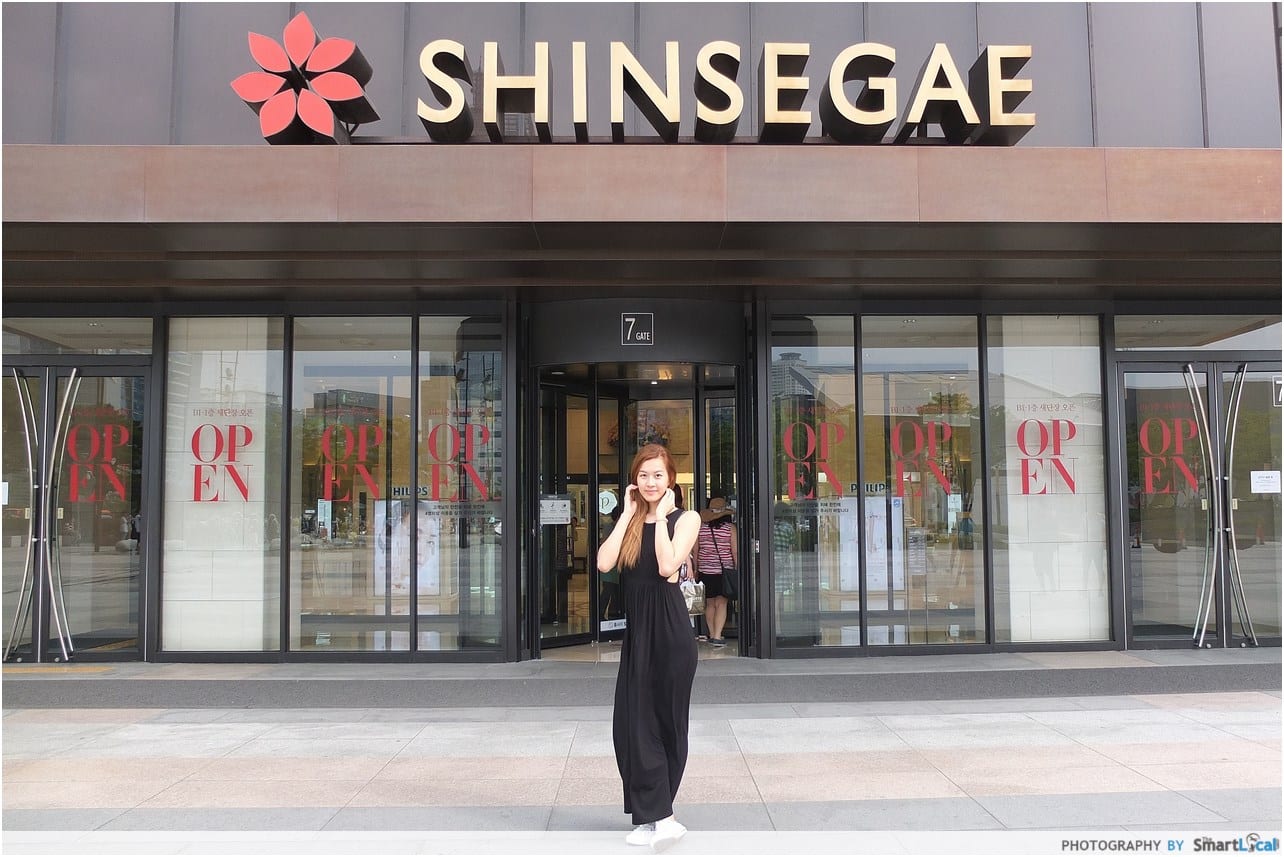

  • Shinsegae And Alibaba Join Forces: A New Contender Challenges Coupang And Naver’s Dominance

    Shinsegae And Alibaba Join Forces: A New Contender Challenges Coupang And Naver’s Dominance

    The antitrust regulator of South Korea has provisionally approved a joint venture between Shinsegae Group’s Gmarket and Alibaba’s AliExpress Korea. This approval paves the way for a new contender to challenge the market, which has been historically dominated by Coupang and Naver.

    Partnership Dynamics

    This collaboration is organized as a balanced joint company under Grand Opus Holding. It merges Gmarket and AliExpress Korea into a unified business model, which can be described as “two families under one roof.” However, it ensures the operational independence of both entities.

    The Korea Fair Trade Commission (KFTC) imposed safeguards that mandate the strict separation of domestic consumer data. It also prohibits the sharing of overseas direct-purchase information between the platforms.

    The collaboration has been presented as both a defensive strategy and a growth plan. Gmarket’s CEO, Jung Hyung-kwon, has called the strategic alliance with AliExpress a necessary step to secure market leadership. He promises to complement Gmarket’s reliable platform with Alibaba’s extensive product range.

    Implications of the Joint Venture

    The joint venture grants 600,000 Gmarket and Auction sellers access to Alibaba’s worldwide e-commerce network, which spans over 200 countries. Concurrently, Chinese-made products from AliExpress are expected to establish a more robust presence in Korea, supported by Shinsegae’s logistics proficiency.

    Analysts speculate that this deal could potentially restore Gmarket’s financial health after a series of losses, while helping AliExpress shed its reputation for counterfeit and low-quality goods.

    The partnership comes as the online retail sector in Korea is experiencing a three-way competition. While Coupang continues to lead with 34.2 million monthly active users, the combined reach of AliExpress, Gmarket, and Auction now exceeds 18 million, surpassing Naver’s 4.3 million.

    Market Conditions and Future Projections

    This competitiveness takes place amid market volatility. Early market leaders such as Interpark and 11st have dwindled, while the growth during the pandemic solidified Coupang and Naver’s duopoly. Recently, Chinese companies like AliExpress and Temu have disrupted the market with extremely affordable goods, leading to the downfall of several smaller Korean platforms.

    With the alliance between Shinsegae and Alibaba now formed, analysts foresee an escalation in price competition, especially with an anticipated increase in Chinese-made consumer goods being sold through Gmarket. However, concerns persist about whether the increased scale will result in profitability, given the limited brand loyalty on both sides.

    Meanwhile, Coupang is focusing on expanding its nationwide rocket delivery, and Naver is enhancing its fresh food delivery through its new alliance with Kurly. Some industry insiders speculate that Shinsegae’s SSG.com may eventually integrate its fresh food operations into the partnership to close the competitive gap.

    The joint venture has also sparked some controversy, with critics warning of the risk of Korean consumer data exposure to China, despite regulatory safeguards.

    Regardless, for Shinsegae, this venture represents a daring gamble: challenging two entrenched giants by combining its retail expertise with Alibaba’s global scale. The lingering question is whether the alliance can offer both local trust and international reach, without igniting a destructive price war.

    Questions & Answers

    What is the structure of the joint venture between Gmarket and AliExpress Korea?
    The partnership is structured as a balanced joint company under Grand Opus Holding, merging Gmarket and AliExpress Korea into a unified but operationally independent business model.

    What benefits does the joint venture offer?
    The joint venture provides 600,000 Gmarket and Auction sellers access to Alibaba’s global e-commerce network, which spans over 200 countries. It also allows for a stronger presence of Chinese-made products in Korea.

    What are the potential risks and criticisms associated with the joint venture?
    Critics warn of the risk of Korean consumer data exposure to China, despite regulatory safeguards. Furthermore, analysts question whether the increased scale will result in profitability, given the limited brand loyalty on both sides.

  • LightInTheBox sees strong third-quarter growth

    LightInTheBox sees strong third-quarter growth

    Beijing-based e-commerce retailer LightInTheBox achieved US$59.9 million sales in its third quarter to September, up 35 percent year on year.

    LightInTheBox said third-quarter net income was US$10 million, in contrast to a loss of US$17.8 million in the same quarter a year ago.

    Taking into account the change in fair value of the convertible promissory notes associated with the acquisition of Singapore-based e-commerce platform Ezbuy, net income stood at US$10.3 million.

    “Our results this quarter are a strong reflection of the significant progress we have made since we began implementing our strategy to turn the business around last year,” said CEO Jian He.

    The company attributed the strong growth to its focus on improving product optimization, driving customer engagement and expanding market scale.

    “We remain focused on executing our strategy to generate sustainable long-term growth and are very encouraged by our improvements to date. We will continue to implement our strategies in order to maintain the trend of improvement,” he added.

    The third quarter results have made the company’s outlook for the fourth quarter more bullish, expecting net revenue to rise up to US$75 million.

    LightInTheBox operates e-commerce sites including Light in the box, Mini in the box and Ezbuy.

  • Osram eyes acquisitions of up to $530 million

    Osram eyes acquisitions of up to $530 million

    German lighting company Osram is on the lookout for acquisitions worth up to 500 million euros ($530 million), although there are no specific plans for a deal as yet, its finance chief told Retail News.

    Osram wants to strengthen the areas of electronics and software within its automotive lighting unit and is looking for acquisition targets or partners, Ingo Bank told Boersen-Zeitung in an interview published on Saturday.

    Acquisitions for its Opto semiconductors unit would also be attractive if they opened up access to markets, he said.

    Osram has funds available after the sale of lamps division LEDvance, which brought in gross proceeds of about 500 million euros, and thanks to its strong balance sheet, Bank said.

    “We have a lot of firepower and the ability to act. However, we will not be making the error of buying for the sake of it,” the paper quoted him as saying.