Tag: liquor retail

  • Pernod Ricard Sales Dip 0.9% as India Boom Cushions Steep China Fall

    Pernod Ricard Sales Dip 0.9% as India Boom Cushions Steep China Fall

    Pernod Ricard posted a 0.9 per cent organic net sales decline to €2.234 billion for its fiscal first quarter. The result beat market forecasts of a 1.7 per cent drop.

    Sales in India jumped 19 per cent, offsetting double-digit slumps across mainland China and the United States. Group net sales reached the equivalent of $2.5 billion in the three months to September 30. Paris-listed shares rose 3 per cent.

    India drives volume as listing nears

    India delivered the strongest performance across the group’s global network, serving as its primary growth engine for premium spirits in South Asia. Demand for Absolut vodka and Martell cognac remained resilient across Indian retail outlets and hospitality venues. Distributors in western markets, by contrast, continued to trim excess inventory.

    Preparatory work is underway for a potential initial public offering of the Indian business. Execution remains subject to board approval and broader market conditions. Finance chief Mauve Croizat noted the listing process will take several months to complete once cleared.

    China consumption shifts behind closed doors

    Revenue in China plunged 25 per cent during the quarter as weak consumer sentiment and distributor destocking took a toll. Wholesalers across tier-one and tier-two cities held back on orders to avoid accumulating slow-moving stock ahead of key promotional windows.

    Croizat told analysts that inventory adjustments in China and the United States will persist throughout the fiscal year. Chinese drinking habits are also shifting toward private gatherings at home. Moving away from nightclubs, banquet halls, and dining out reduced high-margin venue sales for premium cognac.

    Diverging fortunes across regional retail

    Beverage distributors and bar operators in Asia face sharply diverging conditions in India and China. Indian retail channels are expanding rapidly into higher-tier spirits categories, giving brand owners pricing power that has vanished in East Asia. In China, distributors face prolonged margin compression as they discount slow-moving luxury stock to protect working capital.

    Relying on traditional Chinese banqueting channels to sustain luxury valuations carries clear risks. While rival Diageo and regional cognac houses face identical headwinds across East Asia, Pernod Ricard has cushioned the blow through its dominant distribution footprint across the subcontinent. Competing distillers without established Indian bottling networks now risk falling further behind in total regional volume.

    Defending margins in an extended downturn

    Earlier this year, Pernod Ricard made an unsuccessful merger approach to Jack Daniel’s owner Brown-Forman to weather post-pandemic demand weakness. Net sales across the United States fell 10 per cent in the quarter, matching sluggish retail patterns seen across North America over the past eighteen months.

    Management reiterated guidance for broadly stable net sales across the full 2027 fiscal year, relying on strict cost controls to defend organic operating margins. Through 2029, the company expects annual net sales growth to track at the lower end of its 3 to 6 per cent medium-term target range, with investors focused on the board’s formal decision on the timing of the Indian market float.
  • Wild Turkey Redesigns Packaging Across 39 Australian RTD Products

    Wild Turkey Redesigns Packaging Across 39 Australian RTD Products

    Bourbon brand Wild Turkey unveiled redesigned packaging across all 39 of its ready-to-drink products in Australia in October 2026 to sharpen shelf visibility in liquor aisles.

    The overhaul covers the brand’s complete local pre-mixed catalogue, spanning cans, bottles, varying alcohol strengths, flavour extensions and zero-sugar options.

    Sydney design agency The Creative Method developed the system, elevating the brand’s turkey illustration and increasing the use of gold accents across the lineup. The format creates a standard visual hierarchy across formats, giving single cans, multi-packs and bottled variants a unified design language while preserving variant distinctions.

    Standardising visual cues across 39 SKUs

    Pre-mixed spirits occupy high-density shelf space in Australian liquor stores, where retail formats demand instant brand recognition. The revision consolidates disparate pack styles accumulated over years of line extensions into a single visual framework.

    By anchoring every pack to the central illustration rather than relying solely on typography, the brand aims to make full-strength, mid-strength and zero-sugar variants immediately distinct within refrigerated retail display units.

    Competitive pressure in Australian RTD aisles

    Australia represents one of the largest ready-to-drink alcohol markets globally by per capita spend, making clear retail differentiation critical for major spirit houses. Global brand owners including Beam Suntory and Diageo have similarly revamped their pre-mixed dark spirit portfolios in recent years to defend market share against craft premixes, seltzers and evolving duty structures.

    For retailers, clear tiering across alcohol strengths and sugar content reduces shopper friction at the cool-room door. The operational risk for brand owners lies in alienating loyal volume buyers when updating legacy packaging that has sat unchanged on shelves for years.

    Building on Campari’s local portfolio

    Parent company Campari Australia has steadily refined the local positioning of its dark spirit stable to protect core volumes in independent retail banners and chain store networks. The bourbon segment remains heavily reliant on canned convenience formats for off-premise volume, particularly heading into peak summer retail trading.

    “The evolved system heroes an asset that’s uniquely ours and gives us a stronger and more distinctive presence across the range,” said Mark Watson, Marketing Director at Campari Australia.

    National rollout across retail networks

    The updated 39-product packaging range is circulating into national distribution channels across bottle shops and supermarket-owned liquor networks throughout Australia. Retailers will transition inventory across all stock-keeping units as existing wholesale stock sells through.

  • Independent Brewers Association Calls for Australian Alcohol Tax Reform

    Independent Brewers Association Calls for Australian Alcohol Tax Reform

    The Independent Brewers Association has called on the Australian government to review the national alcohol tax system, warning that tax disparities between beer and wine undermine public health goals.

    Draught and packaged beer face tax indexation twice a year under the current framework, while bulk wine retains preferential treatment under the Wine Equalisation Tax.

    Led by CEO Sabrina Kunz, the association responded in October 2026 to recommendations from the House of Representatives Standing Committee on Health, Aged Care and Disability, which urged Treasury to assess whether structural tax reform is needed.

    Disparity between beer and wine duties

    Small commercial brewers face higher tax obligations per standard drink than producers of bulk cask wine. The Wine Equalisation Tax applies to wholesale value rather than alcohol content by volume. This creates a persistent price gap on retail shelves.

    Parliamentary committee findings acknowledged that non-uniform taxation keeps cheap high-strength products widely available. Craft operators argue this structure penalises local brewers facing high domestic manufacturing costs. At the same time, it subsidises industrial wine output.

    Sabrina Kunz, chief executive of the Independent Brewers Association, said current policy fails to support health objectives: “If Government were serious about using taxation as a tool for harm minimisation, they would incentivise consumers to choose ‘low’ and ‘no’ alcohol products.”

    Shifting consumption patterns

    Official data shows per capita alcohol intake and risky drinking have fallen steadily across Australia over the past two decades. Underage drinking rates fell by half across the same period. Younger consumers have shifted away from volume consumption.

    Independent economist Professor Kym Anderson documented that moderation in beer was the primary driver of Australia’s declining alcohol intake over the past half-century. Small producers developed artisanal products alongside mid-strength and non-alcoholic alternatives. These offerings directly reshaped drinking habits.

    Excise policy has failed to keep pace with these shifts, industry advocates argue. Tax rates on packaged beer rise automatically every six months in line with the consumer price index. This drives retail prices higher even as overall consumption volumes shrink.

    Community venues under cost pressure

    Rising excise liabilities hit independent taprooms alongside escalating commercial rents, utility bills, and packaging costs. Independent operators lack the scale to absorb persistent excise hikes across high-volume networks.

    Taprooms operate as community hubs without gaming machines, generating regional employment and local supply chain demand. British Beer and Pub Association research showed that neighbourhood venues generate measurable community wellbeing benefits. Heavy taxation erodes those gains.

    Hospitality margins have contracted sharply across regional and suburban venues. The pressure forced several craft breweries into voluntary administration or consolidation over the past two years. Industry leaders argue that excessive duty on draught beer damages viable hospitality businesses without curbing heavy consumption of cheap alternative alcohol.

    Next steps for Treasury review

    The campaign follows a formal submission by the brewers association to the parliamentary committee in November 2024. The final committee report in May confirmed that the existing tax mix does not provide adequate economic or health safeguards.

    Treasury faces pressure from craft beverage manufacturers, public health advocates, and regional venue operators to deliver clear volumetric modelling. The brewing sector wants excise rates linked directly to alcohol volume across all beverage types. Brewers also seek duty exemptions or lower bands for mid-strength and zero-alcohol options.

    Federal ministers have not yet set a formal timetable for Treasury to publish its excise modelling or table legislative reforms ahead of the upcoming budget.

  • The GlenAllachie Returns to Australia After Two-Year Absence

    The GlenAllachie Returns to Australia After Two-Year Absence

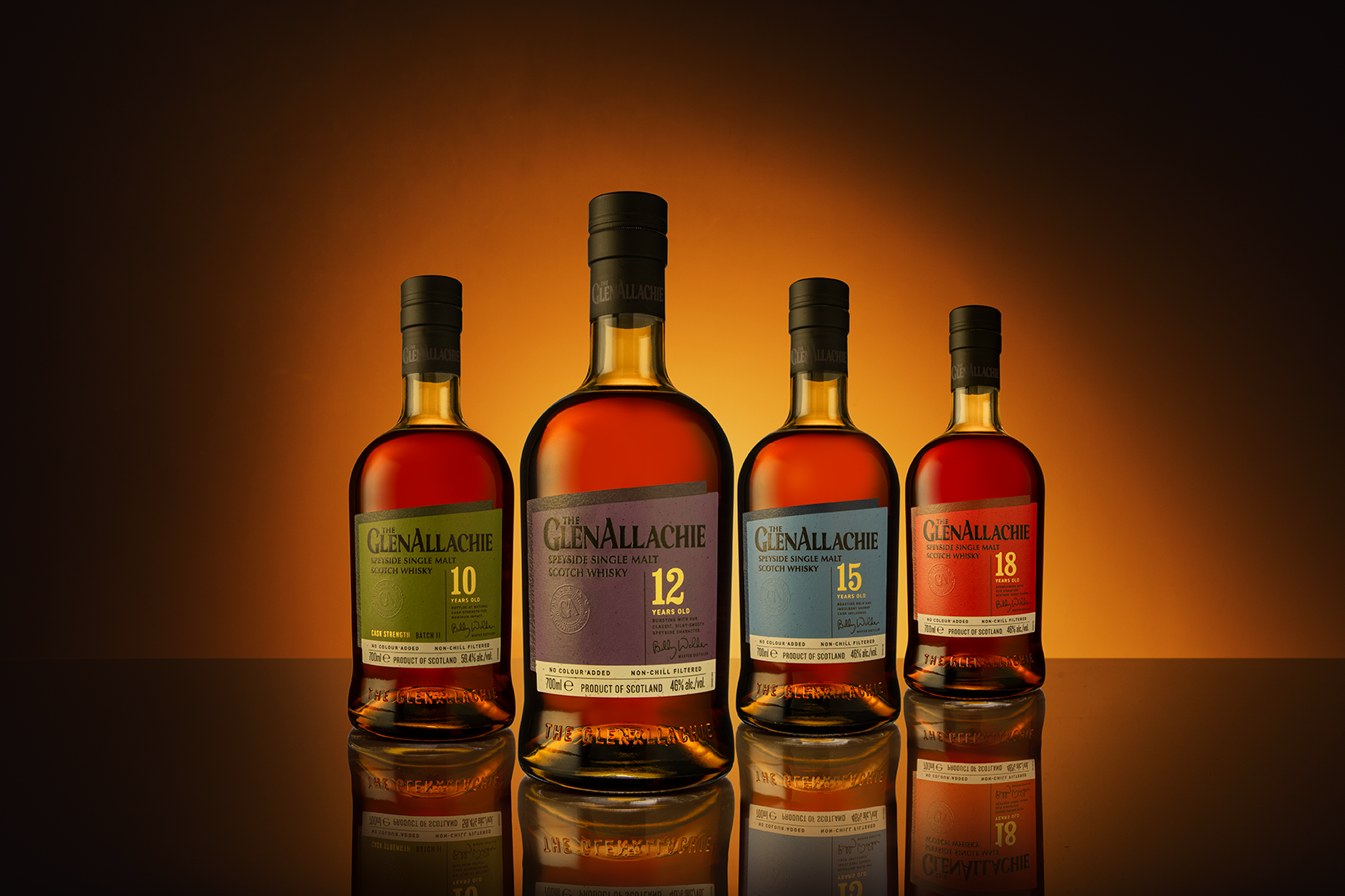
    Scottish single malt producer The GlenAllachie has returned to the Australian market after a two-year absence. The brand signed a national distribution agreement with specialist importer The Whisky List. Shipments arrive in late October 2026 across independent bottle shops, bars and direct-to-consumer channels ahead of peak holiday sales.

    Core age-stated bottles, cask-strength releases and rare single malts make up the initial commercial range. Prices span from $129 for the 12-Year-Old up to $2,499 for a 1990 35-Year-Old bottling. In the weeks following this rollout, the distributor will also bring in Meikle Tòir, the Speyside distillery’s peated whisky label.

    Wholesale Range and Shelf Pricing

    Stock focuses heavily on sherry wood maturation bottled at 46 per cent ABV or higher, without chill filtration or added caramel colouring. The 12-Year-Old opens at $129. The 15-Year-Old steps to $175, and the 18-Year-Old hits shelves at $265. Limited allocations include the 10-Year-Old Cask Strength at 59.8 per cent ABV for $179 and an 11-Year-Old Palo Cortado finish priced at $155.

    Wholesale orders and retailer allocations opened ahead of physical stock arriving at Australian ports. Trade buyers in independent bottle shops and on-premise venues will receive priority allocations alongside The Whisky List’s direct consumer base.

    Channel Strategy for Independent Retail

    Australian distributors have pivoted toward high-proof, un-chill-filtered single malts. Local buyers are moving away from mass-volume blended Scotch toward verifiable wood provenance. Securing independent spirits distribution gives specialty bottle shops margin protection against supermarket duopoly discounting, where house labels and commercial volume brands dominate shelf space.

    Direct-to-consumer tasting events, regional whisky fairs and online allocations will run alongside physical wholesale supply to build volume without discounting the core bottles. The commercial risk sits in the crowded $130 to $200 price tier. Australian craft distilleries and Japanese imports compete fiercely for discretionary spending during an inflationary retail climate.

    Pernod Ricard Carve-Out to Independent Importer

    Billy Walker bought The GlenAllachie from Pernod Ricard in 2017. He converted the Speyside site from an industrial bulk supplier for blended Scotch into an independent single malt producer. The distillery previously reached Australian shelves through Vanguard Luxury Brands. Supply then paused for more than two years while management renegotiated international trade agreements.

    “In The Whisky List team, we’ve found a shared passion for Scotch whisky and a partner that is genuinely committed not only to growing The GlenAllachie’s presence in Australia, but to supporting and growing the Scotch whisky category as a whole,” said Ciara Hepburn, international sales manager at The GlenAllachie.

    Supply Timeline for Holiday Trade

    Freight arrives in late October to capture early holiday retail purchasing. Trade accounts take initial delivery four weeks before Christmas trading peaks. Retail activations and national masterclasses will run across capital cities through early 2027 as the distillery approaches its 10th anniversary under independent ownership.

  • South Australia Launches $109 Million Wine Sector Rescue Package

    South Australia Launches $109 Million Wine Sector Rescue Package

    South Australia launched a A$109 million ($74 million) support package on September 21. The funding aims to restructure its wine industry and tackle persistent global oversupply.

    The state generates 80 per cent of Australia’s premium wine output and sustains 90,000 regional jobs. It also accounts for A$2.4 billion in annual economic value.

    Capital for Vineyard Transitions and Debt Relief

    At the core of the plan is a A$100 million government-backed loan scheme. It will help grape growers repurpose unviable vineyards into alternative commercial land uses. Eligible growers can apply for concessional loans of up to A$500,000. These facilities include a two-year holiday on both principal and interest repayments to give landholders immediate cash relief.

    Alongside the debt facility, the state allocated A$1 million over two years for independent farm business planning to guide growers through crop diversification. Another A$500,000 will fund industry-led programs to process or clear unsold bulk wine stocks that depress spot grape prices.

    Export Funding and Marketing Expansion

    International market recovery receives direct capital through a A$5 million two-year extension of the Global Wine Growth Program. That funding targets overseas distributor networks and retail shelf placement across key export destinations. An additional A$675,000 marketing campaign will promote South Australian wine and culinary tourism to domestic and international visitors.

    To support corporate producers and family operators managing vineyard removals, the government committed A$2 million to solve waste management challenges associated with copper chrome arsenate treated timber posts. The funding establishes regional collection and aggregation hubs across key growing districts.

    Supply Discipline and Export Realities

    For wine exporters and regional beverage conglomerates, the intervention tackles structural volume imbalances rather than offering temporary operating subsidies. Producers in volume-heavy zones like the Riverland have faced low grape prices as red wine inventories backed up. Trade disruptions and shifting global drinking patterns caused the glut. Treasury Wine Estates and rival brand owners have already shifted emphasis toward luxury tiers, leaving commercial-grade growers bearing the cost of excess acreage.

    Distributors across the Asia-Pacific region face risks around execution speed and grower uptake. If commercial growers use concessional loans merely to service existing debt rather than pulling vines, the domestic surplus will continue to weigh on retail margins. Pairing exit loans with planning deregulation offers a path to balance supply against actual export demand.

    Planning Reforms in Key Growing Zones

    Recommendations from an industry forum convened by the South Australian government helped shape the package to address falling farmgate returns. Planning authorities are introducing the Riverland Economic Recovery Joint Code Amendment. The change rezones selected agricultural parcels to unlock new housing and industrial employment uses across the Murray-Darling basin.

    A newly appointed Wine Industry Coordinator will oversee administrative delivery across state departments and industry groups. Regional winemakers also backed the structural focus of the intervention.

    “South Australia’s wine industry is built on generations of investment, innovation and regional expertise, and this support provides important confidence as the sector responds to changing global markets and consumer preferences,” said Kerrin Petty, Chief Supply Sustainability Officer at Treasury Wine Estates.

    State agencies will release operational guidelines and application dates for the A$100 million transition loan facility in the coming weeks.

  • Good Drinks Australia and Molson Coors Launch Miller Dry 3.5 per Cent

    Good Drinks Australia and Molson Coors Launch Miller Dry 3.5 per Cent

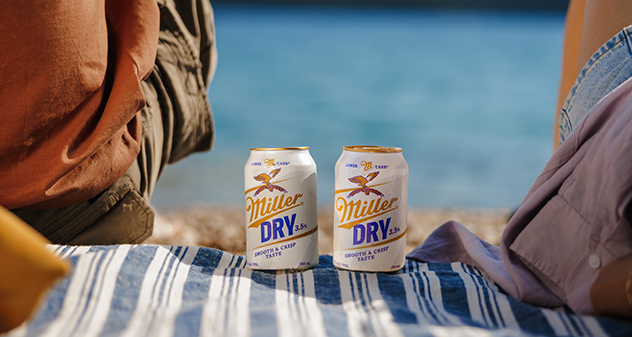
    Good Drinks Australia, in partnership with Molson Coors, launched Miller Dry 3.5 per cent in September 2026. The release targets Australia’s contemporary beer segment, which accounts for roughly 40 per cent of national volume.

    Bottles and cans in 355ml formats sell at a recommended retail price of $19 per six-pack. Distribution is national.

    Targeting Lower Alcohol and Carb Demand

    Formulated with a reduced-carbohydrate profile, the brew carries a 3.5 per cent alcohol-by-volume level. Molson Coors built the recipe for Australian drinkers. Consumer demand has swung sharply toward lighter options without losing standard lager characteristics.

    For bottle shops, the product fills a high-velocity gap between premium imports and domestic mid-strength beers. Shelf space has tightened. Category managers are pruning slow craft lines to give more room to lighter contemporary styles that move faster across high-traffic suburban networks.

    Shifting Margins in APAC Beverage Retail

    Brewers across the Asia-Pacific region face rising excise rates and softer drinking volumes. Lower-alcohol recipes help defend margins. Trimming the ABV reduces tax exposure in alcohol-tiered markets while holding retail price points, protecting gross margins for both distributors and store owners.

    The rollout tightens the commercial partnership between the two beverage makers in Oceania. Good Drinks Australia previously secured exclusive local manufacturing and distribution rights for Molson Coors brands, including Miller Genuine Draft and Coors. That shift brought production onshore to cut supply chain lead times and freight costs.

    Retailers will track rate-of-sale data through the initial summer trade period to determine permanent ranging allocations across national banner groups.

  • Southern Alps Brewing Launches NZ Low-Gluten Lager for $27 to $30

    Southern Alps Brewing Launches NZ Low-Gluten Lager for $27 to $30

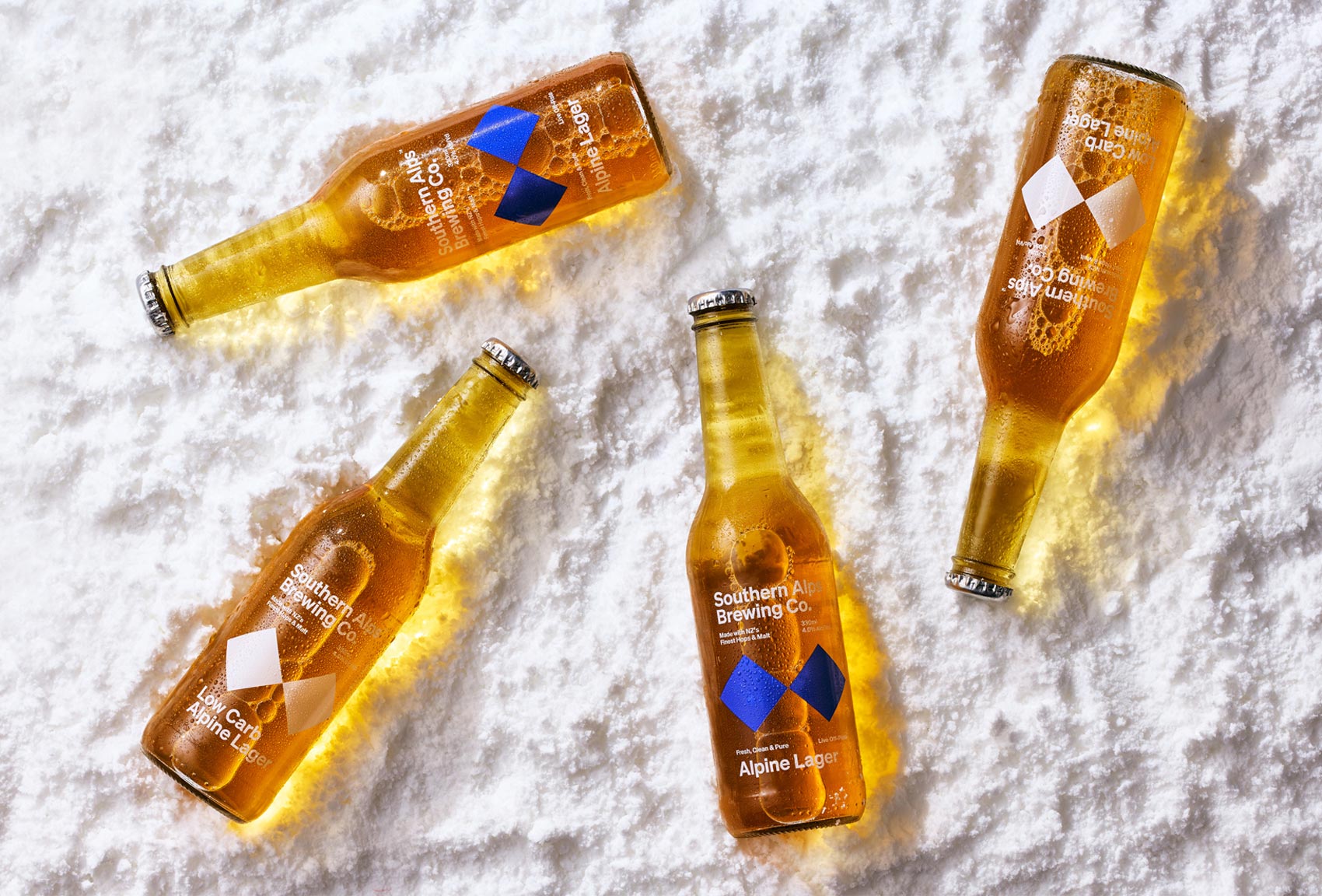
    In September 2026, Southern Alps Brewing launched New Zealand’s first premium low-gluten lager, priced between $27 and $30 for a 12-pack.

    The 4.8 per cent ABV beverage comes in 330ml packs and uses an enzymatic process that reduces gluten content to below 10 parts per million while maintaining a standard beer profile.

    Enzymatic reduction and local sourcing

    Southern Alps Brewing, a portfolio brand of Marlborough-based Moa Brewing Company, brews the product with New Zealand malt and southernmost-grown hops, with independent testing by Assure Quality verifying the gluten threshold.

    Traditional gluten-free beers rely on sorghum, rice, or millet, which often changes the body and flavor profile of the brew. By keeping barley malt and deploying enzymes to degrade the problem proteins, the brewer keeps the standard lager profile intact.

    Shelf space pressure in liquor aisles

    Supermarket operators and specialty liquor chains across Australasia face mounting competition in the better-for-you drinks category. Low-carbohydrate, zero-alcohol, and functional drinks have occupied an expanding share of refrigerated retail space over the past three years. For bottle shop owners, stocking low-gluten lines allows them to capture drinkers who might otherwise migrate entirely toward seltzers, cider, or spirits.

    Retail margins in the craft segment remain tight due to elevated excise rates and rising packaging inputs. A 12-pack priced up to NZ$30 places the product directly against mainstream craft four-packs and imported premium labels. Retailers will test whether mainstream shoppers pay a premium strictly for verified gluten reduction.

    Premium pricing in functional brewing

    Breweries across the region spent the last five years rationalizing standard stock keeping units while testing dietary variants. Moa Brewing Company has adjusted its brand portfolio to defend domestic market share against both international conglomerates and neighborhood microbreweries.

    Distribution now expands across New Zealand liquor merchants and retail grocers ahead of peak southern hemisphere summer beverage demand.

  • Retail Drinks Australia Demands Action as NSW Store Crime Surges 67 per Cent

    Retail Drinks Australia Demands Action as NSW Store Crime Surges 67 per Cent

    Retail Drinks Australia called on New South Wales lawmakers on September 11 to enact bipartisan protections for shop staff. The push follows a 67 per cent surge in state retail crime across five years.

    Independent bottle shops and chain operators bear the brunt of the surge. They face escalating theft, break-ins, intimidation and violent physical assaults.

    Break-ins and Staff Assaults Across Sydney

    Recent offences include commercial break-ins across Sydney’s Northern Beaches and an assault in Mascot, where teenage shoplifters pushed floor staff while stealing stock. Industry body Retail Drinks Australia said small business operators and front-line workers face daily exposure to organised theft and threatening behaviour.

    Brazen offenders increasingly target high-value spirits and packaged alcohol during trading hours. Confrontational groups enter outlets, leaving floor teams with little recourse against physical intimidation.

    Operating Costs and Security Pressure

    Liquor retailers across the state now divert working capital into private security guards, reinforced entry shutters and electronic surveillance upgrades. Smaller independent bottle shops operate on thin margins. For these stores, recurring inventory shrink and security outlays directly erode profitability.

    Regional and suburban operators face the steepest operational burden. When private security costs outstrip gross margin on late-night trade, stores cut opening hours. Those cuts reduce foot traffic and hurt convenience retail precincts.

    A Five-Year Wave of Offending

    Reported retail offences surged 67 per cent across five years of compounding losses in New South Wales. Industry groups have tracked a steady transition from opportunistic pilfering to aggressive, coordinated group raids since 2021.

    State parliament in Sydney will next weigh the lobbying push and decide whether to introduce stiffer statutory penalties for assaults on retail workers.

  • Lion Launches Kirin Asobi Alcoholic Iced Tea in Australia

    Lion Launches Kirin Asobi Alcoholic Iced Tea in Australia

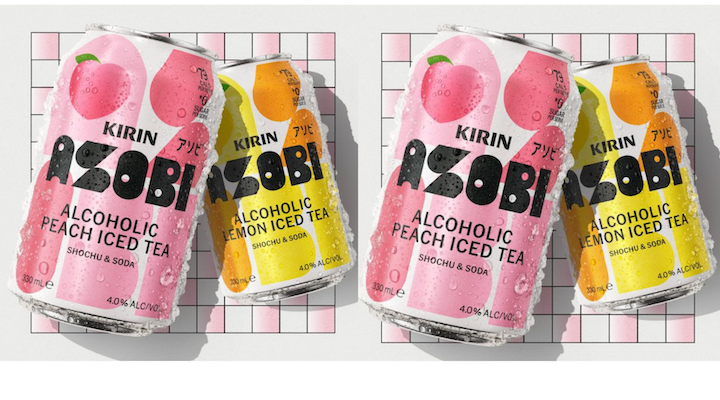
    Lion launched Kirin Asobi in Australia on September 3, entering the alcoholic iced tea category with a 4 per cent alcohol by volume premixed drink.

    The zero-sugar line rolls out across national liquor chain Liquorland in 330ml cans.

    Shochu Base and Flavour Options

    Lion formulated Kirin Asobi with a blend of Japanese shochu, brewed black tea, sparkling water, and fruit juice. The lineup debuts with two options: Lemon and Peach.

    Each 330ml can contains no sugar. That profile places the brand directly in the low-sugar premix segment, where major beverage makers are fighting for younger drinkers who avoid standard beer.

    Premix Competition in Oceania

    Japanese brewing group Kirin Holdings continues to push Asian spirit profiles into Western retail channels through its regional subsidiaries. Shochu and chuhai-style ready-to-drink cans have taken significant shelf space from malt-based seltzers across Australasia over the past two years.

    Liquorland carries the range across its store network starting this week, with initial retail sell-through over the southern hemisphere spring determining whether Lion broadens distribution to independent banner groups.

  • Endeavour Group Earnings Fall 8.7% as Retail Price Cuts Hit Margins

    Endeavour Group Earnings Fall 8.7% as Retail Price Cuts Hit Margins

    Australia’s Endeavour Group posted an 8.7 per cent drop in underlying earnings to $845 million after aggressive price discounting across its retail bottle shop network squeezed operating margins.

    Total sales edged up 1.3 per cent to $12.2 billion, demonstrating that sharper shelf pricing succeeded in defending retail volumes even as profit yields contracted.

    Trading profit for volume

    The liquor and hospitality operator chose to sacrifice margins to protect foot traffic at Dan Murphy’s and BWS stores. Discretionary spending among Australian shoppers remained constrained, prompting the group to sharpen shelf pricing on core beverage lines.

    “Sales momentum in retail is building with customers responding positively to our renewed focus on value and price leadership,” said managing director and chief executive Jayne Hrdlicka.

    Supermarket rivals intensify price war

    Major grocery and liquor merchants across Australasia face identical margin pressure as household budgets tighten. Competing retail conglomerates have poured cash into promotional programs and private-label alternatives to stop shoppers from migrating to discount banners, accepting compressed margins to defend market share.

    Investors now await trading updates across the peak spring and summer beverage calendar to see whether customer volume gains can outpace sustained promotional costs.