Tag: Living

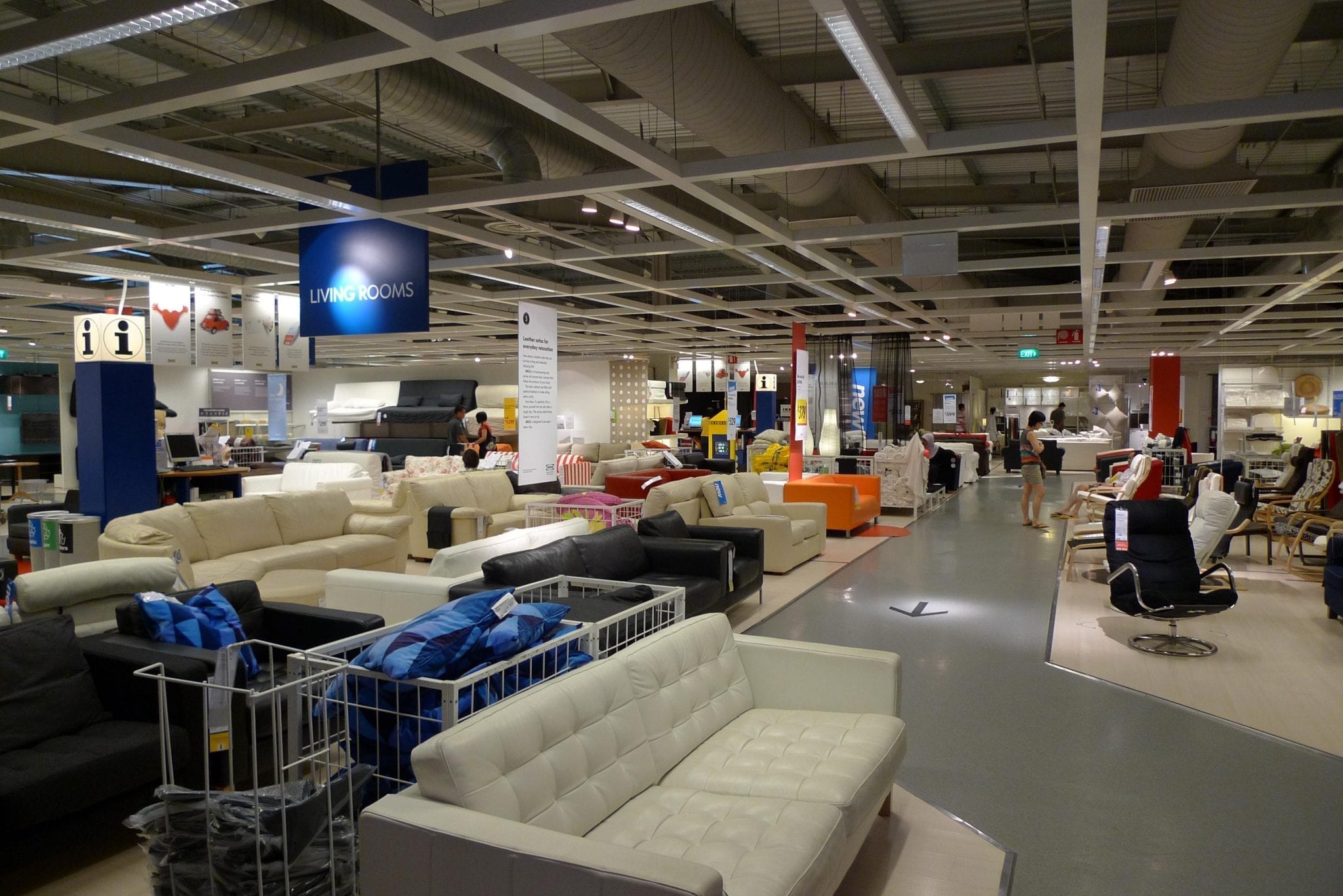
  • IKEA to create 10,000 jobs in Maharashtra India over next 3 years

    IKEA to create 10,000 jobs in Maharashtra India over next 3 years

    Swedish furniture giant IKEA is planning to hire 10,000, both direct and indirect, in Maharashtra over the next two to three years, a senior company executive has said. According to a report: The company opened its first store in Hyderabad in August this year and the Navi Mumbai will be the second store in the country.

    “Next year, we are opening the Navi Mumbai store, for which we are planning to recruit 5,000 directly and an equal number will be hired indirectly over the two to three years,” Anna-Carin Mansson, People and Culture Manager, IKEA India said.

    This will include directly hiring 1,000 by mid-next year and 1,500 indirectly for services, including assembly among others, she said adding as per the IKEA policy, 50 percent of this recruitment will be of women at all levels.

    “We believe in equality and providing a balanced, safe and secure work environment for all employees. We are also open for recruiting from the lesbian, gay, bisexual and trans (LGBT) communities,” she further said.

    The world’s largest furniture chain is looking to hire people in e-commerce, sales, logistics, digital and Human Resource’s and mostly they hire locals, she said.

    “With our employee friendly policies, we are expecting to keep the attrition levels very low. We believe in value- based recruitment, where the core values of an individual is considered and not what is said in the CV. We provide equal opportunities to all our co-workers, help them grow and enable them to follow their passion,” she said.

    IKEA has several employee friendly policies, such as day care facilities, parental leave policy, transport policy, competence development, mentoring, pension plan among others.

    “Maharashtra is an important market for us. We have been sourcing from the state for many decades and now we are ready to enter the market in 2019 with our full offer to be able to serve all the customers,” Per Hornell, Market Manager for Maharashtra, IKEA India said.

    IKEA opened its first store in the country in Hyderabad in August, where it employs 1,000 people.

    The company is the first major single brand retailer to get FDI approval and plans to open several stores and multiple touch points across the main cities over the next 10 years .

    IKEA has four land sites in Telangana, Maharashtra, Karnataka and Delhi/NCR, and continues to look for more in other major cities.

    IKEA operates 423 IKEA stores in 50 countries with a sales volume of 38.3 billion euros.

  • LG Electronics launches new design

    LG Electronics launches new design

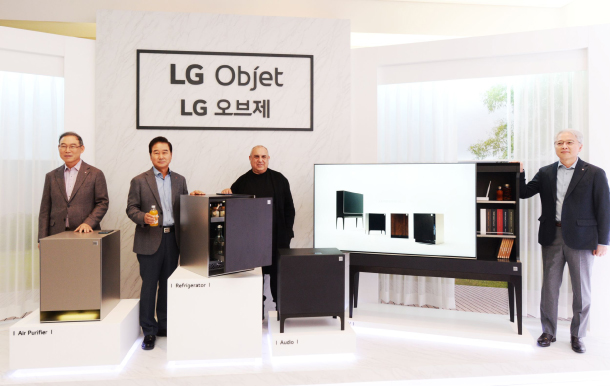
    LG Electronics has introduced a premium brand that combines furniture design with home electronics. The company rolled out four products under the LG Objet name at a press conference held Thursday in Gangnam District, southern Seoul: a mini refrigerator, an air purifier, a speaker and a television.

    “The thing about home electronics is that they are placed mostly in kitchens or living rooms but rarely inside bedrooms,” said Song Dae-hyun, LG’s president for home appliances. “Bedrooms, on the other hand, only have furniture, so in the last few years, we thought about ways to make home electronics coexist in that space.”

    All four items are covered with hard wood.

    Another way in which LG worked to make the appliances look more like furniture was to reduce the size of external features typical to electronic devices, like buttons or small screens. They are simplified or hidden in less visible areas of the product. An exception is the television, with its 65-inch screen, but LG added a furniture-like touch to it by placing a cabinet behind a sliding television screen.

    The fridge and the air purifier won Red Dot and iF design awards. Architect and industrial designer Stefano Giovannoni was involved in the development of the products.

    In terms of function, LG utilized technology to make the devices more appropriate for bedrooms.

    A compressor is a core component in a refrigerator, and it tends to be noisy. LG Objet’s refrigerator utilizes the type of cooling found in wine cellars to make the product quiet.

    For customers using the refrigerator or the air purifier as a bedside table, LG enabled a corner of the top surface to work as a wireless charger for portable devices.

    Song said during the press conference that he believes affluent customers in their 50s and 60s with strong purchasing power will be a source of demand as they look for ways to decorate their private spaces.

    The refrigerator and the air purifier are priced at 1.99 million won ($1,760); the speaker, 1.49 million won; and the television, 9.99 million won. The products were made available for sale at LG Best Shops starting Thursday.

    This is LG’s second high-end home appliances brand after the LG Signature series, introduced in 2016. Apart from sales, the other goal of LG’s premium product expansion is to maintain a leadership in the sector.

  • IKEA India not to hike prices of low-end furniture products

    IKEA India not to hike prices of low-end furniture products

    Swedish furniture giant IKEA Sunday said it would not raise the prices of low-end furniture and furnishing products if the company costs increase due to Centre’s recent hike in customs duty on some furnishing items to curb imports of non-essential goods.

    “For now, we have not seen any repercussions, but if there is continuation of costs due to hike in customs duties on furniture and furnishing items, then at some point of time we would have to pass it (burden) on to customers, but we may do it on higher-end products, not lower-end,” Patrik Antoni, Deputy Country Manager said.

    “So, customers can still be hopeful,” he said.

    Patrik said IKEA is a global company and it would appreciate global trade, but would not be happy with trade barriers such as customs tariff or import duties.

    He also said trade barriers will only affect ‘ease of doing business,’ which will in the long run affect customers.

    The Central Government had on September 26 hiked customs duties on as many as 19 items, including jet fuel, air conditioners and refrigerators, with an aim to curb imports of non-essential goods.

    IKEA imports most of the products it sells, and many are covered by the latest customs duty hike which includes tableware, kitchenware and household items made of plastic and travel bags, among others.

    The total import bill on account of shipment of such items into the country last fiscal was Rs 86,000 crore.

    Curbing non-essential imports was part of the five-pronged steps announced by the government to check widening current account deficit and capital outflows.

    IKEA is planning to invest nearly Rs 3,000 crore in the next three years to open three fulfillment centres (packing warehouses) in Mumbai, Bengaluru and Delhi.

    The company would open the centres as an omni-channelling brand with large IKEA stores, city centre stores and online presence.

    IKEA is set to open its second store in Mumbai later this year and would hold a ground-breaking ceremony on October 11 in Bengaluru.

    By 2025, there would be over 25 stores across cities such as Ahmedabad, Surat, Pune, Chennai and Kolkata with both online and offline approaches.

  • Giant Muji Ginza flagship plan revealed

    Giant Muji Ginza flagship plan revealed

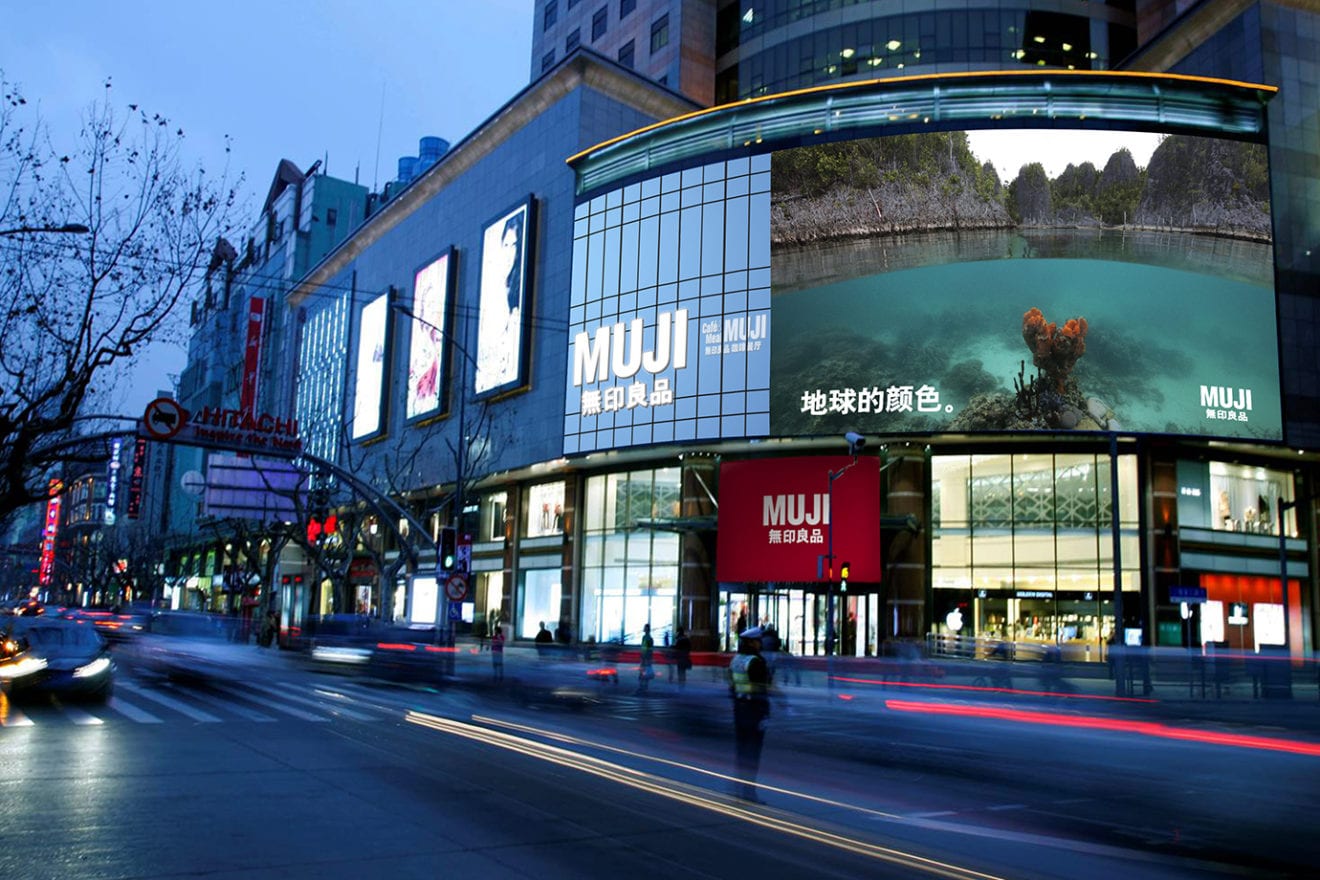
    Japanese anti-brand retailer Muji will open a new global concept store in Tokyo’s Ginza district next April.

    Besides a seven-storey Muji Ginza retail store, the company will open a Muji Hotel, a gallery and community space and a Muji-branded Diner on the site. It will close its existing standalone Tokyo flagship store at Yurakucho on December 2.

    Satoru Matsuzaki, president and representative director of Muji’s parent company Ryohin Keikaku, says the new Muji Ginza flagship will be a global statement for the brand with a focus on food.

    “Muji wants to connect the relationships between people and people, people and society, and people and nature through its goods and services,” Matsuzaki said in a statement.

    “Among the three most basic of human needs (clothing, food, and housing), food is perhaps the most critical, essential part of life. City dwellers, however, have become far removed from the farms, ranches and fisheries, where the food is actually produced, and have come to consume food as nothing more than mere merchandise. Many of them know neither the producers, the land nor the sea that grew the food.

    “The new global flagship store will dedicate more goods and services to food. We hope it helps customers think about the producers and production areas, taking another look at the relationship between food and people.”

    A dedicated food area on the store’s ground floor features vegetables and fruits delivered directly from the farms near Tokyo. The store will sell freshly squeezed juice or desserts made from in-store fruits. There will be a space to eat on site and the store will sell teas, spice and fruits by measure.

    A Muji Diner will open in the first basement level, focusing on simple food and featuring a salad bar. Dishes of fish, meat or wild game in season will be available for individual diners and groups.

    Muji Hotel Ginza and Atelier Muji Ginza

    Described as “anti-gorgeous, anti-cheap” the Muji Hotel Ginza promises “a great sleep at the right price”. It will be the third Muji Hotel after properties in Shenzhen and Beijing, featuring 79 guest rooms.

    The Atelier Muji Ginza will open on the building’s sixth floor, beneath the hotel, intended as a “multi-purpose facility of design and culture”.  It will comprise two galleries for exhibitions featuring craftwork and design, a salon where people can talk over coffee or drinks, a library of books related to design and arts and a lounge for events and workshops.

    To bridge the gap between the old flagship’s closure and the new Ginza concept’s opening, a mini pop-up store is planned for Marronnier Gate Ginza – half way between the two sites – trading for three months from December 12. It will stock items selected from Muji’s 7000 lifestyle basics range.

  • Koda’s Profit Skyrockets

    Koda’s Profit Skyrockets

    Furniture specialist Koda has reported a near fourfold rise in net profit for its third quarter thanks to growing exports, and increased sales of its Commune brand.

    Revenue for the period grew 22.5 per cent to US$13.4 million, while net profit was $1.2 million.

    Earnings for the first nine months soared 60.4 per cent to $3.6 million, closing in on net profit of 4.05 million for the entire year to the end of June.

    Barring unforeseen circumstances, the group expects its performance to improve.

    “Our third-quarter net profit jumped by more than 260 per cent,” says Koda MD James Koh. “Our China expansion plans have also exceeded my expectations.”

    Commune CEO Joshua Koh says its plan to have 100 stores in China by 2020 is well on track. We are thankful to Enterprise Singapore and the Info-communications Media Development Authority for supporting our growth strategies.”

    Commune has 45 stores in China as well as outlets in Singapore, Malaysia and Australia.

  • Aldi, Costco bring prices down of groceries

    Aldi, Costco bring prices down of groceries

    International grocery giants Aldi and Costco are driving down fruit and veg prices in Western Australia at a faster rate than anywhere else in the country, according to new research.

    Analysis conducted by Bankwest has found that Perth shoppers spent 6.9 per cent less on fruit and veg in the year to September 2017 than the previous year, signalling a step up in competitive intensity among Australia’s major supermarkets as discounters increase their investment in the state.

    Overall food and non-alcoholic beverage prices declined by one per cent in the twelve-month period, 0.3 per cent higher than the nationwide average decline of 0.7 per cent.

    Over the last three years prices have declined by 1.4 per cent in Perth, with average grocery basket price declining by 5.1 per cent from $177.7 to $168.6 in the year to June 2016.

    Richard Bator, Bankwest’s general manager of business banking in WA, said that discounters are rapidly growing their market share out west.

    “The supermarkets industry is now one of the most fiercely competitive industries in the nation due to the rapid growth of international retailers competing for a share of the $100 billion industry.”

    German entrant Aldi began its expansion into Western Australia in 2016 and has been investing heavily in the market, while American giant Costco unveiled plans for two Perth locations by the end  of 2019 in March.

    In the year to June 2016 the average price of a grocery basket in Western Australia declined by 5.1 per cent  from $177.7 to $168.6 – prices have declined 1.4 per cent over the last three years.

    Smaller retailers have been adversely impacted by the increase in competition, particularly as Coles and Woolworths move to improve their fresh offers to shore up their own operations.

    Bankwest found that the number of grocery retailers employing less than 20 staff fell by 10.6 per cent in the year to June 2016.

    The story is more positive for the overall market, Bankwest said, which is projected to grow by 9.3 per cent in the five years to June 2022.

  • India generated the highest growth rate in Asia-Pacific

    India generated the highest growth rate in Asia-Pacific

    In January, passenger traffic across Asia-Pacific recorded a +4.4% increase whereas the Middle East reported a small reduction of -0.4% compared to the same period last year. This month’s traffic was largely distorted by the later timing of Chinese New Year (CNY) compared to last year, resulting in slower growth in many countries for the month.

    India generated the highest growth rate in the Asia-Pacific region at approximately +15% in January, backed by robust domestic demand. India’s domestic sector has experienced a period of high growth since 2015 and continued to have strong momentum. Among the top 10 airports driving domestic passenger traffic volume in January seven came from India. Led by: Delhi (DEL) +12.6%, Bangalore (BLR) +19.8% and Hyderabad (HYD) +24.8%.

    The shifting timing of CNY has resulted in China’s growth slowed to approximately +2% in January. The busiest airports in the country all reported small decline or marginal increase for the month: Beijing (PEK) -0.4%, Shanghai Pudong (PVG) +0.3%, Guangzhou (CAN) +0.7%.  Passenger traffic is expected to rebound significantly for China in February 2018.

    Elsewhere in the region, vibrant international passenger travels benefited a number of markets in driving volume increase for the month. Top runners were: Seoul Incheon (ICN) +8.2%, Kuala Lumpur (KUL) +4.9%, and Bangkok Don Mueang (DMK) +7.4%.

  • Ikea open new store in Hyderabad, mid July

    Ikea open new store in Hyderabad, mid July

    Ikea India says it will launch its first store in Hyderabad in July.

    This follows the Swedish furniture maker opening a “Hej Home” experience centre in the city in November to familiarize locals with brand.

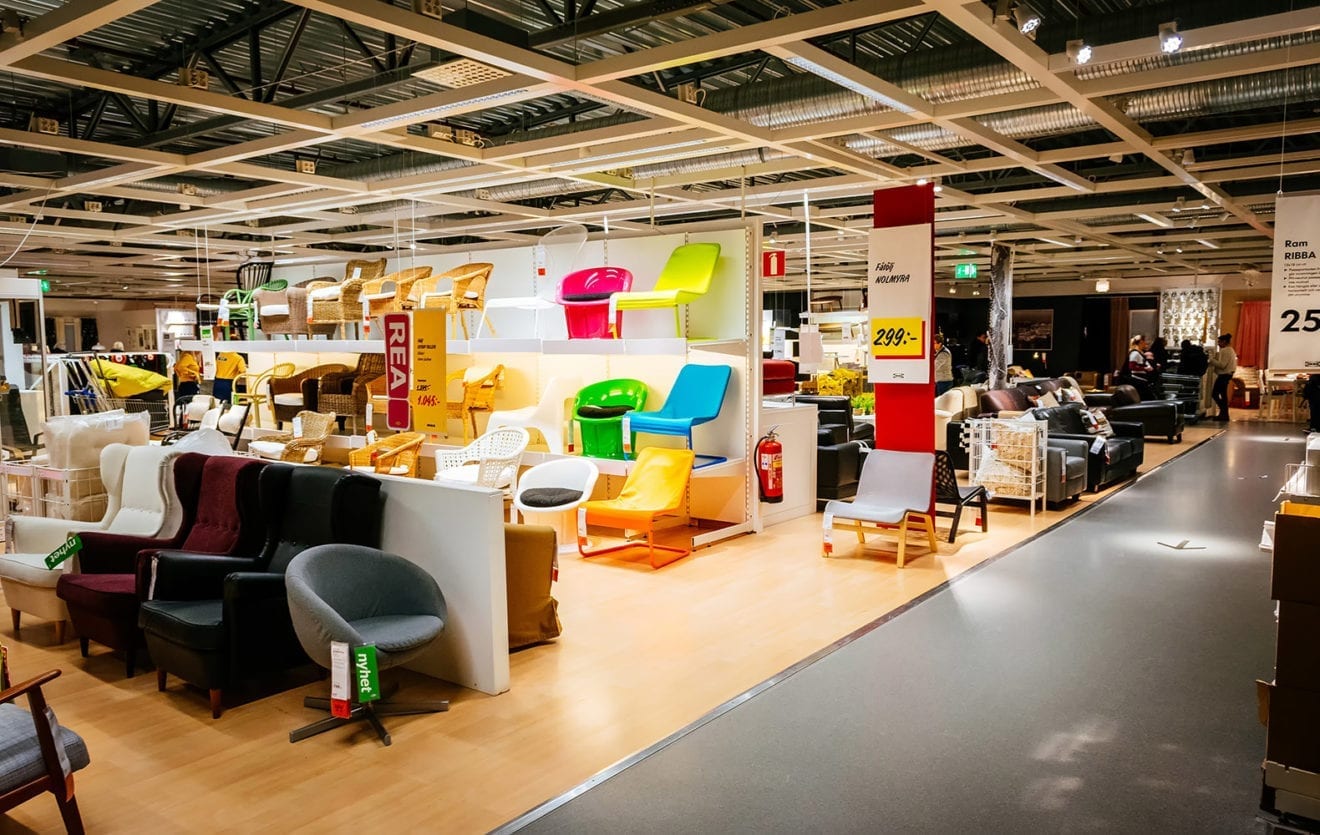
    Covering 400,000sqft in Hi-tech City, the debut store will have more than 7000 products on display, says Ikea Hyderabad store manager John Achillea.

    It is six years since the company was given permission for single-brand retail, and a month ago it announced the appointment of Peter Betzel as its CEO for India. Betzel came in from Germany, its largest market, to look after what the company describes as “one of its most important growth markets”.

    Previously Ikea has announced plans to open 25 stores by 2025. It has also bought land parcels in Bengaluru, Mumbai and New Delhi to build stores, with more land to be acquired in cities such as Ahmedabad, Chennai, Kolkata, Pune and Surat.

  • Ikea Southeast Asia talks about copycats, culture and the new competition

    Ikea Southeast Asia talks about copycats, culture and the new competition

    Swedish furniture and homewares retailer Ikea faces some unique challenges – and opportunities – as it expands its footprint across Southeast Asia.

    Copycats in Vietnam; cultural differences between Asians and Europeans; competition from other Ikea franchises are all part of the puzzle for Ikea Southeast Asia (Ikano) as it makes its mark in Asia.

    Ikano is one of 10 Ikea franchises worldwide, but it is different in that it is owned by members of the retailer’s founding Kamprad family. But that family link does not mean it has any special perks.

    “We had to apply for the Philippines,” says Christian Rojkjaer, MD of Ikea Southeast Asia. “We also applied for Indonesia, but it was given to Jardine.”

    So Jardine, through its retail subsidiary Dairy Farm International, runs Ikea in Hong Kong, Indonesia and Taiwan. Ikano has the stores in Thailand Malaysia, Singapore and – coming soon – the Philippines.

    “I think is super healthy that the founding family still has some retail interest, hopefully to show the way and show how it should be done,” says Rojkjaer. “That being said, are we better than the other guys out there? We love to beat them, but they are very, very good as well.

    “We learn from each other, share our experiences … and we compete a bit to be the best, the most successful in terms of visitation and in lowest pricing reality – their study to have the best prices per category, the lowest prices. Ingrad Kamperft set this up in the 1980s in order to keep we retailers on our toes.”

    ‘Quite challenging’

    Asia is one of the few places in the world where Ikea is launching in developing markets, where incomes are lower than in more established regions like Europe, the US and Australia. Rojkjaer admits it has been “quite challenging”.

    “We want to be for the many in a country, but when we go into the Philippines, for a while it will be for a lot, but not for everybody. Then we will grow our presence and become more for the many, as we say. But, of course, not everybody in the Philippines can afford us today. But we will work on that and adapt our range and become better and better to become something for many more people.

    “That will certainly be the same in Vietnam, Myanmar, Laos, Cambodia. It is a challenge to be something for everybody. However, our range will fit a lot of people in all those countries from day one.”

    While integrating shopping malls with Ikea stores has proven successful in Europe, Ikano is the first franchise to try this in Asia-Pacific. Rojkjaer is sure it has not only been successful so far, but has actually been easier than developing malls in Europe.

    “In Asia we love the day out, we love the family time when the outing in itself is less practical. In Europe, you go out to buy something specific, whereas in Asia you go out to have a good time, have a cup of coffee, some food, and maybe you buy a little at the same time, but you go more often.”

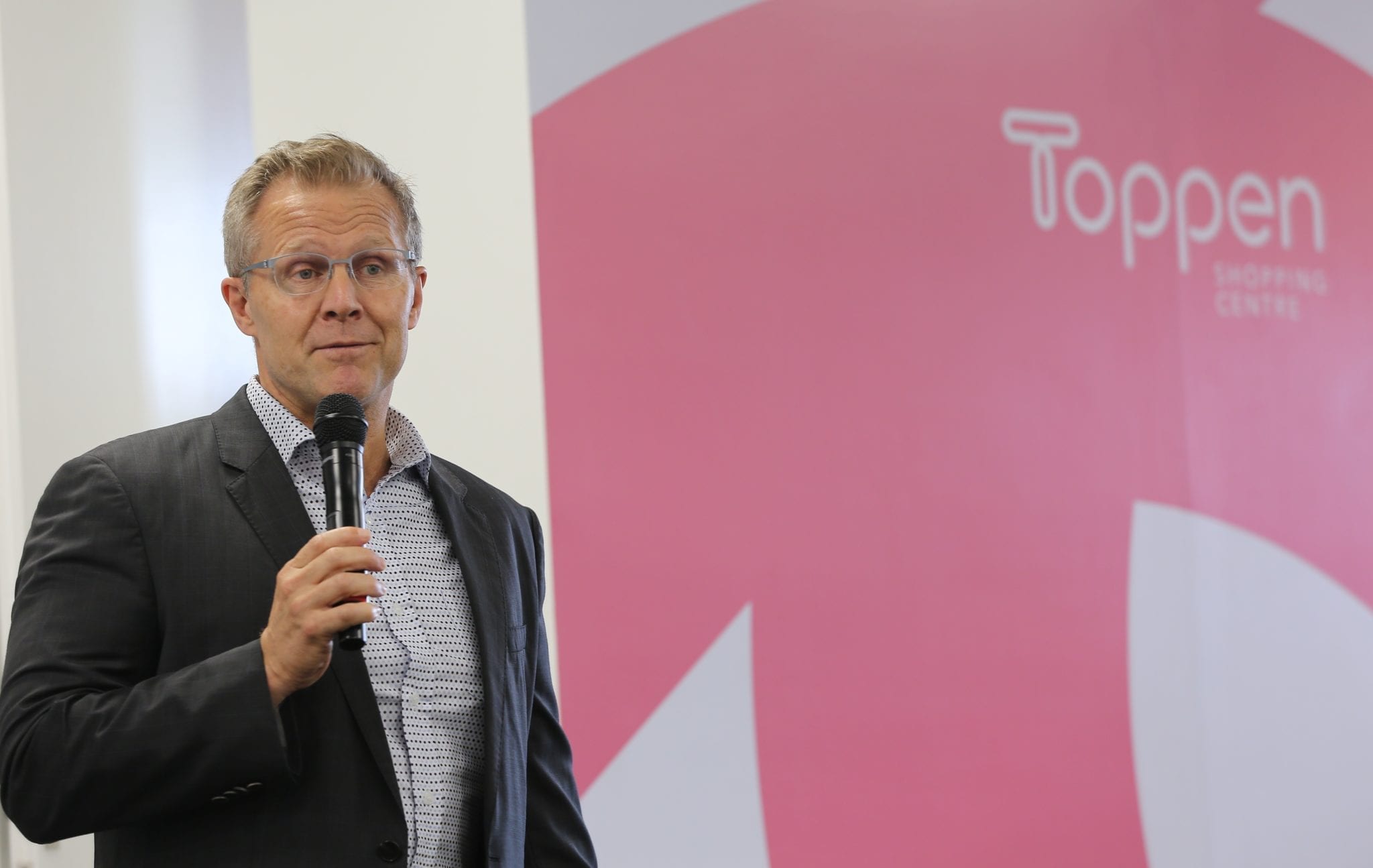
    That is the philosophy behind the company’s newest, boldest mall development yet: the 1.1 million sqft Toppen centre being built in Tebrau, in the south Malaysian border city of Johor Bahru.

    Bigger and brighter

    After Mega Bangna in Bangkok and MyTown in Kuala Lumpur, Toppen promises to be bigger and brighter, with four floors of retail and an indoor/outdoor rooftop experience zone with cinemas, food and recreational space.

    “This destination … is not just about shopping, it’s about having a great time. We have air-conditioned walks, and maybe if you even just look the first four or five times you visit, on the sixth time you buy something. So we are not so hard on selling, selling, selling. We are much more focused on what it takes to have a great visit.

    “This means that maybe the tenant mix is a bit different from Europe: more food and beverage, more leisure and more education and tuition, that sort of stuff. If you visit Mega Bangna you’ll see we have come quite far on that offer. For instance, the children’s education is growing out of the shopping centre.”

    An extra building is under construction, connected to Mega Bangna purely to house education offerings such as music lessons, ceramics and art classes, language centres and the like.”

    Rojkjaer is targeting 6.5 million visitors to Toppen in its first full year of trading. Ikea Damansara in Kuala Lumpur achieves 6 million a year, ranking it among the 10 most-visited Ikea stores in the world. Little more than four months after opening in Johor Bahru, Ikea.

    Within reason

    Tebrau had surpassed 2.5 million shoppers, so given the store will have been trading about two years by the time Toppen is complete late next year, the target is well within reason.

    “We use Ikea to warm up the place, then we open up the centre,” one Ikea executive joked at a retailer event launching the leasing program in Johor Bahru last month.

    “Toppen is unique,” says Rojkjaer. “Nobody will ever, ever have an Ikea-anchored shopping centre in Johor Bahru, I can promise you. It’s not going to happen, because we are the owners of the Ikea brand.”

    And therein lies a key advantage for retailers considering taking space in the mall, Rojkjaer explained at the launch. “We are retailers just like you, which means we have more opportunities to understand you better than most, and we are doing our best to do so. And one way of doing that is that we are incredibly stubborn, not in terms of negotiations but in terms of making our destinations a success. They will be a success. They must be a success, because we don’t do that many of them.”

    Ikano plans to build only five or six – “seven at the absolute maximum” – Ikea-anchored shopping centres in Malaysia. Toppen will be the third and another is possible in Penang, in East Malaysia.

    Given the massive migration of shoppers from physical stores to online in most Asian markets, is building a mall on this scale a risk? Not at all, says Rojkjaer.

    “We are still human beings – a day out, a destination, is what shopping is all about. For years and year to come we will still go out to the cinema. For years and years to come, we will still go out to eat something together, because it is our human nature to do so. So this destination is much more than a shopping centre, it is a destination in itself.”

    And as a colleague commented during the launch event: “You can’t buy an ice cream after you’ve bought a sofa online.”

    Scouting exercise

    After establishing beacheads in Singapore, Malaysia and Thailand, the Philippines and Vietnam are the next markets on Ikea’s radar in Southeast Asia. Ikano already has the Philippines rights sewn up and will open its first store there next to Mall of Asia in Manila in 2020. Further stores will open in other parts of the country either attached to Ikano’s own centres or, where there are synergies, existing centres.

    Vietnam is at a much earlier stage of planning, with Ikea head-office executives heading to the country this month on a further scouting exercise before recommending locations and a timeline to head office in Sweden.

    “We are very cautious not to commit too much on time, but we are looking into the country,” says Rojkjaer. “How many Ikea stores can we have? Where should they be? Where could we create some great destinations for Ikea? And there must be a possibility for Ikea together with our shopping centre concept to go in there.

    “I think there is enough space for us without creating crazy competition with other mall players in the market. I think we could co-exist there. We don’t have to go in alone, solo, but it is more tempting to do so in Vietnam.”

    Singapore-based Rojkjaer says he “loves” Vietnam and is a frequent visitor with his family for holidays. His belief in the nation as a future market for Ikea has been fuelled by the Starbucks’ experience. “It seems like half of Ho Chi Minh City is drinking super-expensive coffee. The same with the gyms. They consume way more than their disposable income would suggest.

    “Our vision is to create a better everyday life for the many, and that’s why we have to argue the investment case to the Ikea family. They are saying, ‘But we are there for the many’.

    Copycats and potential customers

    While Ikea may not be there for the many upon launch there, to be there ‘for a lot’ we have to be there for some years.

    Many people will be potential Ikea customers, he believes. “We need to get in there and get going.”

    Ikea already sources products from Vietnam, its largest manufacturing source after China, with Thailand in third.

    Rojkjaer is aware of unauthorised vendors of Ikea products in Vietnam, but says they are not harming the brand for now.

    “I am actually not sure where they buy the products … not from us. Maybe they buy them from China. We have chosen not to pursue them, but when we start they will not exist any more. I mean, they can’t. We will set the pricing and we will beat them on pricing. We’ll be cheaper, more available, more accessible, much better than them.”

    As it expands across Asia, Ikea is working in markets with quite different levels of GDP and disposable incomes. So how does it create a pricing strategy to cover such diverse markets?

    “We price to market,” says Rojkjaer.

    “Of course, we know as any retailer that we must also be profitable, but we are okay to be priced to market with extremely low margins to get in. But loss-making companies middle and long term won’t work, so there is a limit to how long and how low we can go. But so far we have priced to market and been very successful.”

    Annual check

    With the giant Ikea store trading just across the bridge from Singapore, one might expect a lot of Singaporeans to take a trip across the border and avail themselves of cheaper prices for many goods. Rojkjaer says Ikea Tebrau is not trying to attract Singaporeans and he is unconcerned about any cannibalisation effect of the Singapore store. They have checked number plates in the carpark and found fewer than 5 per cent of shoppers are driving cars registered across the water.

    Prices do differ between the two cities, but not in the way one may think.

    “They are market based. Some will be more expensive, some will be cheaper. Some are based on higher import duties in Malaysia. Some are based on higher labour costs in Singapore. But most important of all, it’s bargain-basement prices. We must do this always. We must offer the lowest price we can.”

    Ikea Sweden executives travel to all franchised stores annually to check they have the lowest prices. And if Ikea Southeast Asia does not, “we have to show them an action plan of how to get there,” says Rojkjaer.

    “So, we have the cheapest table and we also have the more expensive, high-end products. We compete relatively high up as well. But we are probably not for the millionaires.”

  • Ikea Philippines launches at the Mall of Asia

    Ikea Philippines launches at the Mall of Asia

    Ikea Philippines will open its first store next to Mall of Asia in Manila in 2020.

    Inter Ikea Systems announced in February it had appointed Ikea Southeast Asia (Ikano) as Philippine franchisee, the same company that holds the rights to Singapore, Thailand and Malaysia.

    In an exclusive interview with Inside Retail Asia, Ikea Southeast Asia MD Christian Rojkjaer says Ikea chose to open its first Philippine store at SM’s Mall of Asia as it is such an impressive, established centre. “It’s already there and we have no chance to beat it.”

    However, future stores might be integrated with Ikano’s own shopping-centre developments, similar to Bangkok’s Mega Bangna, Kuala Lumpur’s MyTown and the Toppen Tebrau under construction in Johor Bahru, Malaysia.

    “What happens in Malaysia and the Philippines is that we go in and… we must create the best shopping destinations in that country either alone or with somebody else. So we do it shopping centre by shopping centre with the customer in mind. We are not like, ‘It has to be ours’. It has to be the best position for our customers. So let’s see what is going to happen [in the Philippines], but the first one will be with SM.”

    Ikano is one of 10 Ikea franchisees worldwide and the only one owned by members of the founding Kamprad family. It had to pitch for the Philippines franchise, as it did for the Indonesian one (which it lost to Jardine Group’s Dairy Farm International in Hong Kong).

    Southeast Asia is one of the few growth regions in the world for Ikea, where many local markets have developing economies so its customers have lower average incomes than in more developed markets.

    “That has been quite challenging,” Rojkjaer tells Inside Retail Asia. “We want to be for the many in a country, but when we go into the Philippines, for a while it will be for a lot, but not for everybody. Then we will grow our presence and become more for the many, as we say. Of course, not everybody in the Philippines can afford us today, but we will work on that and adapt our range and become better and better to become something for many more people.

    “That will certainly be the same in Vietnam, Myanmar, Laos and Cambodia, too. That said, our range will fit a lot of people in all those countries from day one.”

  • Ikea Southeast Asia’s Toppen mall to be ‘heart and hub’ of JB

    Ikea Southeast Asia’s Toppen mall to be ‘heart and hub’ of JB

    Ikea Southeast Asia’s new Toppen Shopping Centre in Tebrau, a suburb of Malaysia’s Johor Bahru, is already more than 60 per cent tenanted as construction continues on what will become the new “heart and hub” of the border town.

    Granted, that figure includes the giant Ikea store which has already been trading for several months, drawing customers from all over southern Malaysia and across the border from Singapore.

    Tenants of the 1.1 million sqft complex already signed up include Australian furniture and electronics retailer Harvey Norman, cinema chain TGV and B.I.G (Big Independent Grocer), a gourmet supermarket which already anchors Ikea Southeast Asia’s IPC shopping centre, integrated with its Ikea Damansara store in Kuala Lumpur.

    The Toppen Shopping Centre is on schedule to open by the third quarter of next year. It is next to Aeon Tebrau mall, described by Ikea Southeast Asia MD Christian Rojkjaer as a “friendly competitor” and home to Thai furniture and homewares rival Index Living Mall.

    “Johor is home to 3.6 million potential consumers with fast-growing retail sales,” Rojkjaer told a media briefing at the site. “Johor’s economy is booming – growing faster than the rest of the nation. The mature community gives us the opportunity to create significant partnerships with both the community and business owners.”

    The new centre will feature four floors of retailing, with a multi-purpose piazza-style rooftop including community garden, play areas, sports offerings, a cinema and al fresco eateries. It will be home to 300 tenants across all categories, including international brands and local specialty stores.

    Ikea Southeast Asia owns and runs the brand’s stores in Singapore, Malaysia, Thailand and, from 2020, the Philippines. It is the only Ikea franchisee globally to be owned by the Kamprad family, which founded Ikea in Sweden.

    As such, it is also the only Ikea business in Asia to own and run shopping malls, a formula that works in Europe where the company has about 50 centres anchored by giant Ikea stores. Its malls include Bangkok’s Mega Bangna and Kuala Lumpur’s MyTown and IPC Shopping Centre, which has just had a major refurbishment.

    “Through our rich experience and deep understanding of market trends, Ikea’s presence normally contributes to an additional 20 per cent of footfall to our shopping centres,” says Ikea Southeast Asia shopping centre and mixed-use director Christian Olofsson.

    “Toppen is not just another shopping centre – it is a space for the community to come together, a platform for business owners to grow, and a positive driver for Johor’s economic growth through the creation of job opportunities (an estimated 5000) and increased tourism.”

    Rojkjaer expects that about 5 per cent of the Ikea Tebrau store’s sales will to be Singaporeans, who can take a short drive across the bridge border from their city state, where prices for many products are higher. But he is not concerned about prospective cannibalisation of the Singapore business’ sales. As if to underscore that point, last Easter holiday weekend the number of people heading to Malaysia by road caused traffic jams on the Singapore side of the border. Instead of the usual quick crossing, travellers were caught in queues for several hours.

    Such is Johor Bahru’s rapid growth that even without cross-border traffic, both Ikea executives are bullish about the Malaysian city’s future.

    “Every time we come here we see how things are developing,” said Rojkjaer. “Tebrau is going to be a major destination for years to come.”

    Rojkjaer expects the centre to attract 15 million visitors in 2020, its first full year of trading.

  • 8 best cities on this side of the world to live

    8 best cities on this side of the world to live

    Time Out’s City Life Index, a survey of 15,000 people in 32 global cities, has been released, and it shows which ones promise the most fun and excitement in 2018. Eight of them are on this side of the world.

    The survey, conducted by Tapestry Research, questioned residents on a variety of aspects of city life.

    It ranked cities in categories across food, drink, culture, friendliness, affordability, happiness, and liveability.

    It also “found the key factors that make residents find their city exciting,” from dining out often to feeling proud of where they are from.

    Here, their ranking in ascending order along with their overall scores:

    31. Singapore (98.7) — Those from Singapore may not rate its culture scene highly, but they do value the city’s safety and are perfectly comfortable walking around at night.

    28. Sydney (106.1) — While they may think the city is lacking in things to do and good restaurants, Sydney residents live a healthy life, with 66% having exercised in the past week and 38% never having taken drugs. They know how to party, though, and are the world’s No. 1 vodka drinkers.

    26. Hong Kong (109.6) — Seventy-five percent of residents said the public transport in Hong Kong was great, contributing to the city’s overall score. They’re also among the biggest restaurant-goers in the world.

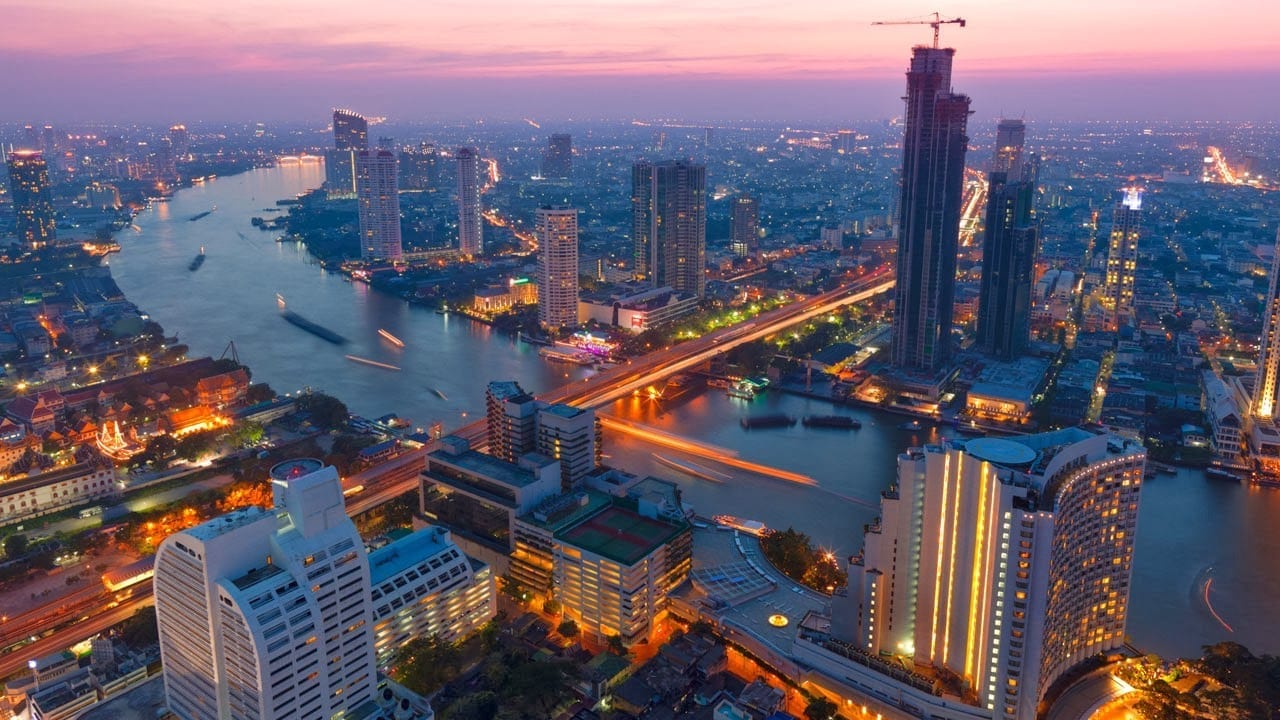
    24. Bangkok (111.0) — The survey revealed Bangkok as the world’s street-food capital, with more people eating on their feet than anywhere else — 42 times a year, on average. They’re also the biggest restaurant-goers, with 94% of respondents having visited a restaurant in the past week.

    22. Beijing (113.0) — The city may be exciting, but the commute is long, with 6% of Beijing residents even commuting for two to three hours a day.

    19. Tokyo (117.7) — Tokyo residents love their food — they visit restaurants more than most other cities on the list.

    16. Shanghai (119.5) — It may not come cheap, but there’s plenty to do in Shanghai, where residents say that while it is tough to find love, 79% believe it is easy to find a more casual encounter.

    4. Melbourne (132.3) — This Australian city came out above all others in terms of happiness, with nine in 10 residents saying they felt happy within the past 24 hours. They also find it easy to make friends and think the food-and-drink scene is one of the city’s best features.

  • Ikea has transformed the modern design world

    Ikea has transformed the modern design world

    For decades, Ikea has filled homes across the world with bookcases, beds, cardboard boxes and countless tea lights. The company’s business model, based on huge production runs of identical stock, allowed it to export Scandinavian style at an affordable price.

    Its products are so popular and so ubiquitous, that you might find yourself in a friend’s home sitting on a sofa that is very similar to your own, looking at a bookcase that matches yours and eating with very familiar looking cutlery. Ikea created a reasonably priced way for customers to express themselves at home, and while it may also have helped build a world of indentikit interiors, it opened consumers to what was otherwise expensive design.

    As a product design specialist I applaud Ikea for how they have developed their business and invested in design to bring great products to the masses, including the use of materials to drive down prices – look inside one of their coffee tables and you’ll find a hollow core supported with card.

    Ikea’s trades on the idea of family connections and aims for an emotional connection with customers. Instead of relying on numbers, for example, products are named after Scandinavian islands, names of people, birds and berries.

    They continue to innovate in materials and production techniques which drive prices lower and lower. When the first UK store opened in 1987 (the company is celebrating its 30th British birthday) the cost of a loaf of bread was around 40p, and the classic “Lack” coffee table retailed at £18. Today, three decades on, that same table costs £14.

    Ikea are widely considered as the “kings of flat pack furniture”, having cleverly exploited the potential of DIY assembly. Being able to visit a store, pick a wardrobe, chuck the cleverly packaged parts into the boot and drive home proved to a very popular approach, avoiding waiting weeks for delivery and simple – even if the accompanying instructions aren’t always as simple as they look. Social media is full of insights about Ikea-instigated arguments over how to construct furniture (or even just trying to navigate the stores’ pathways). But the company remains highly thought of.

    Scando-chic

    Ikea’s Scandinavian roots and design DNA made it stand out when it arrived in the UK (it was already well established in Germany, France, Japan and Australia). Along with Habitat, Ikea spearheaded a clear departure from chintz and overly decorative furniture and homeware. The new shopping experience of choosing from “rooms” set up with Ikea goods excited customers who came from far and wide to visit the distinctive blue and yellow box-like stores.

    Ikea’s range of products has expanded and evolved in the last 30 years but some items like the famous Billy bookcase, continue to sell as they have done for decades. The Billy is a beautifully simple product that can be transformed with hundreds of options, whether you want to change the colours, add doors, or expand the size of your collection.

    The popularity of Ikea means so many people have the same furniture, bedding and accessories in their homes. But it also means a lack of individualism in the very places we like to think most reflect our personalities. Nevertheless, some aim to customise: “Ikea hackers” turn colanders into lamps or shelves into headboards, producing unique pieces from mass produced products.

    Modern design

    Ikea itself has not become lazy or complacent when it comes to design. The PS 2014 pendant lamp, one of their most famous recent additions, is an engineering masterpiece.

    Closed, the lamp forms a white sphere with a jigsaw style pattern. But with the simple pull of a string the sphere opens, revealing its interior copper colour and increasing the brightness of the light emitted. It works beautifully and offers a great user experience. It is something to show off, and a real talking point.

    Other parts of its range demonstrate great Scandinavian design at a much higher price point.

    In my own home, I have a Malm bed, assorted cushions, candles, bedding and cutlery – simple, stylish and good quality. And they didn’t cost the earth. I don’t know anyone who doesn’t own at least one Ikea product. From its humble and fitting beginnings on a kitchen table in Sweden in 1943, Ikea has transformed the modern design world.

  • Hermes Singapore transforms artfully into ‘home’

    Hermes Singapore transforms artfully into ‘home’

    In a special exhibition, the Hermes Singapore flagship store at Liat Towers has been transformed to spotlight the luxury French brand’s collection of home furnishings and bespoke creations.

    Described as a “gallery of whimsy and surprise”, the Through The Walls exhibit was crafted by set designers Jean-Christophe Vaillant and Herve Sauvage. It shifts the focus from the brand’s iconic scarves and Birkin handbags to tableware, lighting, wallpaper and furniture.

    Leather, a reminder of Hermes’ start as a saddlemaker, is used imaginatively, as is bamboo crafted with carbon fibre and steel to form seats. The centrepiece of the installation is a closet for scarves that resembles a leather wallet from the outside and stores up to 130 pieces.

    Hermes co-deputy artistic director Charlotte Macaux Perelman says Singapore is an ideal location for the exhibition given the brand’s presence in the city since the 1970s. “We have never had a home-furnishings event here or really highlighted our home collection,” she says.

    It took two weeks to transform the top two levels of the store to showcase more than 120 objects from the Hermes home universe, including the brand’s new Lien d’Hermes collection.

    The retail space has been reworked as a “home” to give an appropriate setting for the objects.

    A feature is the stairwells of the store where wallpaper from the collection has been ripped and layered decoupage-style. In one corner, a dining table looks as though it had been pushed through a wall while elsewhere a coffee table appears to have fallen through the roof.

    There are even such whimsical touches as sounds: a cat meowing, a door closing, birds’ wings flapping. But the deconstructed world starts in the store windows, where neon signs for the event are framed by plates broken in half.
    “As a brand, our pieces are undoubtedly quite traditional and rigorous, but we like to introduce fantasy as well, especially in things like our textiles, wallpaper and tableware,” says Perelman.

    Through The Walls runs until October 29.

  • Ikea Korea launching second store

    Ikea Korea launching second store

    Ikea Korea’s second store will be in Goyang, opening on October 19.

    “We had heard from customers that they wanted us to come closer to them, and that sometimes our store is too crowded,” says Ikea Korea retail manager Andre Schmidtgall.

    He says the store is in the finishing stages of construction and is hiring 550 employees. Ikea hopes to have six stores in Korea by 2020.

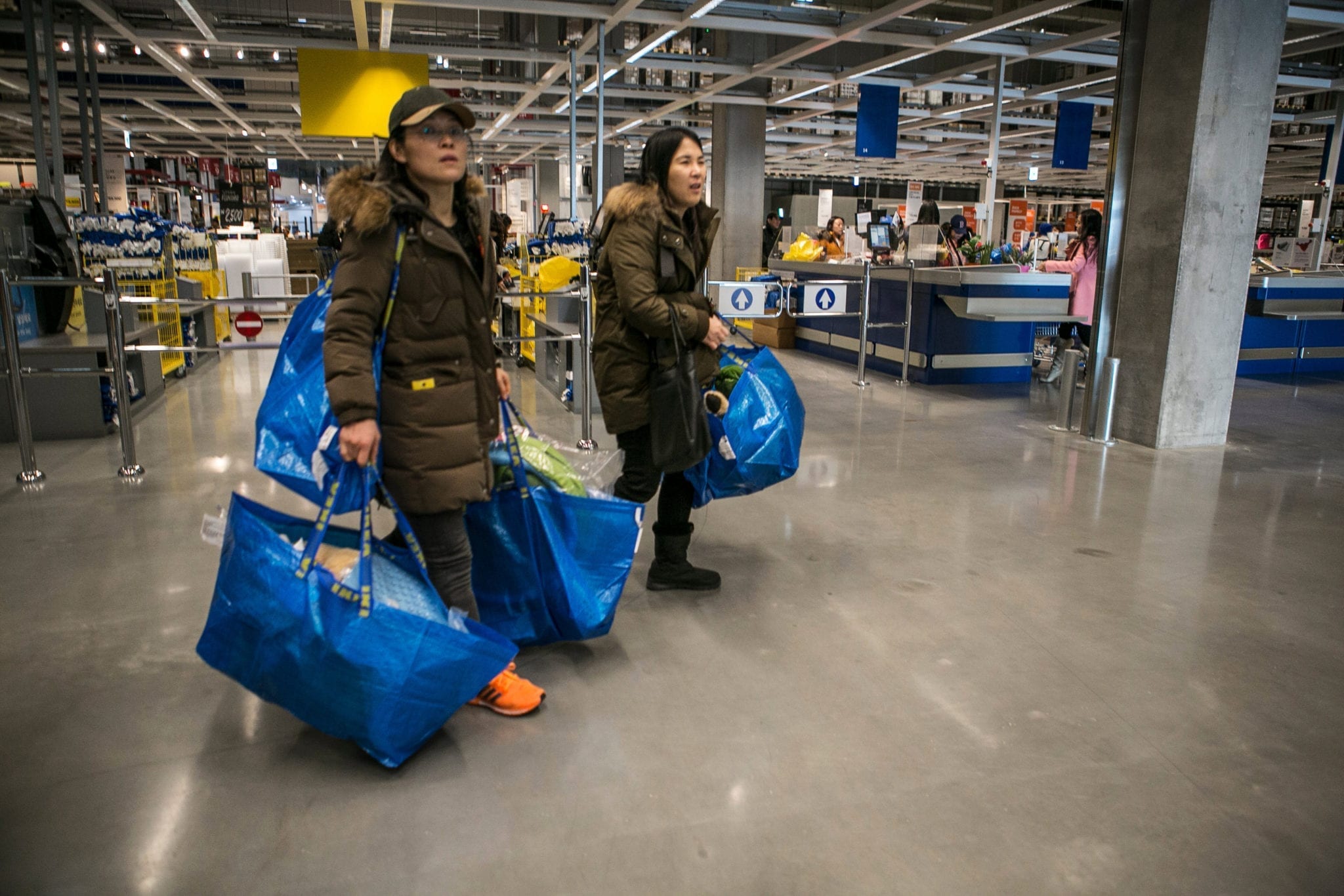
    Schmidtgall says Ikea’s Gwangmyeong store ( pictured), south of Seoul, is the largest in the world. In its latest fiscal year, Ikea Korea earned revenue of 365 billion won (US$323 million), representing a 6 per cent rise, with 6.49 million visitors to the store.

    There were also 38.8 million visitors to the Ikea website and mobile app, says Schmidtgall.

    Slightly smaller than the existing branch, the Goyang store will offer a similar range of products but with a different layout. It is in a shopping and entertainment hot spot in the previously underserved northern suburb of Seoul. Starfield Goyang, a shopping and entertainment complex owned by Shinsegae, opened last week following a Lotte mall.

    Ahead of the opening of the Goyang branch, Ikea is showcasing its new range of products for the coming year, focusing on the living room, at Bread Comma Cafe in Hongdae through to September 17.