The fast-food landscape in China is witnessing a dramatic shift as the burger market, once a niche segment ruled by Western giants like McDonald’s and KFC, is now attracting everyone from multinational restaurant chains to local hotpot outlets and coffee brands. The humble burger has become a hot commodity among budget-conscious consumers and smaller households, making it a fierce point of competition in the nation’s fast-food sector.
China’s Growing Appetite for Burgers
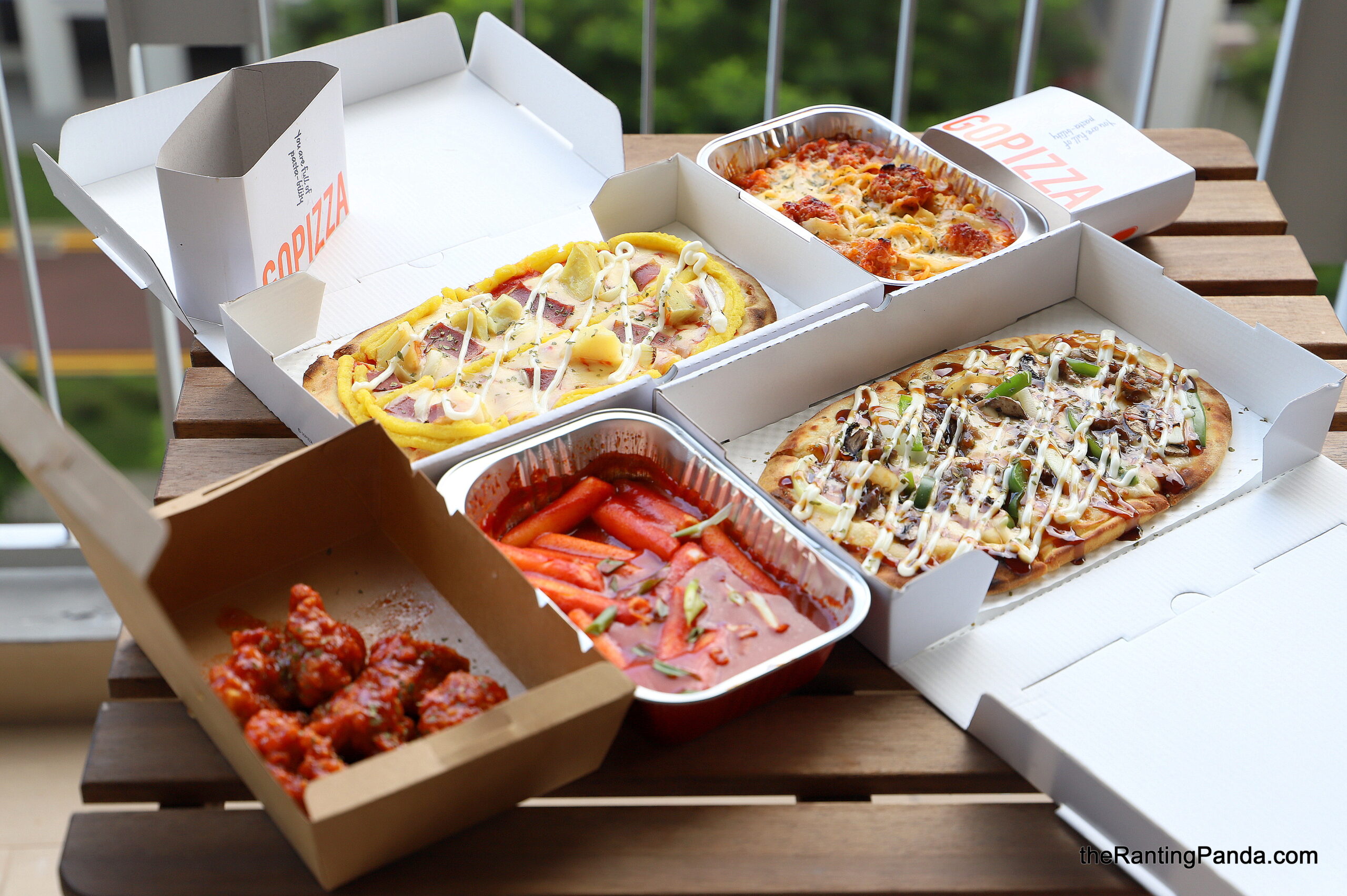
Yum China’s innovative Pizza Hut Burger Bar concept, offering a burger counter within an existing Pizza Hut restaurant, quickly expanded to over 200 locations within six months. By the end of 2026, the company plans to have 500-600 such outlets, accounting for roughly 10% of the total Pizza Hut store network.
This burger boom mirrors broader changes in China’s consumption trends. Smaller household sizes and economic uncertainty are causing consumers to opt for low-cost, portable meals, consequently transforming burgers from a niche Western import into one of the most competitive segments in China’s restaurant market.
As a result, brands are racing to capitalize on this trend. Last month, hotpot chain Haidilao diversified into the burger market with Huanxianbao, or “Fresh Burger,” a chain offering burgers along with pizza, pasta, and fried chicken. Similarly, coffee chain M Stand has begun to introduce burger-focused outlets in certain cities.
The Economics of Burgers
China’s Western fast-food market, valued at 499.65 billion yuan (US$74.1 billion) in 2025, is expected to reach 587.09 billion yuan by 2027. According to a survey, burgers were the top preference among consumers, with 55% of respondents selecting them. The burger category, worth $18.4 billion in 2025, is projected to grow by 8.7% annually through 2035.
Burgers offer a value-for-money choice as consumers remain cautious about their spending. They provide a less costly alternative to full-service restaurant meals while still satisfying as a substantial meal, making them a popular choice among students and single-person households.
Burgers also align with demographic changes, with rising numbers of smaller families, single-person households, and young urban workers driving demand for convenient individual meals. Pizza Hut, for instance, added burgers to its menu in 2024 and by 2025, burgers accounted for a considerable share of the company’s sales.
The burger trend is not only bringing in domestic chains like Tasiting but also international brands. Notably, when U.S. chain Five Guys launched in Beijing, customers were willing to wait over two hours to be served. Wendy’s also announced plans to enter China and open up to 1,000 franchised restaurants over the next decade.
Questions & Answers
Why are burgers becoming popular in China?
Economic uncertainty and smaller household sizes have led to a preference for low-cost, portable meals like burgers. These changes in consumption habits are turning burgers from a niche Western import into a highly competitive segment of China’s restaurant market.
Who are the major players in China’s fast-food burger market?
While Western giants like McDonald’s, KFC, and Burger King initially dominated the market, local brands like Haidilao and international brands like Five Guys are now entering the fray.
What does the rising popularity of burgers represent?
The growing demand for burgers reflects broader shifts in China’s consumer behavior, such as the preference for lower-cost, convenient meals that offer good value for money. It also aligns with demographic changes, including the rise in single-person households and small families.