Tag: lockdown

  • Avian Flu Outbreak: Mandatory Lockdown for Victorias Poultry Farms to Protect Public Health

    Avian Flu Outbreak: Mandatory Lockdown for Victorias Poultry Farms to Protect Public Health

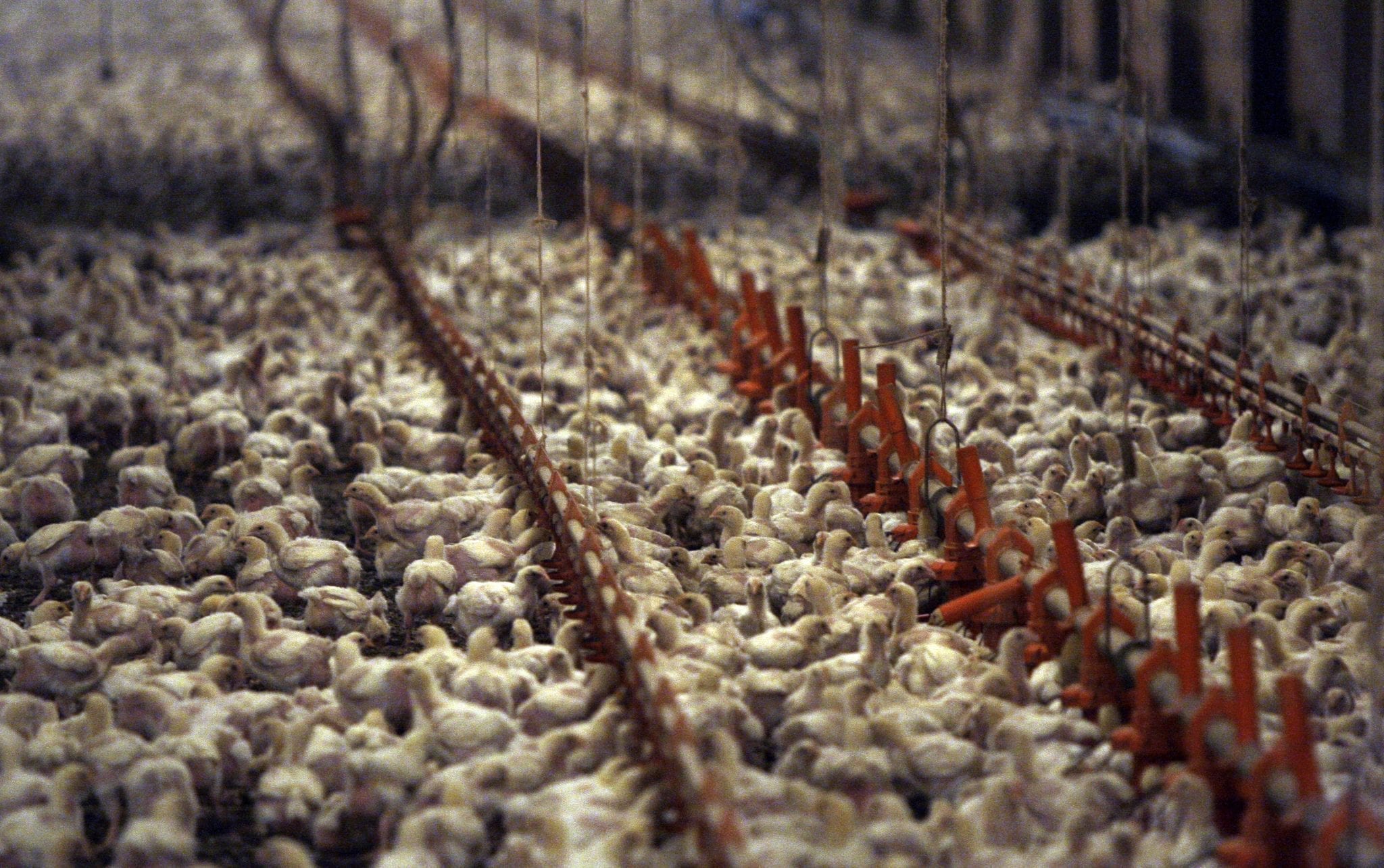
    The state of Victoria has implemented a compulsory housing mandate for certain chicken flocks due to the ongoing detection of H5N1 avian influenza in newly affected areas. This regulation will be in force for 14 days, until August 21, and will pertain to individuals, households, and businesses that own 50 or more chickens in metropolitan Melbourne, coastal regions, and neighbouring zones. The regulation stipulates that chickens must be housed or confined in a way that prevents them from interacting with wild birds or other wildlife off the premises.

    Mitigating the Risk of Disease Spread

    According to the Victorian Government, this action is designed to decrease the likelihood of the virus infiltrating chicken flocks. In areas not included in the local government’s mandate, while confinement is not obligatory, it is suggested where feasible. The goal is to ensure that farm animals are not in contact with wild fauna.

    Victoria’s chief veterinary officer, Graeme Cook, mentioned that the spread of bird flu in Yambuk, Apollo Bay, and Clyde necessitates an increased response in some areas. Beth Cookson, Australia’s chief veterinary officer, stated that testing had identified an additional 20 H5 positive cases in Victoria, all in larger crested terns from the Portland and Nelson regions. So far, Australia has documented 175 confirmed or probable positive detections. No occurrences have been reported in poultry or Australia’s agricultural production system, and the risk to humans remains very low.

    Repercussions of the Avian Influenza Outbreak

    Following the detection of H5 in a migratory bird near Esperance, a prominent poultry company decided to place its Western Australian operations into lockdown in June. The avian influenza outbreak has also led to disruptions in poultry exhibitions. The Royal Adelaide Show has called off its bird and poultry displays planned for the upcoming month, and the Victorian Government is contemplating comparable steps with the Royal Melbourne Show.

    In the meantime, the ACCC has permitted farmers to keep their chickens indoors, allowing them to continue using free-range egg cartons while avian influenza controls are operational. Victoria is the first Australian state to implement a compulsory chicken housing mandate.

    Questions & Answers

    What is the purpose of the mandatory housing requirement for poultry in Victoria?
    The requirement is designed to prevent contact between poultry and wild birds or wildlife, reducing the risk of avian influenza infiltrating poultry flocks.

    Who does this requirement apply to?
    The requirement applies to individuals, households, and businesses that own 50 or more chickens in metropolitan Melbourne, coastal regions, and some neighbouring areas.

    What measures are being taken regarding poultry exhibitions?
    The Royal Adelaide Show cancelled its bird and poultry displays, and the Victorian Government is considering similar actions with the Royal Melbourne Show.

  • Macau retail sales surge after Covid-19 lockdown

    Macau retail sales surge after Covid-19 lockdown

    The value of Macao’s retail sales for the second quarter of 2021 totaled 20.70 billion patacas (about 2.58 billion U.S. dollars), up 200 percent year on year, the special administrative region’s statistic department said on Tuesday.

    The latest report from the Statistics and Census Service (DSEC) showed that among the major retail trade activities, sales values of watches, clocks and jewelry, leather goods, and communication equipment witnessed a notable year-on-year growth of 957.9 percent, 504.0 percent, and 460.4 percent respectively, whereas sales value of supermarkets dropped by 11.3 percent.

    As regards the sales volume index, the indices of watches, clocks and jewelry, leather goods, and communication equipment registered a significant rise, while the index of supermarkets decreased.

    For the first half-year of 2021, the value of retail sales reached 39.46 billion patacas, an uplift of 118.4 percent year on year. Besides, the sales volume index jumped by 130.4 percent.

    The value of retail sales in the second quarter of 2021 rose by 10.3 percent as compared with the revised figure of 18.76 billion patacas in the first quarter. Sales values of department stores and watches, clocks, and jewelry increased markedly, whereas sales values of communication equipment declined.

    Moreover, the sales volume index grew by 9.9 percent quarter on quarter.

    In respect of retailers’ comments, 40.9 percent of the retailers expected the sales volume to stay stable year on year in the third quarter of 2021, 42.9 percent anticipated a decrease, and 16.2 percent forecast an increase. Meanwhile, 78.0 percent of the retailers predicted that the retail prices would remain steady year on year in the third quarter, 15.3 percent foresaw a decrease and 6.7 percent expected an increase.

    As compared with the second quarter of 2021, about 44.7 percent of the retailers envisaged sluggish business in the third quarter, whereas retailers expecting stable performance and those anticipating a favorable outlook together accounted for 55.3 percent of the total.

  • Online share of retail sales jumps to 19% amid lockdowns

    Online share of retail sales jumps to 19% amid lockdowns

    Online sales accounted for nearly a fifth of total retail turnover last year as lockdowns to combat the spread of the coronavirus pandemic fuelled a boom in e-commerce, a United Nations study released on Monday showed.

    Online sales accounted for 19 percent of overall retail sales in 2020, up from 16 percent a year earlier, according to estimates from the UN Conference on Trade and Development (UNCTAD) based on national statistical offices in major economies.

    South Korea reported the highest share at 25.9 percent, up from 20.8 percent the year before. China had a 24.9 percent share, Britain 23.3 percent, and the United States 14.0 percent.

    Global e-commerce sales rose 4 percent to US$26.7 trillion in 2019, according to the latest estimates available, UNCTAD said. This included business-to-business (B2B) and business-to-consumer (B2C) sales, and was equivalent to 30 percent of global economic output that year.

    The pandemic led to mixed fortunes for leading B2C e-commerce companies in 2020, according to the report.

  • Sheng Siong Group boosts sales during virus lockdown

    Sheng Siong Group boosts sales during virus lockdown

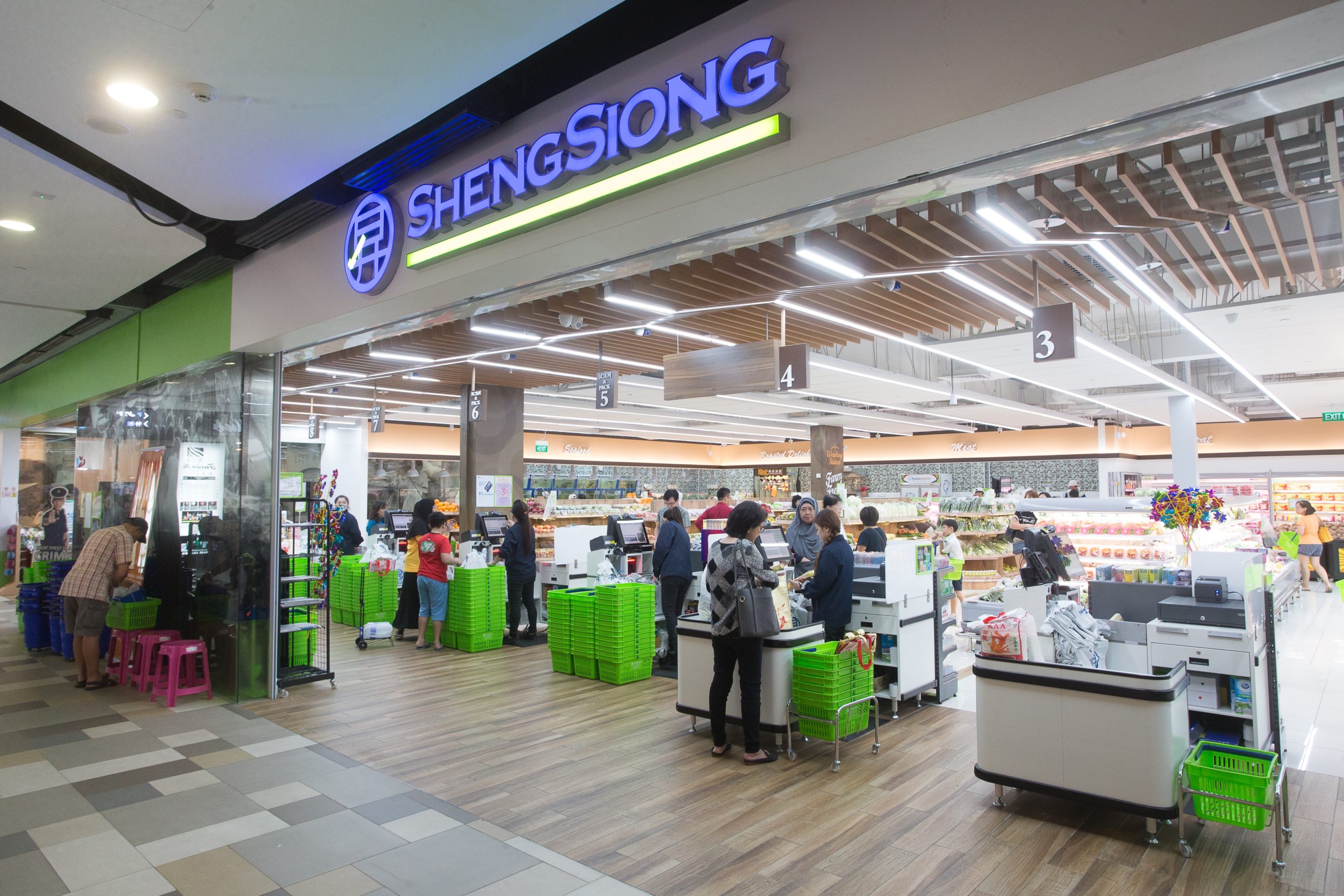
    Singapore consumers’ migration from food halls to supermarkets during the Covid-19 pandemic has proven a windfall for grocery operator Sheng Siong Group.

    Sales for the June quarter surged 75.8 percent to US$304.3 million, gross profit margin improved from 27.4 percent to 28.1 percent and net profit soared 150.7 percent year on year to $33.6 million.

    While new stores accounted for 13.3 percent of the 75.8-per-cent increase in sales the vast majority of the balance came from same-store turnover.

    “This was mainly driven by the elevated demand arising from Covid-19, as consumers stocked up to hedge against the risks of disruption to the supply chain and the implementation of the “Circuit Breaker” restricting people’s movements and forbidding eating out, thereby benefiting retailers of fresh and uncooked food,” the company said in a statement.

    However, the company has warned the gradual easing of restrictions on Singaporeans’ movements it expects the elevated demand for goods fuelled by Covid-19 will ease.

    “Competition in the supermarket industry is expected to remain keen and challenging among the traditional brick-and-mortar operators and e-commerce platforms which seem to have gained better visibility because of the Circuit Breaker,” the company said. “Demand may be affected if post-Covid-19, economic recovery is slow or remains depressed.”

  • Singapore locks down until June

    Singapore locks down until June

    The Singapore government has reduced the list of “essential services” as part of a tougher clampdown on social distancing as it tries to arrest the spread of Covid-19 in the city-state.

    The Ministry of Trade and Industry (MTI) on last night announced a trimmed list essential services applied during the “circuit breaker” period which has been extended for another four weeks and will likely not now end until June 1. Subsequently, more retailers including food and beverage outlets have to temporarily shut down its business – although this is initially going to be enforced only until May 4, subject to extension.

    Here are types of food and beverage retailers that must suspend their operations from today (April 22):

    • All food-and-beverage vending machines located in parks, regardless of what they sell, must be shut. Takeaway and delivery services located in parks are to close.
    • Stores predominantly selling beverages including bubble tea, fruit juice, alcoholic drinks and coffee.
    • Stores predominantly selling packaged snacks and loose snacks including nuts, potato chips, popcorn, bak kwa and cheese.
    • Stores predominantly selling desserts including ice cream, cakes, sweet pastries, grass jelly and red/green bean soup. However, these rules do not apply to hawker centres and food courts. Online retailing of these products is allowed, provided that they are from a licensed central kitchen, manufacturing facility or warehouse of the food-and-beverage company.
    • Optical shops can operate by appointment only, with walk-in customers banned.
    • Pet supplies stores and retail laundry services must close their physical stores, but are permitted to provide online sales and delivery.

    Other food-and-beverage outlets, including those selling hot or cooked snacks, bread or meals, are allowed to continue to sell, but only via takeaway or delivery services during the “circuit breaker” period. Dining-in is not permitted.

    However, the MTI contradicts itself in documentation explaining the new restrictions, possibly due to the rushed pace with which they were prepared. In an appendix, it says that “specialized stores and outlets that predominantly retail” coffee and tea must close. Immediately below that declaration, the MTI says “Only hawker centers, coffee shops and food courts are excluded”.

    So it remains unclear whether coffee chains such as Starbucks are allowed to continue to trade from today. Starbucks had not responded on its Singapore operations before deadline.

    Meanwhile, stores continue to serve hot meals (as well as coffee) may continue to trade – ostensibly selling coffee and meals, but not cakes or sweets (once existing stock runs out). But other media is reporting that stores will be classified by the predominant product they sell, which suggests coffee shops may not continue to trade, as they sell more coffee than meals.

    Inside Retail Asia is awaiting further clarification of this and other points and will update this story as further details come to light.

    Supermarkets and wet markets can continue trading as normal, however social-distancing practices must be observed.