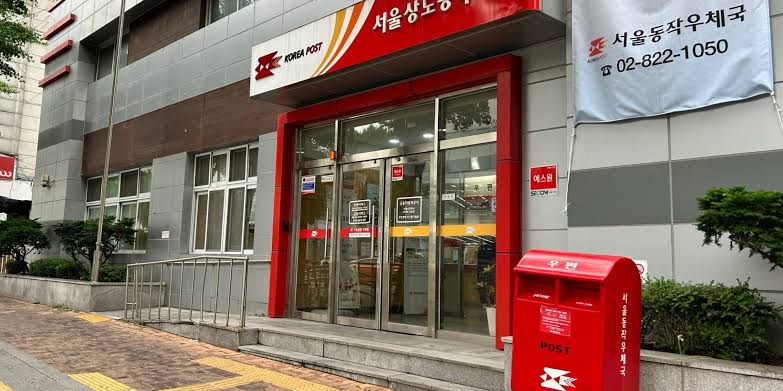
Korea Post has picked Capstone Asset Management and IGIS Asset Management to manage a 500 billion won ($368 million) domestic property loan strategy. The mandate reopens development lending after three years.
The state-run postal agency selected the two Seoul-based asset managers as preferred bidders following a July tender. It has not disclosed how the capital will be split between them.
This is the first domestic real estate debt programme from Korea Post Savings since 2023. Back then, the institution committed 400 billion won to a single manager while banning all development and project financing. Lending to construction projects is now permitted once building work is underway. Bans remain on higher-risk land-backed and bridge loans.
Lending Terms and Guardrails
Under the guidelines, the blind-pool funds will focus on senior secured loans backed by South Korean offices, logistics hubs and other commercial real estate. Senior debt must account for at least half of all invested capital. Korea Post is targeting a net internal rate of return of at least 5.5 per cent.
Each fund vehicle must raise a minimum of 150 billion won. The investment period runs up to three years, with an initial lifespan capped at eight years. Portfolio-level loan-to-value and loan-to-cost ratios are capped at 70 per cent. Individual completed-asset loans may reach 75 per cent LTV, while development loans are limited to 80 per cent LTC.
Single asset commitments cannot exceed 40 per cent of a fund’s total commitments. Each management team must co-invest at least 1 per cent. Korea Post also retains first-refusal rights on co-investment opportunities across the portfolio.
Institutional Capital Returns to Development
South Korean institutional investors pulled back sharply from property project finance following the 2022 Legoland developer default and subsequent interest rate hikes. Korea Post is now providing liquidity to completed and active sites through post-groundbreaking debt. Strict collateral covenants remain in place to prevent land-stage exposure.
The debt mandate brings Korea Post’s announced domestic property commitments since 2025 to 1.15 trillion won. That total includes up to 500 billion won committed to a Mirae Asset Global Investments core property vehicle deployed into Seoul commercial assets. It also covers a 150 billion won REIT and senior debt mandate awarded to IGIS in June.
Korea Post manages 157 trillion won in savings and insurance assets, balancing rising returns from alternative credit against persistent deficits in its traditional mail operations. Final manager appointments will conclude once on-site due diligence and investment review committee approvals wrap up.