Retail News CRM

Tag: logsitics

  • Logistics Company Cogos To Add 2500 EVs To Its Fleet Over Next 24 Months

    Logistics Company Cogos To Add 2500 EVs To Its Fleet Over Next 24 Months

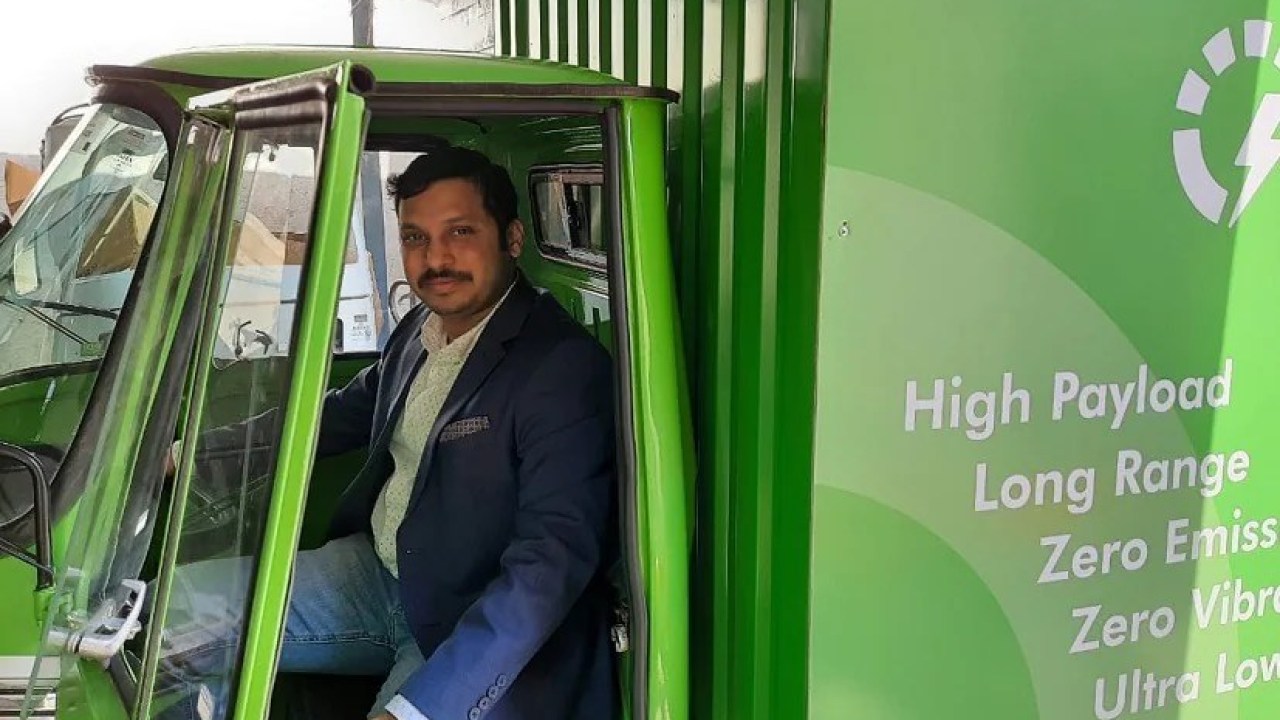
    Bengaluru-based logistics platform, Cogos, has announced that it will be adding 2500 electric vehicles (EV) to its delivery fleet across Bangalore, Hyderabad, Delhi, and Gujarat, and later in Maharashtra and Tamil Nadu. The company claims that it wants to reduce the carbon footprint of its fleet, and this move will help it achieve a reduction of 15000 tonnes of CO2 when running at full capacity, per year. The EVs will be added to the company’s fleet in a phased manner, over the next 24 months. Cogos has partnered with electric vehicle manufacturers like Altigreen, Mahindra, and Piaggio among others procure these EVs.

    Talking about the development, Prasad Sreeram, Co-founder and CEO, Cogos said, “It is important for us, as a logistics company, to focus not just on efficiency and cost, but also on sustainability. With this fleet augmentation of 2500 EVs, we are on track to achieve as much as 30 percent of our revenues from green technologies by 2023. We want to give customers a significant edge in efficient and responsible distribution and last-mile delivery solutions. EV is the future of mobility and city logistics have higher operating costs and lower traveling distances, hence are best suited for EV adoption for the logistics sector.”

    While currently, the company operates with three-wheeler commercial vehicles that have a payload capacity of 500 kgs, it is already working with the OEMs for four-wheeler EVs with a capacity of 1 tonne. The EVs will be used for the e-commerce, grocery, distribution, and mobility sector. Cognos has already entered into deployment agreements of 500+ vehicles for leading E-Com Enterprise and another 300+ with Food, FMCG, and Mobility enterprises.

    Cogos aims to strengthen the ecosystem by promoting EV ownership and creating a pool of fleet-owning entrepreneurs focused on sustainable growth. The company says that it will have a special focus on women empowerment through entrepreneurship and upskilling, along with evangelizing the benefits of EV to finance providers. To realize that, the company has entered into a tripartite agreement with the owner-operator and the financing entity, to support better financing for driver-partners. Cogos is also educating potential fleet owners on the benefits of EVs, like the fact that the cost of operating a commercial EV is only 50 paise per kilometer, which is multiple times lesser than fossil-fuel-based vehicles.

  • Building Resilience in the Retail Supply Chain During and Post-Pandemic

    Building Resilience in the Retail Supply Chain During and Post-Pandemic

    While many industries have been severely hit by COVID-19, retail supply chains in particular have faced significant changes over the past year as more consumers have migrated towards e-Commerce for their purchases.  This has caused many retailers to review and adjust their supply chains to improve their resilience and flexibility to address the changes and challenges they have faced recently, and to position themselves to be more competitive in the future.

    The rise of e-Commerce and consumer expectations

    Today, the service level expectations of consumers in the online retail space are exceptionally high. Online shoppers expect almost unlimited choice, they want products available at the best price, and they want it delivered as quickly as possible… and for free. Many retailers have gone beyond next-day delivery, and are now offering same-day deliveries to give them a competitive edge.

    Consumers have an endless amount of information at their fingertips that allows them to easily and quickly compare product specifications, price, availability, delivery timing and returns policies.  They also have access to products from all over the world.  This is driving a new era of hyper-competition

    Increasing consumer expectations, combined with an uprising of online demand and hyper-competition, are putting enormous pressure on supply chains all around the world.

    The retailers who are investing in making their supply chains adaptable to these changes are proving to be the ones that succeed in turning these challenges into opportunities, taking advantage of the growth potential they are presented with, and finding ways to do so profitably.  However this is not an easy feat.

    Sharper consumer expectation makes for increased supply chain stress

    Much of the pressure on supply chains is experienced in distribution centres (DCs).  Many retail supply chains have traditionally used large central DCs to fulfil bulk orders for replenishing stores in case or pallet quantities.  These DCs are now not only required to replenish stores, but also required to fulfil a rapidly growing number of online orders, fast, accurately and at the low cost.

    Automating for Productivity, Speed and Accuracy

    Online orders typically consist of a small number of products, picked and packed in piece quantities for delivery direct to a consumer.  Compared to replenishing stores, the additional effort and cost required at the DC to distribute a given amount of product in this way can be up to 10 times higher.

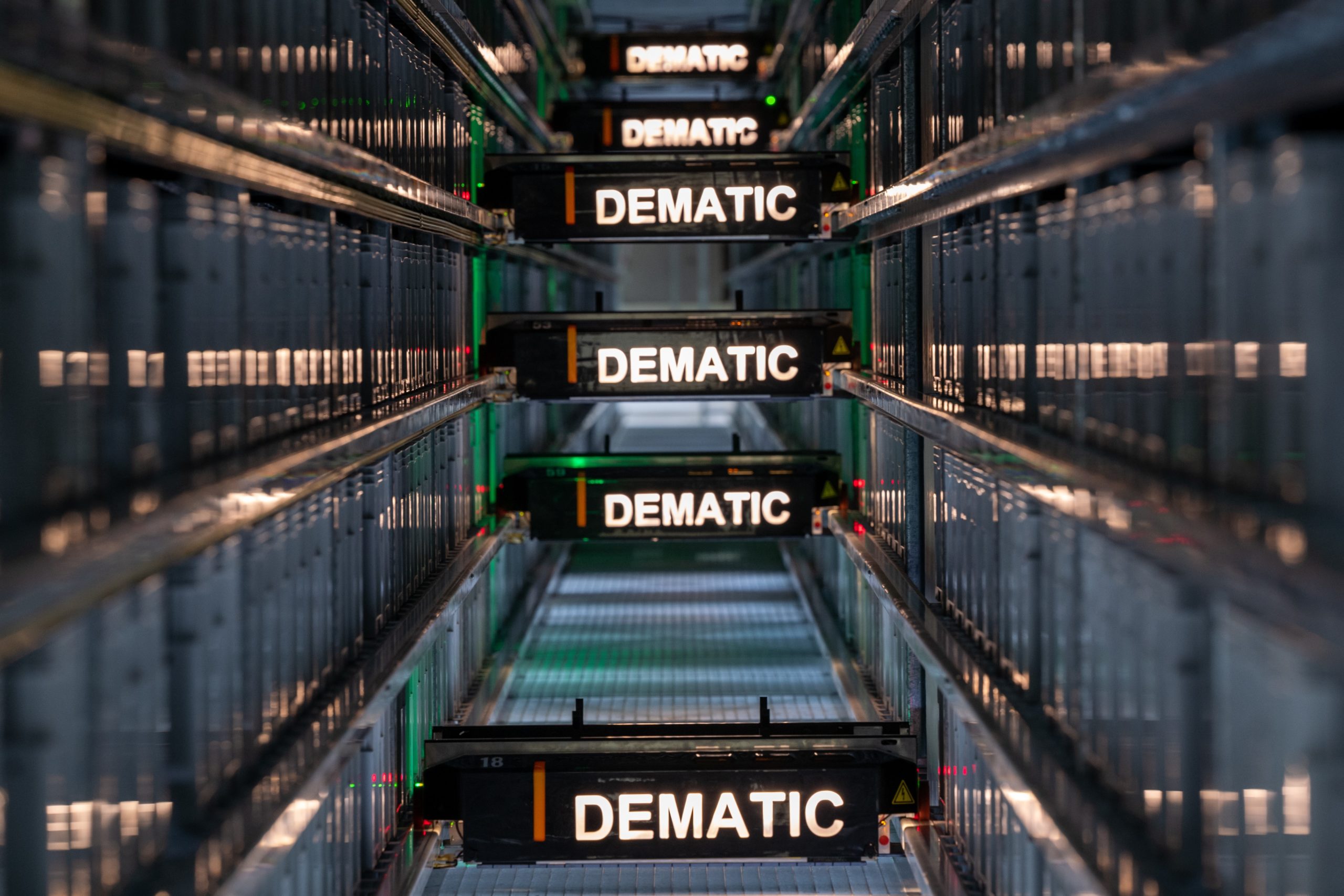
    To address the labour effort in fulfiling these orders, and to reduce the footprint required, goods-to-person solutions are delivering outstanding results.  In these solutions robotic shuttles are used to store and retrieve products in an extremely compact footprint.  Products are automatically delivered to operators working at high rate picking stations in the sequence they are needed for orders, eliminating their need to travel, dramatically improving productivity and slashing fulfilment times.

    With the need to optimise fulfilment speed and cost-effectively manage last mile delivery, retailers (and some pioneering food manufacturers) are establishing micro-fulfilment centres in their networks.  These are implemented in compact spaces (often in stores) located close to customers.  To provide the best use of space in terms of storage and throughput capacity, and to drive low cost fulfilment with minimum labour, good-to-person automation is often applied to support the picking process.  The same kind of automation can also be used for the buffering and consolidation of completed orders in preparation for their despatch windows.

    It is unfortunate that the execution of returns policies frequently results in disposal and waste due to the high cost of reverse logistics, inspection and re-stocking.  Automated solutions can greatly reduce the time and effort associated with returns, providing retailers with the ability to re-stock and re-sell products, rather than discarding and writing off.  Ultimately this can translate into better pricing levels for their customers.

    Automation builds resilience in the retail supply chain

    Automation has traditionally been viewed as a way to increase productivity, but at the expense of flexibility.  However today’s automated solutions feature both flexibility and modularity that allows them to scale and adapt to change and offer the high levels of redundancy necessary to support round the clock operations.

    Increasing labour costs have always been a key driver for automation. However besides the cost savings, the recent pandemic has demonstrated many additional benefits in minimising the size of a workforce.  These range from availability of sufficient resources, to complying with social distancing restrictions, to reducing the risk of contaminating products and, most importantly, to minimising business disruption. All of these things have contributed to accelerated application of automation in supply chains.

    Building resilience in the era of e-Commerce and omnichannel

    Most retail models are geared towards meeting the demands of their customers — but these are rapidly changing in today’s e-Commerce and omnichannel landscape.  Retailers with resilient operations, that are flexible and adaptable to change will cope best.  Automation and technology is certainly helping to provide retail supply chains with this resilience, and is increasingly being recognised as a path to their profitable and sustainable growth, and indeed survival.


  • Malaysia is 16th most connected logistics country in the world

    Malaysia is 16th most connected logistics country in the world

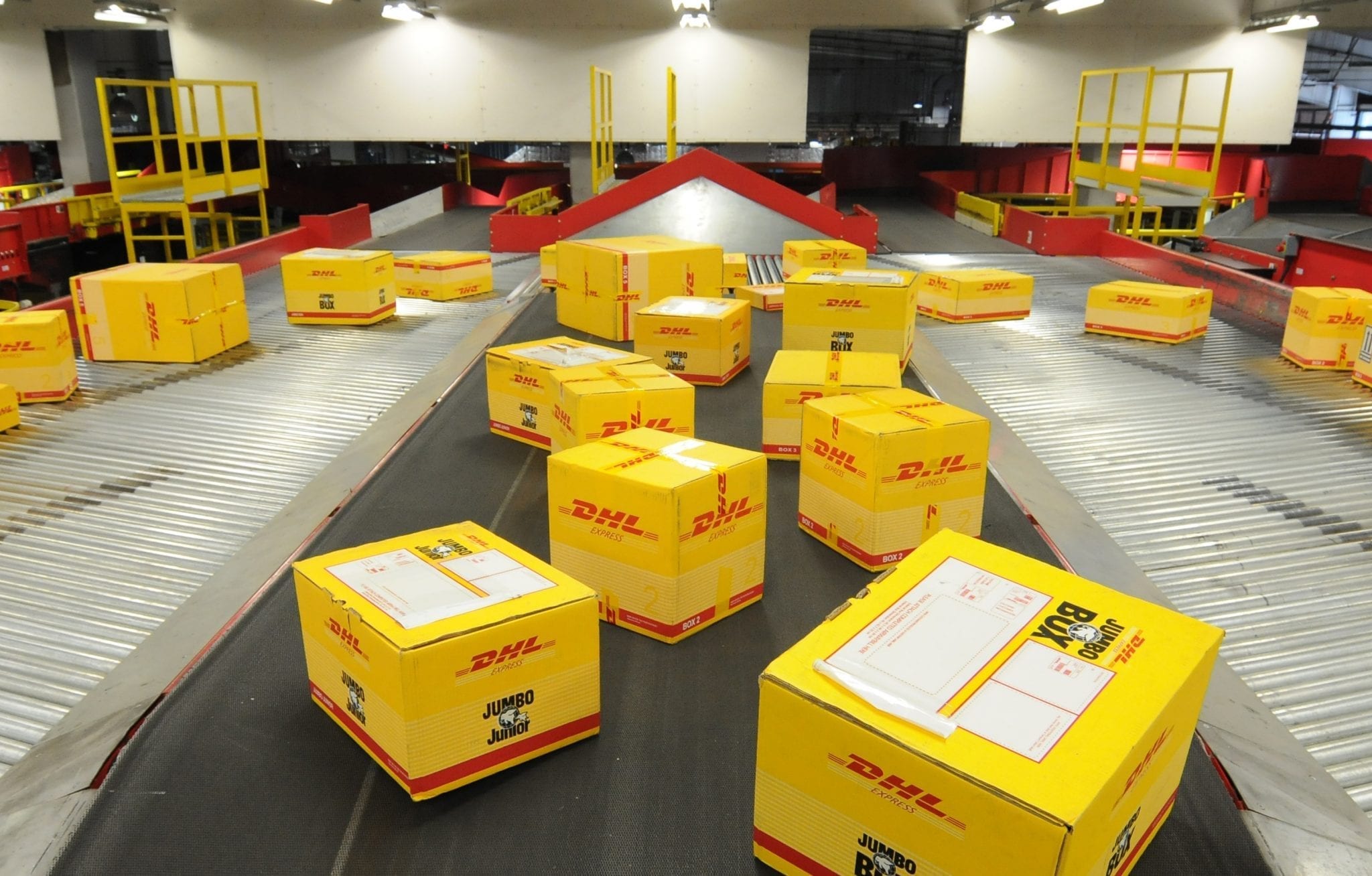
    Malaysia is now ranked the 16th most connected country, according to the DHL Global Connectedness Index 2020.

    The country is also the second most connected in the East Asia Pacific, behind Singapore which remained as the second most connected nation in the world.

    “Besides ranking countries on their actual level of globalization, we compare actual levels to predictions. based on the country’s size, economic development, and location.

    “And Malaysia is one of our top five outperformers relative to expectations on the index,” said Professor Steven Altman, the lead author of the latest edition of the DHL Global Connectedness Index, in a virtual press conference today.

    Altman is also a senior research scholar at New York University’s Stern School of Business.

    Looking forward, Altman noted that there are some interesting opportunities on the horizon for Malaysia such as the growth of supply chains in Southeast Asia that continues to be quite strong, continued Asean integration efforts as well as opportunities that are forwarded in the Regional Comprehensive Economic Partnership (RCEP).

    Overall, citing the report, Altman said the DHL Global Connectedness Index is set to decline in 2020, but it is unlikely to fall below where it stood during the 2008-2009 global financial crisis, based on the analysis of preliminary data and forecasts.

    According to the report, Malaysia has long been ahead of its peers in terms of the depth of its global connectedness.

    “Like the other top countries, it exceeded expectations on both depth and breadth scores,” the report read, adding that Malaysia has the distinction of being the most populous country with a depth score in the top 25.

    “Its top pillar rank was fourth on the trade pillar in 2019, through a combination of relatively high ranks on both depth and breadth,” the report said, noting that Southeast Asia is a region where countries tend to have unusually high trade depth.

    “Southeast Asian countries benefit from linkages with wider Asian supply chain networks as well as ASEAN policy initiatives promoting regional economic integration,” it said.

    Meanwhile, DHL Express CEO John Pearson described his company’s performance in Malaysia as “extraordinarily strong”, saying the country was as one of DHL Express’ fastest growing countries.

    “Malaysia is certainly in the 20%-30% growth and has been for many months, and that is helped by one new product which is called ‘Durian Express’, which exports the king of fruits abroad,” he said.

    Pearson said this “niche product”, on top of the e-commerce business, drives Malaysia’s growth, adding that the outlook in Malaysia is positive.

  • Kerry Logistics Records 10% Growth in 1H Core Operating Profit to HKD1,019 Million

    Kerry Logistics Records 10% Growth in 1H Core Operating Profit to HKD1,019 Million

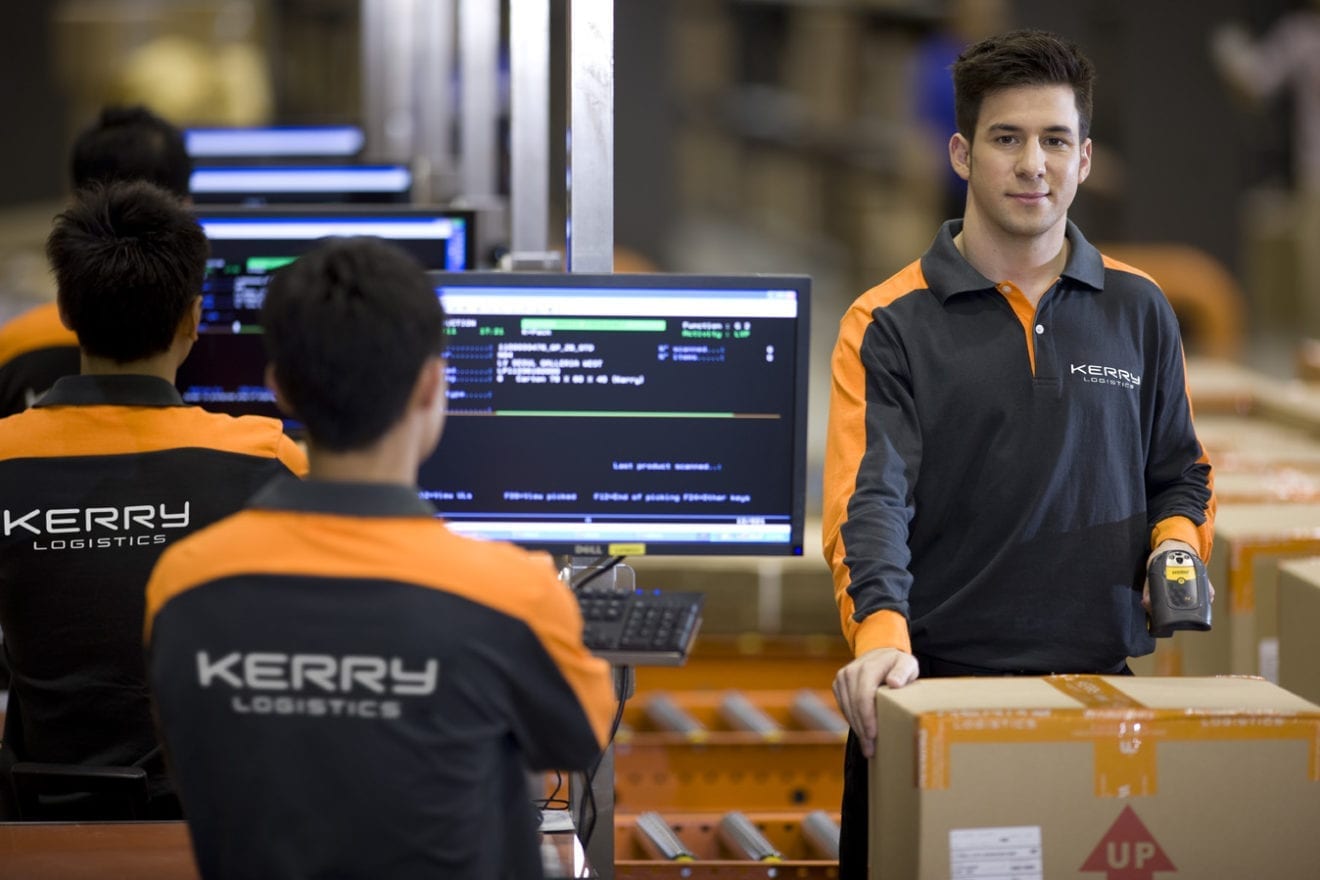
    Kerry Logistics Network Limited (‘Kerry Logistics’ or together with its subsidiaries, the ‘Group’; Stock Code 636) today announced the Group’s interim results for the six months ended 30 June 2017.

    The Group’s Financial Highlights

    • Turnover surged by 31% to HKD13,705 million (2016 1H: HKD10,461 million)
    • Core operating profit increased by 10% to HKD1,019 million (2016 1H: HKD928 million)
    • Core net profit went up by 5% to HKD576 million (2016 1H: HKD548 million)
    • Profit attributable to the Shareholders rose by 11% to HKD788 million (2016 1H: HKD709 million)
    • Integrated Logistics (‘IL’) business recorded a segment profit of HKD884 million (2016 1H: HKD799 million), which represents a lift of 11%
    • International Freight Forwarding (‘IFF’) business achieved a 7% increase in segment profit to HKD222 million (2016 1H: HKD208 million)
    • Interim dividend of 8 HK cents per share recommended

    William Ma, Group Managing Director of Kerry Logistics, said, “2017 1H has been another challenging period. Global demand stalled in Q1 and our cargo volume was at a low level in January and February. Nevertheless, the temporary slowdown in Q1 reversed as the world economy gradually stabilised with cyclical recovery starting from Q2. Supported by strong logistics volume growth in Asia and sound performance in the Americas, the Group’s performance and earnings have shown considerable improvements since Q2. Against this backdrop, for 2017 1H, Kerry Logistics recorded a 31% growth in turnover and a 10% growth in core operating profit. However, core net profit only reported a 5% growth due to the unsatisfactory performance of our investments in associates, which reported a 52% year-on-year decrease in contribution.”

    Strongest Network in Asia

    In 2017 1H, Kerry Logistics continued to adhere to the global development strategy of capturing opportunities brought forth by China’s Belt and Road Initiative. The new subsidiary Globalink Logistics, with operations spanning across Commonwealth of Independent States countries, added nine countries to Kerry Logistics’ global network. They include Kazakhstan, Uzbekistan, Kyrgyzstan, Tajikistan, Turkmenistan, Georgia, Armenia, Azerbaijan and Ukraine. Meanwhile, another new member, Lanzhou Pacific Logistics, allows Kerry Logistics to offer multimodal solutions to customers within its global network.

    The development of an integral overland transportation network with land-bridge connectivity demonstrates Kerry Logistics’ commitment to providing new options and cost-efficient solutions to customers.

    IL Maintains Stable Growth

    The IL division delivered an 11% growth in segment profit in 2017 1H. The overall performance in Greater China remained flat. In Hong Kong, the logistics business delivered continued growth as it benefitted from contribution through new business and customer wins, while the warehousing business maintained growth after a change in client mix despite rental pressure. Weak performance of some of the key accounts in Mainland China adversely affected the Group’s business performance. Although the increased operating cost under the new labour law added pressure on 1H earnings, Taiwan’s performance is expected to improve in 2017.

    The overall IL business in Asia remained strong in 2017 1H, driven by the enhancement of the Group’s service capabilities in ASEAN.

    IFF Sustains Significant Growth

    The IFF division continued to achieve significant growth in 2017 1H, fuelled by the substantial contribution by APEX in the US. As a result of the alliance shuffle, carrier consolidation and reduction in capacity, freight rates increased in 2017 1H, causing the profit margin of the IFF business to narrow, despite an increase in volume. In Europe, the acquisition of Tuvia Italia S.p.A and the launch of the new sales office in Poland further strengthened the Group’s global IFF sales and operations network.


    Asset Portfolio Expansion

    All projects in the pipeline progressed as planned. In Thailand, phase four expansion of Kerry Siam Seaport is expected to complete in 2018. Construction of three logistics facilities in Shanghai and Wuxi, Mainland China, and Phnom Penh, Cambodia were completed in 2017 1H. Inland ports in Yangon and Mandalay, Myanmar, together with three other facilities in Changsha and Wuhan, Mainland China, and Guanyin, Taiwan are under construction.

    Asset Optimisation

    In March 2017, the Group entered into a share purchase agreement to divest its entire 15% interest in Asia Airfreight Terminal Company Limited to Holistic Capital Investment Limited, a subsidiary of Hong Kong Airlines Limited.  The completion of the transaction is subject to certain conditions precedent which, the Directors believe, will be satisfied in 2017 Q3. Going forward, the Group will continue to consider divesting non-core assets and businesses.

    George Yeo, Chairman of Kerry Logistics, concluded, “The Group continues to see China’s Belt and Road initiative as a major opportunity to expand our network and to drive growth in long-term profitability across Asia. The new acquisitions made in 2017 1H added important components to our strategic plan to become the pre-eminent logistics service provider for the new overland and maritime Silk Roads. We are increasing our capabilities in e-commerce and cross-border logistics in Asia.  In 2017 Q2, we formed a joint venture with a local express operator in Indonesia to tap into the booming market there.  Singapore will be our next target for expansion.  With Q2 performance much better than Q1, we expect the momentum of recovery for the rest of 2017 to be positive.”

  • Nu Skin picks XPO Logistics as lead logistics provider

    Nu Skin picks XPO Logistics as lead logistics provider

    XPO Logistics, a global provider of transportation and logistics solutions, has been selected by Nu Skin Enterprises, Inc. as global lead logistics provider under a multi-year contract. Nu Skin is a US$2.2 billion provider of premium-quality beauty and wellness solutions to markets in Asia, the Americas, Europe, Africa and the Pacific.

    In collaboration with Nu Skin, XPO is developing an integrated, global supply chain logistics solution that utilises proprietary technology for end-to-end management of product flows. Components include transportation management, warehousing and order fulfillment, as well as value-added services such as co-packing, kitting and real-time inventory tracking. The network will be managed through regional control towers around the world.

    “Our growth strategy requires that we transform our supply chain logistics through scale and innovation,” said Brad Morris, Nu Skin vice president of logistics and fulfillment. “In XPO, we’ve found a partner with industry-leading capabilities and the commitment to invest with us. Together, we’re building a next-generation supply chain logistics partnership that will support our expansion well into the future through continuous improvement.”

    Ashfaque Chowdhury, XPO Logistics president, supply chain­-Americas and Asia-Pacific, said, “We’re excited to work with Nu Skin as the architects of their supply chain logistics transformation. Our team is engineering a technology-rich infrastructure that will be highly efficient on a global scale. This partnership will benefit Nu Skin’s distributors, sales associates, retailers and end-customers.”

    In the first operational phase, XPO will establish a control tower and distribution center in Singapore, and assume responsibility for transportation management and satellite warehouses throughout Southeast Asia and the Pacific, with expansion into other regions projected to follow.