Tag: london

  • Sir Dickson Poon Explores Sale of Harvey Nichols as Losses Reach £34 Million

    Sir Dickson Poon Explores Sale of Harvey Nichols as Losses Reach £34 Million

    Hong Kong retail billionaire Sir Dickson Poon is exploring a potential sale of Harvey Nichols, appointing FTI Consulting to assess strategic options after 35 years of ownership.

    The British luxury chain is engaged in early-stage talks with multiple international parties regarding a potential transaction or new investment. The formal review follows Poon’s retirement as a company director last month.

    Advisers at FTI Consulting are evaluating proposals as the 195-year-old retailer contends with deteriorating earnings. In its 2024 financial year, Harvey Nichols saw turnover decline 5 per cent to £204 million while pre-tax losses widened from £21 million to £34 million.

    Widening Deficits Across the Flagship Network

    Harvey Nichols operates flagship sites across Britain, including Edinburgh, Leeds, Manchester and its core multistory property in London’s Knightsbridge. Internationally, the footprint extends to stores in Hong Kong and several Gulf markets, alongside London’s OXO Tower Restaurant, Bar & Brasserie. The overall group employs about 1,200 staff, but footprint limitations have steadily eroded margins relative to rivals.

    Pre-tax deficits increased from £21 million to £34 million in the 2024 financial year, according to company accounts. Footfall declines followed the British government’s withdrawal of tax-free shopping for international tourists. Competitors Harrods and Selfridges weathered that policy shift by deploying significantly larger retail floor plates that accommodate deep brand concessions and private client salons.

    The Limits of Mid-Tier Luxury Footprints

    For Asian retail conglomerates and luxury operators, the disposal highlights the structural vulnerability of traditional department stores that lack property ownership or mega-flagship scale. Retailers with tight physical footprints cannot extract the concession fees or exclusive boutique allocations demanded by tier-one European fashion houses. When operating costs rise, smaller department stores absorb inventory risk that broader department stores push directly onto luxury brand tenants.

    Prospective buyers face heavy capital expenditure commitments if they intend to turn the brand around. Chief executive Julia Goddard, who took over in 2024 after leaving Alexander McQueen, started refurbishing the London flagship and pushing floor space into high-margin fine jewellery. Preserving wholesale margins while funding store refits across secondary regional outposts represents a fragile balance sheet exercise for any incoming operator.

    From Knightsbridge Hub to Transformation Review

    Poon purchased Harvey Nichols from Burton Group in 1991 for £53 million. His leadership team, which included creative director Mary Portas, turned the Knightsbridge venue into a fixture of 1990s pop culture and fashion, attracting high-profile patronage from Diana, Princess of Wales. Regional and international franchising followed, expanding the brand to Asian and Middle Eastern retail developments.

    Recent years broke that trading momentum as pandemic disruptions coincided with shifting consumer spending patterns in core tourist corridors. The department store group declined to detail terms under discussion, noting: “We do not comment on market speculation. Harvey Nichols remains fully focused on delivering its transformation strategy.”

    Advisers at FTI Consulting are vetting preliminary proposals from international bidders, with binding terms and valuation multiples dependent on trading figures submitted for the current fiscal cycle.
  • Beauty of Joseon Expands to 1,263 Boots Stores in Britain

    Beauty of Joseon Expands to 1,263 Boots Stores in Britain

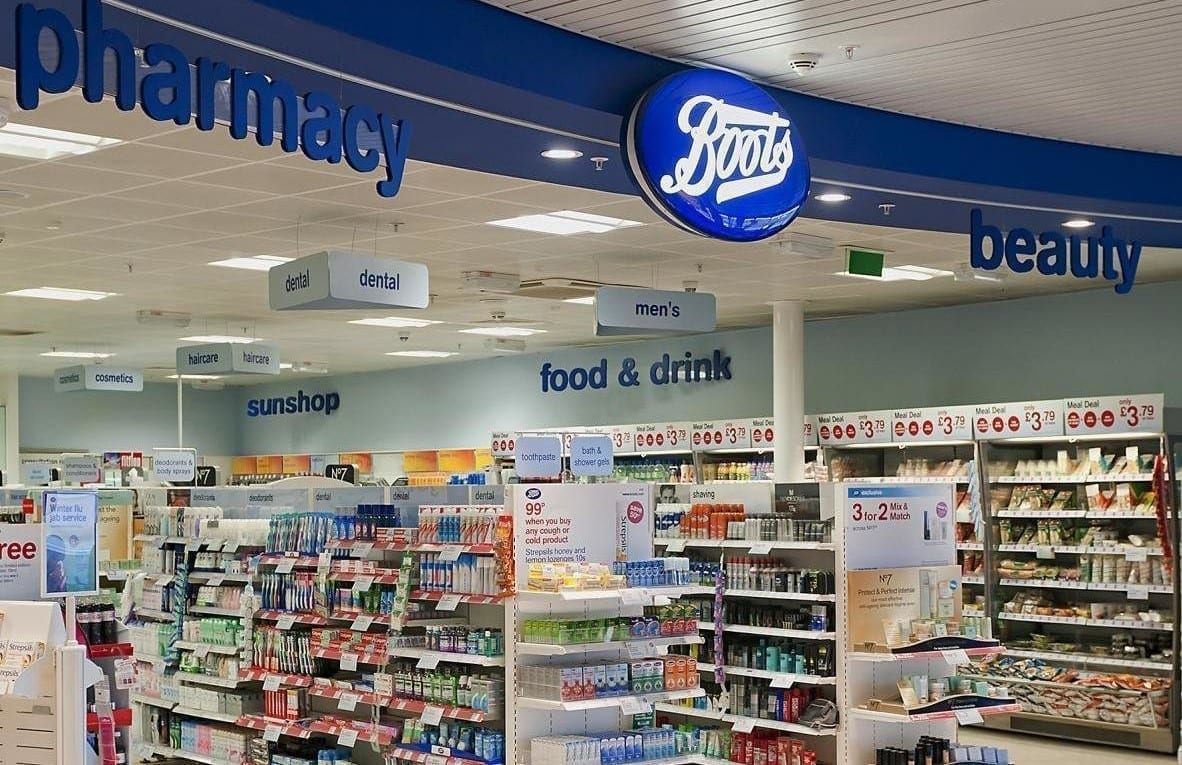
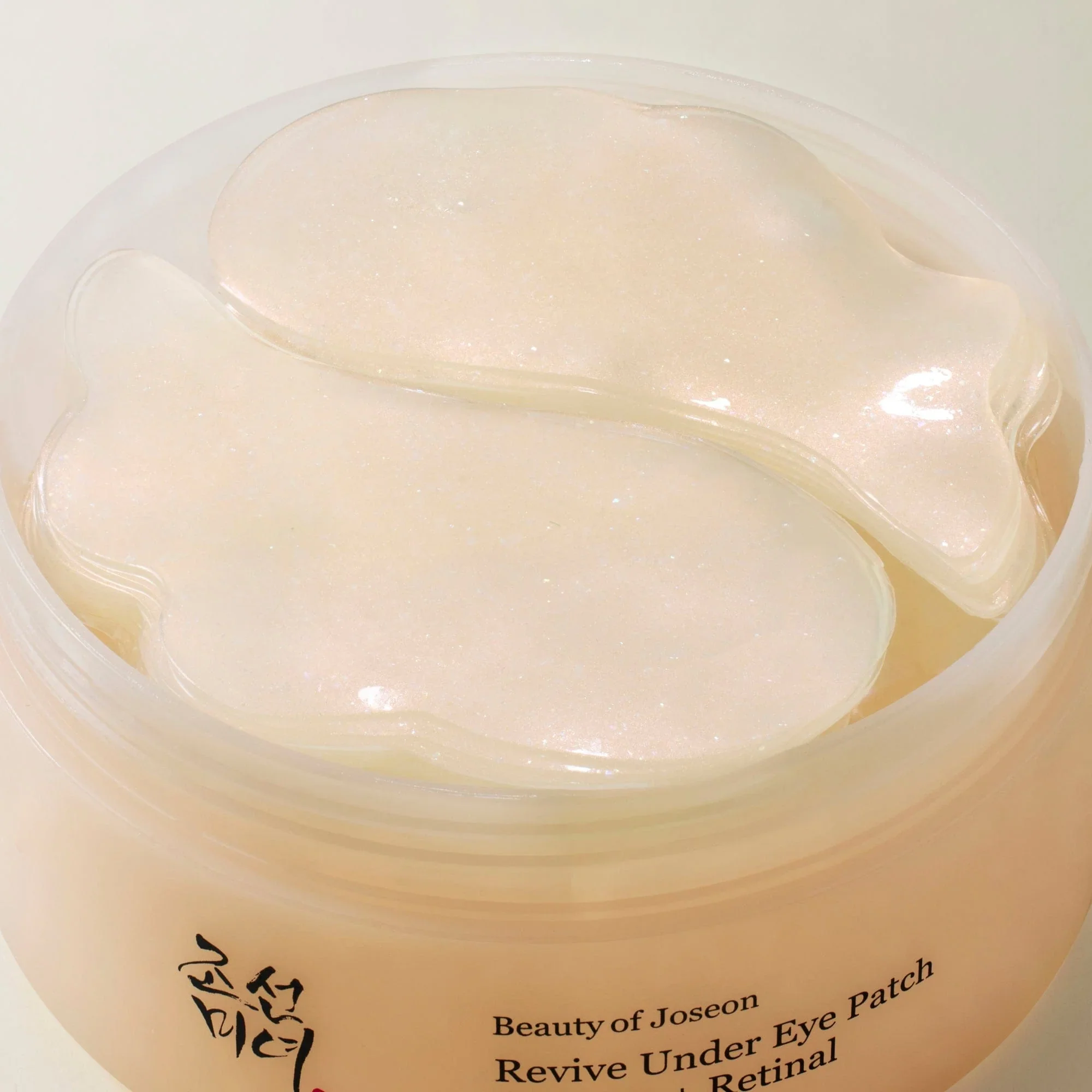
    Beauty of Joseon has expanded to 1,263 Boots stores across Britain, marking one of the largest retail footprints for a Korean beauty brand in Europe.

    Owned by Goodai Global, the label secured dedicated brand displays in 100 Boots locations, giving it the largest such presence among Korean beauty competitors at the chain.

    Scaling Shelf Space in High Street Retail

    Goodai Global first entered Boots in June 2024 before building distribution across the British retailer’s national network. Securing 1,263 locations solidifies a major physical footprint as consumer demand shifts beyond online channels into high-street stores.

    The expansion allows the brand to rank consistently among Boots’ top-selling Korean beauty labels, competing directly against established international brands for physical retail shelf space.

    Rankings and Category Demand

    The company attributed its sales momentum to changing British skin care habits, including growing acceptance of sunscreen as an everyday product rather than a summer-only purchase. Its Relief Sun: Rice sunscreen benefited from shoppers seeking sun protection that wears comfortably under makeup.

    In April, the company held the first solo pop-up by a Korean beauty brand at Boots, setting up shop inside the retailer’s store at Westfield Stratford in London. During that month, the brand ranked fifth among about 200 skin care brands sold at Boots and first among roughly 20 Korean beauty labels.

    Company data also showed it took second place in Boots’ Everyday Skin category, outperforming legacy international brands in daily skin care rankings.

    European Rollout Strategy

    Known for combining traditional ingredients with modern skin care, the Korean beauty brand has turned its physical presence at Boots into a major European anchor.

    Managing stock turnover across more than a thousand storefronts allows the company to reach shoppers who buy their daily skin care in physical pharmacies rather than through cross-border internet orders.

    “Expanding to nearly 1,300 stores and increasing dedicated displays means Beauty of Joseon has become part of European consumers’ everyday lives,” a company representative said.

    Next Moves for Western Distribution

    Following the nationwide rollout announced on Friday, Goodai Global aims to broaden the international reach of K-beauty across physical retail networks.

    The brand plans to use its British retail performance as a springboard to expand its physical distribution network across Europe.

  • Mulberry Lifts Asia Pacific Like-for-Like Sales 24% as First-Half Demand Rises

    Mulberry Lifts Asia Pacific Like-for-Like Sales 24% as First-Half Demand Rises

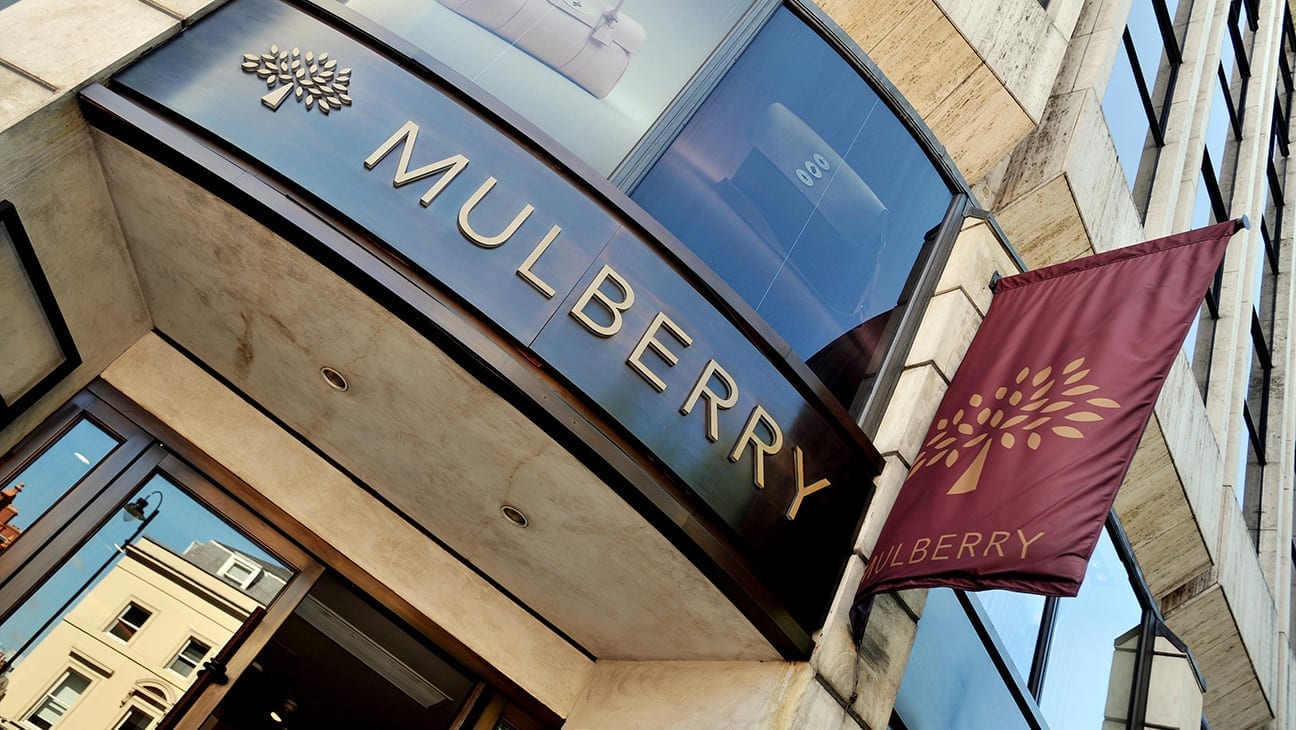
    Mulberry lifted its Asia-Pacific like-for-like sales by 24 per cent in the 26 weeks ended September 26, 2026, as international demand pulled first-half group sales up 18 per cent.

    Total regional revenue in Asia Pacific grew 5 per cent over the period, pointing to a sharp divergence between existing store productivity and overall footprint changes across regional shopping malls.

    Group sales climbed 18.1 per cent at actual exchange rates and 18.2 per cent on a constant-currency basis. The United States led global gains with like-for-like sales up 34 per cent, followed by Asia Pacific at 24 per cent, continental Europe at 21 per cent, and the British domestic market at 9 per cent. Franchise and wholesale operations across all markets rose 52 per cent, lifting wholesale and third-party channels to 17 per cent of total group turnover compared with 16 per cent in the prior-year period.

    Margin Discipline and Full-Price Trading

    Mulberry protected profitability by curbing markdowns across international store networks. Outside of planned clearance events, promotional sales accounted for a share of revenue 300 basis points lower than a year earlier, lifting gross margin across direct-to-consumer operations.

    Stronger consumer uptake centred on seasonal releases such as Raffia and Crochet lines, alongside the Stevie range and Darley Camera Bag. Legacy leather goods retained traction, with core handbag lines Bayswater and Lily generating sustained volumes across Asian concession counters and standalone flagships. Footfall in key commercial centres also drew support from an international visibility push tied to the Mulberry by Christopher Kane collection presented at London Fashion Week.

    Wholesale distribution expanded through partner channels, including the launch of a digital storefront on Bloomingdale’s Marketplace in North America, complementing wholesale supply arrangements in regional department stores.

    Store Productivity Versus Network Expansion

    The gap between Mulberry’s 24 per cent like-for-like sales growth in Asia Pacific and its 5 per cent total regional revenue increase highlights an operational pivot. Rather than pouring capital into new floor space across prime Asian shopping streets, the British leather goods maker is squeezing higher sales densities out of its existing boutique network. Luxury department store landlords face brands that are increasingly unwilling to open marginal doors simply to buy market presence.

    For regional retail operators and franchise partners, the 52 per cent surge in wholesale and franchise turnover shows where commercial risks are shifting. Mulberry is leaning harder on local distribution partners to absorb inventory risk while keeping its direct store balance sheet light. That strategy insulates corporate cash flow against sudden luxury spending slowdowns in East Asia, but it places margin pressure directly on franchise operators who must shift stock at full price without heavy seasonal discounting.

    Turnaround Milestones

    The first-half performance builds on a modest recovery booked during the previous financial year. Mulberry posted annual group revenue of £125.5 million for FY2026, an increase of 4 per cent from £120.4 million recorded 12 months prior.

    Chief Executive Andrea Baldo has spent the past year restructuring operating overheads and scaling back markdown activity across physical and digital storefronts to reposition the label in the affordable luxury tier.

    “The strength of our performance reflects the work undertaken over the past year to refocus the Group around product, brand and customer, while maintaining a disciplined approach to trading and cost management.”

    Baldo stepped into the second half of the fiscal year by introducing Delilah, Oxblood, and Vintage Oak colour palettes across core leather accessories to sustain full-price momentum through the winter holiday shopping season.

    Medium-Term Financial Targets

    Management maintained its medium-term financial objective to surpass £200 million in annual group revenue, equivalent to roughly $266.7 million. The executive team is pairing that top-line target with a goal to reach an adjusted earnings before interest and taxes margin of 15 per cent.

    Mulberry will release its full first-half results on November 19, 2026.

  • China Warns UK of Firm Retaliation over Electric Vehicle Tariffs

    China Warns UK of Firm Retaliation over Electric Vehicle Tariffs

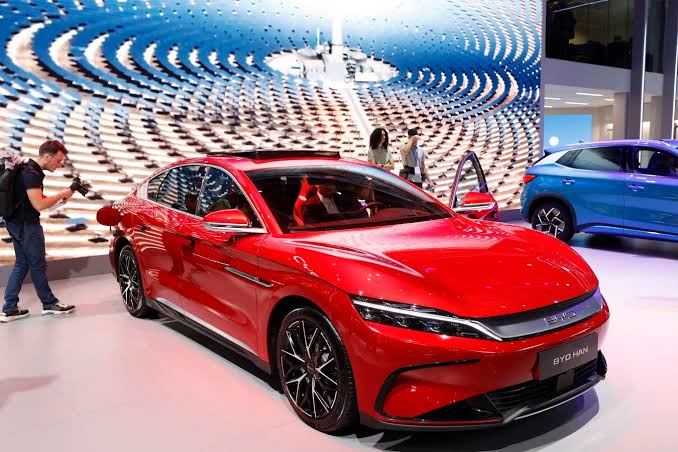
    China’s Ministry of Commerce threatened countermeasures against Britain on Monday if London introduces import duties on Chinese electric vehicles. The warning follows British trade minister Anas Sarwar’s remarks confirming ongoing discussions with European partners over potential alignment with European Union tariffs of up to 45.3 per cent.

    Beijing urged the UK to follow World Trade Organization rules and maintain equal trade terms rather than copying Brussels. Automotive cooperation between both countries relies on complementary strengths, the ministry said in an official statement.

    “China will closely monitor the UK’s actions. If the UK insists on imposing restrictions on Chinese EVs, China will take firm countermeasures to safeguard the legitimate rights and interests of its industry,” the ministry said.

    London weighs European market access

    British officials are balancing domestic trade ties with European supply integration. London wants British manufacturers included in the EU’s Industrial Accelerator Act, a framework giving local production preferential access to public procurement programs.

    Exclusion from that initiative would penalize vehicle assembly operations across Britain. To secure access, EU negotiators asked London to align vehicle tariffs directly against Chinese carmakers, turning trade protection into an entry fee for European industrial policy.

    Retaliation risks for British exporters

    British Business Secretary Jonathan Reynolds acknowledged the friction in September, pointing out that the domestic automotive manufacturing base relies heavily on export markets. Any Chinese tariff retaliation would hit British luxury vehicle shipments hard, slicing into margins for premium brands that count China as their primary profit engine outside Europe.

    For Chinese original equipment manufacturers, losing tariff-free access to Britain would alter dealer pricing models and compress gross margins on mass-market models like the MG4 hatchback. Importers would have to absorb the cost difference or pass price increases to British car buyers, dampening EV adoption rates across consumer segments.

    The fallout from the 2024 duties

    Brussels imposed definitive countervailing duties on Chinese battery electric vehicles for five years in October 2024. Those levies added between 7.8 per cent and 35.3 per cent on top of standard 10 per cent baseline import duties, pushing total import taxes to 45.3 per cent for affected producers.

    Britain chose not to replicate those duties at the time, keeping its market open and becoming an essential European distribution hub for Chinese automakers. The European Commission subsequently urged London in September to eliminate that regulatory gap.

    Expansion plans continue regardless

    Chinese brands are pressing ahead with British retail distribution networks despite the regulatory dispute. Chery plans to introduce its iCar brand into the UK market under the name iCaur with the launch of the V27 in early 2027.

    That rollout will represent Chery’s fifth distinct brand trading in Britain. Whether those vehicles face standard import duties or double-digit countervailing penalties depends on the final terms London negotiates with Brussels over the coming months.

  • Shell Sued for $108 Million in Brazil over Deadly Floods

    Shell Sued for $108 Million in Brazil over Deadly Floods

    British energy giant Shell is facing legal action in Brazil and the United Kingdom seeking compensation for devastating extreme weather disasters.

    On Friday, Brazilian federal prosecutors and the non-governmental organization Instituto Preservar jointly filed a lawsuit against Shell’s subsidiary demanding $108 million over catastrophic 2024 floods.

    Attribution Science Drives $108 Million Claim

    The disaster in southern Brazil killed nearly 200 people, displaced half a million, and caused widespread destruction, marking the first time attribution science has been used in the country against a major carbon producer.

    Plaintiffs based their legal claim on research published in a Nature group journal, which calculated that climate change increased the intensity of the 2024 rainfall by 12 percent. Drawing on data from think tank Carbon Majors attributing 2.02 percent of historic global emissions to Shell, the lawsuit demands the company pay for two percent of that 12 percent intensification.

    Philippine Typhoon Survivors File in London

    The Brazilian case follows a 2025 lawsuit brought in London by roughly 100 survivors of Typhoon Rai, known locally in the Philippines as Odette. The December 2021 storm killed more than 400 people across several Philippine islands and wiped out entire coastal communities.

    Lawyers at Hausfeld filed the London action against Shell on behalf of the Philippine survivors, arguing that historic emissions and alleged misinformation on climate risks constitute actionable negligence under Philippine law. The legal team cited historical evidence indicating Shell understood fossil fuel impacts as early as the 1960s, alongside an internal 1986 company report detailing greenhouse gas risks.

    Corporate Exposure Shifts Across Asia

    Legal liabilities of this nature create direct financial exposure for multinational energy operators, industrial manufacturers, and their commercial insurers across Asia-Pacific. If courts accept proportional emissions modeling, corporate balance sheets will face recurring claims following major typhoons, floods, and coastal erosion events throughout Southeast Asia.

    Supply chain infrastructure and regional asset valuations face repricing as climate litigation expands beyond state authorities to private corporate targets. Commercial lenders and institutional investors in Asian energy assets must account for potential cross-jurisdictional tort liability in their long-term risk underwriting.

    Precedents Spread Across Emerging Markets

    Shell has rejected claims of covert liability, stating in December that the suggestion the company possessed unique knowledge about climate change was not true.

    Similar cross-border actions are underway across the region, including Indonesian islanders suing Swiss cement group Holcim over rising sea levels and Pakistani farmers pursuing litigation against industrial operators in German courts.

    London courts are scheduled to review procedural filings on the Philippine claims as plaintiffs prepare evidentiary submissions on corporate knowledge from past decades.

  • Chery to Launch iCAUR EV Brand in Britain in Early 2027

    Chery to Launch iCAUR EV Brand in Britain in Early 2027

    Chery plans to launch an electric sport utility vehicle under its iCAUR marque in Britain in early 2027. The debut expands its product line in Europe’s second-largest vehicle market.

    Registration data from the Society of Motor Manufacturers and Traders shows Chery’s collective brands captured a 7 per cent market share in Britain through September. That volume makes the Wuhu-based company the top-selling Chinese vehicle group in the country. It ranks second overall behind Volkswagen.

    Expanding Multi-Brand Lineups Across Britain

    The iCAUR launch brings a dedicated five-seater electric SUV to British showrooms three years after Chery entered the UK with its Omoda line. Chery International currently sells vehicles in 40 overseas markets.

    This model will sit alongside four existing marques Chery already distributes in Britain: Chery, Omoda, Jaecoo and Lepas. Managing multiple nameplates allows the manufacturer to target separate consumer brackets without diluting individual badges.

    Rival Chinese Automakers Step Up European Assembly

    Chinese manufacturers are pressing into Europe with pricing and software packages designed to undercut legacy domestic brands. Chery held a 2.3 per cent share of total vehicle registrations between January and August across the European Union and the European Free Trade Association.

    Competition among Asian exporters is accelerating. BYD took 2.5 per cent of European registrations over the same eight-month period. It plans to open a factory in Hungary in late 2026 and assemble all European-market vehicles locally by 2028. Changan is negotiating local manufacturing partnerships to begin regional assembly in early 2027.

    Tariff Hurdles and Manufacturing Strategy

    Brussels has imposed countervailing tariffs on Chinese-built battery electric vehicles. This policy has driven carmakers to establish local production hubs inside European borders. Chery bypassed greenfield construction by taking a 40 per cent stake in a joint venture with Spanish manufacturer EBRO.

    The venture will build vehicles at a repurposed former Nissan plant in Barcelona. Plant output targets reach up to 30,000 units. The facility gives Chery a production base within the tariff zone to supply southern and western European dealerships.

    The Timeline to 2027

    Chery laid the groundwork for its current British sales volume by introducing Omoda, followed by Jaecoo and Lepas models. British buyers accepted the alternative badges faster than continental consumers. That response established the UK as Chery’s strongest European profit center.

    Production at the Barcelona joint-venture facility will begin between late 2026 and the first quarter of 2027. That timing lines up with the arrival of the iCAUR five-seater SUV in British showrooms.

  • HSBC Cuts Fixed Pay Allowances to Shift Senior Staff to Wall Street Bonus Model

    HSBC Cuts Fixed Pay Allowances to Shift Senior Staff to Wall Street Bonus Model

    HSBC Holdings will scrap fixed-pay allowances for senior bankers and replace them with variable bonuses starting in 2028. The shift overhauls how the lender rewards top earners across global financial centres.

    Variable pay at the London-based bank reached 3.93 billion dollars in 2025, up 10 per cent from the prior year. Total compensation and benefits stood at 21.5 billion dollars.

    Under the new framework, senior staff lose fixed allowances in favour of discretionary bonuses tied to performance. An internal memo detailed the changes across business units, which the bank later confirmed.

    How the compensation model changes

    British banks introduced fixed allowances more than a decade ago to bypass European Union bonus caps. EU rules capped bonuses at 100 per cent of base salary, or 200 per cent with shareholder approval. Lenders created fixed allowances to remain competitive.

    The bank structured those payouts as immediately vested stock awards with mandatory holding periods. They were non-pensionable and capped at 150 per cent of base salary.

    Britain lifted those remuneration caps in 2025 to help London lenders compete with Wall Street. Barclays made a similar adjustment in July, shifting more compensation into annual discretionary pools.

    Hong Kong executive perks scaled back

    The pay overhaul coincides with operational cuts at the group’s regional hub in Hong Kong. Chief executive Georges Elhedery has targeted legacy executive perks to rein in overheads and enforce cost discipline.

    In Hong Kong, the bank eliminated an education subsidy covering 95 per cent of school fees for children of new hires and relocating senior staff. Managing directors and band-three employees already receiving the benefit will keep it.

    Private club subsidies in Hong Kong were also scrapped. Those memberships were previously worth up to HK$200,000 per executive.

    Dismantling post crisis pay limits

    Tying compensation to discretionary bonuses pushes earnings risk directly back onto dealmakers and division heads. Fixed allowances locked in high overheads that lenders could not trim during market downturns.

    For regional wealth and investment banking teams in Hong Kong and Singapore, variable packages will widen the spread between desks. Top producers gain uncapped upside. Lagging desks face immediate cuts to take-home pay.

    That structure mirrors Wall Street firms. Base salaries stay lean, and annual payouts track deal flow, trading revenue and net interest margins.

    Restructuring under Georges Elhedery

    Broader corporate overhauls have accelerated since Elhedery took charge in September 2024. The lender has cut hundreds of jobs, merged or divested non-core units, and weighed restructuring its Singapore legal entities to streamline governance.

    Investors have backed the overhaul. HSBC shares have more than doubled since Elhedery took the helm. While fixed pay remains the largest component of banker compensation in its latest annual report, the 2028 overhaul will reverse that balance.

    Current fixed allowances stay in place through 2027. The variable bonus framework will take full effect at the start of the 2028 financial year.

  • Asos Shares Fall 10% After Hackers Hijack App to Send Extortion Alerts

    Asos Shares Fall 10% After Hackers Hijack App to Send Extortion Alerts

    Shares in Asos dropped 10 per cent after hackers hijacked the retailer’s mobile notification network to deliver an extortion demand directly to shoppers’ phones.

    Global markets including Australia, Ireland, France and Sweden received the alert on Tuesday. Shares tumbled as low as 432 pence in London trade.

    The rogue push message hit customer devices around 10:00 BST. Addressed directly to the retailer’s data protection officer and technology teams, the notification read: “we have fully compromised the Snowflake instance. Engage with us, or we will leak it.” It linked users to a Telegram channel run by a group calling itself Xuanye Group. In follow-up messages, the hackers claimed customer records were safe on their server and would not be touched for a set period. They also claimed payment data was untouched.

    Breakdown of customer data exposure

    Asos cut access to its third-party customer messaging systems once the broadcast went out. Core systems, the shopping app and regional websites continue to trade normally, management said. External forensic specialists are now investigating alongside regulators to determine the scope of the breach.

    Basic personal records including names and contact details were exposed, the group confirmed. Payment-card details and passwords remained secure. Cloud storage provider Snowflake said its internal review found no compromise of its underlying platform.

    Ransom notes on customer screens

    Hijacking a retailer’s push alert pipeline creates an operational headache for digital merchants across Asia-Pacific and Western markets. Intruders usually negotiate data ransoms behind closed doors. By weaponizing an app installed on over 10 million mobile devices, attackers force the victim into a public crisis before forensic teams can map the intrusion.

    Vendor integrations create direct exposure for consumer brands using automated tools for customer alerts and data lakes. Here, the commercial risk is not system downtime. The storefront remains live. Instead, the danger lies in app uninstalls, consumer hesitation and friction at the digital checkout during peak shopping quarters.

    Earlier data sprees and corporate recovery

    Cyber gangs have targeted cloud repositories relentlessly over the past two years. Google subsidiary Mandiant tracked an intrusion campaign targeting Snowflake credentials across at least 165 corporate clients in 2024. British operators have also suffered hits, with Marks & Spencer, the Co-op and Jaguar Land Rover enduring major operational disruption from security breaches.

    This breach hits Asos during a delicate corporate turnaround. Asset sales and an improved fiscal 2026 earnings forecast had lifted its share price by more than 60 per cent earlier this year. The group holds cyber insurance covering business continuity. Management noted it is too early to assess the financial impact on trading.

    Investigation underway with regulators

    Technical teams are now investigating how the payload bypassed internal controls on the notification platform. Asos has not disclosed how many of its 17 million active global customers received the message.

    Attention now turns to whether the UK Information Commissioner’s Office receives a formal breach filing once forensic checks conclude. Investors will look to the next trading update to see if customer orders softened after the scare.

  • Boots Fast-Tracks 44 Brands Through Ignite Programme

    Boots Fast-Tracks 44 Brands Through Ignite Programme

    Boots has launched 44 emerging beauty and wellness brands through its Boots Ignite programme since introducing the initiative in December 2024, cutting onboarding turnaround times to eight weeks.

    About 95 per cent of the participating labels have expanded into wider retail space across the chain’s store estate, according to Grace Vernon, head of global foresight and trends at Boots.

    Accelerating viral supply chains

    The fast-track framework relies on AI-led platforms scanning TikTok, Instagram, Google and Reddit, combined with insights from 17 million active Boots Advantage cardholders. Weekly trend review meetings help determine intake decisions, allowing the retailer to move quickly on viral movements. South Korean sheet-mask brand Biodance became an early success for the incubator after selling out within two weeks of launch.

    Physical stores feature dedicated Trending on Social bays and Korean beauty zones, complete with instructional guide cards to demystify active ingredients for multi-generational shoppers. In-store beauty advisers receive targeted product training on formulation trends, including barrier repair and exosome skincare, to convert social discovery into physical transactions.

    Implications for Asian brand exporters

    For South Korean, Japanese and regional contract manufacturers, the eight-week turnaround eliminates the six-month listing hurdles that historically blocked indie labels from legacy Western retail chains. Independent Asian brands no longer need costly European distributor networks or massive production runs before proving product viability in major high-street locations. The compressed listing window lets agile laboratory brands scale inventory incrementally, minimizing initial working capital risk while securing tier-one distribution.

    Western pharmacy majors are recalibrating their merchandising to defend market share against cross-border e-commerce platforms like Musinsa, YesStyle and TikTok Shop. Asian suppliers holding viral formulas now gain direct bargaining power with legacy chains, though the burden of rapid replenishment shifts entirely onto contract packagers and air-freight logistics corridors.

    Building beyond short-lived social cycles

    The incubator builds on a retail strategy launched in December 2024 to capture fast-moving wellness movements without compromising quality standards across the 176-year-old chain. Grace Vernon, head of global foresight and trends at Boots, noted that data surveillance alone cannot replace timing: “Tracking trends is the easy bit. The hardest bit is identifying when the right time to respond to that trend is,” she said.

    Next benchmarks for shelf expansion

    Boots is evaluating its next intake of indie cosmetics and functional skincare labels for nationwide rollouts in early 2027. Sourcing teams are monitoring whether brands entering through online-only channels can sustain double-digit repurchase rates before clearing them for multi-store floor allocations.

  • Hyundai Opens UK Orders for Ioniq 3 Compact EV at £18,495

    Hyundai Opens UK Orders for Ioniq 3 Compact EV at £18,495

    Hyundai Motor opened UK order books on Monday for its Ioniq 3 electric hatchback. Entry pricing starts at £18,495 on the road after government subsidies.

    The sub-£20,000 opening price applies to the base Advance 42 kWh trim. That reflects the £3,750 UK Electric Car Grant deducted from its £22,245 list price.

    Buyers choosing the larger 61 kWh pack pay £21,995 after the grant, down from £25,745. The top-tier N Line Evo tops the range at £28,195. Existing reservation holders who switch to binding orders get the full £3,750 state subsidy rather than the £1,500 promotional factory discount Hyundai initially planned. Showroom deliveries in the UK begin this month.

    Powertrain splits and charging specifications

    Engineering teams in Rüsselsheim, Germany, developed the 4.15-metre hatchback on a 400-volt variation of the group’s E-GMP electric architecture. Production for European and British markets goes to the carmaker’s plant in Izmit, Turkey. Dimensions run 4,155 mm long, 1,800 mm wide, and 1,505 mm high on a 2,680 mm wheelbase. The car pairs a 0.263 drag coefficient with 441 litres of rear cargo capacity.

    Two lithium-ion battery capacities determine performance across five model configurations. The entry 42.2 kWh pack pairs with a 108 kW front motor producing 145 horsepower. That delivers up to 344 kilometres, or 213 miles, of WLTP driving range. For 61 kWh long-range models, a 99.5 kW motor produces 133 horsepower and delivers up to 496 kilometres, or 308 miles, per charge.

    Both packs support direct-current fast charging at peak rates between 110 kW and 119 kW. A 10 to 80 per cent charge takes 29 minutes for the base battery and 30 minutes for the larger pack. Buyers can also specify an optional 22 kW onboard alternating-current charger for faster depot and home charging. Standard equipment includes the Android Automotive OS-based Pleos Connect interface with screens up to 14.6 inches, bidirectional Vehicle-to-Load capability, and the SmartSense driver-assistance suite.

    Pricing structure and retail financing

    Cash pricing and monthly personal contract purchase rates target high-volume retail buyers seeking long range on tighter budgets. Stepping up from the 42 kWh Advance to the 61 kWh version adds £3,500, taking post-grant pricing to £21,995. Mid-tier Premium trims with the 61 kWh pack cost £23,695. The top Ultimate trim costs £26,195 and adds matrix LED lighting alongside highway driving assistance systems.

    Hyundai Finance paired the launch with an entry personal contract purchase plan for the 61 kWh Advance model. The 48-month contract requires a £355 customer deposit and £355 monthly payments at an 8.9 per cent representative APR. In continental Europe, order books opened simultaneously. Base German retail pricing starts at €28,950 before regional incentives, backed by a €209 monthly leasing offer.

    Securing the full £3,750 Electric Car Grant across every version means we can now turn that interest into orders at a price that puts a genuinely spacious, long-range electric car within reach of far more drivers.

    Asian export strategy and segment competition

    Pricing the 308-mile long-range version at £21,995 places direct pressure on European incumbents and Chinese battery-electric imports in Britain. The Ioniq 3 arrives below the Renault 5 E-Tech, which retails from £21,495 with shorter range. It also undercuts the £23,990 entry price of BYD’s Dolphin G DM-i plug-in variant. Against sister brand Kia’s EV2, which shares the E-GMP 400V platform but caps range at 448 kilometres, the car holds a clear aerodynamic range advantage.

    South Korean automakers are adjusting European production footprints to protect margins against shifting tariffs and shipping costs from East Asian plants. Assembling the Ioniq 3 in Turkey while keeping software and battery design at group technical centres lets Hyundai avoid punitive import duties faced by Chinese pure-play EV makers. It also protects retail price parity. For Asian automotive suppliers, the high-volume rollout creates steady demand for 400-volt motor units, wiring harnesses, and battery management modules.

    Focusing on Europe reflects a deliberate geographic split in Seoul’s electric vehicle catalog. Larger 800-volt models like the Ioniq 5 and Ioniq 6 anchor brand volume in North America and Asia-Pacific markets. In the United States, where buyers favor larger crossovers, Hyundai confirmed it has no plans to introduce the smaller Ioniq 3.

    Earlier platform milestones and factory ramp

    The UK order launch follows an August preview where Hyundai tested customer appetite with a temporary £1,500 reservation incentive before securing category certification under the British grant scheme. Over the prior twelve months, the group converted capacity at its Izmit plant to build the E-GMP architecture alongside internal combustion superminis. German engineering trials had locked in the 0.263 drag profile earlier.

    British dealership demonstrator fleets will complete registration by the end of October. Factory delivery times for custom orders and wholesale shipments from Turkey through the first quarter of 2027 will show whether Hyundai converts early UK reservations into sustained European market share.

  • The Peninsula London Wraps Six Fleet Vehicles in Art Ahead of Frieze

    The Peninsula London Wraps Six Fleet Vehicles in Art Ahead of Frieze

    The Peninsula London transformed six fleet vehicles into moving art installations for October. The hotel partnered with Brooklyn artist Eden Kozokaro ahead of the Frieze London art fair.

    Custom vinyl wraps now cover two Rolls-Royce Phantom IIs and a Bentley Bentayga. The lineup also includes an electrified Austin Taxi, a BMW i7 and a London Electric Vehicle Company hybrid model.

    Custom wraps across six vehicle models

    Kozokaro, known professionally as Kozo, designed original scenes depicting British pastoral landscapes beneath an illustrated torn-paper exterior. The visuals simulate peeled pages of Peninsula stationery. Parklands, rivers, wooded hills and country estates show across the green coachwork.

    Detailing specialists at Topaz adapted the artwork to each model’s dimensions before applying the bespoke wraps. Preparation took three months. Work began with digital sketches aligned with the contours, doors and reflectors of each vehicle.

    “The collection brings past and present into conversation, creating unexpected juxtapositions that allow history and myth to feel alive again,” said Kozokaro.

    Extending a signature Hong Kong tradition

    Art consultancy Cart Department organized the collaboration between the hotel and the artist. Founder Larry Warsh linked the installation directly to the brand’s long record of bespoke luxury transport.

    The Peninsula brand built its identity around distinctive green vehicle fleets, starting at its Hong Kong flagship with record fleet purchases of Rolls-Royce Phantoms. Replicating that visual asset in London ties the newer European property to the operating playbook developed across Asian capitals.

    Connecting hospitality fleets with seasonal art traffic

    Vehicle fleets serve as prominent mobile advertising for luxury hoteliers during major cultural weeks when high-net-worth visitors arrive in concentration. Wrapping working guest transport turns routine airport runs and city transfers into visible brand statements without disrupting fleet operations.

    Operators rely on this mix of brand heritage and contemporary art patronage to capture international travelers during premium event weeks. Competing brands face higher marketing hurdles when attempting to stand out around major auctions and exhibitions in mature European markets.

    The rollout schedule for October

    All six wrapped vehicles will operate throughout London during the October art season, ferrying hotel guests and appearing outside exhibition venues across the city.

  • Dr. Martens Launches Global Brand Campaign to Reverse Two Years of Revenue Declines

    Dr. Martens Launches Global Brand Campaign to Reverse Two Years of Revenue Declines

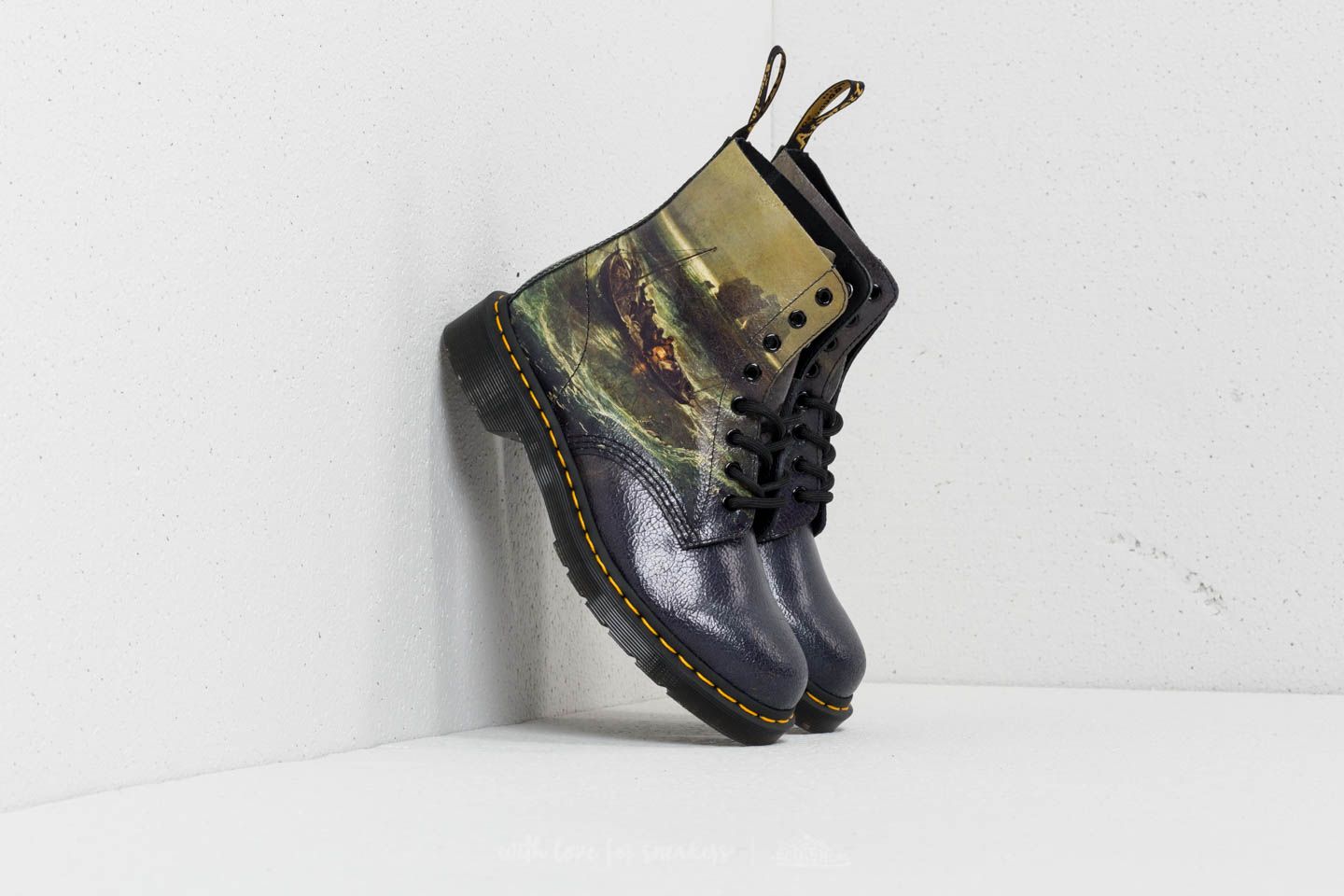
    Dr. Martens will launch a global brand campaign on September 24 to reverse two straight years of declining sales and an 83.3 per cent drop in its share price.

    Annual revenue fell 8.2 per cent to £787.6 million in fiscal 2025. Over the same period, earnings before interest, tax, depreciation and amortisation dropped 40.8 per cent to £117 million.

    This marketing push anchors the Levers for Growth turnaround plan, which followed an operational restructuring completed in 2024. Chief brand officer Carla Murphy is leading the creative repositioning around the slogan “What makes your sole bounce?” Chief executive Ije Nwokorie recruited Murphy from Adidas in July 2025. The media rollout combines out-of-home displays, social video formats and cultural events featuring American actress Chloë Sevigny, Japanese comedian Naomi Watanabe and British musician Jordan Stephens.

    Shifting from wholesale exposure

    Consumer purchase frequency is the primary target. Sales have bottlenecked partly because the brand’s classic air-cushioned boots simply last too long. Footwear operators across the Asia-Pacific region and North America also face softer discretionary spending. Euromonitor projects slow volume growth across global footwear and apparel through 2030. For department stores and wholesale partners, the shift toward direct storytelling and category extensions will decide whether floor space yields repeat foot traffic or stagnant stock.

    Rivals in casual and heritage footwear rely heavily on rapid fashion collaborations to keep unit velocity high. Dr. Martens tested this approach during London Fashion Week with capsule partnerships alongside Chopova Lowena, Labrum and Goyagoma to elevate design credentials above basic workwear utility. That strategy carries commercial risks. The brand could alienate core subcultural buyers while chasing broader casual spend against athletic giants with vastly larger marketing budgets.

    Financial pressure mounts

    Steep contractions across major geographic divisions forced the new marketing drive. Fiscal 2024 revenue declined 9.8 per cent year-on-year to £877.1 million, driven by weaker wholesale ordering in the United States. EBITDA fell 19 per cent, sliding from £245 million to £197.5 million.

    “Brands don’t shape communities; communities shape themselves,” said Murphy.

    Management must now prove whether higher marketing expenditure can stabilise direct-to-consumer order books ahead of the winter trading quarter and the next fiscal reporting period.

  • Fashion Brands Influence 30 Percent of Global Farmland, Oxford Study Finds

    Fashion Brands Influence 30 Percent of Global Farmland, Oxford Study Finds

    Global fashion brands hold purchasing influence across 1.45 billion hectares of agricultural land, representing 30.15 percent of the world’s farmland, according to a joint study by the University of Oxford and Dirt Charity.

    Livestock grazing for leather and wool accounts for almost 97 percent of that total footprint, linking apparel buyers directly to commercial livestock farming networks worldwide ahead of European Union due diligence enforcement starting Sept. 27.

    Researchers at Oxford’s Smith School of Enterprise and the Environment and Dirt Charity analyzed five natural fiber categories to measure the full territory shaped by textile demand. Leather production ties into 876 million hectares of grazing land, while wool involves 528.4 million hectares. Cotton farming occupies 34.7 million hectares, linen and hemp cover 5.9 million hectares, and silk accounts for 2.3 million hectares.

    Allocating Land Across Shared Commodity Chains

    The calculation counts the entire agricultural area involved in growing crops or grazing animals rather than isolating the textile portion alone. Cotton lint makes up roughly 40 percent of harvested seed cotton, with the rest processed into cottonseed oil and animal feed, yet farm-level chemical inputs and soil practices apply to the entire crop. Because livestock systems serve meat, dairy, and leather markets simultaneously, the researchers treated the whole grazing area as subject to brand procurement requirements.

    Industrial leather processing reached more than 2.9 billion square meters globally in 2024. Footwear, apparel, and leather goods consumed 1.2 billion square meters of that output, while automotive interiors and furniture manufacturers bought the remaining volume.

    “We are not measuring blame. We are measuring power, and it turns out fashion has far more of it than anyone has been telling us.”

    Supply Chain Gaps Across Asian Sourcing Hubs

    For Asian garment hubs and raw material producers, the findings place commercial responsibility squarely on brand purchasing offices. Sourcing directors across Europe and North America often treat raw material agriculture as an unmanageable Tier-4 liability, leaving farm-level investments to local growers in India, China, and Pakistan. That separation is ending as buyers face mandatory supply chain due diligence rules in their home retail markets.

    Asian yarn spinners and fabric mills now face conflicting pressures from Western clients. Buyers demand verified low-impact cultivation methods such as organic or regenerative farming, but rarely offer long-term price premiums or multi-year purchasing volume guarantees. Without committed off-take contracts, smallholders across South Asian cotton belts bear the entire capital risk of switching soil management practices.

    Carbon Variations Outweigh Material Selection

    Production methods create wider environmental gaps within the same fiber category than the switch between alternative materials, the report found. Life cycle reviews cited in the study showed leather emissions ranging from 8.5 kilograms to 151.9 kilograms of carbon dioxide equivalent per square meter. Viscose emissions spanned 0.20 to 8.30 metric tons of carbon dioxide equivalent per metric ton of fiber, governed by feedstock origin and local electricity grids.

    Agricultural trials cited in the research show operational benefits from alternative soil methods. Long-term cotton trials running over 12 years in India demonstrated stronger soil microbial activity under biodynamic management systems. A five-year project at Egypt’s Sekem initiative cut chemical pesticide use to below 10 percent of previous levels, lifted cotton yields by almost 30 percent, and reduced soil salinity by 18 percent.

    European Compliance Deadlines Press Brand Filings

    The Oxford assessment builds on earlier NGO audits of fashion supply chains, which identified persistent traceability blind spots between Tier-1 assembly plants and upstream agricultural holdings. European retailers are now scrambling to document farm-level provenance as the European Union begins enforcement of its Empowering Consumers for the Green Transition Directive on Sept. 27.

    Dirt Charity and Biodynamic Federation Demeter International are finalizing the Demeter Textile Standard, a commercial framework covering 11 raw material categories across agricultural production, processing, and garment compostability. Apparel groups face mounting scrutiny to verify farm-level environmental claims before the next round of statutory sustainability disclosures opens in 2027.

  • Extravaganza Beauty Acquires Luxury Fragrance House Roja London

    Extravaganza Beauty Acquires Luxury Fragrance House Roja London

    Extravaganza Beauty has acquired British perfume house Roja London to fund international retail expansion and new product lines.

    Terms were not disclosed. The transaction shifts founder Roja Dove into an advisory role, while chief executive Audrey Minard remains at the helm.

    Minard has led the business since 2021 and will manage its next operational phase. Dove will provide creative direction and formulation guidance under a long-term consultancy agreement.

    Leadership and Commercial Footprint

    The brand manufactures its products in England. Distribution spans department stores including Harrods, Bloomingdale’s, Saks Fifth Avenue, KaDeWe, Oberpollinger, Jovoy, Laure and El Palacio de Hierro, alongside a standalone boutique in London’s Burlington Arcade.

    Chairman Chadi Douaihy said the deal provides capital to scale innovation across Roja London’s five signature lines: Prestige, Elysium, Aoud, Isola and Art.

    Synergies Across Niche Perfumery

    Extravaganza already holds distribution agreements and brand investments in Amouage, Ex Nihilo, Nishane, Maison Crivelli and Marc-Antoine Barois. Buying Roja London gives the group full equity ownership of a British heritage asset, replacing a reliance on wholesale partnerships across the Gulf Cooperation Council and Asian luxury markets.

    For department store operators and duty-free concessionaires, the deal concentrates supply under one distributor in a category where bottles command high price points. The operational risk lies in protecting prestige and pricing while scaling production.

    From Bespoke House to Portfolio Asset

    Dove established Roja London in 2011 after a career as a perfumer and fragrance historian. He published “The Essence of Perfume” in 2006 and updated it in 2014. The brand gained Butterfly Mark certification from Positive Luxury in September 2024 for sustainable sourcing and packaging across its crystal-embellished flacons.

    Pipeline and Product Rollout

    Fresh capital will fund formulations and counter merchandising across networks in Europe, the Middle East, the Americas and Africa.

    Immediate product development will focus on the Elysium and Isola collections. Revised retail assortments will reach international store shelves in the coming financial year.

  • Unilever Cuts Beauty Formulation Time to Two Days Using Artificial Intelligence

    Unilever Cuts Beauty Formulation Time to Two Days Using Artificial Intelligence

    Unilever cut product formulation cycles from six days to as little as 24 hours across its beauty division. The shift followed the deployment of predictive artificial intelligence tools across 4,500 research staff.

    The business arm generated EUR 12.8 billion in 2025. That accounted for one-quarter of the consumer goods giant’s global turnover across brands including Pond’s, Dove, Vaseline, Dermalogica and Nutrafol.

    Concept-to-brief design timelines have shrunk to a few days, and scientific claims generation is 75 per cent faster, the group said. In-house systems mine external retail, social media and search data across more than 1,000 sources every month. This tracks beauty trends 60 per cent faster than traditional market research methods.

    Accelerating Lab Work to Shelf

    Products built on these algorithmic models are already selling across mass retail channels. Pond’s Skin Institute Hydra Miracle line uses the company’s Cera-Hyamino formula. It emerged after machine learning models processed 30 terabytes of microbiome data to identify ingredient pairings. A recent Dove hair damage range drew on algorithmic analysis of 100,000 structural hair data points.

    Scientists at the division also cross-reference 150,000 internal research documents accumulated over several decades. Virtual cohorts simulate test outcomes across 2,500 digital subjects before physical trials begin. To embed the workflow, the company ran internal AI training programs for more than 40,000 employees worldwide.

    Today, AI plays a role across the entire innovation journey: from understanding emerging consumer needs to scientific discovery and product validation.

    Compressing Mass Market Timelines

    Speed matters in Asian beauty aisles. Agile domestic brands in China, South Korea and Southeast Asia regularly take new personal care concepts from idea to retail checkout in under four months. Legacy multinationals traditionally operated on multi-year development cycles. That left them flat-footed when ingredient fads or application formats caught fire on social platforms.

    Linking live social sentiment directly to formulation labs is Unilever’s strategy to close that speed gap. The company used that mechanism for its Vaseline Originals expansion, turning viral social media beauty hacks into packaged products sold via TikTok Live, including specialized jelly primers and brow cosmetics. The operational risk shifts downstream. Accelerating formulation does little if contract packaging and regional supply chains cannot scale production at the same pace.

    The Multi-Year Data Pivot

    This deployment builds on multi-year investments in consumer data infrastructure and algorithmic ingredient modeling. Unilever reorganized its corporate structure into five category-focused business groups in 2022, isolating Beauty & Wellbeing to give it dedicated research budgets and faster commercial clearance.

    Competitors like L’Oreal and Procter & Gamble have made parallel investments in skin diagnostics and automated chemistry labs across the region. The race now turns on whether predictive formulation translates into durable repeat purchases or merely floods store shelves with short-lived trend products.

    Unilever is currently testing predictive digital twin models and agentic software across its R&D pipeline. The next slate of AI-designed skincare lines is scheduled for regional retail distribution through 2027.