Tag: loreal

  • French Dermocosmetics Brand La Rosée Weighs Sale as Yearly Sales Top €100M

    French Dermocosmetics Brand La Rosée Weighs Sale as Yearly Sales Top €100M

    French dermocosmetics brand La Rosée could be sold as early as year-end, according to industry sources, after expanding at home and abroad to generate more than 100 million euros in annual sales.

    Both strategic buyers and investment funds have expressed interest in acquiring the business, whose revenue in South Korea alone now exceeds 10 million euros. Company executives could not immediately be reached for comment.

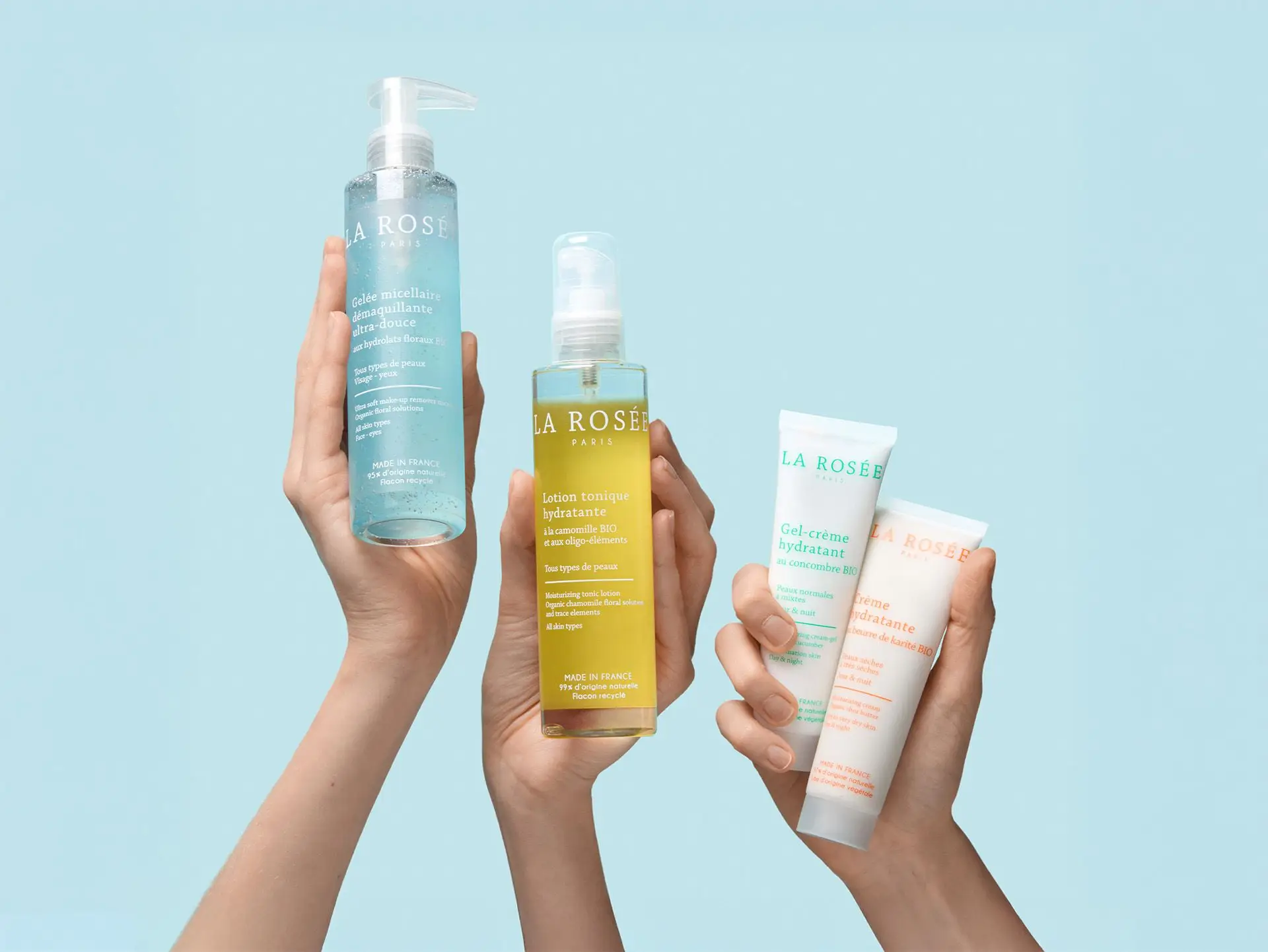
    Pharmacist university friends Coline Bertrand and Manhault de Guilbert launched La Rosée in 2015, building a cult following around affordable, natural formulations. Starting in 300 pharmacies across France, the brand has expanded into more than 9,500 domestic outlets, making it the fourth bestselling dermocosmetics brand in French pharmacies.

    Expanding From French Pharmacies to Asia

    International expansion provided the second leg of growth across 13 countries. The company entered South Korea in 2022, establishing a fast revenue run rate in one of the most competitive personal care markets in the world. Earlier this year, the business entered Canada by securing placement across 540 Shoppers Drug Mart stores alongside a regional direct-to-consumer site.

    Global Consolidators Chase Pharmacy Formulations

    Large cosmetic houses are bidding aggressively for clinical and pharmacy-backed formulations across the Asia-Pacific region. Puig bought a minority stake in French brand Krème in July through a round led by Iris Ventures, while sector leaders L’Oréal and Beiersdorf are channeling higher operational spend into their own active skin units.

    Mordor Intelligence estimates global dermocosmetics revenue sits at 54.41 billion dollars, with projections pointing to 80.29 billion dollars by 2031 at an 8.1 percent compound annual rate. Korean consumer demand for functional, irritation-tested formulations makes local retail traction a key valuation driver for Western acquisitions.

    Product Breadth and Packaging Shifts

    La Rosée expanded its catalogue from five initial stock keeping units to more than 40 products, including dedicated hair and infant ranges, with price points across its universal range averaging 14 euros. Its refillable deodorant and sun care stick are the brand’s top sellers.

    Most product containers use plant-derived feedstocks such as sugarcane to meet B Corp sustainability standards. The founders previously brought in outside funding in August 2023, when Belgian family office FG Bros acquired a 20 percent stake in the enterprise.
  • L’Oréal Unveils 510-Square-Meter Airport Beauty Show at TFWA 2025

    L’Oréal Unveils 510-Square-Meter Airport Beauty Show at TFWA 2025

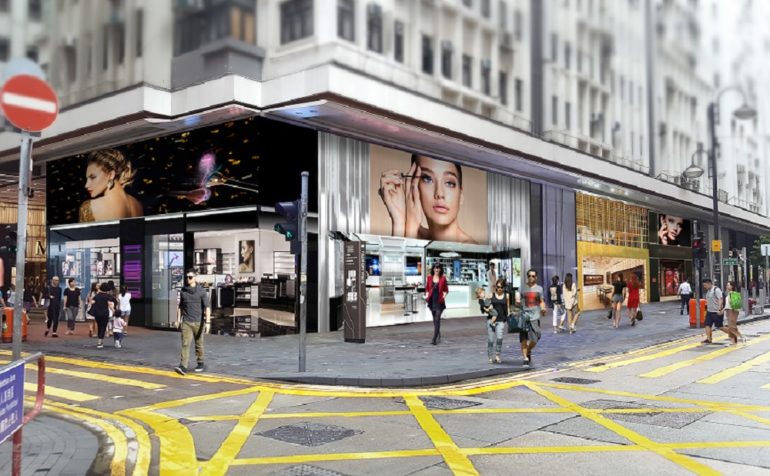
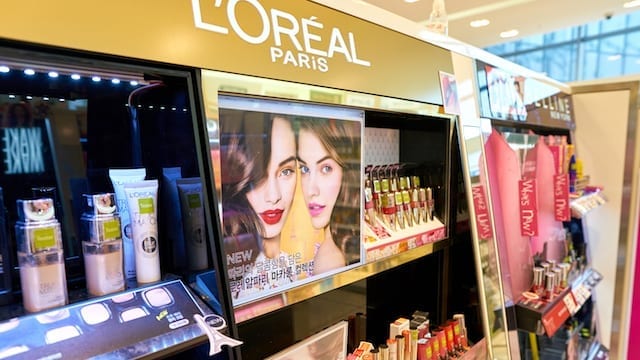
    L’Oréal Travel Retail Asia Pacific has rolled out retail activations across all four terminals at Singapore Changi Airport in May 2025. The push targets passenger dwell time across its portfolio of 22 luxury beauty brands.

    The campaign includes a 510-square-meter show at the TFWA 2025 exhibition. It tests interactive retail formats for international transit hubs.

    Lounges Target Transit Passengers by Trip Stage

    Organizers divided the exhibition space into three operational zones built around flight schedules and destinations. The first zone features climate-customized misting pods. Beauty advisors use them to pair skincare products with the weather at a traveler’s destination, from tropical humidity to high-altitude cold.

    A second zone delivers 10-minute Lancôme longevity skin repair treatments using cryo-sculpting tools, set beside displays marking the brand’s 90th anniversary. A third area houses destination-themed fragrance bars, silent disco soundscapes, Kérastase scalp analysis, and L’Oréal Men Expert grooming stations.

    More than 90 percent of the structure’s build materials were recycled, upcycled, or 3D-printed.

    Changi Activations Extend to All Terminals and Jewel

    Inside the airport, L’Oréal partnered with The Shilla Duty Free Singapore and Changi Airport Group to place pop-ups directly along passenger pathways. The YSL Beauty Light Club ran across all four terminals and Jewel Changi Airport from April 18 to May 25, 2025.

    That installation used artificial intelligence to match makeup looks to individual travelers. Orders routed directly to iShopChangi, the airport’s digital pre-order platform. The space also featured fragrance discovery booths and cocktail bars.

    Over in Terminal 3 transit, active medical skincare brand SkinCeuticals operated its first worldwide travel retail outpost from April 27 to June 4, 2025. Beauticians from Calvin Chan Aesthetics delivered non-invasive HydraFacial treatments in under 30 minutes, alongside sales of an exclusive Collagen-III Amplifier serum through The Shilla Duty Free.

    Pre-Flight Data Partnerships Link Ride-Hailing to Terminal Sales

    L’Oréal organized the campaign under a five-party model coordinating brand owners, airport authorities, duty-free retailers, airlines, and digital platforms. The network links Changi Airport Group and The Shilla Duty Free with Singapore Airlines KrisFlyer, Grab, Meta, and United Overseas Bank.

    Targeting begins before passengers reach the terminal. Grab users receive promotional offers en route to Changi. Meanwhile, KrisFlyer and Meta channels distribute pre-departure product notices matched to flight itineraries.

    At L’Oréal Travel Retail, we believe in creating beauty experiences that resonate emotionally, culturally, and memorably. The L’Oréal Airport Beauty “Shopper-tainment of the Future” is our vision for what travel beauty can become: immersive, intelligent and unforgettable. As global travel accelerates and the appetite for beauty keeps getting stronger, we are proud to lead the reinvention of the category with world-class partners and future-facing innovations.

    Shifting Focus from Traditional Shelves to Experiential Service

    Asian duty-free operations face shifting economics as domestic e-commerce undercuts standard shelf pricing. Operators now focus on converting airport dwell times, which average up to two hours per passenger, into high-margin service sales rather than relying on volume discounts.

    Allocating floor space to clinical devices, grooming chairs, and cocktail bars represents a calculated trade-off for concessionaires like The Shilla Duty Free. These installations reduce retail stock density per square meter. Still, they capture higher transaction values from experience-seeking travelers who research beauty purchases online before flying.

    Global passenger traffic reached 3.7 billion travelers in 2024, returning volume to pre-pandemic levels across major Asian aviation hubs. That recovery prompted beauty groups to direct capital into experiential flagships across Singapore, Hong Kong, and Incheon.

    Regional attention now turns to how concessionaires adapt these high-service formats to secondary airports across Southeast Asia, where terminal space is tighter and passenger spending profiles differ from Changi.

  • Maison Margiela Fragrances Opens First Store at AEON Mall Phnom Penh

    Maison Margiela Fragrances Opens First Store at AEON Mall Phnom Penh

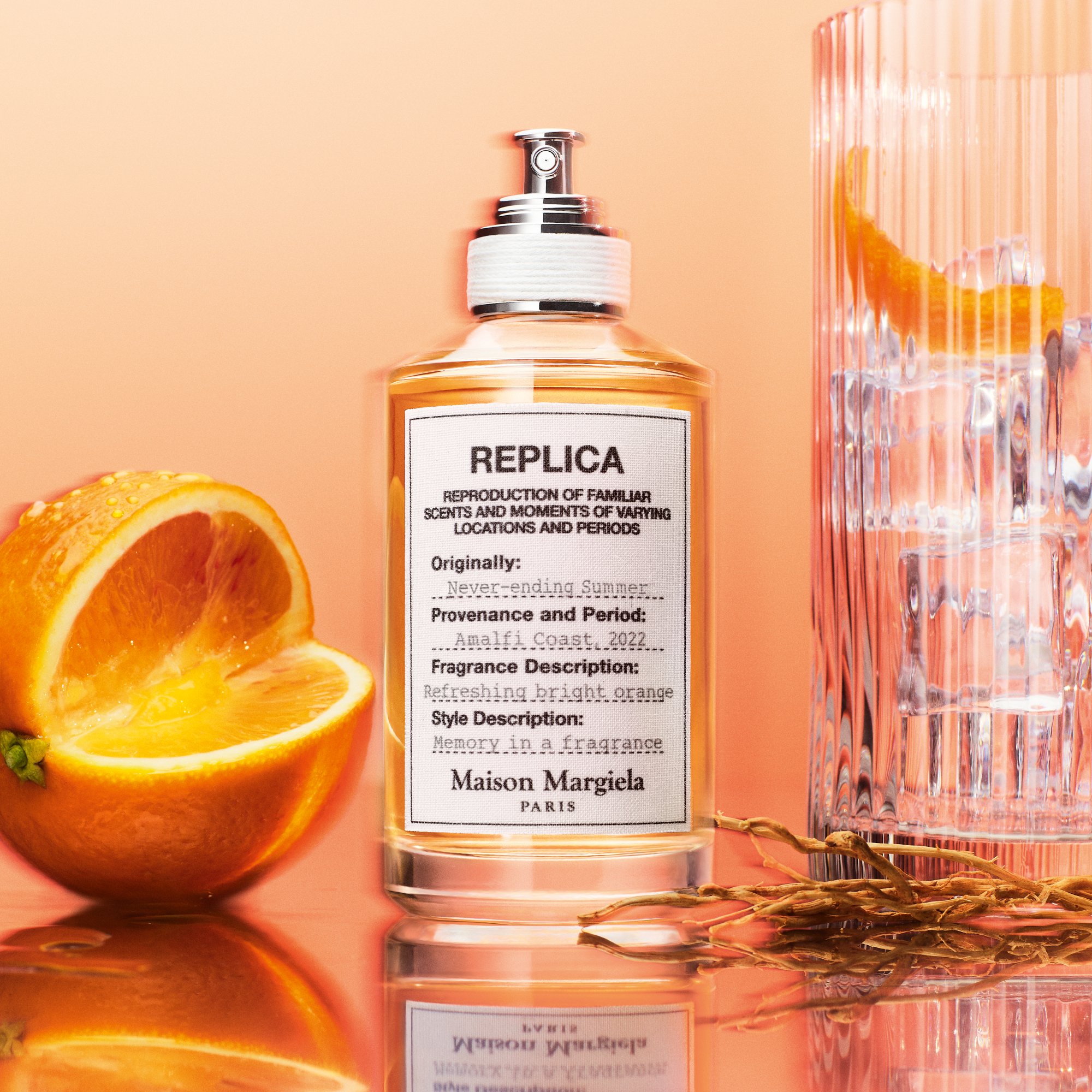
    Maison Margiela Fragrances has opened its first standalone boutique in Cambodia at AEON Mall Phnom Penh this week. The space debuts the brand’s complete Replica perfume collection in the capital.

    It gives the brand a direct retail presence in the country. International beauty houses previously reached local shoppers only through multi-brand counters and cross-border grey channels.

    Replica Portfolio in Phnom Penh

    Inside, the boutique stocks personal scents, scented candles, home diffusers, and bath items. Customers can also use on-site customisation services, including personalised cotton pouch labels and bespoke bottle tags.

    Store staff provide fragrance consultations based on memory-driven scent profiles. That setup mirrors the format used in Bangkok, Singapore, and Seoul flagships.

    Shifting Luxury Footprints in Indochina

    Global beauty groups are testing frontier markets across Southeast Asia as tier-one capitals mature. Rapid shopping centre growth in Phnom Penh over the past five years has provided the climate-controlled, managed floor space needed for direct investments.

    Securing standalone niche fragrance boutiques helps mall operators like AEON lift tenant quality and raise basket values. High-margin fragrance concessions also generate resilient revenue per square metre compared to standard apparel retail.

    Regional Retail Rollout

    L’Oreal’s luxury division, which holds the Maison Margiela beauty licence, has expanded standalone boutiques across Southeast Asia since 2022. The brand opened locations in Thailand, Malaysia, and Vietnam before entering Cambodia.

    Distributors in Phnom Penh previously focused on designer lines from Chanel, Dior, and Gucci. The arrival of dedicated niche fragrance stores reflects shifting demand among younger Cambodian consumers toward artisanal perfumery.

    Store Operations and Next Steps

    Trading on the ground floor, the store is now open seven days a week. Retailers in the capital will watch whether parent operators follow this debut with satellite counters in AEON Mall Sen Sok City or downtown department stores over the next fiscal year.

  • Asian Teams Secure Four of Six Finalist Spots in L’Oréal Brandstorm

    Asian Teams Secure Four of Six Finalist Spots in L’Oréal Brandstorm

    Asian teams took four of the six global finalist spots at the 34th L’Oréal Brandstorm competition at Vivatech, following pitches drawn from 400,000 proposals across 64 countries.

    The competition centered on luxury fragrance innovation, drawing record participation from Gen Z applicants across Asia who pitched formats ranging from artificial intelligence formulations to wearable scent patches.

    New Formats and Layering Concepts

    Contestants focused on shifting perfume away from standard alcohol spray bottles. Finalist entries incorporated primary packaging designed for fragrance layering, skin patch applicators, and AI tools built to reconstruct scent memories.

    Although the United States team won the overall competition with a melting patch concept called Capturé, Asian teams dominated the final stage. The trend reflects a broader consumer shift across Asian markets, where younger buyers are adopting fragrance wardrobes and personalized scent layering practices traditionally concentrated in the Middle East.

    Green Extraction and Sensory Tech

    L’Oréal used the Paris show to highlight Osmobloom, an air-capture extraction technology developed through a nine-year partnership with Cosmo International Fragrances. The solvent-free process extracts volatile scent molecules from flowers without heat or water, preserving delicate plant structures.

    The group also revealed 12 custom scents developed for the Dataland museum in Los Angeles, pairing algorithmic art with sensor-equipped diffusion necklaces that release fragrances based on visitor movement.

    For retailers and beauty operators across Asia-Pacific, the competition results point to where product pipelines are heading: portable application formats, waterless extraction, and customizable scent wardrobes built for first-time luxury fragrance buyers.