Retail News CRM

Tag: loss

  • Air India Appeals to Tata, Singapore Airlines for Bailout Amid $2.4B Loss Crisis

    Air India Appeals to Tata, Singapore Airlines for Bailout Amid $2.4B Loss Crisis

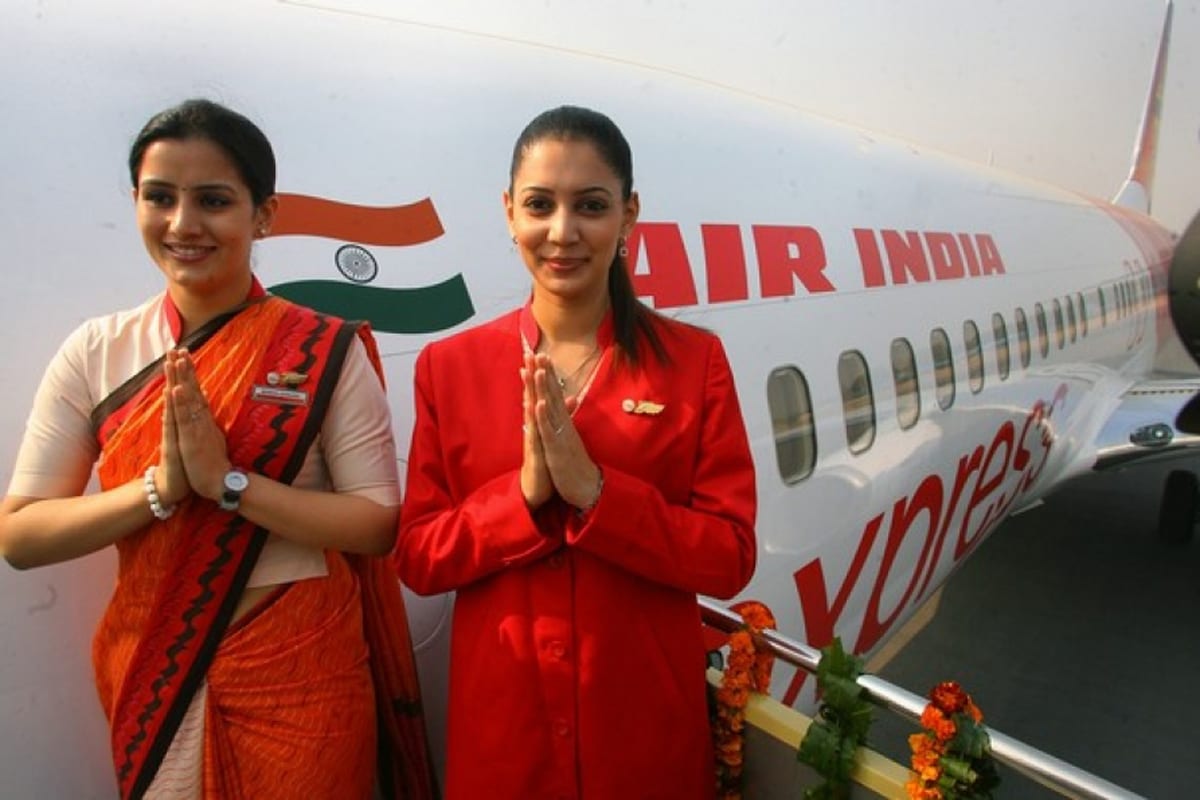
    Air India has reported an annual deficit surpassing INR220 billion ($2.4 billion), a more substantial loss than initially anticipated. This unexpected financial setback has led the airline to seek monetary aid from its stakeholders.

    Fiscal Losses and Contributing Factors

    The fiscal loss was recorded for the financial year ending March 31. This period was characterized by various unfortunate incidents such as the deadly crash of a Boeing 787 Dreamliner, the shutting down of Pakistani airspace for Indian airlines, and escalating conflict in the Middle East.

    Air India’s principal owner, Tata Group, and minority shareholder Singapore Airlines, which holds a 25.1% stake, are currently engaged in discussions to infuse new capital into the struggling airline. However, the exact amount being deliberated remains undisclosed and may not completely address the airline’s financial needs. This shortfall might necessitate Air India to seek additional avenues for funding.

    Critical Period for Air India

    The unprecedented loss arrives at a critical juncture for Air India. The company’s CEO, Campbell Wilson, announced his intention to resign later in 2026. The airline was designated the least safe in the most recent annual audit by the aviation regulator, despite ambitious expansion plans. The carrier has also grappled with efforts to enhance service standards and yields.

    Air India began the fiscal year on a more positive note, with operating profits reported in early April 2025. Nevertheless, circumstances took a downward turn following the closure of Pakistani airspace to Indian airlines after a short-lived conflict in May. This situation necessitated longer routes to the United States and Europe. Subsequently, the fatal Dreamliner crash in June, which resulted in more than 240 casualties, further disrupted operations, compelling the airline to reduce both international and domestic services.

    External Pressures

    The airline also faced external pressures such as punitive tariffs imposed by the U.S. President on India and stricter controls on foreign worker visas. Air India found itself among the most adversely impacted foreign carriers due to the escalating tensions in the Middle East. This crisis disrupted flights to Europe and the U.S., requiring longer and costlier routes amidst rising jet fuel prices.

    Singapore Airlines, which acquired its minority stake following the merger of its local affiliate Vistara with Air India in 2024, has also faced a negative impact on its earnings due to the airline’s declining performance.

    Questions & Answers

    What is the extent of Air India’s annual loss?
    Air India has reported an annual loss of over INR220 billion ($2.4 billion).

    What factors have contributed to Air India’s substantial loss?
    Several factors have contributed to this loss, including an unexpected Boeing 787 Dreamliner crash, the closure of Pakistani airspace to Indian airlines, conflict in the Middle East, and punitive tariffs imposed by the U.S. President on India.

    What steps are being taken to mitigate the loss?
    The principal owner, Tata Group, and Singapore Airlines are discussing an infusion of fresh capital. However, the exact amount under consideration remains undisclosed.

  • Facing Tough Tides: Synlait Milk Anticipates Half-Year Loss Amid Manufacturing Hurdles

    Facing Tough Tides: Synlait Milk Anticipates Half-Year Loss Amid Manufacturing Hurdles

    Synlait Milk, a company based in New Zealand and listed on the Australian Securities Exchange (ASX), anticipates reporting a loss for the six months ending on January 31. The company has attributed this forecast to manufacturing challenges at its Dunsandel facility. Synlait owns Dairyworks, a supplier of cheese, butter, and ice cream to Australian supermarkets.

    Financial Projections

    Synlait anticipates an underlying net loss after tax of NZ$33 million to $38 million, as well as a reported net loss after tax of $77 million to $82 million for the six-month period. This is a significant drop from the previous year, which saw an underlying net profit after tax (NPAT) of $8.7 million and a reported NPAT of $4.8 million.

    The company expects its underlying earnings before interest, taxes, depreciation, and amortization (EBITDA) for the half year to range from breakeven to $5 million, with a projected reported EBITDA loss of $28 million to $33 million.

    Manufacturing Challenges and Cost Impacts

    While Synlait has primarily resolved the manufacturing issues at the Dunsandel site, it is still grappling with related cost and operational effects. The necessity to rebuild inventory across product segments entailed substantial adjustments to Synlait’s manufacturing plans for the current dairy season. To facilitate these adjustments, the company increased its raw milk sales, which negatively affected margins and operating costs.

    Low returns from the commodities portfolio also adversely impacted Synlait’s half-year performance. Furthermore, the company took a cautious approach, choosing not to recognize additional deferred tax assets stemming from unused tax losses beyond those recorded at the end of July.

    Effects on the Company’s Future

    Synlait’s CEO, Richard Wyeth, expressed disappointment with the results and the subsequent slowdown in the company’s recovery. Nevertheless, he affirmed that progress has been made in operations, including the establishment of a revitalized executive leadership team (ELT) in Canterbury and the forthcoming sale of Synlait’s North Island assets.

    This sale, slated for completion on April 1, is expected to substantially reinforce Synlait’s financial position, with the proceeds being used to reduce debt. The sale will also allow Synlait to concentrate its primary operations in Canterbury, with an emphasis on continual operational excellence and customer diversification to bolster long-term profitability.

    However, both Wyeth and Synlait acknowledge that the company’s recovery will take time, with a minimum of 12 months projected. Further details will be provided when Synlait releases its half-year results on March 23.

    Questions & Answers

    What contributed to Synlait’s projected financial loss?
    Manufacturing challenges at its Dunsandel facility, the need to rebuild inventory, increased raw milk sales, and low returns from the commodities portfolio all contributed to Synlait’s projected losses.

    What is the company’s current strategy for recovery and long-term profitability?
    Synlait’s recovery strategy includes the sale of its North Island assets to reduce debt, focusing its core operations on Canterbury, pursuing operational excellence, and diversifying its customer base.

    When does Synlait expect to see a recovery?
    The company anticipates that the recovery will take at least 12 months.

  • Ben & Jerry’s co-founder quits, citing loss of independence

    Ben & Jerry’s co-founder quits, citing loss of independence

    Jerry Greenfield, co-founder of the renowned ice cream brand Ben & Jerry’s, has announced his departure from the company. His exit comes as a result of the eroding independence that he and fellow co-founder Ben Cohen had established within the company’s governance structure when they sold the enterprise to Unilever over 20 years ago.

    An Emotional Departure

    In a public statement, Greenfield conveyed his deep sadness and regret over his decision to leave the company. He stated, “It’s with a broken heart that I’ve decided I can no longer, in good conscience, and after 47 years, remain an employee of Ben & Jerry’s.” Greenfield clarified that his decision to leave was not due to a loss of affection for his colleagues at the company, but rather due to the company’s dwindling autonomy.

    Ben & Jerry’s, which was acquired by Unilever in 2000, has a well-known reputation for advocating social justice issues. Greenfield noted that the company has traditionally used its independence to take a stance and vocalize their support for peace, justice, and human rights in relation to real-world events. He expressed his profound disappointment over the fact that this independence, which was a fundamental condition of their sale to Unilever, has disappeared.

    Unilever’s Response

    In response to Greenfield’s exit, a spokesperson for Unilever expressed the company’s gratitude for Greenfield’s tenure and contributions. Although the spokesperson mentioned that the company disagreed with Greenfield’s standpoint, they extended their appreciation to him for his decades of service and wished him all the best in his future endeavors. The spokesperson also mentioned the company’s attempts to involve both co-founders in discussions aimed at reinforcing Ben & Jerry’s value-based position in the world.

    Questions & Answers

    Why has Jerry Greenfield decided to leave Ben & Jerry’s?
    Greenfield has chosen to leave due to the perceived loss of the company’s independence, which he believes was a fundamental aspect of the company’s sale to Unilever.

    What was Ben & Jerry’s reputation prior to its acquisition by Unilever?
    Prior to its acquisition by Unilever, Ben & Jerry’s was known for its outspoken stance on various social justice issues. The company often used its independent status to vocalize support for peace, justice, and human rights in relation to real-world events.

    What was Unilever’s reaction to Greenfield’s departure?
    Unilever expressed gratitude for Greenfield’s contributions and service to the company, despite disagreeing with his perspective on the company’s autonomy. The company also conveyed their attempts to involve both co-founders in discussions aimed at bolstering Ben & Jerry’s value-based position in the world.

  • Berjaya Food Reports Rising Losses: Starbucks Malaysia’s Struggles Amid Middle East Conflict

    Berjaya Food Reports Rising Losses: Starbucks Malaysia’s Struggles Amid Middle East Conflict

    Berjaya Food, a Malaysia-based company, has recently reported a significant increase in losses and a decrease in sales for both their fourth quarter and the entire fiscal year. Berjaya Food, which operates Starbucks Coffee in Malaysia and Brunei, along with Kenny Rogers Roasters and Paris Baguette in Malaysia, experienced reduced sales due to a decrease in store numbers.

    Quarterly Report

    The revenue for the group, for the quarter ending on June 30, experienced a decrease of 11 per cent compared to the previous year, settling at RM115.8 million (US$27.4 million). This reduction is mainly attributable to the decrease in the number of store locations. However, the management has noted a slight increase in sales compared to the third quarter. This increment is primarily due to an improved sales performance from Starbucks Malaysia.

    In this quarter, the loss before tax increased from RM42.6 million to RM183.7 million. The primary reason for this increase was the impairment of property, plant, and equipment (PPE) and right-of-use (ROU) assets linked to non-performing stores.

    Annual Report

    For the entire fiscal year, the revenue dropped by 36 per cent, amounting to RM476.7 million. This drop is linked to the ongoing sentiment surrounding the Middle East conflict, which has affected market dynamics and altered customers’ purchasing behaviours.

    The pre-tax loss for the year broadened from RM89 million to RM288.7 million. This loss was due to the necessary impairment provision to PPE and ROU assets, resulting from the downsizing of Starbucks Malaysia’s operations.

    Questions & Answers

    What were the main reasons for the loss in Berjaya Food’s fourth quarter and fiscal year?
    The primary reasons were the impairment of property, plant, and equipment (PPE) and right-of-use (ROU) assets of non-performing stores, and also the downsizing of Starbucks Malaysia’s operations.

    Did Berjaya Food see any improvement in the fourth quarter compared to the third quarter?
    Yes, sales were slightly higher in the fourth quarter compared to the third, primarily due to improved sales performance at Starbucks Malaysia.

    How did the Middle East conflict affect Berjaya Food’s annual results?
    The ongoing conflict in the Middle East has influenced customers’ spending patterns and affected market dynamics, which contributed to the significant drop in the annual revenue.

  • Dolce & Gabbana Reports 4% Revenue Growth Despite Retail Challenges; Sets High Ambition For Beauty Division

    Dolce & Gabbana Reports 4% Revenue Growth Despite Retail Challenges; Sets High Ambition For Beauty Division

    Dolce & Gabbana, the revered Italian luxury fashion brand, has unveiled financial figures for the fiscal year that came to a close on March 31. The company saw its revenue climb by 4 per cent, translating to a total of US$2.2 billion.

    Revenue Drivers and Losses

    The primary catalyst behind this revenue growth was an 11 per cent surge in wholesale sales, accounting for 46 per cent of the brand’s total revenue. Unfortunately, the company also witnessed a 3 per cent decline in retail sales, indicative of challenges in crucial markets such as Europe and Asia.

    Despite the increase in revenue, Dolce & Gabbana’s net loss expanded to $136 million from the previous fiscal year’s figure of $15 million.

    Department Specific Performance

    Notably, the fashion and home division of the company experienced an 8 per cent revenue drop to $1.4 billion. This downturn is attributable to weakened demand in Europe and China, with the effect partially mitigated by gains in the Middle East, South America, and South Africa.

    On the other hand, the beauty segment posted strong figures, with sales escalating by 30 per cent year-over-year to approximately $699 million.

    Expansion and Future Endeavors

    From 2022 onwards, Dolce & Gabbana has broadened its makeup offerings to encompass more than 100 products. The brand plans to further expand this range to a complete line of 350 SKUs and has recently launched a skincare line, the Fresh Skin Collection.

    In terms of future goals, the company has set its sight on achieving $1.1 billion in annual beauty sales by the end of fiscal 2027. This objective emerges as part of their strategic shift from licensing to direct management of the beauty division.

    Additionally, Dolce & Gabbana has obtained $116 million in medium-term financing and has extended the maturity of a $345 million term loan to 2030.

    Questions & Answers

    What was the primary driver behind Dolce & Gabbana’s revenue growth?
    The primary driver was an 11 per cent increase in wholesale sales, which now account for 46 per cent of the brand’s total revenue.

    How did Dolce & Gabbana’s beauty segment perform in the past fiscal year?
    The beauty segment performed exceptionally well, with sales seeing a 30 per cent year-over-year increase to approximately $699 million.

    What are Dolce & Gabbana’s future plans for their beauty division?
    The company plans to achieve $1.1 billion in annual beauty sales by the end of fiscal 2027, following its strategic shift from licensing to direct management of the beauty division.

  • Swiggy’s Losses Double Amid Marketing Surge And Delivery Challenges

    Swiggy’s Losses Double Amid Marketing Surge And Delivery Challenges

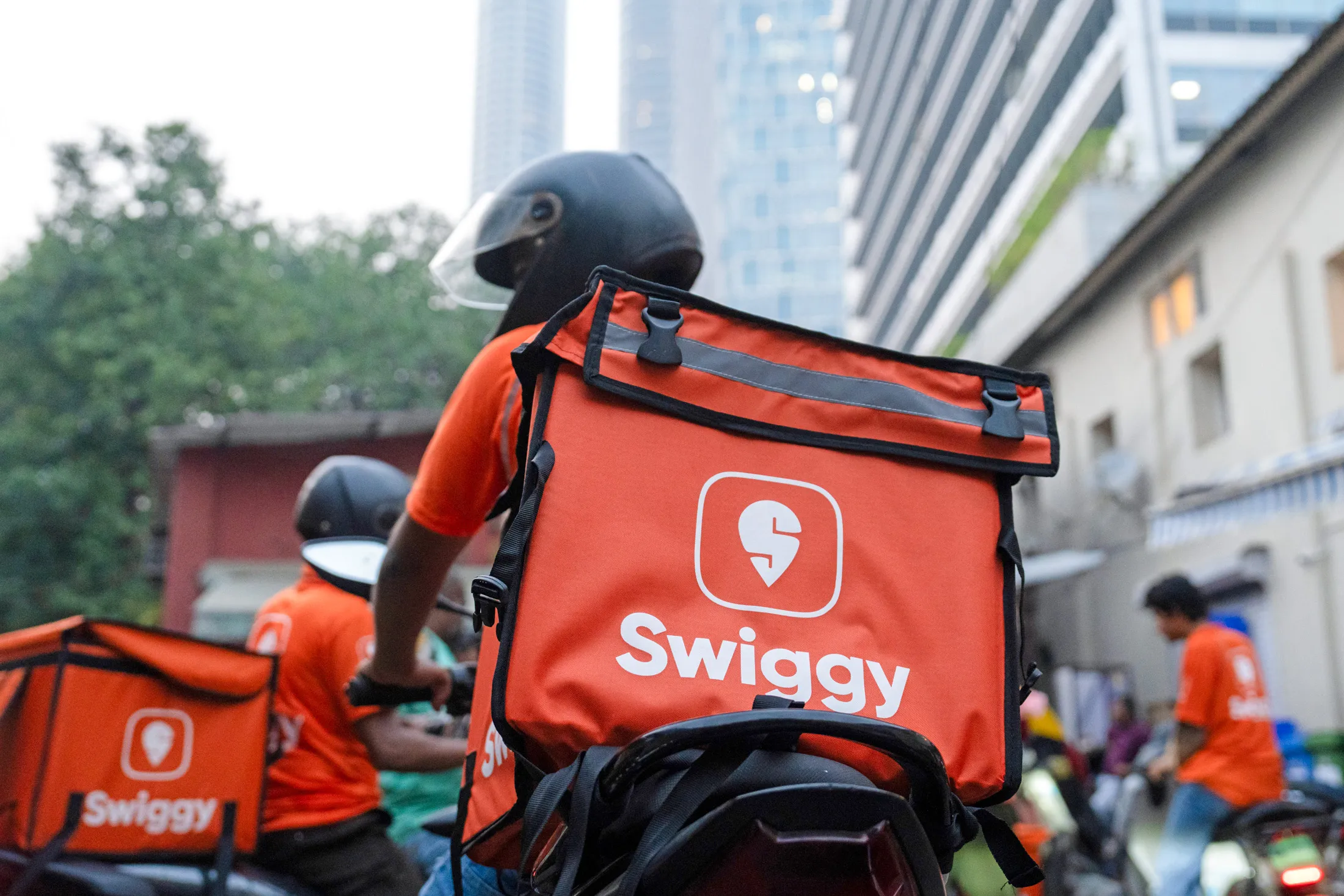
    Swiggy, one of India’s leading online food delivery platforms, has reported a near-doubling of its quarterly loss compared to the same period last year. This increase in losses is attributed to a significant rise in marketing expenditures aimed at securing a larger customer base in an intensely competitive market.

    Growth Strategies and Challenges

    In its decade-long presence in the market, Swiggy has maintained its position among the top contenders in the food delivery industry through continuous investments in marketing, platform enhancements, and customer loyalty programs. The company is also directing funds into its rapid retail division, Instamart, as part of efforts to expand its network of stores, fortify logistics, and provide enticing discounts.

    However, the company’s operations have been affected by issues relating to a shortage of delivery partners, a situation exacerbated by unanticipated monsoon rains in India. Concurrently, the need for sustained, high levels of marketing investments has been necessitated by persistent competition.

    The competition is not just limited to the food delivery sector. The rapid retail sector in India is becoming increasingly crowded, with competitors such as the Tata-backed BigBasket and Amazon vying for market share. Furthermore, Swiggy faces additional competition in the food delivery space from the ride-hailing platform, Rapido, where Swiggy holds a 12 per cent stake.

    Financial Performance

    Despite these challenges, Swiggy’s total revenue for the quarter ending June 30 increased by 54 per cent, amounting to 49.61 billion rupees (US$566.2 million). However, consolidated expenses also saw a significant jump, up by around 60 per cent to 62.44 billion rupees, with sales promotions more than doubling. Consequently, the company’s consolidated net loss for the quarter rose to 11.97 billion rupees, a significant increase from the 6.11 billion rupees loss reported in the same period last year.

    Expansion and Order Value

    Despite these financial setbacks, Swiggy continued to expand its geographical reach, adding three new cities to its network to stand at a total of 127. The company also added 41 stores and increased the size of existing ones. The gross order value from its food delivery segment climbed by approximately 19 per cent to 80.86 billion rupees in the June quarter. Meanwhile, Instamart’s gross order value saw a massive surge of nearly 108 per cent, reaching 56.55 billion rupees.

    Questions & Answers

    What factors contributed to Swiggy’s increased quarterly losses?
    Increased marketing spend to attract customers in a fiercely competitive market, along with the expansion of its quick-commerce arm, Instamart, significantly contributed to Swiggy’s increased losses.

    What challenges did the company face recently?
    Swiggy experienced a shortage of delivery partners due to earlier than anticipated monsoons in India. Additionally, the company faced stiff competition, necessitating high marketing investments.

    Did Swiggy see any growth despite these challenges?
    Yes, Swiggy reported a 54 per cent surge in total revenue for the quarter ending June 30. The company also expanded its services to three new cities, added 41 stores, and saw a substantial rise in gross order value from both its food delivery segment and Instamart.

  • Samsung ‘shock’ as profits start to droop

    Samsung ‘shock’ as profits start to droop

    Samsung Electronics announced sharply lower earnings for the fourth quarter, an earnings “shock” that suggested that the “supercycle” in the global semiconductor market is nearing an end. Preliminary 2018 performance numbers released Tuesday predicted the local IT giant’s operating profit between October and December of last year would be 10.8 trillion won ($9.6 billion), down 28.71 percent year on year.

    This is the lowest figure since the first quarter of 2017’s 9.9 trillion won. Between those two quarters, operating profit had consistently stayed in the 14 to 17 trillion won range.

    Revenue for last year’s fourth quarter slumped 10.58 percent year on year to 59 trillion won. Last year’s third quarter saw record quarterly highs of 65.5 trillion won in revenue and 17.6 trillion won in operating profit.

    Local analysts had expected 13.4 trillion won in operating profit for the fourth quarter and 63.2 trillion won in revenue, according to the stock information provider FnGuide.

    Samsung did not reveal performance figures for different business divisions, but the company cited “slow demand” in semiconductors as a major factor in a public announcement the same day. The IT giant has three major business divisions: chips, smartphones and home electronics.

    The results for all of 2018 showed that the company had a record high operating profit of 58.89 trillion won, a 9.77 percent jump from last year, and 243.5 trillion won in revenue, up 1.64 percent year on year.

    Before starting to slow, semiconductors were the main contributors to Samsung’s high performance over the last two years.

    In the announcement, the company added that demand from data center clients in the fourth quarter had fallen short of expectations.

    “Shipping of memory chips retreated from the third quarter, and the price decline turned out to be bigger than what we expected earlier this year,” it said.

    One reason is because companies with data centers such as Amazon, Facebook and Microsoft bought large amounts of dynamic random-access memory (DRAM) chips during the last two years, which are now piling up.

    DRAM prices started to fall after more than a year of increases – another factor that is affecting demand as companies anticipate more price cuts.

    Slow growth in smartphone sales and one-off expenses including the company’s offering of incentives to staff at the year’s end also affected the profit level.

    Worries that the semiconductor supercycle was ending have surfaced for years, but Samsung and other chipmakers have reported strong earnings – until the fourth quarter.

    December’s chip exports from Korea retreated for the first time in 27 months. The general consensus among local analysts is that Samsung’s revenue will continue to shrink in the first half of this year.

    But they have a more positive outlook for the second half.

    “Memory chip prices will bounce back in the second half of 2019,” said analyst Lee Jae-yun of Yuanta Securities. “Because the supply growth rate of major chipmakers in 2019 will be 19 percent [year on year], whereas demand growth is expected to reach 20 percent.”

  • Jetstar Asia to Close, Impacting 500 Jobs in the Singapore Airline Industry

    Jetstar Asia to Close, Impacting 500 Jobs in the Singapore Airline Industry

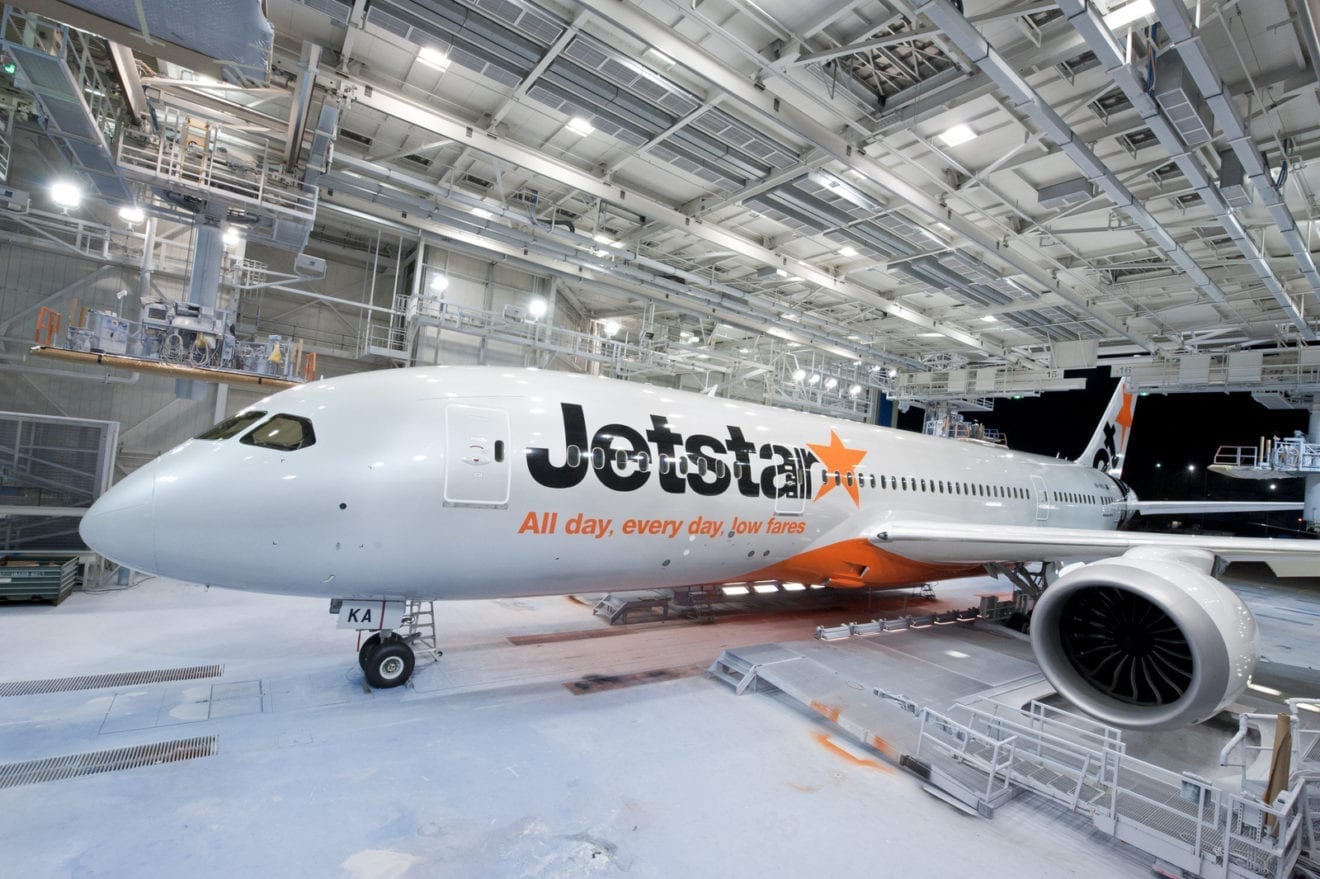
    Australian airline Qantas has made the difficult decision to close its budget carrier, Jetstar Asia, effective July 31. This move comes in response to escalating operational costs, increased fees at Singapore’s Changi Airport, and fierce competition across the region.

    Operational Costs Taking Their Toll

    Jetstar Group Chief Executive Officer Stephanie Tully highlighted the widespread impact of rising costs on the airline’s operational framework. The recent hike in airport fees at Changi, implemented on April 1 as part of a S$3 billion (US$2.3 billion) upgrade, played a significant role in this challenging situation. “The airport fees are a part of that. That has had an impact on the business,” she stated, referencing comments made to Bloomberg.

    As Qantas Group Chief Executive Vanessa Hudson expressed, this is a heavy moment for the Jetstar Asia team. “We are incredibly proud of them. This is a very tough day for them. Despite their best efforts, we have seen some costs for Jetstar Asia’s suppliers rise by up to 200%, which has materially changed its cost base.”

    Staff Impact and Passenger Reassurance

    The closure will inevitably affect around 500 staff members, who will be offered redundancy benefits and assistance in finding new employment, as reported by AFP. Meanwhile, passengers whose flights have been canceled will be entitled to refunds, ensuring they are compensated as the airline winds down operations.

    Prior to the announcement, Jetstar Asia was projected to incur an underlying loss of A$35 million (US$23 million) this financial year, with Qantas owning 49% of the airline. The cancellation of operations means that the fleet of 13 A320 aircraft will soon be redeployed to Australia and New Zealand, creating over 100 local jobs.

    In a strategic move, Qantas noted that shutting down Jetstar Asia could generate up to A$500 million to bolster the group’s fleet renewal program. The decision was made in conjunction with Westbrook Investments, which holds a 51% stake in the regional carrier.

    While the closure is certainly a somber development, it raises some intriguing questions about the future of air travel in a region that continues to evolve rapidly.

    Questions & Answers

    Why is Qantas closing Jetstar Asia?
    Qantas is shutting down Jetstar Asia due to rising operational costs, increased airport fees at Changi Airport, and intense regional competition making it financially unviable to continue.

    What happens to the staff of Jetstar Asia?
    Approximately 500 employees will receive redundancy benefits and support in finding new jobs as the airline winds down its operations.

    How will affected passengers be compensated?
    Passengers whose flights are canceled will be offered refunds, ensuring they are financially protected during this transition.

  • Steelmakers report biggest-ever losses

    Steelmakers report biggest-ever losses

    Leading steelmakers in the country have reported the biggest-ever Q3 losses in amidst low sales, rapidly falling prices, and high inventories.

    The nation’s biggest steelmaker, Hoa Phat, incurred a negative after-tax return of VND1.79 trillion ($72 million), the first loss it has reported in 13 years. This is also the third consecutive quarter that its revenues have dropped, down 12% over the same period last year and down nearly 8% against the previous quarter.

    Nam Kim reported Q3 losses of over VND400 billion, a record high, with revenues down nearly 1.7 times over the same period last year.

    Steelmaker Hoa Sen racked up losses of VND887 billion in the last quarter of the 2021-2022 fiscal year, compared with a profit of more than VND940 billion in the same period last fiscal year. It reported a loss for the first time since the fourth quarter of the 2017-2018 fiscal year.

    Companies under the Vietnam Steel Corporation (VnSteel) also posted record losses or minuscule profits in the third quarter.

    Thu Duc Steel saw its biggest-ever Q3 loss of VND22 billion, nearly 37% higher than the same period last year; and Vicasa Steel reported its biggest loss since the third quarter of 2020.

    Thai Nguyen Steel and Ho Chi Minh City Metal incurred losses of VND25 billion and VND12 billion. Meanwhile, two other VnSteel affiliates, Melin Steel and Cao Bang Steel, gained very small profits, down 95% and 99%, respectively, against the third quarter of last year.

    Like steelmakers, many steel distributors and traders also suffered losses, with the SMC Trading Investment Joint Stock Company reporting its biggest-ever quarterly loss of nearly VND220 billion, compared with a profit of nearly VND130 billion in the same period last year.

    Steel companies said they faced low domestic sales and export turnovers, a rapid decline in product prices, and high inventories in the third quarter. According to Vicasa Steel, the Vietnamese steel industry was affected by the Russia-Ukraine conflict, China’s “zero Covid” policy, and global inflation.

    Higher input costs, credit tightening, high lending interest rates, and fluctuating exchange rates were other contributing factors. Hoa Phat said coal prices had trebled.

    From mid-May to late August, steel prices declined 15 consecutive times from around VND19 million per ton to VND14.5-15 million. After a slight increase at the beginning of September, the prices fell twice to some VND14 million per ton, equivalent to the levels in late 2020.

    According to the Vietnam Steel Association, the country’s finished steel output was 2.4 million tons in September, but sales were only 1.99 million tons. In the first nine months, it had steel inventories of some 1.6 million tons.

  • Malaysia’s AirAsia X reports record quarterly loss of $5.9bln

    Malaysia’s AirAsia X reports record quarterly loss of $5.9bln

    AirAsia X—the long-haul affiliate of Malaysian tycoon Tony Fernandes’ AirAsia Group—reported its biggest-ever quarterly loss as travel restrictions aimed at curbing the further spread of Covid-19 grounded the budget carrier’s planes.

    The airline posted a net loss of 24.6 billion ringgit ($5.9 billion) in the three months ended June 30 following the suspension of flights since the height of the pandemic in April last year, the company said in a statement to Bursa Malaysia on Monday. That’s the ninth consecutive quarterly loss reported by the airline and compares with the 305 million ringgit net loss posted a year ago.

    The losses were exacerbated by an accounting provision of 23.8 billion ringgit to creditors, with the airline already in default. “The contractual liabilities for which the provision is made will be waived upon the successful completion of the proposed debt restructuring exercise,” AirAsia X said.

    AirAsia X has been negotiating with creditors to restructure its debts amid mounting losses brought on by the pandemic. It has also been discussing returning some of its aircraft to lessors as part of a fleet downsizing exercise aimed at focusing operations on mature routes and terminating flights to unprofitable destinations.

    Airlines and other travel-related industries are among the hardest hit by the pandemic as countries around the world closed their borders to contain the virus. AirAsia Group has been pivoting into digital businesses as Covid-19 travel restrictions drag passenger and cargo traffic lower.

  • Another huge loss for AirAsia in 2021

    Another huge loss for AirAsia in 2021

    AirAsia Group is expected to report another huge loss in its 2021 earnings on prolonged closure of borders and a slower-than-expected recovery in tourism.

    Affin Hwang Capital said AirAsia had posted a record headline net loss of RM2.44 billion in the fourth quarter (Q4) of 2020.

    This was due to weak revenue, large impairment charges on right of use assets/receivables, fuel hedging losses and the recognition of deferred tax, partly cushioned by forex, disposal, and derivatives fair value gains.

    The firm expects AirAsia to report core net loss of RM1.4 billion this year due to the reimplementation of movement control order during the first quarter (Q1) 2021, prolonged closure of borders, and longer-than-expected timeframe for the Covid-19 immunization program.

    “We now anticipate AirAsia to report net loss of RM92 million in 2022 earnings (from net profit of RM238 million) due to slower-than-expected recovery in international tourism,” it said.

    Sequentially, Affin Hwang said AirAsia’s Q4 revenue from Malaysia’s airline operation had slipped by 68 percent quarter on quarter to RM113 million.

    This was after the reimplementation of movement control orders while the revenue from Indonesia and the Philippines had improved by 413 percent and 60 percent respectively.

    While the results were grossly below expectations, the airline’s management made good progress in private placements, Affin Hwang said, adding that AirAsia would have sufficient liquidity for 2021.

    The firm maintained a “Sell” call on AirAsia with a higher target price of 75 sen from 50 sen previously.

  • Zara parent posts US$229m first-half loss during Covid-19

    Zara parent posts US$229m first-half loss during Covid-19

    Zara-owner Inditex posted a net loss of US$229 million during the six months to 31 July, after a successful second quarter largely helped mitigate a disastrous start to the year.

    The first three months suffered a $481 million loss due to the sudden impact of the Covid-19 pandemic, while the second quarter rebounded to a profit of $253 million.

    Online sales soared 74 percent during the same period, as with many businesses during the pandemic, as customers moved online while up to 87 percent of the business’ stores were closed.

    Inditex executive chairman Pablo Isla said he is pleased with the online result, and that it shows the importance of an integrated omnichannel strategy.

    “This is a cornerstone of our unique business model with three key pillars – flexibility, digital integration, and sustainability,” Isla said.

    “Day to day this combination is proving its solidness.”

    The third quarter has continued to see a return to normalcy, the business said. Online sales have continued growing sharply, while store sales are recovering. Sales from August 1 to September 6 are improving, however down 11 percent year on year.

    And a number of new omnichannel initiatives that launched in the first half will be furthered moving forward, such as a plan to shut down smaller stores and absorb them into larger format locations that lend themselves better to an integrated model.

    During the first half 72 stores were refurbished, 35 of which were store expansions.

    Last week the business launched ‘Store Mode’, which saw 25 of its stores across Spain offer new features to customers using the Zara app: Click & Go, Click & Find, and Click & Try.

    Click & Go allows a click and collect offer that will see a product ready to be picked up within 30 minutes, Click & Find allows customers to find garments in-store using a RFID-enabled store map, while Click & Try allows customers to book time in a fitting room to avoid waiting.

  • AirAsia X to implement further payroll cut next month as losses swell

    AirAsia X to implement further payroll cut next month as losses swell

    AirAsia X Bhd’s net loss for the second quarter ended June 30, 2020 (2QFY20) widened to RM305.24 million, 47.4% more than the RM207.11 million it recorded a year ago as the airline bore the full brunt of travel restrictions implemented to curb the Covid-19 pandemic.

    AAX sees more turbulence ahead due to uncertainties surrounding the lifting of travel restrictions, which have grounded most of its aircraft fleet.

    The low-cost carrier revealed that its severe liquidity constraints persisted. “In the short term the company will need to seek agreement with major creditors to restructure outstanding liabilities, which have accrued during the period since the start of the Covid-19 pandemic, in order to continue as a going concern,” AAX said in its quarterly financial result announcement.

    Meanwhile, the carrier continues to seek payment deferrals and concessions from its suppliers, lessors, and lenders. “Further payroll reductions will be implemented in the next month to reflect the significantly lower level of operations both at the current time and also when the company is able to start operating again,” it added.

    However, the quarter’s performance was an improvement over the preceding quarter’s in which the long-haul low-cost carrier posted its largest-ever net loss of RM549.7 million due to large foreign exchange losses and losses from the hedges against higher crude oil prices.

    Quarterly revenue shrank to barely RM91.44 million compared with the RM1.01 billion reported a year ago as AAX operated only 16 scheduled flights throughout the three months versus 4,824 a year ago.

    Its total cash balance contracted almost 30% to RM252.04 million from RM357.96 million at the end of last year. Deducting pledged deposits, its cash pile stood at RM211.94 million, a drop from RM307.85 million previously.

    The airline’s current liabilities ballooned by nearly 31% to RM3.38 billion from RM2.58 billion as at end-2019. The spike in its current liabilities was mainly attributed to trade and other payables, which rose to RM1.31 billion from RM823.81 million.

    “AAX will not be able to restart scheduled operations until international borders reopen and, in recognition of the current degree of uncertainty and the timing of the lifting of restrictions, the company has stopped selling tickets for future travel dates,” said the carrier.

    Shares in AAX closed unchanged at 6.5 sen today, giving the airline a market capitalization of RM269.63 million. Year-to-date, the counter has plummeted by more than half from 15.5 sen.

  • Ford Shuts Down Transmission Plant In France

    Ford Shuts Down Transmission Plant In France

    A Ford plant that produced transmissions in southwestern France shut down for good on Wednesday after the carmaker brushed aside efforts save some operations at the facility that had employed up to 3,600 people. The factory in Blanquefort, outside Bordeaux, was scheduled to close on July 31 but “people arrived this morning and were told to go home, and that there was no point in coming back,” union activist Eric Troyas told AFP.

    “People were crying. They were thrown out like trash,” he said, adding that managers of the plant that opened in 1972 and recently employed around 850 people had taken advantage of a thin union presence during the summer months to shut it down early.

    Ford first said it would close the site in February 2018 but until late February this year, there was some hope it could be sold to the Franco-Belgian equipment manufacturer Punch Powerglide, which had floated a plan to save around half the jobs. On Wednesday, “the assembly lines were empty and Ford did not try to keep people occupied, they emptied their lockers and left,” works committee member Gilles Lambersend said.

    A spokesman for Ford France told that the “production is indeed finished,” before noting that the plant had already been operating at a minimum level.

    The French government had tried to come up with a solution for the site and vowed in February to make the US automaker pay for laid-off staff, a clean-up of the plant, and efforts to implant new industrial activity there.

    Ford had received around 15 million euros ($17 million) in state aid in recent years, but the government acknowledged it could not demand it be reimbursed. Ford announced in June it would slash 12,000 jobs across Europe.

  • Global Brands Group posts another loss

    Global Brands Group posts another loss

    Trimmed-down Global Brands Group has reported another loss but says its restructuring is on track to be completed next year.

    “Global Brands has entered into a new chapter as a nimble and more focused organization,” said CEO Rick Darling. “The changes we are implementing have put Global Brands in a strong position. We are already beginning to see the benefits, with the results in the second half of the fiscal year significantly improved from the first half.”

    For the year to March 31, revenue from continuing operations fell by 4.6 percent year on year,  which the company said was primarily due to eliminating unprofitable businesses. While net loss of the continuing operations increased to US$250 million, net loss attributable to shareholders improved by 55.7 percent to $400 million.

    However, as we reported in November, sales fell by 4.1 percent in the first half year to $699 million, largely due to lower revenue in Mainland China and the disposal of the homewares business. That figure excluded any impact from the $1.2 billion sale of the North American business which led to an extraordinary dividend of around $305 million in cash and scrip last April, as well as reducing debt.

    Since the restructure, Global Brands Group is now concentrated on core businesses of men’s and women’s fashion apparel, footwear and brand management.

    Darling said the company remains focused on flattening its structure and building a more responsive organization.

    “We are now making significant strides towards achieving our target of reducing $100 million in operating expenses and are well on our way to exceeding this initial target. Our goal is to complete the restructuring program by the end of the 2020 fiscal year.”

    The program involves a number of initiatives, including simplifying processes from design to product development to sourcing, and moving those functions offshore, “closer to the needlepoint, where production is located”.