Retail News CRM

Tag: Lotte Duty Free

  • L’Oreal expands Dermacenter concept in Asia

    L’Oreal expands Dermacenter concept in Asia

    With growing concerns of the effects of pollution on the skin in Asia, personalized routines are in demand now more than ever.

    International players like L’Oréal are looking to cater to this trend by developing even more specialized formulations that preserve, heal and improve the health of skin as well as offering services that allow consumers to interact with dermatologists on the go.

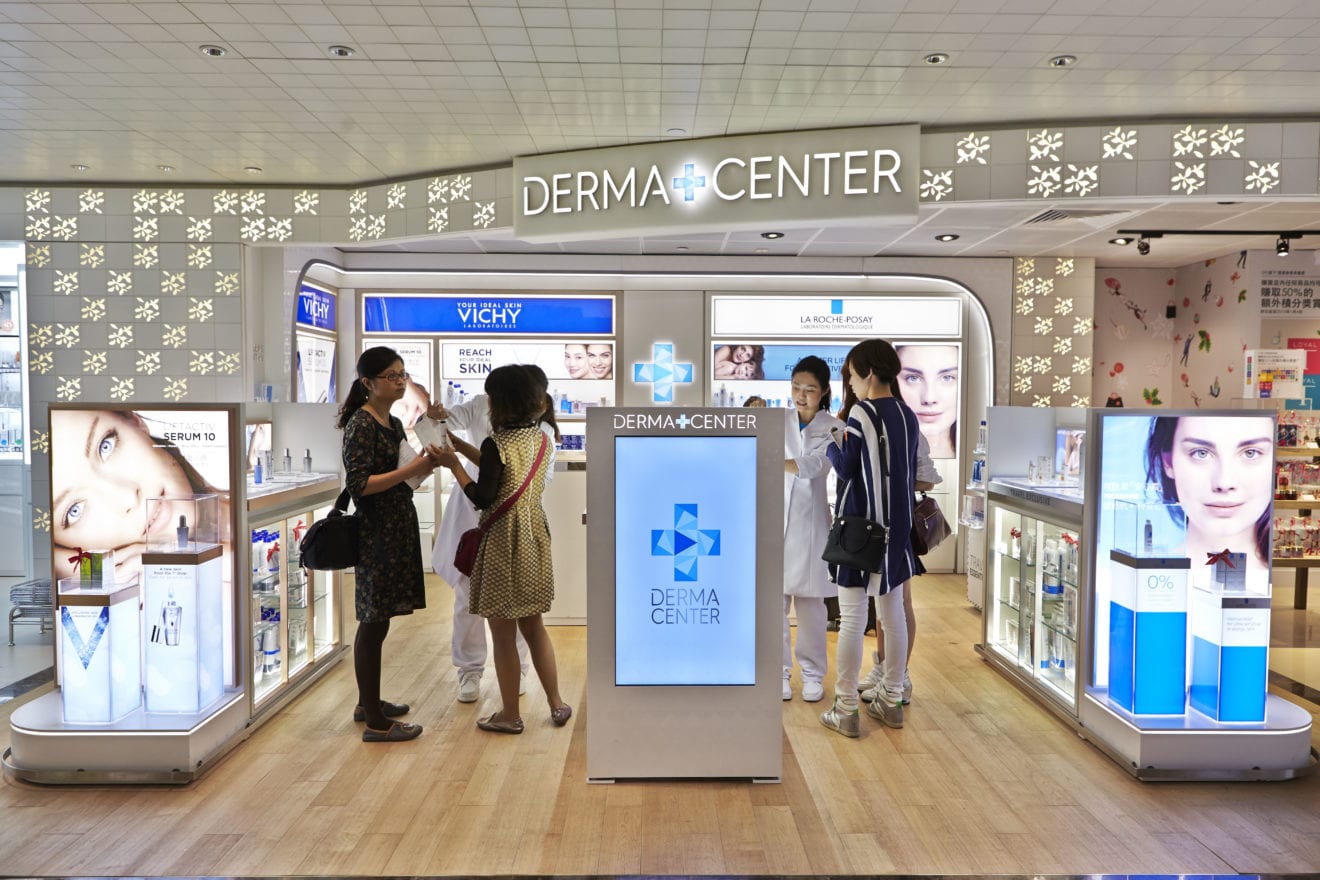
    The global cosmetics player’s first Asia based Dermacenter opened in Hong Kong in 2014 which has led to the launch of several others including; Haitang Bay, Iguazu downtown with London Supply, Bangkok (two stores), Hong Kong-Hysan and Seoul with Lotte Duty Free.

    According to L’Oréal, these stores provide a good opportunity for travelling consumers to gain access to brands like Vichy, Aqualia Thermal and LiftActiv, and La Roche-Posay, Tolériane and Effaclar.

    The Travel Retail Division was expanded in 2013 with company CEO Jean-Paul Agon commenting: “Travel retail is a key channel for winning over one billion new consumers. This market, present around the world, could be considered a ‘sixth continent.’”

    Travel Retail

    L’Oréal has been present in the travel retail market since the 1960s with L’Oréal Luxe, positioning L’Oréal Paris in the space in the last decade, and The Body Shop in the last few few years.

    Travel Retail, which represents all products sold in the travel distribution channel caters to over 2.4 billion international travellers every year, with Beauty occupying the one category in the market, where L’Oreal is seen as a leader in the field, holding a 21.3% market share in 2013.

    “By meeting consumers’ beauty aspirations, whatever their nationalities, beauty rituals or purchasing power, L’Oréal Travel Retail plays a strategic role in conquering new consumers who will pursue their experience with our brands in their home countries,”  Nicolas Hieronimus, president Selective Divisions said in 2014.

    “The launch of Vichy, La Roche-Posay and Kérastase in Travel Retail demonstrates our confidence in the huge potential of this channel. From now on, all of the Group’s major brands will have the opportunity to develop on this ‘sixth continent’.”
  • Lotte Signs Five-year Exclusive O2O Deal In China

    Lotte Signs Five-year Exclusive O2O Deal In China

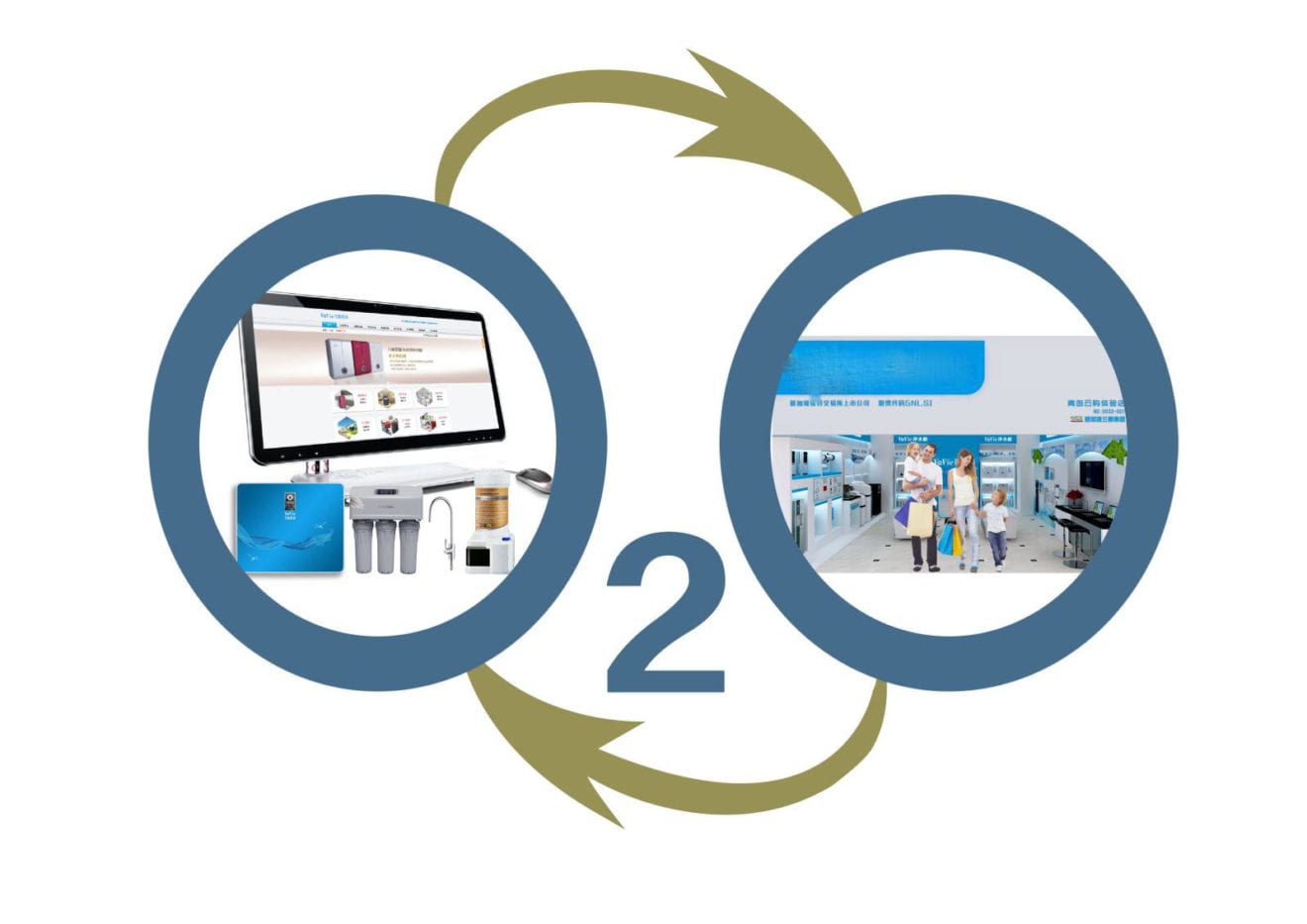
    Chinese B2C e-commerce website JD.com and South Korean retail giant Lotte.com have signed a strategic cooperation agreement and an exclusive agreement under which JD.com will become the sole strategic partner of Lotte.com in the Chinese mainland for five years.

    JD said that with the strategic cooperation agreement, Lotte Group’s products and services will enter the Chinese market via JD’s global shopping platform. In the future, the two parties will implement cooperation in tourism and service O2O.

    Global strategy is currently an important reason for Chinese e-commerce providers to team with international retailers. Lotte.com is responsible for the online sales of products and services of all subsidiaries of Lotte Group. Lotte.com will integrate Lotte Group’s branches to establish a “Lotte hall” on JD.com, covering Lotte Department Store, Lotte Mart, Hi-Mart, Lotte Duty Free, Lotte Hotel, and Lotte World.

    The “Lotte hall” will not only sell infant products, cosmetics, and fashion products, but also will offer household products and home appliances. Over the next three years, the two parties aim to expand their cooperation range to about 200,000 kinds of products.

  • Korea set to woo back Chinese tourists

    Korea set to woo back Chinese tourists

    South Korea’s retail and tourism industries are preparing a slew of promotional and cultural events to woo back Chinese tourists during a long-haul holiday season, pinning their hopes on making up for a summer slump in the wake of a viral respiratory illness, sources say.

    Since the first outbreak in late May, Middle East Respiratory Syndrome (MERS) made a big dent on domestic spending as foreign tourists canceled their planned trips during the peak summer season, while South Koreans avoided shopping centers and other crowded places in June and July.

    While the viral disease hit the tourism and retail industry hard, Chinese tourists have started to return to the once-empty streets of Myeongdong, one of the capital’s most popular shopping districts, over the past month.

    The number of Chinese travellers has increasingly recovered to the previous year’s level since late August and marked an on-year rise since mid-September, the state-run Korea Tourism Organization (KTO) said.

    About 303,000 tourists with Chinese nationality entered the nation in the first two weeks of September, rising 4.8 per cent compared with the same period a year ago, it said.

    “The number of Chinese travelers has sharply risen this month, and the number is expected to completely recover during the Chinese holiday season,” Han Hwa-joon, who oversees the KTO’s Shanghai branch, said. “The recovery pace is faster than expected.”

    Chinese Thanksgiving falls on September 26-27, and together with the Chinese National Holiday running from October 1-7, the holiday season can be extended up to 12 days.

    As the Chinese holiday season draws near, major shopping centers and duty-free operators are making all-out efforts to draw Chinese tourists to make up for a shortfall in sales amid dormant domestic spending.

    According to the KTO, 164,000 Chinese travelers visited the nation during last year’s autumn holiday season and spent 2.4 million won on average, which amounts to about 400 billion won (US$341.5 million) in total.

    During this year’s Chinese National Holiday, the tourism agency expected some 210,000 Chinese will visit the nation, up 30 per cent from a year ago, considering the pace of growth over the past three years.

    “We will host a variety of events even after the Chinese holiday to make up for the fall in tourists during the peak season from June to August,” said Seo Young-chung, a KTO official in charge of Chinese tourism.

    Lotte Department Store plans to host a variety of promotional events targeting Chinese travelers during the golden weeks, providing discounts on payments made through UnionPay, China’s largest credit card issuer, and Alipay, China’s No. 1 mobile payment application.

    Shinsegae, the nation’s leading department chain, said it will give special discounts to Chinese customers, while Hyundai Department Store also started the regular sale season earlier than usual to attract the deep-pocketed travelers.

    Operators of duty-free shops have also stepped up efforts to bring back Chinese travelers, the largest consumer group, which accounted for about 70 per cent of downtown duty-free spending last year, up from around 15 per cent in 2011.

    Lotte Duty Free, the world’s fourth-largest duty-free operator, held a travel fair in Shanghai on September 9, in which senior company officials reached out to Chinese tourism officials to attract Chinese travelers.

    Hotel Shilla, part of Samsung Group and the world’s No. 6 duty-free operator, also presented various sales promotions and tour packages during the fair along with other Samsung units, with the attendance of senior officials.

    “The Korean tourism industry has mostly recovered after the Mers outbreak came under control, and it will make a full recovery in September,” Hotel Shilla CEO Lee Bu-jin told reporters during her visit to Shanghai.

  • Shinsegae joins race for duty-free shop in Seoul

    Shinsegae joins race for duty-free shop in Seoul

    Shinsegae said it will apply for the highly competitive bid as three duty-free operating licenses are set to expire within the year. The deadline is set for Friday and the Korea Customs Service will announce the result in November.

    Currently, Lotte Duty Free, the nation’s No. 1 operator, has two stores in Myeongdong, a major shopping district, and the affluent Gangnam region, and SK Networks Co., a trading and hotel unit under SK Group, has a store in the Sheraton Grand Walkerhill Hotel in the southeastern part of the capital.

    Separately, Shinsegae will renew its operating license for Paradise Duty Free in the southern port city of Busan as its current license also expires in December.

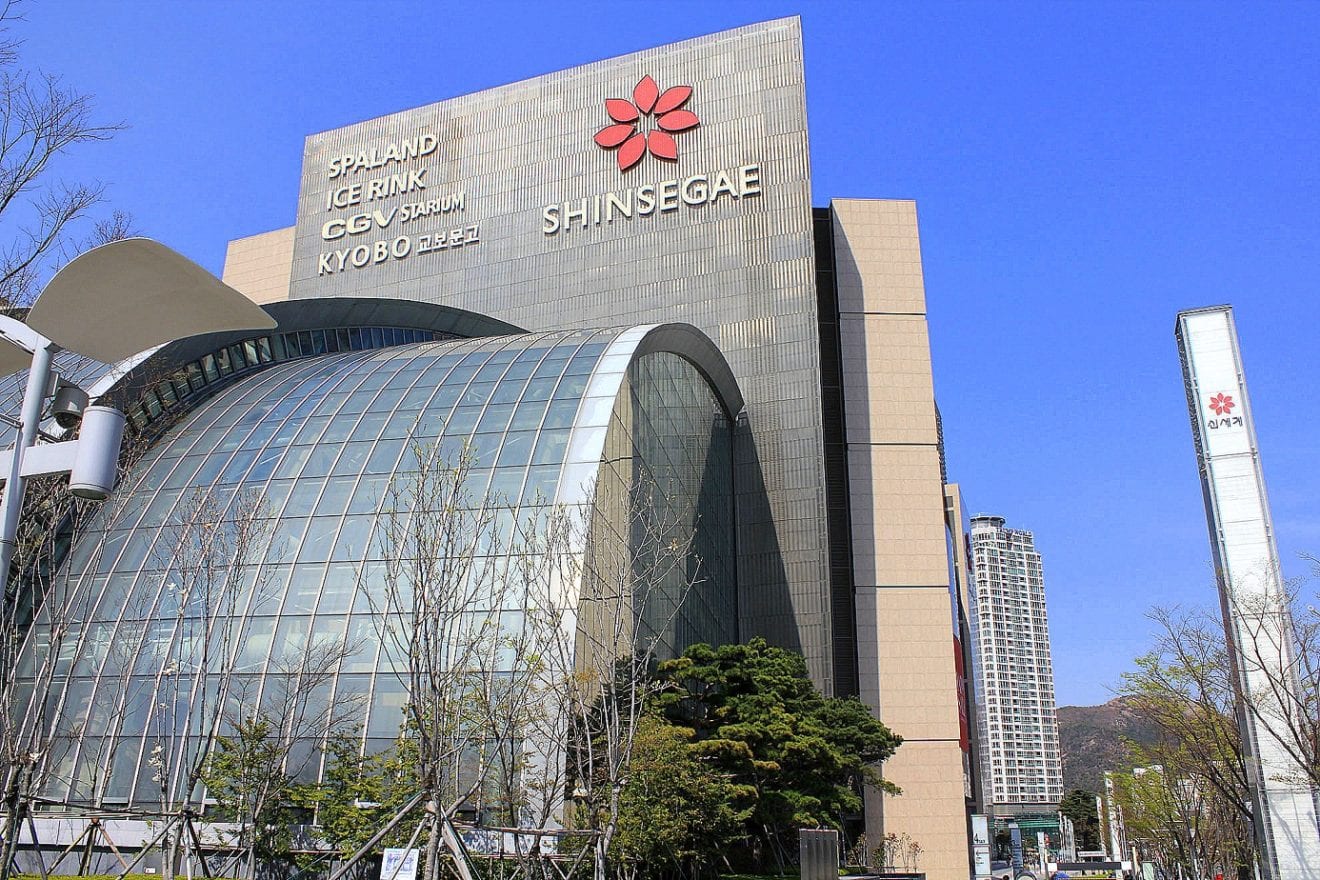
    “We will propose a multi-complex shopping mall in Myeongdong, the nation’s No. 1 tourist attraction,” said Sung Young-mok, who is in charge of Shinsegae’s duty free business. “For Busan, we will relocate the duty-free shop to Shinsegae Centum City to recreate it as Busan’s tourism icon.”

    It is the second bid this year after Shinsegae applied for a new license in May, proposing to renovate its landmark outlet in Myeongdong. The building, established in 1930, was home to the country’s first department store.

    If it wins the bid, the retail giant will be opening its first duty-free store in downtown Seoul.

    The bid is seen as a major opportunity for local retailers who are in search of new cash cows amid lackluster domestic demand. Duty-free stores have emerged as one of the most lucrative retail channels in tandem with a sharp influx of deep-pocketed shoppers from China.

    Last year, the six duty-free stores across the capital, mostly dominated by Lotte, posted combined sales of 4.4 trillion won (US$4 billion). Sales by a Lotte Duty Free branch in the Myeongdong area accounted for a whopping 45 percent of the total.


  • Chinese couples spend big in Korea

    Chinese couples spend big in Korea

    Korea is becoming a major destination for young Chinese couples looking to splurge on expensive items for their upcoming marriages.

    Chen Yi, 34, and Chai Xuefang, 30, who recently visited Seoul from Shandong province, China, are typical of the growing number of couples who are sparing no expense to make their big day special.

    The two bought two Vacheron Constantin wristwatches worth 100 million won ($84,350) each at the Hyundai Department Store in Apgujeong, southern Seoul. They also bought a two-carat diamond ring for 60 million won.

    “A lots of Koreans are preparing for their weddings at Cheongdam-dong [near Apgujeong in the posh Gangnam District],” said soon-to-be-wed Chai. “We plan to get wedding consulting [here in Seoul] exclusively for Chinese people.”

    Another Chinese couple, Yang Xiaoliang, 30, and his fiance Xu Jingjing, 27, last month bought a 10 million won Thom Browne suit for men and two Rolex wristwatches for the couple worth 150 million won each at the same Hyundai Department Store in Apgujeong. They purchased the items ahead of a wedding photo shoot at a studio in Cheongdam-dong.

    The Korean retail and hotel industry is taking notice of the growing number of Chinese couples who are spending big in Seoul to prepare for their weddings.

    They have become major customers who are spending large on high-end wedding gifts, including jewelry, wristwatches and designer suits and dresses. Majors stores are already catering to the growing demand.

    Hyundai Department Store’s Apgujeong branch plans to provide a wedding consulting program exclusively for Chinese couples, and have already enhanced other services for young Chinese customers. Since last month, they have provided a free delivery service where electronic appliances and furniture purchased by Chinese couples can be dropped off at their front door in China. The service has a limit of 30 kilograms (66 pounds) per person.

    Lotte Duty Free recently started a service where items purchased at its shops can be delivered from the Chinese airport to their homes.

    “We get a lot of inquires from Chinese tourists who come to Gangnam [District] to get wedding consulting,” said Lee Hyun-sook, a foreigner-exclusive concierge at Hyundai Department Store. “They shop after asking every detail, such as which brand Koreans most prefer for their own wedding gifts.”

    China Union Pay credit card purchases made by Chinese on imported brands such as Tiffany’s and Cartier soared 91.3 percent in the first eight months of this year compared to the same period last year at Hyundai Department Store. Purchases on furniture, electronic appliances and household goods saw a huge growth of 134.1
    percent.

    Shinsegae Group is widening its marketing strategy to attract soon-to-wed Chinese couples in its department stores and other major affiliates, including its discount store E-Mart and its hotel business Westin Chosun.

    Shinsegae Group invited two couples from Shenyang and Tianjin to Seoul, where they will get a wedding photo taken at the Cheongnam-dong studio that took wedding pictures for famous Korean actresses Jun Ji-hyun. They will also get the chance to experience a traditional Korean wedding ceremony at the Westin Chosun Hotel and shopping at E-Mart and the retail group’s other outlets. The cost is 15 million won per person.

    “We plan to secure the lead in grabbing Chinese couples visiting Korea to get wedding services during the most popular wedding seasons for the Chinese, which starts this month and leads up to the end of the year,” said Shinsegae CEO Jang Jae-young.

    Wedding gifts, including high-end wristwatches, jewelry and designer bags, accounted for 60 percent of all sales made by Chinese tourists at Shinsegae Department Store during China’s May Day, from April 25 to May 3.

    Hotels are also recognizing the growing trend.

    Plaza Hotel last month introduced a wedding package where a hopeful groom can make a proposal at the hotel’s restaurant.

    The package includes a studio wedding photo shoot that comes with makeup from a company that many Korean female celebrities like Han Ye-seul and Han Hyo-joo frequently use. The price tag on the three-day package is 7 million won including flight tickets.

    Lotte Hotel is offering a package targeted at Chinese customers that includes not only the wedding photo and makeup but also a proposal ceremony and spa. The cost for the three-day program is 11.8 million won.