Tag: loyalty programs

  • Loyalty Management Spending Hits $17.38 Billion as Platform Costs Surge

    Loyalty Management Spending Hits $17.38 Billion as Platform Costs Surge

    Global spending on retail loyalty management tools reached an estimated 17.38 billion dollars this year, up from 5.5 billion dollars in 2020, even as operational expenses rose by more than 200 percent.

    While frequent shoppers spend 12 to 18 percent more than average store visitors, analysis from Korn Ferry highlights mounting fatigue as retailers face steep technology costs that complicate returns on complex app-based reward systems.

    The Rising Cost of Digital Points

    Running a modern loyalty scheme requires substantial capital. Retailers now buy dedicated software stacks, maintain integration with point-of-sale hardware, and pay ongoing fees for automated communication engines. These platform expenses rose more than 200 percent over the past six years. At the same time, consumers face friction from multi-step point activations, short redemption windows, and restrictive product exclusions that dilute the original incentive.

    Korn Ferry data shows that four out of five elite frequent fliers feel unrecognised by their airline programmes, pointing to similar fatigue across retail store chains. Many shoppers treat points programmes as simple commodities or gamify them to extract discounts on third-party products without building direct brand allegiance.

    Loyalty programs have become a mathematical game to maximize revenue that has little to do with loyalty.

    Shifting Value for Regional Operators

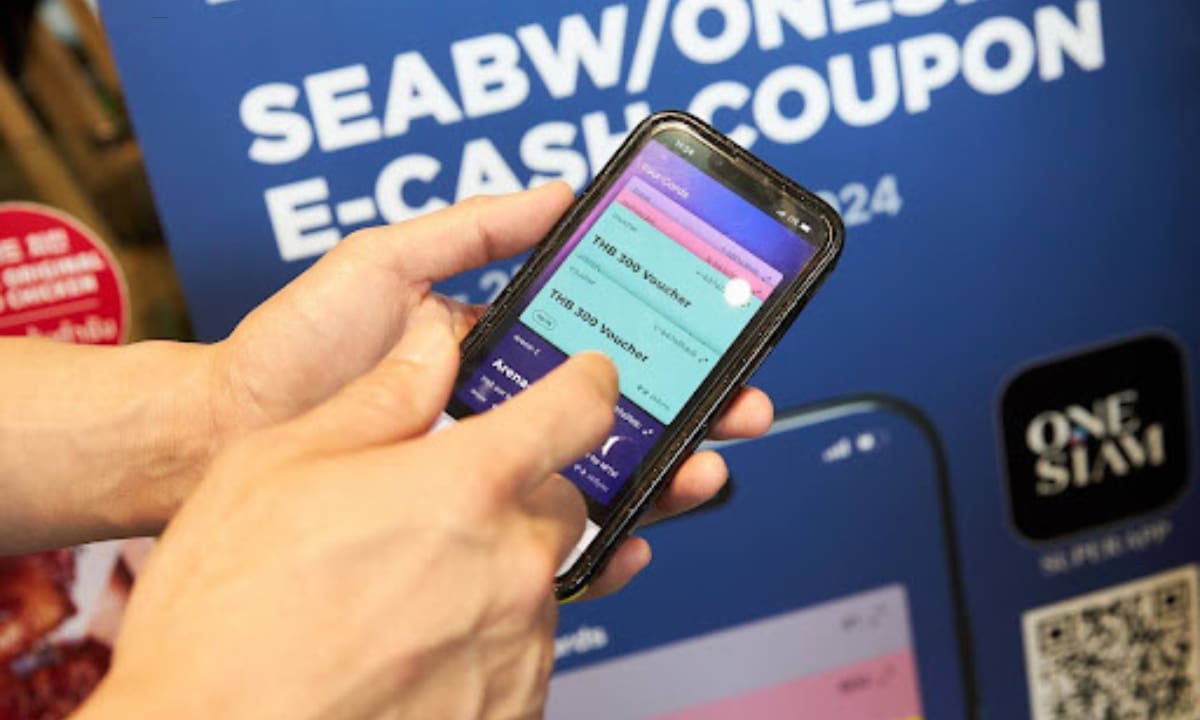
    Retailers across the Asia-Pacific region spent the last five years retiring physical stamp cards in favour of proprietary mobile applications. Department stores, pharmacy chains, and beauty retailers added tier structures, automated notifications, and points multipliers to capture granular transaction data. Yet the operational overhead of servicing those digital platforms now squeezes store margins during a period of cautious consumer discretionary spending.

    The strategic risk rests with mid-tier operators who lack the scale to run custom artificial intelligence programmes but carry enterprise software bills. Luxury retailers outperformed broader retail segments by maintaining high-touch store interactions rather than relying strictly on automated tier discounts. Mass-market merchants that rely purely on discounting points risk training customers to shop only on margin-eroding promotions.

    Automation Replaces Personal Touch

    Before the current wave of app consolidation, merchants relied on simple reward systems with immediate redemption. As software vendors expanded loyalty platform capabilities, programmes grew into distinct profit centres, selling customer data and co-branded financial products. This financialisation created multi-layered rulebooks that alienate core customers while customer service desks shifted to automated chatbots.

    Enterprise software budgets for retail marketing stacks will face their next formal audit cycle in the first quarter of 2027, when operators renegotiate multi-year platform contracts against actual member retention rates.

  • Only 50% of Australian Loyalty Program Members Actively Use Accounts

    Only 50% of Australian Loyalty Program Members Actively Use Accounts

    A record 93 per cent of Australian consumers hold loyalty memberships, but only 50 per cent actively used all their cards over the past 12 months, according to a 2026 survey by consultancy The Point of Loyalty.

    The Australian loyalty program market is expanding by 13.5 per cent annually toward a valuation of $1.57 billion in 2026, as rising living costs push shoppers to seek savings.

    The Scale of Inactive Accounts

    A survey of more than 800 customers across Coles, Woolworths, Aldi, IGA and FoodWorks by Edith Cowan University researchers examined why consumers join retail reward programs only to neglect them.

    Researchers Sanjit K Roy and Saalem Sadeque from Edith Cowan University found financial rewards alone fail to retain active users. Fatigue sets in quickly when redemption rules require high baseline spend, such as outlays of $2,000 to earn a $10 voucher. Shoppers abandon programs that demand excessive tracking or complicated checkout app interactions.

    Supermarket Duopoly Dominance

    Two major operators control most of the domestic membership base. Woolworths counts 14 million registered accounts in its Everyday Rewards network. Coles reports more than 9 million active members in Flybuys, which links grocery baskets with Wesfarmers-owned chains including Bunnings, Kmart and Target.

    For retail operators across the Asia-Pacific region, these enrolment numbers look impressive on paper but mask balance sheet liabilities. Unredeemed points sit as deferred revenue obligations. Inactive accounts generate zero incremental basket value. Rivals that rely on upfront shelf discounting, such as ALDI, continue to capture price-sensitive volume without funding complex points administration.

    Trust and Data Exchange

    Shoppers surrender personal details, contact lists and payment patterns in exchange for program benefits. When retail pricing feels opaque or discounts appear trivial, participation drops immediately.

    The university study identified three distinct operational levers that dictate whether a member remains active: institutional trust, relationship commitment and clearly visible return value. Programs that fail to send targeted offers lose out to straightforward discount mechanics. High-frequency users expect direct discounts on regular purchases rather than generic promotions on slow-moving inventory.

    Friction in Reward Redemption

    Security concerns also weigh on consumer willingness to maintain secondary retail memberships. Major corporate data breaches across Australia over recent years raised shopper scrutiny regarding who stores their purchase histories and contact records.

    Competition will test whether broad coalition ecosystems hold an advantage over single-banner apps. Flybuys relies on cross-category earning power across home improvement and department store networks to keep accounts active. Woolworths counters by integrating fuel, insurance and pharmacy tie-ins directly into its digital wallet ecosystem.

    Supermarket executives will watch the active redemption rate per registered member as annual retail data filings land later this year.

  • Hong Kong Bakery Brand Builds 30,000 Members Without Retailer POS Data

    Hong Kong Bakery Brand Builds 30,000 Members Without Retailer POS Data

    A century-old Hong Kong bakery and confectionery manufacturer signed up more than 30,000 loyalty members within six months by asking shoppers to scan supermarket receipts instead of relying on retailer point-of-sale data.

    Powered by the KlikNGo loyalty and CRM platform, the initiative took Gold for Best CRM Campaign at the DigiZ Awards 2026 in September after doubling repeat purchases and generating 47 per cent of the brand’s sales uplift.

    How receipt scanning bypasses the till

    Suppliers selling through Hong Kong supermarket chains, convenience stores and neighbourhood grocers have long operated with limited visibility of their end consumers. Trade promotions produce temporary sales lifts without delivering customer intelligence, while retailers typically treat transaction records as confidential. At the same time, younger shoppers have drifted toward artisanal and lifestyle food brands, weakening the impact of legacy brand familiarity alone.

    To capture shopper records directly, the manufacturer rolled out a mobile application built on the KlikNGo loyalty platform. Consumers register, buy goods at third-party retailers, and photograph paper or digital receipts. The software extracts the merchant name, branch location, purchase timestamp, payment method, and transaction number. It verifies purchases against approved retail partners while blocking duplicate claims.

    More than 10 major retail chains in Hong Kong are covered by the system. Members redeem accumulated points for tier perks, vouchers, gifts, and lucky draws. Outlet staff validate reward vouchers in real time using a separate merchant app, eliminating any need to integrate with supermarket registers.

    Customer profiling and media returns

    App downloads crossed 23,000 within three months of rollout. Shoppers uploaded more than 30,000 receipts over five months. Member mission completion rates hit 85 per cent, supplying profile details, purchase occasions, and product preferences to turn raw receipt data into targeted first-party segments.

    Direct data reshaped advertising spend. Targeted promotions to verified buyers improved media efficiency by 49 per cent. That allowed the brand to direct ad budgets against known consumption habits rather than buying broad demographics across Hong Kong media channels.

    The shift in supplier use

    Packaged goods makers across Asia face an altered balance of power with physical grocery giants like Dairy Farm and AS Watson. When brands collect store-level purchasing intelligence independently, trade marketing budgets move away from retailer listing fees and end-cap slots. Funds shift directly into proprietary engagement channels.

    Customer friction remains the primary operational risk. Asking shoppers to photograph physical receipts demands higher rewards than swiping a loyalty card at checkout. Redemption costs rise if mission completion drops or rewards fail to compensate for the manual step.

    Industry recognition followed the rollout. The initiative won Gold for Best CRM Campaign at the DigiZ Awards 2026, while platform provider KlikNGo took Bronze for Best MarTech for CRM. KlikNGo presents the Hong Kong case study at the Digital Marketing Asia conference in Singapore on September 22.

  • ShardLab Backs StoreHub to Roll Out Payment-Linked Merchant Rewards

    ShardLab Backs StoreHub to Roll Out Payment-Linked Merchant Rewards

    Singapore-based venture studio ShardLab has made an undisclosed strategic investment in StoreHub to build payment-linked rewards products across Southeast Asia, the companies said on Wednesday.

    The partnership gives ShardLab direct access to StoreHub’s network of more than 20,000 merchant locations across Malaysia, the Philippines, Thailand and Japan, which together process over 200 million transactions worth roughly US$3.5 billion annually.

    Alongside the equity investment, the two firms will establish a joint venture to build consumer payment and loyalty software. The products aim to tie merchant promotions directly to payment processing rather than relying on separate stamp cards or third-party apps.

    Plugging loyalty into payment hardware

    ShardLab operates as the innovation arm of South Korean blockchain investment firm Hashed, established through a partnership with Thai financial group SCBX. The venture studio develops programmable loyalty systems designed to embed rewards rules directly into point-of-sale transactions.

    For small restaurants and boutique retailers, managing fragmented payment options, ranging from cash and bank transfers to QR codes and mobile wallets, often makes running structured loyalty programmes impractical. StoreHub sells cloud-based point-of-sale hardware and management software that consolidates sales, inventory and ordering for small businesses.

    StoreHub chief executive Wai Hong Fong said the joint venture is part of a broader push to automate merchant operations, including rebuilding the core platform around artificial intelligence tools to handle demand forecasting and staff scheduling.

    Distribution over experimental software

    Point-of-sale software providers across Southeast Asia are competing to control the merchant checkout counter. StoreHub contends with regional competitors including Singapore-based Qashier and Oddle, Indonesia’s iSeller, and global platforms such as Block and Lightspeed.

    While blockchain and Web3 developers have spent years running digital loyalty pilots, most failed to scale because they required separate consumer onboarding or complicated checkout steps. Tying reward issuance directly to StoreHub’s existing register hardware removes friction for both shop staff and shoppers during peak business hours.

    The joint venture partners plan to roll out their first joint payment and rewards features in select Southeast Asian markets before expanding across StoreHub’s regional store network.

  • Adore Beauty Expands Physical Network to 20 Stores in Omnichannel Shift

    Adore Beauty Expands Physical Network to 20 Stores in Omnichannel Shift

    Adore Beauty opened 13 physical stores during fiscal 2026. The Melbourne online retailer now has 20 locations across Australia.

    This expansion more than doubled its brick-and-mortar footprint. The brand had operated primarily as a pureplay digital platform for 26 years.

    Store Rollout Across Two Banners

    Openings included 11 flagship Adore Beauty storefronts and two locations under the IKOU brand. Group management committed tens of millions of dollars during the year to fund retail leases, supply chain infrastructure and expanded warehouse capacity.

    Those physical storefronts trade alongside the digital platform. Customer retention efforts helped expand the Adore Rewards loyalty program to 538,000 active participants during the financial year.

    Shifting Channel Economics

    Pureplay online beauty retailers across the Asia-Pacific region face climbing digital customer acquisition costs. Physical networks give digital operators direct access to foot traffic and higher-margin basket sizes, mirroring omnichannel rollouts across regional markets.

    Another five physical stores are scheduled to open as the company builds out its national retail pipeline.