
Tag: lux

  • Singapore’s Luxury Market Expected to Soar to $10.9B in 2023, Thanks to 242,000 Millionaires

    Singapore’s Luxury Market Expected to Soar to $10.9B in 2023, Thanks to 242,000 Millionaires

    Singapore’s luxury retail market is poised for a remarkable rebound, with projections indicating a 7% growth from last year, according to Bloomberg, which cites data from analytics firm Euromonitor International. This upward trend could lead the city-state back to its pre-pandemic luxury sales peak of S$14.7 billion by 2026. Notably, in the previous year, Singapore’s luxury sales growth was only second to Japan among countries monitored by the firm.

    New Players in the Spotlight

    As consumer demand escalates across various luxury segments, brands are increasingly enhancing their presence in Singapore’s bustling market. French jeweler Van Cleef & Arpels opened an exhibition space, Les Jardins Secrets, at the Raffles Singapore hotel last February, a move that garnered attention, as reported by the Financial Times. Similarly, luxury watchmaker Audemars Piguet launched AP House, its first flagship in Southeast Asia, also at Raffles, which has been decorated to resemble a lavish apartment and even features the brand’s inaugural café, merging Swiss cuisine with local inspirations.

    A Beauty Boom

    In a parallel move, Raffles City mall has been aggressively courting the luxury beauty market by organizing substantial pop-up events that showcase 21 coveted brands, including Chanel, Dior, and Gucci this year. The charm of the mall is that, despite Singapore’s compact size—just 280 square miles with a population of around six million—it ranked third in luxury store openings last year among 32 Asia-Pacific cities, excluding mainland China, as revealed by real estate firm Savills.

    A Hub for the Affluent

    Singapore’s appeal to affluent individuals and luxury brands lies in its stability and welcoming business policies, factors that have facilitated the city’s evolution into one of the wealthiest nations globally. The World’s Wealthiest Cities Report 2025 by consultancy Henley & Partners places Singapore as the fourth wealthiest city worldwide, boasting 242,400 millionaire residents, including 333 centi-millionaires and 30 billionaires. Over the past five years, median household employment income has steadily increased, further complemented by a rise in tourism spending.

    Shopping Spree on the Rise

    International visitors brought S$3.9 billion to the local retail sector from January to September 2024, representing a 5% boost from the previous year, according to The Straits Times. These dynamics have crafted the city-state into a beacon for high-end brands seeking a strong foothold and a launchpad into the Southeast Asian market, especially as China’s economic slowdown casts shadows over the global luxury landscape. Jonathan Siboni, founder and CEO of consultancy Luxurynsight, articulated this, stating, “Singapore has proved to be a very stable place for wealthy people,” dubbing it “an oasis in the desert” for luxury markets.

    Challenges on the Horizon

    Nonetheless, this luxury boom may encounter hurdles soon. Henley & Partners projects that Singapore will see a net inflow of 1,600 millionaires in 2025—a figure that is less than half of the previous year’s estimate—even as record numbers of wealthy individuals are expected to relocate globally, as reported by The Business Times. Furthermore, although Singapore ranked fifth among global alpha cities for new luxury store openings, a recent Savills report warns that limited real estate options might stifle future growth and expansion for these luxury brands. “The available real estate for luxury brands remains limited, which could somewhat inhibit the growth and expansion of luxury brands in the city in the near future,” noted Sulian Tan-Wijaya, Savills Singapore’s executive director of Retail & Lifestyle, according to Singapore Business Review.

    Local Enthusiasm for Luxury

    Currently, the luxury marketing wave resonates well with local consumers. Among them is 22-year-old Chloe Liem, an avid collector of exquisite jewelry from established houses like Van Cleef & Arpels and Cartier. “Even though I know luxury items are crazily marked up, I recognize I’m paying for the experience and feeling of the brand,” Liem explained. “I feel confident splurging on these items because I enjoy it.” While some may call it indulgence, to Liem, it’s simply an investment in joy—a sentiment that highlights the emotional connection consumers have with luxury goods.

    Questions & Answers

    What is driving Singapore’s growth in the luxury retail market?
    Growing consumer demand, international tourism spending, and strategic brand expansions are key factors propelling Singapore’s luxury retail growth.

    How does Singapore’s luxury market compare to other Asian cities?
    Singapore is ahead of regional rivals such as Japan, China, and South Korea, ranking third in luxury store openings in the Asia-Pacific, excluding mainland China.

    Are there challenges facing Singapore’s luxury market?
    Yes, projections indicate a decline in the net inflow of millionaires in 2025, and limitations in available real estate for luxury brands could restrict future expansion.
  • Dior creative director Maria Grazia Chiuri steps down

    Dior creative director Maria Grazia Chiuri steps down

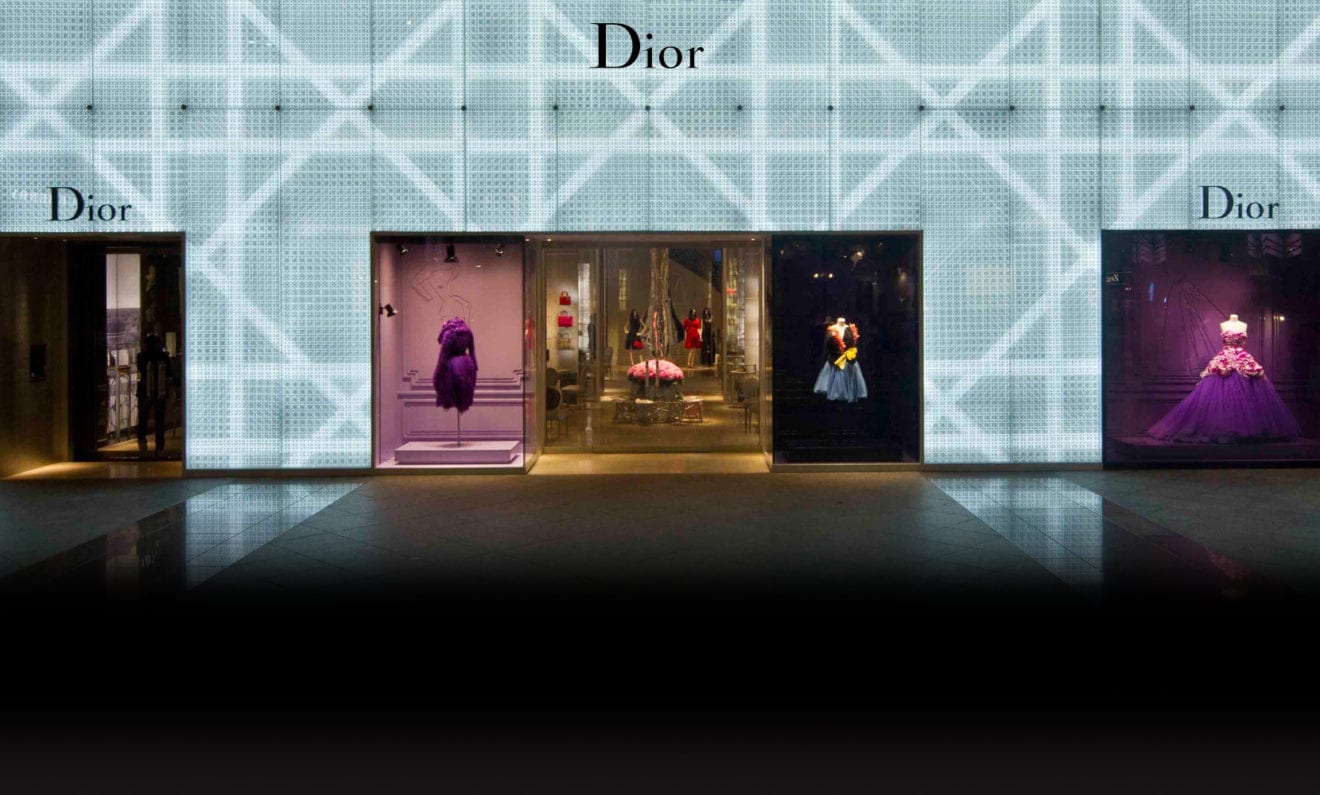
    Maria Grazia Chiuri, the first woman to assume the role of creative director of women’s collection at Dior, has stepped down, marking one of the significant changes triggered by the LVMH board in the brand.

    Chiuri, who brought a powerful feminine touch to the brand, joined Dior in 2016, establishing a strong presence in the industry. Her final act as creative director was to oversee the Dior cruise fashion show in Rome earlier this week.

    Prior to her tenure with Dior, Chiuri brought her unique design insights and feminist approach to notable fashion powerhouses like Valentino and Fendi. Her impact was immediately felt at Dior, as seen in the collection she introduced during her inaugural show.

    Delphine Arnault, the chairman and CEO of Christian Dior, recognized Chiuri’s substantial contribution to the brand. He commented, “She has left an indelible mark on the history of Christian Dior, significantly boosting its growth and becoming the first woman to spearhead the creation of women’s collections.”

    Dior has not yet announced who will succeed Chiuri in her trailblazing role. However, Jonathan Anderson, who recently vacated the position of creative director at Loewe, has been named Dior’s menswear creative director. Fashion enthusiasts are eagerly anticipating his first collection, which will be unveiled on June 27 during the Paris Fashion Week.

    Questions & Answers

    What position did Maria Grazia Chiuri hold at Dior before her resignation?
    Maria Grazia Chiuri was the creative director of Dior’s women’s collection.

    Who has been appointed as the new menswear creative director at Dior?
    Jonathan Anderson, the former creative director at Loewe, has been appointed as the new menswear creative director at Dior.

    When can we expect Jonathan Anderson’s first collection to debut?
    Jonathan Anderson’s first collection for Dior is scheduled to debut on June 27 during the Paris Fashion Week.

  • Hugo Boss the latest lux brand to launch resale offer

    Hugo Boss the latest lux brand to launch resale offer

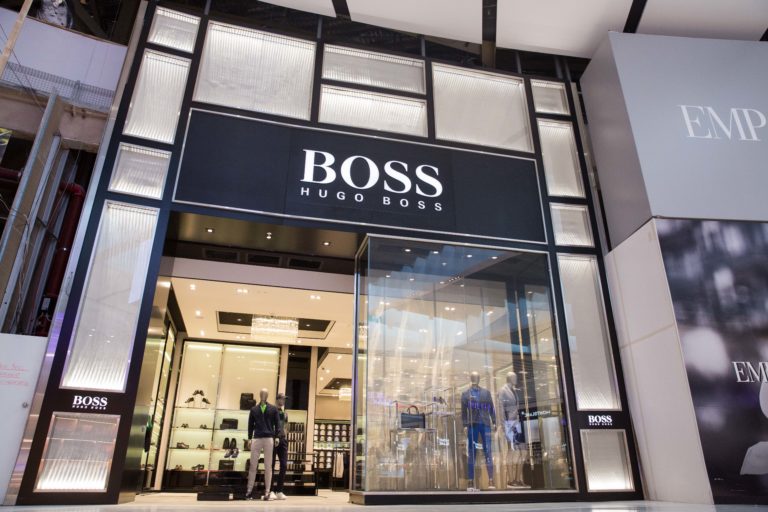
    Luxury fashion brand Hugo Boss has committed to a premium resale platform, which is set to launch in the third quarter of this year, encouraging customers to buy pre-owned items.

    According to the company, resale is a fast-growing market that helps reduce the fashion industry’s impact on the environment. Hugo Boss expects the initiative to extend its products’ life cycle and help limit its resource consumption.

    The online platform allows customers to return their used items to Hugo Boss in return for a credit that can be spent online on new or pre-owned items, or in-store. After a quality check, the pre-owned products will be sold on Hugo Boss Pre-Loved and ready for their second life in a new wardrobe.

    In addition, Hugo Boss will also launch a care and repair service to help customers cover the repair of their clothes and ensure the items can last longer.

    These are parts of Hugo Boss’s broader strategy unveiled on Earth Day to enhance its circular business model. The German fashion house also reports its circular products must meet three requirements: being made from renewable or recycled materials, being fully recyclable, and designed for longevity.

    “The high quality of our products allows them to have several lives, and our entry into the growing resale market is a natural step for us as a company,” said Heiko Schafer, COO of Hugo Boss.

  • Indonesia targets higher taxes for imported luxury goods

    Indonesia targets higher taxes for imported luxury goods

    Indonesia is planning to impose a higher luxury tax for imported retail goods in its latest attempt to dampen domestic consumption in Southeast Asia’s biggest economy, an official at the finance ministry said today.

    The G20 economy has been struggling to stabilise its external balance sheet, due to persistently high imports and weak structural reforms, which is putting downward pressure on the ailing rupiah currency.

    “For our luxury tax, there are other goods that will be subject for harmonisation — consumer goods,” Deputy Finance Minister Bambang Brodjonegoro said on the sidelines of a Thomson Reuters conference.

    The government in August announced a fiscal package, which include a higher luxury tax on imported cars, to reduce imports.

    The new increase would be significant, said Brodjonegoro, who was unable to give further details on current or the new luxury goods tax plans.

    “Likely, clothes (and) bags,” he added, when asked which luxury items would be hit by the new tax.

    Since June, Bank Indonesia has raised its benchmark reference rate by a total of 175 basis point to discourage lenders from expanding too aggressively.

    Despite intervention by the central bank, the rupiah fell to above 12,000 per dollar in today’s trade.

    Indonesia’s finance ministry is expected to announce further details on the new import taxes soon, including increasing taxes for certain foodstuffs and goods.