Tag: luxury cars

  • BYD Unveils Yangwang Altior Sedan Priced at 2.08 Million Yuan

    BYD Unveils Yangwang Altior Sedan Priced at 2.08 Million Yuan

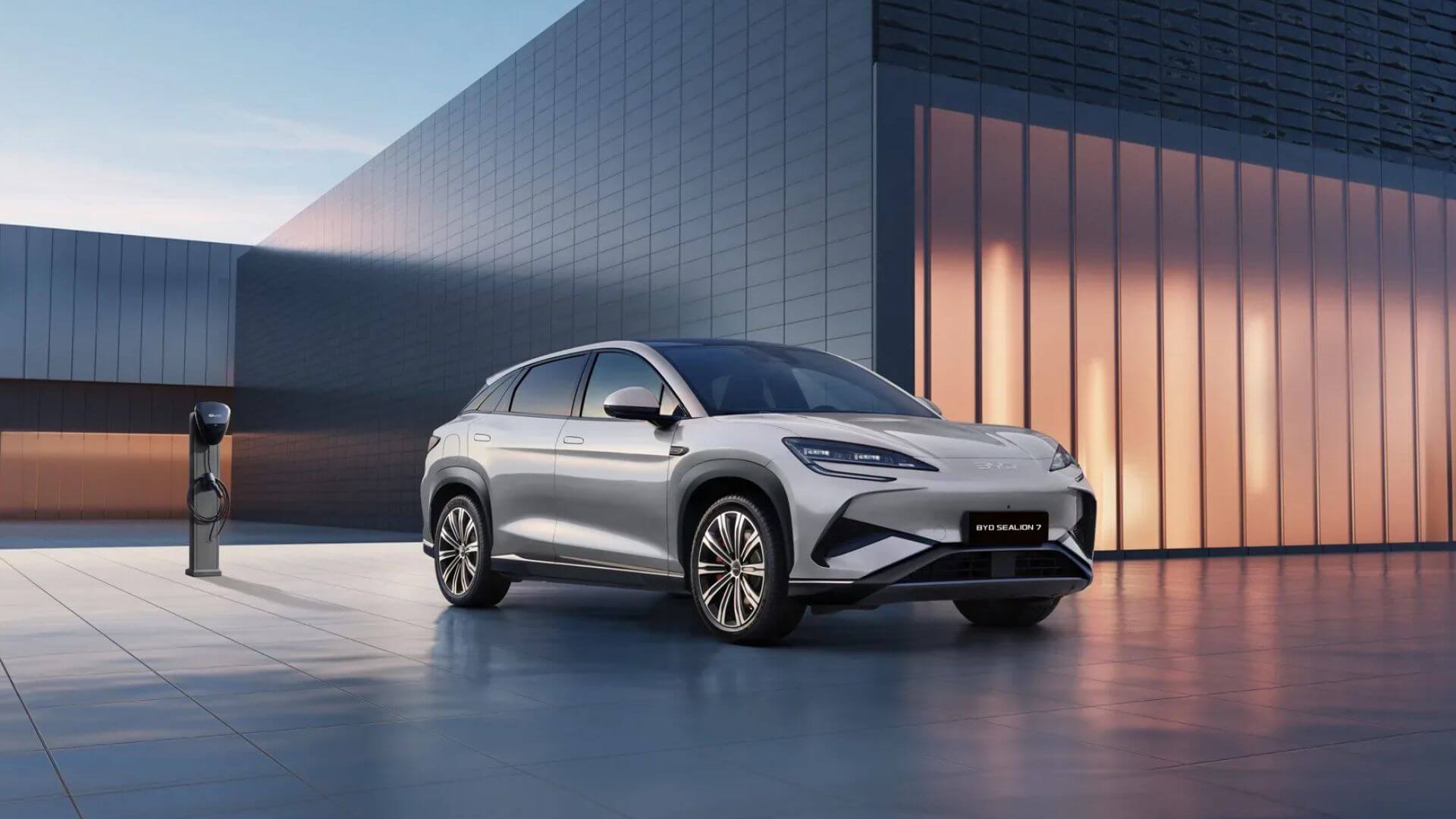
    BYD’s ultra-luxury marque Yangwang unveiled its flagship Altior executive sedan in Abu Dhabi on Saturday, opening pre-orders for a limited production run expected to cost 2,080,000 yuan.

    Securing an allocation for the initial four-seat “Shanhe Dingyun” edition requires a 300,000 yuan ($44,660) deposit from buyers in China, with total global deliveries capped at 399 units.

    A subsequent five-seat version will join the lineup later as BYD targets market share held by traditional benchmarks including the Maybach S-Class and Bentley Flying Spur.

    Cabin appointments and dimensions

    The vehicle measures 5,600 millimetres long, 2,030 millimetres wide, and 1,590 millimetres tall, with a wheelbase stretching to 3,500 millimetres. Coach doors open outward to nearly 90 degrees to clear passenger access, incorporating integrated umbrella compartments inside the door structures.

    Two individual rear seats sit divided by a central console, configured with integrated leg rests, champagne glass storage, and a dedicated rear command interface. Symmetrical woodwork, metal accents, diamond-quilted upholstery, and electric privacy sunshades finish the interior. The Shanhe Dingyun edition pairs brown rock and white jade cabin colours with Hetian jade air vent inlays, aramid fibre door panelling, gold speaker grilles, and cloud-patterned emblems.

    Powertrain and battery engineering

    BYD installed its second-generation Blade Battery in the chassis alongside high-output flash-charging systems designed to cut station dwell times. Chinese light-duty test cycle (CLTC) testing yields a driving range exceeding 1,000 kilometres on a single cycle.

    Yangwang has withheld whether the drivetrain relies solely on traction batteries or includes an internal combustion range extender. The exterior uses a two-tone paint treatment over enclosed aerodynamic wheels, floating centre caps, and a dot-matrix gemstone grille framed by Yangwang’s tripod-style front fascia.

    Competition in the top tier

    Choosing Abu Dhabi for the vehicle rollout confirms Yangwang’s intent to sell directly against the Bentley Flying Spur and the Maybach S-Class in high-net-worth hubs across Asia and the Gulf. Ultra-luxury margins provide substantial cash cover, yet buyers in the two-million-yuan segment historically demand generational brand heritage alongside mechanical performance.

    Convincing institutional fleets and chauffeured executives to abandon German and British badges remains an uphill commercial task. The limited run of 399 cars caps early inventory exposure, letting BYD test buyer price tolerance before ramping volume configurations.

    Sales scale and pipeline

    Hu Xiaoqing, general manager of Yangwang’s sales division, previewed the project under internal codename HU on October 21. The vehicle follows the brand’s earlier launches, including the U7 sedan and the four-seat U8L Dingcang Edition sport utility vehicle released in August.

    Scale across the marque remains narrow, with Yangwang delivering 3,546 vehicles through the first ten months of 2026. The production run now heads toward an unpriced five-seat Altior variant scheduled to enter commercial distribution once initial Shanhe Dingyun deliveries conclude.
  • Toyota to Expand ¥27 Million Century Luxury Brand Globally

    Toyota to Expand ¥27 Million Century Luxury Brand Globally

    Toyota Motor is preparing to expand sales of its ultra-luxury Century badge beyond Japan. The nameplate was historically reserved for domestic heads of state. Now, Toyota is positioning it above Lexus in international showrooms.

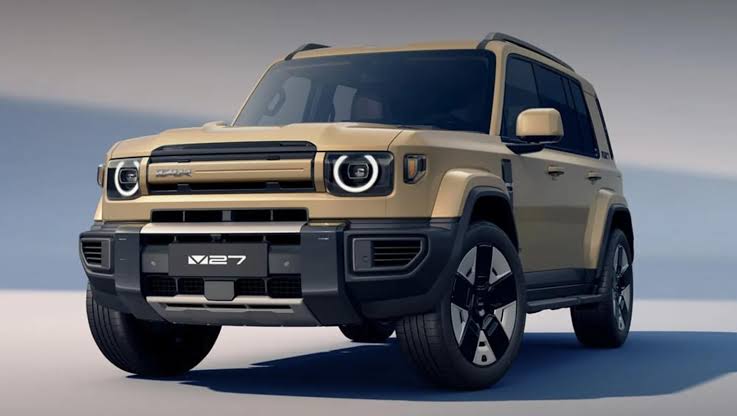
    The rollout follows the introduction of a Century sport utility vehicle priced from ¥27 million ($171,651) in Japan. Annual Century deliveries there dropped to roughly 500 units last year from 1,700 cars in 1997.

    Shipments of the Century SUV have already started to mainland China, alongside small export volumes to select markets in Asia and the Middle East. Executive leadership is now assessing wider entries, including North America. Chairman Akio Toyoda recently appeared at the Automotive Hall of Fame in Detroit in a custom Century SUV fitted with gold badging and bespoke trim.

    Building a Tier Above Lexus

    Carving out Century as a standalone crown brand resolves an internal ceiling that capped Lexus for decades. Lexus competes against volume luxury producers such as BMW, Mercedes-Benz and Audi. Yet it has struggled to justify price tags above $150,000 on standard production lines. Placing Century at the top allows Toyota to enter the ultra-luxury bracket without disrupting Lexus fleet and retail sales.

    Work on the shift began in October 2025 when Toyota unveiled a Century coupe concept at the Japan Mobility Show. Toyota then launched an English-language portal and opened a dedicated brand exhibition space in downtown Tokyo in March. The structure mimics European automotive groups by separating mass luxury from low-volume coachbuilding.

    Dealership networks and regional importers across Asia face a distinct retail model. Century models remain partly handmade, using traditional Japanese craftsmanship like Nishijin-ori brocade weaving and urushi lacquer trim. Output is tight. Because artisanal lines limit production, dealers will handle Century through bespoke allocations rather than standard floor inventory.

    Pricing Against European and Chinese Competitors

    Entering this tier puts Toyota against established European marques and aggressive Chinese electric vehicle makers. At ¥27 million, the Century SUV undercuts traditional benchmarks. The Bentley Bentayga starts near $230,000. Rolls-Royce commands base pricing around $355,000 for the Ghost sedan.

    Chinese automakers are also pushing into the bracket with software-heavy alternatives. BYD is marketing its Yangwang U8 SUV around $150,000. Meanwhile, Huawei-backed Maextro is preparing the S800 executive sedan to challenge the Mercedes-Maybach S-Class at roughly $100,000. These challengers rely on rapid software integration and extreme vehicle dynamics.

    Distributors plan to counter that tech pitch with mechanical refinement and quiet cabins. The Century nameplate dates back to 1967, giving it a pedigree newer Asian brands lack. But export networks still face a basic test: convincing overseas buyers to pay six figures for a Japanese badge with no European heritage.

    Powertrains and Production Hurdles

    Homologation presents an immediate hurdle under the hood. Historical Century sedans gained cult status through a proprietary 5.0-litre V12 engine introduced in 1997 and retired in 2017. Today’s variants rely on electrified setups. The sedan uses a V8 hybrid system, while the new SUV runs on a 3.5-litre V6 plug-in hybrid drivetrain.

    Engineers are evaluating future powertrain architectures for production iterations of the coupe concept. Automotive trade publications reported development of a modern V12 hybrid setup, but Toyota has declined to confirm specifications. Stricter emissions rules across Europe and tier-one Chinese cities make high-displacement engines costly to certify.

    Gray-market importers have already proved that international demand exists at lower price points. Under US laws exempting 25-year-old cars from modern safety rules, collectors buy 1990s V12 Century sedans through specialty dealers for around $25,000. Translating that niche enthusiasm into sales for a new $170,000 vehicle requires building elite retail infrastructure from scratch.

    The Next Steps for Export Markets

    Initial work to build global visibility started with diplomatic fleets and private previews across East Asia. The company is now gauging response from dealer groups in North America and Southeast Asia. Factory tooling for left-hand-drive variants at higher volume will wait on those findings.

    Toyota will review market feasibility studies and dealer allocation standards before presenting the Century lineup at international auto shows scheduled for 2027.

  • Toyota to Build Next Lexus EV in China Ahead of Japan Launch

    Toyota to Build Next Lexus EV in China Ahead of Japan Launch

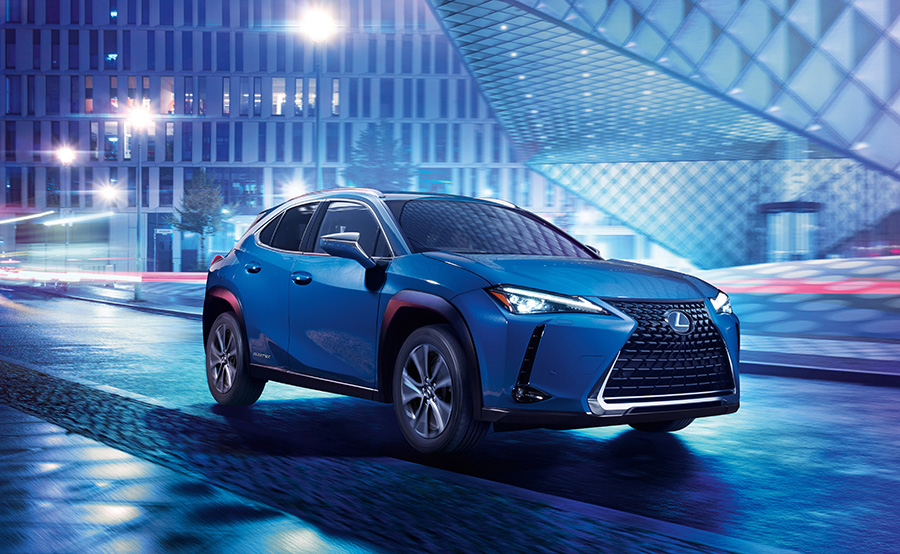
    Toyota Motor plans to manufacture its next-generation Lexus electric vehicle in China ahead of Japan, deploying gigacasting technology in Shanghai to cut production costs.

    The decision breaks with the ¥36.9 trillion automaker’s established practice of debuting new Lexus platforms at domestic Japanese assembly plants before rolling them out overseas.

    Gigacasting and Supply Chain Shifts

    Toyota will base the new manufacturing operations in Shanghai to shorten production lead times and align output with local buyers. Adopting gigacasting techniques allows the factory to cast large single-piece structural components, reducing assembly steps and altering Toyota’s global cost structure for future battery-electric models.

    Targeting China first concentrates advanced manufacturing where volume demand for premium electric cars is concentrated. The rollout forms part of Toyota’s plan to use internal battery investments and tighter plant efficiency to protect profit margins as its electrified vehicle ratio rises.

    Price Pressures in Shanghai

    Lexus contends with severe retail rivalry across China from Tesla, BMW and local electric brands that continue to push aggressive discounting across the luxury segment. Building inside China removes import overheads and shortens delivery cycles, helping the brand defend showroom pricing and aftersales service value.

    The next operational milestone will be the integration of the gigacasting lines at the Shanghai facility as Toyota works to bring the platform into commercial production without straining operating cash flows.

  • BMW expands recall on fire risk to 1.6 million diesel vehicles

    BMW expands recall on fire risk to 1.6 million diesel vehicles

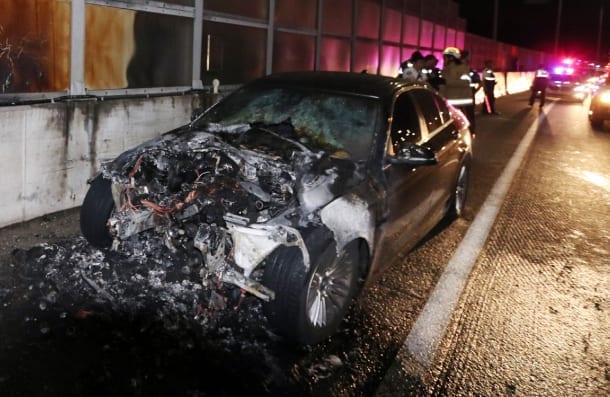
    BMW is recalling about 1.6 million diesel cars to fix a potential fire hazard in their engines, expanding repairs from just under half a million vehicles in Europe and Asia. The voluntary service action follows a BMW investigation that found coolant could leak from the car’s exhaust recirculation unit. The defect can lead to sparks while driving and cause fires in “in extreme cases,” the automaker said Tuesday in a statement.

    South Korea’s government, after reports of 40 fires this year, asked drivers to keep vehicles off roads until undergoing checks. Police also raided the automaker’s office in Seoul to probe the safety issue, after videos of cars engulfed by fire went viral.

    The vehicles affected — diesels with four- and six-cylinder engines — were produced between 2010 and 2017, BMW said.

    After the initial recall announced in August, BMW’s internal investigation found more vehicles with similar technical setups. The company said it will replace the components as necessary.

    BMW last month cut its profit forecast, blaming an increase in warranty provisions alongside trade tensions and pricing pressure.

  • Luxury cars flooding Vietnamese market

    Luxury cars flooding Vietnamese market

    From now to 2020, Mercedes Benz Vietnam plans to double its sales agent network, an important step for the luxury car manufacturer to cement its position in the Vietnamese market.

    Speaking to local mass media on December 3, Choi Duk Jun, CEO of Mercedes Benz Vietnam, said together with the expansion of product items, the enlargement of sales agents will be a strategic move that helps Mercedes increase its market share in Vietnam.

    Mercedes Benz has the highest number of sales agents in Vietnam with 12 centers throughout the country.

    Sources said Rolls-Royce, a brand of German BMW, which also owns two other strong brands – BMW and Mini — is also preparing to enter the Vietnamese market.

    Toyota Vietnam has opened an authorized agent in the central region, raising the number of total sale agents in Vietnam to 44.

    Ford Vietnam has opened an authorized agent in Binh Duong province, while it has upgraded Pho Quang branch of Sai Gon Ford into a 3S branch. It is preparing to open another showroom, belonging to Sai Gon Ford, in the central business district 1 in HCMC.

    The new centers are reported as having investment capital of VND120 billion. The number of Ford’s sales agents and service centers in Vietnam has increased to 27.

    The Vietnamese market had its highest sale growth rate of 60,000 cars in 2016 compared to 2015.

    The sale of luxury cars and sports cars also increased sharply. Mercedes led the market segment with 4,401 cars sold in 2016, an increase of 22 percent over the year before.

    Meanwhile, Lexus sold 1,665 cars, up by 73 percent. Audi, Porsche and BMW  have not revealed the sales, but reported growth.

    A source said Porsche had fulfilled its yearly sales plan in Vietnam by mid-2016.

    The sales surprised many analysts, because prices had increased sharply.

    Lexus LX570, for example, saw the price increasing from VND5.7 billion to VND8 billion, while Maybach S600 was from VND10 billion to VND14 billion. Rolls Royce Phantom price soared from VND54 billion to VND84 billion.

    Oxfarm, a non-government organization, on January 12 released a report on inequality in Vietnam, pointing out that the income gap between the richest and poorest Vietnamese people is very large. The richest Vietnamese has the daily income higher than the 10 year-income of the poorest.

    In related news, Marquardt from Germany had a working session with Da Nang authorities on its plan to set up an automobile part factory in the city.