Tag: luxury property

  • Three Seized Sentosa Cove Waterfront Bungalows Listed for $30 Million

    Three Seized Sentosa Cove Waterfront Bungalows Listed for $30 Million

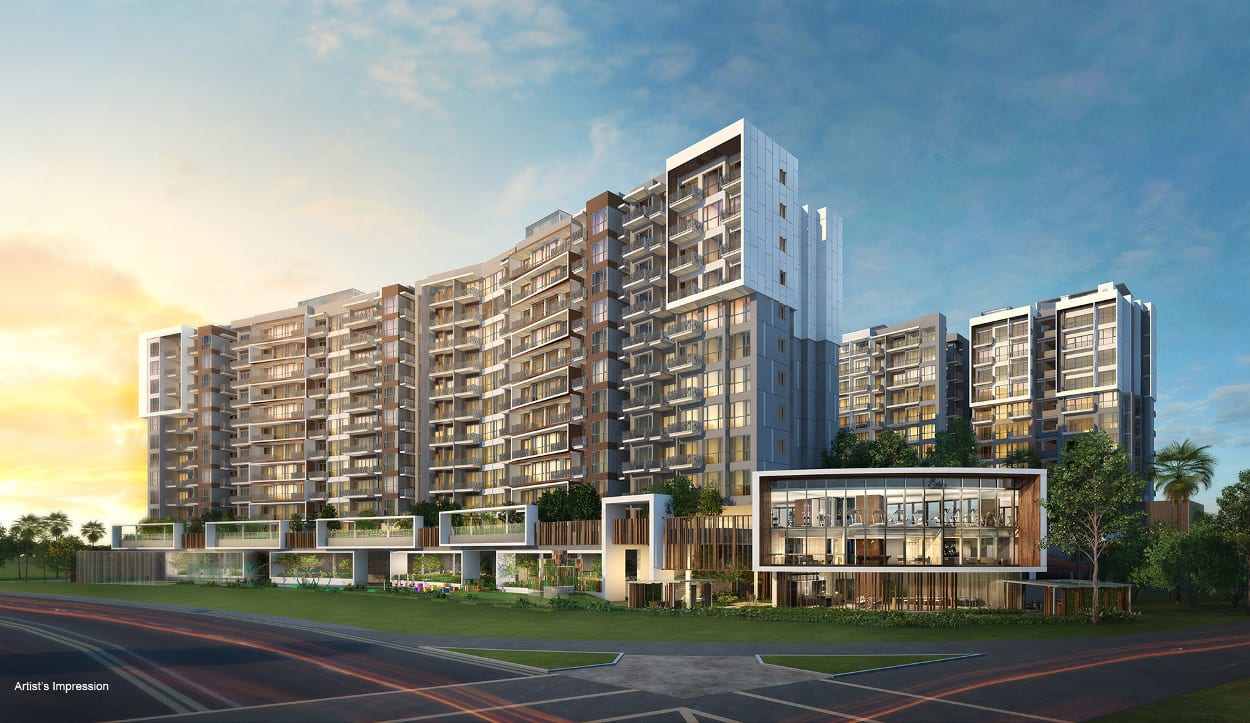
    Three waterfront bungalows in Sentosa Cove are up for sale via expression of interest with combined guide prices of S$38.48 million ($30 million). Authorities seized the properties during Singapore’s S$3 billion money laundering crackdown.

    List Sotheby’s International Realty is handling the sales. All three homes include private yacht berths. A separate 1,741-square-metre vacant plot in the same waterfront district is also on the market for S$23.65 million.

    Breakdown of the Sentosa listings

    Two adjoining bungalows at 38 and 40 Ocean Drive occupy a combined 1,468 square metres. Registered to Lin Baoying, the joint parcel carries a guide price of S$22.8 million. Bids close on Oct. 29.

    A third residence at 13 Pearl Island covers 879.6 square metres across two storeys. Registered to Zhang Ruijin, the detached house features marble flooring, five en-suite bedrooms, an entertainment suite, a wine cellar, a private swimming pool, and a home lift. The guide price is S$15.68 million, with submissions closing on Oct. 15 at 3pm.

    Nearby at 143 and 145 Cove Drive, an amalgamated 99-year leasehold site spans 18,740 square feet with an asking price of S$23.65 million. Su Haijin is the registered owner of the plot, which previously held two bungalows. Bids for that land parcel close on Nov. 12 at 3pm.

    Legal title and asset liquidation terms

    Singapore Land Authority records show the convicted individuals remain registered titleholders. However, statutory enforcement orders have stripped their rights to deal with or transfer the properties. Sale proceeds will go directly into the Government’s Consolidated Fund.

    The expression of interest process lets receivers test buyer demand confidentially without committing to public reserve auctions. Bidders lodge formal offers before designated deadlines. That gives liquidators room to negotiate transaction terms lot by lot.

    Sentosa pricing drag tests market appetite

    Sentosa Cove enters the sale under prolonged pricing pressure. Villa values fell roughly 11 per cent across the residential enclave during the decade ending in 2025. Many secondary transactions remain underwater.

    Demand has stayed selective because of high maintenance fees, 99-year lease terms, and steep stamp duties on foreign buyers. Luxury buyers in Singapore consistently prefer mainland freehold parcels over island leaseholds. Releasing several waterfront assets at once will establish a clear clearing price for Sentosa Cove landed property.

    The wider asset recovery schedule

    Sales follow the August 2023 police sweep that snared 10 foreign nationals. Both Zhang and Lin received 15-month prison sentences after pleading guilty to money laundering and forgery charges. Courts ordered Su to forfeit over S$165 million in assets.

    Deloitte is coordinating the phased sale of more than 80 forfeited property assets and 1,000 luxury goods through mid-2027. Real estate disposals have started slowly. A late September auction cleared four of 26 listed condominiums for S$16.28 million. Luxury goods moved faster, generating more than $6 million across two digital auctions in late September.

    Attention now turns to Oct. 15, when bids close for the Pearl Island villa, followed two weeks later by the deadline for the Ocean Drive residences.
  • Casino Tycoon Angela Leong Sells Sai Kung House for $8.9M

    Casino Tycoon Angela Leong Sells Sai Kung House for $8.9M

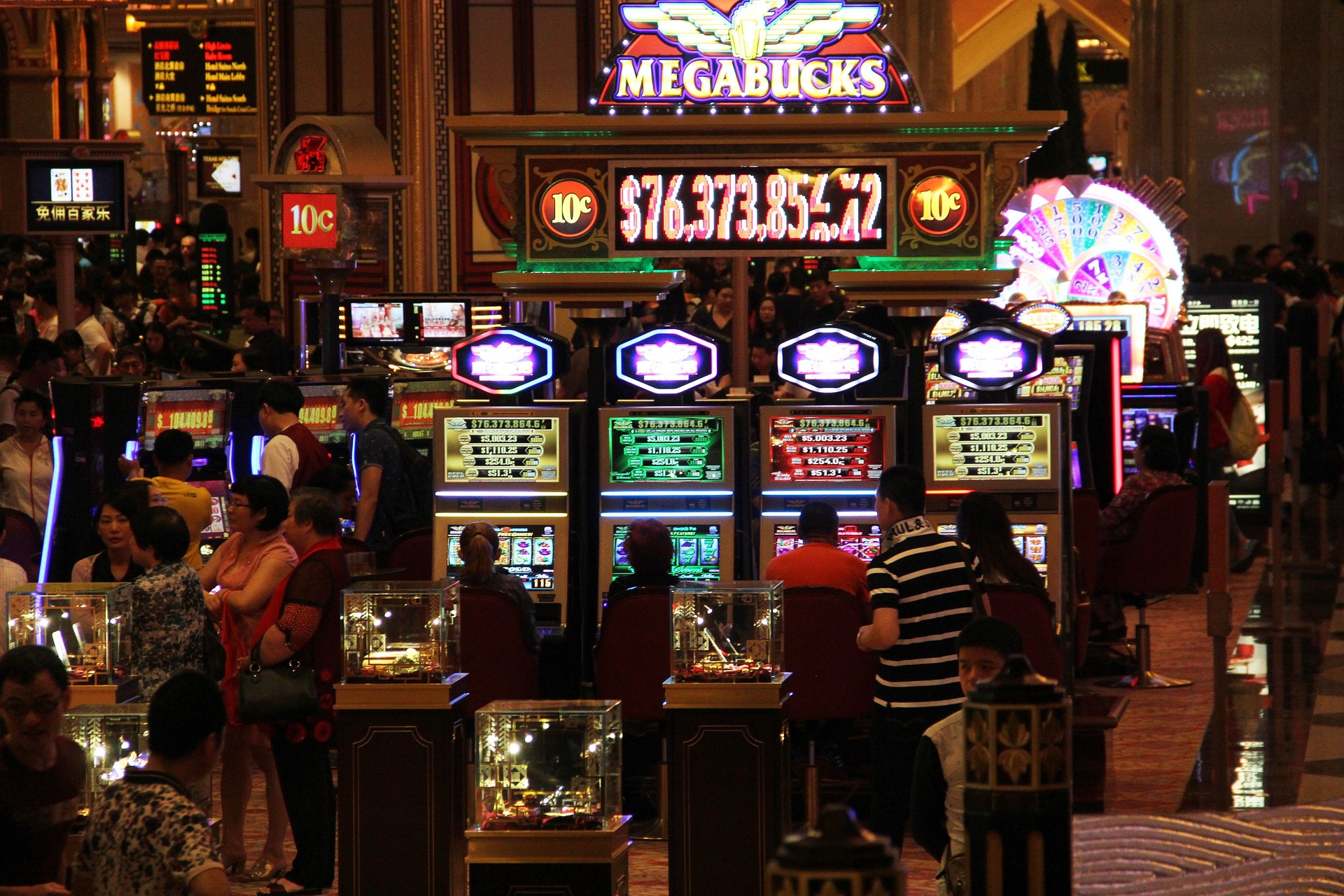
    Macau casino billionaire Angela Leong On-kei has sold her detached house in Hong Kong’s Sai Kung district for HKD70 million ($8.9 million).

    The sale closes a 14-year holding period with a nominal capital gain of HKD1.2 million. It follows years of asking-price cuts.

    Fourteen Years for a Marginal Gain

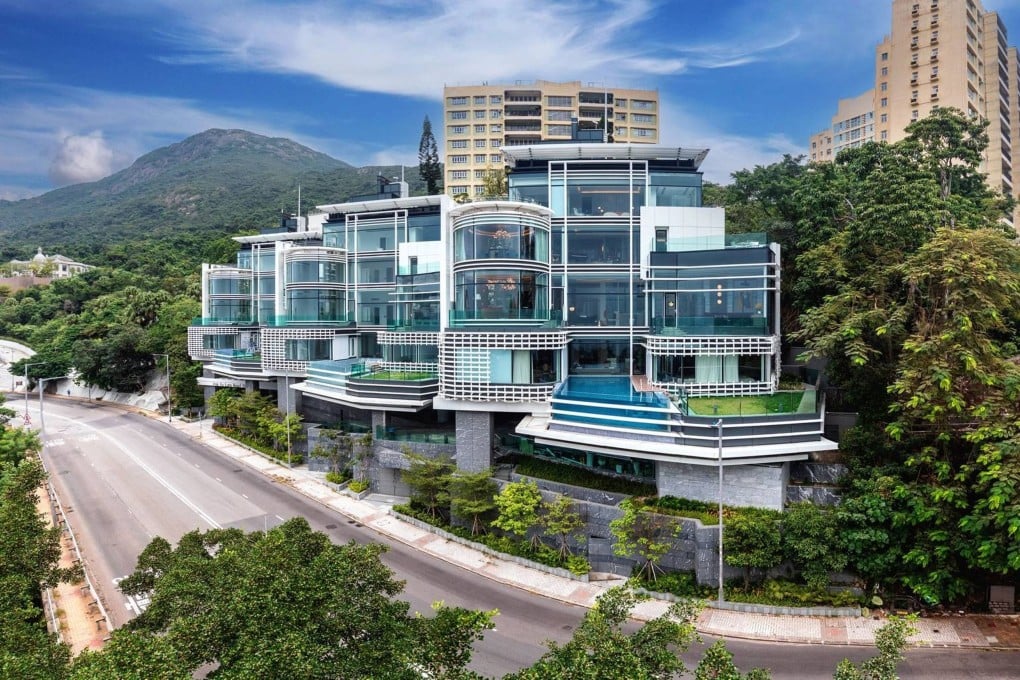
    Located within the Royal Castle development on Pik Sha Road, the detached home covers 210 square metres. The layout includes four bedrooms, a private garden, a swimming pool, and a rooftop terrace. Leong originally bought the property through a corporate vehicle in early 2012 for HKD68.8 million. She is co-chairwoman and the largest individual shareholder of Macau casino operator SJM Holdings.

    Initial listings put the property on the market several years ago at HKD168 million. Securing HKD70 million represents a steep cut from that target. It reflects the concessions wealthy vendors now accept to exit non-core residential holdings in secondary luxury enclaves.

    Discounting Drives Volume in Sai Kung

    Sellers across Sai Kung have adjusted expectations downward to clear stock. Price cuts of up to 10 per cent helped lift deal numbers across high-value residential brackets in recent months as opportunistic buyers moved in.

    Frankie Liu, sales director at Century 21 Goodwin Property, said: “With the batch of discounted luxury homes now cleared, I expect luxury residential transaction activity in the area to slow down in the fourth quarter.”

    Super-Prime Demand Splits Across Districts

    Pricing trends in Sai Kung contrast with demand patterns in traditional top-tier neighbourhoods. Buyers in The Peak and Southern districts continue to focus on established luxury estates. Local business owners there are trading up to consolidate family holdings, according to Centaline Property district sales director Joseph Yan.

    Deutsche Bank ranked Hong Kong as the world’s most expensive residential property market this year, trailing only Dubai in overall super-prime transaction volume. Knight Frank data shows that sales of homes priced at $10 million or higher surged 75 per cent quarter on quarter to $1.67 billion in the second quarter. Purchases in core prime postcodes drove those gains rather than deals in outlying districts.

    Borrowing Costs Loom Over Next Quarter

    Financing conditions remain a headwind for broader turnover. On September 17, the Hong Kong Monetary Authority lifted its base rate to 4.25 per cent in lockstep with the US Federal Reserve. Hong Kong’s three note-issuing lenders held their prime lending rates steady after that adjustment. Another Federal Reserve rate decision in late October could force local commercial banks to increase mortgage borrowing costs before year-end.

  • Hong Kong Luxury Homeowners Take Steep Cuts as Bel-Air House Sells for HK$138 Million

    Hong Kong Luxury Homeowners Take Steep Cuts as Bel-Air House Sells for HK$138 Million

    Hong Kong luxury property owners are accepting deep price cuts to exit holdings, led by a Bel-Air house that sold at a HK$37 million loss. The Pok Fu Lam property changed hands for HK$138 million (US$17.6 million).

    Former owner Shie Thomas bought the 3,792-square-foot house for HK$175 million in 2018. The latest transaction represents a 21 per cent decline in value over the eight-year holding period.

    Discounts in Pok Fu Lam

    The transaction highlights the gap opening across Hong Kong’s prime residential districts between vendor expectations and buyer liquidity. While high-net-worth buyers continue to look for trophy assets, they now demand sharp markdowns from peak valuations before committing capital.

    Sellers facing financing costs or cash requirements elsewhere in their portfolios have proved willing to meet those lower bids. The Bel-Air development has historically served as a benchmark for southern district luxury pricing, making the HK$37 million haircut a clear reference point for secondary negotiations across the area.

    Pressured sellers and selective capital

    Previous downturns in the city saw wealthy owners hold prime assets off the market rather than crystallise capital losses. Current conditions tell a different story: holding costs and shifting private balance sheets are pushing more owners to take clean exits.

    Market watchers are tracking whether secondary luxury transaction volumes rise as pricing levels reset toward HK$36,000 per square foot in Southern District enclaves.

  • Japan Plans Fiscal 2027 Condo Tax Overhaul to Curb Urban Speculation

    Japan Plans Fiscal 2027 Condo Tax Overhaul to Curb Urban Speculation

    Japan’s land ministry plans to seek tax code changes for fiscal 2027 to curb speculative condominium flipping that drove central Tokyo apartment prices to record highs. Average prices for new units in the capital reached unprecedented levels during the first half of 2026, pricing regular domestic buyers out of urban districts.

    The Ministry of Land, Infrastructure, Transport and Tourism will target short-term resale transactions that exploit current tax rates on residential assets. Urban developers have focused heavily on high-end luxury high-rises in Tokyo and Osaka, where penthouses and upper floors frequently trade in cash to absentee owners.

    Curbing cash buys in Tokyo and Osaka

    Tokyo-area condominium prices passed the 100 million yen threshold during the January to June period for the first time. Inflows of private capital from Taiwan and other regional wealth hubs have accelerated this surge, replacing mainland Chinese buyers who pulled back from cross-border deals.

    Local buyers face steep barriers as wage growth lags property appreciation across central wards. Japanese megabanks have responded by raising interest rates on large deposits, attempting to capture proceeds from high-value property disposals while standard mortgage borrowers take on longer repayment terms.

    Regional playbooks for property cooling

    Across major Asian markets, regulators have routinely turned to transaction taxes when speculative momentum broke local affordability limits. Singapore and Hong Kong deployed targeted stamp duties and higher holding penalties to choke off luxury flipping, and Tokyo is now adopting a comparable fiscal approach instead of relying purely on central bank monetary policy.

    The land ministry will submit its detailed tax proposals to the ruling coalition for inclusion in the annual fiscal 2027 tax reform outline scheduled for review late this year.