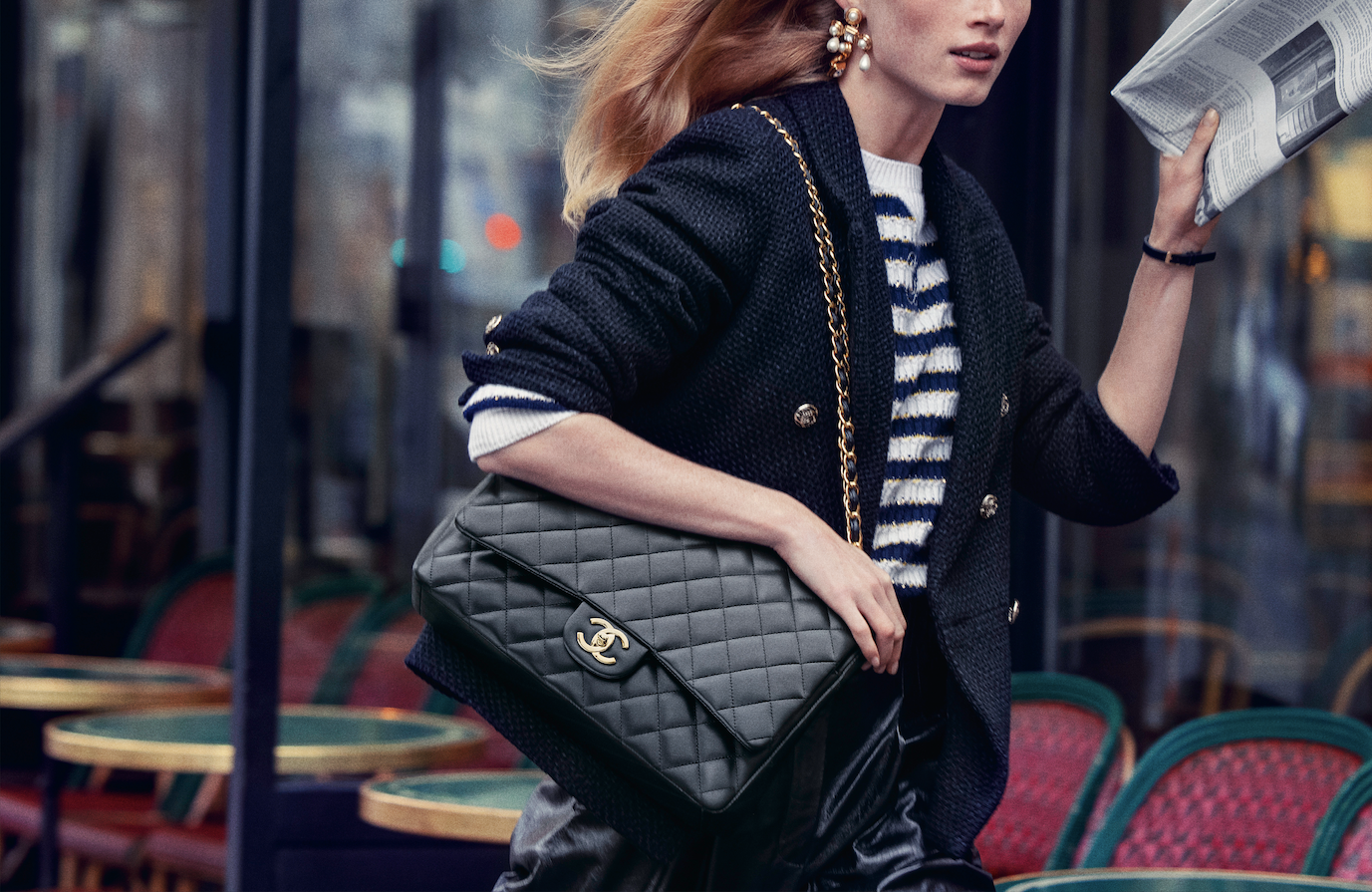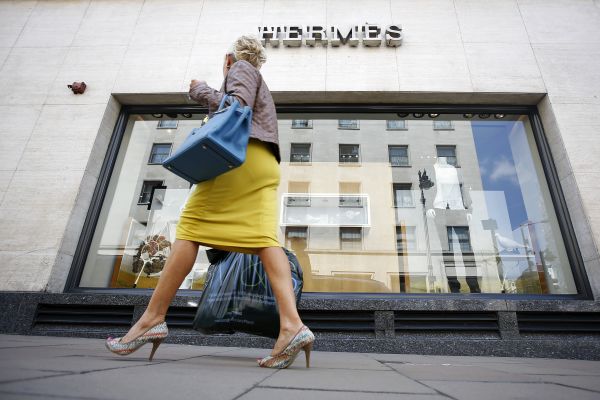
New York-based asset manager Luxus returned nearly 24 per cent on a $1 million fund devoted to flipping Hermès handbags, exploiting persistent scarcity in the secondary market.
Over a 15-month span, the vehicle liquidated 52 of the 56 Birkin and Kelly bags it purchased, outperforming shares of Hermès stock, which tumbled more than 33 per cent across the same timeframe.
Dana Auslander, a former Blackstone executive who founded the firm in 2021, engineered the strategy to capture the price gap created by primary retail hurdles. Because Hermès restricts direct boutique sales of its premier leather models to shoppers who build lengthy client profiles, secondary wholesalers clear inventory to impatient buyers at a markup.
Sourcing Inventory in Japan
Luxus runs an explicit secondary market arbitrage. The fund acquires bags at five to 10 per cent above primary boutique retail from Japanese trading houses, where strict legal penalties on counterfeit goods create an authenticated supply chain. It then offloads the stock through auction houses and consignment channels, including The RealReal.
Japan has long served as the central clearing house for pre-owned luxury leather across Asia. Decades of strong luxury consumption left domestic households with deep reserves of pristine accessories, while strict enforcement by local police and trade bodies gives overseas buyers confidence on authentication.
Physical custody introduces overhead unfamiliar to traditional liquid portfolios. The fund routes purchases through storage provider Uovo, which holds the inventory in climate-controlled sites. Independent authenticators and platform specialists review every bag before Luxus lists it for resale.
Resale Yields Versus Boutique Headwinds
Primary luxury operators face cooling transaction volumes in Mainland China, yet restricted handbag models continue to trade at substantial markups. While broader personal luxury spending contracted, tight workshop production in France guarantees structural scarcity for top-tier leather lines.
Secondary trading desks capture price disparities that luxury brands deliberately leave on the table. Hermès exclusively manufactures its handbags and leather goods in French workshops, limiting supply and preserving brand equity but leaving secondary channels to monetize immediate consumer demand.
Risks remain concentrated in exit timing and shifting collector tastes. Fractional platforms like Rally reported losses exceeding 1 million dollars on collectible asset valuations earlier this year, illustrating how quickly illiquid physical investments can sour when consumer enthusiasm cools.
The Trajectory of Collectible Asset Funds
Prestige watch values track a cautionary path. Secondary prices for Audemars Piguet, Patek Philippe Nautilus and Rolex references experienced steep contractions following an initial speculative surge during pandemic lockdowns, stranding funds that bought near peak valuations.
Bernstein luxury analyst Luca Solca observed that while the arbitrage mechanics hold logic, equity markets offer an alternative path without physical carrying friction. Over the past 35 years, Hermès shares delivered a 16 per cent annualized return with total daily liquidity.
Auslander is raising a 5 million dollar fund with a three-and-a-half-year mandate after rolling out a second vehicle holding 75 bags. Investors watch whether Japanese wholesale supply can maintain current buy-side margins as deployment capital scales up quintuple.