Tag: lychees

  • Aussie Kaimana Lychees: A Winter Delight in Vietnam at $30 per Kilo

    Aussie Kaimana Lychees: A Winter Delight in Vietnam at $30 per Kilo

    Australian-imported Kaimana lychees are fast becoming a hot commodity in Vietnam, fetching as much as VND800,000 (US$30.35) per kilogram despite a scarcity of local varieties during the off-season.

    High Demand Despite High Prices

    Phuong, a fruit vendor in the Nha Be Commune of Ho Chi Minh City, reveals that she had recently imported 30 boxes of this coveted fruit. Each box, with a total weight of five kilograms, is going for a whopping VND4 million per box.

    Significantly, these prices are 20% lower than the previous year due to an increase in overall supply. However, they remain seven times higher than premium local varieties such as the Luc Ngan lychees from the Bac Giang Province.

    The Allure of Kaimana Lychees

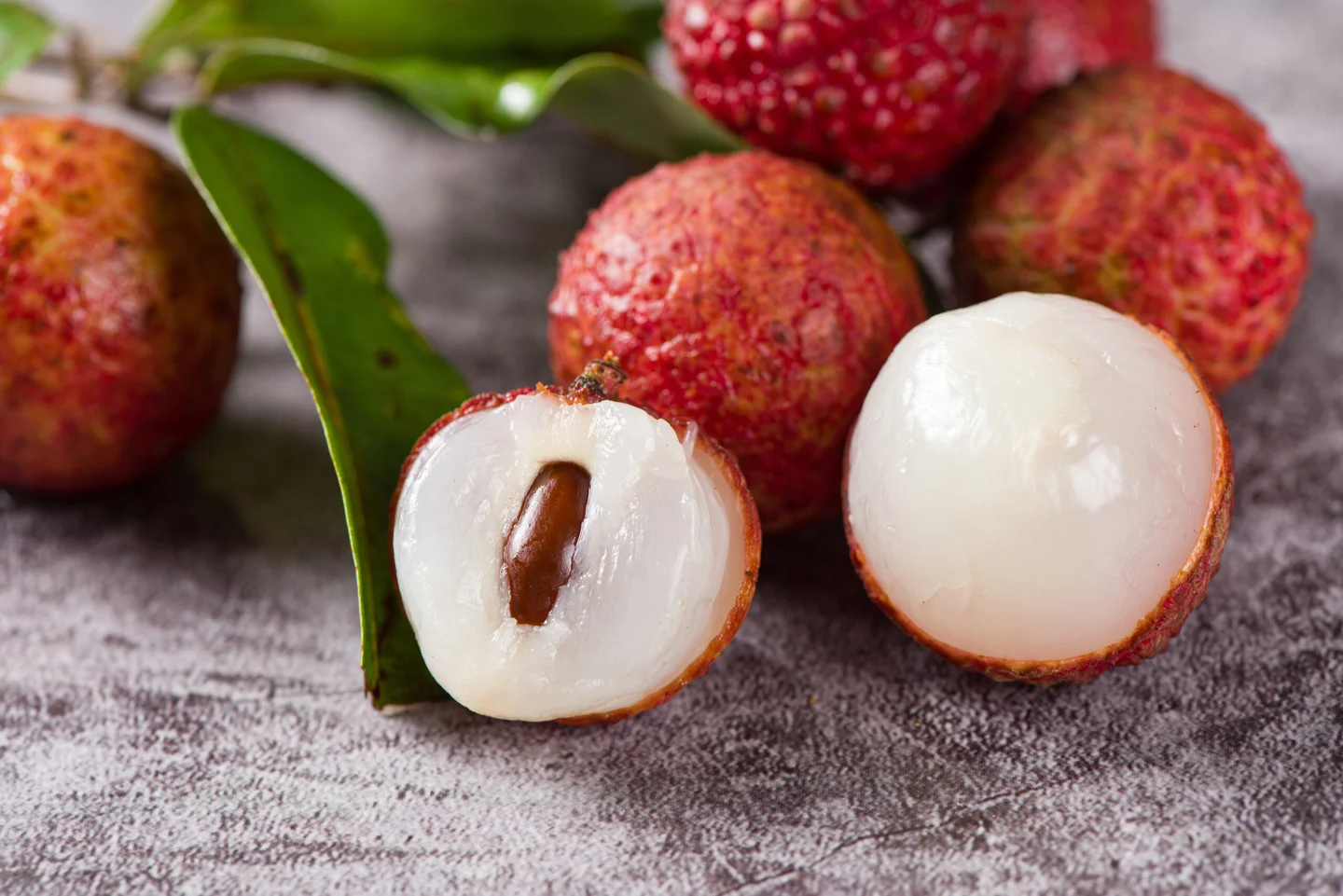
    As Phuong explains, Kaimana lychees hold a premium status in Australia. They are known for their vibrant dark red skin, thick and crisp flesh, petite seeds, and a refreshing, sweet flavor.

    The fruit is harvested with stems intact and air-transported for maximum freshness upon arrival. This method of transportation ensures the fruit remains fresh and crisp upon reaching consumers.

    Selling Like Hotcakes

    Another fruit seller, Lan Anh of Binh Thanh Ward, shares that her store has sold approximately 100 five-kilogram boxes of this fruit since mid-November. She plans to further import before the supply begins to wane in January.

    Despite the high demand for Kaimana lychees, sellers like Lan Anh only import a few dozen boxes at a time due to the fruit’s short shelf life.

    Australian Lychees in Vietnam

    In the Australian market, premium lychee varieties are typically sold in five-kilogram boxes for US$80 each. Among the country’s 40 lychee varieties, Kaimana is the most common one exported to Vietnam.

    The popularity of Australian lychees in Vietnam can be attributed to their arrival a few months after the local supply has been exhausted post the main season which runs from April to July.

    Questions & Answers

    Why are Kaimana lychees from Australia popular in Vietnam?

    These lychees are popular due to their premium status, unique flavor, and their arrival in Vietnam at a time when local lychee supply is low.

    How are Kaimana lychees transported from Australia to Vietnam?

    These lychees are harvested with stems intact and air-freighted to Vietnam to maintain their freshness.

    Why do sellers import only a few dozen boxes of Kaimana lychees at a time?

    Due to the fruit’s short shelf life, sellers import only a limited quantity at a time to avoid wastage.
  • Chinese Seedless Lychees Command Attention with $35 per Kilogram Price Tag in Vietnam

    Chinese Seedless Lychees Command Attention with $35 per Kilogram Price Tag in Vietnam

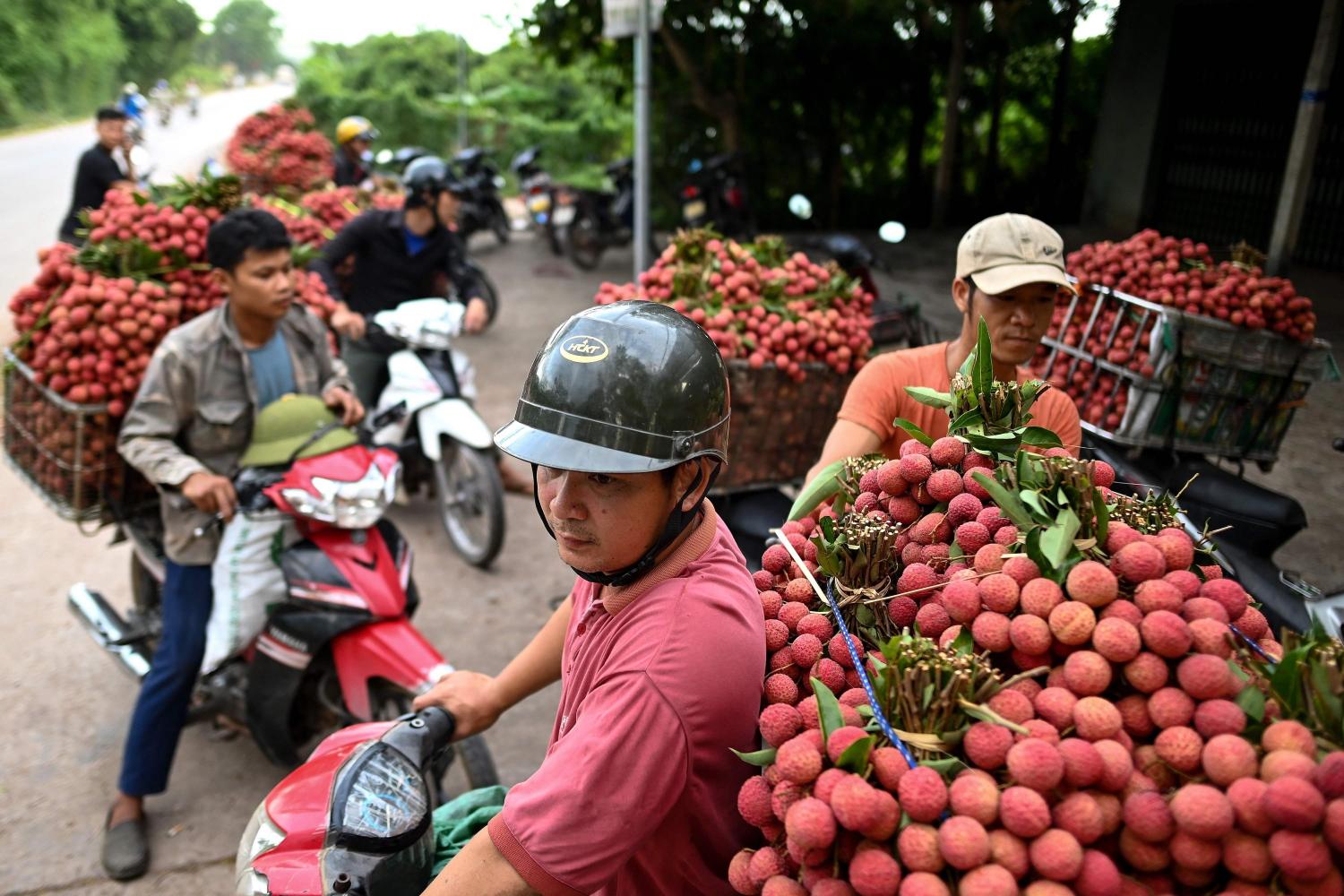
    The arrival of seedless lychees in Vietnam is stirring excitement among fruit enthusiasts, thanks to a recent bumper crop that has brought prices down to VND45,000-120,000. As farmers and vendors report, this year’s harvest is notably cheaper than in the past, making the delectable fruit more accessible to consumers.

    Luxury from Hainan

    Thanh Tam, who runs a fruit store in Nam Tu Liem District, revealed that the seedless lychees are a bit pricier due to their origins in China’s Hainan Province, primarily meant for the Japanese market. Buyers are often looking to gift this unique treat or indulge in a fresh experience.

    In Dong Da District, Ngoc, another store owner, has imported 200 kilograms of these lychees since early June. With their striking reddish-pink skin and thick, juicy flesh, they are visually appealing. While these lychees are mostly seedless, consumers may occasionally encounter a tiny seed the size of a mung bean.

    Freshness, with a Concern

    E-commerce platforms are hopping with activity as sellers offer the seedless lychees mainly in two-kilogram baskets packed with ice to maintain freshness. However, some vendors report that the fruit’s skin can discolor rapidly, resulting in mixed reviews from customers. Hoang Anh from Cau Giay District recently tried them and was left wanting. She remarked, “It had a slightly sour and bitter taste, and its skin darkened after just one day,” expressing disappointment compared to local varieties.

    While some seedless lychees are also cultivated in northern Vietnam, costing around VND280,000 per kilogram, the quality has been inconsistent. In Bac Giang Province, 500 trees have been producing fruit since 2022, but yields remain low. Le Ba Thanh, deputy director of the province’s Department of Agriculture and Environment, indicated that there are currently no plans to increase production.

    On a larger scale, a company in Thanh Hoa Province has taken the lead, cultivating seedless lychees on over 1,000 hectares and exporting them to markets as far as Japan and the U.K., where they command a retail price of VND800,000 per kilogram.

    In a world where exotic fruits are increasingly popular, seedless lychees bring a delightful twist—who would have thought lychees would join the ranks of luxury gifts?

    Questions & Answers

    What is the price range for seedless lychees in Vietnam this year?
    Prices range from VND45,000 to VND120,000, which is more affordable than the previous year.

    Why are the seedless lychees from Hainan Province more expensive?
    These lychees are primarily grown for export to the Japanese market, which drives up their price.

    Is there any local competition for the seedless lychees?
    Yes, there are seedless lychees grown in northern Vietnam, but their yields and quality are inconsistent compared to the imports.

  • Lychees enter Thailand’s major shopping malls

    Lychees enter Thailand’s major shopping malls

    Vietnamese lychees were already present in Thailand a few years ago, but this is the first time that the fruits are on sale at a major supermarket chain in the country.

    “I am very happy to be one of the pioneering firms to bring fresh lychees to Thai consumers,” said Nguyen Xuan Viet, Chairman of Vifoco, exporter of lychees to Thailand. “My company hopes to export from 1,000 – 2,000 tonnes of fresh lychee to Thailand next year.”

    At the Siam Paragon shopping mall, the lychees from Vietnam have attracted attention from shoppers.

    Somkiat Wongsakulchai, chief executive of Ekthai, distributor of Vietnamese lychees in Thailand, said that his company will expand the distribution of Vietnamese lychees to more branches next year.

    Lychee is grown in many localities in Vietnam, mostly in the north, with Bac Giang province known as the country’s lychee growing hub.

    The province harvested 199,500 tonnes of lychee in 2022 and earned over 290 million USD from lychee sales and support services.

    Bac Giang lychee has affirmed its brand and value in many countries and territories around the world with 75,900 tonnes shipped abroad, making up 38% of the accumulative sales.

  • Vietnam seeks to expand overseas markets for lychees

    Vietnam seeks to expand overseas markets for lychees

    The Ministry of Industry and Trade held a meeting with Vietnam Trade Offices abroad on May 31 to discuss ways to boost the exports of lychees and longans as many northern localities are harvesting the fruits.

    Speaking at the event, Director of the Bac Giang provincial Department of Industry and Trade Tran Quang Tan said the province’s total lychee production is estimated at a record of over 180,000 tonnes this year. The harvesting period is scheduled from May 25 to July 30.

    Apart from the traditional market of China, its promising markets include the US, the European Union, Japan, the Republic of Korea, Australia, Malaysia, the United Arab Emirates, Singapore, the Middle East, Thailand and Hong Kong (China).

    Director of the Hai Duong provincial Department of Industry and Trade Tran Van Hao said the province now has nearly 9,000ha of lychees and expects to harvest around 61,000 tonnes this year, about 31,000 tonnes of them are early-ripening lychees.

    Deputy Minister of Industry and Trade Do Thang Hai asked relevant units to regularly update the situation of farm produce and overseas demand for these products, including lychees and longans.

    The Vietnam Trade Offices abroad were assigned to closely follow the market situation, trade policies and export requirements for key commodities, thus providing timely advices for the ministry’s leaders to support localities, associations, and businesses.

    The Vietnam Trade Promotion Agency (Vietrade) must step up policy research and forecasting to offer all possible support to enterprises in trade promotion and export-import activities, he said.

  • Vietnamese lychees aim to expand global footprint

    Vietnamese lychees aim to expand global footprint

    The “Vietnamese lychees go global” forum was held on June 16 to promote lychee exports and take the brand name of the Vietnamese fruit to the next level.

    Vietnamese lychees have made a name for itself in many international markets. According to Le Hoang Tai, deputy director of the Trade Promotion Department, Ministry of Industry and Trade, China accounts for 91 percent of Vietnam’s total lychee export volume. Other markets include Japan, Korea, Australia and the United Arab Emirates.

    Hai Duong, home to Thanh Ha lychees, currently has over 9,000 hectares under cultivation, producing 60,000 tons of lychees every year, of which 50 percent is consumed domestically, 40 percent is exported to traditional markets, and 10 percent to high-end markets including the U.S., Japan, and EU.

    “We aim to build a global brand of high-quality lychees,” Tran Van Quan, vice chairman of Hai Duong Province People’s Committee, said.

    Bac Giang, another leading area for lychee production, has 28,000 hectares of lychee-growing land, providing 25,000 tons of lychees exported to 30 countries. Most meet VietGAP and Global GAP standards.

    “The province will continue to boost lychee exports to high-end markets, and new markets including Canada and Thailand,” Phan The Tuan, vice chairman of Bac Giang, said.

    Palestinian Ambassador to Vietnam, Saadi Salama, said: “Lychees have gradually become the pride of Vietnam.”

    George Burchett, a journalist from Australia, said: “Lychees are both eye-catching and delicious, suitable for everyone’s taste, not only contributing to Vietnamese exports but also enhancing Vietnam’s image to the world.”

    Pham Van Dung, director of Hong Xuan Cooperative, Bac Giang, admitted that the preservation process is one of the challenges for Vietnamese lychees. “Ripe lychees that have not been consumed yet need more intensive solutions like freeze-drying or high-tech drying, so that there are still products for the market even when the harvest ends,” said Dung.

    Director of Toan Cau Company, Nguyen Duc Hung, admitted that Vietnamese enterprises focus on exporting fresh lychees, but fresh lychees can be preserved for 40 days at most, “so it is difficult for lychees to reach far-flung markets.”

    He suggested new products like frozen lychee, with long-term preservation capacity, should be offered so that the fruit could reach global customers with diverse tastes.

    The Palestinian ambassador noted Vietnamese lychees are facing difficulties in reaching far-flung markets because of logistics. “In a short time of two months, to export lychees to global markets in fresh conditions is a challenge.”

    He suggested agencies prepare in advance to facilitate lychee transportation.

    Tai of the Trade Promotion Department recommended that while aviation costs are high, lychees should be transported via railways to cut costs and avoid delays in shipment, which takes about only 15-21 days.

    Salama said that products on sale in the Middle East normally have Halal marks on their packages as a sign of a trustworthy or superior product. He hoped that more Vietnamese lychee products are Halal-labelled to reach consumers here.

  • Fruit exports to South Korea surge

    Fruit exports to South Korea surge

    Vietnam exported $107.25 million worth of fruit and vegetables to South Korea in the first eight months of this year, up 3.47 percent year-on-year.

    The export value of vegetables and fruit to this market reached $11.1 million in August, up 13.66 percent over the same period last year, according to the General Department of Vietnam Customs.

    Six kinds of Vietnamese fruit have been exported to the Asian market including: coconuts, pineapples, white and red dragon fruit, mangoes and bananas.

  • Vietnam exports 20 tons of lychees to Japan

    Vietnam exports 20 tons of lychees to Japan

    Twenty tons of lychees from the first batch of the 2021 season harvested in the northern province of Bac Giang have been shipped to Japan.

    This is the second year that the fruit has been exported to far east economic giant from Bac Giang, the premier lychee growing province in the country.

    The lychees were grown in the province’s Tan Yen District and shipped by the Global Export and Import Foodstuff JSC and Chanh Thu Export and Import Fruit Company.

    The two companies said that they would export more Bac Giang lychees to Japan by air and sea this year.

    Tan Yen District cultivates lychees on 1,300 hectares and expects to harvest 14,000 tons of the fruit this year. Its early harvest season will last until mid-June.

    Nguyen Viet Toan, chairman of the district People’s Committee, said they have quarantined everyone who’s come into contact with Covid-19 patients, set up checkpoints on roads leading to lychee cultivation areas, and are checking the health of every visitor to ensure the orchards are unaffected by the pandemic.

    Under regulations set by Japan’s Ministry of Agriculture, Forestry and Fisheries, Japanese experts have to directly supervise phytosanitary certification of exported produce in Vietnam. However, during the pandemic, Japan has authorized Vietnam’s Plant Protection Department to do it because Japanese experts cannot come to the country now.

    Bac Giang has so far harvested 2,000 tons of lychees in the early harvest season, half of which has been exported. China is the largest buyer of lychees from Vietnam.

    Vietnam aims to export 20,000 tons of lychees this year to China, Japan, Australia, the E.U., and the U.S.