Retail News CRM

Tag: Lyft

  • Lyft, Motional To Launch Robotaxi Service In Los Angeles

    Lyft, Motional To Launch Robotaxi Service In Los Angeles

    Lyft and driverless technology firm Motional said on Thursday that residents in Los Angeles will be able to book robotaxis on the ride-hailing company’s app, but did not specify by when the service will be available.

    Tough regulatory scrutiny and delayed commercial adoption of autonomous vehicle technology have delayed deployment of robotaxi services, worrying investors.

    Los Angeles will become the second city where the companies will offer the driverless taxi service after Las Vegas.

    Motional which uses Hyundai Motor Co’s IONIQ5 electric car for the robotaxi service is a joint venture between the South Korean manufacturer and automotive technology company Aptiv.

    The autonomous vehicle technology company also has a 10-year agreement with Uber Technologies Inc for supplying driverless vehicles.

    Competitor Waymo started its autonomous ride-hailing service in Phoenix, Arizona last week.

  • Lyre’s latest fundraising round values company at $500 million

    Lyre’s latest fundraising round values company at $500 million

    Fast-growing non-alcoholic spirits brand Lyre’s, has raised $37 million in a round that values the business at A$500 million less than three years after it launched. The funding round was led by a new investor, D Squared Capital, alongside existing investor, Morgan Creek Capital Management, which has also backed Alibaba, SpaceX, Lyft, and Allbirds). Other previous investors joining the fresh round include DLF Venture, VRD Ventures, and Maropost Ventures.

    The Sydney-based business previously raised $16 million in a seed round in September 2020.

    Co-founders Mark Livings and Carl Hartmann launched Lyre’s in April 2019 with the goal of creating non-alcoholic versions of the world’s most popular spirits. It now produces 14 non-alcoholic spirits with the distinct flavors of gin, whisky, vermouth, amaretto, absinthe, rum, and others, as well as a range of ready-to-drink pre-mixed non-alcoholic cocktails, from an Amalfi spritz to and rum and cola and G&T.

    With around 20% of the population not drinking alcohol, consumption trends heading down among existing drinkers, and an emerging, liberated middle class in Muslim countries looking to have fun and socialize while eschewing alcohol.

    CEO Mark Livings said the latest capital injection will be used predominantly for marketing, and create more than 50 new jobs in sales and marketing, production, logistics, finance, and e-commerce.

    Lyre’s products are now available in more than 60 countries, up 50% in 2021, including in the Middle East and China. This year also saw the business manufacture its one-millionth bottle, and develop six new product variations including Classico, their first no-alcohol Prosecco-style sparkling which launched to market in early November. The company now has production facilities in the UK, Germany, Australia, and the US.

    The drinks startup has also established an R&D division in partnership with beverage technology giant Döhler.

    Livings said range now covers more than 90% of the world’s best-selling cocktails.

    “Millennials and older Gen Zs are drinking less alcohol than any generation before them, but the mindful drinking movement transcends generations and cultural borders. We’re not only growing our business – we’re expanding the whole category, entering territories like the Middle East and Far East virtually uncontested,” he said.

    “The pace of growth we’re seeing is exceptional. We sold our first bottle in 2019 and today we’re selling one at least every 30 seconds. On our current trajectory, Lyre’s is set to become the fastest independent beverage brand to reach Unicorn status.”

    Off-premise sales of low-alcoholic and non-alcoholic drinks have jumped in 12 months from $291 million to $3.1 billion. In Australia, the category is expected to grow by 16% over four years to 2024.

    D Squared Capital Managing Director Daniel Grossman said the company is forging a new path in a critical category.

    “The no/low alcohol beverage market is one of the fastest-growing markets in F&B and is showing similar characteristics to plant-based milks, meats, and other mindful consumer categories,” he said.

    “Lyre’s leading product, brand, and range of award-winning SKUs have proven that they are the industry leader and we are excited to be backing the best in class company.”

  • Lyft is vastly improving rider safety with in-app emergency assistance

    Lyft is vastly improving rider safety with in-app emergency assistance

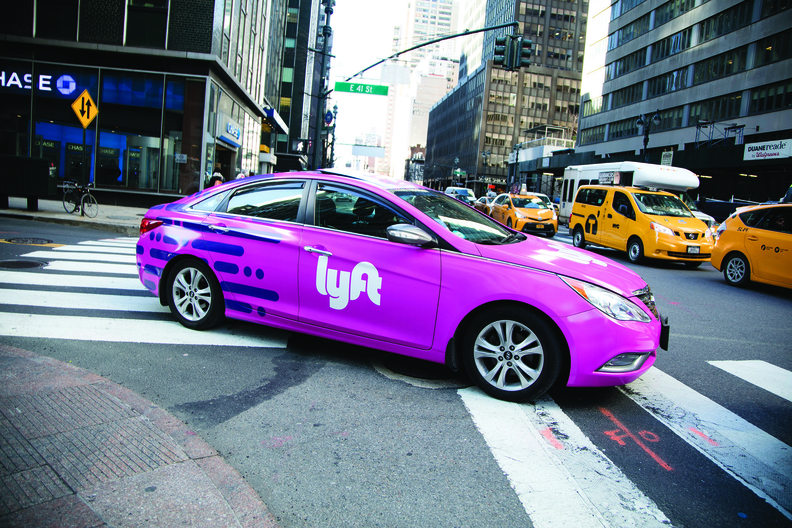
    Ridesharing apps like Uber and Lyft can be incredibly convenient in this day and age, but unfortunately, using these services is not always 100 percent safe, as proven by multiple reports of sexual abuse in the past few years committed by improperly vetted drivers and even the shocking recent murder of a college student who got into the wrong car.

    Fortunately, both Uber and Lyft are ramping up their efforts to improve rider safety and peace of mind, at least when they’re not busy making it easy for people to tell drivers to keep their mouth shut. Lyft’s latest “investment in safety” includes several new features and programs designed to educate all members of this ridesharing “community”, as well as prevent vehicle mix-ups, and most importantly, help users in danger get quick emergency assistance.

    The latter goal will be achieved (hopefully) with an in-app option providing direct 911 access without actually having to type the numbers or exit Lyft. This emergency assistance, or panic, button should have long been a thing for riders, rolling out to the drivers app first last year. Uber has had the safety-enhancing feature for about a year too, so Lyft is a little late to the party with today’s announcement of a public launch in the “coming weeks.”

    Meanwhile, license plate visibility has already been increased in the Lyft app for “many riders”, with availability set to expand in the “coming months” to ensure that gruesome recent incident that indirectly brought Uber loads of negative publicity will not repeat itself on the rival platform.

    Aside from paying more attention to the license plate of your Lyft, you should really provide additional information and context for your bad driver ratings. To make sure that will be the case going forward, the company is implementing mandatory secondary feedback. In other words, you will no longer be allowed to rate your ride under 4 stars without also leaving a comment explaining your grade.

    Lastly, Lyft is planning to make sexual harassment prevention education available to all users sometime “this year” with an aim of ensuring a “welcoming, inclusive, comfortable, and safe” environment for everyone. That’s certainly a noble goal… unlikely to be achieved anytime soon.

  • Will last night’s GPS date-based rollover ?

    Will last night’s GPS date-based rollover ?

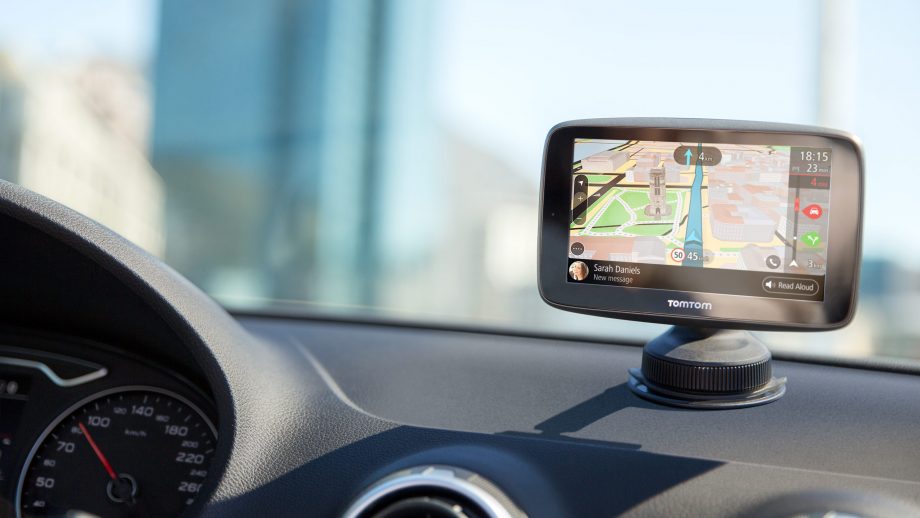
    Most likely you won’t be affected, but due to the strange way that Global Positioning Systems (GPS) measure time, some devices were at risk of being reset yesterday at 7:59 pm EDT. GPS systems affected could be reset back to January 6th, 1980. This is a risk because devices using GPS measure time by counting weeks, but they only have enough storage to count 1,024 weeks (nearly 20 years).

    The last time GPS systems were in this position was back in August 1999. Most of the public had never even heard of GPS back then, and it wasn’t until apps like Google Maps brought GPS into consumers’ hands that the public became aware of it.

    We wouldn’t be too consumed with angst. The Department of Homeland Security’s Cyber and Infrastructure division says that as long as your device is less than ten years old, or if you have updated this device over the years, your GPS driven app should be safe to use. In other words, if you are using a 2008 T-Mobile G1 as your daily driver for some reason, and never installed any Google Maps updates, the app might not be of much help today. Mapping and navigation firm TomTom said on its website that those who frequently update their devices have nothing to worry about, but others could find it impossible to navigate using GPS.

    The DHS’ Cyber and Infrastructure unit notes that “A nanosecond error in GPS Time can equate to one foot of position (ranging) error.” In other words, if you are counting on a GPS driven device or app to get you from point “A” to point “B,” blindly following the directions on an affected device could land you at point “C.”

    Many industries depend on GPS these days, including some that weren’t around ten years ago like ride sharing (Uber, Lyft). Considering how much more important GPS is to the global economy these days, newer devices have been updated and can now count weeks using 13 bits of data instead of 10. This means that you shouldn’t have to worry about the GPS on your mobile device resetting until 2176.

  • Rakuten drone network under development

    Rakuten drone network under development

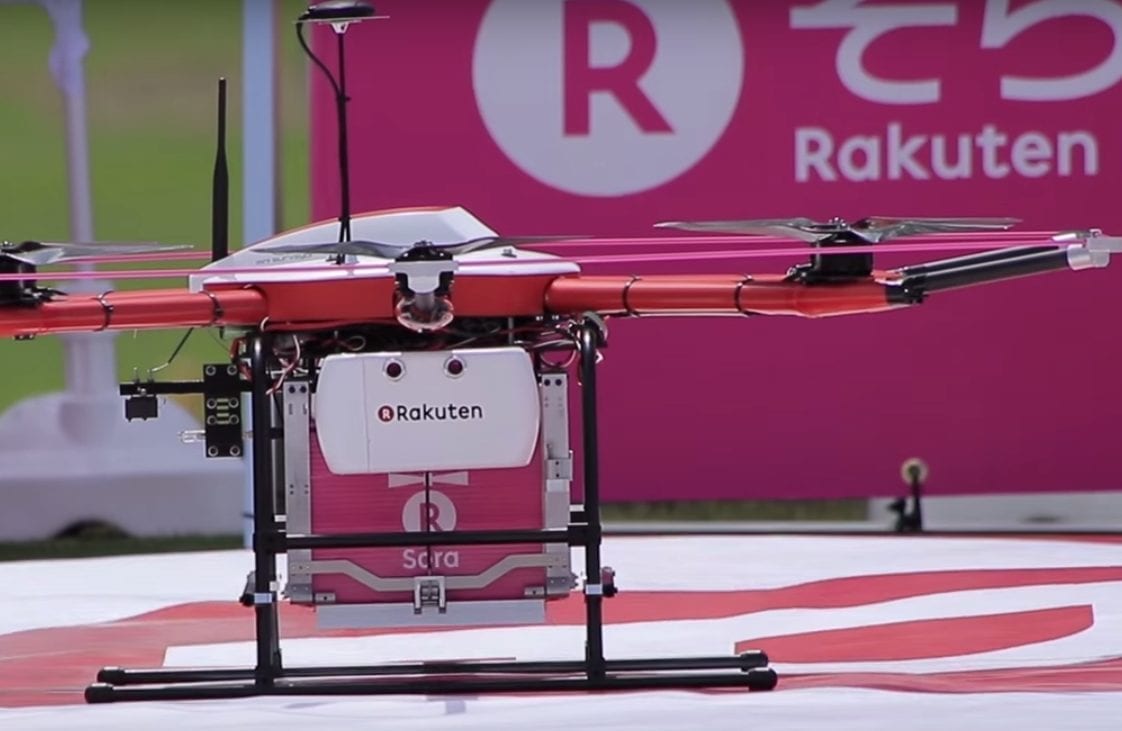
    US company AirMap is helping develop technology to manage a Rakuten drone network in Japan.

    Rakuten, Japan’s giant online retail platform, and AirMap hope drones will be allowed to be used at low altitude.

    Rakuten set a world record early this year for the longest drone delivery, flying a container of hot soup 12 km to surfers on a beach.

    CEO Hiroshi “Mickey” Mikitani expects drones to revolutionise the delivery sector. “The capacity in the skies above us is far greater than in the roads beneath our feet,” he has written in a blog post.

    Global rival Amazon is also making a push into drone deliveries.

    With more than 14,000 employees and revenue last year of more than ¥781.9 billion (US$6.8 billion), it is pushing to become a tech giant on the scale of Alibaba or Google.

    So committed is Mikitani to going global that he made English the official company language in 2010. This helped the company dispense with the honorifics and deference of Japanese, and also made it easier to hire foreigners, reports CNN Tech.

    Rakuten takes Japan’s “high-quality, really customer-oriented service mind” and mixes it “with the Silicon Valley, little bit techie, dynamic culture,” says Mikitani.

    A household name in Japan, Rakuten spent $900 million to buy messaging app Viber in 2014, and has also invested in startups such as US transportation company Lyft and Pinterest.