Retail News CRM

Tag: mac

  • Kraft US launches plant-based Mac & Cheese

    Kraft US launches plant-based Mac & Cheese

    Kraft US has launched its first plant-based Mac & Cheese, strengthening its plant-based portfolio in the market.

    The range features Original and White Cheddar flavors and is available now nationwide through early next year.

    Kraft NotMac&Cheese is an example of the brand’s plan to expand its portfolio of plant-based solutions across a broad range of categories.

    “The Kraft Heinz Not Company creates plant-based versions of fan-favorite foods that taste like the real thing, yet don’t require people to change their eating habits drastically,” said Lucho Lopez-May, CEO of Kraft Heinz Not Company.

    “NotCo brings its revolutionary AI technology that has a proven track record in creating mouthwatering plant-based foods to Kraft – the beloved mac & cheese brand that sells over a million boxes daily.”

    In addition, the introduction expands on The Kraft Heinz Not Company’s existing plant-based options, which include Kraft NotCheese Slices and NotMayo. The Kraft Heinz Company plans to expand into five additional categories and begin worldwide operations next year.

  • iPad Air with boosted specs is apparently right around the corner

    iPad Air with boosted specs is apparently right around the corner

    The current iPad Air came out in March 2022 and Apple is already contemplating a new model for this year, per Bloomberg journalist Mark Gurman.
    In the latest edition of his weekly Power On newsletter, Gurman says that Apple could announce the first Mac computers with the rumored M3 chip in October. He thinks Apple could reveal a new iMac, 13-inch MacBook Air, and 13-inch MacBook Pro in October.
    He also says that Apple is working on a new iPad Air model. He didn’t go into the specifics and only revealed that the model could feature boosted specs. He had previously said that the spec bump would be minor.
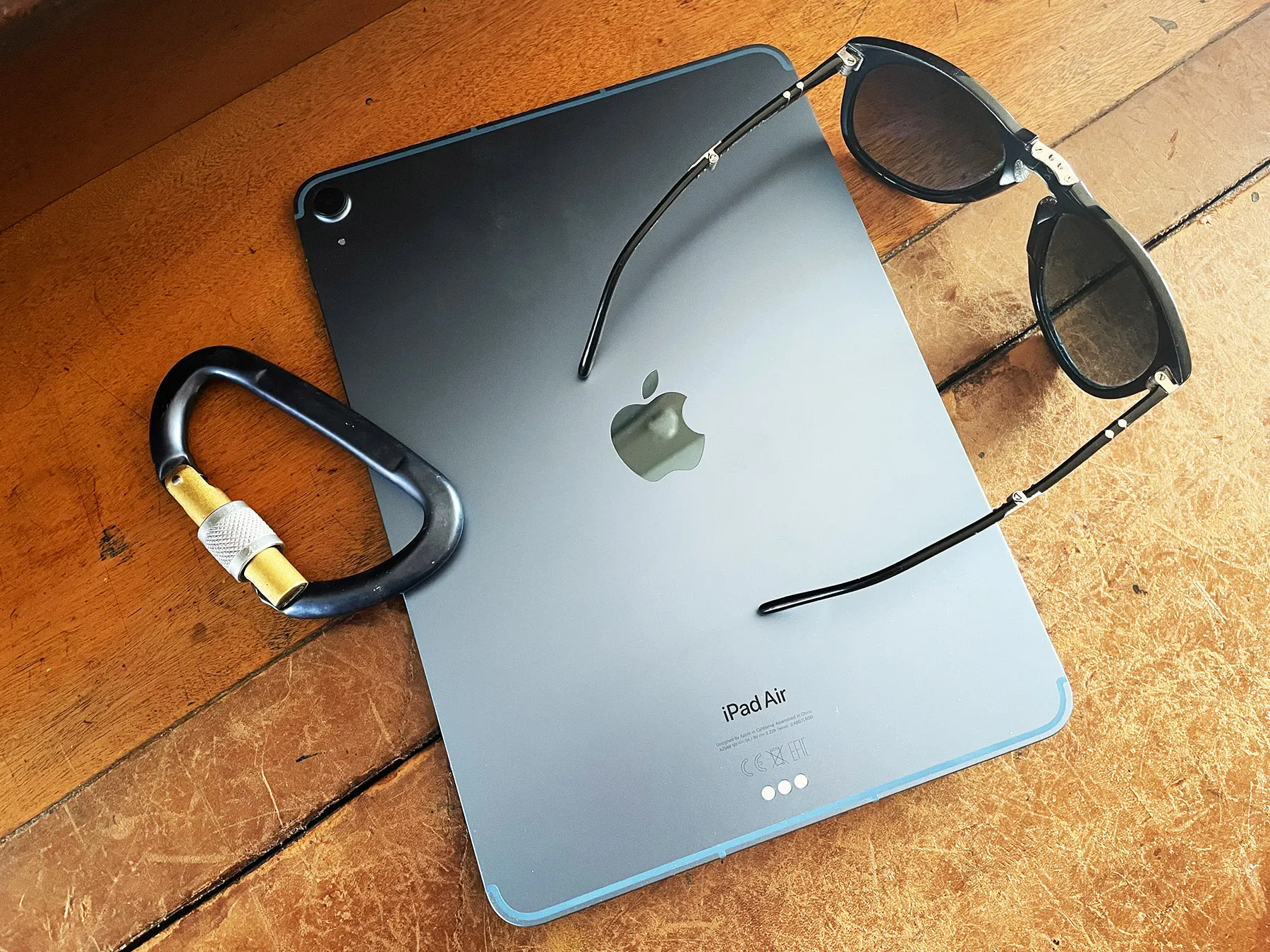
    The iPad Air 2022 has a 10.9 inches LCD screen, the M1 chip, and single main and front-facing cameras.
    If we were to speculate, we’d say that the new iPad Air will have the M2 chip that powers the iPad Pros and maybe a Thunderbolt port.

    Gurman has also said that Apple is unlikely to reveal new iPad Pros this year. Instead, the next iteration will probably arrive next year. The 2024 iPad Pros are rumored to have OLED displays and will allegedly be powered by the M3 chip.

    As for the M3 chip, it will be based on TSMC’s 3nm process, which would make it more powerful and power efficient than the M2, which is already insanely fast. The fabrication process allows for a higher-density chip, enabling manufacturers to fit more cores into a processor.
    It’s not clear whether these October products will be announced through a press release or if Apple will hold a dedicated event for them.
    Before that, in September, the company is expected to reveal the next crop of iPhones: iPhone 15, 15 Plus, 15 Pro, and 15 Pro Max. Like the M3 chip, the Pro model’s A17 chip will also be manufactured on the 3nm node.
  • Kraft launches vegan Mac & Cheese

    Kraft launches vegan Mac & Cheese

    After researching plant-based alternatives for its Philadelphia cream cheese, international food conglomerate Kraft has released a vegan version of its classic Mac & Cheese box. Gluten-free and vegan-certified, the new product is available via Woolworths supermarket in Australia – though it is currently sold out.

    Excitement grew on social media as it flooded with images and posts about a vegan version of Kraft’s iconic Mac & Cheese boxes, but little information has been forthcoming regarding the launch. Now known as Kraft Heinz, the multinational has been slow to move in the plant-based market, but did launch vegan mayo and salad dressing options last year

    The new Mac & Cheese Vegan is perfect for quick dinners and is free from artificial colours and flavours. Made with rice flour pasta and a dairy-free sauce, the cooking instructions also suggest using a plant-based milk in place of cow’s milk.

    Kraft has yet to release information about whether the product will be made available in other markets.

  • BlackPink’s Lisa becomes M.A.C’s new global brand ambassador

    BlackPink’s Lisa becomes M.A.C’s new global brand ambassador

    MAC Cosmetics just announced its newest Global Brand Ambassador as none other than Lalisa Manoban, otherwise known as Lisa. You know the Thai rapper and dancer as 1/4 of the record-breaking K-pop group BLACKPINK, and her new beauty gig is not only exciting for Blinks, but it’s also the first time a female K-pop star will front an international MAC campaign.

    If you’re new to K-pop or BLACKPINK — first, check out the group’s Netflix documentary — you should know that Lisa is more than just a musical sensation and dancing queen; she’s also a fashion trendsetter who loves to experiment with makeup.

    When it comes to her personal beauty philosophy, the performing artist says she’s always loved MAC makeup, and she aligns with the brand’s focus on self-expression. “To me, beauty is confidence,” Lisa said. “I think beauty comes from one’s confident inner self and one’s attitude — makeup and styling are the cherries on top.”

    Whether she’s performing at Coachella, dancing in a Selena Gomez music video, or sitting front row at Fashion Week, Lisa always serves up a different look. However, in her real life, she favors low-key glam. “I usually enjoy natural makeup,” she tells us, adding that she has a delicate prescription for leveling up her look. “I like to start with a simple base and finish with slightly bolder lip color to add some vibrance. Especially for lip makeup, I like to make an ombré lip that naturally gradates by tapping from the center of my lips.”

    For obvious reasons, MAC is thrilled about Lisa joining the legacy cosmetics brand as its Global Ambassador. Describing her as an “unparalleled talent” with “bold, fashion-forward style,” the company couldn’t imagine a more perfect match. “Always confident and never one to shy away from risks, she embodies our commitment to celebrating individuality and self-expression above all else,” explained Senior Vice President and Global Creative Director, Drew Elliot. “We can’t wait for her fans to see what she has in store for them through our collaboration.”

    As for what we can expect, Lisa says that the partnership will pay homage to her fellow BLACKPINK members as well as the millions of Blinks who have supported the group over the years. “My BLACKPINK members and our fans are my driving forces,” she explains of her humble motivation to keep growing as an artist, both on and offstage. “Thank you for always being there for me through all the happiest and the saddest moments. I am truly grateful.”

  • Apple Japan opens its first store in Kawasaki

    Apple Japan opens its first store in Kawasaki

    Apple Japan has opened its 10th store – in Kawasaki.

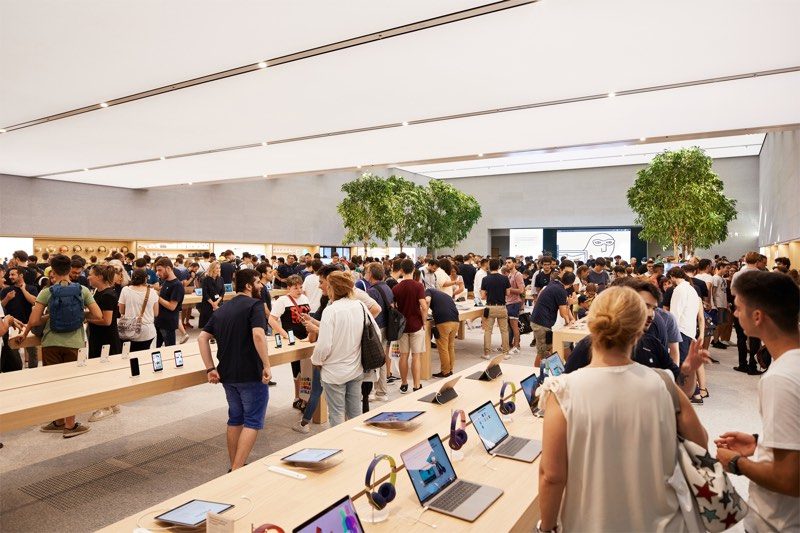
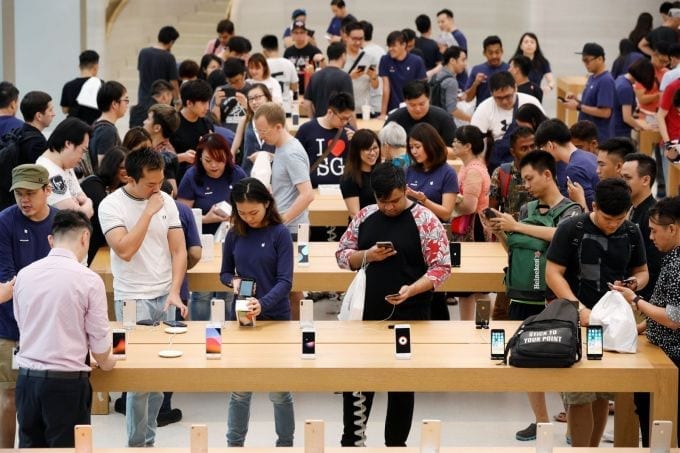
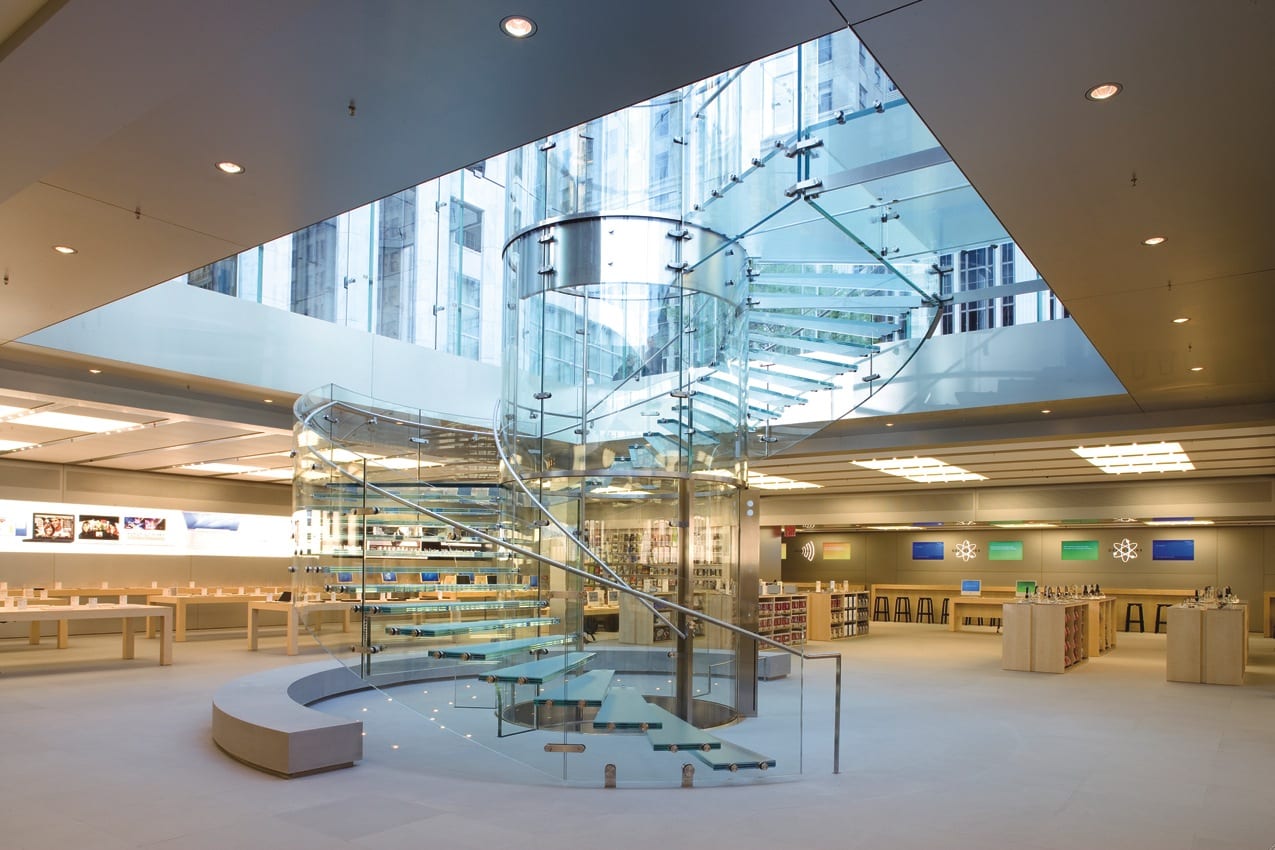
    The new single-story outlet in Lazona Kawasaki Plaza features the brand’s distinctive all-glass front as well as a large video wall, a forum, and avenue shelving.

    The venue will be used as a family learning hub via the store’s Today at Apple educational sessions, using products in store for educational purposes in AR, coding, photography and music-making, amongst others.

    The Kawasaki venue is differentiated from other more spectacular Apple Japan stores for being more community-focused.

  • Apple sales and profit slip as demand falls

    Apple sales and profit slip as demand falls

    Tumbling iPhone demand drove an uncharacteristic decline in Apple sales in the first quarter trimming back its profit for the period. Sales of its iPhone range slumped 15 per cent year on year, and although burgeoning revenue from services like digital media subscriptions – up 19 per cent to a new high of US$10.9 billion – and other products compensated, total sales were down 5 per cent to $84.3 billion.

    Sales in China slumped 26.6 per cent during the period.

    Net income fell by $100 million, from $20.065 billion in the December 2017 quarter to $19.965 billion in the latest quarter. While the company championed setting “an all-time earnings per share record” that was a consequence of a share buyback program reducing the share pool rather than an improved bottom line.

    Commenting on the results, GlobalData Retail MD Neil Saunders said while Apple is still a money-making machine, the sales decline “symbolises a company that is starting to run out of steam”.

    “In our view, this is something to be corrected, not least because Apple is a costly company to run and it relies on strong revenue growth to drive up the bottom line. As this quarter’s figures show, failure to achieve that results in profit erosion.”

    Saunders said the slowdown in iPhone sales reflected Apple’s inability to come up with meaningful and valuable innovations that wow consumers.

    “The latest iPhones might be works of art from an engineering perspective, but they are essentially incremental products that lack the excitement and newness of earlier models. With the higher price points of top-end models, consumers expect a lot more for their money. The blunt truth is, Apple’s latest line up of phones doesn’t do that much more than the generations that came before.”

    He said the slowdown in China is a problem Apple shares with many other companies.

    “The country is suffering from more sluggish consumer demand which has put the brakes on retail growth rates across many sectors. However, the issue for Apple is that this has coincided with a rise in competition from local phones and devices which has helped to eat into its own growth. In short, China is no longer the engine of growth for Apple that it once was and this makes Apple uncomfortably more reliant on mature markets to drive revenues. Some of those markets, like Europe, are also not delivering – thanks to very high price points and consumers that are hesitant to spend on big-ticket items.”

    From must have to might buy

    Saunders said Apple’s iPads and some of its Macs are good, quality items, however they are simply not impressing the market and Apple is losing its lustre in terms of producing compelling products.

    “In our view, Apple has moved from a position of ‘must have this and must have it now’ to ‘might buy this at some point in the future’. Price increases may mitigate this but, ultimately, such a shift can only ever result in a softer sales performance.”

    While services are performing well, Saunders said Apple must push much harder.

    “Amazon is successfully creating an ecosystem of services through Prime. Apple needs to do something similar by building on its Apple Music subscription and its App Store offering. Movies and television content are also needed to propel sales.

    “In our view, Apple should seriously consider a big acquisition such as Netflix. Content is a big growth area and is becoming increasingly linked to devices. Apple needs to play more heavily in this space both to generate new opportunities but also to defend its own device business.”

    While Apple remains a solid and financially successful company, he said, a lack of serious and significant innovation means it runs the risk of diluting future earnings.

    “Apple thrives off serving a mass market; at the moment its moves to provide more expensive items to fewer people will ultimately do further harm to the bottom line. The clear blue water that once existed between Apple and its rivals is much diminished. The company has time to reopen the gap, but to do so, it needs to pull something new and unique out of its hat sooner, rather than later.”

    Cook’s positive spin

    Apple CEO Tim Cook delivered a positive spin on the results: “While it was disappointing to miss our revenue guidance, we manage Apple for the long term, and this quarter’s results demonstrate that the underlying strength of our business runs deep and wide. Our active installed base of devices reached an all-time high of 1.4 billion in the first quarter, growing in each of our geographic segments. That’s a great testament to the satisfaction and loyalty of our customers, and it’s driving our services business to new records thanks to our large and fast-growing ecosystem.”

    At the end of the quarter, Apple’s net cash balance was $130 billion.

  • Estee Lauder Hong Kong, China show good numbers

    Estee Lauder Hong Kong, China show good numbers

    Cosmetics giant Estee Lauder says it achieved sales growth in every global market last financial year, led by strong double-digit increases in China and Hong Kong.

    Every single category posted growth as well.

    Globally, Estee Lauder sales reached $13.68 billion, a 16 per cent increase on last year.

    Operating income of $2.05 billion, was up 21 per cent from the prior year, while net earnings of $1.11 billion, was down 11 per cent.

    President and CEO Fabrizio Freda said the results reflect, in part, the company’s strategy to drive growth by targeting its investments to shifts in consumer and market dynamics across product categories, geographic regions, brands and distribution channels. That strategy positioned the company well for the resurgence in global prestige skin care growth as well as the strong increase in demand among Chinese consumers.

    “Sales climbed in virtually all our brands and we hit milestones along the way. Among the top four brands, our flagship Estee Lauder brand achieved record global sales and grew 22 per cent in constant currency, demonstrating the amazing equity of the brand. La Mer became the fourth brand in our portfolio to contribute well over $1 billion in net sales, and we increased sales at Mac and Clinique globally.”

    He said product innovation and creativity were strong across brands and boosting investment in digital advertising helped accelerate sales growth.

    Freda concluded: “In fiscal 2019, we will continue to create products that appeal to a more diverse and growing middle class around the world.”

  • Apple sales report doesn’t look good

    Apple sales report doesn’t look good

    Apple has been quick to point out the record-breaking revenue numbers for its first quarter.

    The Cupertino-based company reported first-quarter sales of US$88.3 billion and a record quarterly profit for the final three months of last year of $20.1 billion.

    As much as this is praiseworthy, it also masks some more worrying trends.

    First is the 1 per cent fall in unit sales of the iPhone. Although revenue for phones increased by 13 per cent, this was a function of higher prices rather than increased volume. On the surface, this may not seem like a problem, but in our view, it indicates that Apple is, once again, struggling to persuade consumers to upgrade or switch to new devices. This slowing of the upgrade cycle will likely have an impact on phone revenue in future quarters.

    Moreover, the slowdown in iPhone sales is emblematic of Apple’s inability to come up with meaningful and valuable innovations that wow consumers. Even the iPhone X is an incremental product that lacks the excitement and newness earlier models brought to market. Apple is fortunate in having a strong base of fans and many consumers who are bought into its ecosystem of services; but without device innovation, even this may prove insufficient to maintain market share in the face of rising competition.

    Mac sales disappoint

    The second area of disappointment comes from Mac sales where both volume and revenue slipped over the prior year. Admittedly, Apple is up against a comparative from last year when its new MacBooks Pros were gaining ground, but even so, this also underlines a dearth of serious innovation in the home and professional computing segments.

    We also believe that lower volumes, and the fact that Apple’s products were not at the top of everyone’s Christmas lists, put a dampener on service growth. Last quarter this segment grew by 34 per cent and by 22 per cent in the quarter before that. Over this period, the increase was a much more modest 18 per cent. Arguably, the holiday period should be a bumper time for Apple subscriptions; that it wasn’t is concerning – not least because Apple needs income from services to make up for softness in product sales.

    That Apple’s HomePod wasn’t available in time for the holidays was a misstep, not least because it could have helped boost service revenue. Our data show smart speakers and smart home devices were popular gifting and self-purchase items over November and December – with both Amazon and Google growing their market shares. Although Apple will point out its product is superior to rivals’ efforts, it is a latecomer to the party, and we believe its potential sales will be crimped as a result.

    For all of these challenges, Apple remains a solid and financially successful company. Indeed, its profits increased over the period. However, a lack of serious and significant innovation means it runs the risk of diluting future earnings. Apple thrives off serving a mass market; a move to providing more expensive items to fewer people will ultimately prove harmful to the bottom line.

    In essence, we believe that the clear blue water that once existed between Apple and rivals is much diminished. The company has time to reopen the gap, but to do so, it needs to pull something new and unique out of its hat sooner, rather than later.

    -Neil Saunders-

  • Estee Lauder Companies sales rises

    Estee Lauder Companies sales rises

    Led by double-digit growth in China and Hong Kong, Asia/Pacific sales increased sharply for Estee Lauder Companies for its first quarter to the end of September.

    It says the higher sales in China reflected strong gains for every brand except designer fragrances. Estee Lauder, Mac, La Mer, Tom Ford and Jo Malone led the sales growth.

    Sales benefitted, in part, from continued demand for makeup products, an acceleration in skincare sales and targeted expansion of consumer reach.

    Hong Kong’s increased sales reflected solid domestic growth and a rise in tourism. Growth was primarily driven by Estée Lauder, La Mer and Mac.

    Operating performance was lower in Japan.

    Overall, the company achieved net sales of $3.27 billion, up 14 per cent on the same period last year.

    Incremental sales from the company’s acquisitions of Becca and Too Faced contributed about four points of reported sales growth. Net earnings rose 45 per cent to $427 million.

    “Building on the global momentum of the past fiscal year, we benefitted from continued acceleration in China, Hong Kong, travel retail and global online, strength in several developed and emerging markets in Europe, and incremental sales from Becca and Too Faced,” says president/CEO Fabrizio Freda.

    “Our online and travel-retail channels and most luxury and mid-sized brands posted double-digit sales gains.”

  • Star leaks Fenty Beauty by Rihanna campaign images

    Star leaks Fenty Beauty by Rihanna campaign images

    Pop star Rihanna has uploaded visuals from the advertising campaign for her new cosmetics line Fenty Beauty by Rihanna on Instagram.

    The Barbados-born entertainer has 56.2 million followers on the social-media site.

    Little information has been released yet about the beauty line, created in collaboration with Kendo, the LVMH group’s subsidiary which also works on Kat Von D and Marc Jacobs Beauty.

    Rihanna presented her first make-up product, a bronze lip gloss with a glistening rosy shimmer and “holographic” effects 12 months ago at a catwalk show for Fenty Puma, the line designed in collaboration with German sports brand.

    Fenty Beauty by Rihanna will be available at Sephora stores and on the perfumery retailer’s e-shop from Friday.

    This is not Rihanna’s first foray into make-up. She had a collaboration with Mac Cosmetics in 2013.

  • Retailers snag prime spots for flagships amid lower rentals

    Retailers snag prime spots for flagships amid lower rentals

    Rising vacancies and plunging rentals in shopping malls may be a headache for landlords, but it is not all bad news for retailers who have taken advantage of lower rentals to snag prime locations for their flagship stores.

    More than 10 flagship stores were set up islandwide last year, noted property consultancy Cushman & Wakefield’s research director Christine Li. This is the highest number since the global financial crisis in 2009, she said.

    The last wave of flagship stores were set up between 2007 and 2009, when Orchard Road was undergoing a makeover.

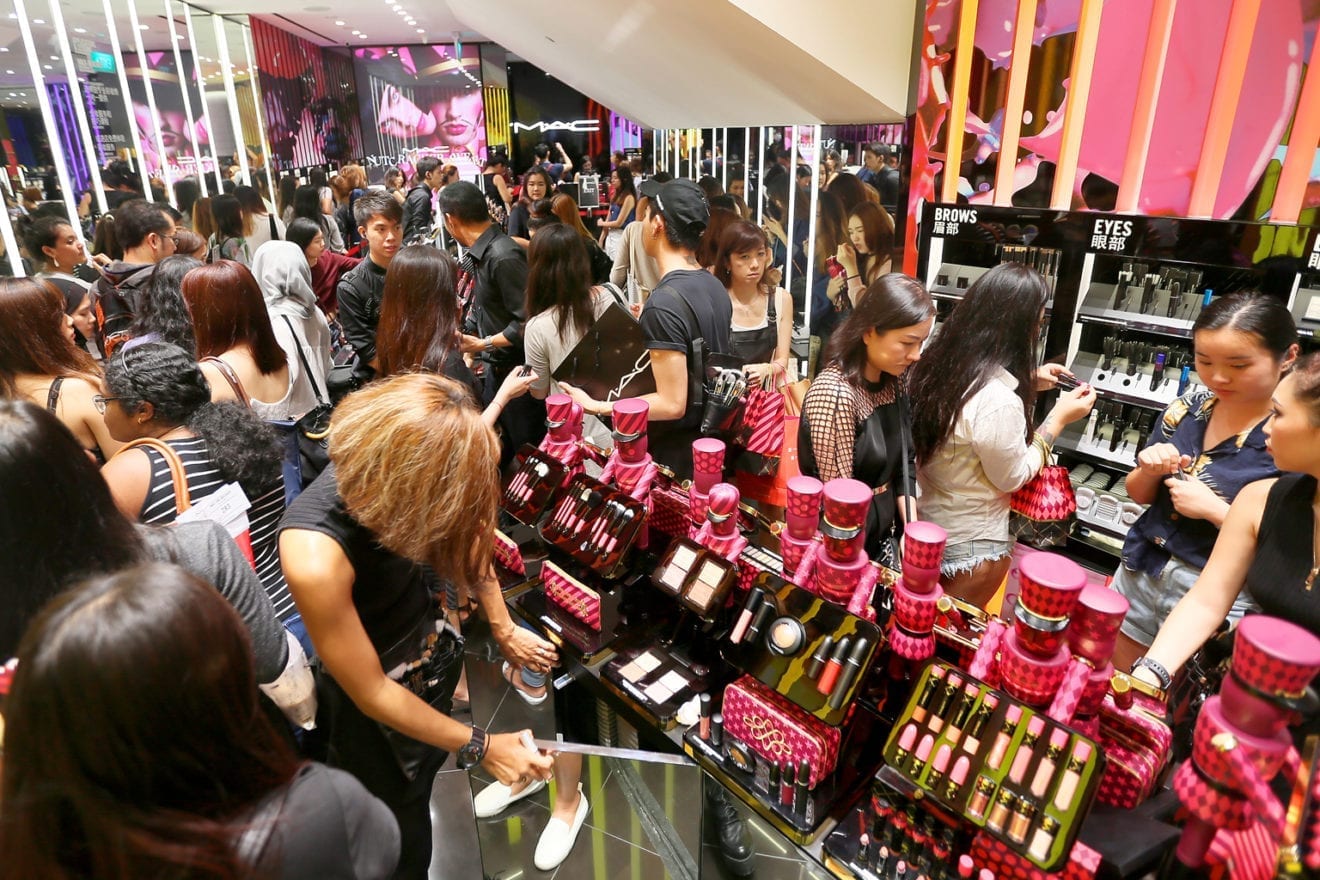
    Last year, cosmetics label MAC and Sephora opened flagships at Ion Orchard, while Japanese fashion retailer Uniqlo unveiled a three-storey store in Orchard Central. Other new flagships include those of watch brand Rolex at Marina Square and German leather goods brand Braun Buffel at Marina Bay Sands.

    Ms Li said: “In the lower rent environment, 2016 saw a ‘flight to quality’ as retail brands that are still optimistic on expansion took this opportunity to upgrade to larger prime retail spaces vacated by previous tenants.”

    • 10 At least this number of flagship stores were set up islandwide last year. This is the highest number since the global financial crisis in 2009.

    She said flagships are strategic, as they reinforce and enhance a brand’s presence and status.

    Uniqlo’s founder Tadashi Yanai said the firm decided to open a flagship in Orchard Road as it sees Singapore as a gateway to not only the markets in South-east Asia but also in the Middle East and Africa.

    “Despite the faltering retail climate in Singapore, Uniqlo’s belief in the potential of this region is what has driven (our) decision to launch the three-storey Global Flagship store here,” he said.

    The islandwide vacancy rate for retail space was 7.5 per cent at the end of last year, up from 4.5 per cent at the end of 2013, Urban Redevelopment Authority (URA) data showed.

    The climbing vacancy rate has, in turn, reduced rental rates. The median rental rate for retail space in the third quarter of last year was the lowest on record, falling to $9.82 per sq ft per month for the Orchard Road area – the first time it fell below $10, URA data showed.

    Riding on the wave of soft rents, French sporting goods retailer Decathlon even secured a 15-year lease for a 35,000 sq ft outlet in Viva Business Park in Chai Chee, which opened in January last year.


  • Travel retail boosts Estée Lauder Companies

    Travel retail boosts Estée Lauder Companies

    Beauty group The Estée Lauder Companies has reported double-digit sales growth in global travel retail for the second quarter of its latest fiscal year.

    This was generated by launch initiatives, global airline passenger traffic growth and new consumer coverage, the company says.

    Its Aveda, Jo Malone, La Mer, MAC and Tom Ford brands “contributed sharply” to the sales gains.
    An overall increase in make-up sales came partly through a broadening of the brands’ presence in travel retail, says the group.

    Total net sales of US$3.21 billion were achieved in the second quarter, a 3 per cent year-on-year increase.

  • Tax changes lower Mainland cosmetics prices

    Tax changes lower Mainland cosmetics prices

    China’s new import tax regime has enabled cosmetics giants AmorePacific and Estee Lauder to lower their prices in China by up to 30 per cent.

    AmorePacific’s China division says it will reduce Mainland cosmetics prices for 327 lines under the brands of Etude House, Innisfree, Laneige and Sulwhasoo by 3 to 30 per cent from January 15.

    US rival Estee Lauder has confirmed immediate price cuts for more than 300 lines in China, including its namesake label, Bobby Brown, Clinique, Jo Malone, and Mac by as much as 18 per cent.

    This follows Beijing’s move last year to slash its hefty duties on imported cosmetics in an effort to boost domestic consumption, according to AmorePacific, which has its headquarters in Seoul.

    “These global cosmetics names are now narrowing the price gap between China and overseas, and we believe more are probably about to follow suit,” says China Market Research Group director Ben Cavender, noting that with western brands becoming cheaper in the mainland, people may be discouraged from travelling to Hong Kong to make purchases.

    Imported cosmetics previously faced tariffs of 84 per cent, reflecting both import and point-of-sales taxes. The tariffs have now gone down to 29 per cent for most beauty products.
    Before the tariff reduction, many mainland consumers shopped via cross-border online marketplaces or while travelling abroad.

  • Opera ramps up video multitasking for computers

    Opera ramps up video multitasking for computers

    Opera has updated its software for computers, revamping the video pop out feature to enable users to continue watching while working, playing or doing research — in the browser or any other program.

    The “picture in picture” feature now lets users pop out video from even more websites, including Vimeo, and play/pause with a single click. There is also an option to disable the feature, for those who do not need it.

    Users can simply go to a favorite video page, such as YouTube, and run a video. They will see an icon in the middle of the top border of the video. By clicking on it, they can pop out the video and continue watching it even while using other programs on their computer.

    Opera took a deeper look into how people multitask while watching with the video pop out feature in different geographies. The results of this research show the geography of online video preferences around the globe.

    Results are based on aggregated data coming from users of Opera 38 for computers. Data on the individual level or about video content is not collected.

    The top-10 countries for video pop out usage span four different continents, clearly showing that the online video boom is a global phenomenon. It’s also interesting to see that people in some countries – such as Italy, UK and Germany – multitask with video more on weekends, while others, such as China, spend more time watching pop out videos during working days.

    videopopout-infographic-630

  • Why Is Apple Opening More Retail Stores in Emerging Markets?

    Why Is Apple Opening More Retail Stores in Emerging Markets?

    Apple continues to remain optimistic about China despite the country’s economic slowdown. As a result of this optimism, Apple plans to open a number of retail stores in emerging markets such as China and India. Apple had 28 stores in China through the end of 2015, but it plans to add 12 more by mid-2016.

    In India, Apple had depended on subdistributors for the sale of its products until now. However, Apple has sought approval from the Indian government to open its own retail stores in India.

    Apple considers India to be an important market in the coming days, as the country is now the second-largest smartphone market in the world after China. Apple’s revenues in India grew by a healthy year-over-year (or YoY) rate of 38% in the quarter ended December 2015.

    Percentage of users buying iPhones from Apple US retail stores declining

    India has some positive macroeconomic factors that make it an attractive market. It is one of the fastest-growing economies with a huge young population. According to Apple’s CEO, Tim Cook, “The population of India is incredibly young. The median age there is 27. I think of the China age being young, at 36, 37 and so 27 is unbelievable. Almost half the people in India are below 25. And so I see the demographics there also being incredibly great for a consumer brand and for people that really want the best products.”

    The focus on retail in emerging markets is big for Apple, but it’s the opposite in the US. According to a report, citing research from Consumer Intelligence Research Partners, users are increasingly buying iPhones from telecom providers such as Verizon, Sprint (S), and AT&T (T) rather than its own stores. The above chart shows this trend. The main reason for this trend is that these providers offer consumers attractive leasing, installment plans, and exchange offers.

    Apple commands only 2% share of India’s smartphone market

    In the previous part of this series, we discussed the growing focus by Apple on India. According to Counterpoint, India recently overtook the US to become the second-largest smartphone market, behind only China. However, Apple still only commands a 2% share in India’s smartphone market.

    According to that report and as the chart below shows, Samsung led the Indian smartphone market last year, with Micromax, Intex, Lenovo, and Lava taking the up the remaining four positions among the top five players in this market. Microsoft lost its place among the top five players in this market due to the declining popularity of the Lumia line of smartphones.

    Apple Aims to Increase Penetration of India’s Smartphone Market

    Apple’s initiatives in India have yet to bear fruit

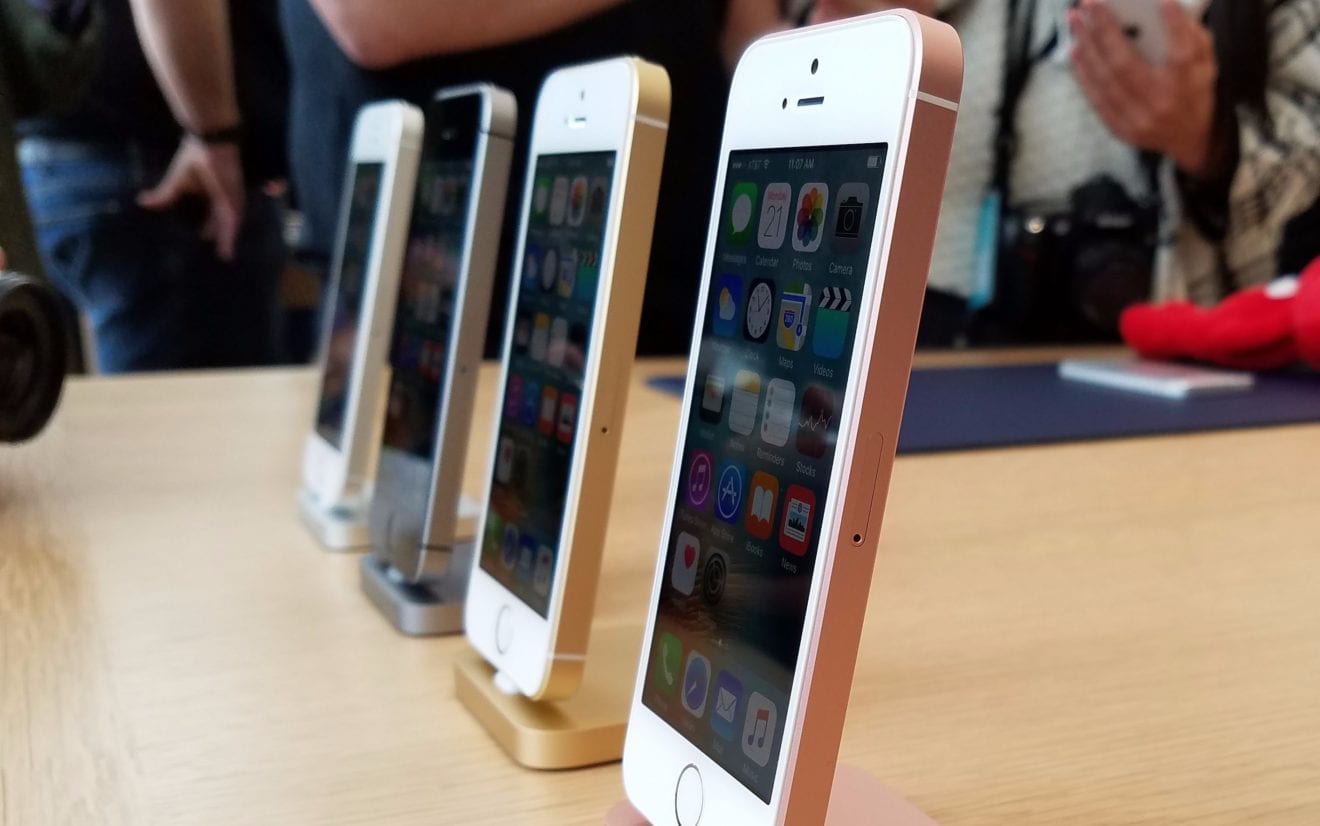
    Apple released the low-cost iPhone SE in March 2016, accompanied by high expectations. It released this smartphone in India in early March, but it has so far failed to garner much interest from users. The problem with the iPhone SE is that although it costs $430 in the US, it is sold at the higher price of $586 in India.

    iPhones cost more in India because Apple currently depends on third-party distributors to sell the devices in India, adding their commissions to the phone’s price. However, as discussed in the previous article, Apple plans to open its own stores in India, which could help bring down the prices of iPhones in India going forward.

    This isn’t the first time Apple has launched a cheaper version of the iPhone. In 2013, Apple launched the iPhone 5C at around $500.

    In 2015, Apple announced that it would slash the price of the iPhone 5S from $665 to $370, according to a report from the Times of India. However, all these efforts have still not helped Apple’s penetration of the Indian smartphone market. In our view, Apple would have to do much more to achieve that goal.