Tag: machines

  • Coca-Cola Partners with Return-It to Pilot Reverse Vending Machines: Taking Beverage Container Recycling to the Next Level in Australia

    Coca-Cola Partners with Return-It to Pilot Reverse Vending Machines: Taking Beverage Container Recycling to the Next Level in Australia

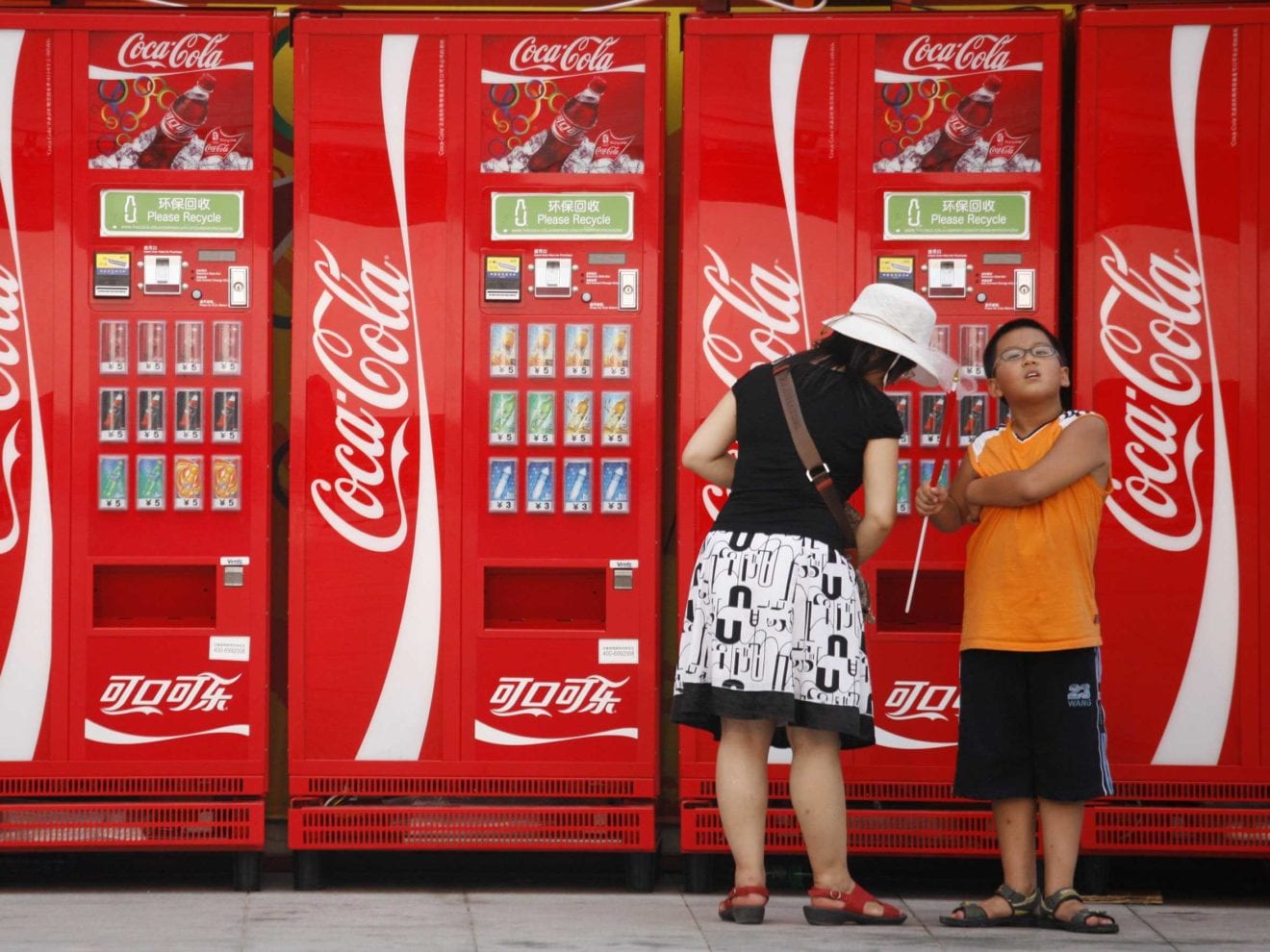
    Coca-Cola Europacific Partners (CCEP) Australia has initiated the introduction of reverse vending machines (RVMs) in its primary manufacturing facilities, commencing with its Moorabbin site in Victoria.

    What is a Reverse Vending Machine?

    A reverse vending machine is a sophisticated device designed to collect empty beverage containers. This includes plastic bottles, glass bottles, and aluminium cans, which are then funneled into the recycling process. Users are often rewarded for their recycling efforts, typically in the form of a deposit refund, voucher, or other incentives.

    CCEP Australia’s trial initiative is being carried out in collaboration with Return-It, the eastern zone network operator for Victoria’s Container Deposit Scheme (CDS Vic). The main goal of this venture is to make container recycling more accessible to the general public.

    Industry Partnerships Promote Recycling

    Orlando Rodriguez, the Managing Director for Australia at CCEP, expressed the company’s pride in making Coca-Cola in Moorabbin for over 65 years. He highlighted that with the installation of the reverse vending machine, consumers can now return their containers for recycling at the same location where their favourite beverages are produced.

    Marc Churchin, CEO of Return-It, emphasized that the collaboration highlights the crucial role of industry partnerships in advancing recycling efforts. He mentioned that the organization’s mission is to make recycling worthwhile by making it accessible, easy, and rewarding.

    Future Expansion Plans

    Beyond the Moorabbin facility, CCEP Australia has plans to expand the deployment of RVMs to other manufacturing locations across Australia. Rodriguez added that “the initiative reflects our long-standing support for Australia’s container deposit schemes and our commitment to investing in local recycling infrastructure. We want to ensure beverage containers are kept out of the environment.”

    Questions & Answers

    What is the function of a reverse vending machine?
    A reverse vending machine collects empty beverage containers, such as plastic bottles, glass bottles, and aluminium cans. These are then recycled, and users are incentivized for their participation in the form of deposit refunds, vouchers, or other rewards.

    What is the objective of CCEP’s initiative with Return-It?
    The primary goal is to make container recycling more accessible to the general public. This is achieved by installing reverse vending machines at locations where beverages are produced, enabling consumers to return their containers for recycling.

    What are Coca-Cola Europacific Partners’ (CCEP) future plans regarding reverse vending machines?
    CCEP plans to expand the rollout of reverse vending machines to more manufacturing locations across Australia. This reflects their ongoing support for local container deposit schemes and commitment to investing in local recycling infrastructure.
  • Coca-cola Unveils Ai-powered Vending Machine For Enhanced, Personalized Consumer Experience

    Coca-cola Unveils Ai-powered Vending Machine For Enhanced, Personalized Consumer Experience

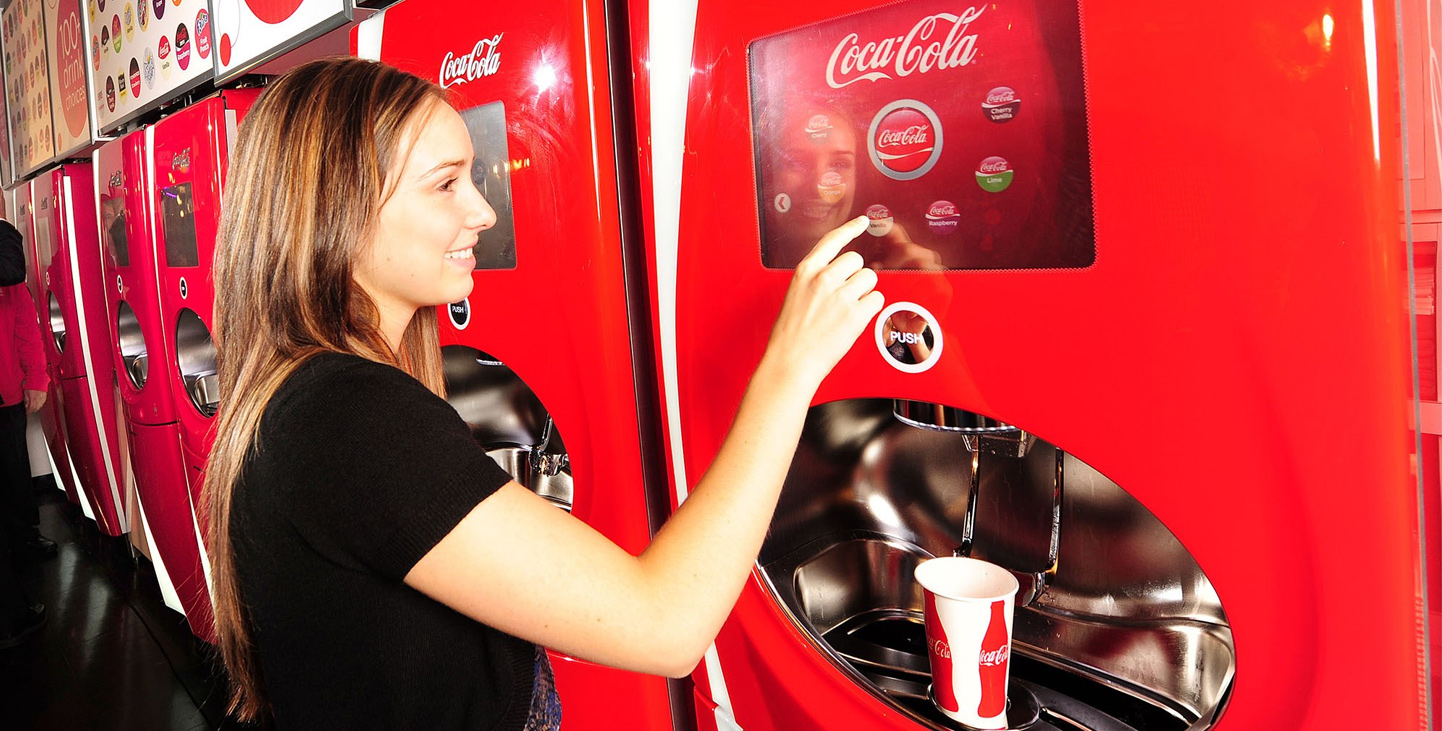
    Coca-Cola has debuted its most recent innovation in the form of a Coke&Go cooler vending machine. This cutting-edge machine is powered by artificial intelligence (AI) and computer vision, creating an upgraded, efficient, and personalized vending experience for consumers.

    Enhanced Consumer Experience

    The Coke&Go cooler vending machine allows consumers to gain access via their smartphones. This can be done by either scanning a QR code or by inputting credit card information, providing a seamless and technologically advanced method of interaction. What sets this vending machine apart is its ability to identify products using a product recognition technology. This means that customers can confirm and complete their purchases through the payment options that they have linked with the system.

    Terry Burbidge, GM of vending at Coca-Cola Europacific Partners New Zealand, underlined that this move aims to align their products more closely with the modern lifestyle of their consumers. He stated, “It’s about making refreshment more intuitive, more accessible, and more aligned with how Kiwis live today.”

    Smart Inventory Tracking

    The latest version of this vending machine also comes equipped with smart inventory tracking. This feature ensures that the cooler vending machines are restocked with the correct beverages at the right time. In doing so, not only does it enhance efficiency, but it also significantly reduces the likelihood of items being out of stock.

    The soft drink behemoth has plans to expand the presence of this innovative vending machine following a successful trial at the Sydney Airport during the previous year. Over the course of the next two years, hundreds of these advanced cooler vending machines will be installed across Australia and New Zealand.

    Questions & Answers

    What is the Coke&Go cooler vending machine?
    The Coke&Go cooler vending machine is a new type of vending machine by Coca-Cola that uses artificial intelligence and computer vision to provide an efficient and personalized experience.

    How do consumers interact with the Coke&Go cooler vending machine?
    Consumers can interact with the machine using their smartphones, either by scanning a QR code or entering their credit card information.

    What are the benefits of the vending machine’s smart inventory tracking feature?
    The smart inventory tracking ensures that the vending machines are consistently stocked with the right beverages, which improves efficiency and reduces the chance of items being out of stock.

  • Connected vending machines to pass 10m this year

    Connected vending machines to pass 10m this year

    ABI Research estimates that there will be more than 10 million network connections to vending machines by the end of this year, ABI Research estimates.

    The install base is expected to reach nearly 24 million connections in 2021 for a compound annual growth rate of 17%.

    The research firm said the vending machine ecosystem is evolving and companies like Coca-Cola, PepsiCo, and VE Global Vending are looking to expand distribution offerings and connect their machines to the internet to increase operational efficiencies.

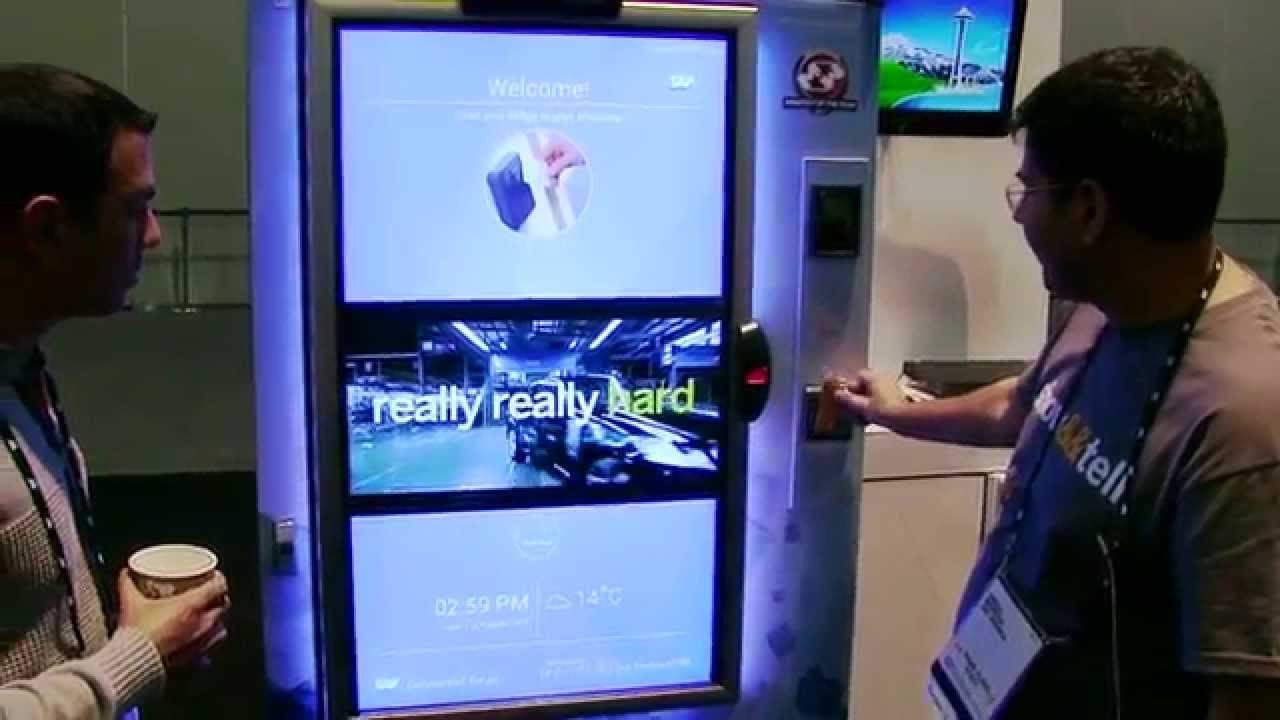
    These newly connected machines also allow operators to gain new insight into metrics on inventory management, foot traffic and automatic maintenance requests.

    “The vending machine isn’t dead — it’s just reinventing itself,” said Jeff Orr, Research Director at ABI Research. “There is a point in the near future where the physical and digital worlds will blend to create new experiences. And it’s vendors that optimize their supply chains that will best succeed in this market.”

    VE Global Vending is one company that continuously adapts its strategy to keep pace with evolving technologies, refurbishing used vending machines into digitized versions that include touchscreens, sensor technologies and flexible payment methods.

    ABI Research suggests in a report that there remains room in this market for new players that mirror this methodology and optimize the supply chain to focus on everything from machine manufacturing, placement, and payment solutions to restocking and service.

    “New market entrants have to be creative so that they do not become immediate acquisition targets for brands with broader ecosystem investments,” continued Orr.

    “For instance, the simplest method to connect a vending machine is to use an Ethernet cable to connect it to the building. But new players would be wise to take advantage of the abundance of wireless technology on the market. The question of which party pays for the recurring mobile service costs would still need answering, though.”

    As the connected machines continue to automate services that humans historically addressed, such as key duplication, opportunities will emerge for enterprises to become involved in customized manufacturing and 3D-printing on a small scale.

    “In the coming years, as manufacturers perfect 3D-printing and small-scale machining operations, new services will be possible for producing custom items through a vending and fulfillment experience. The physical and digital worlds are converging—and it’s only a matter of time before their intersection leads to new experiences and opportunities for businesses,” Orr said.