Tag: Made-in-China

  • Made-in-China scandal plunges top Vietnamese silk brand deeper into hot water

    Made-in-China scandal plunges top Vietnamese silk brand deeper into hot water

    Widespread public backlash. A raft of looming investigations. What’s next for the once-posh Vietnamese garment brand? Garment firm Khaisilk is poised to face a series of investigations after a made-in-China scandal triggered widespread calls for a boycott of the once-posh Vietnamese silk brand last week.

    On Monday, the Ministry of Industry and Trade said it had transferred all relevant documents to the police who are set to launch a criminal probe into Khaisilk after an inspection last week uncovered fake products made in China at one of the brand’s Hanoi outlets.

    Trade minister Tran Tuan Anh also on Monday set up a joint task force charged with launching an independent probe into the case.

    “Khaisilk’s actions have violated the law, damaging the value of Vietnamese brands and deceiving Vietnamese consumers,” Anh said at a meeting on Monday.

    The scandal came to light on October 23 when a businessman in Hanoi took to Facebook to rail against products his company had bought from the brand, saying they were actually made in China.

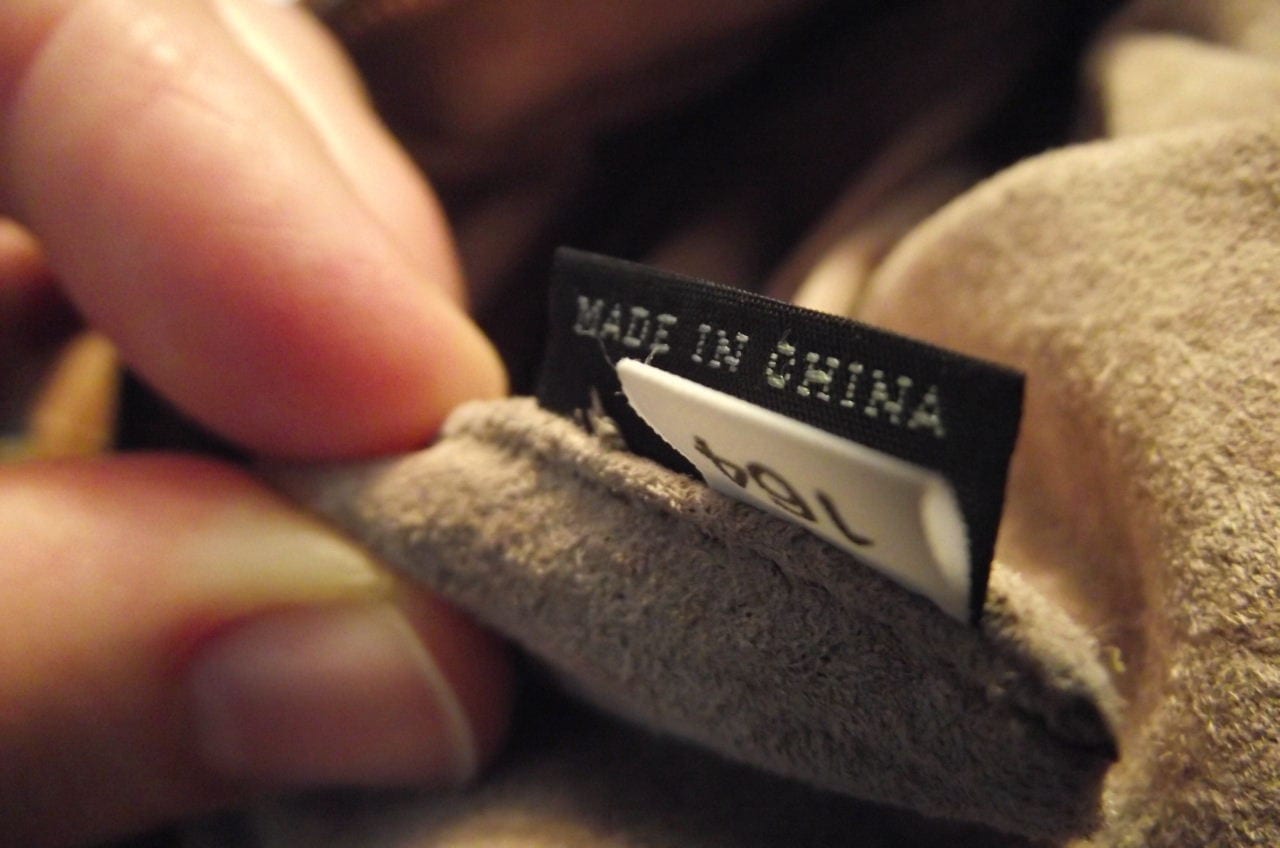
    According to the post, the company bought 60 Khaisilk-branded scarves at the Hang Gai shop in Hanoi for VND644,000 ($28) each, but one scarf had two tags: “Khaisilk Made in Vietnam” and “Made in China.”

    The company said it had checked the rest of the scarves and found signs that “Made in China” tags had been removed.

    The brand’s owner Hoang Khai later admitted that half of the silk used by Khaisilk came from China, while the rest came from Vietnamese craft villages. But he was adamant that his company always used high-quality material.

    Khai has apologized to customers and offered compensation. However, the public has started questioning whether Khaisilk had been receiving help from market watch authorities as its shops have allegedly been selling Chinese silk for years without being detected.

    Khaisilk is a renowned high-end brand with a history of over 30 years, famous for its supposedly high-quality “made in Vietnam” products.

    The scandal has triggered widespread calls to boycott its products. Vietnamese lawyers have also weighed in, saying aside from denting public confidence, Khaisilk Group, which owns the eponymous brand, could face legal action.

    Khaisilk’s outlets in both Saigon and Hanoi have been closed since Friday.
  • Made-in-China truck sales lose ground in Vietnam

    Made-in-China truck sales lose ground in Vietnam

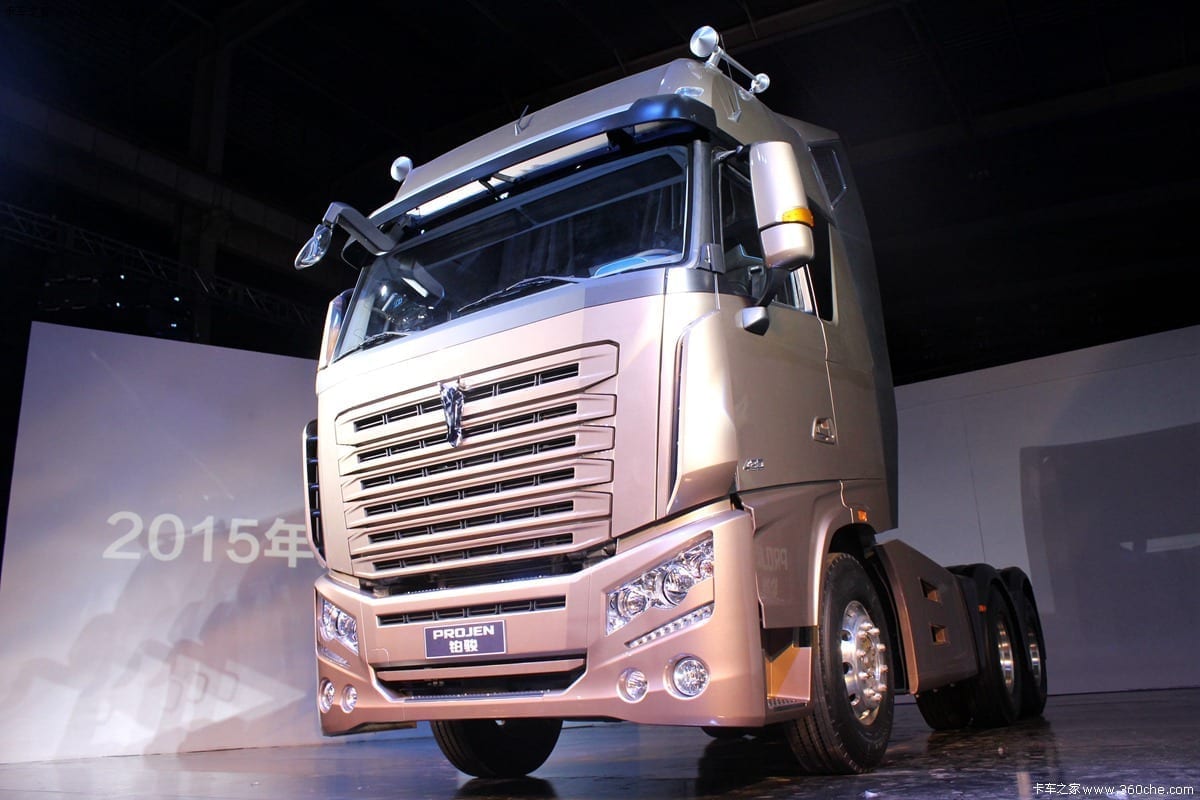
    Made-in-China trucks which had once dominated the Vietnamese market are facing the slow sales since early 2016. According to the General Department of Customs, import of made-in-China trucks into Vietnam reached a record high of 26,700 units in 2015 worth a total USD1 billion compared to 13,700 units worth USD530 million in 2014.

    However, since early 2016, the sales of Chinese trucks have considerably fallen in Vietnam. The General Department of Customs reported that only 10,900 Chinese trucks had been imported into Vietnam in 2016 and this figure reached just 94 units in January of 2017 compared to 1,700 units in January 2015.

    Explaining about the surge in Chinese trucks imported during the 2014-2015 period, owner of an auto-agent in Hung Yen Province, said that it was low prices which attracted customers. Meanwhile, Vietnamese auto agents could owe payments for buying Chinese trucks for between 6 months and one year.

    In early 2014, the Ministry of Transport issued a regulation to tighten control over overloaded vehicles also helped to fuelled the import of large-sized Chinese trucks.

    Earlier, trucks were allowed to transport larger quantities, 2-3 times over their load capacity. But they will be fined heavily if they carried that much now with the new policy. So as to carry the same amount of goods as before, local transport firms had to increase the number of trucks.

    The slow sales of Chinese trucks in Vietnam are also attributed to the stronger competition from rivals. More trucks produced by South Korea’s Hyundai, Japan’s Hino, Russia’s Kamaz and German’s Shacman are all being sold in Vietnam with more affordable prices.

    Many showrooms of made-in-China trucks have been set up along National Highway 5A, however, over the past year, they have sold only a few units.

    Representatives of a showroom in Hai Duong Province said despite low prices, the company sales of Chinese trucks have been on the sharp fall, which is partially due to quality which is not good as those made by South Korean, Japanese or European firms.

    After being imported into Vietnam, many Chinese trucks have their bodies extended for the higher loading capacity, which is aimed to meet the Ministry of Transport’s regulations and this also seriously affects the trucks’ life-span.