Retail News CRM

Tag: made

  • Danone Boosts Australian Footprint with Profitable Made Group Takeover

    Danone Boosts Australian Footprint with Profitable Made Group Takeover

    Global food corporation Danone is extending its foothold in Australia by acquiring Made Group, the parent company of Cocobella and Rokeby. This transaction is an element of a two-part acquisition designed to increase Danone’s influence in the Asia Pacific region. In addition to this, Danone has also announced the full ownership of its fresh dairy joint venture with Saputo Dairy Australia by acquiring the remaining 49% stake.

    Made Group’s consistent performance with “appealing profit margins”, backed by its sales of $490.7 million in the last fiscal year, was a driving factor behind the acquisition. Made’s portfolio includes popular brands such as The Collective, Nutrient Water, and Impressed.

    Mutual Values and Profitable Growth

    According to Antoine de Saint-Affrique, CEO of Danone SA, Made Group has had a remarkable history of fast and profitable growth, thanks to its robust brand portfolio and health-focused nutritional products. He notes that both companies share a belief in promoting health through food and expressed excitement about welcoming Made into the Danone family.

    Made Group was sold by US-based TPG Capital in a transaction that earned TPG approximately $2 billion, a mere five years after it had purchased the beverage business.

    Shared Commitment to Health and Innovation

    Amanda Butler, CEO of Made, views this as an exciting new phase for the company. She acknowledged Danone’s shared commitment to health and enthusiasm for innovation, expressing optimism about future prospects. Butler anticipates that their joint efforts will unlock new infrastructure, capabilities, and research and development expertise, spurring growth across the region.

    Questions & Answers

    What companies has Danone recently acquired in Australia?
    Danone has recently acquired Made Group, the parent company of Cocobella and Rokeby.

    What motivated Danone’s acquisition of Made Group?
    Made Group’s consistent “attractive profit margins” and sales performance, coupled with its strong brand portfolio and focus on health-focused nutritional products, influenced Danone’s decision to acquire the company.

    What are the anticipated benefits of this acquisition for Made Group?
    Following the acquisition, Made Group expects to access new infrastructure, capabilities, and research and development expertise to accelerate growth in the region.
  • Comedian Andy Lee Champions Australian Made Products in 40th Anniversary Campaign

    Comedian Andy Lee Champions Australian Made Products in 40th Anniversary Campaign

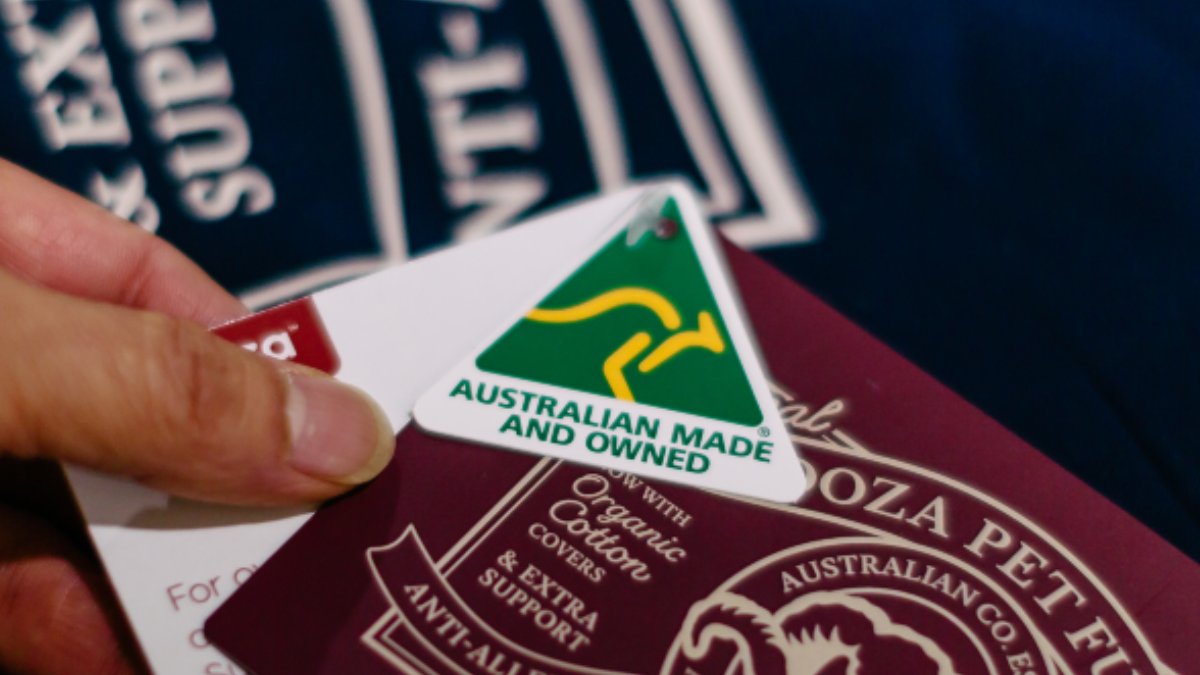
    Australian Made, an organization renowned for promoting and certifying Australian-made products, has recently announced the appointment of Andy Lee as its ambassador for the upcoming Australian Made Week. Scheduled for the week of the 18th to the 24th of May, Australian Made Week aims to encourage consumers to prioritize purchasing products adorned with the Australian Made logo.

    Andy Lee is a comedian, children’s book author, and a member of the renowned comedy duo Hamish & Andy. As an ambassador, Lee’s main role will be to spearhead a campaign promoting the economic benefits of choosing products made within Australia. To emphasize this, he will don the national colours of green and gold throughout the campaign. This year also marks a significant milestone for Australian Made as they celebrate 40 years since the Australian Made logo was first introduced as a national symbol of origin.

    Ben Lazzaro, CEO of Australian Made, revealed that Lee was chosen as the ambassador due to his unwavering support for local manufacturing throughout his career as a business owner and investor.

    Lee expressed his belief that choosing Australian-made products can have far-reaching economic impacts, including supporting local employment and supply chains. He hopes his role will inspire consumers both locally and internationally to support Australian producers.

    Lee said, “Nothing would make me happier than knowing my involvement in Australian Made Week had encouraged people to support our wonderful country and the incredible things our local makers create.”

    Interestingly, a recent survey conducted by Roy Morgan Research indicates a high level of support for domestic production among consumers. According to the survey, 87% of respondents believe buying Australian-made products is important, with 56% stating they ‘often’ or ‘always’ opt for them. Furthermore, an impressive 99% of those surveyed were able to recognize the Australian Made logo.

    Australian Made encourages consumers to prioritize Australian-made products in all their daily purchases. They stress that domestically produced options are available across a wide range of categories, including health and beauty products, industrial materials, furniture, and mattresses.

    In addition to promoting local products, Australian Made Week will also include a host of community activities and a programme recognizing businesses in the certification system used by more than 4500 companies.

    Questions & Answers

    Who has been appointed as the ambassador for Australian Made Week?
    Andy Lee, a comedian and children’s book author, has been appointed as the ambassador for Australian Made Week.

    Why was Andy Lee selected as the ambassador for Australian Made Week?
    Andy Lee was chosen for his long-standing support for local manufacturing and his work as a business owner and investor.

    What are the main objectives of Australian Made Week?
    Australian Made Week aims to promote the economic benefits of choosing domestically produced goods and to encourage consumers to prioritize products bearing the Australian Made logo.

  • Human Made Expands Asian Footprint with Tokyo Mega-Store and Exciting Bangkok Debut

    Human Made Expands Asian Footprint with Tokyo Mega-Store and Exciting Bangkok Debut

    Japanese fashion label Human Made is increasing its presence in Asia with the impending launch of its most spacious flagship store in Tokyo, as well as its debut store in Thailand.

    Branching Out into Thailand

    Human Made is slated to introduce its first Thailand-based store in Bangkok on March 28, located in Central Embassy. This move marks the brand’s premiere entry into the Thai market.

    The Bangkok store will provide a fusion of fundamental merchandise and location-specific releases. Among the exclusive offerings include a collection embellished with an elephant graphic, a nod to the country’s national symbol, complemented by Muay Thai shorts and limited-edition items adorned with the brand’s iconic heart design.

    In addition to the retail aspect, the brand will also be extending its culinary venture by opening a new branch of Curry Up, a curry restaurant under the Human Made banner, adjacent to the store.

    Establishing a Larger Presence in Japan

    Simultaneously, back in its home country, Japan, Human Made is preparing to unveil Human Made Tokyo. This will be the brand’s most expansive flagship store, boasting a floor area of 59 square meters. The launch is set to take place in the Harajuku district around August to September of the current year.

    Questions & Answers

    Where will the largest Human Made flagship store be located?
    The largest Human Made flagship store will be located in Tokyo, specifically in the Harajuku district.

    What are some of the exclusive offerings that will be available at the Bangkok store?
    The Bangkok store will offer a collection featuring an elephant graphic, Muay Thai shorts, and limited-edition pieces incorporating the brand’s signature heart motif.

    What additional venture will Human Made be introducing in Bangkok alongside its retail store?
    Alongside its retail store in Bangkok, Human Made will be introducing a new branch of Curry Up, a curry restaurant operated by the brand.

  • Reimagining Australian Manufacturing: Navigating Challenges And Seizing New Opportunities

    Reimagining Australian Manufacturing: Navigating Challenges And Seizing New Opportunities

    The manufacturing sector in Australia is at a critical juncture, contributing approximately 5.9% to the national GDP and employing over 850,000 people this year. Despite rebounding from disruptions caused by the pandemic, the sector is grappling with new challenges. More than 60% of manufacturers are dealing with delays in receiving essential materials, and escalating energy costs and skill shortages are exacerbating operational hurdles.

    Opportunities Amidst Challenges

    However, this uncertain environment is presenting unexpected opportunities for Fast-Moving Consumer Goods (FMCG) manufacturers who are open to reimagining their sourcing tactics. The government’s $15 billion National Reconstruction Fund demonstrates a revitalized commitment to strengthening local manufacturing capabilities. Consequently, the question FMCG firms are grappling with is no longer whether to manufacture domestically or abroad, but rather how to devise intelligent hybrid models that leverage the benefits of both methods.

    The Relevance of Local Production

    It’s time to reconsider the long-standing belief about Australian customers’ allegiance to locally made products. In low-engagement, processed categories like confectionery and chocolate, the origin of the products usually takes a backseat to taste, brand, and value. In contrast, for fresh foods, the origin continues to be a significant factor influencing purchases. Retail buyers prioritize margin, volume, inventory performance, and innovation.

    Nonetheless, this doesn’t mean the end of local manufacturing. The Australian Government’s Modern Manufacturing Strategy is supporting businesses in repatriating operations and diversifying suppliers, thereby creating fresh opportunities for strategic local production.

    Local Manufacturing Advantages

    The vulnerabilities of supply chains exposed during recent global disruptions have fundamentally shifted the risk-reward equation of sourcing from overseas. What were once clear cost savings now include hidden expenses such as inventory buffers, expedited shipping, and lost sales from stockouts. Local manufacturing presents attractive benefits in this context. Shorter lead times enable quicker responsiveness to demand fluctuations and seasonal changes.

    Environmental Considerations

    When it comes to the environmental impact of local versus offshore manufacturing, the situation is more complex than it often appears. Manufactured inputs often account for 40-70% of a company’s carbon footprint, far outweighing transport. While local production may seem like a sustainability benefit, the impact largely depends on the energy mix.

    A Portfolio Approach to Manufacturing

    The most resilient FMCG firms are moving beyond the binary choice between local and offshore production. Instead, they are devising portfolio-based sourcing strategies, optimizing each product line based on specific needs and market dynamics.

    Future of Australian FMCG Manufacturing

    The progress of Australian FMCG manufacturing reflects larger shifts in how businesses compete in today’s world. It isn’t just about cost anymore. Speed, trust, sustainability, and adaptability have all emerged as critical competitive factors. The companies that will succeed are not those that choose between local or global production, but those that understand when, how, and why to utilize each method.

    Questions & Answers

    What challenges are the Australian manufacturing sector facing?
    The Australian manufacturing sector is experiencing delays in obtaining essential materials. Rising energy prices and a shortage of skilled labor are further compounding these operational challenges.

    What opportunities are emerging for FMCG manufacturers?
    The turbulent landscape is creating unexpected opportunities for FMCG manufacturers who are willing to rethink their sourcing strategies and develop intelligent hybrid models that combine the benefits of both local and offshore manufacturing.

    How is the future of Australian FMCG manufacturing being shaped?
    The future of Australian FMCG manufacturing is being shaped by a range of factors including speed, trust, sustainability, and adaptability. Government initiatives are also playing a significant role, with measures such as the National Reconstruction Fund helping to rebuild manufacturing capability.

  • Aussie beverage company Made removes natural sugars from milk

    Aussie beverage company Made removes natural sugars from milk

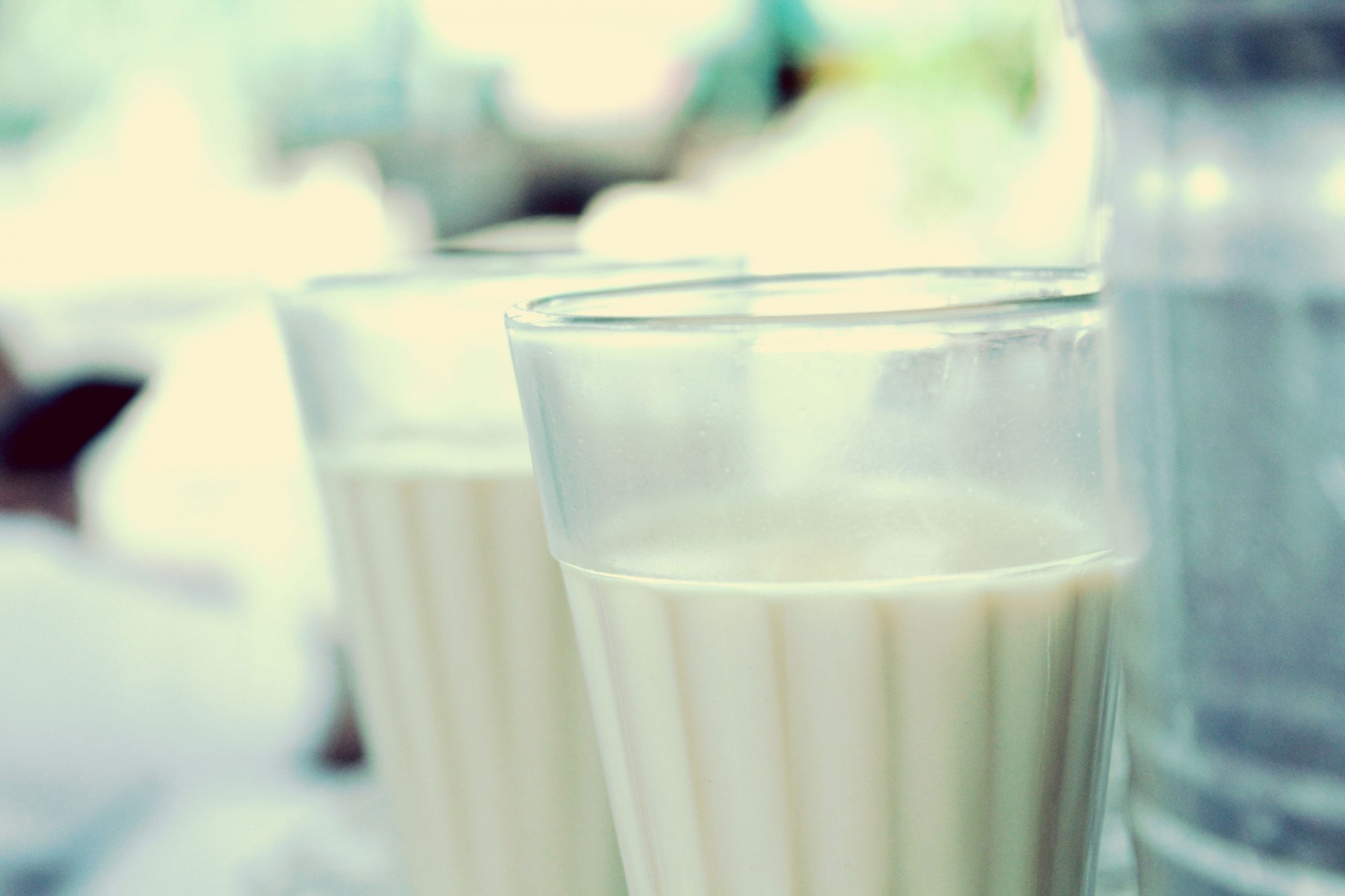
    The TPG-backed Made Group is tapping into the growing health trend of low sugar drinks and increasing its focus on sustainability by using innovative technology to create a milk product, ReMilk.

    Made Group was the first Australian company to launch vitamin-infused bottled water (NutrientWater), coconut water, high-protein breakfast drinks, and cold-pressed juices with an extended shelf life – beating giants such as Coca-Cola Amatil and Asahi’s Schweppes to the market by several years.

    Now, co-founders Luke Marget and Matt Dennis are expanding the business after signing a deal last year with TPG Capital, which has a 60 percent stake. Following the equity injection, Made’s enterprise value is between $300 million and $350 million.

    They are not only widening their portfolio of non-dairy products such as Loco, a plant-based cream alternative, and Cocobella coconut yoghurt, but also turning to specialty fresh dairy using cow’s milk from Victoria’s Gippsland region.

    Mr Marget said more “flexitarians” were emerging – those who were semi-vegetarian and ate mostly plant foods with the occasional inclusion of meat.

    “We recognize that there are vegan consumers who are dedicated to a full plant-based diet, but the percentage of those globally is pretty small,” he said.

    “But what we’re seeing is a trend towards an increasing number of flexitarian consumers that are still interested in products like dairy that had a nutritional powerhouse, but also looking at complementing their diet with plant-based products from time to time, so that’s why we can offer consumers different choices.”

    Cow’s milk is mostly made up of water; the other components are fat, lactose and minerals such as calcium. Plant-based milk is low in protein and can also have less calcium, which is needed for strong bones.

    Mr Dennis said innovation had been lacking in recent years in the milk category. Through a cold filtration technology process, half the natural sugar of ReMilk was removed, he said, but it had more proteins than regular milk.

    After the cold filtration process, ReMilk also becomes lactose-free as any remaining lactose is converted into other sugars such as glucose and galactose by using natural lactase enzymes that are added to the milk.

    “The thing that struck me about the ReMilk proposition is it’s obviously addressing some of those sort of nutritional requirements that many consumers are seeking, but also addresses a more sustainable solution,” Mr Dennis said.

    “This is a product which appeals to a broad audience.”

    More than 50 per cent of Australians are estimated to have some form of lactose intolerance, a figure that rises to 70 per cent in Asian countries.

    Mr Marget said the removed lactose offshoot could be used in other products such as baby formula, and this would help reduce the group’s carbon footprint and cut wastage.

    Consumers are becoming increasingly conscious of their purchasing patterns and seeking out more sustainable solutions.

    A recent LEK Consulting sustainability survey across the UK, the US and Australia showed that more than half the 2700-odd people surveyed were turning their backs on unsustainable choices and willing to pay a premium for sustainable brands, especially for products in pet care, beauty and household basics.

    ReMilk has invested in a renewable packaging format called Tetra Rex by Tetra Pak, made from a combination of plastics derived from sugar cane and paperboard.

    The pair say that by swapping regular milk with ReMilk, consumers would remove 1.7 kilograms of sugar from their diet every year.

    They say their ReMilk product, made under the Rokeby Farms label, is not to be confused with an Israel-based start-up dubbed Remilk, which makes dairy-like products but not with cow’s milk.

    “This is our brand that we created using our innovation,” Mr Marget said.

    He said there had been a focus on accelerating sales into Asia for the larger Made Group suite of productions, but ReMilk was focused on winning a share in Australia’s $3.2 billion milk category.

  • Tesla Sold 33,155 China-Made Vehicles In June

    Tesla Sold 33,155 China-Made Vehicles In June

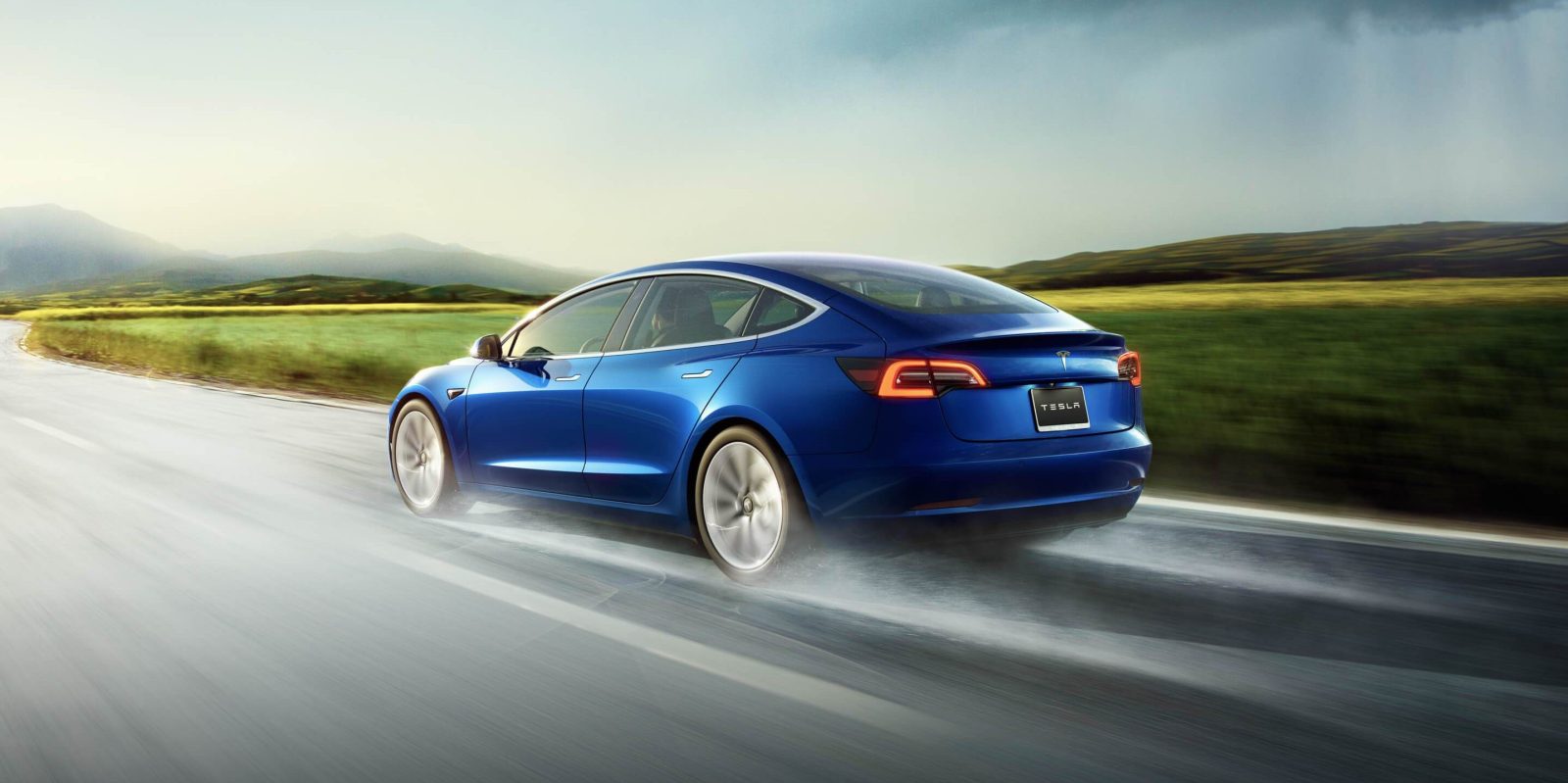
    U.S. electric vehicle maker Tesla Inc sold 33,155 China-made vehicles, including those for export, in June, China Passenger Car Association (CPCA) said on Thursday.

    Tesla, which is making Model 3 sedans and Model Y sport-utility vehicles in Shanghai, sold 28,138 China-made cars in China and exported 5,017 cars in June.

    In May, Tesla sold 33,463 China-made cars.

    On Thursday, Tesla launched Model Y cars with a standard driving range in China, lowering the starting price for the vehicle to 276,000 yuan ($42,588) in the world’s biggest auto market.

    BYD sold 40,532 so-called new energy vehicles, which include battery-electric and plug-in hybrid vehicles, last month in China. General Motors Co’s venture with SAIC Motor sold 30,479 such cars.

    CPCA also said China sold 1.6 million passenger cars in June, down 5.3% from a year earlier.