Tag: mainland

  • Palace Streetwear Breaks Into Mainland China with a Stylish Shanghai Store Debut

    Palace Streetwear Breaks Into Mainland China with a Stylish Shanghai Store Debut

    British streetwear brand, Palace, is set to inaugurate its first independent retail store in Mainland China, within the historic district of Zhangyuan in Shanghai.

    The store, which opens its doors to the public this Friday, draws inspiration from the traditional elements of Yuyuan Garden. It incorporates features reminiscent of the garden’s ponds, pavilions, and meandering paths. In an effort to maintain the authenticity and historic charm of the locale, the original facade of the garden has been preserved. The store’s entrance is marked by Palace’s iconic, mirrored tri-ferg logo suspended above it. The logo, a creation of Fergus Purcell, takes its cues from the Penrose Triangle, a work of Swedish artist Oscar Reutersvärd. The logo’s placement creates an illusion of angling downward from the building’s roofline.

    A Timely Debut

    Gareth Skewis, the founder of Palace, expressed that his frequent visits to China over the past two decades gave him the conviction that the time was right for the brand to make its debut in Mainland China. Skewis pointed out that the present cultural milieu, particularly the state of skateboarding and the contemporary youth culture in China, factored into his decision.

    The interior of the store is a showcase of architectural elegance with limestone and stone tile finishes. It also flaunts LED columns and accents of gold and red, a nod to traditional Chinese rituals. The store’s design incorporates a pavilion-like structure at its heart, thus extending the garden concept throughout the space.

    A Special Collection Launch

    To celebrate the store’s grand opening, Palace will introduce a Shanghai-exclusive capsule collection. The collection includes an array of items such as biker jackets, sports jerseys, hoodies, T-shirts, and accessories. The products are branded with a playful ‘Shang-Hi’ logo and a waving hand motif.

    Questions & Answers

    Where is Palace’s first independent store in Mainland China located?
    The store is located in the historic district of Zhangyuan in Shanghai.

    What is the design concept of the store?
    The store’s design draws inspiration from the traditional elements of Yuyuan Garden, with features reminiscent of the garden’s ponds, pavilions, and meandering paths integrated into the store’s layout.

    What special launch is coinciding with the store’s opening?
    To mark the store’s opening, Palace will introduce a Shanghai-exclusive capsule collection, featuring items like biker jackets, sports jerseys, hoodies, T-shirts, and accessories branded with a ‘Shang-Hi’ logo and a waving hand motif.
  • Hong Kong Housing Market Set for 5% Uplift in 2026: Mainland Demand and Interest Rate Cuts Lead the Charge

    Hong Kong Housing Market Set for 5% Uplift in 2026: Mainland Demand and Interest Rate Cuts Lead the Charge

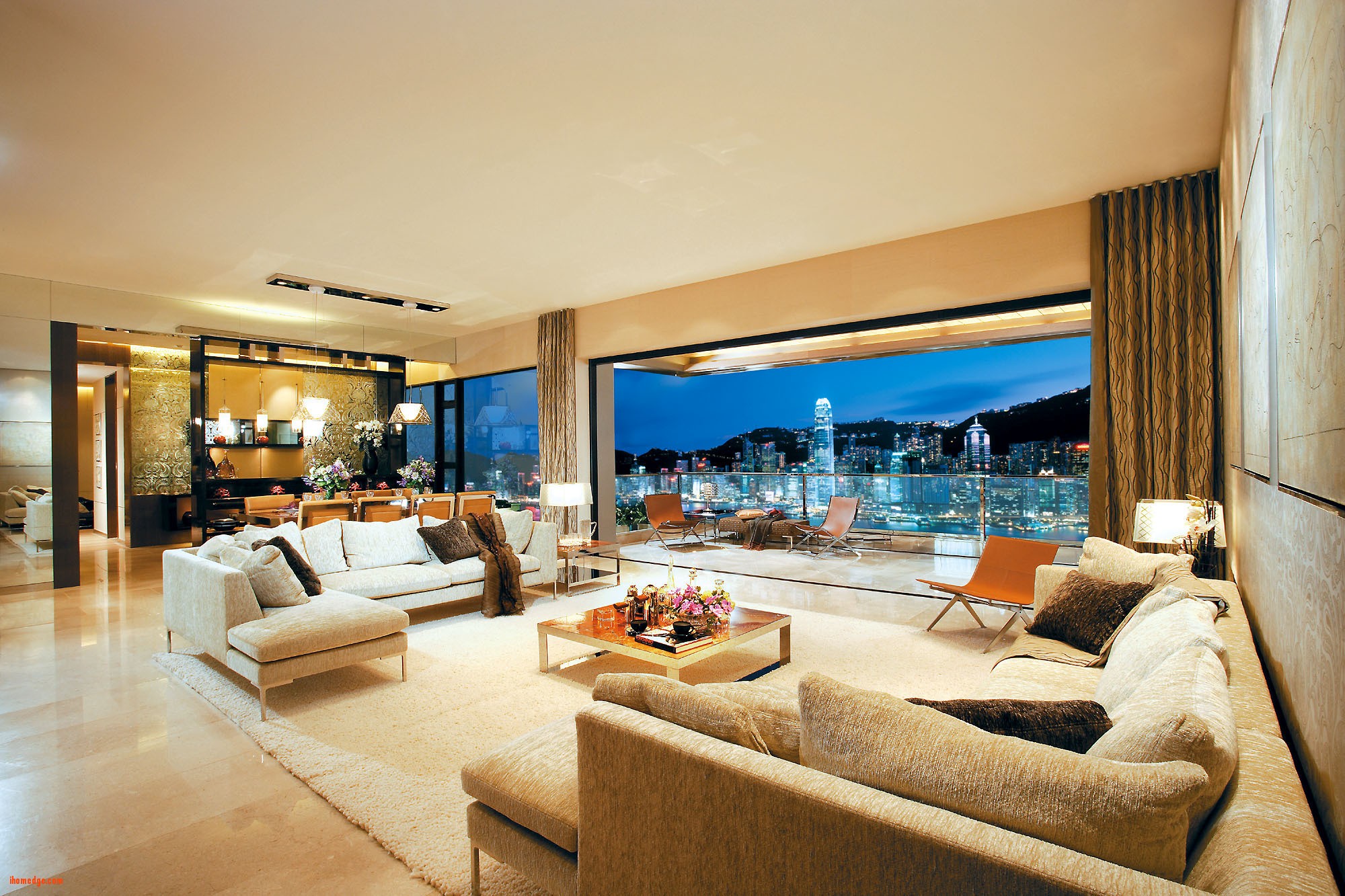
    Analysts predict a 5% rise in Hong Kong residential property prices in 2026, spurred by demand from buyers from mainland China, potential interest rate cuts, and a decrease in unsold new apartments. Joseph Tsang Hon-ping, the chairman of JLL in Hong Kong, expresses cautious optimism for housing prices in 2026, believing they’ve reached their lowest point.

    Market Recovery Predictions

    According to Tsang, there’s an expectation of a 5% rise in capital values, while the value of luxury residences is anticipated to remain generally unchanged. However, luxury rents could experience an increase of up to 5%. This pattern could provide a significant lift to a market that has been in decline since the latter part of 2021.

    Cushman & Wakefield also suggests that recent adjustments in taxes and a bounce-back in the Hong Kong stock market could contribute to the stabilization of the city’s residential property sector. Additionally, these elements could help to normalize elevated inventory levels held by developers by the end of the upcoming year.

    Current Market Conditions

    Government data reveals a significant drop of 28.4% in lived-in home prices in March, compared to their peak in September 2021. However, home sales have shown promising growth, with an increase of more than 20% year on year as reported in November. This surge in sales has resulted in a decrease in unsold inventory.

    By the end of the year, the projection is for the unsold stock to be equivalent to over 51 months of supply. This aligns with the average level between the years 2015 and 2021. JLL also anticipates private housing supply to normalize by the end of 2026, requiring nearly 45 months to absorb current stock.

    Mainland Buyers and Luxury Housing

    For new property launches, about 30% of buyers hail from mainland China. This figure rises to over 60% for projects in specific areas like Kai Tak and Kowloon Station. In the luxury housing market, which includes units priced at or above HKD100 million (US$12.85 million), mainland Chinese buyers account for more than 90% of purchases.

    Some luxury properties, such as a duplex apartment at The Legacy, have achieved exceptionally high selling prices. This apartment reportedly set a new city record, selling for HKD880 million.

    Market Recovery Signs

    There have been signs of improvement in Hong Kong’s residential property market sentiment in recent months, following a roughly 30% price drop from their 2021 peak. Interest rate cuts have aided in stabilizing financing conditions, marking the start of a recovery.

    Cushman predicts the number of mainland buyers in Hong Kong to continue rising, as rental prices have reached historic highs. However, Edgar Lai, a senior director at Cushman, believes the share of mainland buyers will not surpass that of local buyers due to capital controls making it challenging to transfer large sums of capital into Hong Kong.

    Questions & Answers

    What is the predicted increase in Hong Kong home prices in 2026?
    Analysts anticipate a 5% rise in residential property prices in Hong Kong in 2026.

    What factors are expected to drive this growth?
    The projected growth is expected to come from demand from mainland Chinese buyers, anticipated interest rate cuts, and a reduction in unsold new apartments.

    What is the current state of Hong Kong’s residential property market?
    Hong Kong’s residential property market has begun to show signs of recovery following a 30% drop in prices from their peak in 2021. The market is showing the first signs of stabilization, supported by interest rate cuts.

  • Cafe de Coral ramps up Mainland China expansion plans

    Cafe de Coral ramps up Mainland China expansion plans

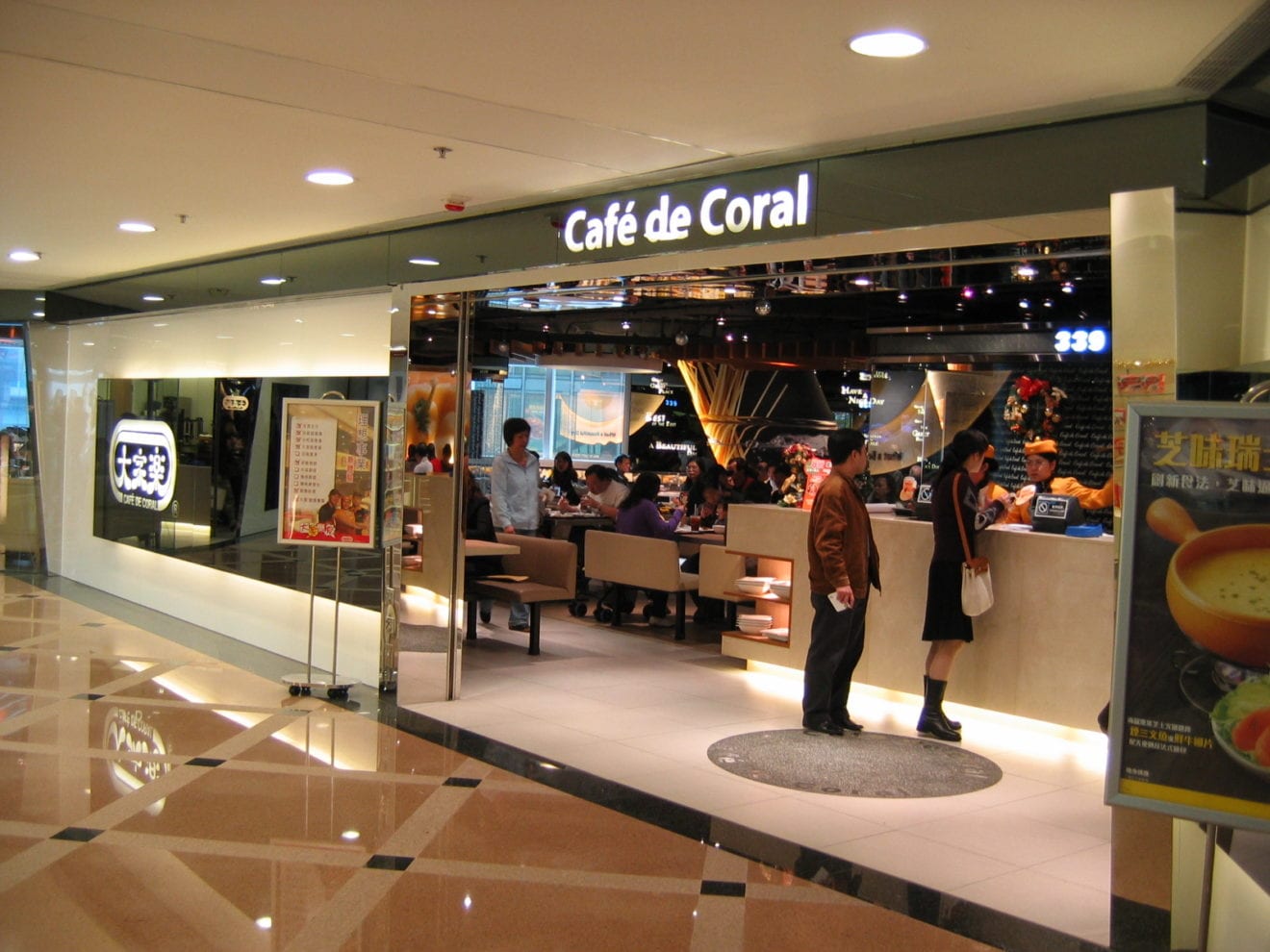
    Hong Kong-listed Cafe de Coral Holdings, one of Asia’s largest restaurant and catering groups operating quick-service restaurants, will speed up its expansion in mainland China with 17 store openings in the pipeline.

    The company revealed its plans after its net profit for 2020 almost quintupled, despite lower revenue in Hong Kong, thanks to pandemic relief and subsidies by the Chinese and Hong Kong governments, and other actions it undertook to save on costs.

    “Our business in mainland China has recovered after the initial severe lockdown. The group will continue to expand its network in the Greater Bay Area,” Sunny Lo Hoi-kwong, chairman of the company, said in a filing with the Hong Kong stock exchange on Tuesday.

    Cafe de Coral was able to take advantage of China’s fast recovery from the economic dislocation caused by the coronavirus pandemic. China’s economy was already growing at 2.3 percent even while Hong Kong’s economy was registering a 6.1 percent contraction in 2020.

    The company “took advantage of the situation to increase the pace of network expansion, opening 13 new stores during the year with a strategic focus on Guangzhou and Shenzhen – and currently has 17 stores in the pipeline to open next year”, he said. As of 31 March 2021, the company had 352 stores in Hong Kong and another 121 in mainland China.

    “As the mainland China market was able to quickly control the severity of the Covid-19 pandemic, domestic consumption is expected to rebound at a faster rate,” Lo said.

    The company’s net profit skyrocketed 3.88 times to HK$359.1 million (US$46.3 million) for the year ended 31 March 2021, from HK$73.6 million in the previous year, according to the filing. In contrast, its revenue fell 15.7 percent to HK$6.7 billion.

    Cafe de Coral received pandemic relief and subsidies from governments in the city and the mainland totaling HK$638.9 million, including HK$486.8 million under the Employment Support Scheme in Hong Kong.

    It also adapted product offerings and operations to a “new normal”, implemented stringent cost controls, manpower deployment, and acceleration of technology upgrades to capture more takeaway and delivery business. These measures, combined with relaxed social distancing restrictions, led to improved revenue in the second half of the financial year.

    Its net profit, however, still does not match pre-pandemic levels of up to HK$569.9 million for the year ended 31 March 2019, before the onset of protests and the coronavirus pandemic. Restrictions prompted by the pandemic barred dinner service for 114 days in the financial year, in addition to the nine days that it voluntarily suspended operations.

    “As the pandemic situation resolves, the group expects business performance to make progress along with the economy,” Lo said. “The industry has faced a severe shock and many weaker players have already exited the market. Those that remain are lean, fit, and aggressive. And we anticipate a sharply competitive environment in the year ahead.”

    A final dividend of 28 HK cents per share was recommended on Tuesday, compared with nil in the previous financial year.

  • Lower tourist spend hits Tiffany & Co sales

    Lower tourist spend hits Tiffany & Co sales

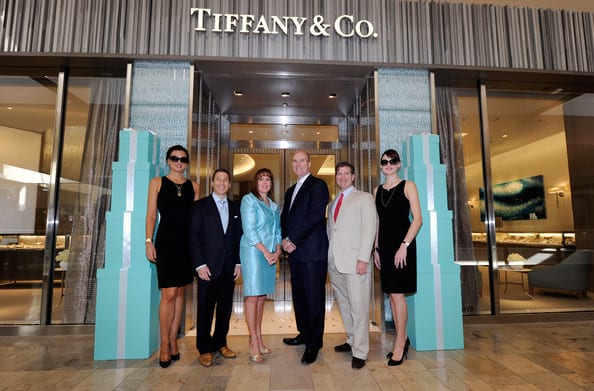
    Tiffany & Co sales were hit by what CEO Alessando Bogliolo described as “dramatically lower worldwide spending attributed to foreign tourists” during the first quarter.

    Globally, sales fell by 3 per cent in the three months to April 30, to US$1 billion and comparable sales fell by 5 per cent. “Significant foreign exchange headwinds” were also responsible for the result, with sales down a more modest 2 per cent on a constant-currency basis.

    While not releasing breakdowns by country, Bogliolo said global sales attributed to local customers, led by sales in China, grew year on year. “We believe this growth in sales to local customers reflects progress in executing our strategic priorities, including innovations across products, communications and the customer experience, and that Tiffany is positioned for improving trends in the second half of 2019.”

    Net earnings of $125 million were 12 per cent lower than the prior year’s $142 million.

    Tiffany & Co sales in Asia-Pacific declined 1 per cent to $324 million and comparable sales declined 5 per cent due to the effect of foreign currency translation; on a constant-exchange-rate basis, total sales rose 3 per cent and comparable sales were unchanged.

    “These results reflected a continuation of strong growth in Mainland China and mixed results in other markets,” the company said in a statement. “These sales results also reflected lower spending attributed to foreign tourists.”

    In Japan, total net sales declined 4 per cent to $145 million and comparable sales declined 4 per cent, but on a constant-exchange-rate basis, total sales and comparable sales were equal to the prior year. These results were also affected by lower spending attributed to foreign tourists.

    In Europe, total net Tiffany & Co sales declined 4 per cent to $102 million and comparable sales declined 7 per cent. In the Americas, total net sales declined 4 per cent to $406 million, and comparable sales declined 5 per cent.

  • Taobao Leverages Live Streaming to Boost Rural Development

    Taobao Leverages Live Streaming to Boost Rural Development

    Taobao will leverage its livestreaming technology to help incubate 1,000 key opinion leaders in China’s countryside in an effort to boost rural development. By helping farmers go online, Taobao aims to enable farmers to find new markets and customers from their homegrown products.

    Taobao’s target is to boost the livelihood of 1,000 farmer livestreamers from 100 counties in Chinan by helping them each generate over RMB10,000 in monthly income. The idea is to drive online sales of local agricultural products via livestreams conducted by the newly minted rural KOLs – the farmers, themselves. To promote this new initiative, Taobao plans collaboration with countylevel governments to highlight local points of interest and expand the popularity and recognition of various villages participating in the livestreaming.

    “Our rural livestream program aims to empower local livestreamers to boost business for povertystricken areas, while enabling farmers to manage their own livestream e-commerce channels. It’s Taobao’s devotion to poverty relief by leveraging e-commerce and livestreaming via creative digital technologies.” said Chen Lei, director of e-commerce content at Taobao. Last year, Taobao hosted more than 150,000 agriculture-themed livestreams, which drew over 400 million viewers. Taobao innovated the “Live on the Farm” model, featured with agriculture livestreamers, KOLs, and even local government officials from counties to join livestream sessions and promote their local goods. In January 2019, Taobao’s “Live on the Farm” sevenday online sales campaign generated over RMB9.35 million in sales, right ahead of Chinese New Year, a prime gifting period in China.

    Many agriculture livestreamers tasted their first success on the platform last year, including Chen Jiubei, who has helped farmers in her hometown in Hunan province sell up to 2 million kilograms
    of previously unsaleable oranges in just 13 days last winter. Taobao also coordinated with county-level governments to provide a suite of livestreaming marketing services, including seeking out and training livestreamers, as well as identifying local selling points. With more than 60,000 distinct livestreams on agricultural products every month,

    Taobao is committed to driving RMB 3 billion in sales for the sector in 2019. This month, Taobao will roll out livestreams that introduce the source of a range of agricultural products, helping viewers discover the local landscape and customs where their products come  from. In addition, Taobao also plans to partner with CCTV, Hunan Television and Zhejiang Television to develop livestreaming shows that invite popstars and celebrities to participate in poverty-relief activities, aiming to generate more public awareness for underprivileged areas. More on Taobao Livestreaming Taobao livestreaming is an emerging marketing channel that started in 2016 and has rapidly grown into a proven marketing strategy. Powered by advanced technologies from across the Alibaba Group, KOLs and livestreamers provide both indoor and outdoor livestreaming to customers. During these livestreams, they introduce and recommend different products across diverse areas ranging from clothing, cosmetics and jewelry, to agriculture goods and plus-sized clothes. In 2018, 81 livestreamers notched over RMB 100 million in sales, respectively.

    Across all industries and sectors in China, brands and sellers are already transforming their digitalncapabilities to stimulate business development through Taobao livestreaming. L’Oréal’s flagship store experienced a nearly 20% increase in purchases after Viya and Jiaqi Li, Taobao’s most recognized livestreamers promoted the brand’s signature goods via livestream. Among the top female clothing brands, more than 30% of sales are driven by live streaming. In certain industries such as jewelry and jade, flowers and plants, the penetration rate of brands using Taobao livestreaming is close to 50%, bringing great changes to the previous online marketing mix that was adopted.

    Livestreaming serves as an efficient tool to empower traditional industries and drive sales. During the “Double 12 Shopping Festival” in 2018, Taobao organized a 12-day livestreaming event from once-booming industrial belts to rejuvenate traditional businesses with cutting-edge technologies and powerful new modes of retail operation. Livestreamers were everywhere from an agricultural products base in Sichuan and porcelain production firm in Jingdezhen to a home textiles mall in Nantong and leather factory in Haining, bringing a growing number of young customers to forgotten industrial towns. In order to inject more renewed energy into traditional industries, Taobao also launched plans at the recent summit to incubate and develop 10 offline traditional retail markets. The aspiration is to help them reach annual revenues of over RMB 100 million. Other initiatives that are being rolled out to maximize the influence of livestreaming includes developing 10 professional PGC (Professional Generated Content) organizations with over RMB 100 million revenues, creating 10 super programs with more than 100 million views and promoting over 100 regional television stations to collaborate with Tao Live, an app focused on PGC area.

  • Le Saunda sales plunge with 30 per cent

    Le Saunda sales plunge with 30 per cent

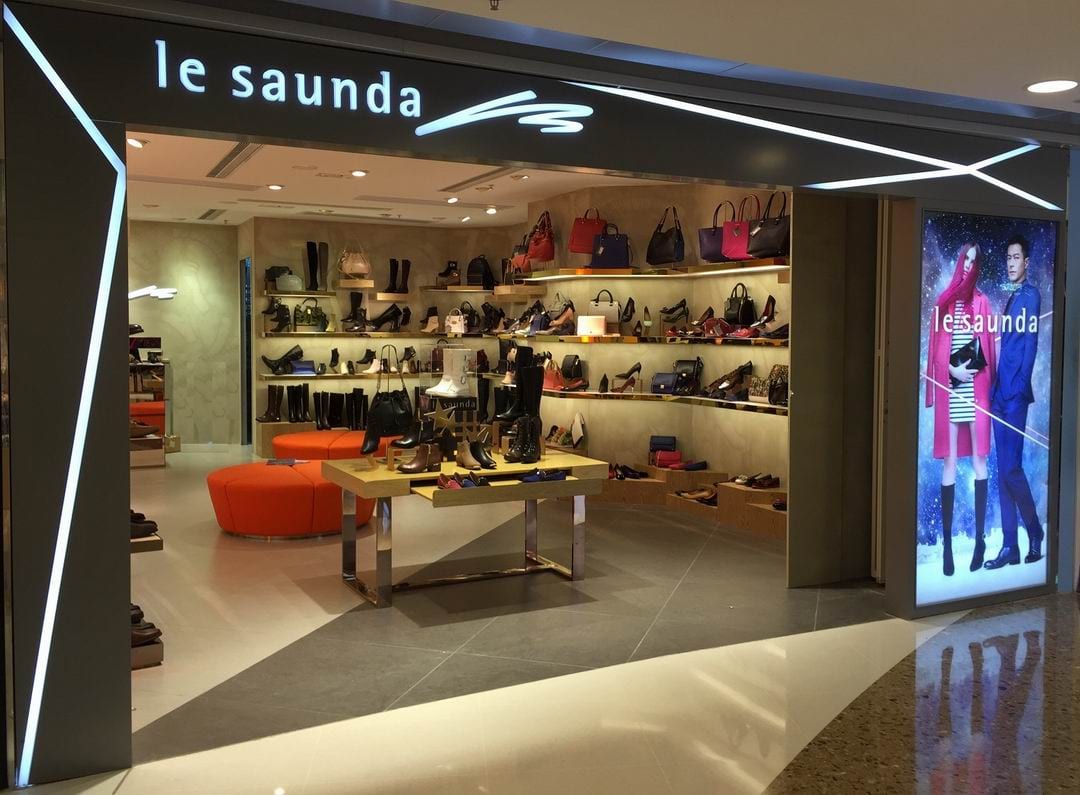
    Le Saunda sales plunged 30 per cent in the fourth quarter as the embattled shoe retailer struggles to attract customers.

    According to a stock exchange filing, sales at Le Saunda’s self-owned stores fell by 29.9 per cent in the quarter, with same-store sales declining 17.4 per cent.

    That followed a cull of 161 stores over 12 months across Mainland China, Hong Kong and Macau.

    Sales by the group’s e-commerce business fell by 4.1 per cent, compared with the same period last year.

    Le Saunda has 526 stores remaining across its three markets, with 464 of them self-owned and 62 franchised on the mainland.

    The company said it expects the group to record a net loss attributable to shareholders for the 2018-19 financial year, primarily attributable to the decrease in sales, and a declining gross profit margin. Le Saunda did not give an estimate for the loss.

  • Hong Kong’s choice between mainland and despair

    Hong Kong’s choice between mainland and despair

    Hong Kong faces great economic uncertainty and unprecedented market volatility, and given the Brexit chills, analysts expect a contraction. In fact, John Tsang Chun-wah, the Hong Kong Special Administration Region’s financial secretary, has warned that the city’s economy faces its “worst time in 20 years”. Growth has more than halved to about 2.5 percent over the past five years.

    The writing has been on the wall for Hong Kong since the outbreak of the global financial crisis, yet critical decisions have been delayed. The SAR’s old growth drivers are still necessary but not enough to propel growth, because the West can no longer absorb Asian imports, and the Chinese mainland’s economic growth has slowed down.

    Last spring, concerns about Hong Kong’s economy led some rating agencies to downgrade their outlook to negative, after doing the same for the mainland. But while the mainland can still rely on catch-up growth, Hong Kong’s aging economy has to adjust to stagnating growth and income polarization.

    In the past, Hong Kong’s property developers reduced risks by relying on prudent financial policies, funding flexibility and recurring income streams. Today, those positives have been offset by rising supply, slower growth, and the United States Federal Reserve’s future rate hikes.

    True, retail sales can still contribute to Hong Kong’s growth, but they cannot do so without mainland residents’ critical role as consumption engines. Also, the SAR’s thriving tourism sector is not viable without mainland residents, who comprise by far the largest group of tourists to Hong Kong. Actually, without the mainland, Hong Kong would be left with only half its trade and a quarter of its foreign investment.

    Hong Kong is highly vulnerable to Brexit spillovers, too. Outside the European Union, it has perhaps the largest trade, investment and financial linkages with the United Kingdom. And because the value of Hong Kong dollar is rising on the back of the US dollar as investors seek safe havens, Hong Kong faces even greater headwinds than Singapore.

    Last year, Hong Kong’s exports to the UK and the rest of the EU comprised 14 percent of the total, relatively the highest in Asia and thus exposed to Brexit and EU risks. In contrast, the mainland’s Belt and Road Initiative will allow Hong Kong to continue to benefit from trade and investment.

    In the past, Hong Kong was the mainland’s financial gateway to the world. But that role has been gradually taken over by Shanghai and other mainland cities, which makes Hong Kong’s attractiveness as a financial hub non-viable without regional economic integration.

    In the coming years, the current trends will become more prominent. During Hong Kong’s reunification with the motherland in 1997, the US economy was almost 10 times bigger than China’s. Europe was still integrating into a regional block. And Hong Kong’s living standards were 11 times higher than those on the mainland.

    Today-almost two decades later-the US economy is only about 40 percent larger than that of China. Europe faces fragmentation threats. Hong Kong’s living standards are on average about 3.7 times higher than those on the mainland, but almost at par in certain districts of Shenzhen in Guangdong province.

    Moreover, income polarization in Hong Kong has soared to alarming levels, according to the Gini coefficient, which some say is worse than those in Brazil or Zimbabwe in international comparisons.

    Worried over the gloomy prospects, Hong Kong tycoon Li Ka-shing recently suggested raising profit tax to boost public spending and narrow the wealth gap. In the absence of hope, the political despair even among a few may undermine the living standards of many in the future.

    But Hong Kong has a choice. By participating in the mainland’s economic growth it can alleviate transitional pains and move to greater equity. To thrive, small and open economies need growth, integration-and hope.


  • Oriental Watch profit plummets

    Oriental Watch profit plummets

    Listed retailer Oriental Watch Holdings says its net profit fell 78 per cent in the year to March.

    The company, which had issued a profit warning earlier in the year, has been hit by the slump in demand for luxury watches from mainland Chinese, in turn a result of the mainland government’s clampdown on gift giving.

    OWH says its net profit fell to HK$5 million, (US$641,000) on turnover down 11 per cent to around HK$3.11 billion.

    The company said luxury brand shoppers had changed preferences and attitudes and blamed slimmer margins on intense competition from watch retailers competing for a shrinking customer base.

    Oriental Watch has 68 stores in mainland China, 13 in Hong Kong, three in Macau and three in Taiwan.

  • How Chow Tai Fook is setting Hearts on Hearth

    How Chow Tai Fook is setting Hearts on Hearth

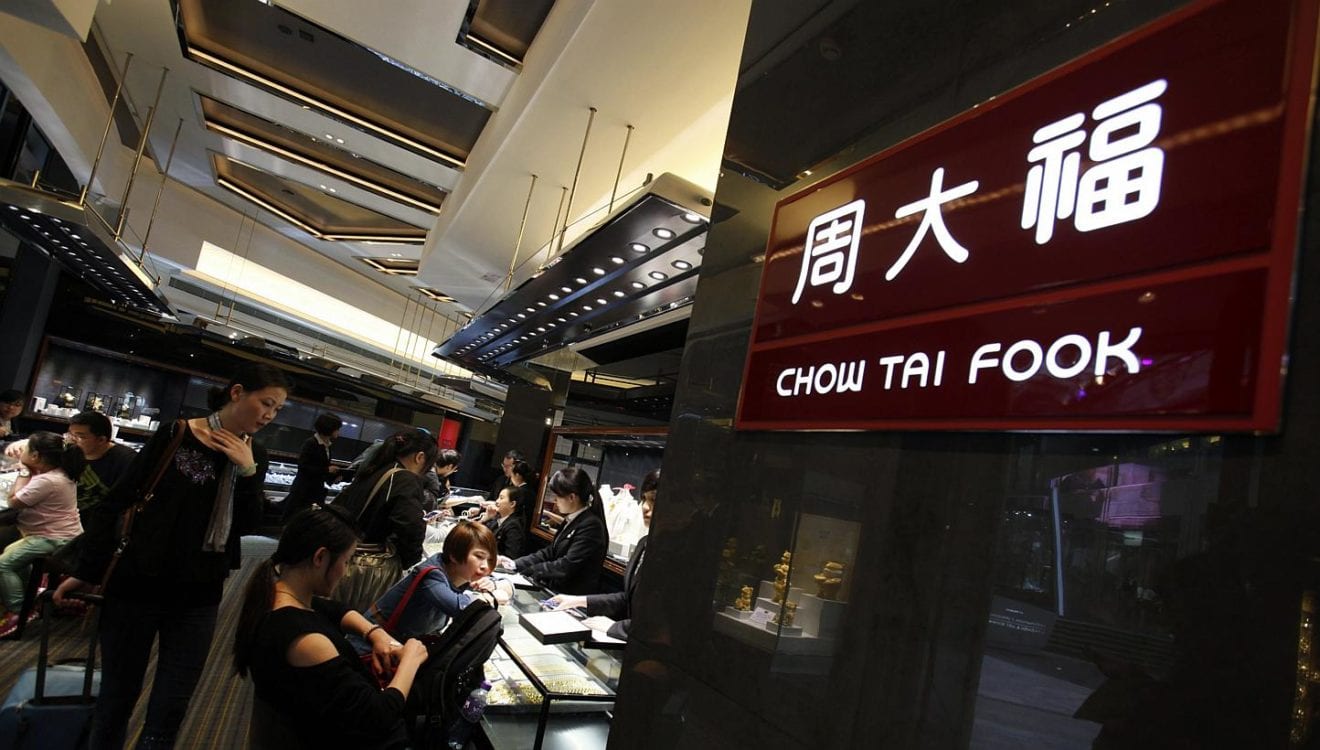
    A yr on from shopping for Hearts on Hearth, Hong Kong headquartered jeweller Chow Tai Fook stays bullish concerning the model’s prospects in Mainland China, regardless of the static jewelry market.

    Chow Tai Fook has three standalone shops in China and, one concession there, together with one other concession in Hong Kong. It plans 10 standalone shops in China by the yr’s finish and the corporate will proceed to search for alternatives for brand spanking new concessions.

    “Hearts of Hearth is a really younger model, however we’ve got expertise with the Chinese language group in Taiwan the place Hearts on Hearth is ranked as probably the most desired and sellable diamond model,” stated Chow Tai Fook MD Kent Wong in an interview with Rapaport News revealed on-line.

    “Chinese language shoppers in Taiwan like perfection. Subsequently, the perfectly-cut diamond is one thing that they should have. The identical style applies in Mainland China,” Wong defined.

    “Hearts on Hearth can leverage Chow Tai Fook’s big buyer base. Chow Tai Fook manages about 1.5 million VIP clients in China. Their repeat purchases account for about 35 per cent of our complete gross sales, and about 65 per cent of our repeat buy clients need gem-set jewelry, particularly with diamonds.

    “For Hearts on Hearth, we have now already set a three-year improvement plan. We need to improve the purchasing expertise within the retailer by way of promoting campaigns and packages to help the model.”

    Chow Tai Fook purchased the Hearts on Hearth luxurious diamond model final June for US$150 million.

    Kent stated Hearts on Hearth is an effective complement to Chow Tai Fook as a result of it’s a premium luxurious diamond model that has been within the business for many years.

    “Chow Tai Fook can profit from Hearts on Hearth’s expertise in creating a luxurious model. It has wonderful jewelry design and brings extra of a worldwide imaginative and prescient to our design group,” he informed Rapaport News.

    He stated the Chinese language authorities’s anti-graft marketing campaign had affected the posh watches, attire and drinks sectors, however not jewelry.

    “Our analysis exhibits that about 70 per cent of girls in China’s Tier I and Tier II cities, need to obtain a diamond engagement ring. Yearly, we’ve got about 12 million to 13 million couples getting married in China so the bridal market supplies secure demand, regardless of the market state of affairs.”

    In a broad ranging interview Wong talks concerning the distinctive RFID tagging Chow Tai Fook is utilizing instore to review buyer behaviour when taking a look at jewelry, advertising initiatives for Hearts on Hearth and benefiting from on-line to drive retail gross sales.

  • Mi Hong Kong opens doorways

    Mi Hong Kong opens doorways

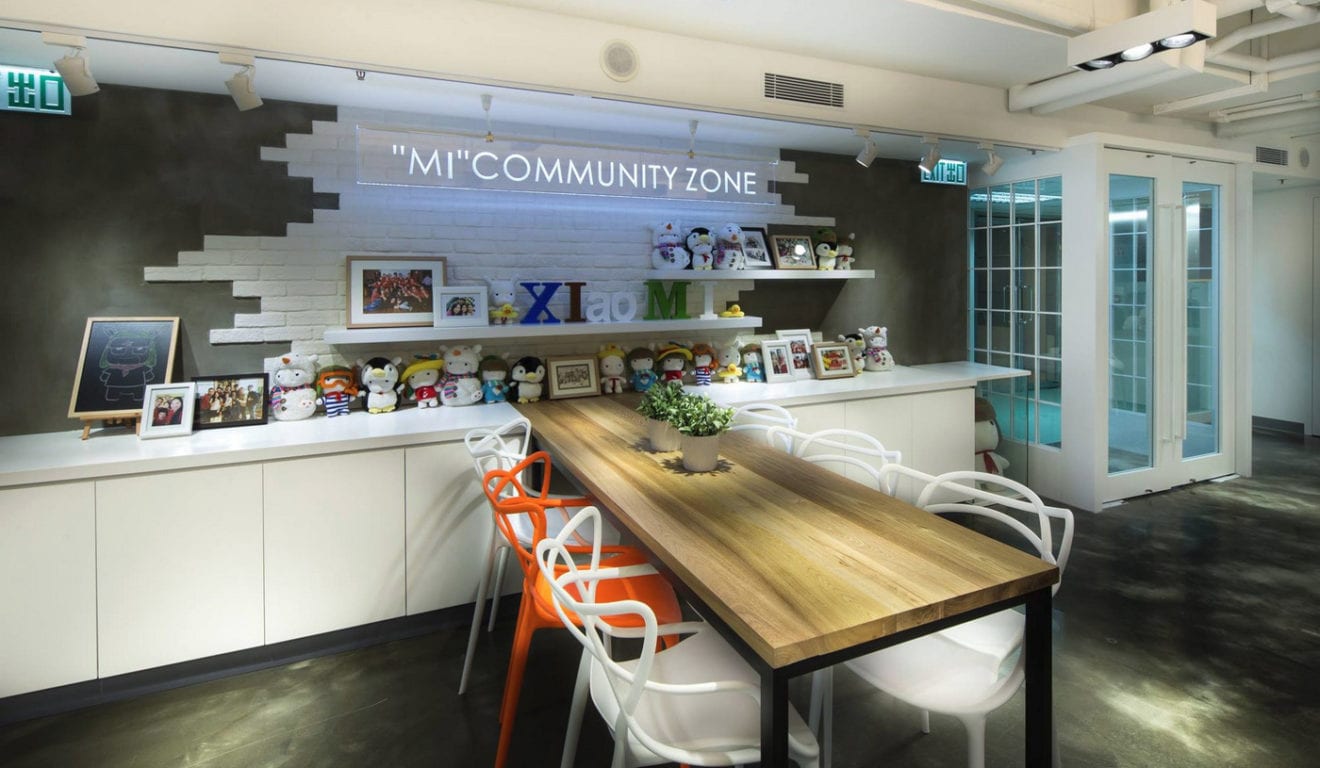
    Chinese language smartphone maker Xiaomi has opened its first retail retailer outdoors the Mainland.

    The Mi Hong Kong retailer – dubbed Mi Residence – is a 270 sqm area inside Hollywood Plaza at 610 Nathan Rd in Mongkok.

    We are saying ‘area’ as a result of the shop was created as someplace “identical to residence” – someplace Mi house owners, or potential house owners, would really feel at house.

    As the pictures launched by Xiaomi present it’s a lot like an Apple retailer, however with out the huge product vary. As an alternative there are brightly colored sofas and cushions and big flat display TVs.

    Hugo Barra, the previous Google government who’s now VP of Xiaomi International, promised final month Xiaomi would create “a service and retailer expertise that feels identical to house, we would like a spot that feels so snug you’re simply completely happy to return and hang around”.

    In addition to permitting clients to check out the handsets and examine fashions, the shop has a service assure: clients can deliver a telephone in to be fastened and wait not than 19 minutes earlier than with the ability to take it away.

    Xiaomi was launched in China in 2011 but has already turn out to be the world’s third largest smartphone model – and the most important within the mainland. Final yr it bought 60 million handsets, virtually all of them in Mainland China. Founder and CEO Lei Jun, China’s 23rd richest man, is now increasing the model into different shopper electronics strains.

    And the corporate has begun what guarantees to be a relentless march overseas. In addition to opening its flagship in Mongkok – virtually definitely a check earlier than the idea is rolled out elsewhere – it has began promoting equipment like headphones on-line within the US and Europe.

    Thus far it isn’t promoting handsets in both market, however Mi telephones are discovering their approach into different markets by way of distributors and gray imports.

    Xiaomi launched its new Mi 4i handset in Hong Kong on Might 12 at HK$1599 – a handset with a 5.5 inch display and 15 megapixel ahead digital camera, operating Android. On the equal of US$206, it’s a potential class killer as soon as shoppers develop to belief the Mi model. An Apple iPhone 6 begins at $5588 (US$720). It’s Xiaomi’s first telephone developed for the worldwide market.

    Xiaomi has a small community of 19 retail shops in Mainland China, dubbed Mi Houses and 541 service centres operated by companions in eight markets.

    So far most of its handsets are bought on-line and thru a small group of retail companions in Hong Kong and India.